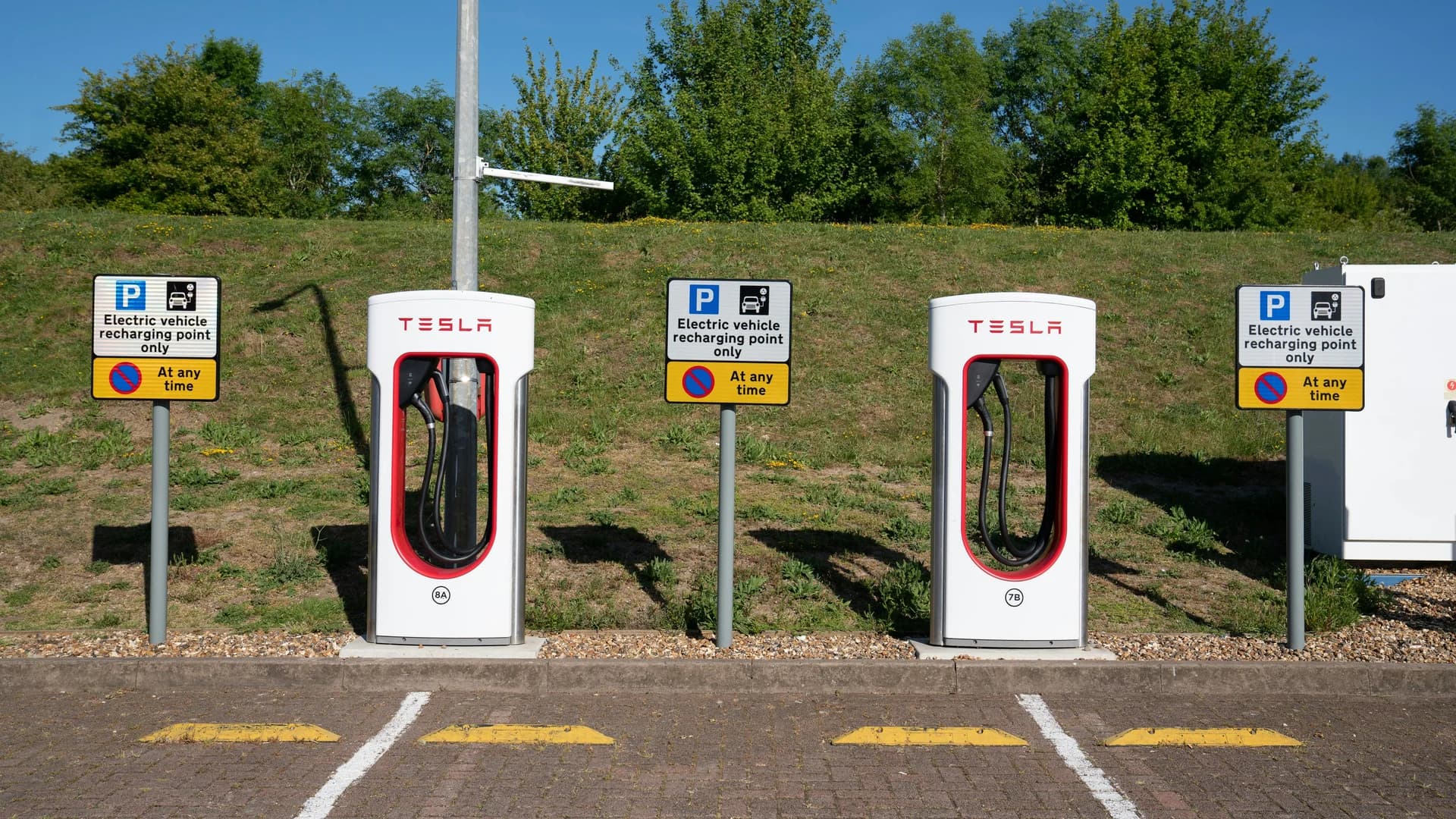
Your phone charges in an hour. Your EV might take 40. That gap is not a battery problem, it's a charger problem.
The answer to "how long does it take to charge an electric car" is somewhere between 20 minutes and two full days, and almost the entire spread comes down to which plug you bought, not which car you bought. Car and Driver put it well in March 2026, figuring precisely how long it takes to charge an electric car is akin to asking, "How long does it take to cross the country?" It depends on whether you're on a plane or on foot, and recharge time is dependent on a host of variables, many of them nuanced, even the length of the charging cable can influence it, that make providing a precise answer impossible.
Fine. But "it depends" is a cop-out when buyers are trying to decide whether an EV fits their life. So here's the version with the hedging stripped out: the charger matters more than the car, the home setup matters more than the network, and most of the people complaining about charging speed in 2026 are using the wrong equipment.
The 40-hour stat is real. It's also a choice nobody who actually owns an EV should be making after the first month.
Key takeaways
- Level 1 charging adds only 5 miles of range per hour, a 120V cord is last resort, not primary charging.
- A 240V Level 2 home install runs $500–$1,200 CAD and solves 90 percent of charging anxiety overnight.
- DC fast chargers from Tesla, Electrify Canada, and FLO deliver 80% charge in 20–30 minutes at highway stops.
- Charging time ranges from under 20 minutes to over 40 hours, the charger type determines the spread, not the car.
- Most 2026 EV owners complaining about slow charging are still using the 120V cord that shipped in the trunk.
The Range That Matters: 20 Minutes to 40 Hours
Three tiers. That's the whole map.
DC fast chargers, the freeway-sprint pillars from Tesla, Electrify Canada, FLO, and Petro-Canada, will get most 2026 EVs from a single-digit state of charge to 80% in roughly 20 to 30 minutes. Level 2 home charging at 240 volts, the wall box in the garage, refills the battery overnight every night. Level 1, the cord that came in the trunk, plugs into a regular wall outlet and trickles in electricity at a rate that would embarrass a fax machine.
MotorTrend's framing of Level 1 is exactly right: it uses a common residential 120-volt/15-amp electrical outlet and is the slowest, kind of like using a straw to fill a pool. Depending on the vehicle and battery, Level 1 charging only adds around 5 miles of range every hour, and it can take upwards of 50 hours or more to charge an EV from 0 to 80 percent.
Fifty hours. That's the upper bound on the "EV charging is slow" complaint, and it's true, and it's also the equivalent of complaining your highway commute is slow because you took it on a bicycle.
The case against this framing is that real buyers shouldn't have to know three tiers of charging hardware to make a coherent purchase decision, the industry should have collapsed the choice into one number by now. Fair. The counter is that no other refuelling technology in transport history has been single-tier either: a transport truck doesn't fill at a passenger pump, a Cessna doesn't fuel at Esso, and nobody calls that a failure of standardization. The three-tier map is the price of running a vehicle off the electrical grid, which is itself a three-tier system (120V outlet, 240V appliance circuit, industrial DC service). The complexity is real, but it's borrowed from infrastructure that already exists.
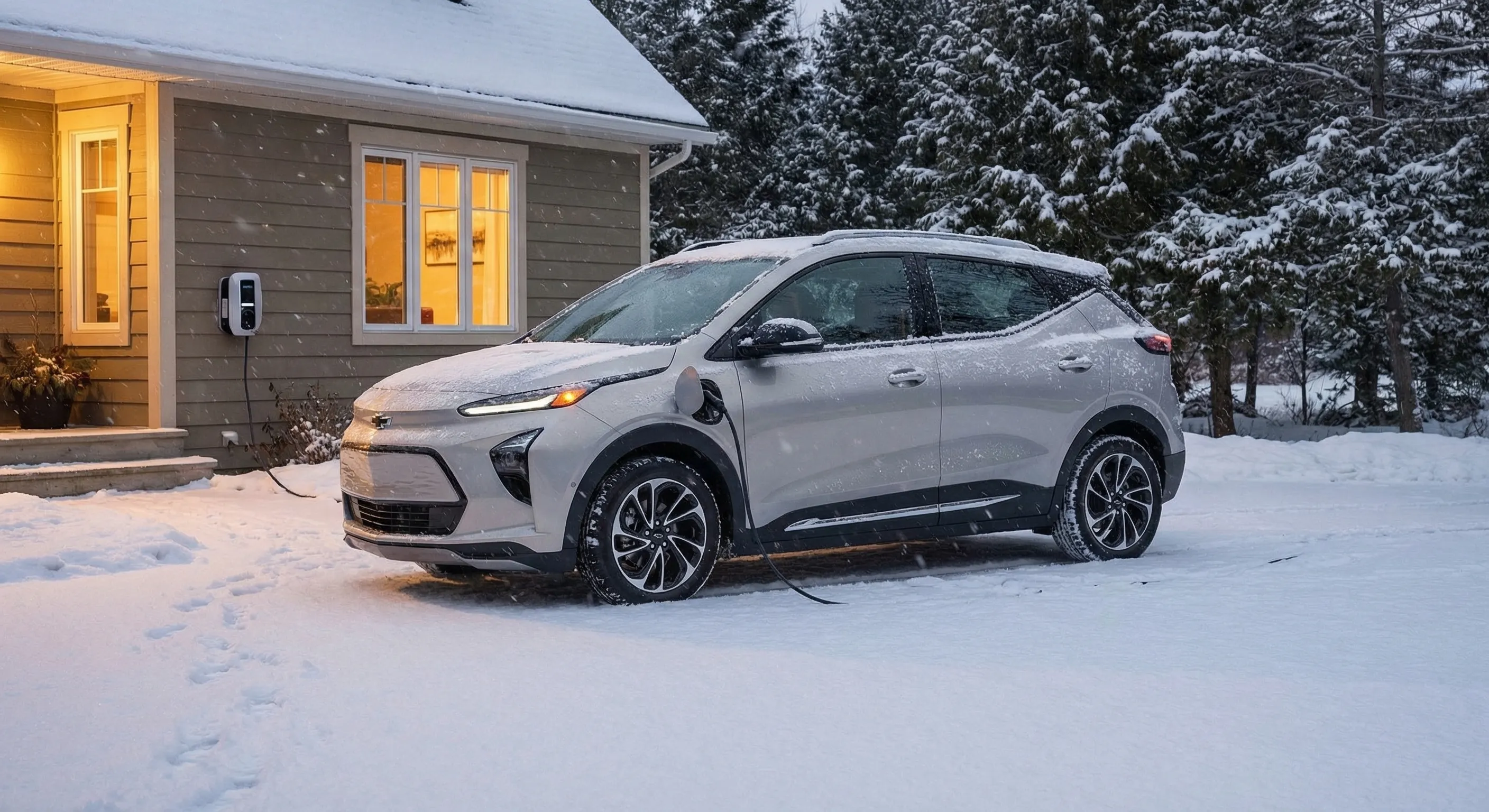
The middle tier is where real ownership happens. A 240-volt Level 2 charger, the same voltage as your dryer or stove, delivers 25 to 40 miles of range per hour to most modern EVs. Plug in at 7 p.m., wake up at 100%, repeat every day for the next eight years. The "range anxiety" conversation barely exists for households with a Level 2 in the garage. It dominates the conversation for everyone still running Level 1.
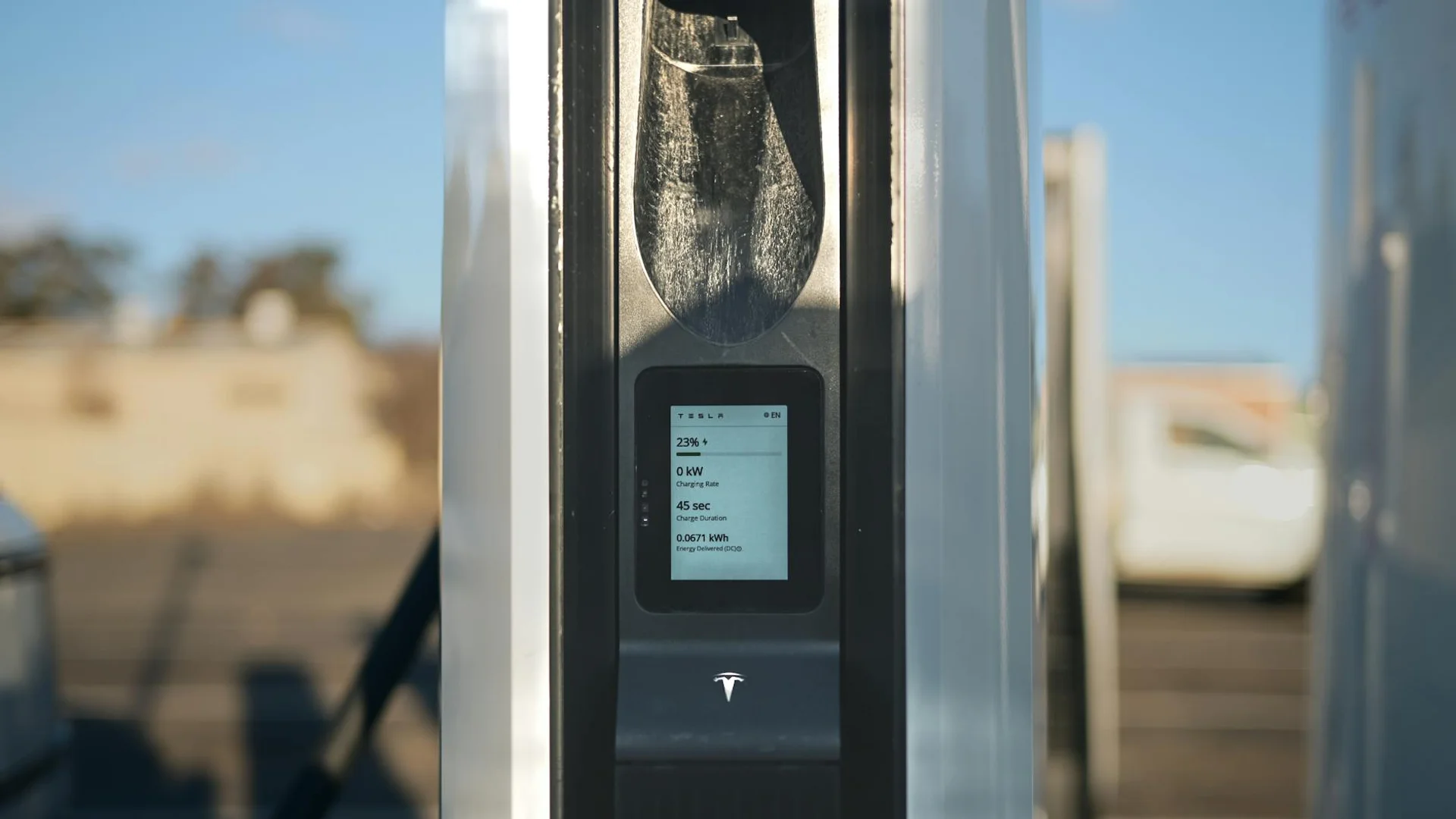
And the top tier, DC fast charging, is the part that actually competes with a gas station. A Tesla Model Y on a V3 Supercharger pulls 200 to 250 kW for the first half of the session, which is enough to put 200 km of range into the pack in the time it takes to use the bathroom and buy a coffee. The muscle-car EVs like the Dodge Charger Daytona and Model 3 Performance are built around this assumption: short stops, big bursts, back on the road.
The 20-minutes-to-40-hours spread is real. It's also entirely under the buyer's control. The Lectron 2026 charging guide makes the same point at the extremes, under 20 minutes to over 40 hours, depending on charger type, battery size, vehicle limits, and conditions. Same range. Same answer. The hardware decides.
Level 1 Charging Is Not a Feature, It's a Last Resort
Every EV sold in Canada ships with a Level 1 cable in the frunk or trunk. Every single one. And a significant share of new EV owners use that cable as their primary charging method for the first six months, because it's there, because it works, and because nobody told them how badly it underperforms.
This is the single biggest fixable failure in EV ownership.
Five miles per hour of range, at 120 volts, against a Canadian commute that averages closer to 50 km round-trip, the math doesn't work. Eight hours of overnight Level 1 charging replaces a 40-mile commute, which is fine in isolation. Run errands on the weekend, get stuck in a snowstorm, do a Costco run, and Level 1 falls behind. The deficit compounds. By the time the owner notices, the battery is at 40% and they're convinced the car is broken.
The car isn't broken. The plug is wrong.
The defence of Level 1 you hear from condo dwellers and apartment renters is that it's the only option they have, no garage, no panel, no landlord willing to install a 240V circuit in the visitor parking. That's a real constraint and it deserves a real answer. The answer is that Level 1 is a viable primary charger only when the daily drive is short, predictable, and well under the 5-mile-per-hour replenishment rate the cord delivers. A retiree doing 20 km of errands a day will be fine forever on Level 1. A sales rep doing 120 km of client visits will be flat in three days. The cord isn't the failure mode, the mismatch between the cord and the use case is.
The reason every automaker keeps shipping the L1 cord, even though anyone who actually uses an EV knows it's inadequate, is purely the headline. "EV sold without charger" is a story nobody wants to write about their product. So the cord ships, the buyer thinks they're set, and the dealer doesn't push the Level 2 conversation because it's not the dealer's revenue.
The result is a meaningful chunk of the EV-buying public concluding that charging is slow, when what's actually slow is the cable that came free with the car.
If you bought an EV in the last 18 months and you think charging is the weak link in the ownership experience, here is the diagnostic question: are you charging at 120 volts or 240 volts? If the answer is 120 volts, you have not yet experienced EV ownership. You have experienced EV ownership with the parking brake on.
Gear worth having
As an Amazon Associate, ThinkEV earns a small commission from qualifying purchases — at no extra cost to you.

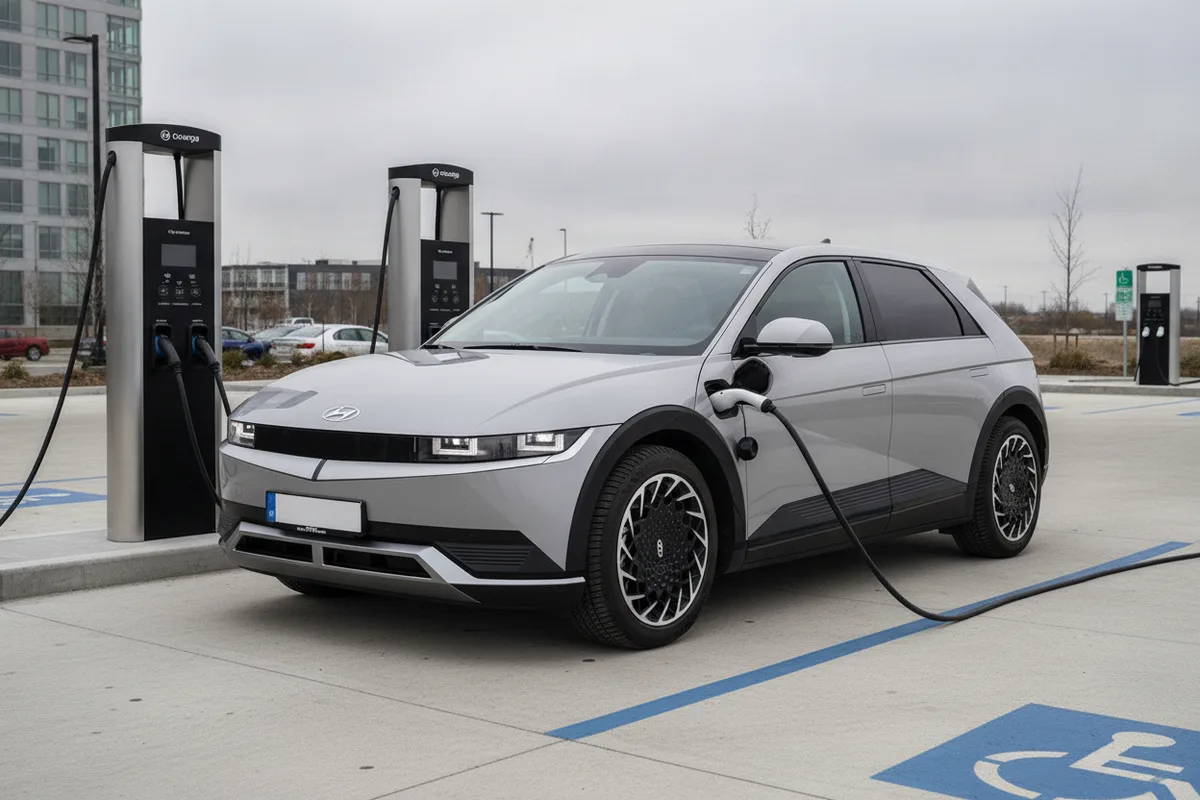
Portable Level 2 EV Charger (40A, NEMA 14-50)
Throw it in the trunk and charge anywhere with a 240V outlet. 40A portable with NEMA 14-50 plug. Your road-trip insurance policy.
As an Amazon Associate, ThinkEV earns from qualifying purchases — at no extra cost to you.
Level 2 at Home Solves 90 Percent of Charging Anxiety
A proper Level 2 install, 240V circuit, dedicated breaker, a wall-mounted EVSE from any of the major brands, typically lands between $500 and $1,200 CAD all-in for a Canadian home with a modern panel. Older homes with full panels can push higher if a service upgrade is required, but the median install is solidly in that range.
That's the entire fix. One Saturday with an electrician, and the 40-hour charging problem is solved forever.
Most 2026 EVs accept between 7.2 kW and 11.5 kW on Level 2. That translates to a full charge overnight, every night, for a Tesla Model Y, a Chevy Equinox EV, a Kia EV6, a Hyundai Ioniq 5, basically the entire mainstream lineup. Plug in when you get home. Unplug when you leave. The pack sits at 80% or 90% by morning and the question of "how long does it take" stops mattering, because you weren't waiting for it anyway.
This is the part the dealership conversation never quite captures. A buyer cross-shopping a $59,990 Tesla Model Y Long Range AWD and a $44,995 Chevy Equinox EV 1LT will spend an hour comparing zero-to-sixty times and pack chemistry. The actual ownership experience is determined by whether the garage has a 240-volt outlet. The comparison between the Equinox EV and the Model Y matters less, day to day, than that one electrician visit. The price gap between those two trims is $15,000. The price of solving the charging problem for either of them is closer to $800. The buyer who fixates on the first number and ignores the second has the priority order backwards.
The case against the home-Level-2 gospel is the one I have to take seriously: roughly a third of Canadian households don't own a detached home with a garage, and the apartment-and-condo share is rising in every major urban market. For that segment, "just install a 240V circuit" is not a solution, it's a brush-off. The concession is that EVs in 2026 are still easier to own if you have a driveway, and pretending otherwise insults the people the math doesn't work for. The narrower defence is that for the buyers this article is actually addressed to, homeowners cross-shopping an EV against a gas car, the Level 2 install is the single highest-leverage decision they make, and treating it as optional is the mistake.
Equipment matters. Some Level 2 units handle cold better than others, some have better apps, some are smart enough to schedule around time-of-use rates. The tested ranking of Level 2 home chargers in Canada for 2026 covers the cold-weather reliability question in detail, and the gap between the best units and the cheap units is real once Canadian winter shows up.
But the brand of EVSE matters less than the existence of one. EV ownership without a Level 2 charger is like buying a laptop and only using it plugged into a USB-A port. Technically functional. Practically absurd.
DC Fast Charging: The Numbers Are Good, the Experience Is Inconsistent
Now the headline-grabbing tier.
DC fast charging is where the marketing happens. 350 kW peak. 18-minute 10–80%. Charge faster than you can finish a coffee. All of that is true in lab conditions, and most of it is true at a well-maintained Tesla Supercharger in Canada in May.
The Tesla network specifically is the reason DC fast charging works in this country. Superchargers along the 401, the Trans-Canada, the Coquihalla, they show up where they're supposed to, they deliver close to advertised speeds, and the queue management is sane. A Model Y on a V3 Supercharger pulls 200 to 250 kW for the steep part of the curve and hits 80% in under 30 minutes in moderate weather. That's the experience EV marketing promises, and Tesla actually delivers it.
The non-Tesla public DC fast charging networks in Canada are a more complicated story. Electrify Canada, ChargePoint, FLO's DC sites, Petro-Canada's coast-to-coast network, they exist, they're growing, and any given station might be down for the day with no warning. Uptime, queue depth, broken screens, busted handshakes between car and charger, these problems still happen routinely in 2026, even as the network expands.
The good news is that the NACS port consolidation is genuinely opening Tesla's network to non-Tesla buyers. The 2026 Chevy Blazer EV ships with a complimentary NACS adapter. The 2026 Kia EV6 supports the same. Hyundai, Ford, GM, they're all on the curve. The longer answer on whether NACS standardization was the right call is its own conversation, but the short version is: it's working, it's expanding access to the only network that consistently delivers what it advertises, and it's the single most useful charging-infrastructure development of the last three years.
Gear worth having
As an Amazon Associate, ThinkEV earns a small commission from qualifying purchases — at no extra cost to you.

TP-Link Kasa Smart Plug with Energy Monitoring
Track exactly how much electricity your Level 1 charger uses and schedule it for off-peak hours. Know your real cost per kWh.
As an Amazon Associate, ThinkEV earns from qualifying purchases — at no extra cost to you.
The other thing worth understanding about DC fast charging is that the 10–80% window is the real window. Above 80% state of charge, every modern EV intentionally throttles the charge rate to protect the pack from heat and degradation. Going from 80% to 100% on a DC fast charger can take as long as the 10–80% sprint. That's not a bug. That's the battery management system doing its job. On a road trip, the right move is to charge to 70% or 80%, drive to the next stop, and repeat. Not sit at a fast charger from 80% to 100% watching the clock tick.
That part is universal. Tesla, BYD, Hyundai, GM, every manufacturer designs the same curve. The Coltura 2026 charging breakdown makes the same observation from a different angle, public fast-charging networks are expanding, more vehicles can charge at higher speeds, and many automakers are moving toward broader compatibility, while the basics still matter. The basics, here, mean the curve. The curve does not care about your marketing deck.
Gear worth having
As an Amazon Associate, ThinkEV earns a small commission from qualifying purchases — at no extra cost to you.
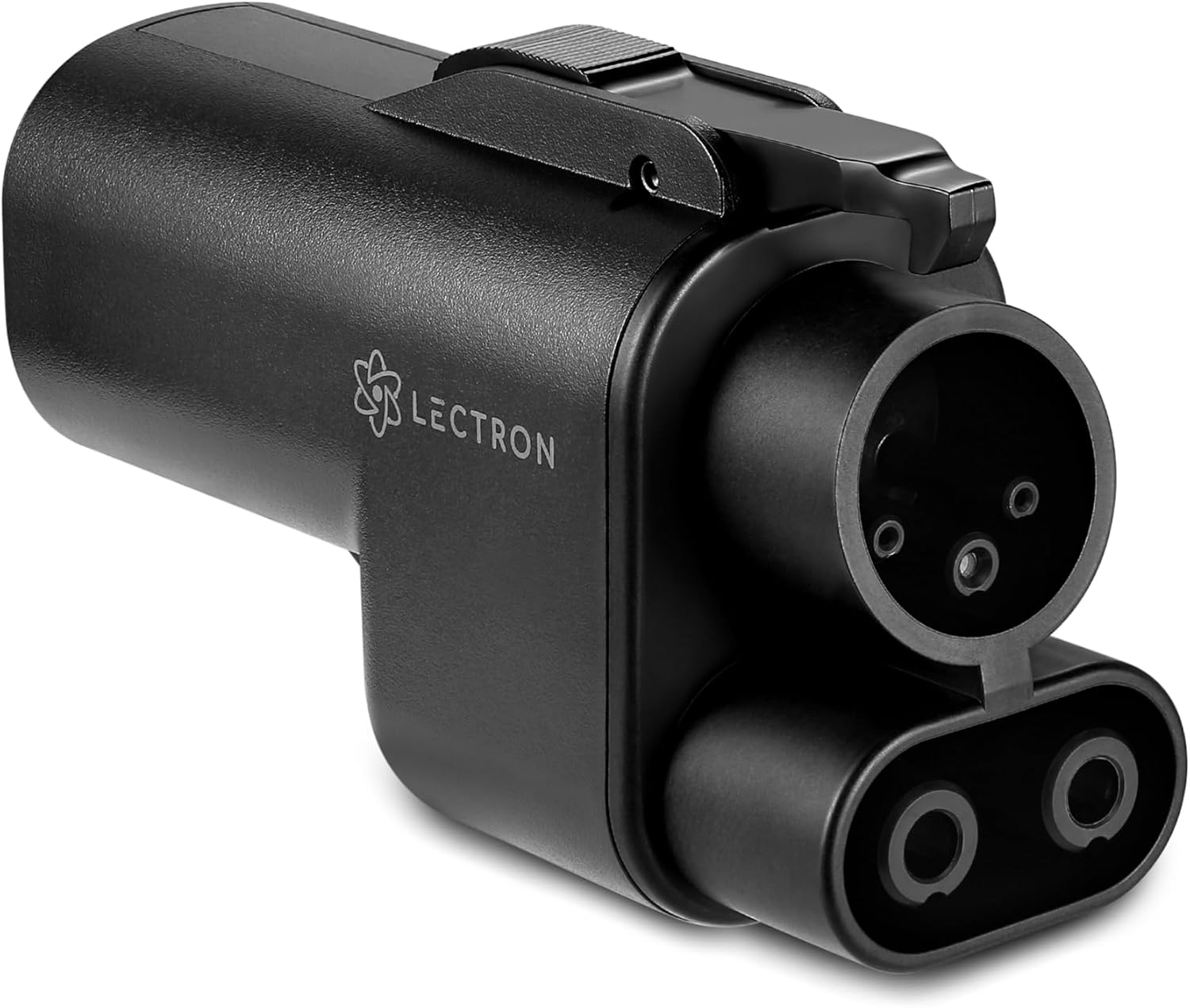
Lectron NACS to CCS Fast-Charge Adapter
Unlock every CCS fast charger for your Tesla, up to 500A DC. Never get stranded at a non-Tesla DC station again.
As an Amazon Associate, ThinkEV earns from qualifying purchases — at no extra cost to you.
Temperature and Battery State Kill Your Estimate
The manufacturer specs never describe: a Canadian February.
Lithium-ion batteries are temperature-sensitive. Below roughly 10°C, the chemistry slows down. Below freezing, it slows down a lot. Below -10°C, DC fast charge speeds can drop 30 to 50% compared to the same car at the same charger on a 22°C day in June. That isn't a degraded battery. That isn't a broken charger. That's physics.
Every manufacturer's "charges to 80% in 18 minutes" number assumes an optimal-temperature pack. The optimal range cited in most 2026 charging guides is 20–25°C, with EVs charging fastest between 10% and 80% before automatically slowing to preserve battery health. That window describes about four months of the year in Toronto and about six weeks of the year in Edmonton. The other months, every published charging-time estimate is fiction in the direction of optimism.
The mitigation is preconditioning, bringing the battery up to operating temperature before the fast-charge session by routing the car's navigation to a DC fast charger, which signals the battery management system to start warming the pack. Tesla pioneered this and the implementation is still the most aggressive in the industry. Most modern EVs from 2024 onward have some version. Most owners do not know it exists.
Use it. The difference between a preconditioned 10–80% session and a cold-soaked one on a January morning in Winnipeg is the difference between 30 minutes and 55 minutes. The car can't do anything about the weather, but it can do something about the pack temperature, and the owner has to ask it to.
The counter-argument from the cold-climate skeptic camp is that if EVs need a 30-minute pre-warm to hit advertised speeds, the advertised speeds are dishonest. The objection has weight. Spec-sheet charge times should carry a temperature footnote the way fuel-economy ratings carry a city/highway split, and they currently don't. The defence is narrower: preconditioning is automatic when the driver navigates to a charger, the energy cost is small (1–3% of pack), and the result is a charge curve that does match the spec sheet. The dishonesty isn't in the number, it's in the asterisk the manufacturers refuse to print next to it.
The other state-of-charge reality: charging is fast in the middle, slow at the ends. Below 10% the charge curve is steep but the pack is cold, so it ramps. Above 80% it throttles aggressively. The 10–80% window is where DC fast charging earns its name. Outside that window, the math is worse than the spec sheet suggests, and the spec sheet was already a best-case scenario.
What 2026 Actually Changed (And What It Didn't)
Three real changes hit charging in 2025 and 2026. Two of them matter. One is interesting but irrelevant.
The first real change: NACS standardization. Tesla's port, and more importantly, Tesla's network, is now accessible to a meaningful share of new non-Tesla EVs sold in Canada. The 2026 Chevy Blazer EV, the 2026 Kia EV6, the Ford F-150 Lightning, the GM EVs that came after, all either ship with NACS native or include the adapter in the box. This is the single biggest practical improvement in EV charging in the country. Tesla's network was the reason EV road trips worked. Now it works for more drivers.
The second real change: 800-volt architecture is becoming common. The Hyundai Ioniq 5, the Kia EV6, the Porsche Taycan, the upcoming wave of Chinese imports, they all charge faster than most North American networks can deliver. The Ioniq 5 vs EV6 comparison for Canada in 2026 digs into the spec differences, Ioniq 5 Standard Range AWD at $54,999 against EV6 Standard Range AWD at $54,995, essentially identical pricing on two cars built on the same E-GMP 800V platform, but the relevant point here is that the cars are now ahead of the network. The bottleneck has shifted from car to infrastructure. A 350 kW peak rating on the car is irrelevant when the only chargers within 200 km of the route top out at 150 kW.
The named comparison that captures this best is Ioniq 5 against Model Y. The Model Y Long Range AWD at $59,990 charges at a Tesla V3 site at about 250 kW peak on a 400-volt architecture, and the network it relies on actually works in Canada. The Ioniq 5 at $54,999 charges at 235 kW peak on 800-volt architecture and routinely beats the Model Y on a clean-charger drag race, when the charger is clean. Plug the Ioniq 5 into a degraded Electrify Canada stall and the 800-volt advantage evaporates because the stall is the limit. Plug the Model Y into a Supercharger and the slower architecture wins on real-world arrival time because the network is the limit. The car spec sheets say the Hyundai charges faster. The Canadian map, today, says the Tesla finishes first. That gap will close. It hasn't yet.
The third change, wireless charging pads and robotic-arm fast chargers eliminating the need to physically plug in, exists in pilots and press releases. None of it is mainstream in Canada in 2026. None of it changes the math for a buyer making a charger decision today. File under "interesting in five years."
What didn't change: the reliability gap between Tesla and everyone else is still real. Cold-weather charging penalties still apply. The above-80% throttle still applies. The home Level 2 outlet is still the highest-leverage charging decision a buyer makes. And the Level 1 cord in the trunk is still the worst way to charge an EV every single year, regardless of what new tech rolls out.
The other quiet 2026 shift is the broader supply picture. With the Canadian tariff on Chinese-built EVs scheduled to drop from 100% to 6.1% on January 16, 2026, with a 49,000-vehicle quota, the list of Chinese EV brands actually preparing to enter Canada is going to matter for charging conversations too, most of those cars are 800-volt platforms designed around fast-charging networks denser than Canada's. Competition on charging-speed claims is about to intensify. That's good news for buyers, even if it takes a year or two to show up at curbside.
What would change my mind on any of this? Three things. If a non-Tesla DC fast charging network, Electrify Canada is the obvious candidate, hits 95% uptime across a calendar quarter in Canada, the Tesla-network-is-everything argument starts to crack. If the federal or provincial governments stop subsidizing home Level 2 installs faster than they're getting added (some provincial rebate programmes are quietly winding down), the home-charging path I'm pushing gets more expensive and the public-network reliability problem gets more urgent. And if the 2026 Chinese-EV wave actually delivers cars at the $44,995 Equinox EV price point on 800-volt architecture, the value of Tesla's network premium drops because suddenly every commuter EV in the country charges twice as fast at the same chargers. I'd bet on NACS adoption continuing and on Tesla uptime advantage narrowing slightly. I would not bet on Electrify Canada catching up in the next 18 months.
Gear worth having
As an Amazon Associate, ThinkEV earns a small commission from qualifying purchases — at no extra cost to you.

Grizzl-E Classic Level 2 EV Charger (40A)
Canadian-made and rated for minus 40C winters. 40A / 9.6 kW, NEMA 14-50, indoor/outdoor, 24-ft cable. The charger built for Canadian weather.
As an Amazon Associate, ThinkEV earns from qualifying purchases — at no extra cost to you.
20 To 30 Minutes Fast, 7 To 10 Hours At Home
The answer to "how long does it take to charge an electric car" in 2026 is: 20 to 30 minutes at a working DC fast charger, 7 to 10 hours at a Level 2 outlet in your garage, or 40-plus hours if you're trickling at 120 volts and pretending that's a charging solution.
The charger matters more than the car. The home setup matters more than the public network. And the Level 1 cord that came free in the trunk is the single biggest reason new EV owners think charging is broken.
If you're shopping an EV and the charging-time number on the spec sheet is making you nervous, the question isn't whether to buy the car. The question is whether the garage has a 240-volt outlet. Solve that, and the spec-sheet number stops mattering, because you weren't waiting for it anyway.
Bottom line: nobody who has owned an EV with a proper Level 2 install has ever asked "how long does it take to charge" a second time. They've asked it once, gotten the answer, and never thought about it again. The buyers still asking are the buyers still on the Level 1 cord, and the fix is one electrician visit, not a new car.
Watch the NACS rollout through the rest of 2026. Watch the 800-volt cars arrive faster than the network can keep up. And watch the Canadian charging map fill in along the 401, the QEII, the Coquihalla, because the math on EV ownership in this country gets better every quarter the infrastructure keeps building, and the only thing standing between most buyers and a smooth experience is a single outlet on a single wall.
Gear worth having
As an Amazon Associate, ThinkEV earns a small commission from qualifying purchases — at no extra cost to you.

Tesla Key Card Holder with AirTag Slot
Stop fishing the keycard out of your wallet, and slot an AirTag in case the car wanders off in a lot.
As an Amazon Associate, ThinkEV earns from qualifying purchases — at no extra cost to you.

Founder & Chief Editor
Vlad Pereira is the founder and chief editor of ThinkEV.ca, the Canadian electric-vehicle publication he writes and edits from Courtenay, British Columbia. He covers EV pricing, federal and provincial rebates, charging costs, and the Chinese manufacturers now entering Canada, from the buyer's side rather than the press-fleet side. ThinkEV is a venture of Vlad Pereira Online; his writing on health, income and the long game lives at vladpereira.com.
Frequently asked questions
Does the car brand affect how fast it charges?
Can a condo dweller realistically own an EV in Canada?
Why does charging slow down after 80 percent?
How much does a Level 2 home charger actually cost in Canada?
Is public DC fast charging reliable enough for long drives?
More EV & road-trip finds
Affordable upgrades worth a look — tap any to check the price on Amazon.
 ★ 1,340
Car Seat Gap Filler (Universal)
View on Amazon ★ 308
★ 308Coiled Lightning Car Cable for iPhone (2-Pack)
View on Amazon ★ 119
★ 119Foldable Waterproof Trunk Organizer
View on Amazon ★ 392
★ 392Large Cup Holder Adapter (32-40oz)
View on Amazon ★ 9,349
Auto Detailing Brush Set (10-Piece)
View on Amazon ★ 537
★ 537USB Star Projector Roof Light
View on Amazon ★ 546
★ 546Funny Headrest Face Covers (2-Pack)
View on Amazon ★ 4,424
Sun Visor Card and Document Organizer
View on AmazonRead, Plan, Then Stay Current
Explore our expert articles to understand incentives and ownership costs, use the map to pressure-test charging reality, then subscribe so new EV coverage comes straight to you.
Continue Reading
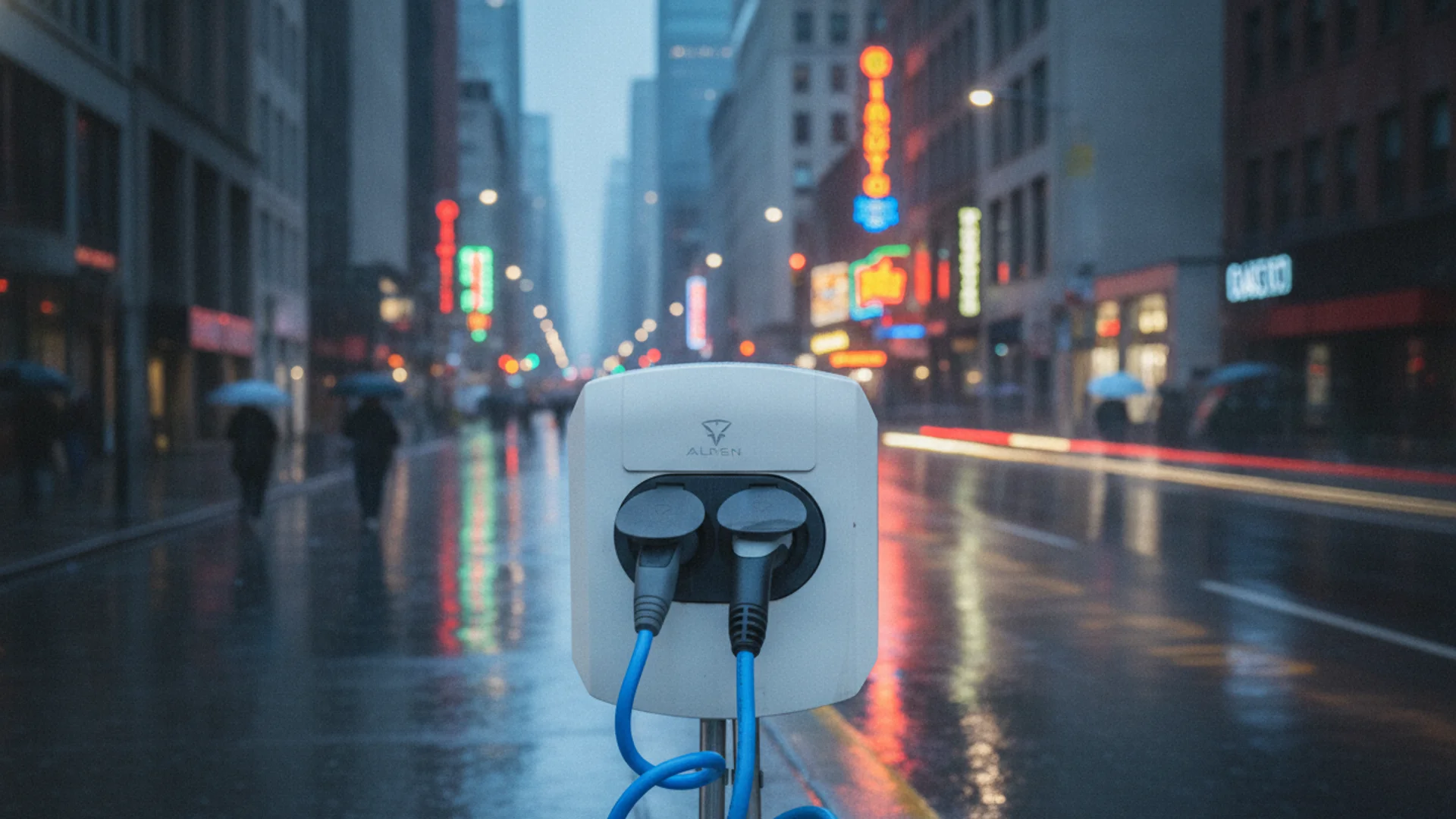
How Long to Charge an EV: The Three Numbers That Matter
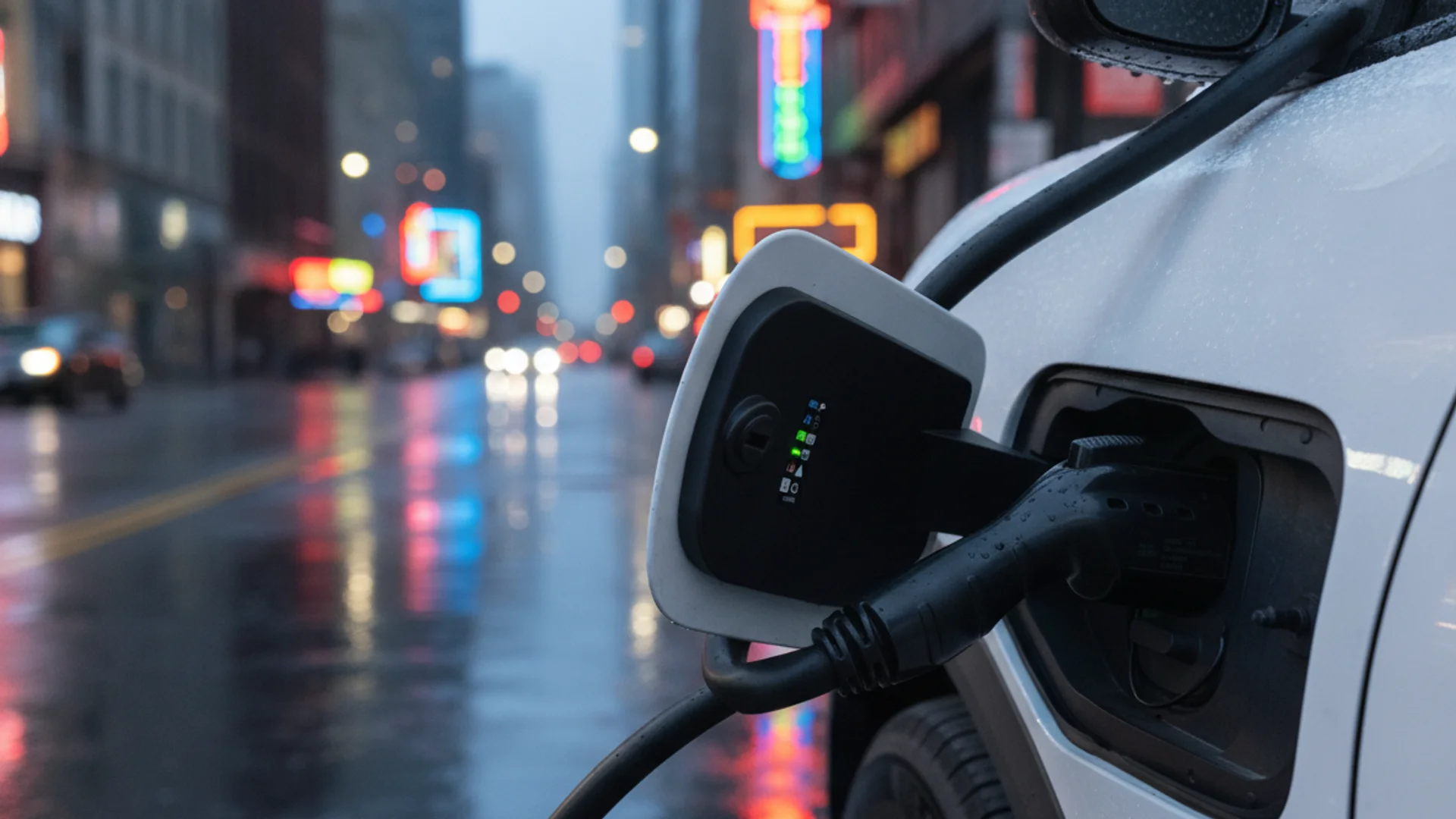
Public EV Charging in Canada: Networks and Payment
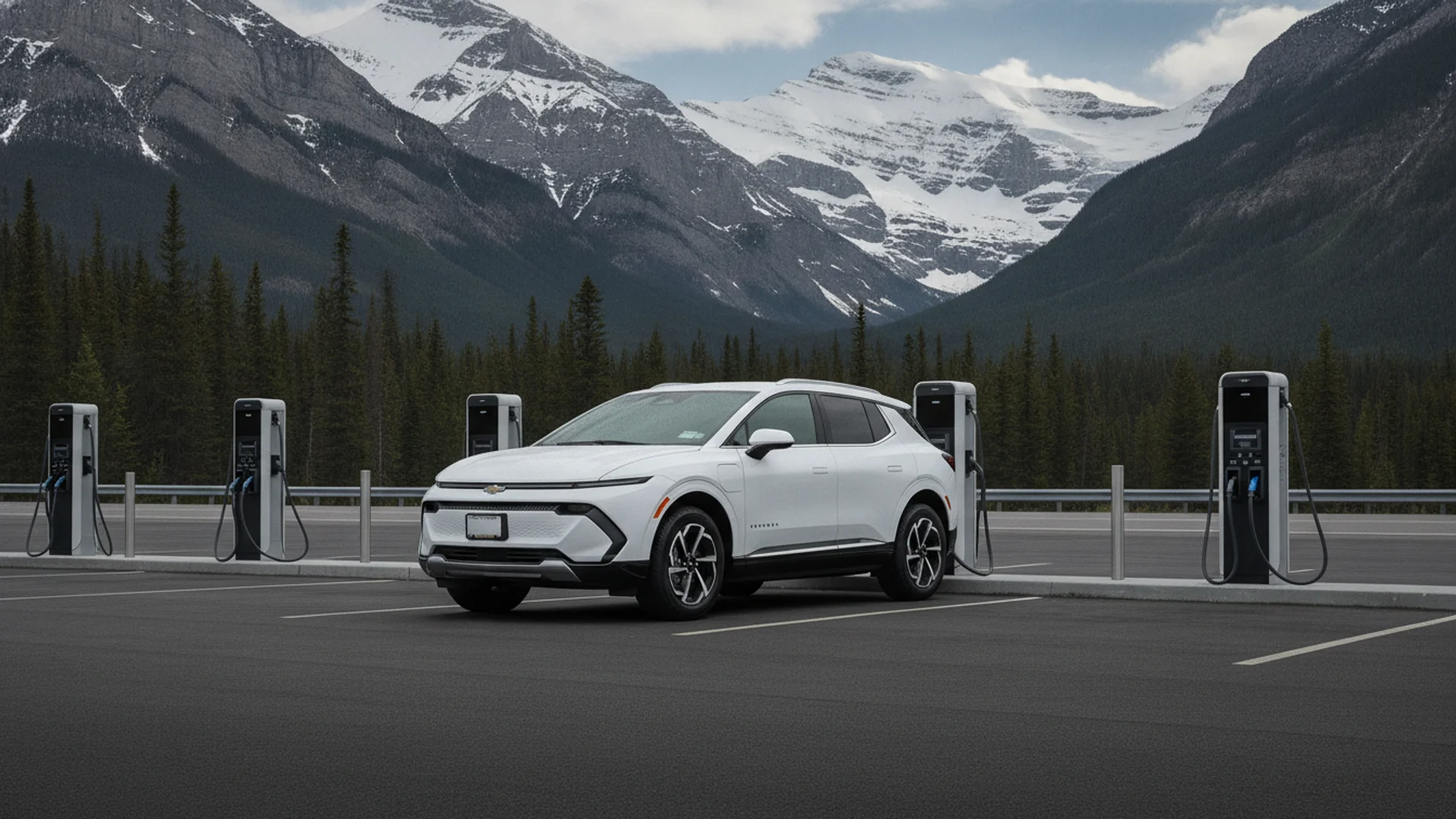
Public EV Chargers in Canada: 33,000 Now, 447,000
How Charging Networks Decide Stall Count Per Site
EV Charging in Canada 2026: Networks, Cost, Setup