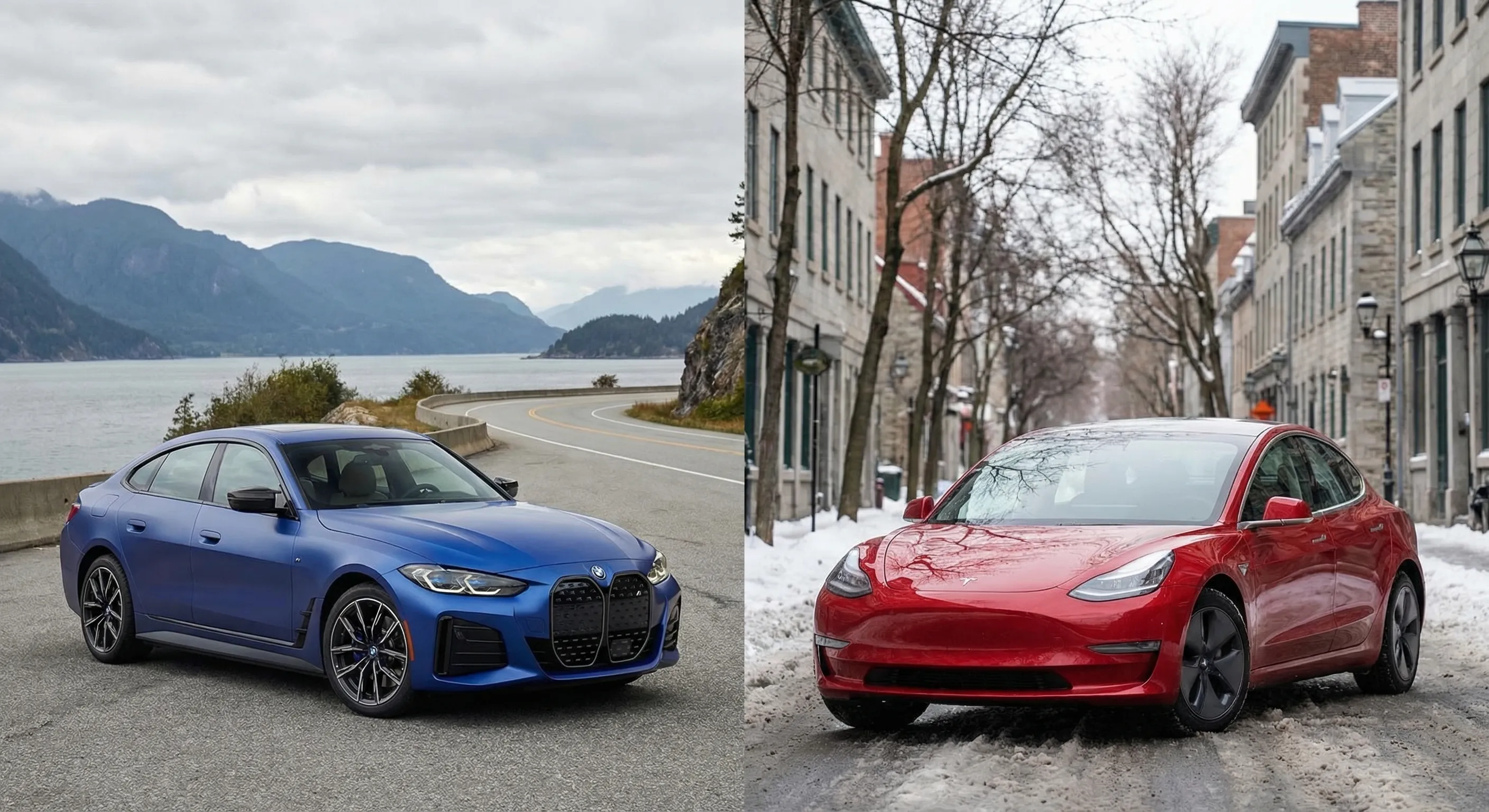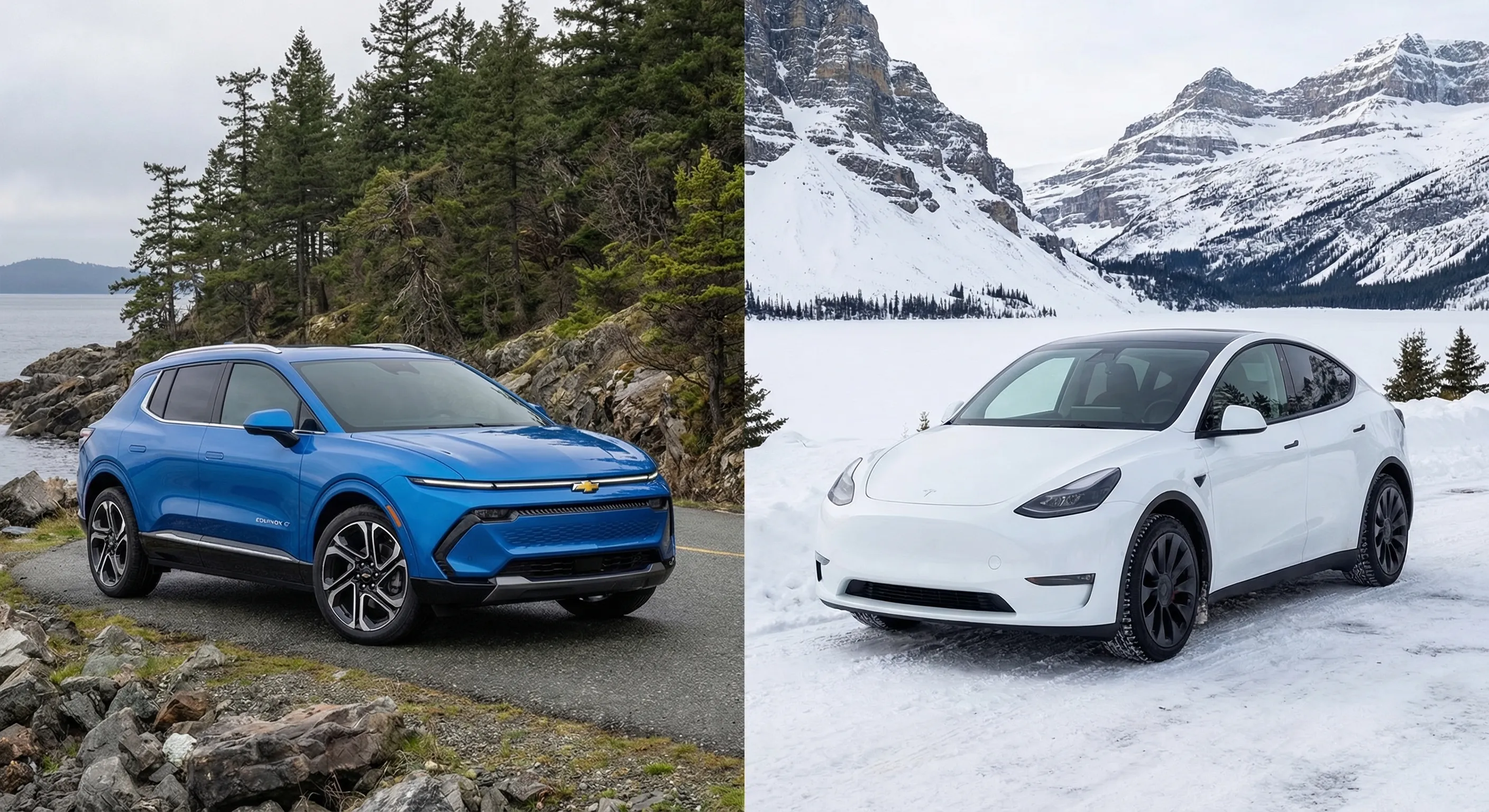
Key takeaways
- The Chevrolet Equinox EV starts at $44,995 CAD.
- The Tesla Model Y Standard Range RWD starts at $49,990 CAD.
- The Equinox EV qualifies for the $5,000 federal EVAP rebate on most trims, bringing its effective price to $39,995.
- The Long Range AWD ($59,990) and Performance ($69,990) do not qualify.
The Chevrolet Equinox EV starts at $44,995 CAD. The Tesla Model Y Standard Range RWD starts at $49,990 CAD. The Equinox EV qualifies for the $5,000 federal EVAP rebate on most trims, bringing its effective price to $39,995. The 2026 Model Y RWD base is on the official EVAP eligible list too, but only if the final transaction value (including all fees) stays at or under $50,000, which requires negotiating fees carefully.
The Long Range AWD ($59,990) and Performance ($69,990) do not qualify. On a base-vs-base comparison where both get EVAP, the gap narrows significantly. On a Long Range AWD vs 2LT AWD comparison, the Equinox at roughly $52,995 after EVAP versus the Model Y Long Range AWD at $59,990 is a $7,000 gap. That's real money, it's a year of car payments, a set of winter tires for five years, or the down payment on the next car.
The Equinox EV is the first mass-market EV that forces the question: is the Tesla premium still worth it?
The answer depends on what you value. But the fact that there's a genuine debate shows how far GM has come.
PRICE AND VALUE
The Equinox EV comes in four trim levels. The 1LT FWD starts at $44,995 and is the value play. The 2LT adds a larger touchscreen, wireless phone charging, and upgraded audio for around $49,495. The 3LT and RS push the price to $52,995-$55,995 with AWD, premium materials, and performance upgrades. Most Equinox EV trims qualify for the EVAP rebate, since the base trims fall well under the $50,000 final transaction value cap. Higher trims may exceed the cap once dealer fees and options are factored in. Note that Canadian-made vehicles have no price cap under EVAP.
The Model Y comes in Standard Range RWD ($49,990), Long Range AWD ($59,990), and Performance ($69,990). The cheapest Model 3 in Canada is the Long Range AWD at approximately $54,990, there is no base Model 3. The 2026 Model Y RWD base ($49,990) is on Transport Canada's official EVAP eligible list and qualifies for the $5,000 rebate, but only if the final transaction value (including all fees) stays at or under $50,000. Confirm this in writing with your dealer before signing. The Long Range AWD ($59,990) and Performance ($69,990) are well above cap and do not qualify.
When you compare similarly equipped models, the Equinox EV 2LT AWD at roughly $52,995 versus the Model Y Long Range AWD at $59,990, the gap is about $7,000. After EVAP, it's still $7,000. Both have AWD, similar range, and comparable interior space. That $7,000 buys you the Tesla Supercharger ecosystem, Tesla's software updates, and Tesla's brand cachet. Whether that's worth it to you is the core question.
RANGE
The Equinox EV 1LT FWD is rated at approximately 515 km, which is competitive with the Model Y Long Range RWD at 531 km. In real-world Canadian summer driving, expect roughly 420-460 km from the Equinox and 430-470 km from the Model Y. The difference is marginal, about one stop at Tim Hortons worth of range.

The AWD versions of both cars lose range compared to FWD/RWD. The Equinox EV AWD is rated at approximately 459 km, and the Model Y AWD at approximately 497 km. The Model Y has a more noticeable range advantage in AWD configuration, about 38 km rated, or roughly 30 km real-world. In winter, when both cars lose 25-35% of their range, that gap translates to about 20-25 km of real difference. Not enough to change your life, but enough to notice on a long highway drive in January.
Both cars use different battery chemistry on GM's Ultium platform versus Tesla's NMC cells. The Equinox's Ultium battery is approximately 85 kWh, and the Model Y Long Range is approximately 82 kWh. The Equinox uses a larger battery to achieve similar range, which tells you the Model Y is more energy-efficient, Tesla's motors and power electronics are still best-in-class for efficiency.
CHARGING
This is where the Model Y pulls ahead convincingly. The Tesla Supercharger network in Canada has over 1,000 stalls, covers every major highway corridor, and delivers consistent 250 kW speeds. The Model Y charges from 10% to 80% in about 27 minutes on a Supercharger, and the car's navigation system automatically routes you to chargers and preconditions the battery for optimal charging speed.
Gear worth having
As an Amazon Associate, ThinkEV earns a small commission from qualifying purchases — at no extra cost to you.
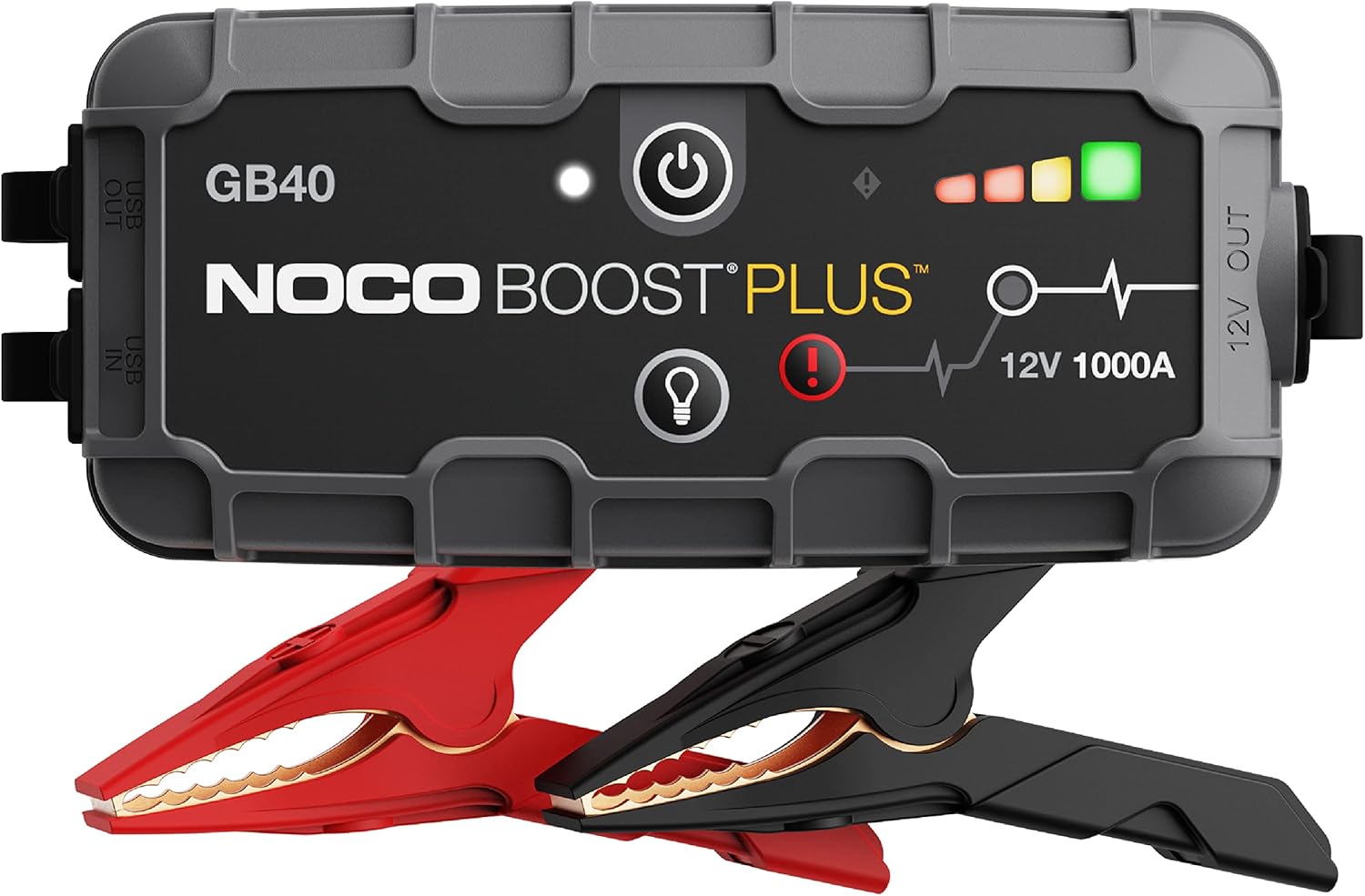
NOCO Boost Plus GB40 Jump Starter
A 1000A lithium jump starter that fits in your glovebox and works on any 12V battery. Your insurance against a dead 12V in a parking lot.
As an Amazon Associate, ThinkEV earns from qualifying purchases — at no extra cost to you.
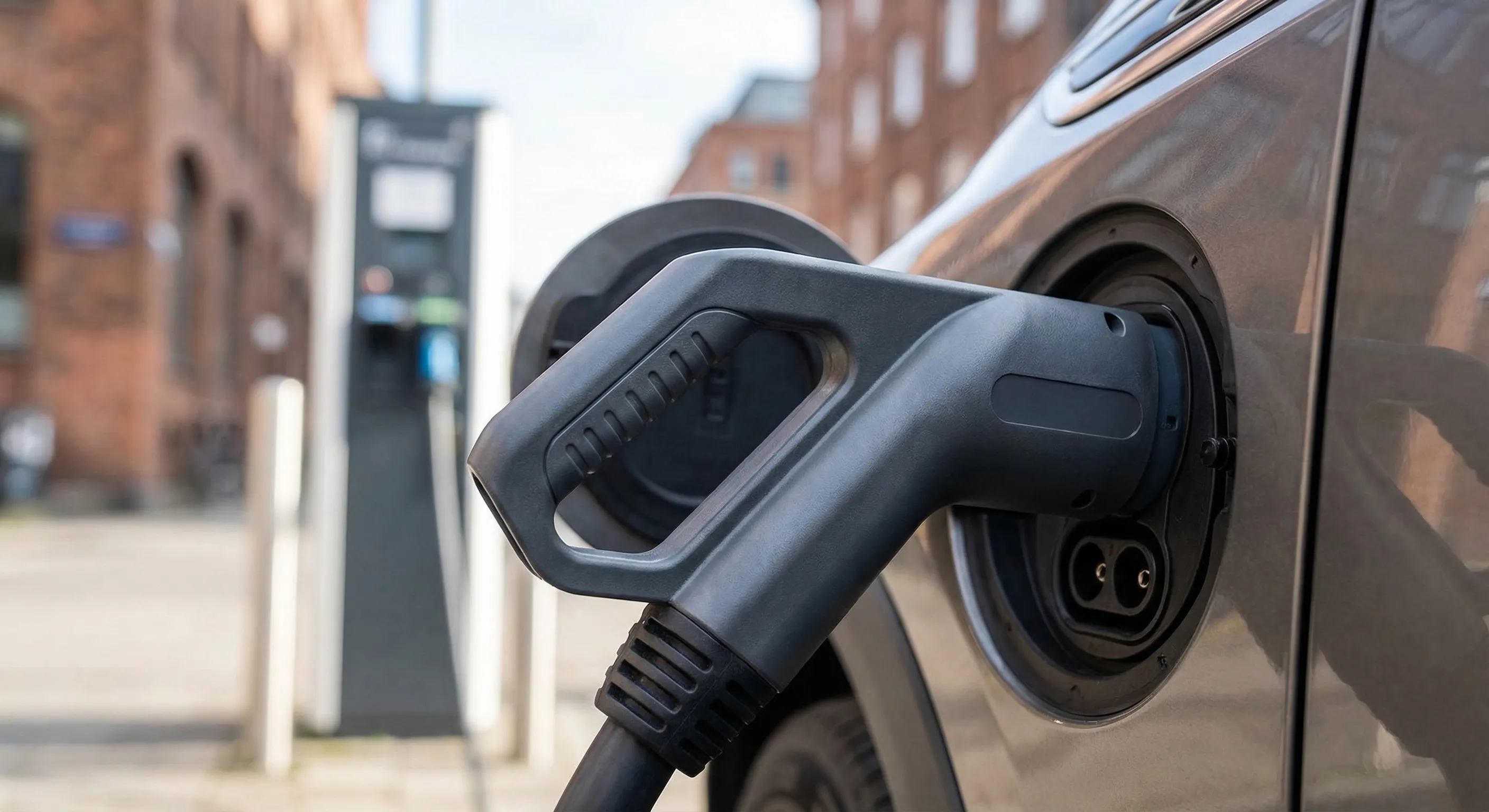
The Equinox EV supports up to 150 kW DC fast charging, which gets you from 10% to 80% in about 35-40 minutes. It can charge at any CCS station, Electrify Canada, Petro-Canada, FLO, and with the NACS adapter GM provides, it can also use Tesla Superchargers. In practice, the Tesla Supercharger experience with an adapter is functional but not as smooth as a native Tesla.
Gear worth having
As an Amazon Associate, ThinkEV earns a small commission from qualifying purchases — at no extra cost to you.

Grizzl-E Classic Level 2 EV Charger (40A)
Canadian-made and rated for minus 40C winters. 40A / 9.6 kW, NEMA 14-50, indoor/outdoor, 24-ft cable. The charger built for Canadian weather.
As an Amazon Associate, ThinkEV earns from qualifying purchases — at no extra cost to you.
For daily home charging, both are equivalent. Level 2 on a 48A circuit gives you a full charge overnight for either car. Since 80% of Canadian EV charging happens at home, the Supercharger advantage only matters for road trips and longer drives. If your driving is 95% commuting and errands, the charging difference is largely irrelevant. If you regularly drive Toronto to Montreal, Ottawa to Quebec City, or Calgary to Edmonton, the Supercharger network's speed and reliability are a genuine advantage.
DRIVING AND RIDE
The Equinox EV drives like a modern Chevy, which is to say it's comfortable, composed, and unobjectionable. The ride quality is smooth with good damping over rough roads. The steering is light and easy in parking lots but doesn't communicate much at highway speeds. It's a commuter crossover that does commuter crossover things well.
The Model Y drives with more urgency. The acceleration is sharper, the regenerative braking is stronger (one-pedal driving is more natural), and the car feels more planted at speed. The suspension is firmer than the Equinox, which means it's slightly less comfortable over potholes but more confident through corners. The Model Y isn't a sports car, but it's more engaging than the Equinox.
Interior noise is a draw, both are quiet at city speeds, both have some wind and road noise at highway speeds. Neither is luxury-car quiet, but neither is unpleasant.
INTERIOR AND TECH
The Equinox EV's interior is one of its strongest points. The 17.7-inch touchscreen on the 2LT and above is massive and well-designed, with GM's latest infotainment software. Wireless Apple CarPlay and Android Auto work reliably. The physical controls for climate are present and usable, no hunting through menus to adjust the temperature. The materials quality is good for the price, with soft-touch surfaces and a clean design. The front seats are comfortable, and the back seat has generous legroom for a compact crossover.
The Model Y's interior is Tesla's familiar minimalist approach, a single 15-inch centre screen, no instrument cluster, minimal physical buttons. The materials are plain but the seats are comfortable. Tesla's infotainment system is fast and responsive, and the over-the-air software updates genuinely improve the car over time. But the lack of Apple CarPlay and Android Auto is an annoyance for drivers who are deeply embedded in those ecosystems.
Cargo space is close. The Model Y offers about 2,158 litres with seats folded, and the Equinox offers about 1,614 litres. The Model Y also has a usable front trunk. For families, the Model Y's cargo advantage is noticeable.
Gear worth having
As an Amazon Associate, ThinkEV earns a small commission from qualifying purchases — at no extra cost to you.
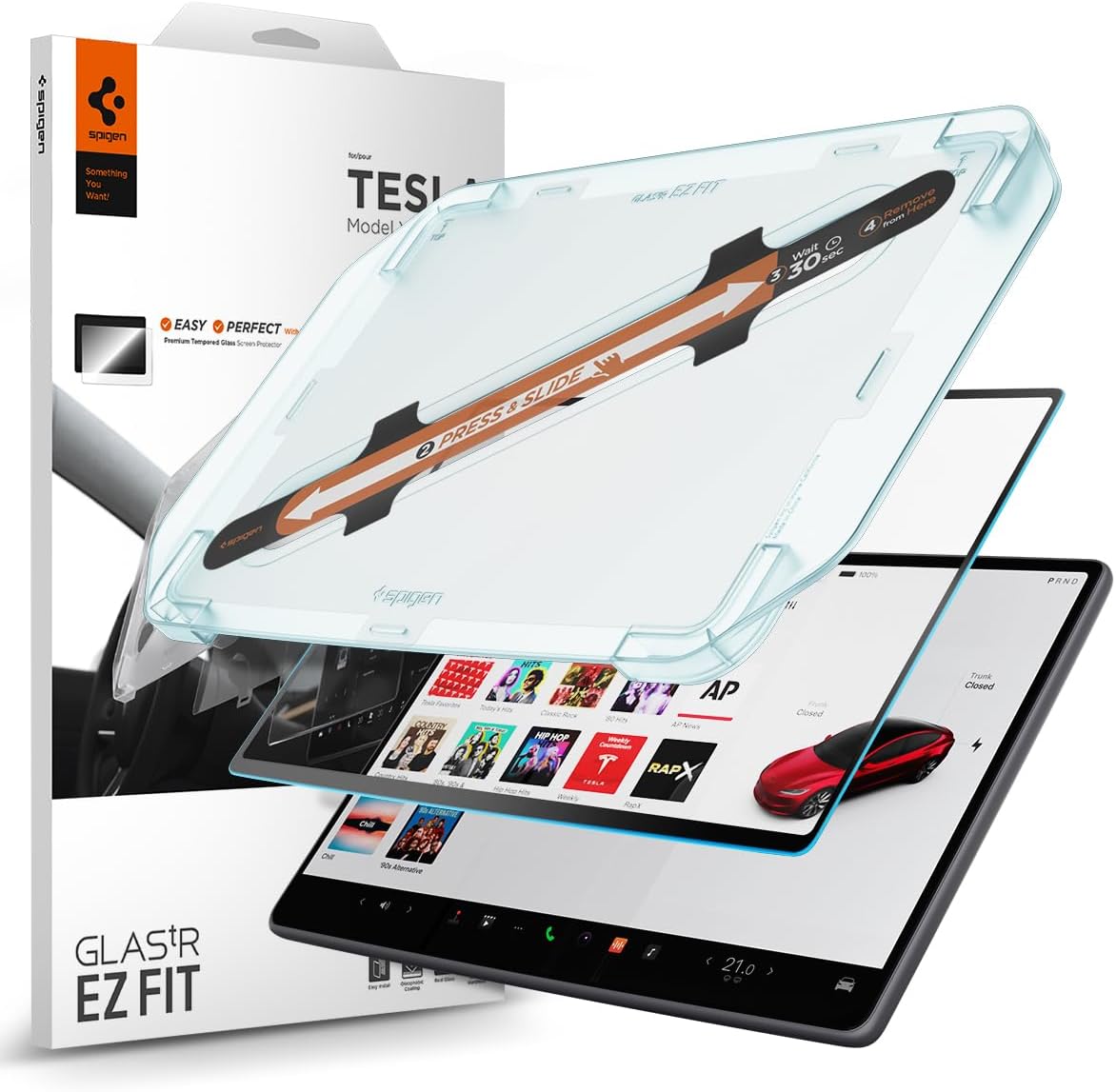
Spigen Tempered Glass for Tesla Model 3/Y
Tempered-glass protection for the touchscreen that kills fingerprints and scratches. Two minutes to install, lasts the life of the car.
As an Amazon Associate, ThinkEV earns from qualifying purchases — at no extra cost to you.
SERVICE AND DEALERSHIP
The Equinox EV's biggest practical advantage over the Model Y is the Chevrolet dealer network. There are over 450 Chevy dealers across Canada, including in small towns and rural areas. Need warranty work? There's probably a dealer within 30 minutes of your home. Need winter tires mounted? The dealer can do it. Need a loaner car while yours is being serviced? Most dealers offer them.
Tesla has service centres in major Canadian cities, Toronto, Vancouver, Montreal, Calgary, Ottawa, Edmonton, but not much beyond that. If you live in a smaller city or rural area, Tesla service can mean a long drive or waiting weeks for a mobile service appointment. For some buyers, that's a minor inconvenience. For others, especially in provinces like Saskatchewan, Manitoba, or the Maritimes, it's a genuine concern.
VERDICT
The Equinox EV is the better value. At $10,000 less than the Model Y with similar range, a better dealer network, and a more conventional interior, it's the rational choice for budget-conscious buyers who want a practical electric crossover without paying the Tesla premium.
The Model Y is the more capable car. It has more range, faster charging, the Supercharger network, better cargo space, superior efficiency, and Tesla's software ecosystem. If you can absorb the extra $10,000 and value those things, the Model Y earns its price.
The Equinox EV's real significance is that it's close enough to the Model Y, at a low enough price, that Canadian buyers who couldn't afford a $55,000+ EV can now get into a genuinely good one for under $40,000 after the rebate.
Gear worth having
As an Amazon Associate, ThinkEV earns a small commission from qualifying purchases — at no extra cost to you.
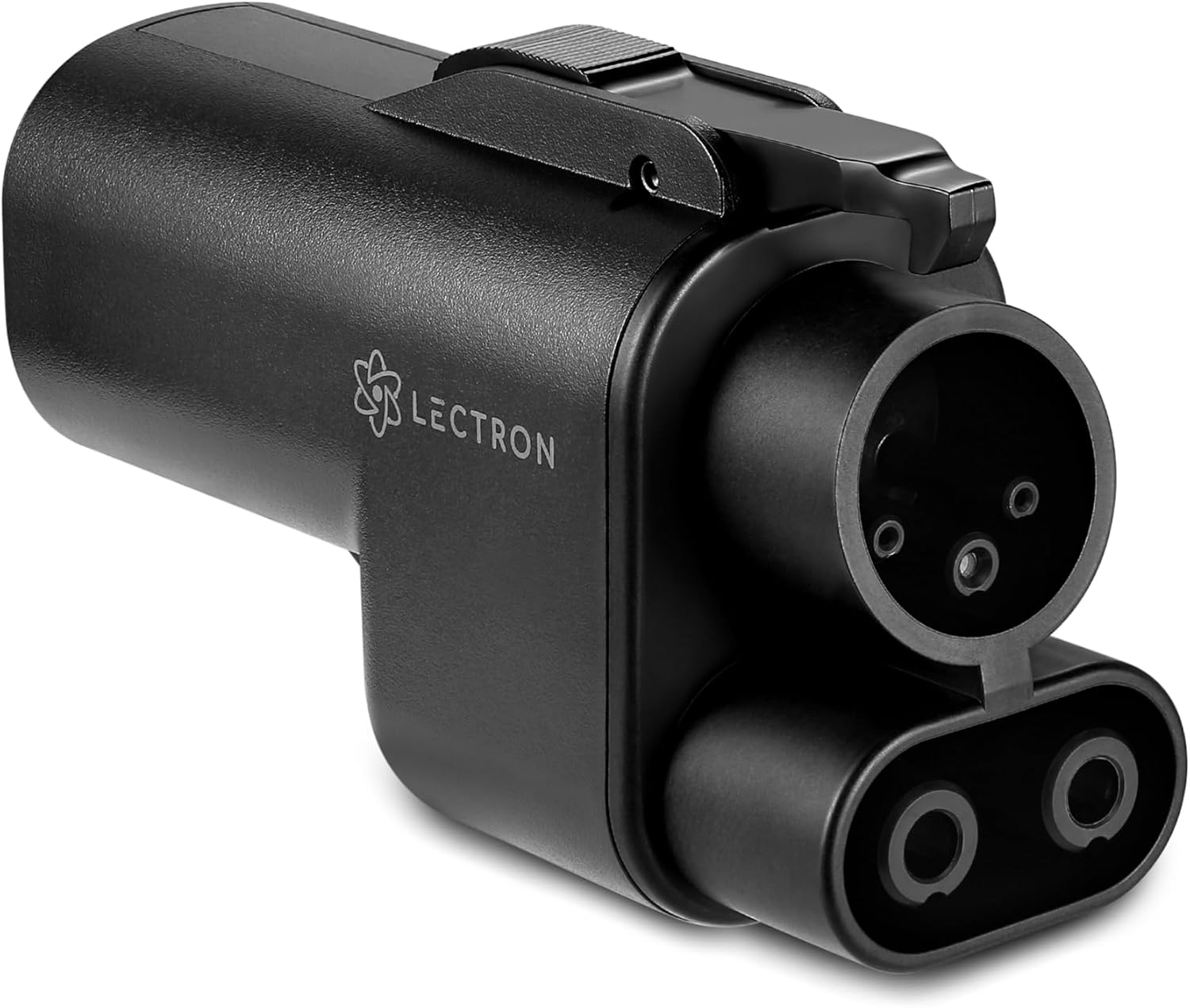
Lectron NACS to CCS Fast-Charge Adapter
Unlock every CCS fast charger for your Tesla, up to 500A DC. Never get stranded at a non-Tesla DC station again.
As an Amazon Associate, ThinkEV earns from qualifying purchases — at no extra cost to you.
Related Reading
- VW ID.4 vs Chevy Equinox EV Canada 2026, How the Equinox stacks up against the other affordable crossover.
- Tesla Model Y Juniper Canada Review 2026, The refreshed Model Y reviewed for Canadian roads.
- Most Affordable EVs Canada 2026, Every budget EV ranked and compared.
Gear worth having
As an Amazon Associate, ThinkEV earns a small commission from qualifying purchases — at no extra cost to you.

Tesla Key Card Holder with AirTag Slot
Stop fishing the keycard out of your wallet, and slot an AirTag in case the car wanders off in a lot.
As an Amazon Associate, ThinkEV earns from qualifying purchases — at no extra cost to you.

Founder & Chief Editor
Vlad Pereira is the founder and chief editor of ThinkEV.ca, the Canadian electric-vehicle publication he writes and edits from Courtenay, British Columbia. He covers EV pricing, federal and provincial rebates, charging costs, and the Chinese manufacturers now entering Canada, from the buyer's side rather than the press-fleet side. ThinkEV is a venture of Vlad Pereira Online; his writing on health, income and the long game lives at vladpereira.com.
Frequently asked questions
Do both qualify for the $5,000 EVAP rebate?
Can the Equinox EV use Tesla Superchargers?
Which is better for Canadian winters?
Which has better resale value?
More EV & road-trip finds
Affordable upgrades worth a look — tap any to check the price on Amazon.
 ★ 1,944
VIOFO A229 Pro 4K Dash Cam
View on Amazon ★ 87
★ 87Car Window Sun Shades for Kids (4-Pack)
View on Amazon ★ 68
★ 68WeatherTech FloorLiner for Tesla Model 3
View on Amazon ★ 4,050
Touchscreen Mist Screen Cleaner Kit
View on Amazon ★ 314
★ 314Mini USB LED Ambient Lamps (4-Pack)
View on Amazon ★ 900
★ 900Personalized Photo Car Air Freshener
View on Amazon ★ 4,424
Sun Visor Card and Document Organizer
View on Amazon ★ 1,866
70mai A810 4K Dual Dash Cam
View on AmazonRead, Plan, Then Stay Current
Explore our expert articles to understand incentives and ownership costs, use the map to pressure-test charging reality, then subscribe so new EV coverage comes straight to you.
Continue Reading
Ford Mustang Mach-E vs Tesla Model Y: The Original Rivalry
VW ID.4 vs Chevy Equinox EV: Which Costs Less
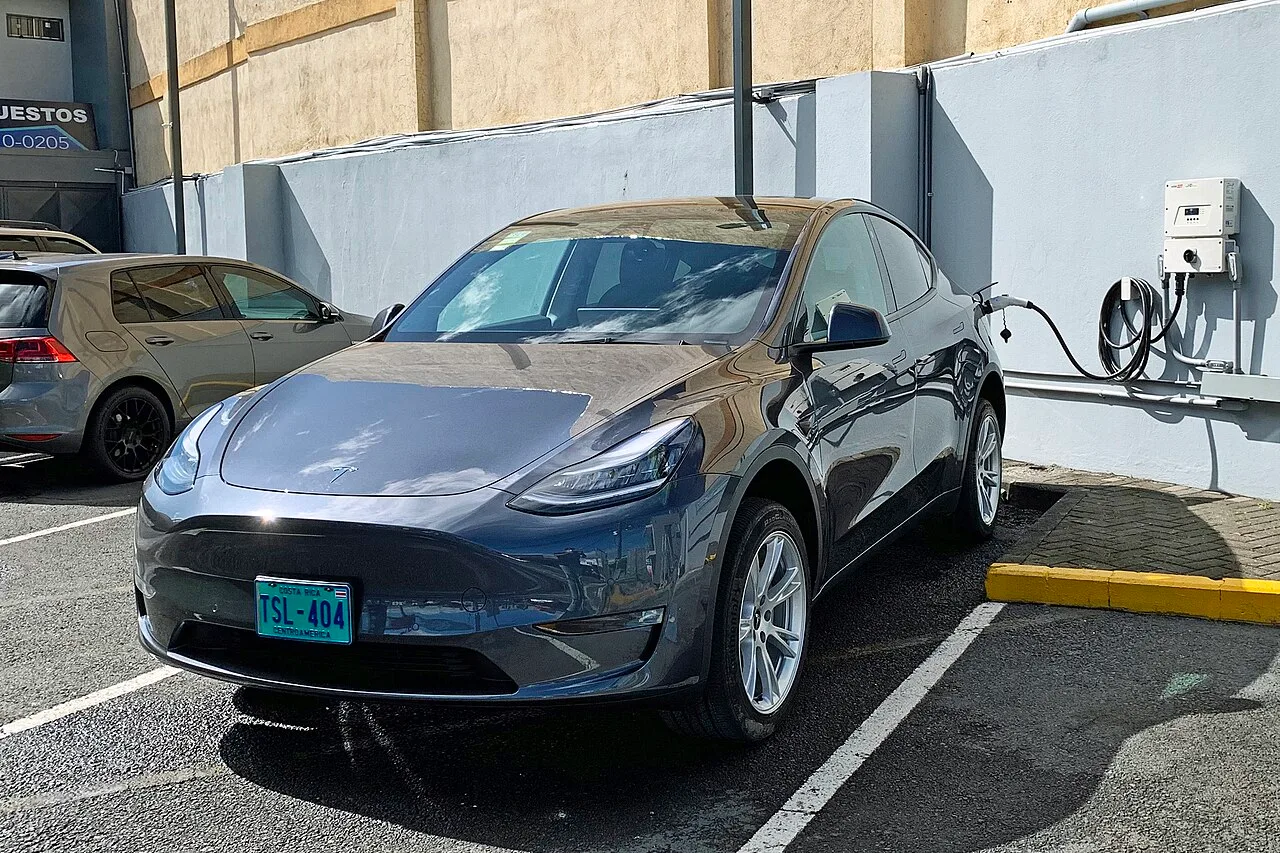
Tesla Model Y vs Toyota RAV4: 5-Year Cost Canada
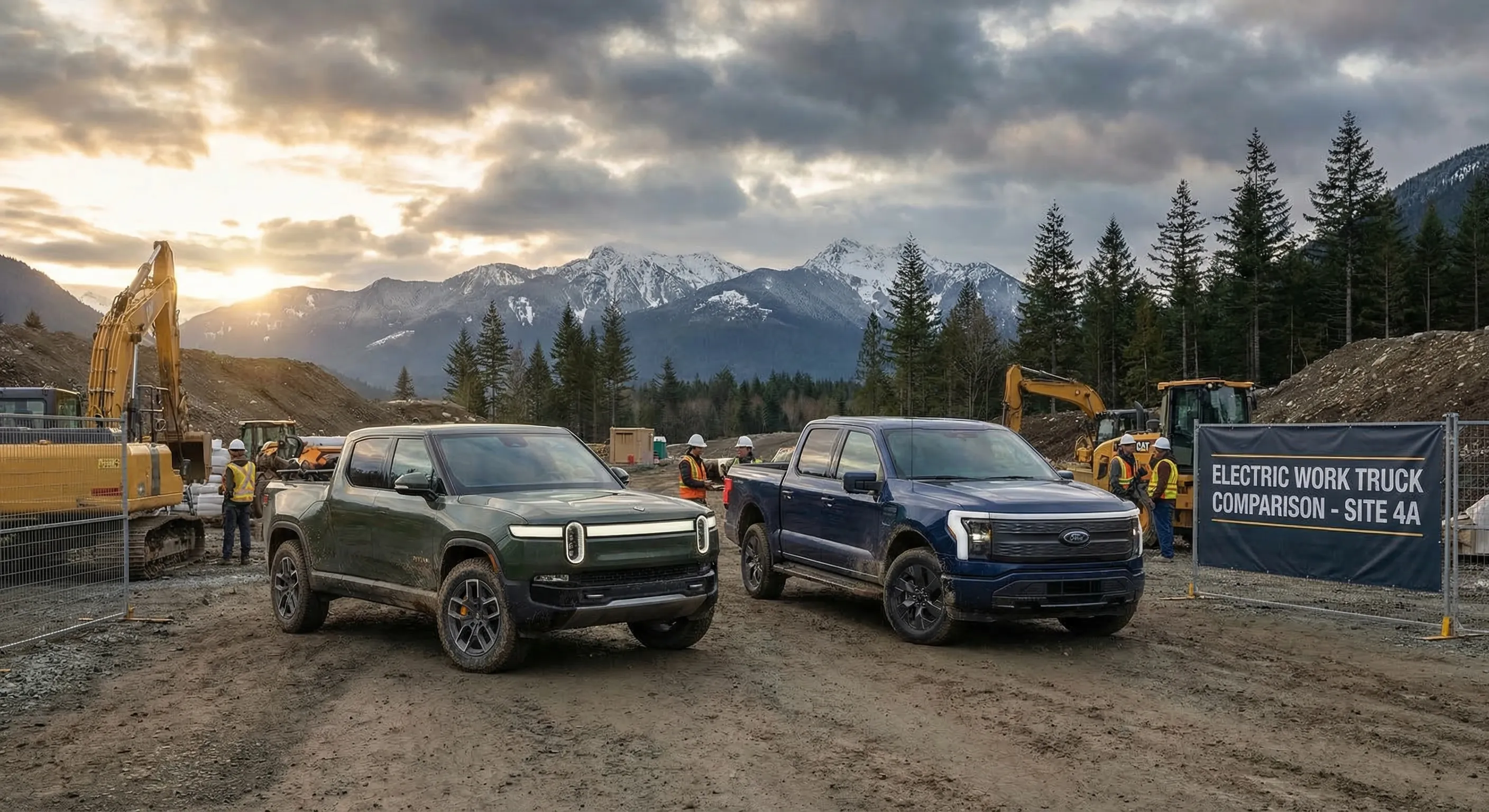
Rivian R1T vs F-150 Lightning: Canada 2026 Test
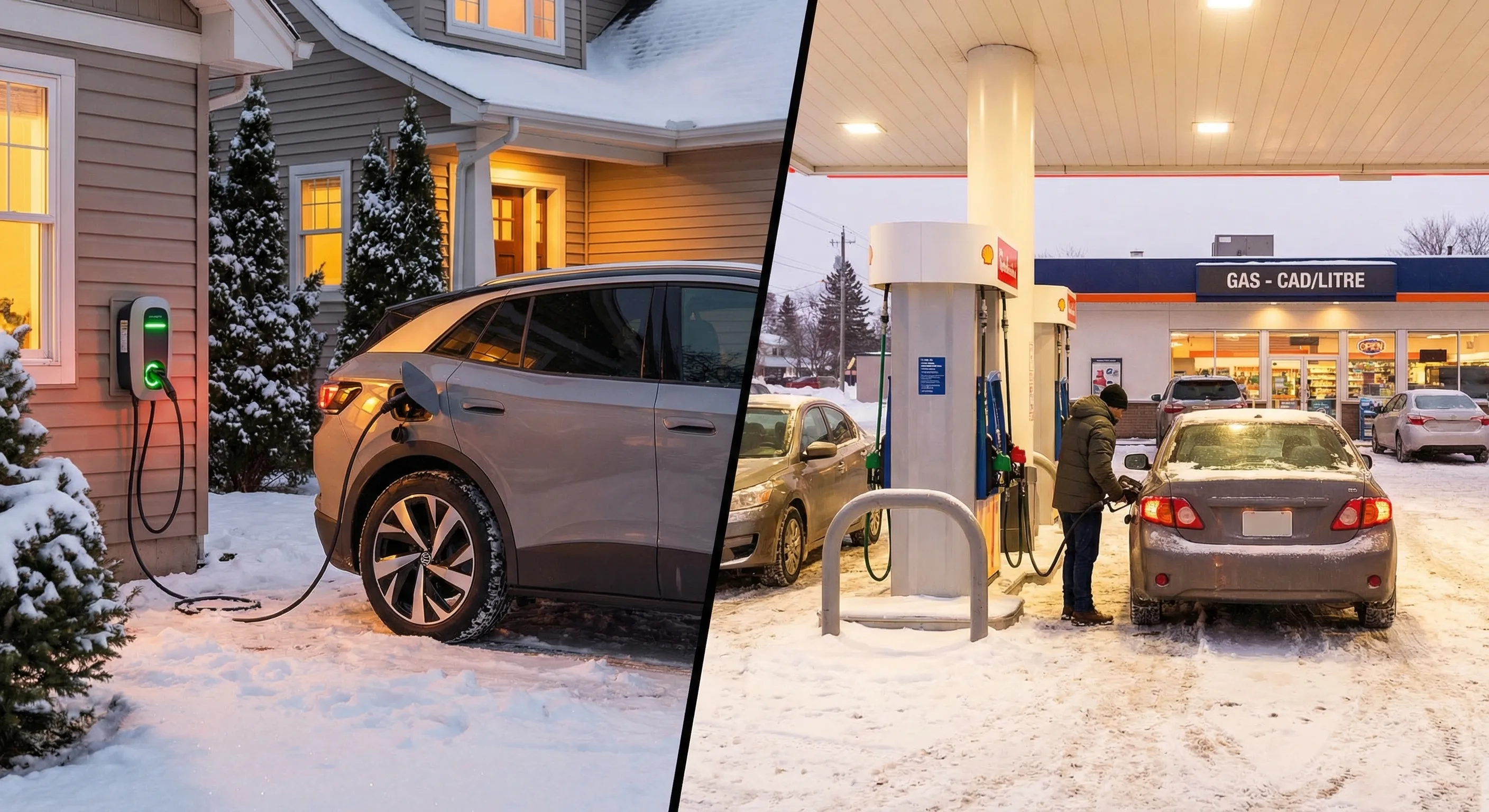
EV vs Gas: 5-Year Cost of Ownership in Canada