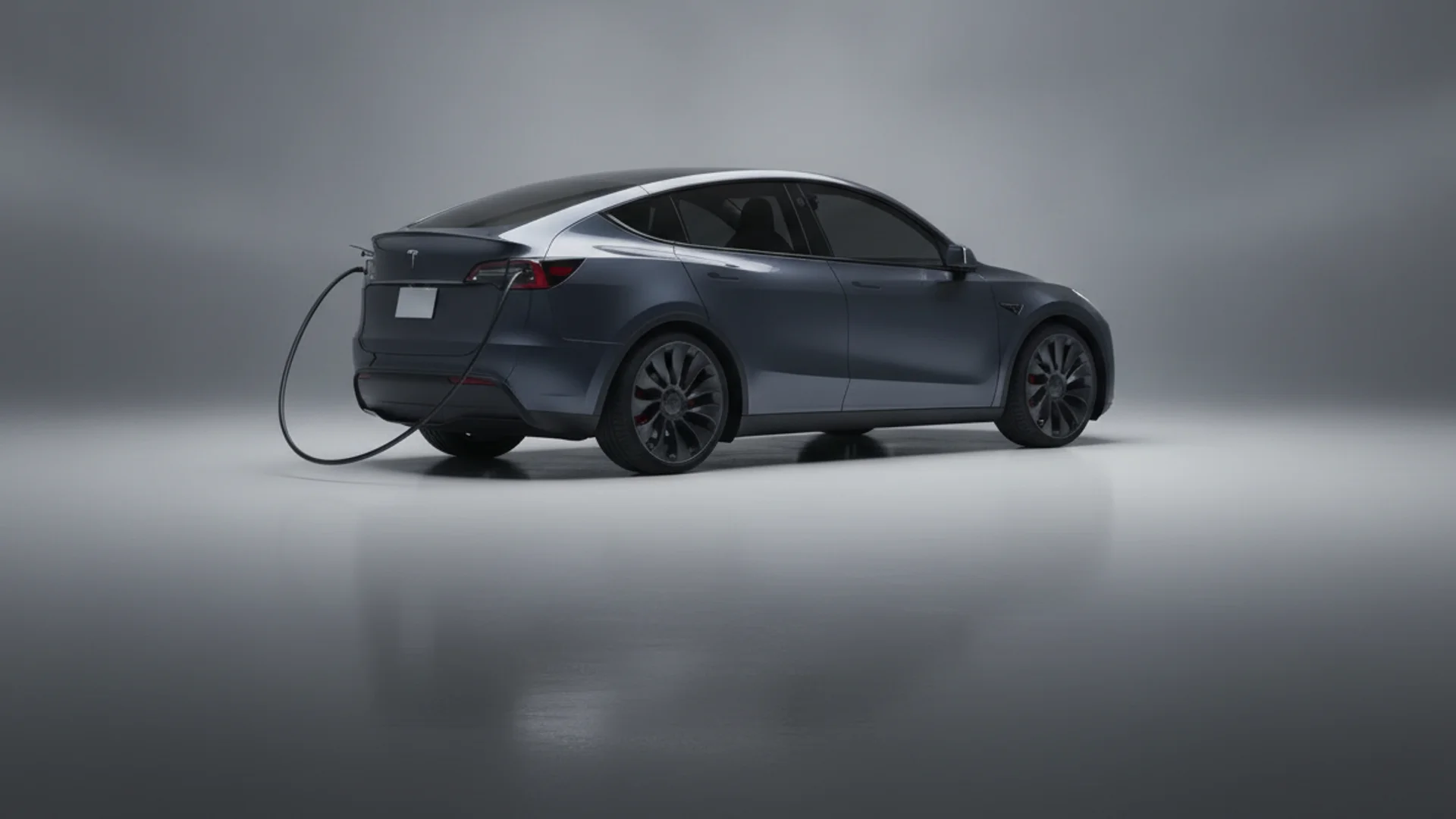
Seventy percent of the US DC fast-charging grid, one login. That number alone tells you where GM thinks the real barrier to EV adoption lives, and it isn't the charger count.
A single Energy Pass account will cover 70 percent of the national DC fast-charging grid, including IONNA, Electrify America, Tesla, EVgo, and Chargepoint. That is the headline, and it is genuinely a significant piece of infrastructure work. But the more interesting claim sits underneath it: GM is now publicly betting that the decisive unlock for mass EV adoption is software, not hardware. I think that bet is correct. I also think the launch is half a launch, and the half that's missing is the half Canadian buyers care about most.
This is an editor's note, not a product review. The position I'll defend below is simple: the charger war is largely over, the software war just started, and Energy Pass is the first credible OEM entry into the second war. Whether it earns the share it's claiming depends on three things GM has not yet answered.
Key takeaways
- GM Energy Pass covers 70% of US DC fast-charging through one account, but Canada has no confirmed launch date.
- The platform routes drivers to IONNA first, a network GM has equity in, not a neutral open standard.
- NACS-native hardware is required for Tesla Supercharger access, excluding the existing CCS1 GM fleet entirely.
- Billing stays fragmented: each operator invoices separately despite the single login wrapper.
- GM is betting software retention beats hardware ownership, controlling the interface instead of the chargers.
The Problem Was Never the Charger Count
For about a decade now, the dominant industry narrative has been "we need more chargers." Spending followed the narrative. The Bipartisan Infrastructure Law in the US, EVAP-adjacent spending and the Petro-Canada Electric Highway here, IONNA's joint-venture buildout, Electrify America's expansion, billions of dollars routed at one assumed bottleneck.
The bottleneck moved. Ask any EV owner what they actually hate about public charging and the top answers are not "there aren't enough stalls near me." They're app fragmentation, account fragmentation, RFID cards that don't work, pricing surprises at the screen, and a payment flow that requires juggling four logins to road-trip across one state. Public charging accounted for approximately 46% of global EV charging infrastructure, meaning the physical footprint is no longer the limiting reagent. The UX debt accumulated since 2012 is.
Energy Pass is a direct editorial bet that software solves what hardware spending has not. Through the car brands' smartphone apps, drivers can start and end charging sessions, check live charging status updates, see their charging history and receipts in one place, and unlock exclusive discounts at some networks. That is not a marketing list, that is the exact set of pain points owners have been complaining about since the first non-Tesla DC fast-charger was installed.
The thesis worth defending: the charger-count war is largely over. The software war just started. GM is the first legacy OEM to publicly bet capital on that distinction. Tesla solved it for itself by being a vertically integrated network owner. GM is trying to solve it without owning the networks, which is the harder and more interesting move. Readers tracking the full cost stack of charging across Canadian provinces already know that per-kWh price is only one variable in the experience. The friction around accessing that kWh is the other half of the equation, and it has been under-attacked.
What Energy Pass Actually Does, and What It Does Not
The launch specifics matter, because the gap between the press release and the implementation is where editorial judgment lives.
What it does: one Energy Pass account inside myChevrolet, myCadillac, or myGMC routes the driver to find, start, and pay for charging across roughly 70% of US DC fast-charging stalls. Plug and charge is available on the IONNA system regardless of connection, and Tesla will be compatible on GM vehicles that are NACS native, which they all will be by 2027.GM's new Energy Pass feature supports Plug & Charge, which means owners need to set up a payment method in their account, and then they can just pull up to a stall and start charging without having to mess with the app or the dispenser's screen.
What it includes that matters editorially: exclusive network discounts. As a reminder, Ionna recently started offering a 10% discount on charging for all GM EVs when using the apps provided by the three brands. That is a real number, not a cosmetic perk, at typical fast-charging prices, a 10% margin compounds quickly across a year of road trips.
What it does not do, and this is the part the launch coverage soft-pedalled:
- It does not unify billing. Each operator still invoices separately. One login, multiple statements. That is not "one ring to rule them all", that is one keyring with five keys cut to fit one handle.
- It does not publish a transparent price grid across partner networks. Pricing parity, surge behaviour, and idle-fee handling remain operator-specific.
- It does not, as of launch, confirm a Canadian rollout date.
- The Tesla-network access is hardware-gated to NACS-native GM vehicles. That is every 2027 model, but not the existing fleet on CCS1.
The NACS standardisation across all 2027 models is the hardware prerequisite that makes the Tesla half of the 70% claim viable. Without it, the number compresses meaningfully. With it, GM has effectively bought into the de facto North American physical standard while overlaying its own software layer on top. That is a coherent two-layer strategy, and it is the right one.
Gear worth having
As an Amazon Associate, ThinkEV earns a small commission from qualifying purchases — at no extra cost to you.

ChargePoint Home Flex Level 2 Charger (50A)
Premium 50A / 12 kW charger with the best app ecosystem. Hardwired or NEMA 14-50, with real-time energy tracking and smart scheduling.
As an Amazon Associate, ThinkEV earns from qualifying purchases — at no extra cost to you.
The Strategic Signal Hidden in the IONNA Partnership
The press coverage framed Energy Pass as GM extending an open hand to competing networks. That framing is partly right and mostly incomplete.
IONNA is a GM-backed joint venture. When Energy Pass routes a driver to an IONNA stall, and IONNA gets first-billing in the network list, GM is routing customers to infrastructure it has equity in. That is not a charity handshake with rivals; it is a retention tool wearing the costume of an open standard. Including Tesla Supercharger access is the credibility move that makes the wrapper feel neutral. A walled-garden Energy Pass that excluded Tesla would have been laughed out of the room in 2026, post-NACS consolidation.
Gear worth having
As an Amazon Associate, ThinkEV earns a small commission from qualifying purchases — at no extra cost to you.

TP-Link Kasa Smart Plug with Energy Monitoring
Track exactly how much electricity your Level 1 charger uses and schedule it for off-peak hours. Know your real cost per kWh.
As an Amazon Associate, ThinkEV earns from qualifying purchases — at no extra cost to you.
Read the move correctly: GM is doing what Apple did with the iPhone when it added third-party apps. The platform owner controls the discovery surface, the payment rails, and the loyalty mechanic. The third parties get traffic; the platform gets retention. Tesla solved retention by owning the chargers. GM is trying to solve retention by owning the interface to everyone else's chargers, which is a cheaper, faster, and more capital-efficient version of the same play. Compare this to how Tesla's Supercharger network became a competitive moat that Canadian buyers felt first: the original moat was steel and silicon, and it took a decade to build. GM is attempting to build a software moat of comparable retention strength in a single product cycle.
Whether that works depends on whether drivers actually default to Energy Pass over native network apps once they have both installed. That is a behavioural question, not an engineering one, and it's the metric I'd watch.
Why the Canadian Market Reads This Differently
Here is where the launch coverage falls down for the audience reading this site.
The "70% of the national DC fast-charging grid" claim is a US number. It does not translate across the border. Canada's fast-charging density is thinner, more corridor-concentrated, and less evenly distributed by province. The IONNA buildout that anchors a meaningful share of that 70% is still in early-stage Canadian deployment. Tesla Supercharger coverage in Canada is robust along the 401 and the Trans-Canada but thinner in the Prairies and the North. Electrify Canada is a separate entity from Electrify America, with its own footprint.
Energy Pass availability for Canadian Chevrolet, Cadillac, and GMC EV owners was not confirmed at launch. Neither was the question of whether the IONNA 10% discount carries north. Neither was the question of how Energy Pass handles the existing CCS1 GM fleet, Bolt EUVs, first-generation Lyriqs, Equinox EVs sold before the 2027 NACS transition, relative to the new NACS-native models. A Canadian buyer reading the US press coverage today does not have answers to any of those three questions, and they are the three questions that decide whether this product is relevant to them this year or in 2028.
Readers watching the Canadian public charging landscape and the Level 2 hardware that anchors home use need confirmation this extends north before it changes a purchase decision. Until GM Canada publishes the rollout schedule, treat Energy Pass as a US-launched product with a Canadian footnote pending.
Gear worth having
As an Amazon Associate, ThinkEV earns a small commission from qualifying purchases — at no extra cost to you.

Grizzl-E Classic Level 2 EV Charger (40A)
Canadian-made and rated for minus 40C winters. 40A / 9.6 kW, NEMA 14-50, indoor/outdoor, 24-ft cable. The charger built for Canadian weather.
As an Amazon Associate, ThinkEV earns from qualifying purchases — at no extra cost to you.
The Verdict: Right Bet, Half a Launch
Aggregating 70% of the US fast-charging grid behind a single OEM-owned interface is genuinely important infrastructure work. It is the first time a legacy automaker has executed the software layer at the scale Tesla has had for a decade. Strategically, it is correct. Tactically, it is incomplete.
Missing at launch: a confirmed Canadian rollout date, unified cross-network billing, and pricing transparency across partner networks. Each of those is a meaningful gap, and any one of them being unresolved a year from now will mean Energy Pass underperformed its potential.
The story the press undercovered, in my read, is the simultaneous V2G firmware update. GM is activating bidirectional charging for existing customers without new hardware. That is a bigger structural shift than the Energy Pass UX layer, it changes the calculus of what an EV is for, not just how you fuel it. Energy Pass is the near-term face of GM's energy strategy; V2G and the sodium-ion grid storage bet are the longer arc. Readers tracking how the broader EV market is restructuring around new entrants and new use cases should treat the V2G half of this announcement as the more durable signal.
The near-term metric that matters: whether the Energy Pass discount depth is meaningful or cosmetic. A 10% IONNA discount is real money. If Electrify America, EVgo, and ChargePoint match that depth, or get matched by GM negotiating margin out of them, Energy Pass retains GM buyers. If the discounts stay shallow or get clawed back over time, it just acquires them once and loses them at trade-in.
Gear worth having
As an Amazon Associate, ThinkEV earns a small commission from qualifying purchases — at no extra cost to you.
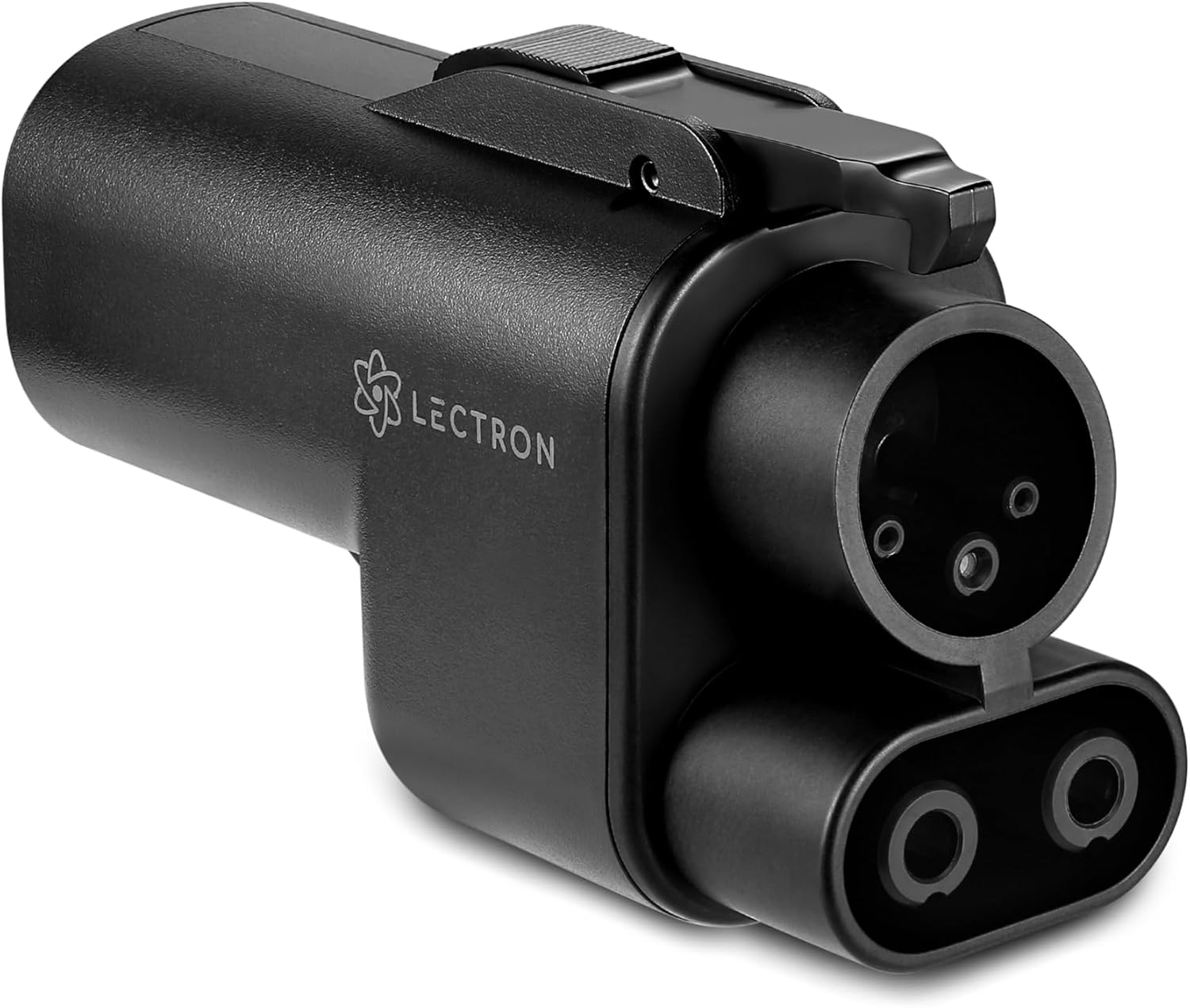
Lectron NACS to CCS Fast-Charge Adapter
Unlock every CCS fast charger for your Tesla, up to 500A DC. Never get stranded at a non-Tesla DC station again.
As an Amazon Associate, ThinkEV earns from qualifying purchases — at no extra cost to you.
What Would Change The Position
I'd put the position above as "cautiously positive, conditional on three resolutions", and here is what would flip it.
If unified billing arrives within 12 months, this becomes a genuine category-setter rather than a UX wrapper. One statement across five networks is the actual end-state Tesla owners take for granted. Without it, Energy Pass is an aggregator, not an integrator.
If IONNA's coverage remains concentrated in Sun Belt corridors through 2027, the 70% claim will erode in practice for drivers outside those corridors, including most of Canada. GM needs IONNA to build north and east, not just south and west.
The metric to watch through Q1 2027: third-party charging-session initiation rates via Energy Pass versus native network apps. If Energy Pass becomes the default starting surface for GM drivers across Electrify America and EVgo stalls, the platform play worked. If drivers fall back to native apps for pricing or reliability reasons, GM owns the interface to a behaviour drivers are routing around.
Bottom line: this is the right bet. The software layer is where the next decade of EV competitive advantage will be fought. GM moved first among legacy OEMs, and that matters. Now they have to ship the half of the launch that isn't in the press release yet.
Gear worth having
As an Amazon Associate, ThinkEV earns a small commission from qualifying purchases — at no extra cost to you.

Tesla Key Card Holder with AirTag Slot
Stop fishing the keycard out of your wallet, and slot an AirTag in case the car wanders off in a lot.
As an Amazon Associate, ThinkEV earns from qualifying purchases — at no extra cost to you.

Founder & Chief Editor
Vlad Pereira is the founder and chief editor of ThinkEV.ca, the Canadian electric-vehicle publication he writes and edits from Courtenay, British Columbia. He covers EV pricing, federal and provincial rebates, charging costs, and the Chinese manufacturers now entering Canada, from the buyer's side rather than the press-fleet side. ThinkEV is a venture of Vlad Pereira Online; his writing on health, income and the long game lives at vladpereira.com.
Frequently asked questions
Does Energy Pass work for Canadian GM EV owners right now?
Will older GM EVs on CCS1 get full Energy Pass access?
Does Energy Pass mean one monthly bill across all networks?
Is the IONNA 10% discount real savings or marketing math?
Why does GM control the charging interface if it doesn't own the chargers?
More EV & road-trip finds
Affordable upgrades worth a look — tap any to check the price on Amazon.
 ★ 546
★ 546Funny Headrest Face Covers (2-Pack)
View on Amazon ★ 12,396
K KNODEL Car Trash Can with Lid
View on Amazon ★ 15,014
Spigen Tempered Glass for Tesla Model 3/Y
View on Amazon ★ 119
★ 119Foldable Waterproof Trunk Organizer
View on Amazon ★ 392
★ 392Large Cup Holder Adapter (32-40oz)
View on Amazon ★ 47,507
HOMEXCEL Microfiber Cloths (12-Pack)
View on Amazon ★ 164
★ 164Solar-Powered LED Ambient Light
View on Amazon ★ 4,055
6-Speed Manual Shift Knob Display
View on AmazonRead, Plan, Then Stay Current
Explore our expert articles to understand incentives and ownership costs, use the map to pressure-test charging reality, then subscribe so new EV coverage comes straight to you.
Continue Reading
BMW's 20% IONNA Discount and OEM-Gated Charging
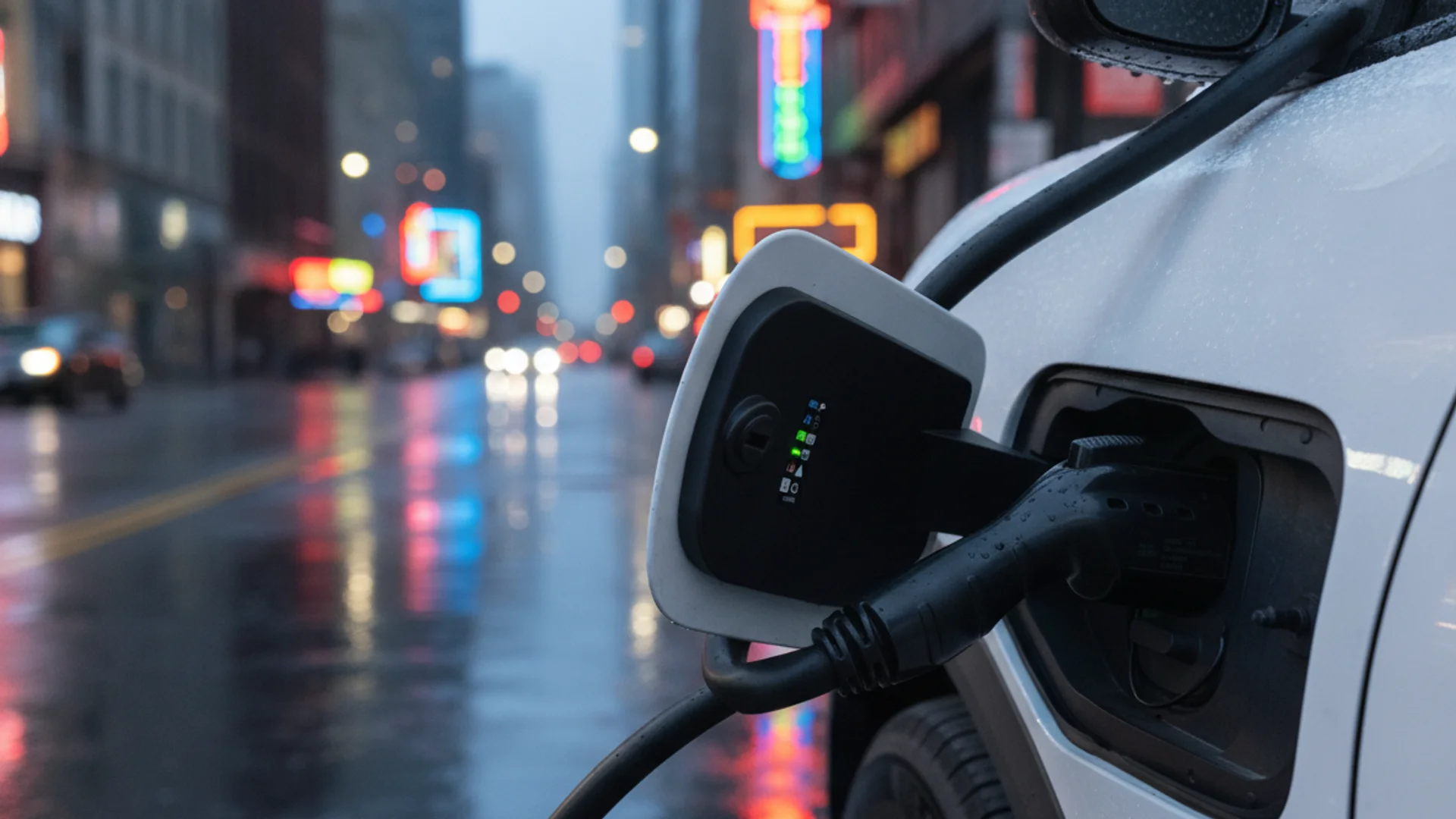
Public EV Charging in Canada: Networks and Payment
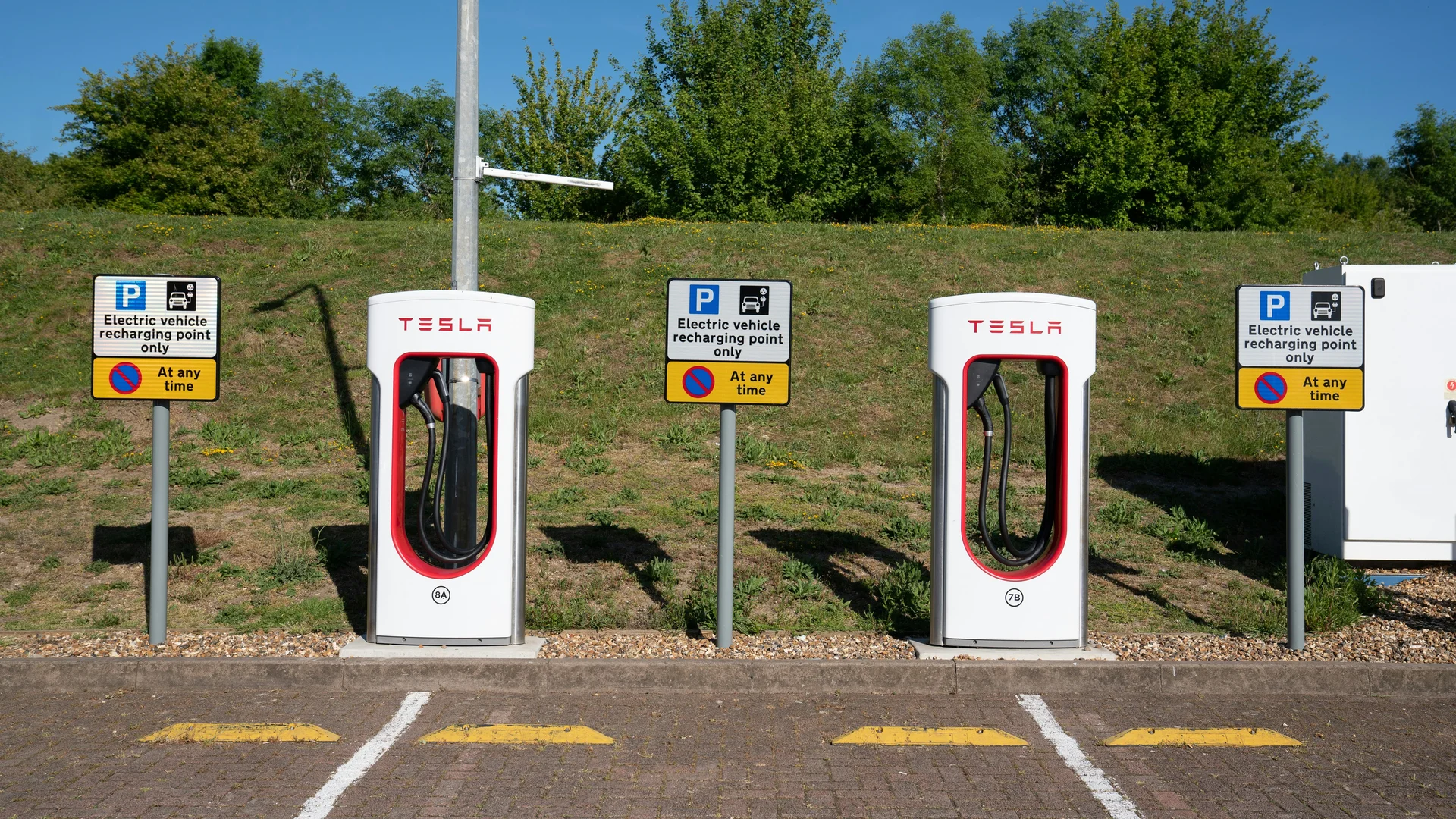
How Long Does It Take to Charge an Electric Car? (2026 Guide)
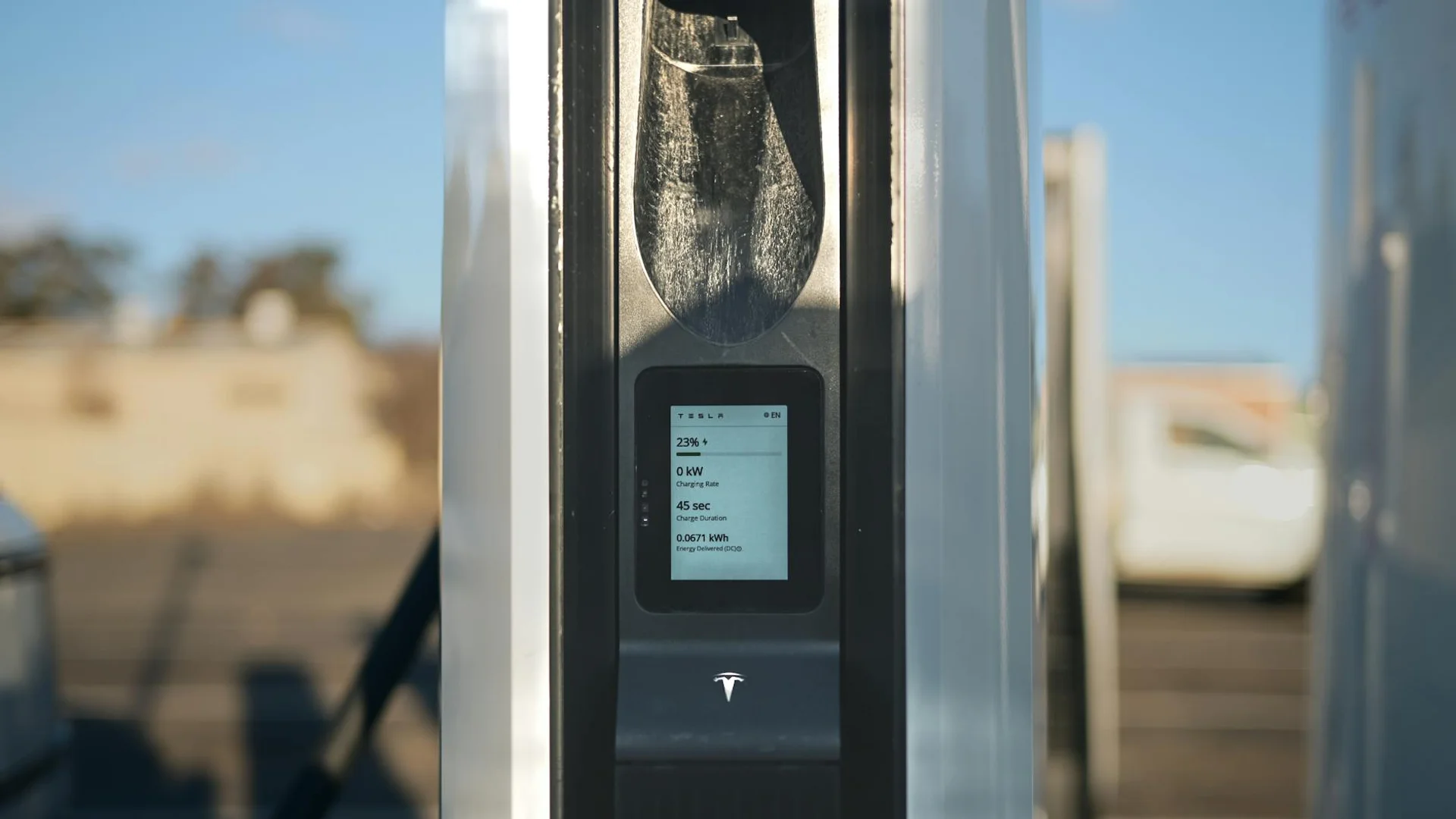
How Charging Networks Decide Stall Count Per Site
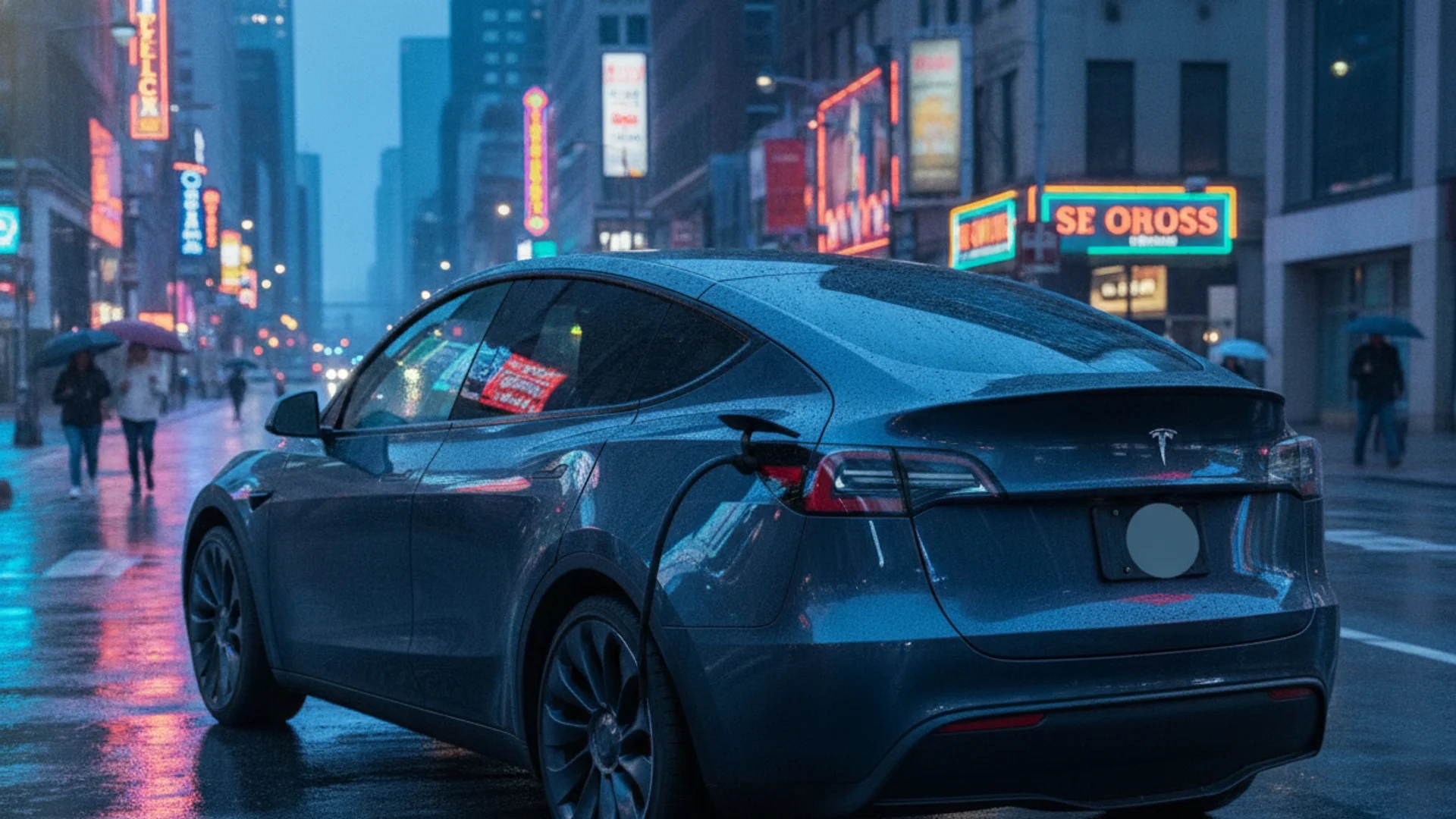
Hyundai Dealer's $418 EV Charge Exposes Public Charger Loophole