Key takeaways
- The SS accelerates to 100 km/h in about 4.0 seconds, which is fast enough to pin you back in the seat and terrify your passengers.
- The Blazer EV's 102 kWh Ultium battery delivers 449 km of range on the rear-wheel-drive 2LT trim and about 398 km on the all-wheel-drive SS.
- Expect 280-320 km from the RWD model and 250-290 km from the AWD variants when temperatures drop below -10C.
- DC fast charging tops out at 190 kW, which gets you from 10% to 80% in about 30 minutes under ideal conditions.
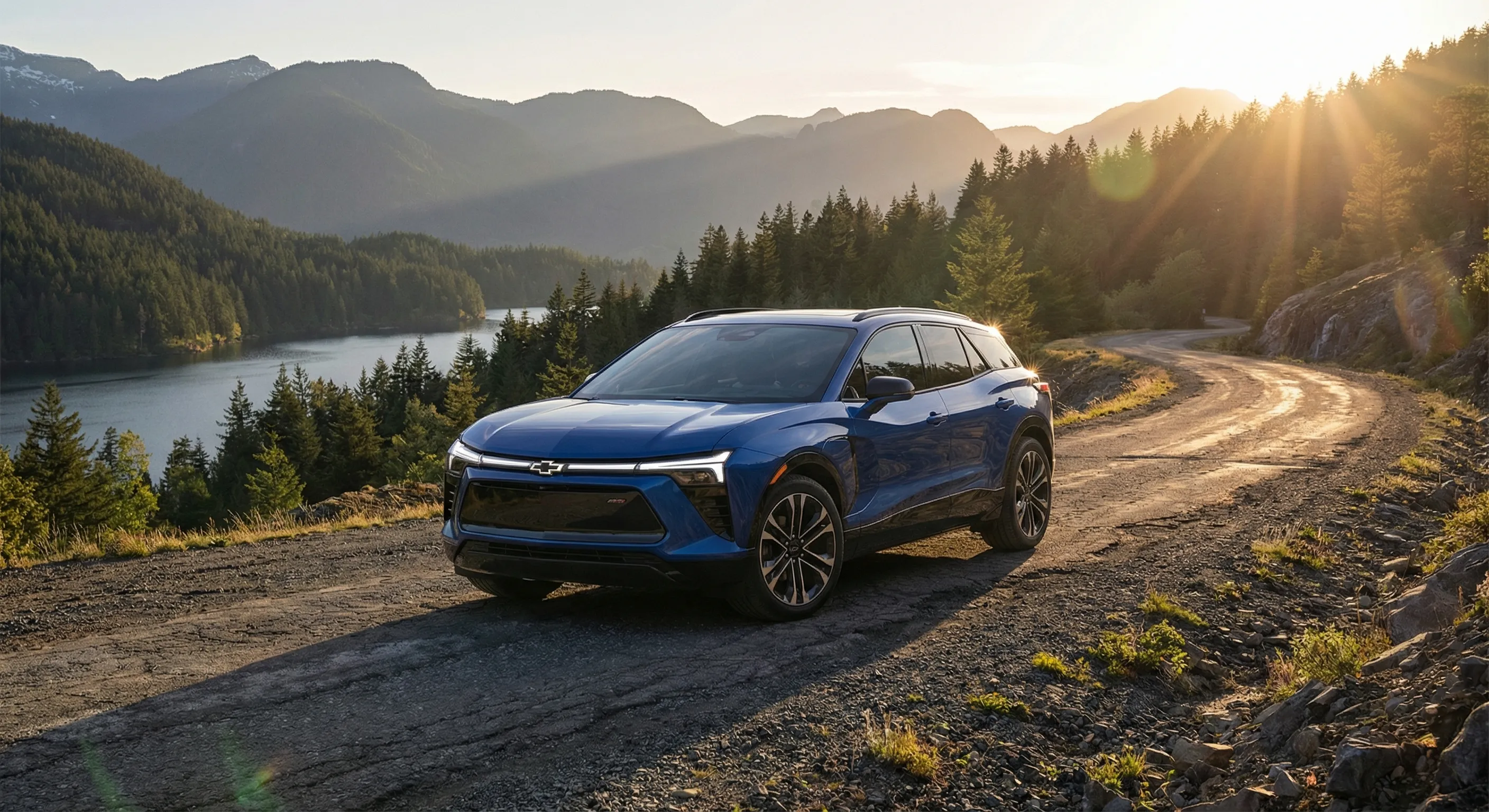
The Blazer EV is the best-looking electric SUV GM has ever made. Whether the rest of the car lives up to the exterior is where things get complicated. That Camaro-inspired front end, the aggressive stance, the way the roofline sweeps down toward the rear: it looks like nothing else at a Canadian Chevy dealer. And then you sit inside, start tapping through the infotainment system, and remember that this is the same company that had to pause sales in 2024 because the software wasn't ready.
The 2026 model is better. GM fixed the worst of the early bugs, added missing features that should have been there from day one, and quietly dropped the price on the base 2LT trim. But the Blazer EV still sits in an awkward spot. It costs $56,495 to $73,495 CAD depending on trim, which puts it in direct competition with the Tesla Model Y, the Hyundai Ioniq 5, and GM's own Equinox EV, a vehicle that does 80% of what the Blazer does for $20,000 less. For that premium, the Blazer needs to deliver something special. Sometimes it does. Sometimes it doesn't.
THE LOOKS
There's no getting around it: the Blazer EV is a head-turner. The design borrows heavily from the sixth-generation Camaro, with narrow LED headlights, a wide stance, and proportions that make it look faster than it is standing still. The SS trim adds black accents and a more aggressive front fascia that gives the whole thing a menacing quality. On the streets of downtown Toronto or parked at a Banff trailhead, this thing draws attention.
The proportions are midsize SUV, about the same footprint as a Ford Mustang Mach-E, but the low roofline and short overhangs give it a sportier profile than you'd expect. The Blazer EV is proof that electric SUVs don't have to look like appliances.
ROCKY LAUNCH, SMOOTHER NOW
The Blazer EV's 2024 launch was rough. GM halted deliveries after just a few months because of software glitches, the infotainment system would freeze, climate controls would reset themselves, and some owners reported phantom braking on highways. It was embarrassing, especially for a vehicle GM had positioned as a direct Tesla competitor.
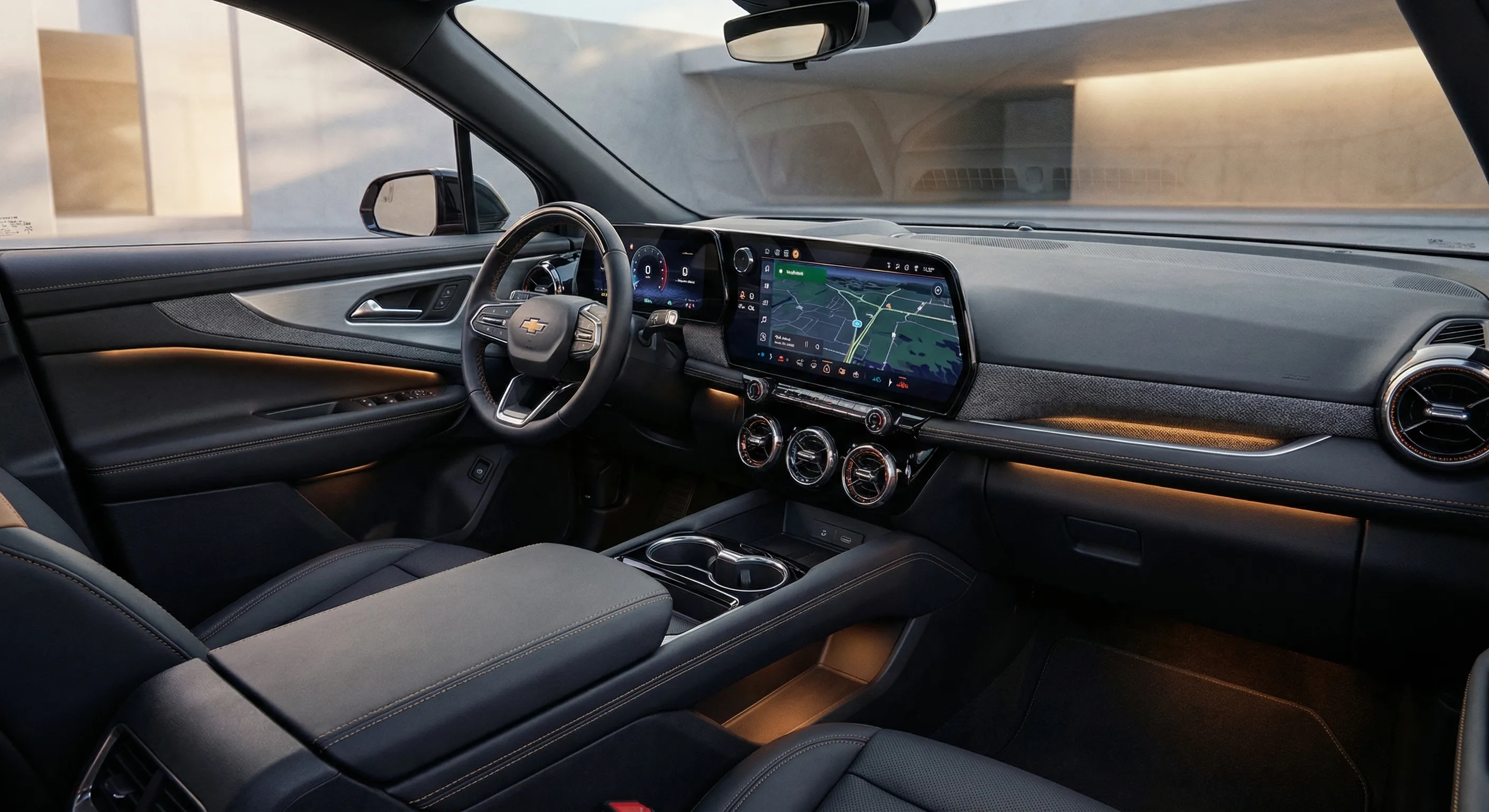
The 2026 model has addressed most of those issues. The infotainment system runs on GM's updated Ultifi platform, and it's noticeably more responsive than the early versions. Apple CarPlay and Android Auto work wirelessly, the navigation integrates real-time charging station availability, and the climate controls no longer have a mind of their own. It's not perfect, the system still lags behind Tesla's interface in speed and intuitiveness, but it's no longer a dealbreaker.
GM's Super Cruise highway driving assist is available on RS and SS trims, and it remains one of the best hands-free systems on the market. On the 401 between Toronto and Kingston or the Sea-to-Sky between Vancouver and Whistler, Super Cruise is genuinely relaxing. It handles lane changes, speed adjustments, and following distance automatically on mapped highways. It's the one tech feature where the Blazer clearly beats the competition.
DRIVING
The base 2LT comes with rear-wheel drive and a single motor producing 282 hp. It's adequate for city driving and highway cruising, but it doesn't feel sporty despite the aggressive looks. The RS and SS trims add a front motor for all-wheel drive and bump power to 557 hp in SS form. That's where the Blazer starts to match its appearance.
The SS accelerates to 100 km/h in about 4.0 seconds, which is fast enough to pin you back in the seat and terrify your passengers. The steering has decent weight and the chassis is composed through corners, it doesn't feel like a tall, heavy SUV the way some competitors do. GM tuned the suspension for a balance between comfort and handling, and they got it mostly right. The ride is firm but not harsh, even on Montreal's pothole-riddled streets.
Gear worth having
As an Amazon Associate, ThinkEV earns a small commission from qualifying purchases — at no extra cost to you.
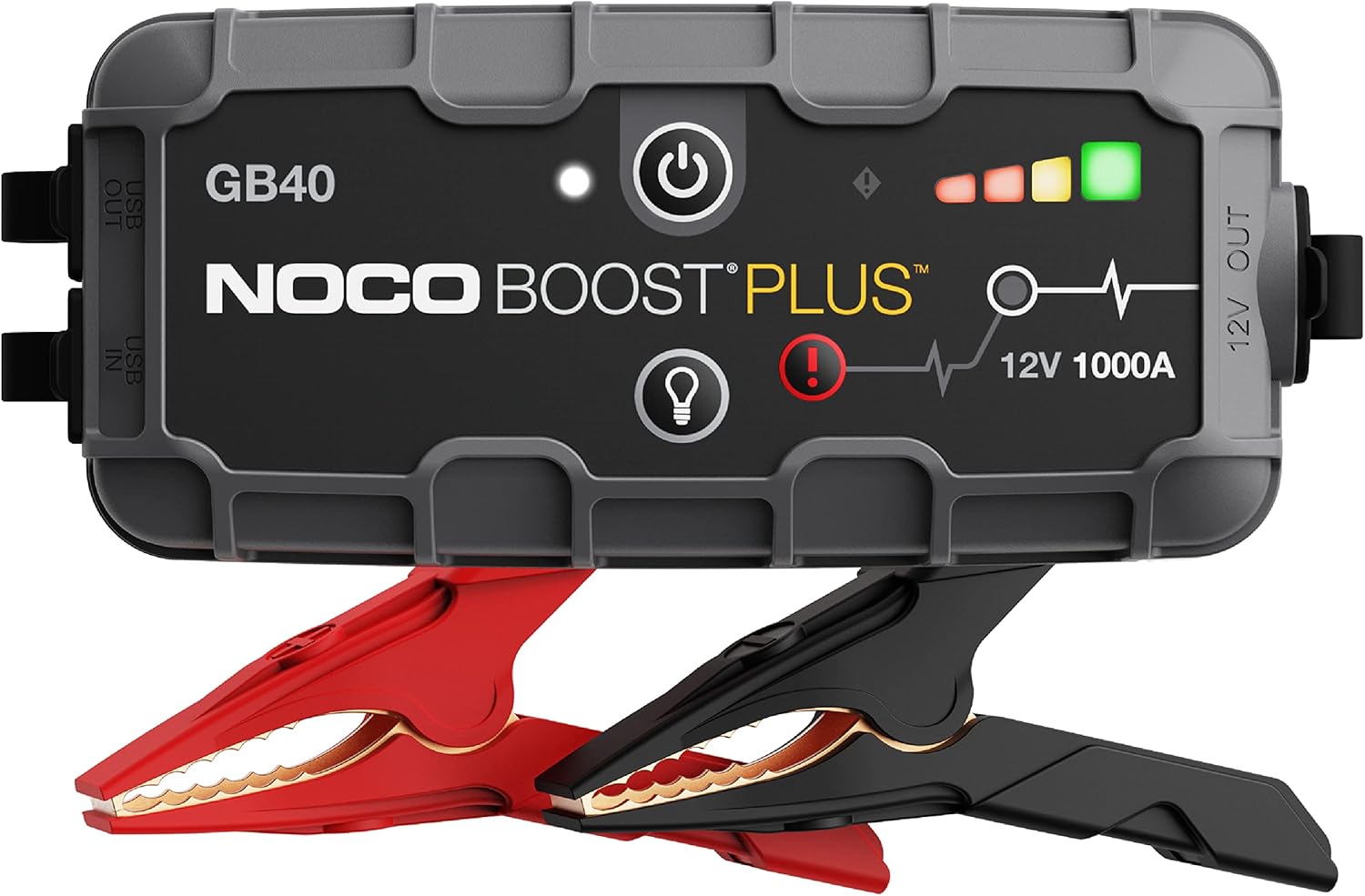
NOCO Boost Plus GB40 Jump Starter
A 1000A lithium jump starter that fits in your glovebox and works on any 12V battery. Your insurance against a dead 12V in a parking lot.
As an Amazon Associate, ThinkEV earns from qualifying purchases — at no extra cost to you.
One-pedal driving works well, with strong regenerative braking that brings the car to a complete stop. The brake pedal feel is better than most EVs, there's a natural transition between regenerative and friction braking that doesn't have the grabby, artificial quality you find in some competitors. For daily driving in stop-and-go traffic on the Gardiner Expressway or Deerfoot Trail, it's genuinely pleasant.
Gear worth having
As an Amazon Associate, ThinkEV earns a small commission from qualifying purchases — at no extra cost to you.

VIOFO A229 Pro 4K Dash Cam
4K front plus 2K rear with parking mode and GPS. Your silent witness for insurance claims, with always-on sentry recording while parked.
As an Amazon Associate, ThinkEV earns from qualifying purchases — at no extra cost to you.
RANGE AND CHARGING
The Blazer EV's 102 kWh Ultium battery delivers 449 km of range on the rear-wheel-drive 2LT trim and about 398 km on the all-wheel-drive SS. Those are competitive numbers, roughly matching the Tesla Model Y Long Range and beating the Ioniq 5 by a comfortable margin.
Real-world winter range in Canada is a different story. Expect 280-320 km from the RWD model and 250-290 km from the AWD variants when temperatures drop below -10C. That's still enough for a week of commuting without plugging in, but the gap between the sticker number and the January reality matters for planning.
DC fast charging tops out at 190 kW, which gets you from 10% to 80% in about 30 minutes under ideal conditions. The Blazer is compatible with the Electrify Canada, Petro-Canada Electric Highway, and FLO networks. GM has also announced that 2026 models come with a complimentary NACS adapter, giving access to Tesla Superchargers across Canada. That's a meaningful addition, Tesla's network remains the most reliable and widespread in the country.
INTERIOR AND TECH
The cabin is where the Blazer EV's value proposition gets muddier. The design is clean and modern, with a 17.7-inch diagonal infotainment screen and an 11-inch driver display. Materials quality is decent on the RS and SS trims, soft-touch surfaces on the upper dash, stitched panels on the doors. The base 2LT uses harder plastics that feel at odds with the $56,000+ price tag. At this price point, you're competing with the Kia EV6, which has a nicer interior at a lower price.

Rear seat space is adequate for adults, but the sloping roofline cuts into headroom. If you regularly carry tall passengers, the Equinox EV's boxier shape gives more room. Cargo space is 863 litres behind the rear seats, reasonable for a midsize SUV but not class-leading. There's a small front trunk (frunk) that fits a carry-on bag.
Gear worth having
As an Amazon Associate, ThinkEV earns a small commission from qualifying purchases — at no extra cost to you.

Grizzl-E Classic Level 2 EV Charger (40A)
Canadian-made and rated for minus 40C winters. 40A / 9.6 kW, NEMA 14-50, indoor/outdoor, 24-ft cable. The charger built for Canadian weather.
As an Amazon Associate, ThinkEV earns from qualifying purchases — at no extra cost to you.
The heated seats and heated steering wheel are standard across all trims, which is the bare minimum for a Canadian-market vehicle at this price. The ventilated seats on the RS and SS are a welcome addition for summer driving.
VERDICT
The exterior design is among the best in the EV market. The SS trim delivers genuine performance. Super Cruise is excellent. But the confusing trim lineup, the lingering reputation from its rocky launch, and an interior that doesn't quite match the price all hold it back.
If you want a stylish electric SUV and you're shopping in the $60,000-$75,000 range, the Blazer EV RS is the sweet spot, it gets you the AWD system, Super Cruise, and better interior materials without the SS's price tag. If you're budget-conscious, the Equinox EV does most of the same things for $20,000 less with more interior space. And if you want the best tech and charging network, the Tesla Model Y is still the default choice.
The Blazer EV is a good car that could have been a great one. GM got the design right and the driving dynamics right, but the total package doesn't yet justify its price premium over the competition. If GM drops the base price by $5,000-$8,000, or if the 2027 model addresses the interior quality gap, it becomes a much easier recommendation. For now, it's a head-turner that asks you to compromise in the areas that matter most during daily ownership.
Gear worth having
As an Amazon Associate, ThinkEV earns a small commission from qualifying purchases — at no extra cost to you.

PULIDIKI Car Cleaning Gel (Detailing Putty)
Press it into vents, buttons, and seams and it lifts out dust you did not know was there. Weirdly satisfying, genuinely useful.
As an Amazon Associate, ThinkEV earns from qualifying purchases — at no extra cost to you.
Related Reading
- Chevy Equinox EV Canada Review 2026, GM's more affordable electric SUV and the Blazer's biggest internal rival.
- Ford Mustang Mach-E vs Tesla Model Y Canada 2026, Two other midsize electric SUVs in the same price range.
- Best Level 2 EV Chargers Canada 2026, Home charging setup for any EV.
Gear worth having
As an Amazon Associate, ThinkEV earns a small commission from qualifying purchases — at no extra cost to you.

WixGear Magnetic Air Vent Phone Mount (2-Pack)
A magnet strong enough that your phone never flinches over potholes or rail crossings. Two in the box, one for each car.
As an Amazon Associate, ThinkEV earns from qualifying purchases — at no extra cost to you.

Founder & Chief Editor
Vlad Pereira is the founder and chief editor of ThinkEV.ca, the Canadian electric-vehicle publication he writes and edits from Courtenay, British Columbia. He covers EV pricing, federal and provincial rebates, charging costs, and the Chinese manufacturers now entering Canada, from the buyer's side rather than the press-fleet side. ThinkEV is a venture of Vlad Pereira Online; his writing on health, income and the long game lives at vladpereira.com.
Frequently asked questions
Does the Blazer EV qualify for the $5,000 EVAP rebate?
How does the Blazer EV compare to the Equinox EV?
Can the Blazer EV use Tesla Superchargers?
What is the real winter range of the Blazer EV?
More EV & road-trip finds
Affordable upgrades worth a look — tap any to check the price on Amazon.
 ★ 1,866
70mai A810 4K Dual Dash Cam
View on Amazon ★ 87
★ 87Car Window Sun Shades for Kids (4-Pack)
View on Amazon ★ 68
★ 68WeatherTech FloorLiner for Tesla Model 3
View on Amazon ★ 47,507
HOMEXCEL Microfiber Cloths (12-Pack)
View on Amazon ★ 55
★ 55LED Car Door Logo Projector Light
View on Amazon ★ 4,626
HoogaLife Hanging Car Diffuser (2-Pack)
View on Amazon ★ 4,424
Sun Visor Card and Document Organizer
View on Amazon ★ 15,014
Spigen Tempered Glass for Tesla Model 3/Y
View on AmazonRead, Plan, Then Stay Current
Explore our expert articles to understand incentives and ownership costs, use the map to pressure-test charging reality, then subscribe so new EV coverage comes straight to you.
Continue Reading
Chevy Equinox EV Canada Review: $45K, 513 km
Chevy Silverado EV Canada Review: 640 km Range
Volvo EX30 Canada Review: The Small One to Want
Rivian R1T Canada Review 2026: 515 km Quad-Motor
Rivian R2 Canada Price 2026: The $57K Electric SUV