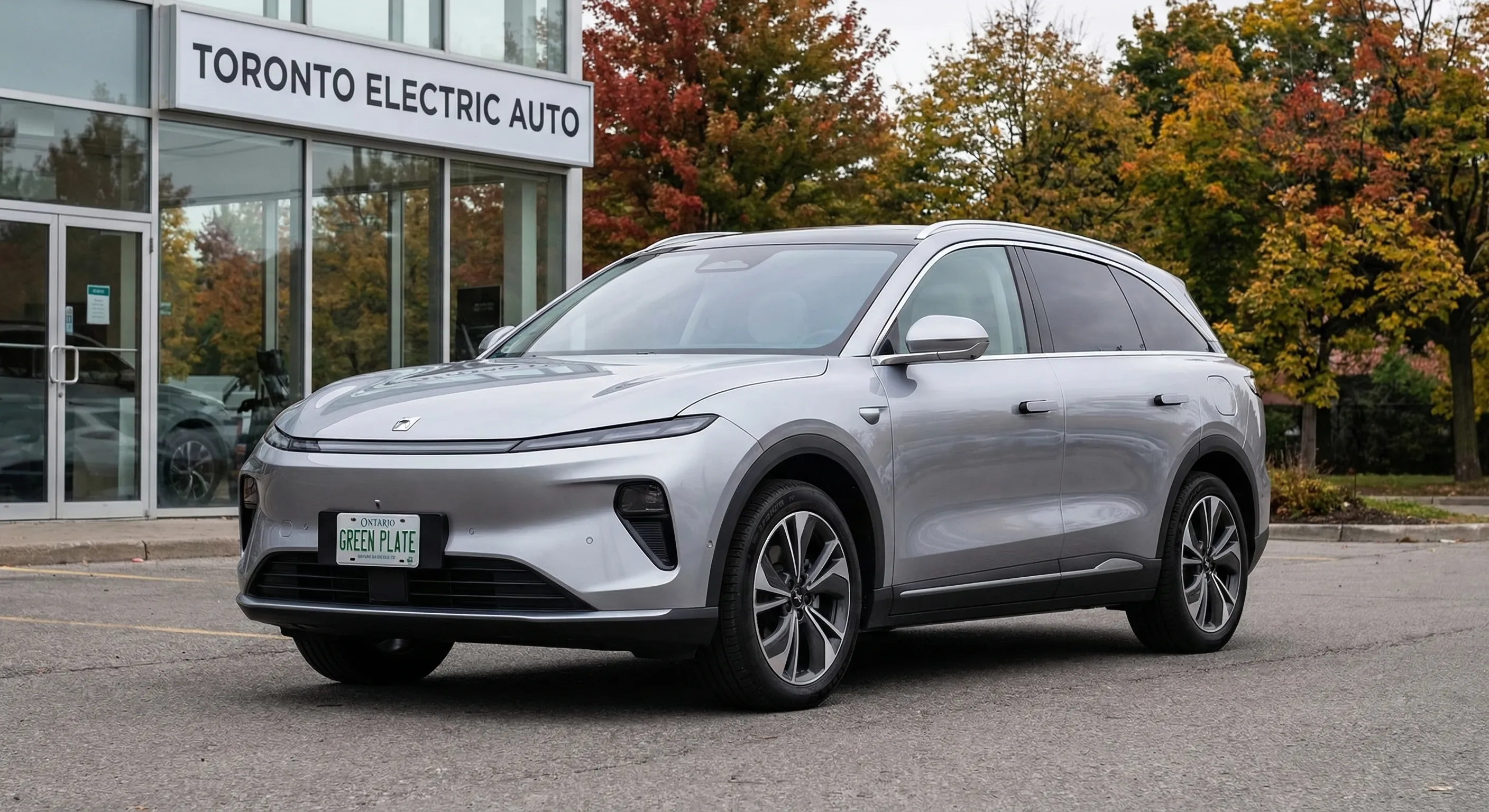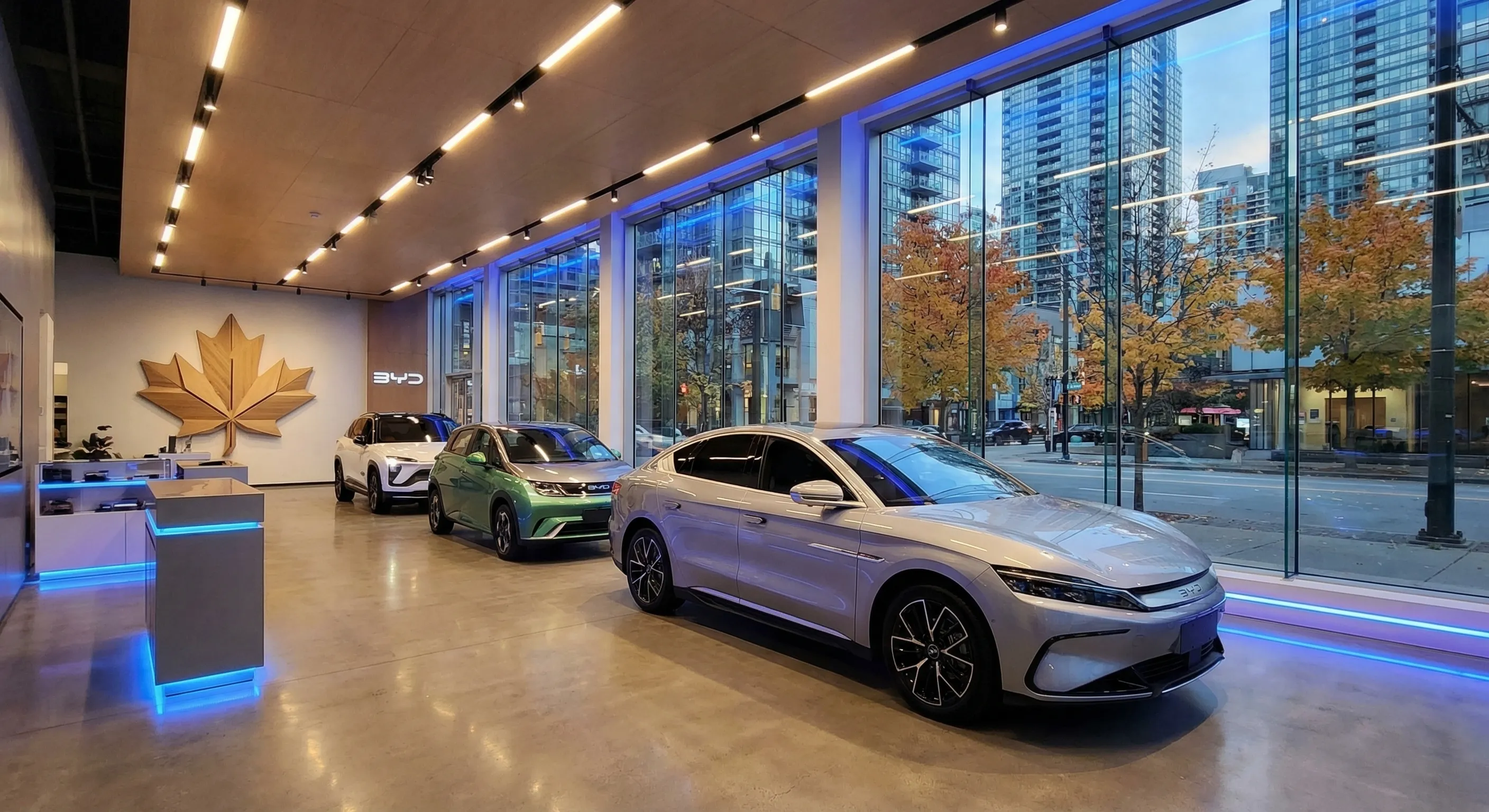
Key takeaways
- BYD sold 2.25 million battery EVs in 2025, passing Tesla's 1.63 million to become the world's largest EV maker by volume.
- Canada cut its tariff on Chinese-built EVs from 100% to 6.1% on January 16, 2026, under a 49,000-unit annual quota, roughly 18–20% of total Canadian EV sales.
- Chinese-manufactured vehicles are still excluded from the $5,000 federal EVAP rebate, so BYD, Chery, and others don't qualify regardless of the lower tariff.
- Chery has filed Canadian trademarks for six brands, Omoda, Jaecoo, iCar, Exeed, Lepas, and Luxeed, and is recruiting locally, but hasn't confirmed an entry date.
- The Lotus Eletre, built in Wuhan and starting at about $119,900 CAD, is the first Chinese-built EV reaching Canadian retail, with two demo cars due in late summer 2026.
The story of Chinese EVs pursuing Canada is no longer just rumour. There is paperwork, there are trademark filings, and there are public comments from executives exploring the market. But that still does not make every rumored launch inevitable. The better question is which groups appear serious, how far along they are, and what remains unresolved.
And the price question, more than any other, is where this gets genuinely interesting for Canadian buyers. If even part of the currently discussed China-entry pipeline turns into real retail launches, Canada could see a meaningful competition and affordability shift. But "could" is doing important work there.
Three groups have publicly committed. The rest is noise.
The Policy Shift That Made All of This Possible
The policy context shapes everything here.
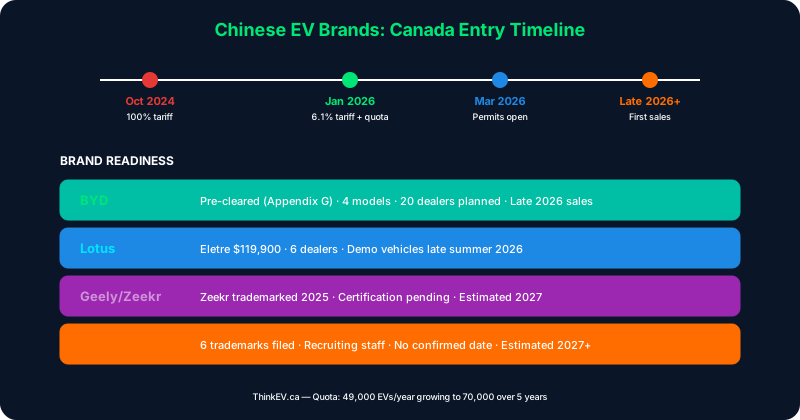
Canada imposed 100% tariffs on Chinese-built EVs in October 2024, matching a similar move by the United States. It was a blunt instrument, and it effectively locked out the entire Chinese auto industry overnight. Then, on January 16, 2026, something shifted: Prime Minister Mark Carney announced a framework that allows quota-eligible Chinese-built EVs to enter at the standard 6.1% MFN rate.
That quota is officially set at 49,000 EVs per year. The long-run framework talks about broader affordable-EV access by 2030, but the current public rules do not give buyers a simple official year-by-year growth schedule to treat as locked. It's not unlimited access, but it is enough to matter.
The policy shift also created a critical distinction: companies that had done their regulatory homework before the tariffs hit are now in a dramatically better position than those who had not. Transport and customs readiness still take time, and public sources do not yet give buyers a clean official roster of every brand that is fully ready to import at scale under quota.
The Big Three: BYD, Chery, and Geely
Of the estimated 132 Chinese EV brands in existence, analysts believe up to 20 could eventually pursue the Canadian market. But right now, there are three families of brands with active, documented Canadian entry strategies. Everything else is noise - or at least, it's not yet signal.
Those three are BYD, Chery, and Geely. They are structurally different from each other, they're targeting different parts of the market, and their timelines vary significantly. Let's go through each one.
BYD: The One That's Actually Ready
BYD appears to be furthest along in the bureaucratic sense. They are the only Chinese automaker described here with clearly documented regulatory groundwork already in place. That matters, but it is still not the same thing as a fully launched national retail operation.

The short answer on BYD's status is: they appear further through the regulatory door than other Chinese entrants. Everything that follows still depends on permits, logistics, and dealer execution.
The Models
The likely BYD lineup spans a genuinely wide price range, which is part of what makes the brand interesting to Canadian buyers if the launch goes through at the pricing people expect.
- The Seal is BYD's premium sedan, and common Canada scenarios place it roughly between $45,000 and $54,990 CAD. Treat that as modeled pricing, not a published Canadian MSRP.
- The Dolphin is often modeled around $28,000 CAD. If it actually lands there with real dealer support, it would be one of the most affordable new EVs in Canada.
- The Atto 3 is a compact SUV that sits in the sweet spot of the market - the segment that sells the most units in Canada by a wide margin.
- The Seagull is BYD's entry-level city car. Whether it clears Canadian safety certification is an open question, but if it does, expect it around $20,000 CAD.
The Dolphin is the one that matters most for the overall Canadian EV market. If a capable electric car genuinely lands at $28,000 before incentives, the conversation about EV affordability changes overnight.
The Dealer Network
BYD has been associated with an initial urban-first dealer plan, often described around Toronto first and then Vancouver, Montreal, and Calgary. Until final Canadian dealer details are public, treat the exact count and sequence as reported planning rather than finished reality.
Executive VP Stella Li has been direct about ambitions. "Open to every opportunity" is the official line. BYD has also floated the idea of building a factory in Canada and indicated interest in acquiring legacy automakers with existing dealer networks. Whether either of those longer-range plans materialises is a separate question. What matters now is that the short-term path - import, distribute, sell - is officially available under quota, even though BYD's actual retail execution details remain unannounced.
Why BYD Is the One to Beat
BYD surpassed Tesla in battery EV sales in 2025. The numbers: 2.25 million battery EVs sold by BYD versus 1.63 million for Tesla. This is not a scrappy startup trying to break into a new market. This is the world's largest EV manufacturer, with more production capacity, more model variants, and more competitive pricing than any Western automaker. The Canadian market is small for them. But "small" is relative - Canada still represents several hundred thousand vehicle sales per year.
For more on BYD's specific regulatory pathway, read our breakdown at BYD Coming to Canada: Tariff Deal.
Chery: The One Playing the Long Game
Chery is the largest Chinese automaker by export volume. Most Canadians haven't heard of them. That could change, though likely more slowly than with BYD.
Here's what Chery has done in Canada so far: they've filed trademark paperwork for six separate brands - Omoda, Jaecoo, iCar, Exeed, Lepas, and Luxeed. They're actively recruiting personnel in Canada. And they're evaluating what they call "partnerships with local stakeholders," which is corporate language for finding dealer groups and distribution partners.
What they haven't done is confirm an entry method or a date.
The trademark filings are significant. Companies don't spend money filing trademarks in new markets unless they're serious about entering them. But trademark protection doesn't mean product availability - it means they don't want a competitor to grab the name first.
The Chery Brand Architecture
Understanding Chery means understanding that they operate a portfolio of brands, not a single nameplate. Here's the quick breakdown:
- Omoda - mainstream crossover brand, positioned against brands like Hyundai and Kia
- Jaecoo - off-road-adjacent SUV brand, likely targeting buyers who would currently consider a Ford Bronco Sport or Jeep Compass
- iCar - EV-specific brand developed in partnership with Huawei
- Exeed - premium brand, competing in the Lexus/Genesis territory
- Lepas - newer sub-brand, positioning still unclear for Western markets
- Luxeed - luxury EV brand, also developed with Huawei
The Huawei connection on iCar and Luxeed deserves a note. Huawei's automotive division has developed some of the most advanced driver-assistance systems in China. Whether that technology arrives in Canada alongside the vehicles, or gets stripped out due to security concerns, is an open question that will matter a great deal to buyers.
What Chery's Presence Actually Means
Simply put, potential, not imminent product. Chery has the brand breadth to cover multiple Canadian market segments simultaneously. If they establish dealer relationships through an existing network - which is clearly what "partnerships with local stakeholders" is pointing toward - they could go from zero to meaningful market presence faster than building from scratch.
But until there's a confirmed distribution partner and a regulatory approval on at least one of those six brands, Chery remains a "watch closely" rather than a "go to the dealership" story.
The Geely Group: More Than You Think
Geely is the Chinese automotive conglomerate that most Canadians have been buying from for years without knowing it. They own Volvo. They're the majority shareholder of Polestar. They launched Zeekr, Lynk & Co, and they acquired Lotus. If you've ever driven a Volvo built after 2010, you've driven a Geely product.
The Canadian entry strategy for Geely is multi-pronged, and it's playing out across several brands simultaneously.
Gear worth having
As an Amazon Associate, ThinkEV earns a small commission from qualifying purchases — at no extra cost to you.

Grizzl-E Classic Level 2 EV Charger (40A)
Canadian-made and rated for minus 40C winters. 40A / 9.6 kW, NEMA 14-50, indoor/outdoor, 24-ft cable. The charger built for Canadian weather.
As an Amazon Associate, ThinkEV earns from qualifying purchases — at no extra cost to you.
Zeekr
Geely trademarked the Zeekr brand in Canada in 2025. Zeekr makes genuinely premium electric vehicles - the Zeekr 001 is a fastback wagon that's won significant praise in European markets. Geely expects Canadian government certification for Zeekr-branded vehicles soon.
Zeekr's positioning would sit above BYD's Seal but below full luxury. Think BMW 3 Series pricing. That's a competitive space, but Zeekr has the product quality to compete there.
Lynk & Co
The Lynk & Co 08 PHEV is a potential Canadian entry point for this brand. Lynk & Co operates a subscription model in Europe - pay a monthly fee rather than buying outright - and that model might resonate with a segment of Canadian buyers. The 08 is a handsome, spacious PHEV that would compete with the Toyota RAV4 Prime on paper.
Volvo
Volvo's situation is a telling example of how tangled the tariff situation has become. They previously imported the Chinese-built EX30 into Canada - a small, affordable electric SUV that was genuinely well-reviewed. The 2024 tariffs ended that. Now the EX30 is sourced from Belgium.
But Volvo is "investigating the opportunity" for Chinese imports again, now that the 6.1% tariff rate is in place. If the EX30 reverts to Chinese production, it becomes meaningfully cheaper. Volvo working through this carefully is understandable - they don't want to be seen as circumventing tariff intent - but the economics are hard to ignore.
Polestar
Polestar's second-generation Polestar 2 production begins in 2027 in China. They're evaluating Canadian availability. Polestar is watching how other Chinese-built vehicles are received in Canada before committing to a supply chain decision. It's cautious, but it's not irrational.
Lotus Eletre
Lotus is the most concrete of the Geely group's Canadian entries after BYD. The Eletre is an electric SUV starting at $119,900 CAD. Two demonstration vehicles arrive in Canada late summer 2026. Lotus has six existing dealers in Canada and plans to expand to roughly twelve more.
The interesting footnote: Lotus already imported Chinese-built vehicles before the 2024 tariffs. They're not a newcomer to this regulatory environment. They navigated it before, and they're working through it again.
The Wild Card: Tesla Shanghai
Tesla doesn't fit neatly into the "Chinese EV brand" category - it's an American company manufacturing in China. But it belongs in this guide because of what Tesla has quietly been doing with its Canadian inventory.
Tesla removed U.S.-built Model 3 inventory from its Canadian website. One plausible explanation is that Tesla is evaluating a shift in Canadian supply sources, potentially including Shanghai production. That is still an inference, not a confirmed Canadian supply announcement.
If Tesla shifts Canadian supply to Shanghai production, it's importing Chinese EVs at scale - just under an American brand name. This matters because it normalises Chinese-built EVs in Canada in a way that may make the political objections to BYD or Zeekr seem less consistent.
What This Means for Canadian Buyers
If you're planning to buy an EV in the next 18 months, the Chinese entry creates real options you didn't have before.
The most immediate impact is on pricing. The threat of competition alone tends to sharpen pricing at established brands. The Honda Prologue, the Hyundai IONIQ 5, the Volkswagen ID.4 - all of these are sold in a market where they've had limited competition from Chinese manufacturers. That's changing. Dealers and automakers know it.
For buyers specifically, a few things to consider:
- Service network matters more with EVs than with ICE vehicles. A brand selling 50 units in Canada with one service centre in Toronto is a real problem if you're in Winnipeg or Halifax. The brands with existing dealer networks (Lotus via its current dealers, Volvo, Polestar) have an advantage here.
- Software and over-the-air updates are a factor. Chinese EVs generally have sophisticated software.
But software tied to Chinese cloud infrastructure, or that requires updates from servers that might face regulatory scrutiny, is a legitimate concern. Ask specifically about how each brand handles software updates in Canada.
- Resale value is genuinely unknown. BYD, Chery, and Geely vehicles have no Canadian resale track record. Build that uncertainty into any financial decision.
- Warranty terms need scrutiny. A five-year warranty from a brand with one Canadian representative is not the same as a five-year warranty from a brand with 200 service locations.
Gear worth having
As an Amazon Associate, ThinkEV earns a small commission from qualifying purchases — at no extra cost to you.
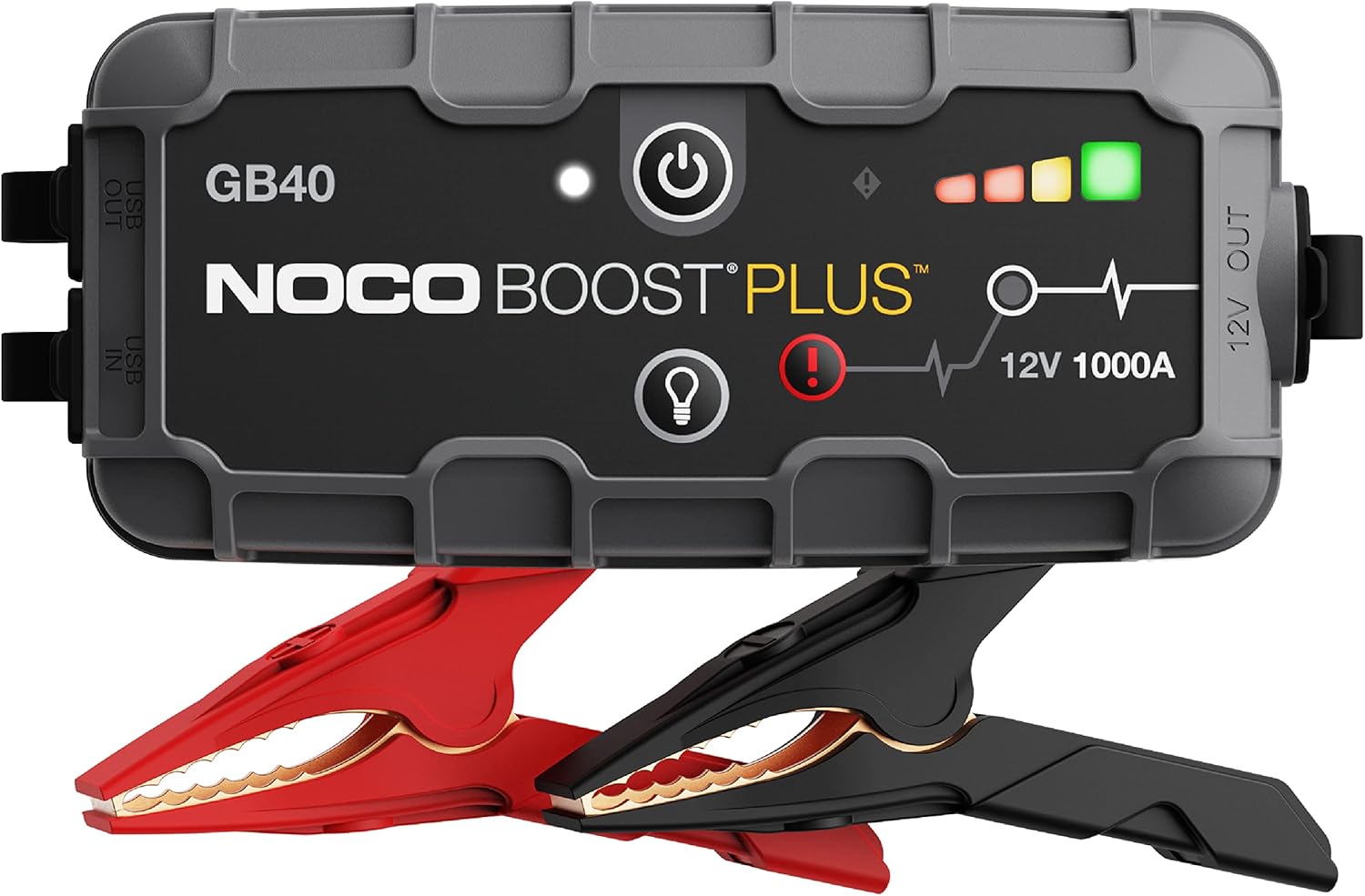
NOCO Boost Plus GB40 Jump Starter
A 1000A lithium jump starter that fits in your glovebox and works on any 12V battery. Your insurance against a dead 12V in a parking lot.
As an Amazon Associate, ThinkEV earns from qualifying purchases — at no extra cost to you.
And regardless of the brand, keeping a quality jump starter on hand remains good practice. The NOCO Boost GB40 works on EVs as well as conventional vehicles and is compact enough to keep in the boot without thinking about it.
How Many Chinese EVs Can Actually Enter Canada?
The quota framework shapes everything here, and that part is now official. At 49,000 units per year to start, the quota is large enough for one or two brands to establish genuine market presence, but not large enough for a dozen brands to build meaningful volumes simultaneously.
This creates a first-mover advantage for whichever importer is best prepared administratively and operationally. BYD still appears among the better-positioned entrants, but public proof of who has actually converted that positioning into live commercial imports is still limited.
For context: Canada's total new vehicle sales run roughly 1.6 to 1.8 million units per year. EVs represent about 15% of that, or around 240,000 to 270,000 units. A 49,000-unit quota is roughly 18-20% of total EV sales. That's not a niche. That's a real market share - if it's concentrated in one or two brands.
For a closer look at who has actually received import permits under this system, see Who Got Canada's First Chinese EV Import Permits.
The Longer View
Analysts tracking this market have suggested that up to 20 Chinese automakers could eventually pursue Canada. That number should be treated as a ceiling, not an expectation. Of 132 Chinese EV brands, only about 15 are dominant players in their home market. Of those 15, perhaps half have the financial resources and international experience to establish themselves in a market with Canadian regulatory requirements, Canadian consumer expectations, and Canadian dealer culture.
But "perhaps half" of 15 is still seven or eight brands. That's still more new nameplates entering Canada than this country has seen in decades.
The brands I'd watch most closely, in order of likelihood of near-term impact:
- BYD - already through the door, product range is strong, pricing is competitive
- Zeekr - premium positioning, Geely's regulatory groundwork is mostly done
- Chery (via Omoda or Jaecoo) - enormous export experience, active recruiting suggests timeline has accelerated
- Lotus Eletre - dealers exist, demonstration vehicles arriving in months
- Lynk & Co - subscription model could differentiate in urban markets
For more on the affordable end of this market, read Chinese EVs Under $35,000 Coming to Canada - that's where the highest volume potential lives.
Gear worth having
As an Amazon Associate, ThinkEV earns a small commission from qualifying purchases — at no extra cost to you.
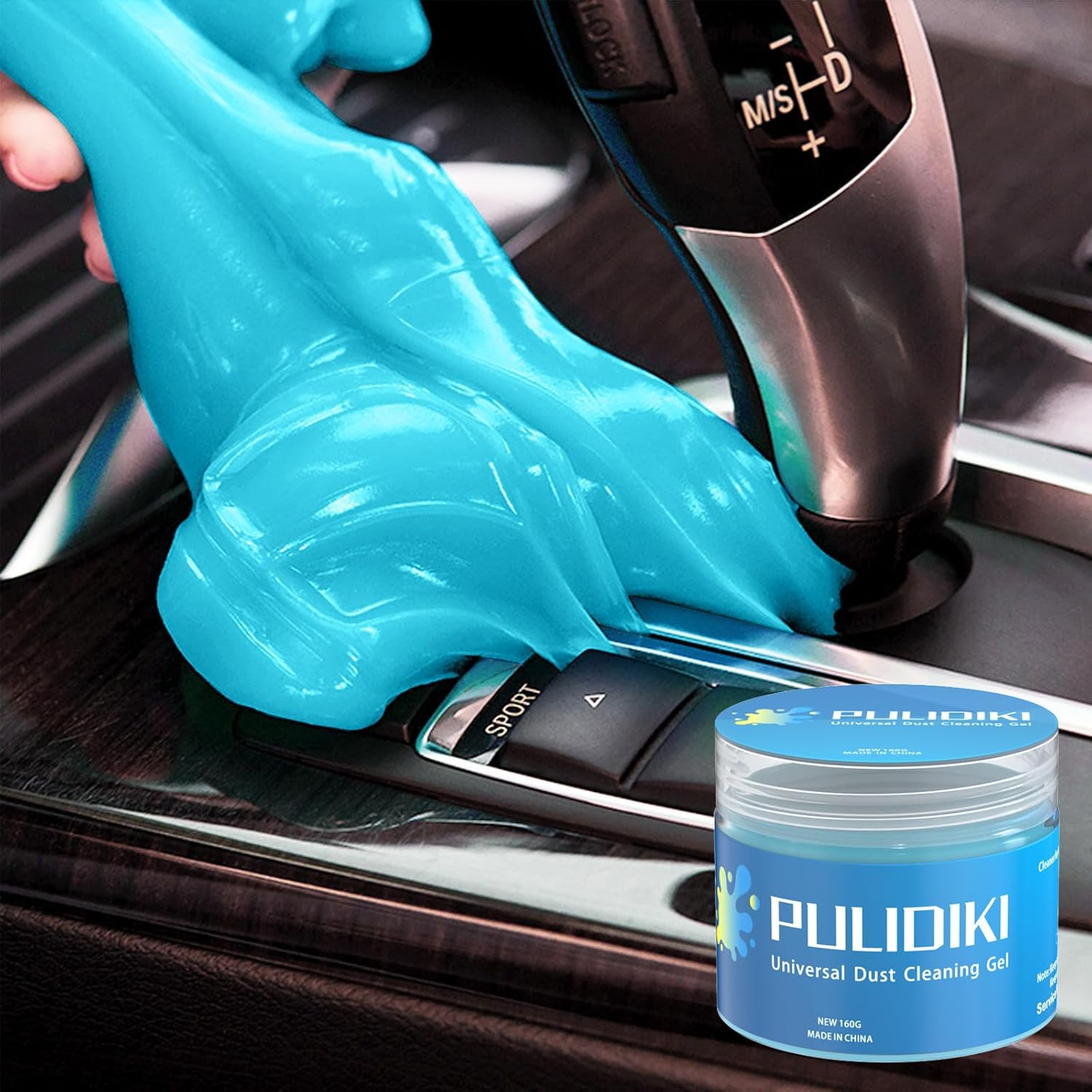
PULIDIKI Car Cleaning Gel (Detailing Putty)
Press it into vents, buttons, and seams and it lifts out dust you did not know was there. Weirdly satisfying, genuinely useful.
As an Amazon Associate, ThinkEV earns from qualifying purchases — at no extra cost to you.
Gear worth having
As an Amazon Associate, ThinkEV earns a small commission from qualifying purchases — at no extra cost to you.

WixGear Magnetic Air Vent Phone Mount (2-Pack)
A magnet strong enough that your phone never flinches over potholes or rail crossings. Two in the box, one for each car.
As an Amazon Associate, ThinkEV earns from qualifying purchases — at no extra cost to you.
Related Reading
- Chinese EVs Under $35,000 Coming to Canada - The affordable end of the Chinese EV market
- BYD Coming to Canada: Tariff Deal - How BYD navigated the tariff reduction
- Who Got Canada's First Chinese EV Import Permits - The first companies through the door
Gear worth having
As an Amazon Associate, ThinkEV earns a small commission from qualifying purchases — at no extra cost to you.

Car Cup Holder Coasters (4-Pack)
Drop-in coasters that catch spills and crumbs so your cup holders stay clean. Rinse and reuse forever.
As an Amazon Associate, ThinkEV earns from qualifying purchases — at no extra cost to you.

Founder & Chief Editor
Vlad Pereira is the founder and chief editor of ThinkEV.ca, the Canadian electric-vehicle publication he writes and edits from Courtenay, British Columbia. He covers EV pricing, federal and provincial rebates, charging costs, and the Chinese manufacturers now entering Canada, from the buyer's side rather than the press-fleet side. ThinkEV is a venture of Vlad Pereira Online; his writing on health, income and the long game lives at vladpereira.com.
Frequently asked questions
When will Chinese EVs actually be available at Canadian dealerships?
Which Chinese EV brand is most likely to succeed in Canada?
Do Chinese EVs qualify for the $5,000 federal rebate?
How many Chinese EVs can enter Canada per year under the current quota?
Are Chinese EVs safe by Canadian standards?
More EV & road-trip finds
Affordable upgrades worth a look — tap any to check the price on Amazon.
 ★ 1,866
70mai A810 4K Dual Dash Cam
View on Amazon ★ 121
★ 121Foldable Windshield Sun Umbrella
View on Amazon ★ 268
★ 268Anti-Slip Leather Steering Wheel Cover
View on Amazon ★ 2,941
Microfiber Cleaning Cloths (Multi-Pack)
View on Amazon ★ 55
★ 55LED Car Door Logo Projector Light
View on Amazon ★ 1,349
Cool Swinging Duck Dashboard Ornament
View on Amazon ★ 21,304
Car Headrest Hooks (4-Pack)
View on Amazon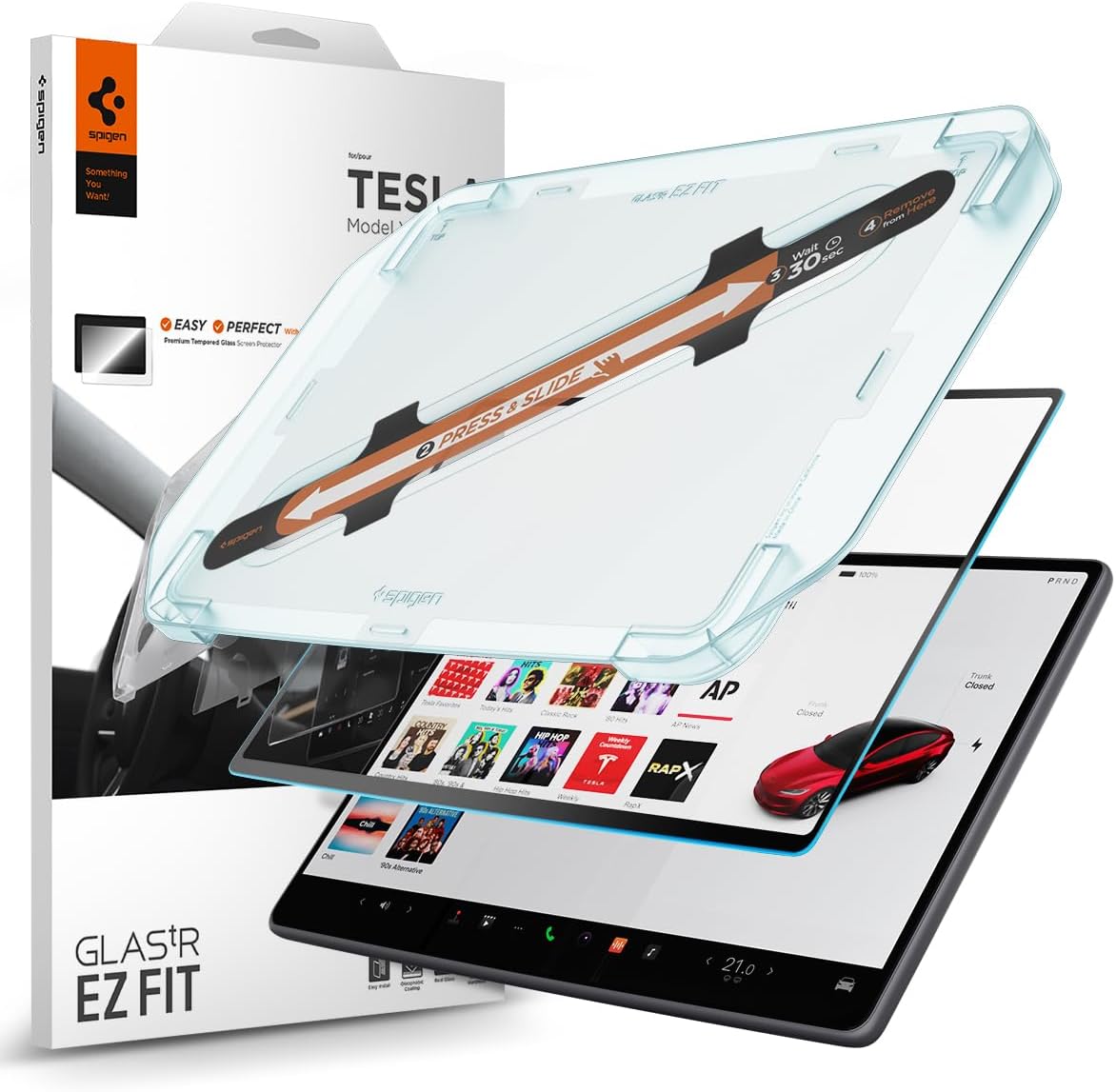 ★ 15,014
Spigen Tempered Glass for Tesla Model 3/Y
View on AmazonRead, Plan, Then Stay Current
Explore our expert articles to understand incentives and ownership costs, use the map to pressure-test charging reality, then subscribe so new EV coverage comes straight to you.
Continue Reading
Import a Chinese EV Canada to US: Why It Fails
EV Market Under $50K in Canada: Why This Price Band Matters

Switching From Gas to an EV in Canada: The Guide

Nunavut EV Feasibility: Can Electric Cars Work in the Arctic?
Why Legacy Automakers Keep Losing to Chinese EV Brands