The battery pack sitting under your EV floor costs $10,000 to $20,000 to replace. Most of what degrades it is entirely preventable, and the preventable bits are habits, not engineering decisions you have to live with.
Geotab's analysis of 22,700 vehicles found modern EV batteries retain an average of 81.6% capacity after eight years, and only 0.3% of packs in vehicles built after 2022 have needed replacement. The engineering has matured. What hasn't matured is the average owner's charging routine, and that is where the 8-year versus 15-year split actually lives.
Key takeaways
- Geotab's 22,700-vehicle study shows modern EV batteries average 81.6% capacity retention after eight years.
- A 2023 Dalhousie University study found staying between 30–70% SOC can extend battery life by 25%.
- Apartment dwellers relying on daily DC fast charging show steeper degradation curves than owners with home Level 2.
- Pre-conditioning while plugged in protects range in Canada's -25°C winters without drawing down the pack.
- Store your EV at 50% SOC, packs parked at 100% through winter suffer permanent capacity loss.
Quick Answer: The Three Rules That Actually Matter
Charge to 80% daily and save 100% for road trips. Keep DC fast charging as an occasional tool, not your daily diet. Park between 20% and 80% state of charge whenever the car will sit for more than a few days, and target 50% if it's going to sit for weeks.
That's the whole guide in three sentences. Everything below explains why each rule is doing the work it claims to do, and where the trade-offs sit for a Canadian climate that swings from -30°C in February to +35°C in August.
The Charge Limit: Why 80% Is the Number Everyone Should Know
Lithium-ion cells degrade fastest at the extremes of their state-of-charge window. Sitting at 100% holds the cathode under voltage stress; sitting near 0% lets the anode degrade in a different but equally permanent way. The middle of the window is the cheap seat, electrochemically, and the data backs it up.
A 2023 study from Dalhousie University found that keeping a battery between 30% and 70% state of charge could extend its life by up to 25% compared to full cycles. That is a quarter more usable years out of the same hardware for the cost of opening an app and dragging a slider. Most modern EVs, Tesla, Hyundai, Kia, GM, Ford, the Chinese OEMs, let you set a daily charge ceiling in the in-car menu or the phone app. The default is rarely 80%. You have to change it.
The 100% charge is not banned. It is justified the night before a road trip when you actually need the range. Sitting at 100% in the garage for nine hours every night, when your commute only uses 35% of the pack, is the version that costs you. A well-managed lithium-ion EV battery should retain 80% capacity after 1,500 to 2,000 charging cycles, which works out to roughly four to five years at one full charge per day, and most owners do not drive that hard. Capping at 80% effectively halves the depth of each daily cycle, and the cycle math compounds in your favour.
The fleet data confirms the shape of this. Geotab's 22,700-vehicle dataset shows an average 81.6% capacity retention at eight years across mixed-use conditions; the well-managed subsets do better than the average, and the carelessly-charged tail does worse. There's a deeper breakdown of how charging stress translates into cycle counts if you want to see the numbers behind the chemistry, but the operational takeaway is simple: 80% is the daily ceiling that buys you years.
Gear worth having
As an Amazon Associate, ThinkEV earns a small commission from qualifying purchases — at no extra cost to you.

Lectron Level 2 J1772 Charger (40A, WiFi)
Smart WiFi charger with real-time energy monitoring. 40A / 9.6 kW, J1772 with a NEMA 14-50 plug, schedule charging right from your phone.
As an Amazon Associate, ThinkEV earns from qualifying purchases — at no extra cost to you.
DC Fast Charging: How Much Is Too Much
Fast charging heats the cells. Heat is the primary accelerant of lithium-ion degradation. That is the entire mechanism, and it is the reason DC fast charging earned its reputation, earned, but oversold.
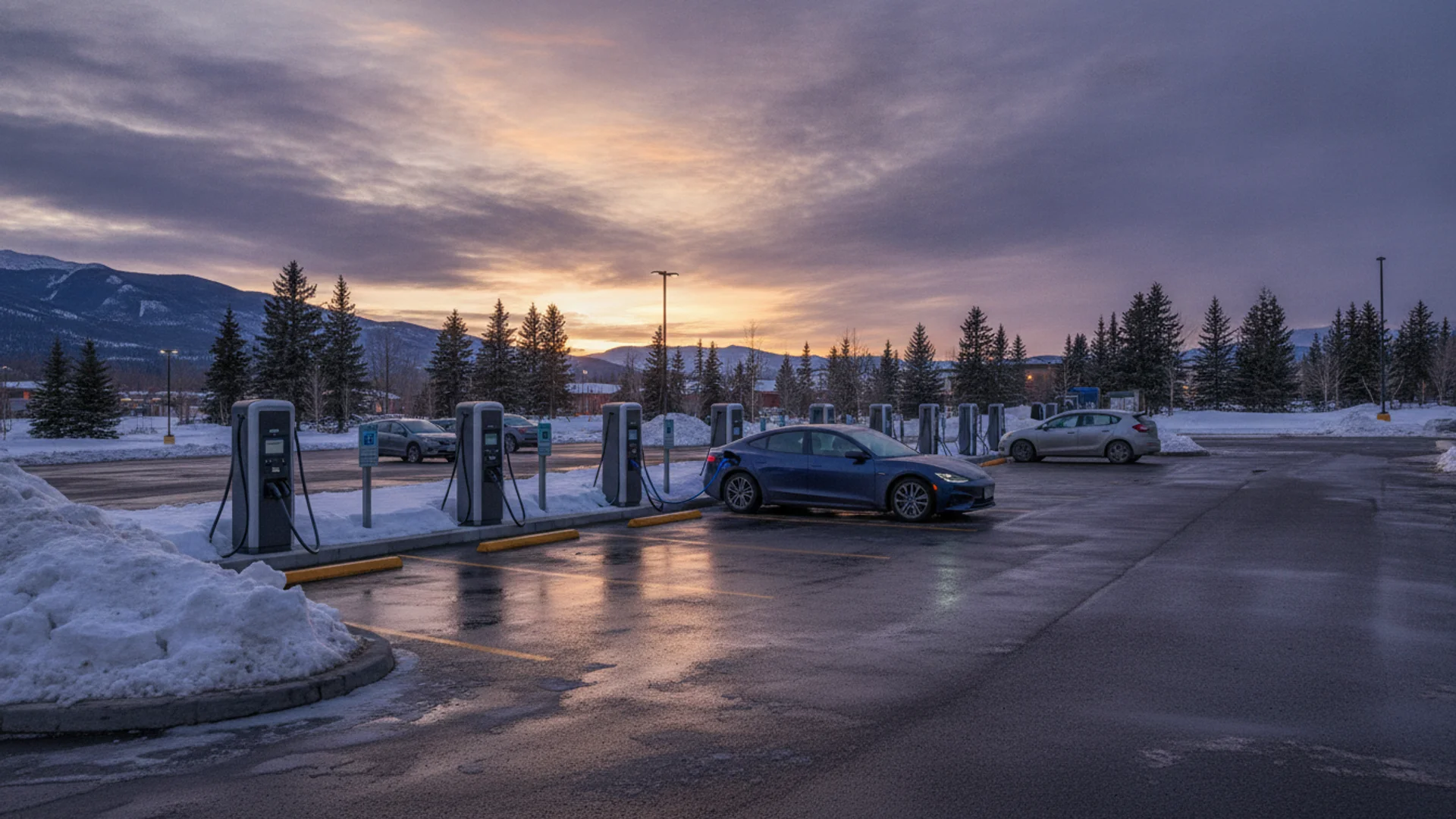
The relevant distinction is daily diet versus occasional tool. Level 2 home charging at 7 to 11 kW barely warms the pack and gives the battery management system all night to balance cells gently. A 150 kW DC fast charger at 80% state of charge generates roughly fifteen times the thermal load. Doing that twice a week for the rest of the car's life is a different load profile than doing it twice a month on highway trips.
Owners who get burned are the apartment-dwellers and condo-dwellers without home charging, who default to DCFC as their everyday fill-up. That is the cohort whose degradation curves run steeper. Owners with a Level 2 setup at home, even a shared dryer-circuit Level 2 arrangement, which is a cheaper path than most first-time buyers realise, and occasional DCFC on road trips show no meaningful degradation penalty in the long-term datasets.
The framing: DC fast charging on a Petro-Canada or FLO highway stop during a Toronto-to-Montreal run is not the problem. DC fast charging in a strip-mall lot every Wednesday because you don't have a home plug is. If you cannot install Level 2 at home, the second-best move is to fast-charge slowly, most stations will let you cap the rate in-app, and a 50 kW session is meaningfully gentler than 150 kW even if it takes longer.
A Level 2 charger adds roughly 40 kilometres of range per hour, not a speed, really, but the operating philosophy of every owner who has figured out how home charging actually works.
Gear worth having
As an Amazon Associate, ThinkEV earns a small commission from qualifying purchases — at no extra cost to you.

TP-Link Kasa Smart Plug with Energy Monitoring
Track exactly how much electricity your Level 1 charger uses and schedule it for off-peak hours. Know your real cost per kWh.
As an Amazon Associate, ThinkEV earns from qualifying purchases — at no extra cost to you.
Temperature: Canada's Specific Problem
Cold slows lithium-ion chemistry, which is why your range collapses at -25°C. Heat accelerates permanent capacity loss, which is why a battery left baking at 40°C in a sealed parking lot loses range you don't get back. Canada delivers both ends of that range, often in the same calendar year, which makes thermal habits more consequential here than in a temperate climate.
The single best cold-weather habit is pre-conditioning while plugged in. Every modern EV will warm the cabin and the pack from grid power if you tell it to, but the default is to draw from the battery. Plug in, set the departure time, let the car pull from the wall instead of the pack, your range is preserved, the cells warm up before they have to deliver high current, and the cycle counter doesn't tick.
Parking indoors in winter matters more than most owners realise. Even an unheated attached garage in southern Ontario will sit ten to fifteen degrees warmer than the driveway on a -20°C night, and that delta is the difference between a battery that wakes up sluggish and one that wakes up unhappy. If you have a garage, use it. If you don't, the pre-condition-while-plugged-in habit becomes more load-bearing, not less.
Summer is the underrated half of the problem. Sustained exposure above 40°C accelerates capacity loss, relevant in Kamloops, the BC Interior, southern Ontario heat events, and the Prairies in July, not just Phoenix. The fix is the same shape: shade where you can find it, plugged-in thermal management where the car offers it, and avoid leaving the pack at 100% charge in direct sun. The combination of high SOC and high temperature is the worst stress profile for lithium-ion, full stop.
Gear worth having
As an Amazon Associate, ThinkEV earns a small commission from qualifying purchases — at no extra cost to you.

Grizzl-E Classic Level 2 EV Charger (40A)
Canadian-made and rated for minus 40C winters. 40A / 9.6 kW, NEMA 14-50, indoor/outdoor, 24-ft cable. The charger built for Canadian weather.
As an Amazon Associate, ThinkEV earns from qualifying purchases — at no extra cost to you.
Long-Term Storage and the Forgotten Edge Cases
Most lifespan advice assumes you drive the car. The owners who quietly cook their packs are the ones who don't, winter storage for snowbirds, summer cabins, second vehicles that sit for a month. Storing below 20% or above 80% SOC for weeks causes measurable, permanent capacity loss in a way daily driving simply doesn't.
The ideal storage state of charge is 50%. If the car is going to sit for more than two weeks, drop it to 50%, unplug, and check it every four to six weeks to top up if it has self-discharged. Modern packs lose roughly 1% per month from parasitic loads, the 12V system, the cellular modem, the battery management system itself, so a car parked at 50% in October will be at roughly 45% by Christmas, which is fine. A car parked at 100% in October will be at roughly 95% by Christmas, which is not fine.
This matters disproportionately for the used market. A pack that spent its life cycling between 80% and 30% with rare full charges is a genuinely different asset than one that spent five winters parked at 100%, and the spread shows up in the residual value of used EVs with verified battery history. Buyers who know to ask for a state-of-health printout from a service centre, every modern EV stores one, can spot the difference.
Most automakers guarantee 70% to 80% capacity retention at 8 years or 160,000 kilometres, with some Chinese OEMs stretching warranties further (BYD offers 8 years/200,000 km in Canada; XPeng's G6 carries a 90% retention guarantee for 8 years). Those numbers are the floor, not the expectation, Geotab's fleet data suggests the typical outcome is materially better. And when a pack does eventually drop below the in-vehicle threshold, it is not garbage; cells at 70% to 80% remain suitable for stationary energy storage for another five to ten years in second-life applications.
Gear worth having
As an Amazon Associate, ThinkEV earns a small commission from qualifying purchases — at no extra cost to you.

ChargePoint Home Flex Level 2 Charger (50A)
Premium 50A / 12 kW charger with the best app ecosystem. Hardwired or NEMA 14-50, with real-time energy tracking and smart scheduling.
As an Amazon Associate, ThinkEV earns from qualifying purchases — at no extra cost to you.
What the Data Says Your Battery Will Actually Do
A realistic Canadian lifespan before the pack drops below the 80% capacity threshold is 8 to 15 years, with habits and climate doing most of the splitting. The careful owner with a Level 2 home plug, an 80% daily charge limit, and a heated garage sits at the long end of that range. The DCFC-dependent owner who keeps the pack at 100% year-round sits at the short end.
The post-2022 replacement rate of 0.3%, three packs per thousand vehicles, over eight years, is the number to anchor on when someone tries to sell you the $20,000 replacement scenario as your most likely outcome. It isn't. It is the worst case, and the worst case is increasingly rare as the chemistry, the battery management software, and the thermal hardware all mature. 80% capacity at year 8 still represents the vast majority of your daily driving range. Degradation is gradual. It is not a cliff.
The number to check, if you bought your EV in the last three years, is the state-of-health reading at your next service appointment. That is the only data point that tells you whether your habits are working.
Gear worth having
As an Amazon Associate, ThinkEV earns a small commission from qualifying purchases — at no extra cost to you.

Magnetic EV Charger Plug Cover
A magnetic cap that keeps rain, road salt, and grit out of your home charger handle between sessions.
As an Amazon Associate, ThinkEV earns from qualifying purchases — at no extra cost to you.

Founder & Chief Editor
Vlad Pereira is the founder and chief editor of ThinkEV.ca, the Canadian electric-vehicle publication he writes and edits from Courtenay, British Columbia. He covers EV pricing, federal and provincial rebates, charging costs, and the Chinese manufacturers now entering Canada, from the buyer's side rather than the press-fleet side. ThinkEV is a venture of Vlad Pereira Online; his writing on health, income and the long game lives at vladpereira.com.
Frequently asked questions
Does charging to 80% actually matter if I drive a lot?
Will Canadian winters permanently damage my EV battery?
How long can I leave my EV parked without hurting the battery?
Is DCFC safe if I only fast-charge once or twice a week?
Can I check how much capacity my battery has already lost?
More EV & road-trip finds
Affordable upgrades worth a look — tap any to check the price on Amazon.
 ★ 1,340
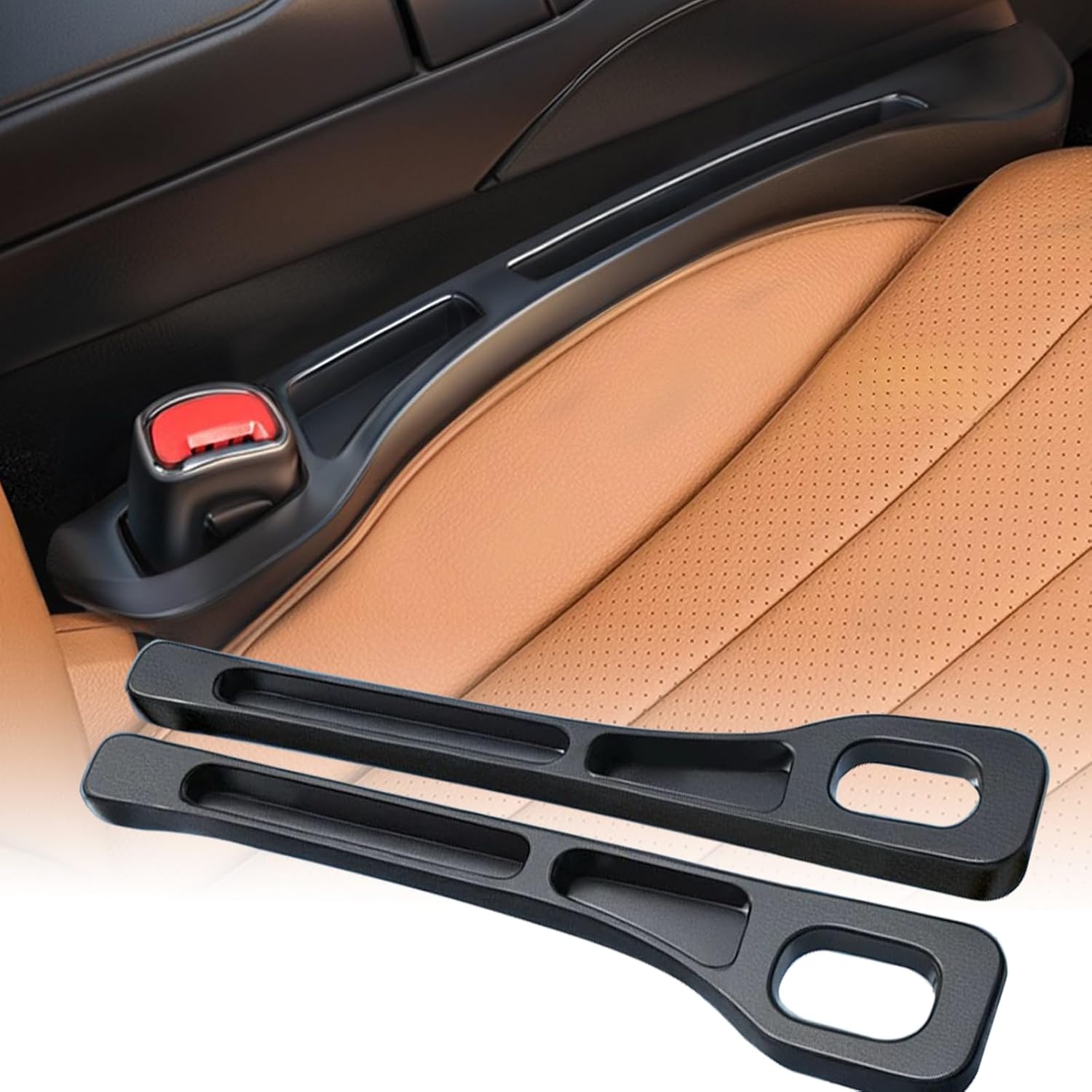
Car Seat Gap Filler (Universal)
View on Amazon ★ 721
★ 72145W USB-C Fast Car Charger
View on Amazon ★ 121
★ 121Foldable Windshield Sun Umbrella
View on Amazon ★ 268
★ 268Anti-Slip Leather Steering Wheel Cover
View on Amazon ★ 9,349
Auto Detailing Brush Set (10-Piece)
View on Amazon ★ 55
★ 55LED Car Door Logo Projector Light
View on Amazon ★ 1,349
Cool Swinging Duck Dashboard Ornament
View on Amazon ★ 4,424
Sun Visor Card and Document Organizer
View on AmazonRead, Plan, Then Stay Current
Explore our expert articles to understand incentives and ownership costs, use the map to pressure-test charging reality, then subscribe so new EV coverage comes straight to you.
Continue Reading
EV Battery Lifespan: Real Data From 22,700 Vehicles (2026)
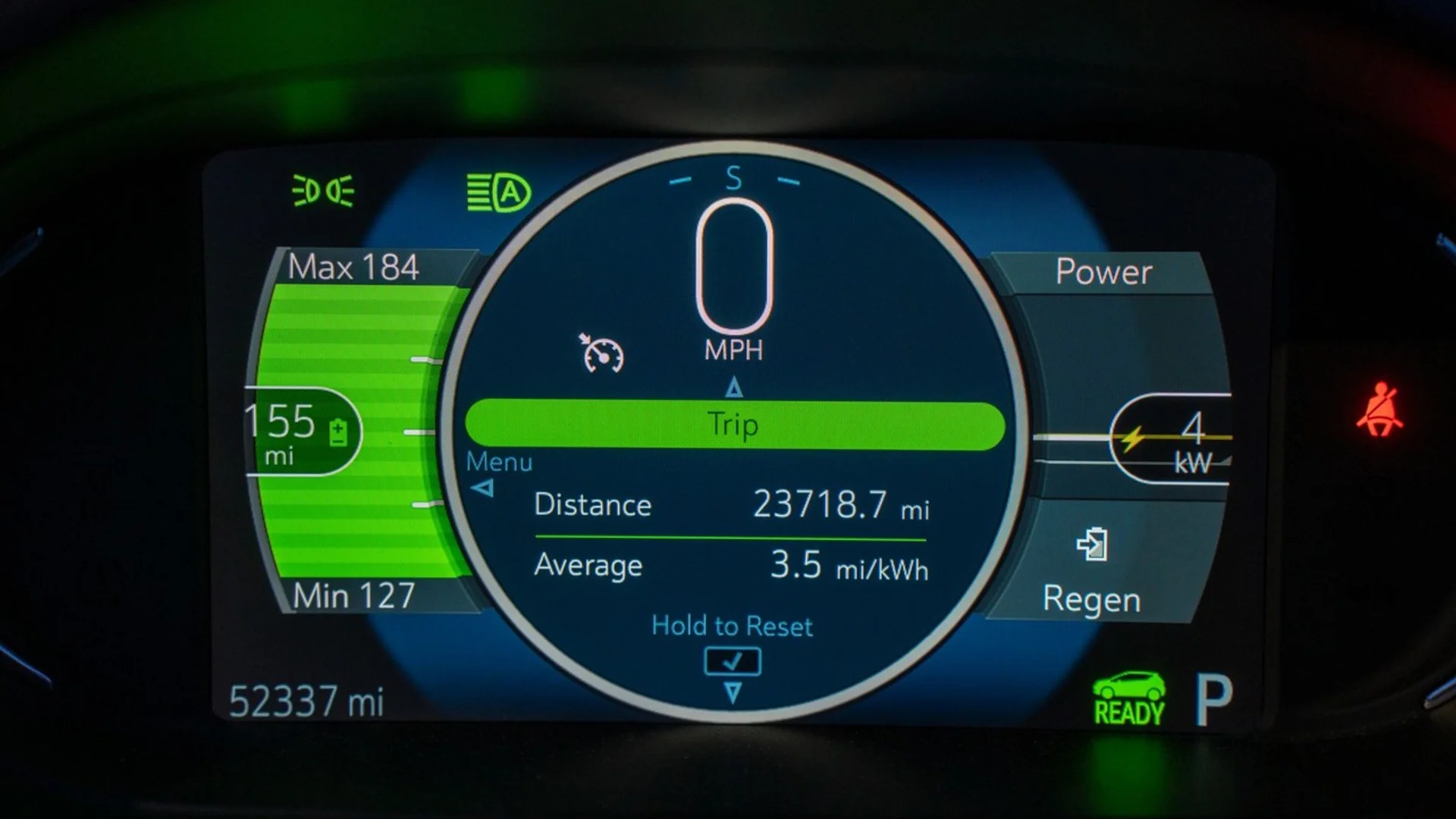
Why Cold Weather Cuts EV Range, the Real Reasons
Public EV Charging in Canada: Networks and Payment
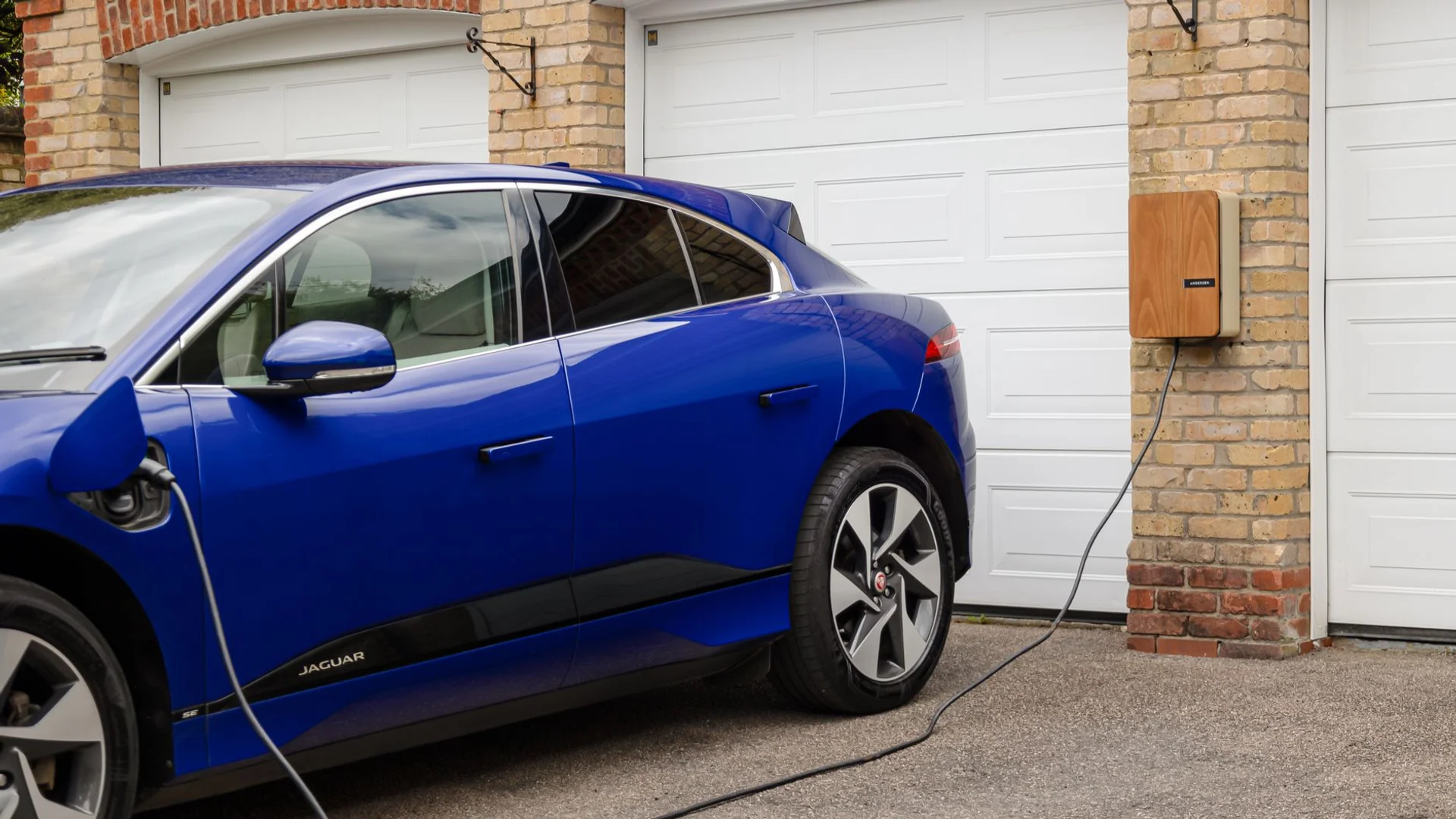
Public EV Chargers in Canada: 33,000 Now, 447,000
How Long to Charge an EV: The Three Numbers That Matter