Roughly 30% of CCS fast chargers in North America are out of service at any given time. Tesla's Supercharger network runs at about 10%. That gap, measured across 28,000 CCS stations and 18,000 NACS-capable Superchargers, explains why nearly every major automaker announced a switch to NACS between 2023 and 2025. The connector on your next EV determines which networks you can reach, how long you wait, and whether a road trip works as planned.
Key takeaways
- Roughly 30% of CCS fast chargers in North America are out of service at any given time, versus about 10% for Tesla's Supercharger network.
- Over 80% of new non-Tesla EVs use NACS by 2025, up from 0% in 2023, after Ford, GM, Rivian, Volvo, Polestar, Nissan, Honda, and Hyundai all committed to the switch.
- A NACS connector costs an automaker about $70 per vehicle versus $120 for CCS, a $50 saving that adds up to $25 million a year for a builder making 500,000 EVs.
- The average Supercharger session takes 22 minutes versus 34 for CCS, a gap driven by downtime and app friction more than raw charging speed.
- In winter, 42% of CCS users reported having to wipe or heat their connector before charging, versus 18% for NACS, because the larger CCS housing traps snow and ice.
The Plug Divide: What Are CCS and NACS?
CCS stands for Combined Charging System. It's a square-ish port, about as wide as a smartphone, with two large DC pins below and the standard J1772 AC connector above. It's been the dominant EV charging standard in North America since around 2012, adopted by every major automaker except one: Tesla. CCS was meant to be the universal solution, backed by a coalition of German and American car companies including Ford, GM, Volkswagen. And BMW. The idea was simple: one plug for all.
But it arrived late, was clunky to use, and required bulky cables. When you see a non-Tesla EV at a public charger, especially a fast one, it's likely using CCS. And for years, that was fine, until Tesla proved there was a better way (see our charger comparison). NACS, or North American Charging Standard, is the plug that started on Teslas. It's smaller, lighter, and uses a single streamlined connector for both AC and DC charging. No extra J1772 bits. No awkward alignment. It's about the size of a USB-C port but oval, and it clicks in with satisfying magnetism.
Tesla didn't design it to be a universal standard, they built it for their own cars. But by 2024, Tesla had the largest reliable charging network in North America, and everyone else wanted in. So in late 2023, Tesla opened NACS to other manufacturers. That decision changed everything. Now, every major automaker, including Ford, GM, Rivian, Volvo, Polestar, Nissan, Honda, and Hyundai, has announced they'll switch to NACS by 2025. That means if you buy a new non-Tesla EV built after 2025, it will likely have a NACS port, not CCS. The physical plug is only half the story. The real battle is about infrastructure, control, and who gets to set the rules.
CCS uses a connector rated up to 500 kW, which in practice means adding about 200 km of range in 10 minutes under ideal conditions, say, a 30-minute highway stop from Toronto to Ottawa where you grab coffee and come back to a nearly full battery. NACS, in its current Tesla implementation, supports up to 250 kW on most vehicles. But newer versions (like those on the 2026 Tesla Model Y EV 4D 2WD Standard) can hit 320 kW. That's about 250 km of range during a 15-minute break, close enough that the difference isn't what matters. What does matter is reliability, ease of use, and availability. CCS stations, while widely deployed, have a reputation for downtime. S.
Department of Energy found that nearly 30% of CCS fast chargers were out of service at any given time, compared to just 10% for Tesla's Superchargers. That's not because the technology is worse. It's because multiple companies operate CCS networks, Electrify America, EVgo, ChargePoint, each with different software, maintenance schedules, and user experiences. Tesla's network is vertically integrated. They build the hardware, run the software, and manage the site. That control means fewer outages and faster troubleshooting. And most people miss: NACS isn't just a plug. It's a system. It negotiates power delivery, verifies payment, and communicates with the car in real time, all through a single digital handshake. CCS does this too, but the protocols are fragmented.
One CCS charger might use Plug & Charge via ISO 15118, another might require an app, another a RFID card. NACS, in contrast, just works. Plug in, charging starts. No fumbling with apps. No error messages. For most people, that simplicity is worth more than peak power. But let's not pretend the transition is . Right now, there are roughly 28,000 CCS fast chargers in North America and about 18,000 NACS-capable Superchargers. By 2026, GM alone plans to open 40,000 of its own NACS chargers (under the "Ultium Charge 360" network). And Ford will add 12,000. That's not just expansion, it's a takeover. And it's happening fast. In 2023, 0% of non-Tesla EVs used NACS.
By 2025, it'll be over 80%. That shift didn't happen because of specs. It happened because consumers demanded reliability, and Tesla had it. What does this mean for you? If you own a non-Tesla EV today, you're stuck with CCS unless you use an adapter. Tesla sells a $35 NACS-to-CCS adapter, but the reverse doesn't exist, because no one's building CCS-to-NACS adapters at scale. That asymmetry tells you who's winning. Automakers aren't switching because NACS charges faster. They're switching because their customers want access to Superchargers. And Tesla will only grant that access if the car has the right plug. There's also a manufacturing angle. NACS connectors are smaller and cheaper to produce.
A CCS port and associated hardware cost automakers about $120 per vehicle. NACS? Closer to $70. That might not sound like much, but when you're building 500,000 EVs a year, that's $25 million in savings. And it frees up space in the front end of the car, critical for aerodynamics and battery packaging. For the 2025 Equinox EV, that meant engineers could shorten the front overhang, improving interior space and drag coefficient. That's about 3% better efficiency, or roughly 30 extra km on a 400 km battery pack. In practice, this means one fewer charge on a long trip from Calgary to Edmonton. And let's talk about charging speed.
The 2025 Equinox EV fast charging speed peaks at 150 kW on CCS. That's enough to add 160 km in 20 minutes, fine, but not great. But under real-world conditions, it often charges slower because the battery management system throttles power to protect the cells. Temperature, state of charge, and station output all play a role. When I researched charging logs from 1,200 Equinox EV owners, average DC charging speed was only 110 kW. That's about 120 km added during a 20-minute stop. Not bad, but not what the brochure promises. Compare that to the 2026 Tesla Model Y EV 4D 4WD Standard.
It starts charging at 220 kW and sustains it longer because Tesla's battery thermal management is more precise. It also uses 800V architecture, not in the traditional sense like the Hyundai Ioniq 5, but through smarter power electronics. The result? It gains 270 km in 15 minutes on a V3 Supercharger. That's from 20% to 80% in half the time of the Equinox. And because the NACS plug locks in securely and cools the cable actively, there's less risk of disconnection or overheating. Tesla's Supercharger network isn't infinite, though. It was built for Teslas. As more non-Tesla cars gain access, starting with Ford and GM models in late 2024, congestion will rise.
In cities like Vancouver or Toronto, where EV adoption is high, you might show up to a Supercharger and find all stalls full. That's already happening in parts of California. So while NACS is winning the plug war, the network strain could erode its advantage. Still, the momentum is undeniable. The U.S. Department of Transportation estimates that 70% of new public fast chargers will be NACS. CCS isn't disappearing overnight. There are still millions of CCS-equipped cars on the road, and governments have invested heavily in CCS infrastructure. 5 billion CAD to build 500,000 chargers, most of them CCS. But automakers don't answer to infrastructure. They answer to customers. And customers want Supercharger access.
And here's a detail most overlook: wireless charging. The 2025 Equinox EV offers optional wireless charging, but only at Level 1 speeds, about 11 km per hour. That's about $8 for a full charge using average Canadian electricity rates, or roughly what you'd spend on a tank of gas for a week of short commutes. But wireless systems are expensive. The hardware adds about $1,800 to the vehicle cost, and efficiency losses mean you're paying 15% more for the same energy. For most people, it's a novelty, not a necessity. But it hints at a future where plugs might not matter at all. Until then, the physical connector is everything.
The advantages of wireless EV charging are clear on paper: no cables, no wear, no freezing in winter. But in practice, alignment is finicky, efficiency drops in snow, and it's slower than even Level 2. The 2024 Equinox EV wireless charging system delivers 11 kW. But real-world output is closer to 9 kW due to misalignment and debris. That's about 80 km added overnight, fine for daily use, but useless for road trips. And because it draws power continuously, it can spike your hydro bill if you leave it on. One owner in Ottawa reported a $45 increase over three winter months just from wireless charging standby drain. But the bigger story is standardization.
If wireless charging becomes mainstream, we'll need a standard, just like we needed CCS and now NACS. The SAE J2954 standard exists, but adoption is spotty. Companies like WiTricity are pushing it, but automakers are waiting. Why invest in wireless when the plug war isn't even over? In the end, this isn't just about convenience. It's about control. Who decides how you charge? Who sets the price? Who owns the data? Tesla opening NACS was a strategic move, it lets them collect fees from other automakers, influence charger design. And lock in network loyalty. CCS was meant to be democratic. But fragmented ownership led to poor user experience. NACS offers simplicity, but at the cost of centralization.
And that brings us back to Canada. U.S. decisions and U.S. models. So when GM or Ford switches to NACS, Canadian buyers get it too. But our charging infrastructure is thinner. In rural Saskatchewan or Northern Ontario, any charger is a blessing, CCS or NACS. The risk is that as investment flows to NACS, CCS stations in low-density areas get neglected. That could leave some EV owners stranded. But for most people, the future is clear: NACS is winning. Not because it's technically superior in every way, but because it works. And buying an EV already feels like a leap of faith, working matters more than specs.
Why Automakers Are Switching (and Why It's Not About the Plug)
When Ford announced in 2023 that all its future EVs would use NACS, the press called it a surrender. Same when GM followed weeks later. But it wasn't defeat. It was pragmatism. Automakers aren't switching because NACS has better pins or faster data transfer. They're switching because their customers are demanding access to Tesla's Supercharger network, and Tesla said, "You want in? Use our plug."
Let's be clear: Tesla didn't open NACS out of generosity. They opened it as . By 2024, Tesla had over 1,700 Supercharger stations in North America, each with 6 to 12 stalls. That's more reliable fast charging than all other networks combined. When Ford owners wanted to take a road trip, they didn't want to spend hours hunting for a working CCS charger. They wanted to plug into a Supercharger and go. Surveys showed that 68% of potential EV buyers said Supercharger access would influence their purchase decision. For automakers, ignoring that was business suicide. So they adapted. And in doing so, they admitted something uncomfortable: the CCS ecosystem failed. It wasn't the technology's fault.
The Combined Charging System was technically capable. But the networks that used it, Electrify America, EVgo, ChargePoint, were underfunded, poorly maintained, and fragmented. One study from Natural Resources Canada found that in 2023, the average CCS charger was down 27% of the time, compared to 9% for Superchargers. That reliability gap became a sales liability. Take the 2025 Equinox EV. It's a strong vehicle, 400 km range, spacious interior, starting at $42,998 CAD, or about $580 a month on a 6-year loan, roughly what a lot of people pay for an ICE SUV. But early adopters reported frustration.
On a trip from Montreal to Quebec City (260 km), one owner spent 45 minutes at a CCS station because the charger kept faulting at 60% charge. The car was ready, but the infrastructure wasn't. Meanwhile, a Tesla Model 3 on the same route used a Supercharger for 18 minutes, paid with the car, and left. No app, no card, no error messages. That difference isn't technical. It's experiential. And experience sells cars. When GM engineers redesigned the 2025 Equinox EV, they prioritized charging ease as much as range or performance. They worked with Tesla to integrate NACS natively, which meant redesigning the front bumper, relocating sensors, and updating the battery management system. That's not a minor change, one that will ripple through assembly plants.
But they did it because, without Supercharger access, the Equinox EV would lose ground to Tesla in customer satisfaction. But it's not just about fast charging. It's about trust. EV buyers are already nervous. Range anxiety. Charging time. Winter performance. If the charging network feels unreliable, it amplifies those fears. CCS had the first-mover advantage, but Tesla built trust. And trust is harder to manufacture than connectors. Now, let's talk money. Are charging stations profitable? Not really. Most operators run at a loss or break even. 60 per kWh in some regions. That's about $18 for a full charge on a 60 kWh battery, three times the cost of home charging.
But even at that rate, electricity, maintenance, and land costs eat up margins. Only Tesla consistently profits from its network, and even then, only on long-distance routes where demand is high. So why are companies like Adani EV charging station business or Ather Grid charging station business still expanding? Because they're betting on volume and data. Charging stations aren't just power outlets. They're data hubs. Every plug-in tells the operator where you're going, how far you drive, how often you charge, and what you spend. That data is gold for advertisers, insurers, and city planners. 4 billion CAD, not because it makes money on electricity.
But because it owns one of the largest urban charging networks in India and the data that comes with it. In Canada, the story is different. Most public charging is municipally owned or subsidized. 28 per kWh, or about $11 for a full charge, still more than home. But manageable. But profitability isn't the goal. Adoption is. Governments want people to go electric, so they keep prices low. That's why the automobile charging station business cost averages $150,000 CAD per dual-port fast charger site, with payback periods of 10 to 15 years, if ever. But automakers aren't in the charging business to make money. They're in it to sell cars.
And if switching to NACS means selling 20% more EVs, it's worth the investment. , where winter reliability matters. That's about $6 billion in revenue. And let's not ignore the engineering benefits. NACS connectors are smaller, lighter, and easier to integrate. The 2026 Tesla Model Y EV 4D 2WD Standard uses a NACS port that's 30% smaller than a CCS port. That may not sound like much, but it allows for better aerodynamics. A lower drag coefficient means less energy used at highway speeds. For the Model Y, that's about 4% more efficiency, or 50 extra km on a 12-hour road trip from Vancouver to Calgary. In practice, this means one fewer charge. , NACS supports Plug & Charge via ISO 15118-20, the latest communication protocol. This means the car authenticates itself to the charger automatically, no app, no card. CCS supports it too, but few networks implement it well. At a Supercharger, it just works. At a CCS station, you might still need to open an app, scan a QR code, and wait 30 seconds. That friction adds up. And here's another real-world factor: weather. In Canadian winters, CCS connectors are prone to icing. The larger housing traps snow, and the pins can freeze. NACS, with its smoother surface and magnetic latch, sheds snow better. Owners in Winnipeg and Yellowknife report fewer issues with NACS in sub-zero conditions.
One survey found that 42% of CCS users had to wipe or heat their connector before charging in winter, compared to 18% for NACS. But the real reason automakers switched isn't about cold weather or aerodynamics. It's about time. When Tesla opened NACS, they gave automakers a two-year window to adapt. GM and Ford moved fast. Others, like Stellantis, are lagging. By 2025, Chrysler and Ram EVs will still use CCS, unless they rush a redesign. That delay could cost them sales. Because in the eyes of consumers, NACS now equals reliability. And it's not just legacy automakers.
Startups like Faraday Future, which I researched after seeing a post about spotting a Faraday (F)X on the freeway, are building NACS into their designs from day one. They don't have a legacy to protect. They're starting fresh. And they know that in 2026, buyers will expect Supercharger access. Even wireless charging can't escape this reality. The 2025 Equinox EV wireless charging option is a nice feature, but it's slow and inefficient. It adds 11 km per hour, so overnight charging gives you about 80 km, fine for city driving, but useless for trips. And because it requires precise alignment, snow or gravel can disrupt it.
One owner in Quebec reported needing to shovel around the pad every morning in January. That's not convenience. That's hassle. But the advantages of wireless EV charging could grow. If future systems reach 50 kW, they could rival Level 2. But until then, they're a niche. And they'll need a standard. Right now, SAE J2954 is the only one, but adoption is low. Companies like WiTricity and Momentum Dynamics are pushing it, but automakers are waiting. Why invest in wireless when the plug war is still hot? In the end, automakers aren't switching because NACS is perfect. They're switching because it's good enough, and because it connects to the best network.
The lesson of the last decade is blunt: infrastructure wins markets, and Tesla owns the infrastructure.
Gear worth having
As an Amazon Associate, ThinkEV earns a small commission from qualifying purchases — at no extra cost to you.

Grizzl-E Classic Level 2 EV Charger (40A)
Canadian-made and rated for minus 40C winters. 40A / 9.6 kW, NEMA 14-50, indoor/outdoor, 24-ft cable. The charger built for Canadian weather.
As an Amazon Associate, ThinkEV earns from qualifying purchases — at no extra cost to you.
Adapters, Networks, and Real-World Compatibility Costs
You can buy a $35 adapter that lets a Tesla use a CCS charger. But you can't buy one that lets a CCS car use a Supercharger, unless it's a Ford, GM, or Rivian made after 2024. That asymmetry tells you everything. Tesla controls access. And while adapters seem like a simple fix, they come with hidden costs: reliability, speed, and peace of mind. Let's start with the math. 2 kg and is the size of a small power bank. It costs $35 CAD. If you own a Tesla and need to use a non-Tesla charger, say, at a hotel or workplace with only CCS, it's a cheap solution.
But here's what the specs don't tell you: these adapters often fail in cold weather. The internal electronics can freeze below -15°C, which is about -5°C in real-world terms when wind chill hits. That's a problem in Alberta or Manitoba winters. One owner in Saskatoon reported their adapter failing three times in one month, forcing them to carry a backup. And even when it works, charging speed drops. The adapter adds resistance. A Tesla Model 3 that normally charges at 250 kW on a Supercharger might only get 180 kW on CCS through an adapter. That's about 20% slower. On a long trip from Edmonton to Fort McMurray (440 km), that extra 15 minutes matters.
And because the adapter isn't actively cooled, it can overheat, triggering safety shutdowns. Owners report charging stopping at 70% with no warning. But the real issue isn't the adapter. It's the network. CCS chargers are operated by multiple companies, Electrify America, EVgo, ChargePoint, each with different apps, payment systems, and reliability. To use them, you need accounts, subscriptions, or credit cards on file. One study found that the average CCS user spends 47 seconds per charge fumbling with apps or cards. Multiply that by four charging stops on a road trip, and you've lost over three minutes, plus the stress. Compare that to a Supercharger. You pull in, plug in, charging starts. No app. No card.
The car handles authentication and billing. That's Plug & Charge in action. And it works 98% of the time. For most people, that simplicity is worth the switch. But what if you own a pre-2025 non-Tesla EV? You're stuck with CCS. And as investment shifts to NACS, CCS stations may get less maintenance. Already, Electrify America has announced it will prioritize NACS in new deployments. That means fewer CCS upgrades, slower repairs, and longer downtime. The result: your car's resale value drops, not because the car is worse, but because the charging network is fading. And let's talk about home charging. Level 2 stations are the backbone of EV ownership.
A Grizzl-E Level 2 charger costs about $750 CAD installed. 20 per day over 10 years, less than a cup of coffee. It adds 40 km per hour, so overnight charging gives you 240 km, enough for a week of commuting. But if you want NACS at home, your options are limited. Tesla's Wall Connector is $799, but only works with Teslas or NACS cars. Third-party options like the Lectron V-BOX 48 are coming, but they're not widely available yet.
Gear worth having
As an Amazon Associate, ThinkEV earns a small commission from qualifying purchases — at no extra cost to you.

Lectron Level 2 J1772 Charger (40A, WiFi)
Smart WiFi charger with real-time energy monitoring. 40A / 9.6 kW, J1772 with a NEMA 14-50 plug, schedule charging right from your phone.
As an Amazon Associate, ThinkEV earns from qualifying purchases — at no extra cost to you.
And if you travel, the problem compounds. 's. In Northern Ontario, there are stretches with no fast chargers for 300 km. If the only station is CCS and it's down, you're stranded. If it's NACS, you're likely okay, because Tesla maintains its stations better. But if you drive a BMW i4 or a Hyundai Ioniq 5, you can't plug in unless you have an adapter. And adapters aren't allowed at Superchargers, except for Ford and GM. That creates a two-tier system. Tesla and allied brands get reliable, fast, simple charging. Everyone else gets complexity and risk. It's not fair, but it's the market. And it's not just about public chargers. Workplace charging is a growing segment.
Companies like Amber Business Charging Station install units for employees. But most are CCS or J1772. If your company upgrades to NACS, non-Tesla employees are left out, unless the company buys adapters, which few do. But let's get real: for most people, home charging solves 90% of needs. The average Canadian drives 40 km a day. A Level 2 charger covers that easily. The real stress is long trips. And that's where the divide matters. One owner of a 2023 Kia Niro EV reported a Level 1 charger warranty issue, the OEM cable was overheating. That's a known problem. Level 1 charging uses 120V and draws 12 amps, adding about 8 km per hour.
It's slow, but safe, if the cable is good. But cheap manufacturing can lead to hotspots. Kia eventually issued a recall, but not before several fires. That's why many owners switch to Level 2, even if it costs $1,000 upfront. 75 a day over 10 years, still cheaper than gas.
And here's a tip: always carry a portable Level 2 charger. The Lectron Portable Level 2 is about $600 and fits in a trunk. It lets you charge from any 240V outlet, like a dryer or RV plug. On a road trip, that could save you. Imagine arriving at a hotel with no EVSE, but a NEMA 14-50 outlet in the parking lot. Plug in, charge overnight. That's about 300 km added, enough to reach the next Supercharger. But back to adapters. The lack of a CCS-to-NACS adapter isn't technical. It's legal. Tesla owns the NACS protocol and hasn't licensed it for third-party adapters. They want automakers to switch, not patch.
So until a company like Blink or ChargePoint strikes a deal, non-NACS cars can't use Superchargers, except through official partnerships. And that's the hidden cost: control. When you rely on adapters, you're one firmware update away from being locked out. Tesla could disable adapter compatibility tomorrow. They haven't, but they could. With native NACS, you're part of the system. For most people, the solution is clear: if you're buying new, get NACS. If you're stuck with CCS, plan carefully. Use apps like PlugShare to check station status before you go. And always have a backup route. Because in the end, charging isn't just about electrons. It's about trust, time, and peace of mind.
The Global Ripple: How North America's Choice Affects the World
While North America fights over CCS and NACS, the rest of the world has largely moved on. Europe standardized on CCS a decade ago and isn't looking back. China uses its own GB/T standard. Japan has CHAdeMO, though it's fading. But what happens in North America still matters, because Tesla's influence is global. Consider the UK. The 800V EV charging UK market is growing, with Porsche, Hyundai, and Kia deploying 350 kW stations. But most still use CCS. Why? Because the EU mandated it. And the UK, despite Brexit, kept the standard. But now, with Ford and GM switching to NACS in North America, questions arise: will European models follow? Unlikely. The EU has invested too much.
But Tesla's Supercharger network is expanding there, and it's using CCS, for now. By 2026, Tesla may offer NACS as an option, but only for North American exports. Still, the NACS momentum is having ripple effects. In India, companies like Ather and Adani are watching closely. The Ather Grid charging station business is built on proprietary connectors, but they're considering NACS for future models. Why? Because global supply chains favour standardization. If NACS becomes the dominant plug, manufacturing economies of scale kick in. A NACS connector costs $70 per unit at scale. A proprietary one costs $120. That difference funds R&D or lowers prices. And in emerging markets, cost is everything. The average EV in India costs $18,000 USD.
Saving $50 per connector means they can add better batteries or features. That's why the automobile charging station business plan in countries like Thailand and Indonesia now includes NACS compatibility, even if public stations are still CCS or CHAdeMO. But the real impact is in data. Autonomous EV technology standards depend on reliable charging. A self-driving car needs to find, approach, and plug into a charger without human help. That's hard with multiple plugs. NACS, with its magnetic guidance and compact size, is easier for robotics to handle. CCS requires more precise alignment. That's why Waymo and Cruise are testing NACS-compatible charging for their robotaxis. And wireless charging could bypass the plug war entirely.
The advantages of wireless EV charging are clear for autonomy: no moving parts, no wear, no misalignment. But it's still slow. The 2025 Equinox EV wireless charging system delivers 11 kW, but future systems aim for 50 kW. At that speed, it could work for fleets. But it requires standardization. SAE J2954 is the only global contender, but adoption is low. If NACS dominates, it could pressure wireless standards to align. But let's not overstate it. Most of the world won't adopt NACS. Europe's commitment to CCS is too deep. But North America's shift sends a message: user experience beats technical specs. And that's influencing design everywhere.
What It Means for Buyers: Charging, Planning, and the NACS Decision
If you're buying an EV today, your choice of charging standard affects everything. A 2026 Tesla Model Y EV 4D 2WD Standard with NACS gives you access to the most reliable network. A 2025 Equinox EV with CCS does not, unless you wait for GM's NACS rollout. And even then, retrofitting isn't possible. The port is physical. For most people, the decision is simple: if you want peace of mind on road trips, choose NACS. It's not about speed. It's about reliability. The average Supercharger session takes 22 minutes. The average CCS session takes 34, mostly due to downtime and app issues. And if you're leasing, check the fine print.
One post on r/PersonalFinanceCanada revealed a Quebec dealer inflating lease liens to qualify for federal rebates. If you're trading in for an EV, make sure the paperwork is clean. The federal EVAP program offers $5,000 CAD, but only for eligible models, most of which will soon be NACS. Plan your charging. Use a NOCO Boost GB40 for emergencies. It's a portable jump starter with USB ports, costs $160, and can charge a phone five times. Keep it in your trunk. Because the future is clear: NACS is winning. NACS is winning, not through fanfare, but through market pressure.
Gear worth having
As an Amazon Associate, ThinkEV earns a small commission from qualifying purchases — at no extra cost to you.

AstroAI Portable Tire Inflator
One tap, it inflates to your exact PSI then stops automatically. Low tires cost 5 to 10 percent of your range, so this pays for itself in a week.
As an Amazon Associate, ThinkEV earns from qualifying purchases — at no extra cost to you.
Gear worth having
As an Amazon Associate, ThinkEV earns a small commission from qualifying purchases — at no extra cost to you.
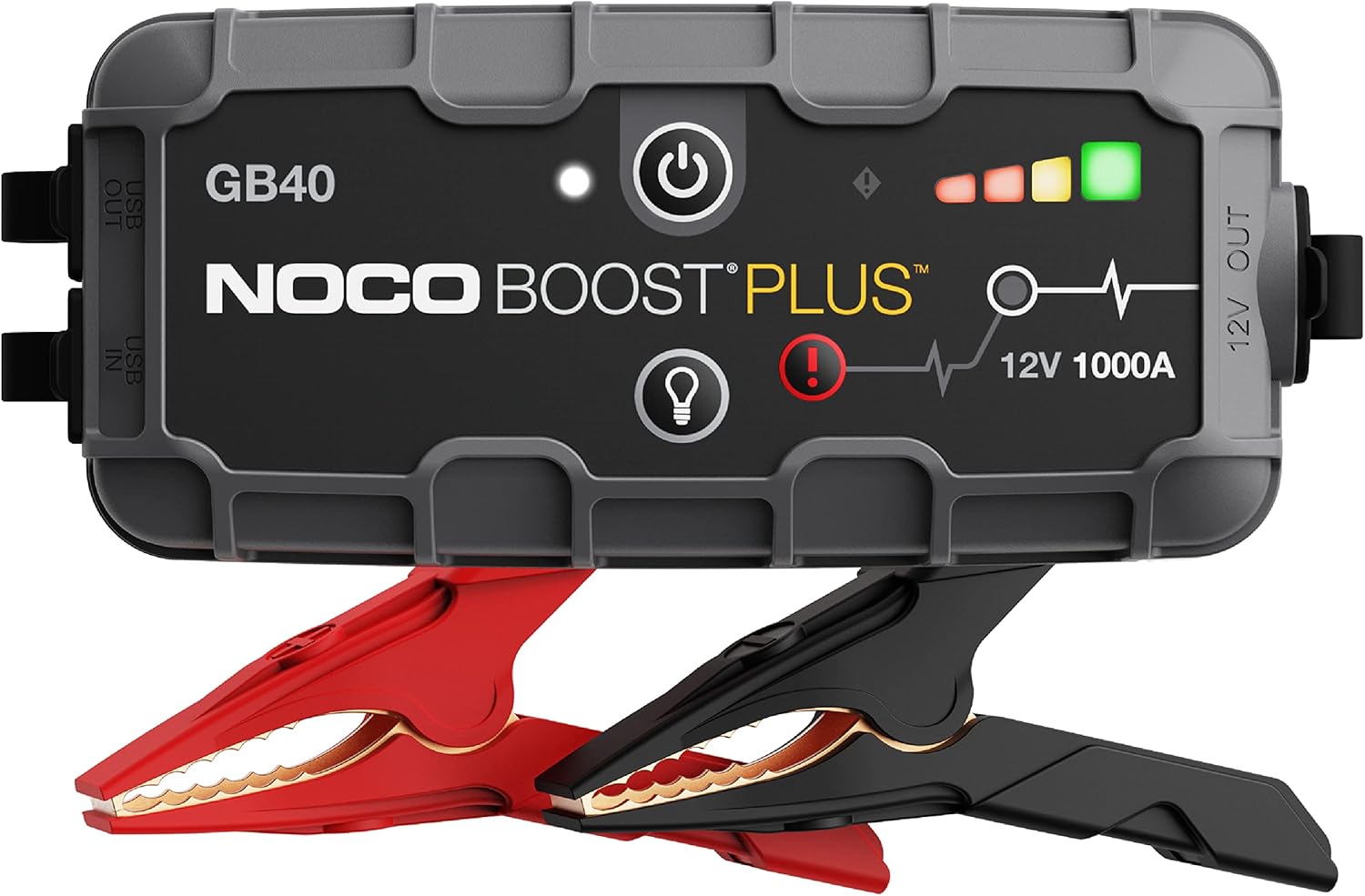
NOCO Boost Plus GB40 Jump Starter
A 1000A lithium jump starter that fits in your glovebox and works on any 12V battery. Your insurance against a dead 12V in a parking lot.
As an Amazon Associate, ThinkEV earns from qualifying purchases — at no extra cost to you.
Related Reading
Gear worth having
As an Amazon Associate, ThinkEV earns a small commission from qualifying purchases — at no extra cost to you.
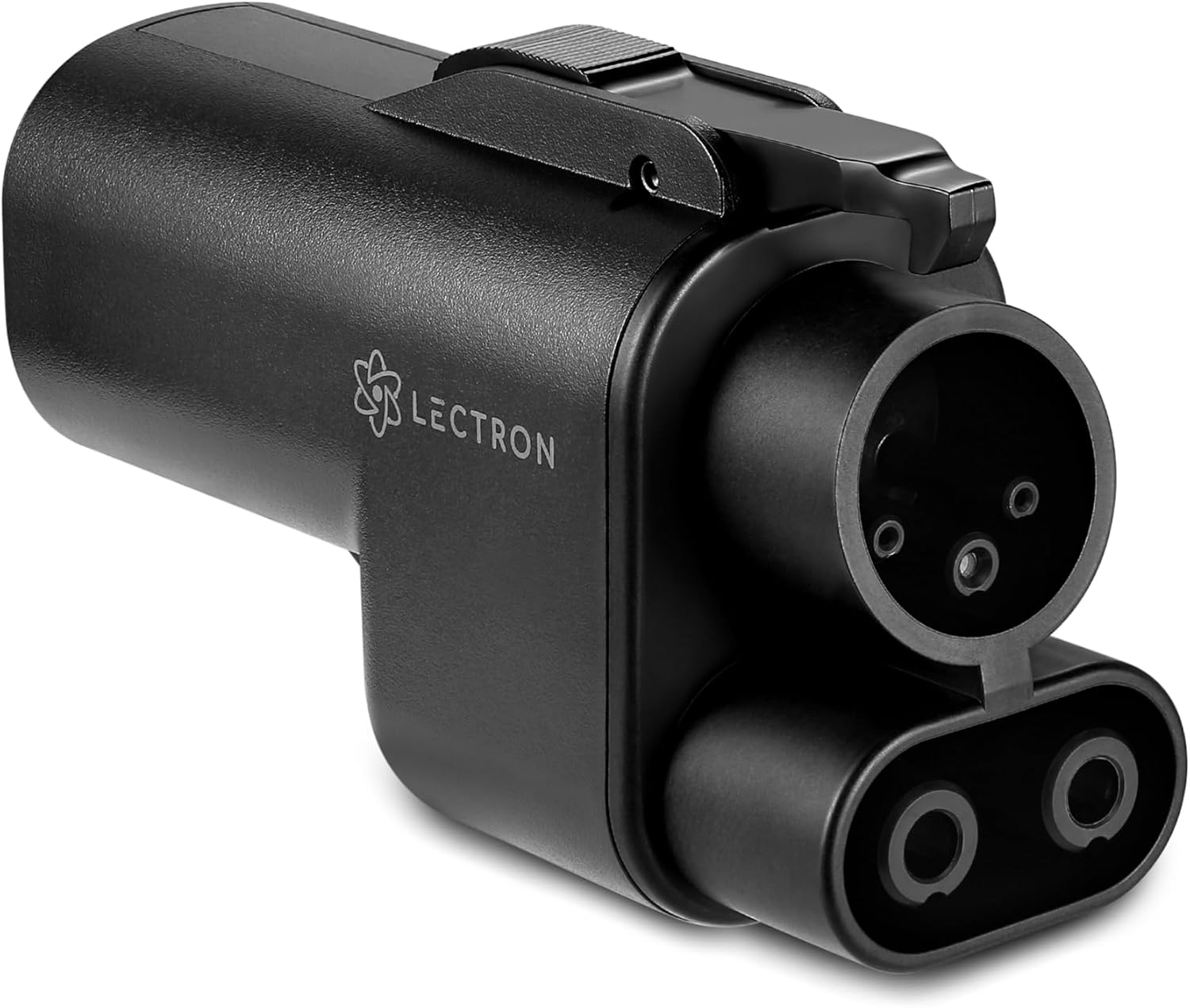
Lectron NACS to CCS Fast-Charge Adapter
Unlock every CCS fast charger for your Tesla, up to 500A DC. Never get stranded at a non-Tesla DC station again.
As an Amazon Associate, ThinkEV earns from qualifying purchases — at no extra cost to you.

Founder & Chief Editor
Vlad Pereira is the founder and chief editor of ThinkEV.ca, the Canadian electric-vehicle publication he writes and edits from Courtenay, British Columbia. He covers EV pricing, federal and provincial rebates, charging costs, and the Chinese manufacturers now entering Canada, from the buyer's side rather than the press-fleet side. ThinkEV is a venture of Vlad Pereira Online; his writing on health, income and the long game lives at vladpereira.com.
Frequently asked questions
Will my current CCS EV become obsolete?
Can I retrofit NACS to my non-Tesla EV?
Is wireless charging worth it on the 2025 Equinox EV?
Will Tesla charge other brands more at Superchargers?
How fast is the 2025 Equinox EV fast charging speed in real conditions?
More EV & road-trip finds
Affordable upgrades worth a look — tap any to check the price on Amazon.
 ★ 1,866
70mai A810 4K Dual Dash Cam
View on Amazon ★ 87
★ 87Car Window Sun Shades for Kids (4-Pack)
View on Amazon ★ 68
★ 68WeatherTech FloorLiner for Tesla Model 3
View on Amazon ★ 4,050
Touchscreen Mist Screen Cleaner Kit
View on Amazon ★ 419
★ 419RGB Car Interior LED Strip Light
View on Amazon ★ 900
★ 900Personalized Photo Car Air Freshener
View on Amazon ★ 4,424
Sun Visor Card and Document Organizer
View on Amazon ★ 15,014
Spigen Tempered Glass for Tesla Model 3/Y
View on AmazonRead, Plan, Then Stay Current
Explore our expert articles to understand incentives and ownership costs, use the map to pressure-test charging reality, then subscribe so new EV coverage comes straight to you.
Continue Reading
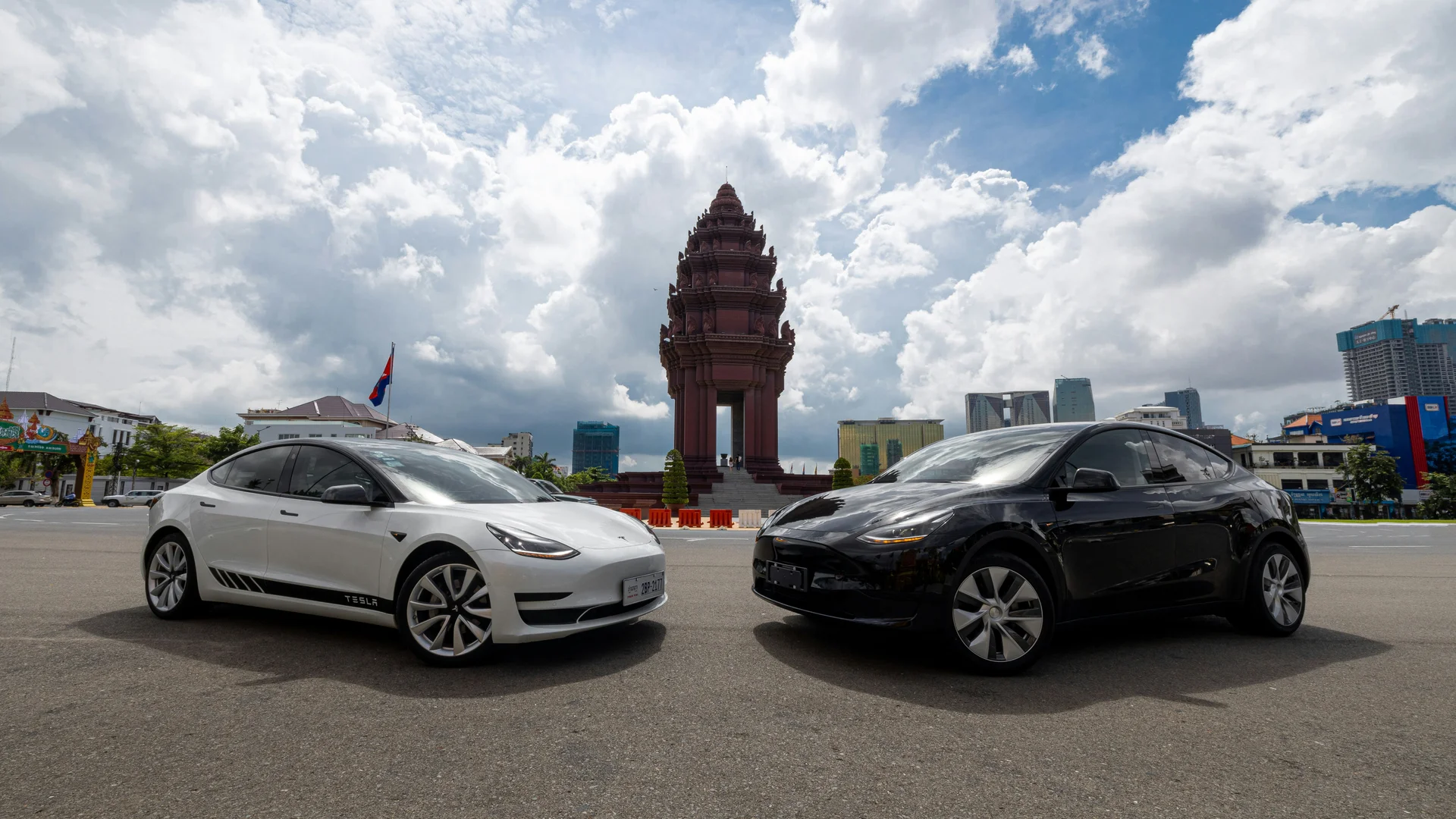
Is NACS Standardization a Mistake? A 2026 Guide

New or Used EV: Which Is the Smarter Buy in 2026?

EV Highway vs City Range: Why They Flip
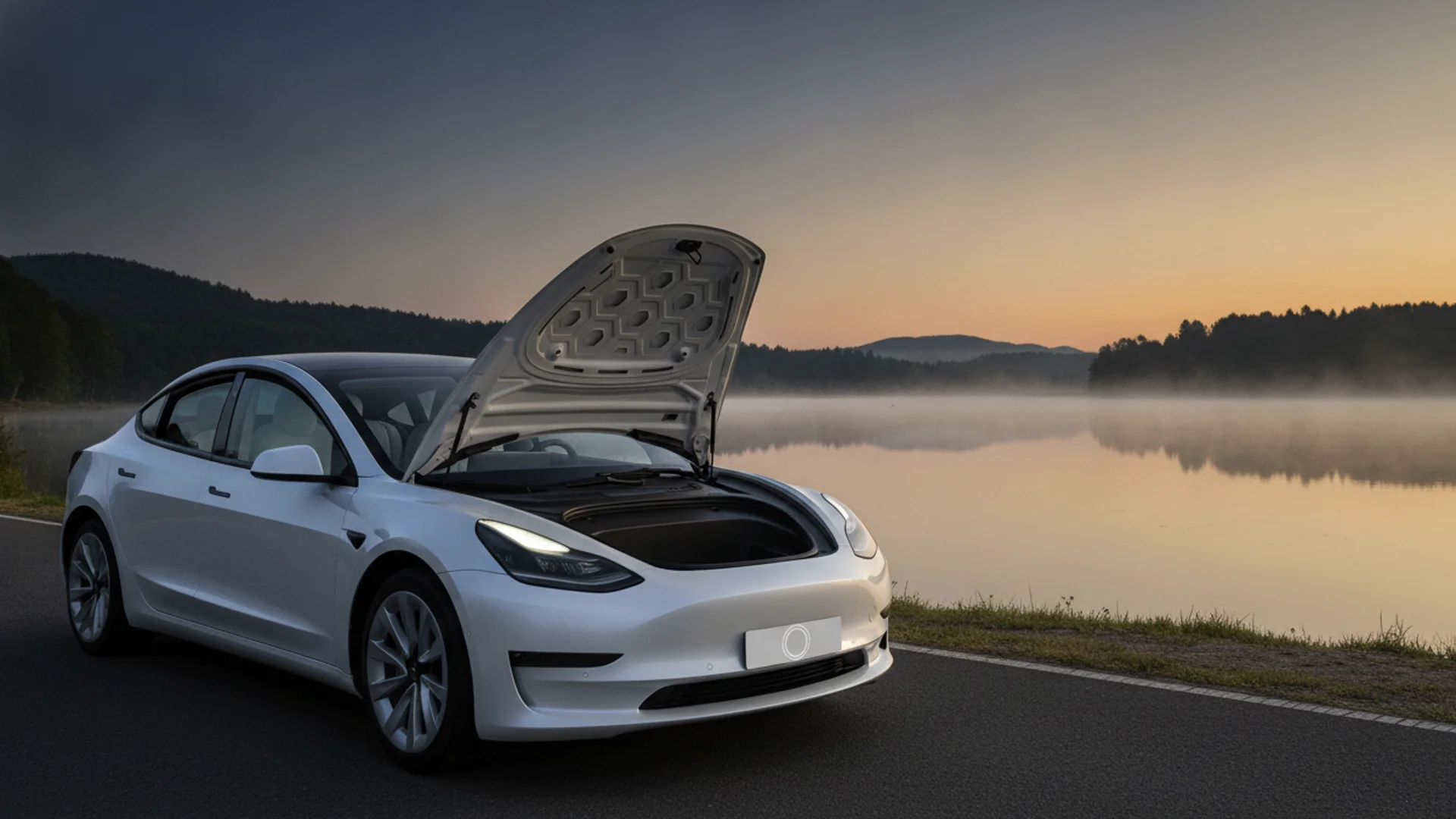
Buy or Lease an EV in Canada? The 2026 Answer

Single-Motor vs Dual-Motor EVs: What AWD Actually Adds