Key takeaways
- The best electric SUV for most Canadians is the Chevrolet Equinox EV: 513 km of range for $39,995 after the federal rebate, built in Ontario so the $50,000 rebate cap never applies.
- Four electric SUVs clear the $5,000 EVAP rebate today: the Equinox EV, the Hyundai Kona Electric, the Ford Mustang Mach-E Select, and the Kia EV6 Light.
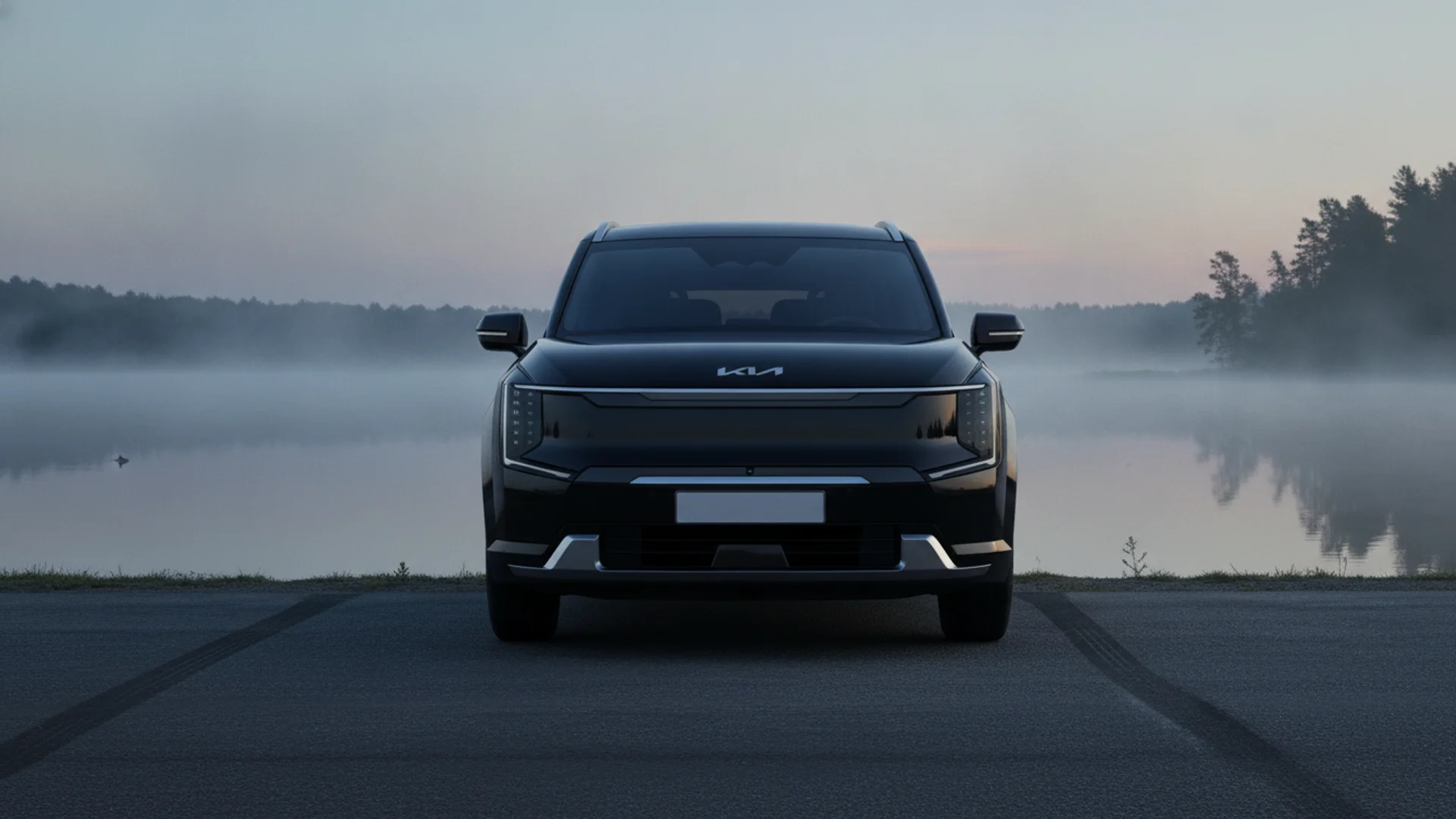
- Above the cap, the Tesla Model Y is the all-round default, the Porsche Macan is the driver's pick, and the Kia EV9 is the only genuine three-row under $100,000.
- Winter reorders everything: the EV9 lost just 20 percent of its range in CAA cold testing, the best of any SUV measured; the Toyota bZ lost 37 percent.
- The BYD Atto 3 is the most interesting newcomer, but it is built in China, so it qualifies for no federal rebate at any price.
The Problem Is No Longer Finding One
For the first time, a Canadian shopping for an electric SUV has too many good options rather than too few. More than a dozen are on sale under $70,000. Four of them qualify for the full $5,000 federal rebate. The best of them out-ranges and out-values the gas SUV it would replace, and does it while charging overnight in the driveway.
The short answer, if you want one before the detail: the Chevrolet Equinox EV is the best electric SUV for most Canadians. It pairs 513 km of range with a $39,995 price after the federal rebate, it is assembled in Ontario so the rebate's $50,000 cap never bites, and GM's dealer network reaches nearly every town in the country. The vehicles that beat it beat it on one specific axis, winter resilience, a third row, or the way it drives, and those are the buyers the rest of this guide is written for.
How the 2026 Field Breaks Down
The market now splits cleanly into three price bands, and the federal rebate draws the most important line through it. The EVAP program puts $5,000 back on an eligible EV, but only if the final transaction value lands at or under $50,000, and it excludes vehicles built in China regardless of price. Canadian-built vehicles, like the Equinox EV, face no cap at all.
That single rule decides more than range or badge for a lot of buyers. So the bands below are organised by real after-rebate cost, not sticker. The full eligibility math, including the provincial top-ups that stack on top, lives in the EVAP rebate guide; the short version travels with each pick here.
The Value Tier: Under $50,000
Chevrolet Equinox EV, 513 km, from $39,995 after rebate
This is the value champion, and it is not close. The Equinox EV delivers 513 km of NRCan range from an 85 kWh pack, the most of any EV under $50,000 in Canada, in a proper family-sized SUV. The 1LT starts at $44,995 and drops to $39,995 after EVAP. Because it is built in Ontario, the rebate cap that knocks out so many rivals simply does not apply.
It charges at 150 kW, fast enough to add real distance on a road-trip stop, and the AWD trims add a heat pump and dual motors. Ground clearance sits around 195 mm, higher than the Ioniq 5 or the Model Y, which matters on an unploughed Canadian street. In CAA cold-weather testing it gave back 34 percent of its range, mid-pack, but it started from such a high number that even the winter figure clears most rivals' summer ratings. The full breakdown is in our Equinox EV review. For the money, nothing else in this guide competes.
Hyundai Kona Electric, 418 km, from $39,999 after rebate
The Kona is the easy-to-live-with pick. It is smaller than the Equinox at 4,355 mm, which makes it the better city car, and the base trim qualifies for the rebate at an effective $39,999. The 65.4 kWh battery returns 418 km, a heat pump is standard, and the feature list runs long for the price.
The catch is the charging. The Kona tops out at 100 kW DC, which in 2026 is slow enough to notice on a long drive. It is a city car that occasionally takes a road trip, and it knows it. The full case is in our Kona Electric review.
Ford Mustang Mach-E Select, 402 km, from $39,690 after rebate
The Mach-E is the one that brings handling character to the value tier. The Select RWD lands on the official EVAP list at $44,690, an effective $39,690, with 402 km of range and 150 kW charging. Step up to the Extended Range battery and you get 515 km, though the price climbs past the rebate cap. The full Mach-E review covers the trim ladder.
Volkswagen ID.4 Pro, 443 km, from $42,495 after rebate
The ID.4 is the comfort-first European choice, with a refined ride and a quiet cabin. The Pro base qualifies for the rebate at $47,495, an effective $42,495, with 443 km from a 77 kWh pack. Watch the trim, though: the Pro S, the version most dealers actually stock, sits at $52,495 and gets no rebate at all. Volkswagen has arranged its own price ladder to step right over the cap. Our ID.4 versus Equinox EV comparison is the one to read before you sign.
BYD Atto 3, about 420 km, no federal rebate
The Atto 3 is the most interesting newcomer in the segment, a genuinely well-built compact SUV with a 60.5 kWh Blade battery and a cabin that feels a class above its price. BYD has not posted an official Canadian sticker, so the defensible band is $39,000 to $42,000, drawn from its Australian and Mexican export pricing. The asterisk is the rebate: EVAP excludes China-built vehicles, so no federal $5,000 applies regardless of price, which narrows the Atto 3's apparent value gap against the Equinox to a few thousand dollars. It is a real option, and a sign of where the market is heading, covered in depth in our Atto 3 versus Kona comparison.
Gear worth having
As an Amazon Associate, ThinkEV earns a small commission from qualifying purchases — at no extra cost to you.

Grizzl-E Classic Level 2 EV Charger (40A)
Canadian-made and rated for minus 40C winters. 40A / 9.6 kW, NEMA 14-50, indoor/outdoor, 24-ft cable. The charger built for Canadian weather.
As an Amazon Associate, ThinkEV earns from qualifying purchases — at no extra cost to you.
Hyundai Ioniq 5, 488 km, from $54,999
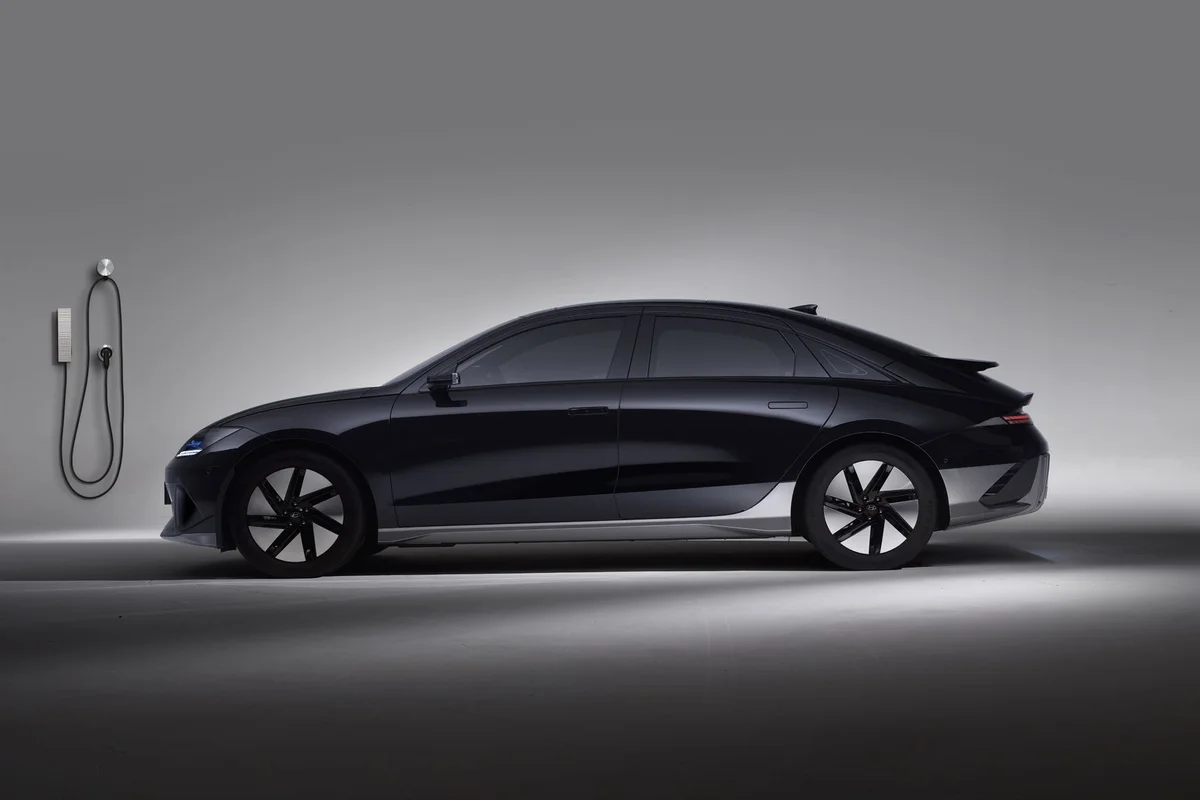
The Ioniq 5 is the spacious, tech-forward pick, and the first SUV here to run an 800-volt system. That architecture means a 10 to 80 percent charge in about 18 minutes on a 350 kW station, the kind of speed that changes how a road trip feels. The Long Range RWD returns 488 km, the wheelbase is longer than a BMW 5 Series so the back seat is genuinely generous, and the Vehicle-to-Load outlet will run a campsite or a power outage. No trim sneaks under the rebate cap, so this is a cash-price decision. The platform comparison is in our Ioniq 5 versus EV6 breakdown.
Kia EV6 Light, 499 km, from $48,995 after rebate
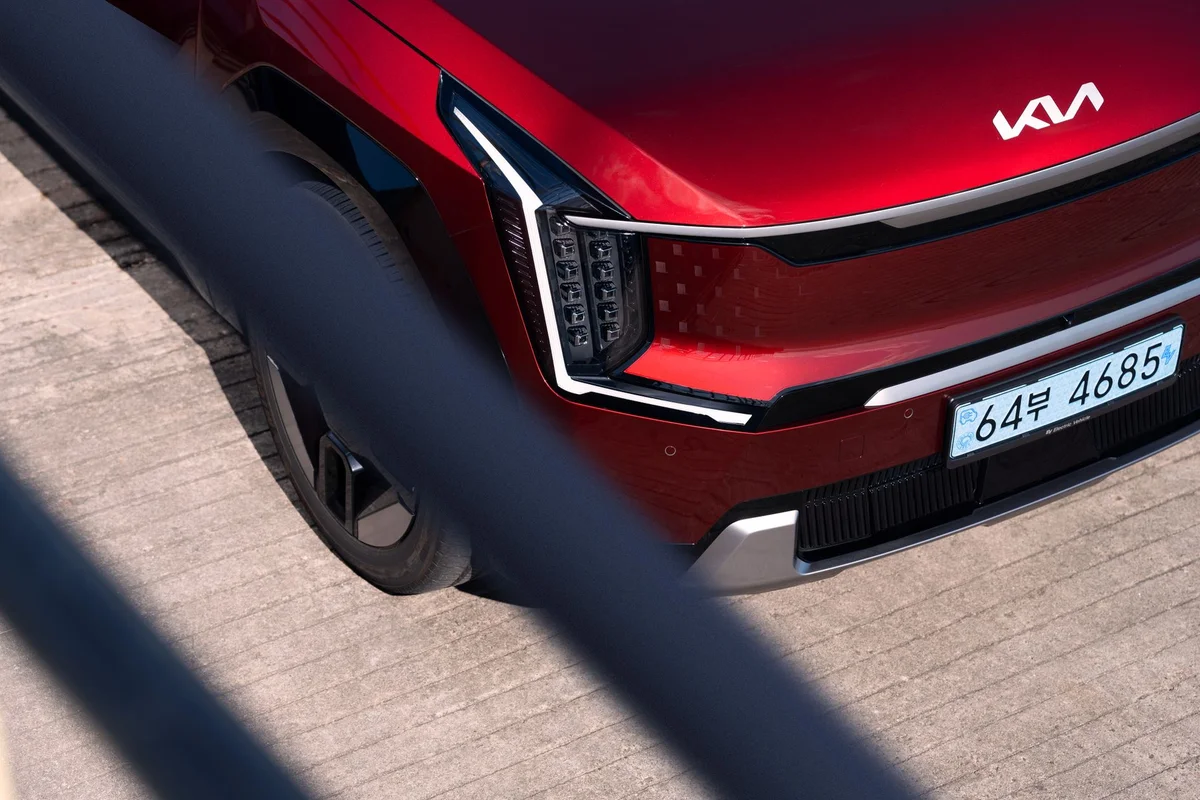
The EV6 shares the Ioniq 5's mechanicals but tunes them for the driver, and in one trim it pulls off something none of its 800-volt rivals manage. The Light RWD starts at $48,995, which clears the rebate cap, dropping to an effective $43,995 with 499 km of range and the same fast 800-volt charging. It is the rare premium-feeling EV that still qualifies for the federal cheque. Move up the range and AWD arrives, but so does a price above $50,000.
Gear worth having
As an Amazon Associate, ThinkEV earns a small commission from qualifying purchases — at no extra cost to you.

WeatherTech FloorLiner for Tesla Model 3
Deep-channel liners that trap every drop of slush and salt. The difference between a ruined interior and a showroom-fresh cabin after a Canadian winter.
As an Amazon Associate, ThinkEV earns from qualifying purchases — at no extra cost to you.
Tesla Model Y, 497 to 531 km, from $49,990
The Model Y is the all-round default for a reason, and the 2026 Juniper refresh sharpened it. The Long Range RWD returns 531 km and the AWD 497 km, both feeding the Supercharger network, which remains the most reliable and widely distributed fast-charging system in Canada. The base RWD at $49,990 is the one Tesla put on the EVAP list, though dealer fees have to keep the final number at or under $50,000 to hold the rebate. The Model Y still accounts for roughly 30 percent of every EV sold in the country, which is its own kind of verdict. The Juniper review has the detail.
Kia EV9 Light, about 490 km, from $64,995
The EV9 is where the family-hauler conversation gets serious. It is a true three-row SUV with seating for six or seven, a 99.8 kWh battery good for about 490 km, and 800-volt charging that refills 10 to 80 percent in roughly 24 minutes. It will tow 2,500 kg. And in the cold it is the standout: a 20 percent winter loss in CAA testing, the best of any three-row EV measured. I have not driven the EV9 through a Canadian January. That 20 percent figure is the number I would buy on anyway. The EV9 review runs the full three-row case.
The Premium Tier: $70,000 and Up
Above $70,000 the rebate is gone and the question becomes what you want range to feel like. Four picks define the tier:
- Porsche Macan EV, 497 km, from about $100,882. The driver's car of the segment, and its 270 kW 800-volt charging is the fastest here. If the way an SUV drives matters more than its price, this is the answer.
- BMW iX xDrive45, from about $89,900. German build and tech sophistication, though the more relevant BMW may be the 2027 iX3 arriving in the fall at $75,900 with a 698 km NRCan rating, which would lead the segment outright.
- Rivian R1S, from $152,107. The adventure pick: three rows, real off-road hardware, and camping integration nothing else here matches. A niche, but a deep one.
- Cadillac Lyriq, up to 525 km (EPA). American luxury with the longest range of the premium group, landing in the low $70,000s, backed by GM's dealer reach.
Gear worth having
As an Amazon Associate, ThinkEV earns a small commission from qualifying purchases — at no extra cost to you.

PULIDIKI Car Cleaning Gel (Detailing Putty)
Press it into vents, buttons, and seams and it lifts out dust you did not know was there. Weirdly satisfying, genuinely useful.
As an Amazon Associate, ThinkEV earns from qualifying purchases — at no extra cost to you.
The Three-Row Question
If you need three rows that fit adults, the field is short. The Kia EV9 (from $64,995) and the new Hyundai Ioniq 9 (from $59,999, rated around 539 km) are the only mainstream electric three-rows under $85,000, and they share the same 800-volt Korean engineering. Above them sit the Rivian R1S at $152,107 and the Tesla Model X near $150,000, both of which roughly double the entry price.
For most families the EV9 is the buy: it costs less than half of the six-figure options, its 24-minute fast charge and 2,500 kg towing handle real family logistics, and its winter range retention is the best of any large EV tested. The Ioniq 9 is the one to cross-shop against it, with a longer rated range and the same charging architecture. If you want the broader family-focused field, our best EVs for Canadian families ranks them head to head.
Two numbers should sit beside every sticker on this list: how much range the cold takes, and whether the rebate survives the trim you actually want.
On winter, the CAA's cold-weather testing is the cleanest Canadian data available. Losses ran from 20 percent on the Kia EV9 to 37 percent on the Toyota bZ, with the Equinox EV at 34, the Mach-E at 31, and the VW ID.4 at 28. A heat pump, battery preconditioning, and a proper set of winter tyres each claw some of that back, and the full results are in our EV winter range test. The practical rule: budget for roughly a third less range between December and March, and favour a model that starts high enough to absorb it.
On the rebate, the trap is the trim. The base Model Y, the ID.4 Pro, the EV6 Light, and the Equinox 1LT all qualify; the trims most dealers stock often do not, because one option package or a destination fee pushes the final number over $50,000. Confirm the eligible total in writing before you celebrate the discount. For the cheapest qualifying paths across the whole market, our most affordable EVs guide tracks the after-rebate floor.
The Verdict
For most Canadians, the Chevrolet Equinox EV is the best electric SUV you can buy in 2026. It offers more range per dollar than anything else, its Ontario build sidesteps the rebate cap entirely, and its dealer network removes the service anxiety that still shadows the newer brands. At $39,995 after the rebate for 513 km in a real SUV, it is the pick that ends most arguments.
If your budget runs higher, the calculus shifts by need. The Tesla Model Y is the strongest all-round choice above the cap, on the back of range, resale, and the Supercharger network. The Porsche Macan is the one to drive if driving is the point. The Kia EV9 is the three-row answer, and its winter numbers make it the smart cold-climate buy at any size. Match the pick to the one axis you care about most, and any of these four will serve a Canadian household well for the decade you finance it.
Gear worth having
As an Amazon Associate, ThinkEV earns a small commission from qualifying purchases — at no extra cost to you.

WixGear Magnetic Air Vent Phone Mount (2-Pack)
A magnet strong enough that your phone never flinches over potholes or rail crossings. Two in the box, one for each car.
As an Amazon Associate, ThinkEV earns from qualifying purchases — at no extra cost to you.
Related Reading
- Chevrolet Equinox EV Canada Review 2026, The value champion in full: range, winter numbers, and the Ontario-build rebate advantage.
- Kia EV9 Canada Review 2026, The three-row pick, with the best winter range retention of any large EV tested.
- Hyundai Ioniq 5 vs Kia EV6 in Canada, The 800-volt platform decision, and why the EV6 Light keeps its rebate.
- Canada's $5,000 EVAP Rebate: The Complete 2026 Guide, The $50,000 cap, the China-built exclusion, and the provincial stacking math.
- EV Winter Range Test: 14 EVs in Canadian Cold, The CAA data behind every winter figure in this guide.
- The Most Affordable EVs in Canada (2026), Where the after-rebate floor sits across the whole market.
Gear worth having
As an Amazon Associate, ThinkEV earns a small commission from qualifying purchases — at no extra cost to you.
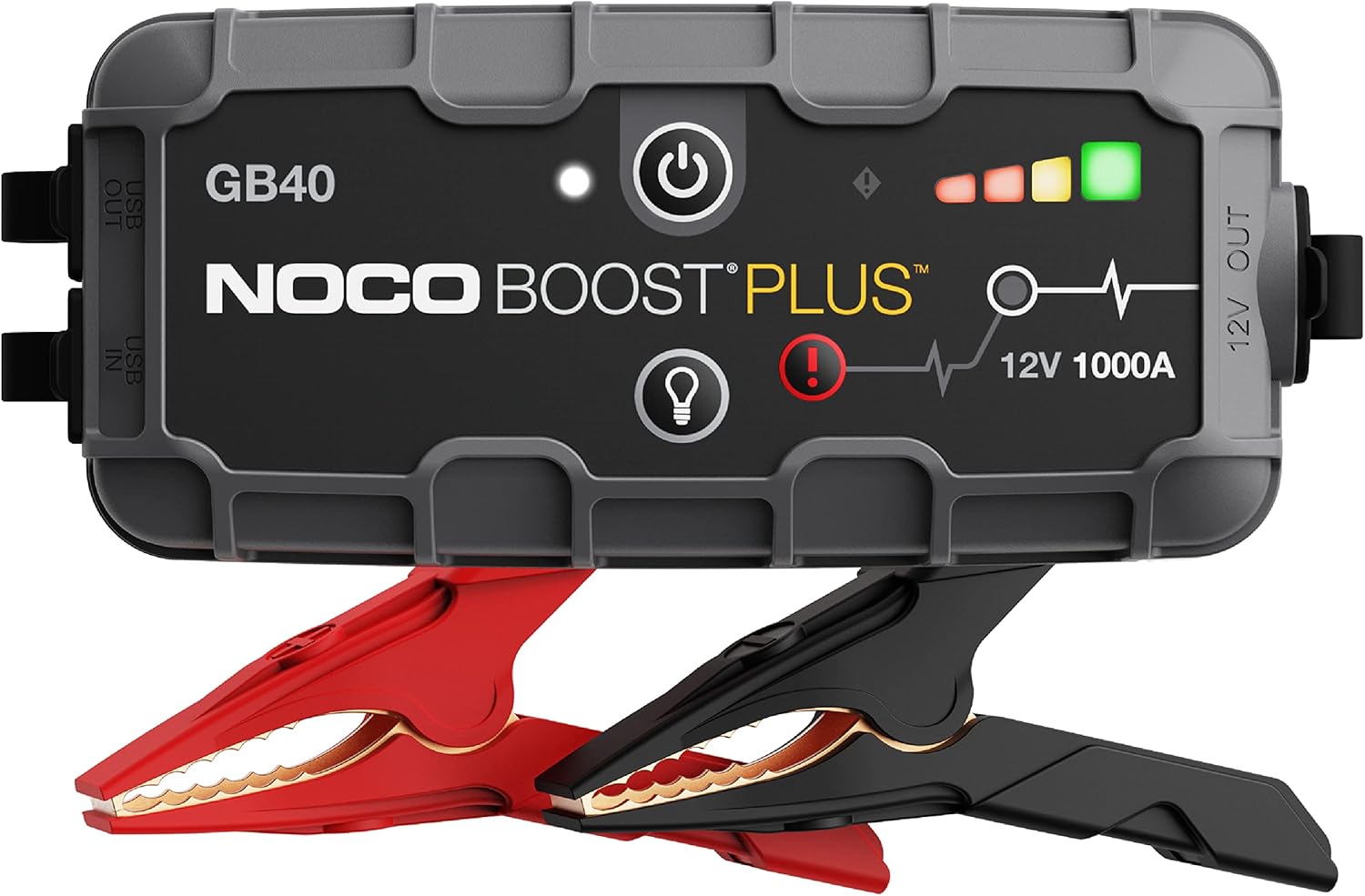
NOCO Boost Plus GB40 Jump Starter
A 1000A lithium jump starter that fits in your glovebox and works on any 12V battery. Your insurance against a dead 12V in a parking lot.
As an Amazon Associate, ThinkEV earns from qualifying purchases — at no extra cost to you.

Founder & Chief Editor
Vlad Pereira is the founder and chief editor of ThinkEV.ca, the Canadian electric-vehicle publication he writes and edits from Courtenay, British Columbia. He covers EV pricing, federal and provincial rebates, charging costs, and the Chinese manufacturers now entering Canada, from the buyer's side rather than the press-fleet side. ThinkEV is a venture of Vlad Pereira Online; his writing on health, income and the long game lives at vladpereira.com.
Frequently asked questions
What is the best electric SUV in Canada in 2026?
Which electric SUVs qualify for the $5,000 EVAP rebate?
What is the best three-row electric SUV in Canada?
Which electric SUV is best for a Canadian winter?
Is the Chevrolet Equinox EV better value than a Tesla Model Y?
More EV & road-trip finds
Affordable upgrades worth a look — tap any to check the price on Amazon.
 ★ 119
★ 119Foldable Waterproof Trunk Organizer
View on Amazon ★ 268
★ 268Anti-Slip Leather Steering Wheel Cover
View on Amazon ★ 8,681
Chemical Guys Complete Car Wash Kit
View on Amazon ★ 314
★ 314Mini USB LED Ambient Lamps (4-Pack)
View on Amazon ★ 1,083
Crystal Push-Start Button Ring (2-Pack)
View on Amazon ★ 979
★ 979Leather Headrest Purse Hook
View on Amazon ★ 721
★ 72145W USB-C Fast Car Charger
View on Amazon ★ 61
★ 61Toddler Car Seat Snack and Cup Tray
View on AmazonRead, Plan, Then Stay Current
Explore our expert articles to understand incentives and ownership costs, use the map to pressure-test charging reality, then subscribe so new EV coverage comes straight to you.
Continue Reading
How to Test-Drive an EV: What Gas-Car Buyers Miss
What Is Vehicle-to-Load (V2L) and How to Use It in Canada
EV Charging on Road Trips Across Canada, Is It Viable Yet?

Should I Wait for BYD to Come to Canada?
EV Battery Warranty Canada: 8 Years, 160,000 km