Key takeaways
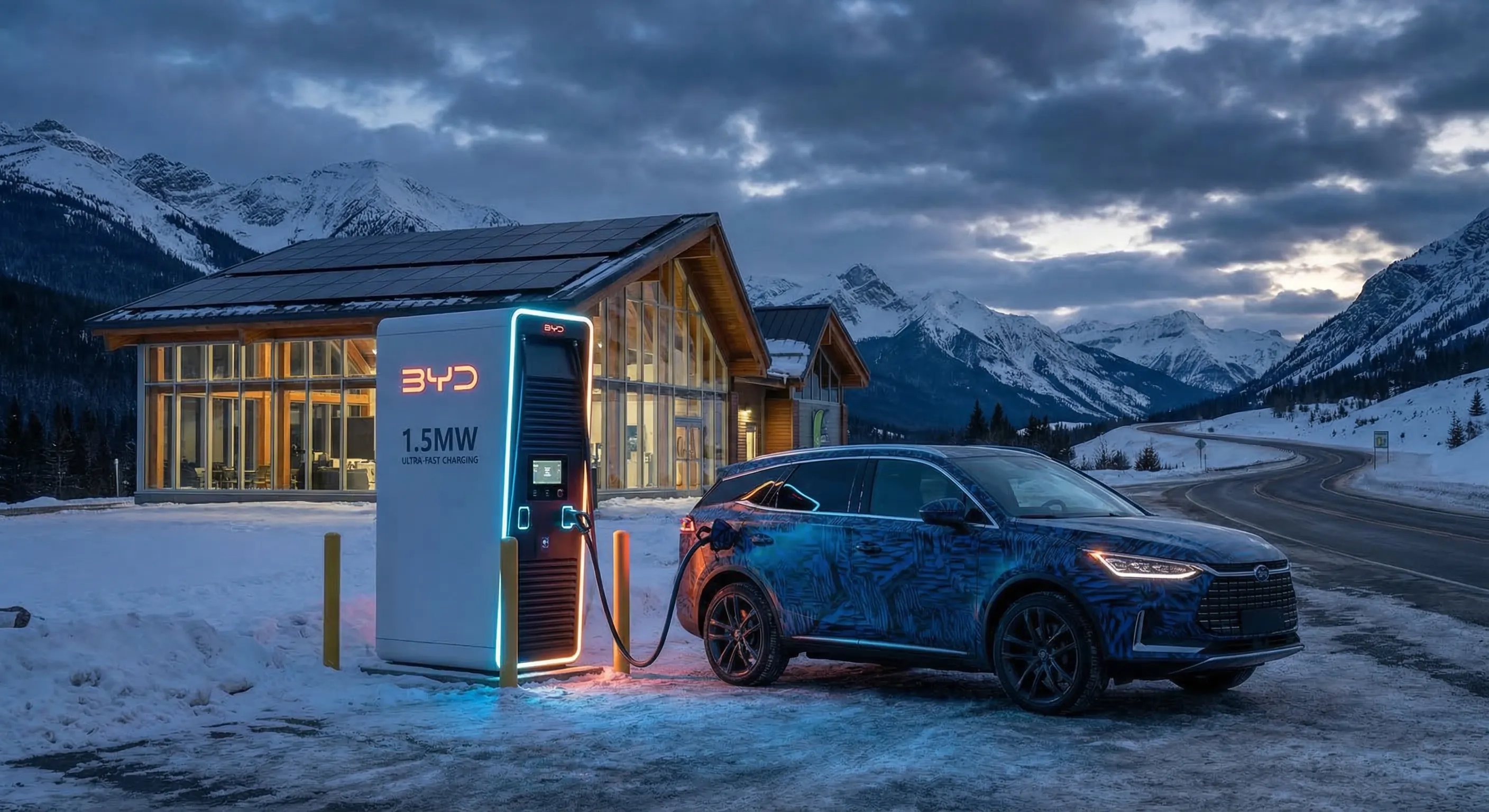
- BYD is officially coming to Canada, 20 dealerships confirmed, GTA first, targeting mid-to-late 2026 for first sales.
- BYD vehicles will NOT qualify for the $5,000 federal EVAP rebate, Chinese-made EVs are explicitly excluded.
- After the rebate math, a Chevrolet Equinox EV ($39,000 effective) or Hyundai Kona Electric ($38,000 effective) lands at parity with BYD's rebate-less Atto 3 at around $38,000.
- Transport Canada homologation for a new entrant typically takes 6–12 months, and BYD hasn't confirmed submissions are complete for all models.
- Buyers in Quebec or BC could lose $8,000–$9,000 in combined federal and provincial incentives on a BYD, because those provinces' stacking rebates may also exclude Chinese-built vehicles.
The short answer is: probably not, unless you specifically need one of the models BYD is bringing and you can afford to wait until late 2026 with no certainty on final pricing or delivery timing.
BYD is real. The tariff situation has changed. The dealerships are coming. But between missing the federal rebate, homologation not being complete, and a timeline that stretches into late 2026 at the earliest, the case for waiting is weaker than the headlines suggest. The full picture is less flattering to BYD's timeline than the announcements let on.
The Timeline Is Not What the Announcements Make It Sound Like
On March 24, 2026, BYD confirmed 20 Canadian dealerships with the Greater Toronto Area getting the first locations. That is real news and it marks a genuine turning point for the Canadian EV market. But confirmed dealership agreements and cars on lots are two very different things.
Working through the timeline reveals three separate delays stacked on each other.
BYD's homologation process for Canada is not complete. Homologation means getting a vehicle officially certified to meet Transport Canada's Motor Vehicle Safety Standards. This is not a rubber stamp, it involves crash testing, emissions compliance documentation, French bilingual labelling requirements, daytime running light configurations, and a stack of other technical requirements. For a brand entering a new market, the process routinely takes six to twelve months from submission. BYD has not publicly confirmed that submissions are complete for all models.
First dealerships are expected to be operational mid-to-late 2026. That estimate comes from industry sources and BYD's own cautious phrasing. Even if you call "mid-2026" optimistic, you are looking at July or August at the earliest before a salesperson can hand you keys.
Then factor in delivery queues. Any popular new model from a brand entering a new market will have backlog from day one. Early adopter demand in Canada for affordable EVs is not small. If you place an order on opening day, you may still be waiting into early 2027.
The contrast that matters here: Lotus will actually be the first Chinese EV brand to sell in Canada, with the Eletre SUV arriving in Q3 2026. Lotus is a different market segment entirely, a $100,000-plus luxury vehicle, but it confirms that Chinese brand homologation is not instant even when the company has resources and motivation.
If your current vehicle is on its last legs, waiting for BYD is a genuine gamble on a timeline that has multiple points of uncertainty. If you have a reliable vehicle that will carry you through 2026 comfortably, waiting becomes more viable.
The Pricing Math Is Not as Simple as the Sticker Price
BYD's expected Canadian pricing looks like this based on current intelligence:
- Seagull: approximately $25,000
- Dolphin: approximately $35,000
- Atto 3: approximately $38,000
- Seal: approximately $45,000
Those numbers look competitive on paper. The Seagull in particular would be a genuinely disruptive price point for a purpose-built EV in Canada. But there are two layers that complicate the raw sticker comparison.
Layer one: No EVAP rebate.
The federal EVAP program, which currently provides $5,000 off the purchase price of eligible EVs, explicitly excludes Chinese-manufactured vehicles. BYD vehicles are made in China. That exclusion is firm under current policy and there is no indication it will change before BYD arrives.
This means every BYD model needs to be compared to its competition on a rebate-adjusted basis:
- Chevrolet Equinox EV: starts at approximately $44,000, minus $5,000 federal rebate = effective $39,000
- Hyundai Kona Electric: starts at approximately $43,000, minus $5,000 federal rebate = effective $38,000
- Kia EV5: arriving spring 2026, priced from $43,495, rebate-eligible, so effective starting price around $38,495
The BYD Atto 3 at $38,000 and the Dolphin at $35,000 start to look like they are competing at parity with those rebate-adjusted prices, not beating them. The Seal at $45,000 is up against rebate-adjusted options in the high thirties.
The only BYD model that genuinely undercuts the rebate-adjusted competition is the Seagull at $25,000, and that vehicle is a small city-oriented EV with a range likely under 350 km. For many Canadian buyers, especially anyone doing highway commutes or living in a rural area, range matters more than sticker price.
Layer two: Provincial rebates follow federal rules.
Several provinces stack their own rebates on top of the federal program. In Quebec, the provincial rebate can add up to $4,000. In BC, the CleanBC program adds up to $4,000. Both of those provincial programs also restrict eligibility based on vehicle origin in ways that may exclude Chinese-manufactured vehicles. Check your province's current rules before assuming you can stack anything.
This is not just a small pricing edge being lost. For a buyer in Quebec or BC, the gap between a rebate-eligible domestic or South Korean EV and a BYD can easily hit $8,000 to $9,000 in total lost incentives. At that point, BYD needs to be meaningfully cheaper to make financial sense, and the Seal and Atto 3 are not that far below the competition.
What Is Available Right Now That Is Actually Good
This is where the wait-or-buy question gets real. If BYD were the only sensible option in 2026, waiting would be justified despite the timeline uncertainty. But the Canadian EV market heading into 2026 is the strongest it has ever been.
Chevrolet Equinox EV
The Equinox EV is the most important competitor in this conversation. Built in North America, fully rebate-eligible, starting around $44,000 before the $5,000 federal credit gets applied. The 1LT trim with its 513 km estimated range is genuinely usable across Canadian conditions. The platform is GM's Ultium architecture, which has matured significantly. Service infrastructure across Canada is established. You are not hoping a new dealer network figures out parts and warranty claims.
Hyundai Kona Electric
The Kona Electric is a known quantity with an established Canadian service network. Starting around $43,000, rebate-eligible, with roughly 490 km of estimated range. If you are familiar with Hyundai's reliability record and want a compact crossover that has already been validated in Canadian winters, the Kona is hard to argue against.
Kia EV5
The EV5 is arriving in spring 2026 and it is worth paying attention to. Kia designed this vehicle specifically with the Canadian and North American market in mind. The pricing range of $43,495 to $61,495 covers multiple trims, it is rebate-eligible, and it brings a more spacious interior than the EV6 at a lower price point. Kia's Canadian dealer network is mature. If you can wait a few months, not until late 2026, but just until spring, the EV5 is a real option.
Nissan LEAF and Ariya
The LEAF is aging but it remains one of the most affordable rebate-eligible EVs on Canadian lots. If budget is the primary constraint and range anxiety is not a major issue for your driving patterns, the LEAF with the larger battery pack at roughly $44,000 (before rebate) remains a functional choice. The Ariya is a stronger long-term bet with better range and a more modern platform.
Tesla Model 3 and Model Y
Tesla's position in the rebate conversation is complicated: Model 3 eligibility depends on trim and price cap rules. But the used Tesla market in Canada is deep enough that a 2022 or 2023 Model 3 can be found for prices that compete with new BYD Seal pricing. The supercharger network remains the best charging infrastructure in Canada by a significant margin.
Who Should Seriously Consider Waiting for BYD
There are genuine cases where waiting makes sense. Here is who they apply to:
You are buying in the sub-$30K range and range is acceptable.
If your budget is genuinely under $30,000 and you are doing primarily urban or suburban driving with regular access to a home charger, the Seagull at $25,000 is a category of its own in Canada. Nothing currently available new in Canada from a rebate-eligible brand comes close to that price point. The LEAF starts higher. Used EVs at that price exist but come with battery uncertainty. If you can wait and the Seagull's range profile fits your life, it is worth holding.
You are specifically interested in LFP battery chemistry.
BYD's Blade Battery uses lithium iron phosphate chemistry. LFP batteries have a significantly longer cycle life than the NMC batteries used in most competitors: some estimates put BYD's Blade at 3,000 to 5,000 charge cycles before notable degradation versus 1,000 to 2,000 for NMC packs. If you plan to keep a vehicle for ten or more years and are doing high daily mileage, the long-term battery economics of an LFP vehicle may matter enough to justify waiting.
You are a fleet buyer or business owner.
Fleet purchasing often has more flexibility on timeline and less dependence on individual consumer incentives. If you are buying five or ten vehicles for a business fleet and the federal rebate calculus is less central to your decision, BYD's commercial value proposition becomes more interesting. Their fleet and commercial history globally is strong.
You genuinely enjoy being an early adopter and understand the risks.
There is nothing wrong with wanting to buy the first BYD in your city, knowing the service network is thin, knowing resale values are unproven in Canada, and taking that on consciously. Early adopters provide value to the market: they generate real-world Canadian data, put pressure on dealers to improve service, and build the ownership community that helps later buyers. If that is you and your financial situation tolerates that risk, go for it.
Who Should Buy Now and Stop Waiting
This category is larger than the wait category for most Canadian buyers.
You need a reliable vehicle before fall 2026.
If your current car has 300,000 km on it, needs a transmission, or is costing you more than a car payment each month in repairs, do not wait for BYD. The timeline has too many variables. Buy the best rebate-eligible EV you can afford now, capture the $5,000 federal credit, and stop paying repair bills.
You drive significant highway distances or live in a rural area.
BYD's smaller models, Dolphin, Seagull, are city-optimized vehicles. The Seagull's range in Canadian winter conditions would likely be meaningfully lower than its rated range. BYD's Blade Battery uses LFP chemistry, which generally performs well for cycle life but can show more winter range loss than NMC at very low temperatures. If you are regularly doing 200 km highway drives or living somewhere that sees sustained minus-twenty temperatures, the Seal at around $45,000 is the only BYD model that likely makes sense, and that model without a rebate is more expensive than an Equinox EV with a rebate.
You want a mature service network.
Gear worth having
As an Amazon Associate, ThinkEV earns a small commission from qualifying purchases — at no extra cost to you.

Grizzl-E Classic Level 2 EV Charger (40A)
Canadian-made and rated for minus 40C winters. 40A / 9.6 kW, NEMA 14-50, indoor/outdoor, 24-ft cable. The charger built for Canadian weather.
As an Amazon Associate, ThinkEV earns from qualifying purchases — at no extra cost to you.
BYD is starting with 20 dealerships across Canada. That sounds reasonable until you realize Canada is the second-largest country in the world by area. A 20-dealership network concentrated in the GTA, Vancouver, and Calgary means that if you live in Fredericton, Saskatoon, or Kelowna, your nearest BYD dealer could be four or five hours away. Warranty work, parts availability, and software updates are all easier with an established network. Hyundai, Kia, Chevrolet, and Nissan have hundreds of Canadian service locations.
You are buying used.
The used EV market in Canada is the strongest argument for buying now rather than waiting. A 2021 or 2022 Chevy Bolt with a healthy battery can be found for $20,000 to $25,000. A 2022 or 2023 Hyundai Ioniq 5 or Kia EV6 in good condition sits in the $35,000 to $42,000 range. These vehicles have known Canadian track records, established repair networks, and the uncertainty of a brand-new market entrant is eliminated. The used market does not wait for BYD either.
The Blade Battery and Canadian Winters: What You Actually Need to Know
BYD's marketing around the Blade Battery is substantial and some of it is genuinely impressive. But there are specifics Canadian buyers need to understand before treating battery chemistry as a reason to wait.
What the Blade Battery does well.
Lithium iron phosphate chemistry is structurally more stable than NMC.
The thermal runaway threshold is higher, which is why BYD and CATL emphasize safety. The cycle life is genuinely longer, LFP cells maintain higher capacity through more charge cycles. For a buyer who charges daily, plans to keep the car for ten-plus years, and wants a battery that degrades slowly over a long ownership period, LFP is the right call on long-term economics.
The Blade's structural integration into the vehicle floor also allows BYD to eliminate the traditional module structure, which reduces weight and increases pack rigidity.
This is real engineering, not marketing.
What the Blade Battery does less well in Canada.
LFP chemistry has a narrower optimal operating temperature range than NMC. At very low temperatures, the kind that hit Ottawa in January or Edmonton in February, LFP cells lose more usable capacity than equivalent NMC packs. Real-world Canadian winter testing data on BYD vehicles is essentially nonexistent because BYD has not been sold here.
The available data from Norway and other cold-climate markets suggests winter range reductions of 30% to 40% for LFP vehicles in sustained cold weather, which is comparable to or slightly worse than NMC vehicles.
BYD vehicles also require pre-conditioning the battery before fast charging in cold weather. This is manageable. Most modern EVs benefit from it, but it adds time and is a behaviour change for drivers coming from a gas vehicle.
The summary: the Blade Battery is excellent for longevity and cycle life.
It is not a winter performance advantage over NMC competitors. If winter range is your primary concern, the Kona Electric or Equinox EV on NMC chemistry is not at a disadvantage.
The Tariff Situation and What It Actually Changed
The tariff reduction from 100% to 6.1% on January 16, 2026 is what made BYD's Canadian entry commercially viable. Before that reduction, a vehicle with a $25,000 Chinese factory price would have faced import duties that pushed the Canadian retail price above $50,000, eliminating the cost advantage entirely.
At 6.1% on a $25,000 vehicle, the tariff adds roughly $1,525 to the landed cost. That is manageable. It is why BYD can realistically price the Seagull around $25,000 in Canada and still make margin.
But the 49,000 unit annual quota attached to the tariff reduction is a constraint worth noting. Canada allowed 49,000 Chinese-made EVs per year under the reduced tariff before the full 100% rate kicks back in for units above that threshold. BYD is not the only Chinese EV brand targeting Canada, SAIC, Chery, and others have been watching the regulatory environment. If multiple Chinese brands enter simultaneously and sales volume is higher than expected, the quota could create pricing pressure mid-year as units over the threshold get tariffed at the higher rate.
This is speculative for 2026 given the timeline of actual vehicle availability, but it is worth knowing if you are making a three-to-five year planning decision.
Setting Up Your Home Charging Before the BYD Arrives (Or Now, If You Buy Now)
Regardless of which direction you go on the BYD question, if you are serious about EV ownership in Canada you need a Level 2 home charger sorted before you have a car in the driveway. Level 1 charging (standard wall outlet) adds roughly 8 km of range per hour. After a long drive, you could be looking at 24 to 36 hours to recover full range. Level 2 charging gets you 40 to 60 km of range per hour.
Gear worth having
As an Amazon Associate, ThinkEV earns a small commission from qualifying purchases — at no extra cost to you.

Portable Level 2 EV Charger (40A, NEMA 14-50)
Throw it in the trunk and charge anywhere with a 240V outlet. 40A portable with NEMA 14-50 plug. Your road-trip insurance policy.
As an Amazon Associate, ThinkEV earns from qualifying purchases — at no extra cost to you.
The Grizzl-E Level 2 charger is the Canadian cold-weather standard for a reason. It is built in Canada, rated to minus 40 Celsius, and available in hardwired and NEMA 14-50 versions. The adjustable amperage (16A, 24A, 32A, 40A) means you can run it on a 50-amp circuit without needing a panel upgrade in many homes. If you are installing a permanent charger and want something that will not fail you in a BC mountain winter or a Saskatchewan February, the Grizzl-E is the recommendation.
For buyers who are in an apartment, renting, or need a portable solution that can travel with the vehicle, a portable Level 2 EVSE is the practical answer.
Gear worth having
As an Amazon Associate, ThinkEV earns a small commission from qualifying purchases — at no extra cost to you.

PULIDIKI Car Cleaning Gel (Detailing Putty)
Press it into vents, buttons, and seams and it lifts out dust you did not know was there. Weirdly satisfying, genuinely useful.
As an Amazon Associate, ThinkEV earns from qualifying purchases — at no extra cost to you.
The Lectron Portable Level 2 charger plugs into a NEMA 14-50 outlet (the same 240V outlet used for dryers and ranges) and delivers up to 32 amps of charging capacity. This is fast enough for overnight charging of any EV on the market including all BYD models. The portability matters if you are visiting family across the country or if your living situation changes. Many Canadians own both a hardwired unit for daily use and a portable for travel.
The Competitive picture in Spring 2026: A Snapshot
To make the wait-or-buy decision clearly, here is where the Canadian EV market actually stands in spring 2026, without a table, just the facts that matter:
The Kia EV5 arriving this spring is the most direct competitor to BYD's mid-range lineup. It is a purpose-built crossover for Canadian families, priced from $43,495 before the $5,000 rebate (effective $38,495), with a range around 500 km and Kia's established warranty infrastructure.
It is the vehicle BYD's Atto 3 and Seal will need to beat.
The Equinox EV at effective $39,000 after rebate is North America's best value proposition in the mainstream EV segment right now. GM built this vehicle specifically for the price-sensitive buyer. The network is everywhere.
The Hyundai Kona Electric at effective $38,000 after rebate is the compact option for buyers who want something smaller and lighter than a crossover.
It has a real winter track record in Canada.
For buyers willing to stretch slightly, the Hyundai Ioniq 6 with its exceptional efficiency and NACS compatibility sits in a range where rebate-adjusted pricing makes it competitive with a no-rebate BYD Seal.
BYD needs to arrive with competitive pricing, reasonable service infrastructure, and a clean launch to take meaningful market share. None of that is impossible. BYD is the world's largest EV manufacturer by volume and they have done successful market entries before.
But the Canadian launch conditions are harder than their European or Australian entries because of the rebate exclusion and the existing competitive lineup.
Whether To Wait Maps To Five Buyer Types
The decision maps cleanly to five buyer types:
If your current vehicle is unreliable, BYD is not worth waiting for. Buy a rebate-eligible EV now, capture the $5,000 federal credit, and move on.
If your budget is genuinely under $30,000 and you are comfortable waiting until late 2026 with no guarantee, the Seagull may be worth the wait. Nothing else in Canada touches that price point for a new EV.
If you are in the $35,000 to $45,000 range, the rebate-adjusted math works against BYD right now. The Kia EV5, Equinox EV, and Kona Electric are available, rebate-eligible, and competitively priced. BYD will need to price aggressively and perform well in service to overcome that headstart.
If you care deeply about long-term battery longevity and are planning to keep a vehicle for ten-plus years, BYD's LFP Blade Battery chemistry is a legitimate long-term consideration, though not enough to override the rebate gap on its own for most buyers.
If you enjoy being an early adopter and can absorb the uncertainty, BYD is coming and it is genuinely exciting. Just go in with clear eyes about the service network gap and the rebate situation.
The fundamental question is not whether BYD makes a good car. By all available evidence, it does. The question is whether BYD is worth more than $5,000 to $9,000 in lost rebates plus months of timeline uncertainty, for your specific situation. For most Canadian buyers in mid-2026, the answer is no. For a specific subset of buyers, it is yes.
Know which one you are before you make the call.
For more detail on BYD's confirmed Canadian rollout, see our full breakdown at BYD's 20 Canadian Dealerships. For a model-by-model look at the lineup, visit BYD Canada Lineup. If you want to run the numbers on your specific situation, the EV Comparison Tool and Incentives Calculator are the fastest way to see where BYD stacks up against what you can buy right now.
Gear worth having
As an Amazon Associate, ThinkEV earns a small commission from qualifying purchases — at no extra cost to you.

WixGear Magnetic Air Vent Phone Mount (2-Pack)
A magnet strong enough that your phone never flinches over potholes or rail crossings. Two in the box, one for each car.
As an Amazon Associate, ThinkEV earns from qualifying purchases — at no extra cost to you.
Related Reading
Gear worth having
As an Amazon Associate, ThinkEV earns a small commission from qualifying purchases — at no extra cost to you.
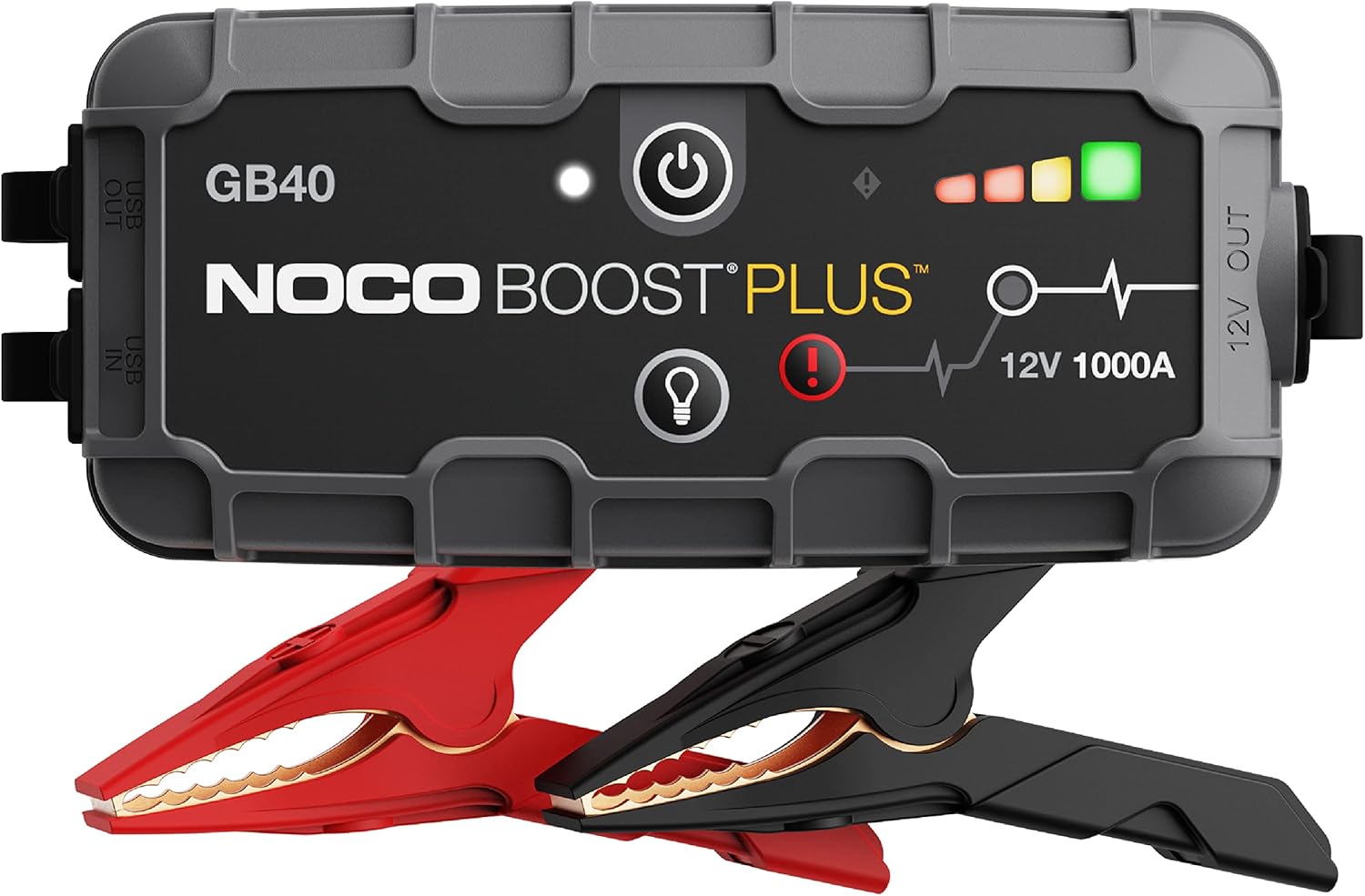
NOCO Boost Plus GB40 Jump Starter
A 1000A lithium jump starter that fits in your glovebox and works on any 12V battery. Your insurance against a dead 12V in a parking lot.
As an Amazon Associate, ThinkEV earns from qualifying purchases — at no extra cost to you.

Founder & Chief Editor
Vlad Pereira is the founder and chief editor of ThinkEV.ca, the Canadian electric-vehicle publication he writes and edits from Courtenay, British Columbia. He covers EV pricing, federal and provincial rebates, charging costs, and the Chinese manufacturers now entering Canada, from the buyer's side rather than the press-fleet side. ThinkEV is a venture of Vlad Pereira Online; his writing on health, income and the long game lives at vladpereira.com.
Frequently asked questions
When will BYD actually be available to buy in Canada?
Will BYD ever qualify for the federal EV rebate in Canada?
How does BYD's LFP Blade Battery actually perform in Canadian winters?
What is the closest competitor to BYD's Seagull in Canada right now?
Is Lotus really the first Chinese EV brand in Canada?
More EV & road-trip finds
Affordable upgrades worth a look — tap any to check the price on Amazon.
 ★ 8,681
Chemical Guys Complete Car Wash Kit
View on Amazon ★ 419
★ 419RGB Car Interior LED Strip Light
View on Amazon ★ 900
★ 900Personalized Photo Car Air Freshener
View on Amazon ★ 27,769
Car Cup Holder Coasters (4-Pack)
View on Amazon ★ 1,944
VIOFO A229 Pro 4K Dash Cam
View on Amazon ★ 87
★ 87Car Window Sun Shades for Kids (4-Pack)
View on Amazon ★ 68
★ 68WeatherTech FloorLiner for Tesla Model 3
View on Amazon ★ 2,941
Microfiber Cleaning Cloths (Multi-Pack)
View on AmazonRead, Plan, Then Stay Current
Explore our expert articles to understand incentives and ownership costs, use the map to pressure-test charging reality, then subscribe so new EV coverage comes straight to you.
Continue Reading
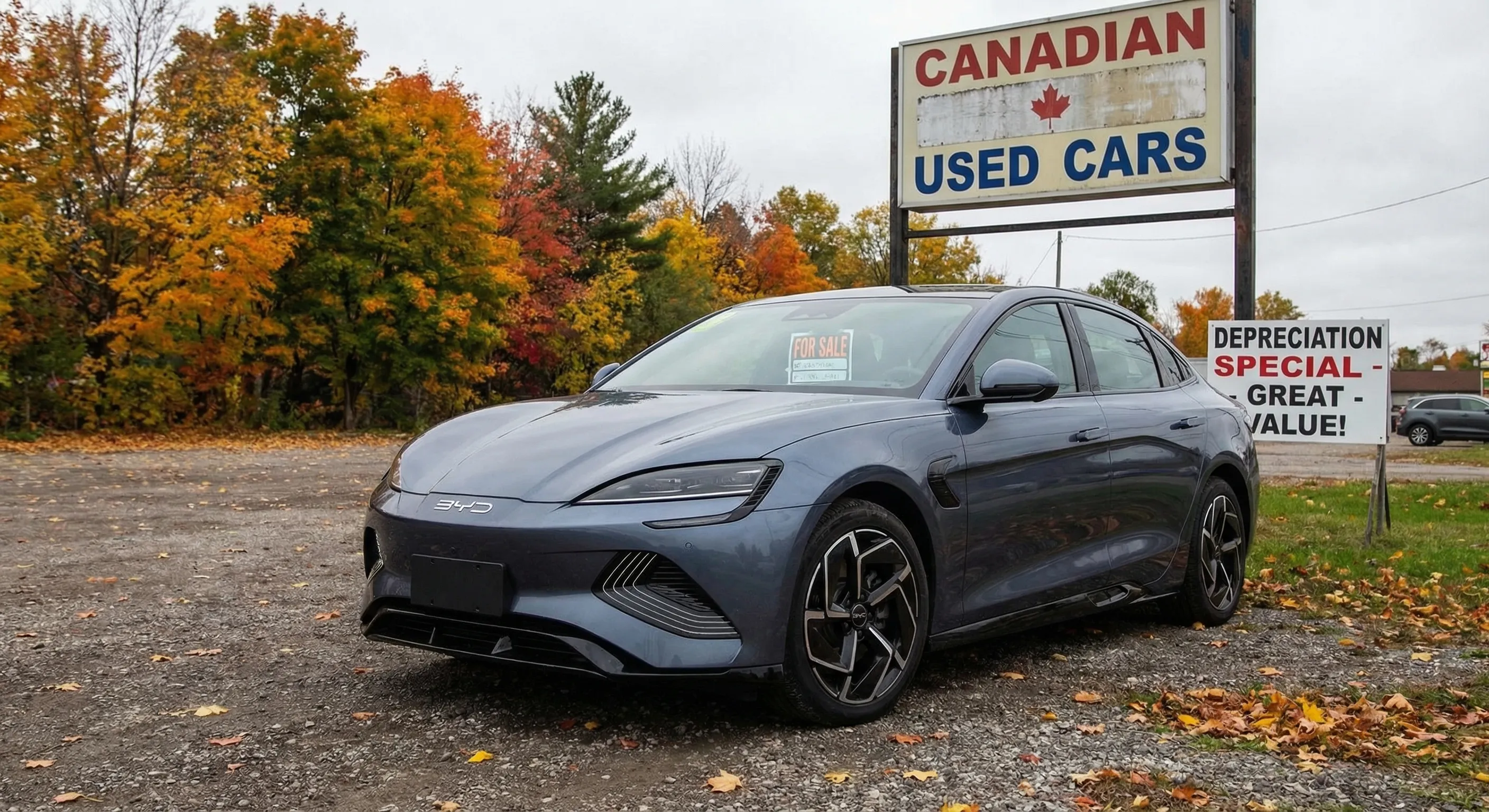
Chinese EV Resale Value in Canada: What to Expect

Chinese EVs in Canada: Security Politics vs Value
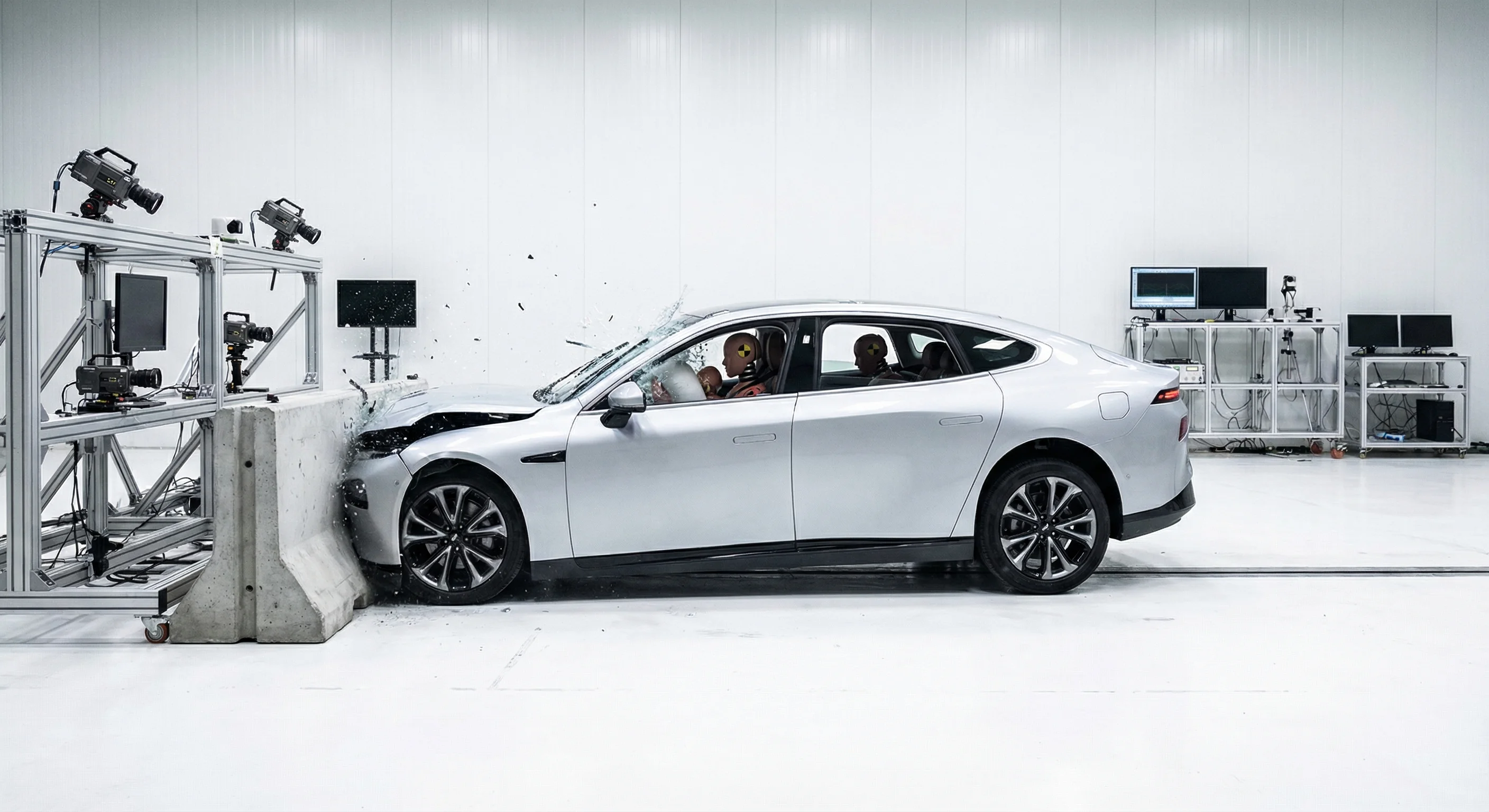
Are Chinese EVs Safe? What Euro NCAP Ratings Show
What BYD's Solid-State Battery Means for Canada

Norway's -27C Winter EV Test: Chinese Cars Beat Tesla