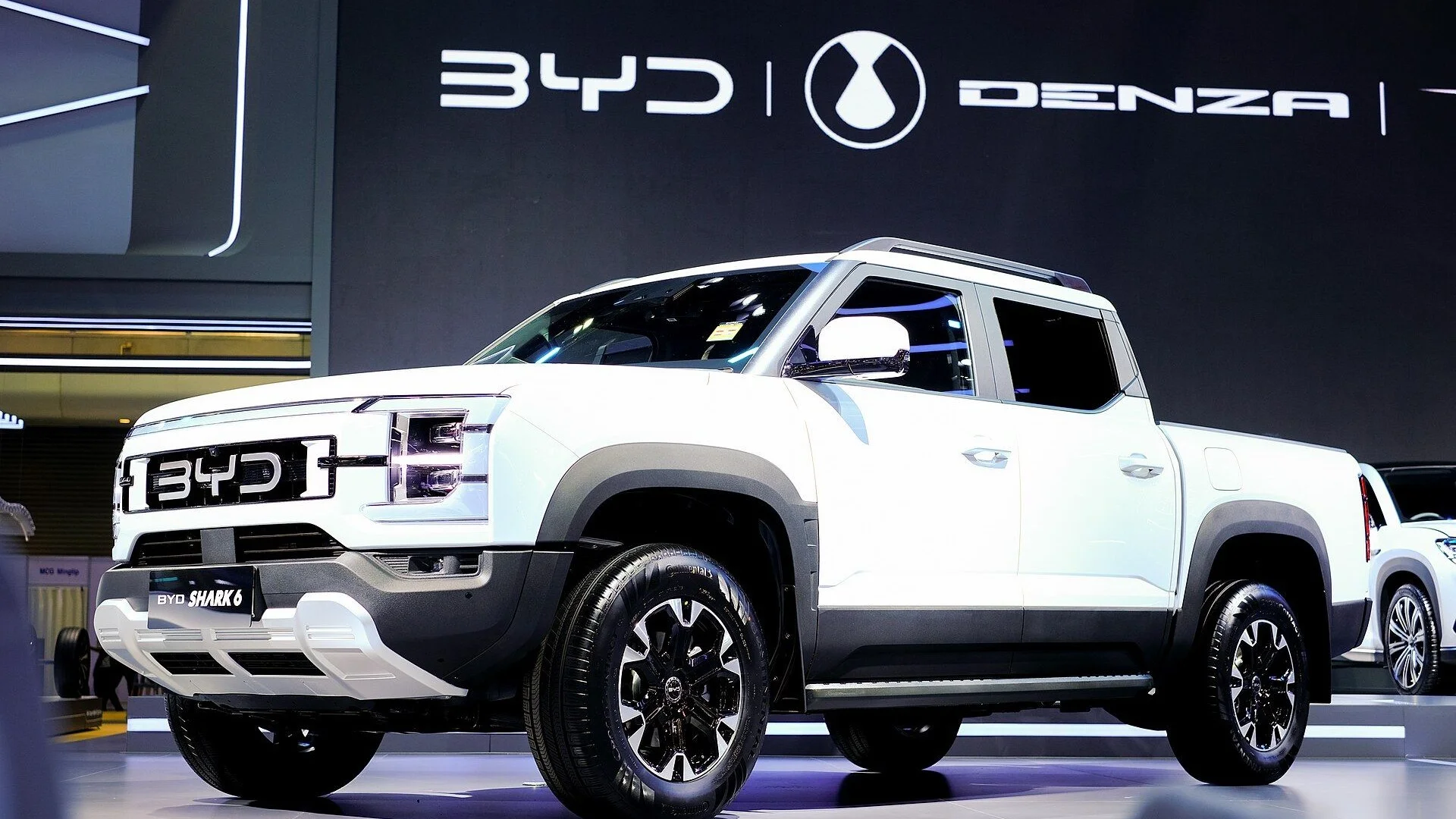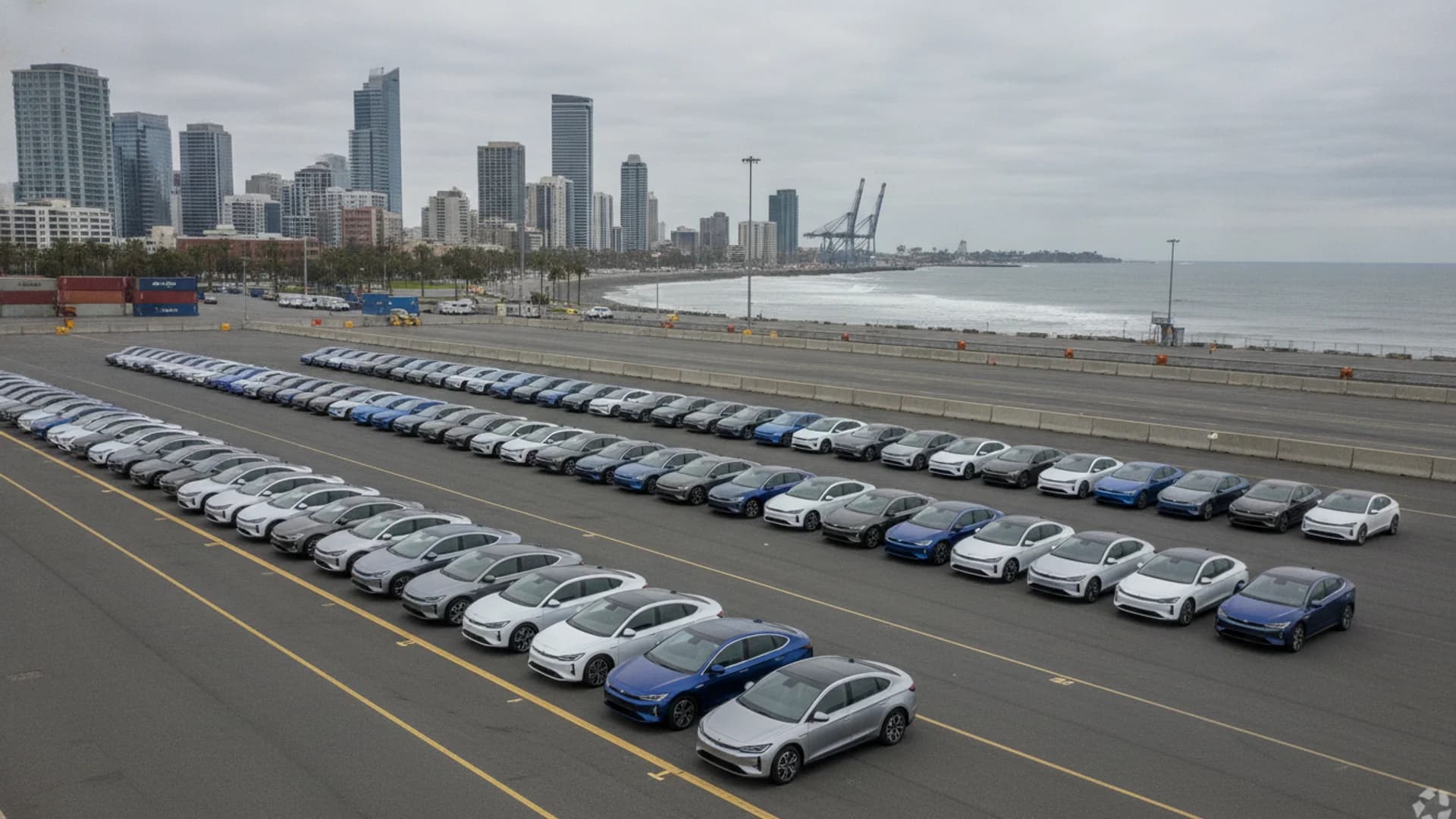
49,000 vehicles. That's the annual quota that opened Canada's door to Chinese EVs in January 2026, and so far, almost none have walked through it.
The political framing implied a flood of affordable Chinese EVs landing on Canadian lots by spring. The operational reality is that the earliest realistic showroom date for any of them is Q4 2026, the cheapest models face the worst quota economics, and not a single Chinese brand has confirmed a Canadian dealer network. The door is open. The cars are still in the warehouse.
This is the publisher's read on what's actually coming, what it will cost, and why the political messaging and the spreadsheet don't agree.
Key takeaways
- Canada's 49,000-vehicle quota opened in January 2026, but no Chinese brand has confirmed a dealer network yet.
- BYD's Dolphin targets C$31,000–35,000, but quota economics favour premium models over cheap ones reaching Canadian lots.
- Chinese-built EVs are explicitly excluded from EVAP, erasing thousands in rebates that competitors like the Equinox EV receive.
- The 2026 Norwegian winter test ranked Chinese-built EVs at the top for cold-weather range, not the middle.
- Geely already has Canadian distribution through Volvo and Polestar, giving it the shortest path to selling Chinese-badged EVs here.
What Changed in January 2026, and What Didn't
Prime Minister Mark Carney's January 2026 announcement did one specific thing: it cut the punitive tariff on Chinese-built EVs and replaced it with a quota. Prior to October 2024, vehicles from China were imported into Canada with a 6.1% tariff. That same year, the U.S. Set a 100% tariff on Chinese EVs to protect its domestic auto industry, and shortly after, Canada did the same. In January 2026, Prime Minister Mark Carney announced the tariff would be cut back to 6.1% at the beginning of March, initially with a cap of 49,000 imported Chinese vehicles per year.
That's the part that got the headlines. The part that didn't: Chinese-built EVs were explicitly carved out of the federal Electric Vehicle Affordability Program (EVAP), the rebate vehicle that actually moves price-sensitive Canadian buyers off the fence. A BYD Dolphin landing at $32,000 competes against a Chevy Equinox EV at $44,995, but the Equinox is EVAP-eligible and the Dolphin isn't. That changes the real-world price gap by thousands of dollars.
The quota is a ceiling, not a guarantee. Nothing in the policy commits any Chinese automaker to actually ship 49,000 vehicles to Canada this year, next year, or ever. It commits Canada to letting them, at a tariff rate they can absorb, up to that volume. Supply, dealer infrastructure, and homologation timelines are still entirely on the manufacturer's side of the ledger, and on every one of those fronts, the manufacturers are moving carefully.
This is the gap between the announcement and the showroom. The announcement is done. The showroom isn't.
The Models That Are Actually Coming, and When
Three Chinese automaker groups have publicly committed to entering Canada. Chinese-made models from Volvo and Polestar were also previously imported into Canada, and Geely, their parent company, has said it expects to also import electric models from Lotus, in which it holds a majority stake. Treat that as the quietly important sentence in the entire conversation, Geely already has a Canadian distribution footprint through Volvo and Polestar, which means it has the shortest path to actually selling a Chinese-badged EV here.
BYD is the volume play. The company is preparing four models for Canadian entry, Dolphin, Atto 3, Seal, and a larger SUV, with the Dolphin expected in the C$31,000–35,000 band and the Atto 3 in the C$39,000–42,000 band. Those are pre-incentive prices in a market where the comparable EVAP-eligible domestic options get a rebate the BYD does not.
Chery is the cautious entrant. Charlie Zhang, speaking for Chery, framed the company's goal as becoming a meaningful part of the Canadian market and community, not simply to sell vehicles there, and described being cautiously optimistic and trying not to over-promise anything, as there are still many details that must be finalized before they can confirm anything. Subject to regulatory approvals and other necessary conditions, if everything goes as they hope it will, they plan to be ready to sell Chery vehicles in Canada in Q4 of 2026. That language is worth taking literally. "Cautiously optimistic" and "Q4 2026" from a company executive in May does not produce vehicles on lots in September.
Lotus is the premium proof-of-concept. The Chinese-built Lotus Eletre is confirmed for Canada as a demonstrator unit in late summer 2026, a Geely play to test premium positioning before BYD's volume wave lands. For a fuller breakdown of which Chinese brands are most serious about the Canadian market and which are still trademarking nameplates, see the complete guide to every Chinese EV brand coming to Canada in 2026.
The aggregated industry view is blunt. None of these are expected to actually reach Canadian showrooms until late 2026 at the earliest. Q4 2026 is the optimistic case. 2027 is the realistic one for most buyers outside Vancouver and Toronto.
Gear worth having
As an Amazon Associate, ThinkEV earns a small commission from qualifying purchases — at no extra cost to you.

WeatherTech FloorLiner for Tesla Model 3
Deep-channel liners that trap every drop of slush and salt. The difference between a ruined interior and a showroom-fresh cabin after a Canadian winter.
As an Amazon Associate, ThinkEV earns from qualifying purchases — at no extra cost to you.
The Pricing Loophole Nobody Advertised
Of the quota math that did not make the press release. If you are an importer holding a finite slice of a 49,000-unit annual quota, every slot you fill is revenue. Every slot you fill with a $32,000 Dolphin is less revenue than every slot you fill with a $55,000 Seal or a $90,000 Eletre. The economic incentive built into the policy actively works against the cheapest models reaching Canada first, or in volume.
Gear worth having
As an Amazon Associate, ThinkEV earns a small commission from qualifying purchases — at no extra cost to you.

ChargePoint Home Flex Level 2 Charger (50A)
Premium 50A / 12 kW charger with the best app ecosystem. Hardwired or NEMA 14-50, with real-time energy tracking and smart scheduling.
As an Amazon Associate, ThinkEV earns from qualifying purchases — at no extra cost to you.
This is not a conspiracy. It is what happens when you ration access to a market by unit count rather than by dollar value. The brands that win the quota lottery are the ones who can extract the most margin per slot, which means premium trims, premium models, and premium positioning. The $31,000 Dolphin headline price is real on the manufacturer's spec sheet. Whether it survives the trip to a Canadian sales floor at that number is a different question entirely. For the deeper read on how the quota math actually constrains which models reach which buyers, see the BYD Canada model breakdown.
The domestic comparison is unforgiving. The Chevy Equinox EV lands at $44,995 with EVAP eligibility. The 2027 Chevy Bolt arrives in Q1 2026 at price points that will undercut most Chinese entrants once the rebate is applied. A Chinese EV cannot just match those numbers, it has to beat them by enough to absorb the missing rebate and still feel like a deal. That is a high bar.
Winter Performance: The Data That Should End the Debate
The most persistent objection to Chinese EVs in the Canadian discourse has been cold-weather range. The 2026 Norwegian winter EV test, the de facto global benchmark for real-world cold-weather electric performance, placed Chinese-built models at the top of the rankings this year. Not in the middle. At the top.
That data should settle the conversation. It has not, because the conversation was never primarily about engineering. The cold-weather objection was a useful proxy for a more diffuse anxiety about Chinese manufacturing quality, geopolitical exposure, and unfamiliar brands. The Norwegian data invalidates the engineering version of the objection cleanly. The other versions are not engineering claims and will not be settled by engineering data.
The remaining gap is real but different. It is charging-network integration, NACS adapter availability, dealer service infrastructure, and parts-supply chain, operational unknowns, not battery-chemistry unknowns. Those are solvable problems with time and capital. They are also exactly the problems no Chinese brand has yet publicly committed to solving in Canada.
The real buyer risk is not February range. It is where the car gets serviced in 2029.
Gear worth having
As an Amazon Associate, ThinkEV earns a small commission from qualifying purchases — at no extra cost to you.

Grizzl-E Classic Level 2 EV Charger (40A)
Canadian-made and rated for minus 40C winters. 40A / 9.6 kW, NEMA 14-50, indoor/outdoor, 24-ft cable. The charger built for Canadian weather.
As an Amazon Associate, ThinkEV earns from qualifying purchases — at no extra cost to you.
What the Established Market Looks Like by Comparison
The Canadian EV market the Chinese brands are walking into is more mature than it was even eighteen months ago. Tesla's Model Y Long Range AWD sits at $59,990. The Hyundai Ioniq 5 Standard Range AWD lands at $54,999. The Kia EV6 lineup ranges from roughly $55,995 for the Long Range RWD up to $76,995 for the GT trim. All are EVAP-eligible. All have dealer networks. All have service plans, parts pipelines, and Canadian-specific software calibrations.
A BYD Seal arriving at a notional $55,000 has to clear the Ioniq 5 on something other than price after the rebate math runs, feature density, range, or fit-and-finish. BYD's specs say it can. BYD's Canadian retail infrastructure does not yet exist to prove it. For the head-to-head that establishes the benchmark Chinese sedans need to beat, see the BYD Seal vs Tesla Model 3 comparison.
The Korean brands are the actual competitive frame, not Tesla. Tesla competes on software and Supercharger access. Hyundai and Kia compete on price, warranty, and dealer density, exactly the dimensions where Chinese entrants are weakest in year one and theoretically strongest in year three.
Gear worth having
As an Amazon Associate, ThinkEV earns a small commission from qualifying purchases — at no extra cost to you.
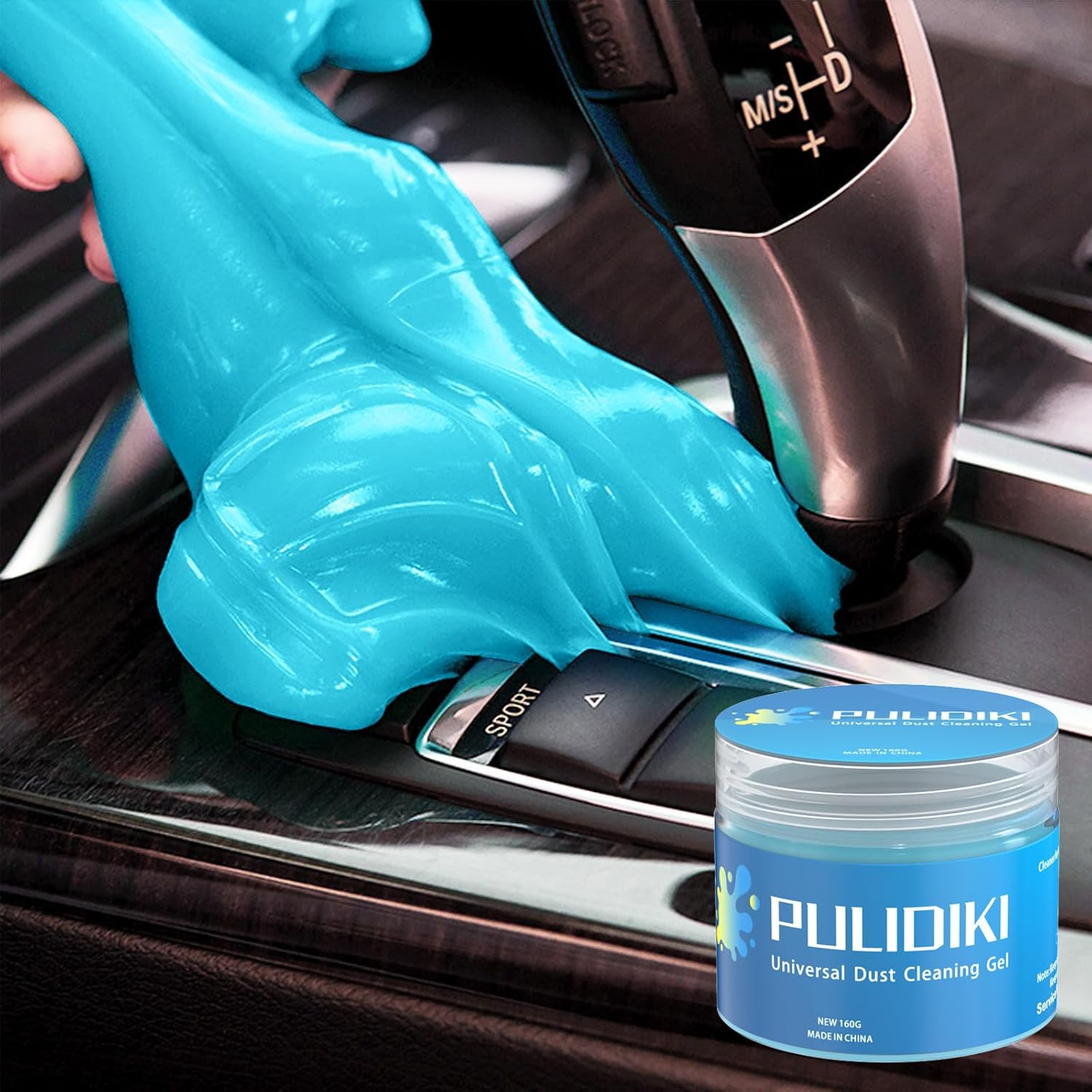
PULIDIKI Car Cleaning Gel (Detailing Putty)
Press it into vents, buttons, and seams and it lifts out dust you did not know was there. Weirdly satisfying, genuinely useful.
As an Amazon Associate, ThinkEV earns from qualifying purchases — at no extra cost to you.
The Editorial Position: Competition Is the Point
Structural competition from Chinese brands is good for Canadian EV buyers. That is the editorial position, and it does not require softening. Every additional manufacturer competing for a Canadian buyer's $45,000 puts downward pressure on the price of every other EV in that band. The Equinox EV is priced where it is partly because the segment is contested. Add three more contenders, and the price floor moves.
EVAP exclusion is not a consumer-protection measure. It is a political concession to domestic and allied manufacturers dressed up as one. A rebate that applies to a Hyundai built in Ulsan but not to a BYD built in Shenzhen is not protecting Canadian consumers from anything except a lower sticker price. If the concern is industrial policy, name it as industrial policy. The buyer subsidy is not the right tool.
The brands to watch are BYD for volume execution, Chery for whether a methodical late-2026 entrance actually lands at retail, and Lotus Eletre for whether premium Chinese positioning translates in a market dominated by German incumbents at that price point. The first one to publicly announce a Canadian dealer network with named provincial partners, not a press release about exploring partnerships, an actual network, is the one to take seriously as a 2027 force.
What would change this thesis: a quota expansion above 49,000 units, federal EVAP eligibility extended to Chinese-built EVs, or a confirmed dealer network announcement from any of the three groups before Q4 2026. None of those look likely in the next six months. All three are plausible by mid-2027.
Canada has legalized Chinese EVs without making them buyable. That gap is where the next eighteen months of EV pricing in this country will be decided.
Gear worth having
As an Amazon Associate, ThinkEV earns a small commission from qualifying purchases — at no extra cost to you.

WixGear Magnetic Air Vent Phone Mount (2-Pack)
A magnet strong enough that your phone never flinches over potholes or rail crossings. Two in the box, one for each car.
As an Amazon Associate, ThinkEV earns from qualifying purchases — at no extra cost to you.

Founder & Chief Editor
Vlad Pereira is the founder and chief editor of ThinkEV.ca, the Canadian electric-vehicle publication he writes and edits from Courtenay, British Columbia. He covers EV pricing, federal and provincial rebates, charging costs, and the Chinese manufacturers now entering Canada, from the buyer's side rather than the press-fleet side. ThinkEV is a venture of Vlad Pereira Online; his writing on health, income and the long game lives at vladpereira.com.
Frequently asked questions
Will Chinese EVs qualify for Canada's federal EV rebate?
When can Canadian buyers realistically walk into a showroom?
Does the 49,000-unit quota guarantee affordable models reach Canada?
How do Chinese EVs actually perform in Canadian-style winters?
Which Chinese brand has the shortest path to Canadian sales?
More EV & road-trip finds
Affordable upgrades worth a look — tap any to check the price on Amazon.
 ★ 392
★ 392Large Cup Holder Adapter (32-40oz)
View on Amazon ★ 4,050
Touchscreen Mist Screen Cleaner Kit
View on Amazon ★ 164
★ 164Solar-Powered LED Ambient Light
View on Amazon ★ 1,083
Crystal Push-Start Button Ring (2-Pack)
View on Amazon ★ 865
★ 865Collapsible Trunk Organizer
View on Amazon ★ 308
★ 308Coiled Lightning Car Cable for iPhone (2-Pack)
View on Amazon ★ 119
★ 119Foldable Waterproof Trunk Organizer
View on Amazon ★ 17,839
Qifutan Vent Phone Mount (Military-Grade Clip)
View on AmazonRead, Plan, Then Stay Current
Explore our expert articles to understand incentives and ownership costs, use the map to pressure-test charging reality, then subscribe so new EV coverage comes straight to you.
Continue Reading
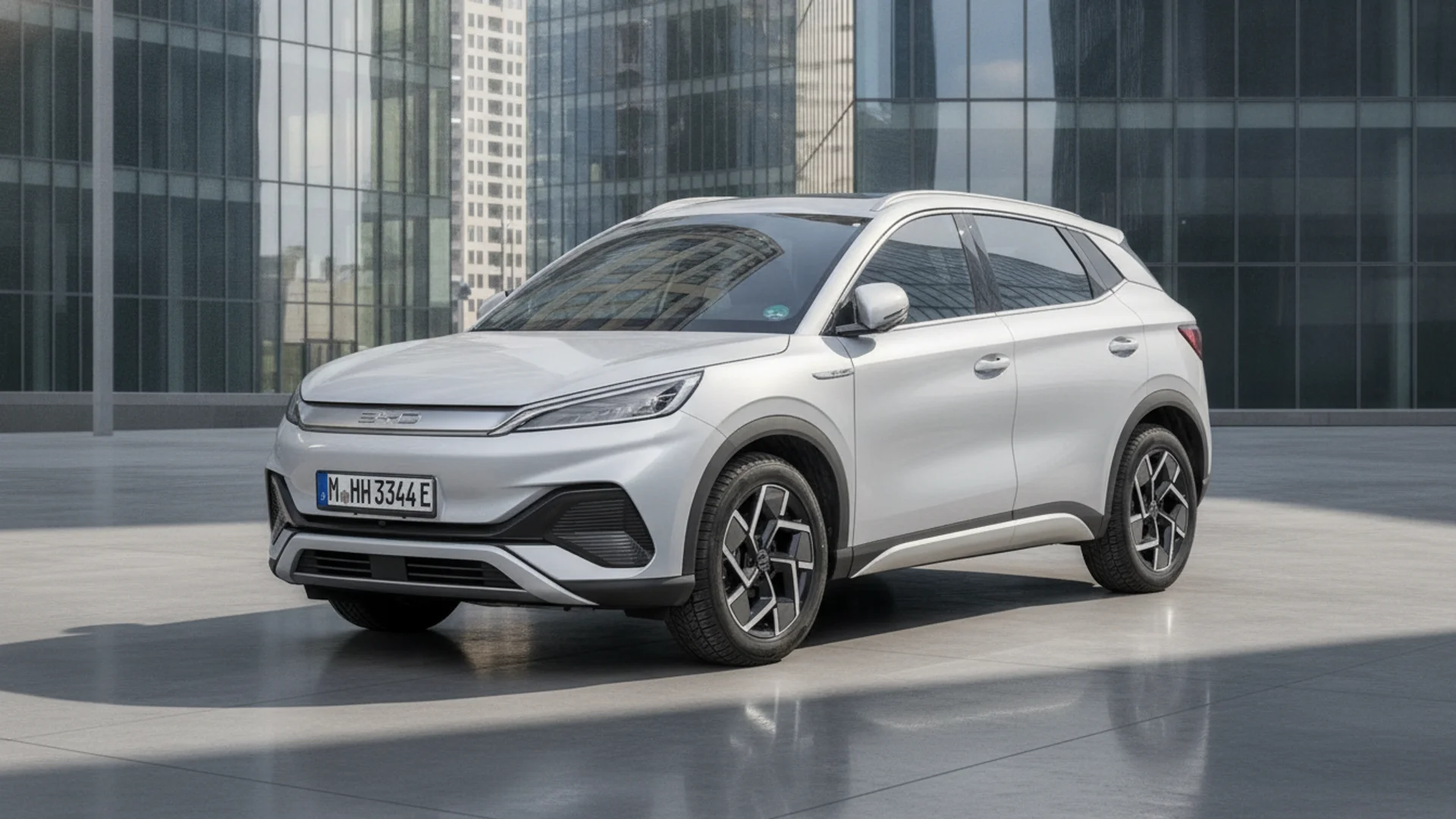
BYD Atto 3 Canada: Price, Range & EVAP Rebate (2026)
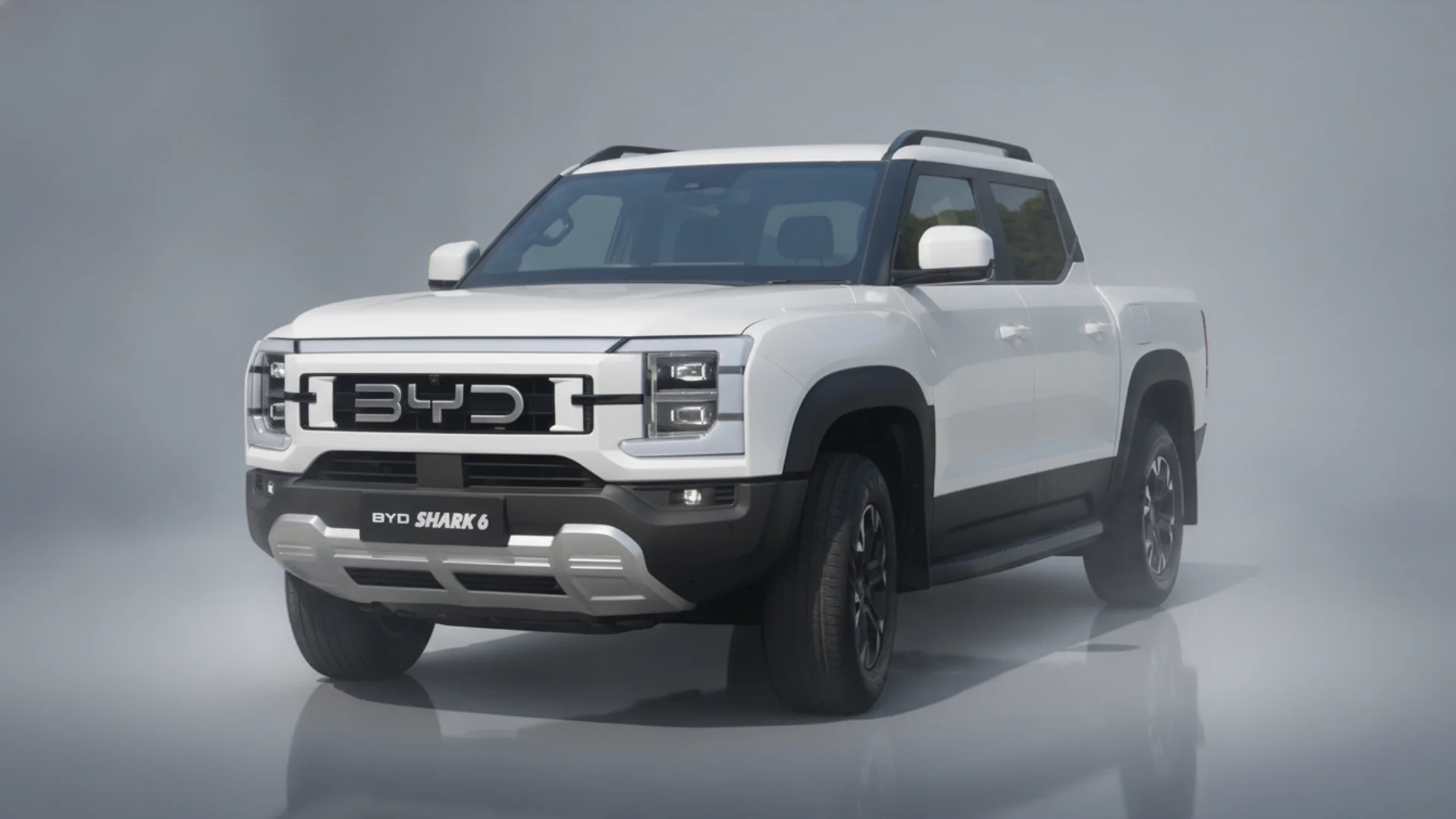
BYD Shark 6 Canada 2026: Price Band, Specs, Incentive Reality
Are Canada's Repair Shops Ready for Chinese EVs?
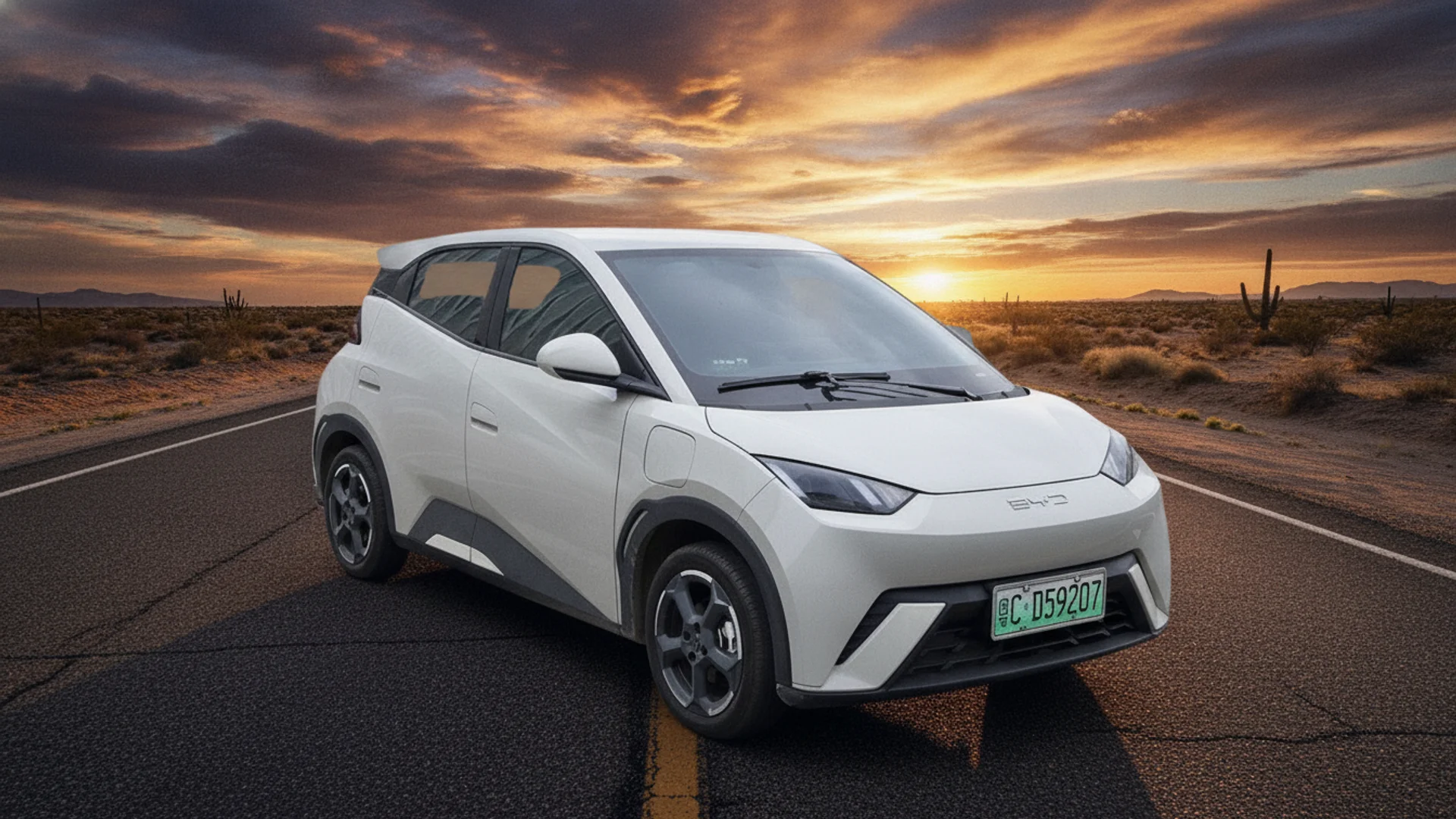
BYD Seagull Canada: Real Price, Real Specs, Real Wait
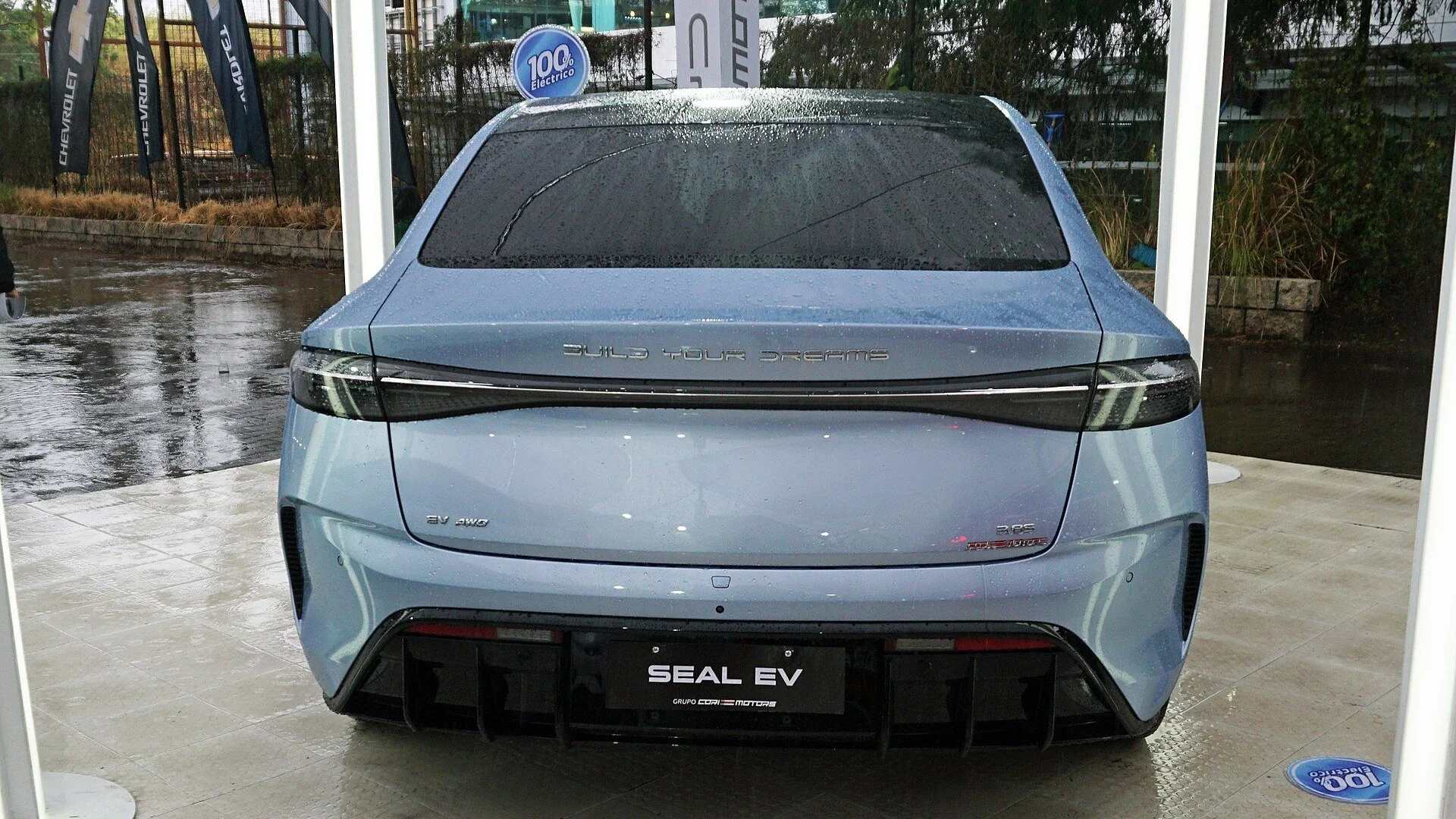
BYD Auto Explained: World's Biggest EV Maker, Blocked From Canada