Key takeaways
- At 100%, no Chinese automaker could land a vehicle at a competitive price.
- Prime Minister Mark Carney announced a new framework that allows quota-eligible Chinese-built EVs to enter at the 6.1% most-favoured-nation rate.
- Vehicles outside the quota still face the 100% surtax.
- The first allocation period is officially 24,500 vehicles from March 1 through August 31, 2026, first-come first-served.
Canada's Chinese EV policy has changed quickly, and that makes it easy for commentary to outrun the actual rules. What is now official is substantial: Canada created a permit-based path for up to 49,000 Chinese-built EVs per year to enter at the standard 6.1% MFN tariff rate, with CBSA and Global Affairs Canada rules now in force.
The Timeline: From 100% Tariff to Controlled Access
When Canada imposed a 100% tariff on Chinese-built EVs in October 2024, the effect was predictable: the market for Chinese EVs essentially closed overnight. At 100%, no Chinese automaker could land a vehicle at a competitive price.
On January 16, 2026, that changed. Prime Minister Mark Carney announced a new framework that allows quota-eligible Chinese-built EVs to enter at the 6.1% most-favoured-nation rate. Vehicles outside the quota still face the 100% surtax.
Global Affairs Canada opened the permit system on March 1, 2026. The first allocation period is officially 24,500 vehicles from March 1 through August 31, 2026, first-come first-served. The second period runs from September 1, 2026 through February 28, 2027 for another 24,500 vehicles plus any carryover.

The official Canada-China framework also talks about supporting affordable EV access over time, but the current public rules do not publish a simple year-by-year quota-growth table that buyers can treat as settled retail reality.
How Permits Are Actually Allocated
The permit process is governed by Customs Notice 26-05, issued by the Canada Border Services Agency. Importers need to obtain an import permit from Global Affairs Canada before the vehicle arrives at the border.
Permits are issued first-come, first-served. That single design choice has enormous implications. Companies with established Canadian legal entities, pre-existing relationships with Global Affairs Canada, and ready-to-go distribution infrastructure will secure permits well before smaller or newer entrants can even finish the paperwork. The system rewards incumbency and preparation, not market merit.
The permit is shipment-specific under CBSA's notice, rather than a consumer-facing reservation system. There is no lottery and no public allocation by market share described in the notice. That makes administrative readiness matter.
Pricing, Availability, and Who Gets In First
BYD appears to be the Chinese automaker most often described as ready to move first under the new system. That should give it an early administrative advantage if the public reporting is accurate. Other brands may still be working through importer readiness, certification, and distribution, the permit framework is real, but public evidence for which non-BYD brands are genuinely ready to import at scale is still incomplete. The market structure that emerges is predictable: BYD enters Canada with a meaningful inventory advantage while other Chinese brands spend most of 2026 completing paperwork. For more on how BYD secured this position, see our BYD Coming to Canada Tariff Deal breakdown.
Gear worth having
As an Amazon Associate, ThinkEV earns a small commission from qualifying purchases — at no extra cost to you.

Grizzl-E Classic Level 2 EV Charger (40A)
Canadian-made and rated for minus 40C winters. 40A / 9.6 kW, NEMA 14-50, indoor/outdoor, 24-ft cable. The charger built for Canadian weather.
As an Amazon Associate, ThinkEV earns from qualifying purchases — at no extra cost to you.
The 49,000-unit quota represents approximately 18 to 20 percent of total Canadian EV sales, based on current EV market share of roughly 15 percent of overall vehicle sales in a market that moves 1.6 to 1.8 million units per year. Whether it gets fully consumed in 2026 depends on how aggressively qualified importers pursue permits and how quickly they can deliver inventory. Permits don't equal cars on lots, a permit allocation in March 2026 still requires vehicles to be manufactured, shipped, cleared through customs, and distributed to dealers. Realistic timelines put meaningful consumer availability at mid-to-late 2026 for first movers.
Pricing will be shaped by three factors: the 6.1% tariff, shipping and logistics costs from China ($1,000 to $2,500 per vehicle), and margin structure. The resulting landed cost still gives Chinese automakers significant room to price below comparable domestic or European options. One thing to be clear on: the permit system does not publish a simple per-import affordability filter. The Canada-China framework says 50% of quota access is intended to support affordable EVs priced at or below C$35,000 by 2030, but that should not be read as an immediate 2026 per-permit rule without updated guidance from Global Affairs Canada.
Gear worth having
As an Amazon Associate, ThinkEV earns a small commission from qualifying purchases — at no extra cost to you.

Lectron Level 2 J1772 Charger (40A, WiFi)
Smart WiFi charger with real-time energy monitoring. 40A / 9.6 kW, J1772 with a NEMA 14-50 plug, schedule charging right from your phone.
As an Amazon Associate, ThinkEV earns from qualifying purchases — at no extra cost to you.
Gear worth having
As an Amazon Associate, ThinkEV earns a small commission from qualifying purchases — at no extra cost to you.
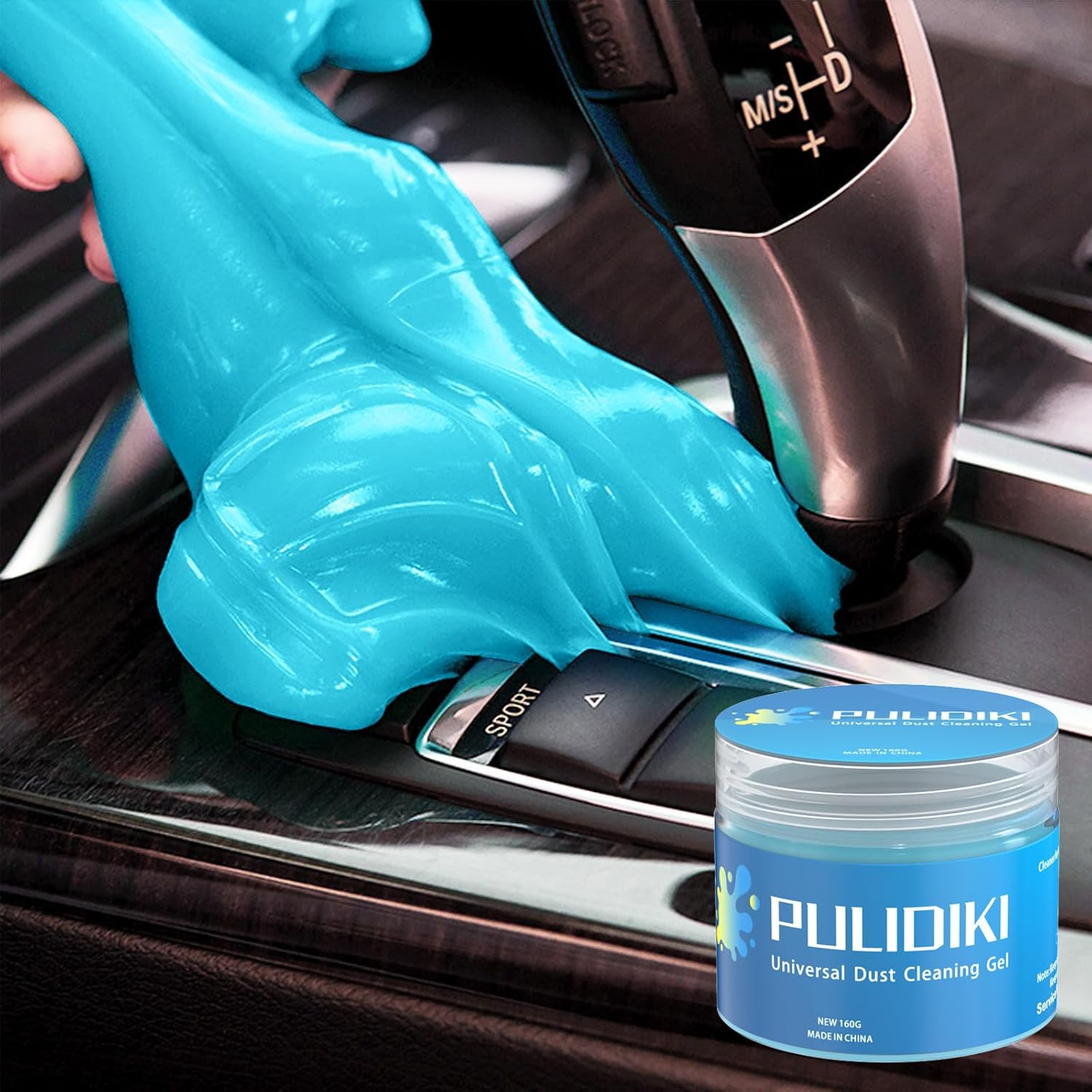
PULIDIKI Car Cleaning Gel (Detailing Putty)
Press it into vents, buttons, and seams and it lifts out dust you did not know was there. Weirdly satisfying, genuinely useful.
As an Amazon Associate, ThinkEV earns from qualifying purchases — at no extra cost to you.
The EVAP Exclusion: A Policy Contradiction Worth Naming
Buyers should not assume that entry under quota automatically makes a Chinese-built EV eligible for the same federal incentive treatment as a Canadian- or U.S.-built rival. The permit system and incentive rules are separate policy tools.
Canada is simultaneously opening a pathway for 49,000 Chinese EVs per year while structuring the incentive system to make those same vehicles less financially accessible. A buyer choosing between a Canadian-assembled EV with a $5,000 rebate and a Chinese-built EV without one is facing a $5,000 penalty for the Chinese option, even if the Chinese vehicle is technically cheaper before incentives.
For buyers, the EVAP exclusion is a fact to price in. A $5,000 rebate gap is not trivial but also not necessarily decisive if the Chinese EV is priced $8,000 to $12,000 below competitors. See our Chinese EV Brands Guide for a full breakdown of pricing.
The Bigger Picture
The 49,000-unit quota is not primarily designed to give Canadians affordable EVs. It's designed to manage a trade relationship with China while maintaining the political optics of standing firm on tariffs. By capping volume, Canada preserves leverage - both over China and over domestic automakers who might otherwise face unbounded competition.
If BYD generates strong Canadian consumer demand in 2026, expect the quota growth trajectory to be used as a negotiating chip. The consumers who just want a good EV at a fair price will, as usual, be somewhere in the middle of a negotiation they didn't ask to join.
To track which importers appear closest to actual quota usage, see Who Got Canada's First Chinese EV Import Permits.
Gear worth having
As an Amazon Associate, ThinkEV earns a small commission from qualifying purchases — at no extra cost to you.

WixGear Magnetic Air Vent Phone Mount (2-Pack)
A magnet strong enough that your phone never flinches over potholes or rail crossings. Two in the box, one for each car.
As an Amazon Associate, ThinkEV earns from qualifying purchases — at no extra cost to you.
Related Reading
- Who Got Canada's First Chinese EV Import Permits - Tracking the first companies through the door
- BYD Coming to Canada Tariff Deal - How BYD positioned itself for first-mover advantage
- Chinese EV Brands Guide - Every brand pursuing the Canadian market
Gear worth having
As an Amazon Associate, ThinkEV earns a small commission from qualifying purchases — at no extra cost to you.
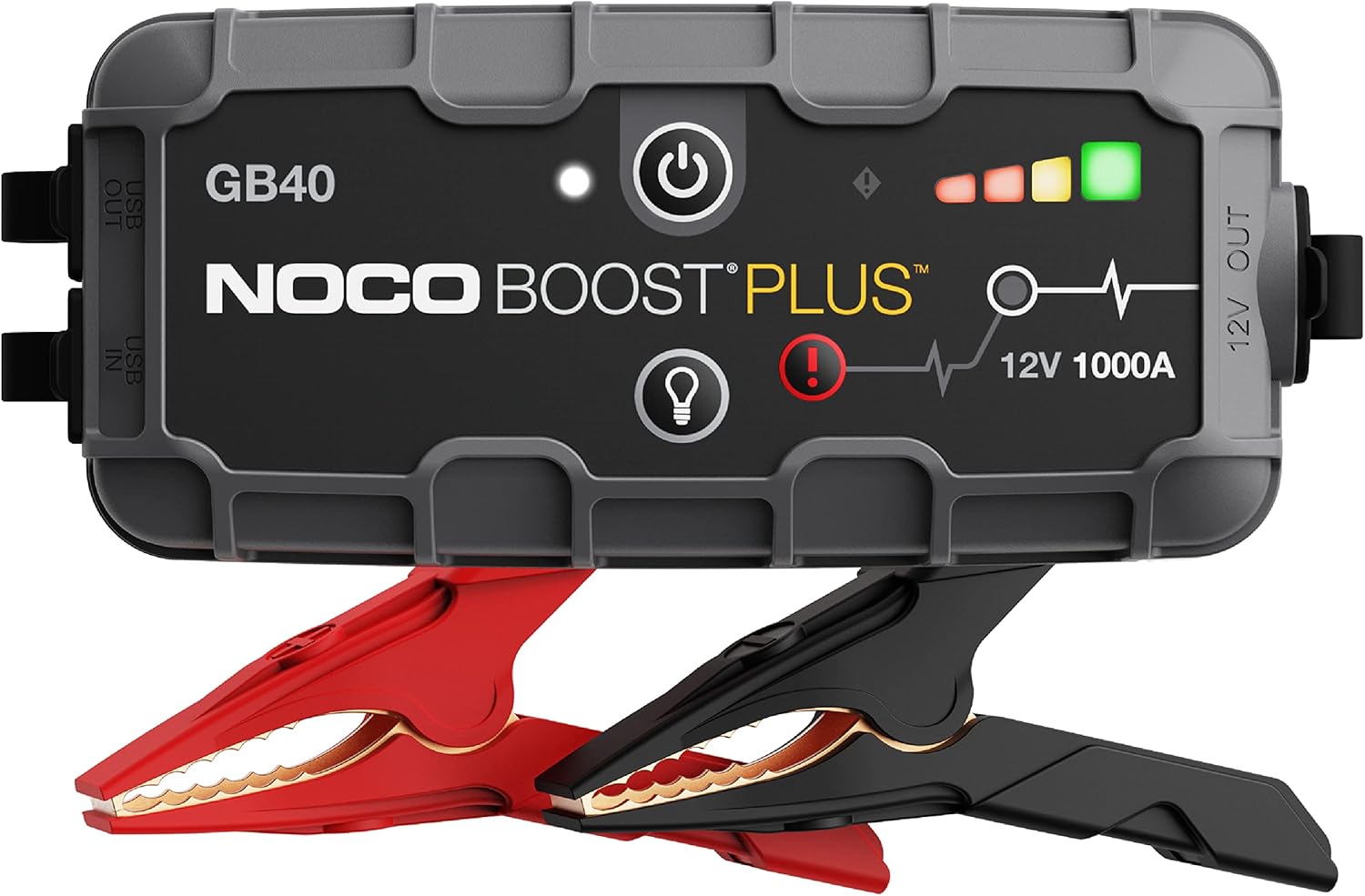
NOCO Boost Plus GB40 Jump Starter
A 1000A lithium jump starter that fits in your glovebox and works on any 12V battery. Your insurance against a dead 12V in a parking lot.
As an Amazon Associate, ThinkEV earns from qualifying purchases — at no extra cost to you.

Founder & Chief Editor
Vlad Pereira is the founder and chief editor of ThinkEV.ca, the Canadian electric-vehicle publication he writes and edits from Courtenay, British Columbia. He covers EV pricing, federal and provincial rebates, charging costs, and the Chinese manufacturers now entering Canada, from the buyer's side rather than the press-fleet side. ThinkEV is a venture of Vlad Pereira Online; his writing on health, income and the long game lives at vladpereira.com.
Frequently asked questions
How does Canada's Chinese EV quota system work?
Can any Chinese automaker apply for import permits?
What happens if the quota fills up?
Will the 49,000-unit quota increase over time?
Why don't Chinese EVs qualify for the federal EVAP rebate?
More EV & road-trip finds
Affordable upgrades worth a look — tap any to check the price on Amazon.
 ★ 1,340
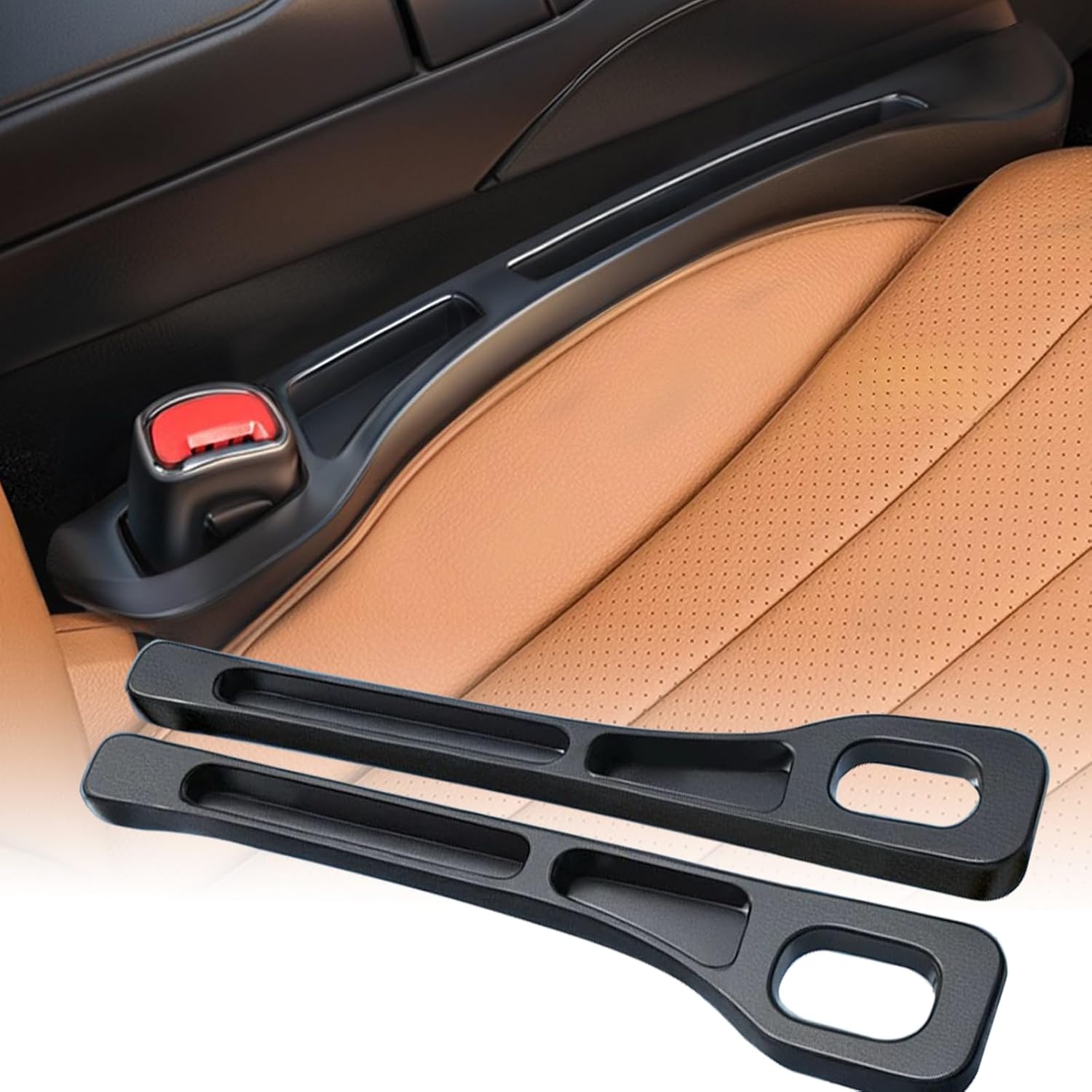
Car Seat Gap Filler (Universal)
View on Amazon ★ 692
★ 692USB-A to USB-C CarPlay Adapter (3-Pack)
View on Amazon ★ 121
★ 121Foldable Windshield Sun Umbrella
View on Amazon ★ 268
★ 268Anti-Slip Leather Steering Wheel Cover
View on Amazon ★ 9,349
Auto Detailing Brush Set (10-Piece)
View on Amazon ★ 537
★ 537USB Star Projector Roof Light
View on Amazon ★ 1,349
Cool Swinging Duck Dashboard Ornament
View on Amazon ★ 4,424
Sun Visor Card and Document Organizer
View on AmazonRead, Plan, Then Stay Current
Explore our expert articles to understand incentives and ownership costs, use the map to pressure-test charging reality, then subscribe so new EV coverage comes straight to you.
Continue Reading
Denza Z9GT Spotted in Melbourne: 1000km Range, 9-Min Charge
MG Motors Philippines Launches S5 EV at ₱1.4M

Tesla Confirms Next-Gen Roadster Reveal October 1 in Waco

BYD Denza Z9 GT Adds $50K Tri-Motor Trim to China's Top GT
Audi A2 e-tron: 401-Mile Range, ~$45,000 Entry Point