Key takeaways
- At an expected Canadian starting point around the mid-$40,000s, it costs materially less than a Tesla Model 3 Long Range.
- Zero to 100 km/h happens in 5.9 seconds, not face-melting fast, but quick enough that highway merging on the 401 is genuinely enjoyable rather than nerve-wracking.
- The battery holds 82.5 kWh in the widely cited global-spec version and delivers an official range of 530 km.
- Figure 25-30 minutes from 10% to 80% under good conditions.
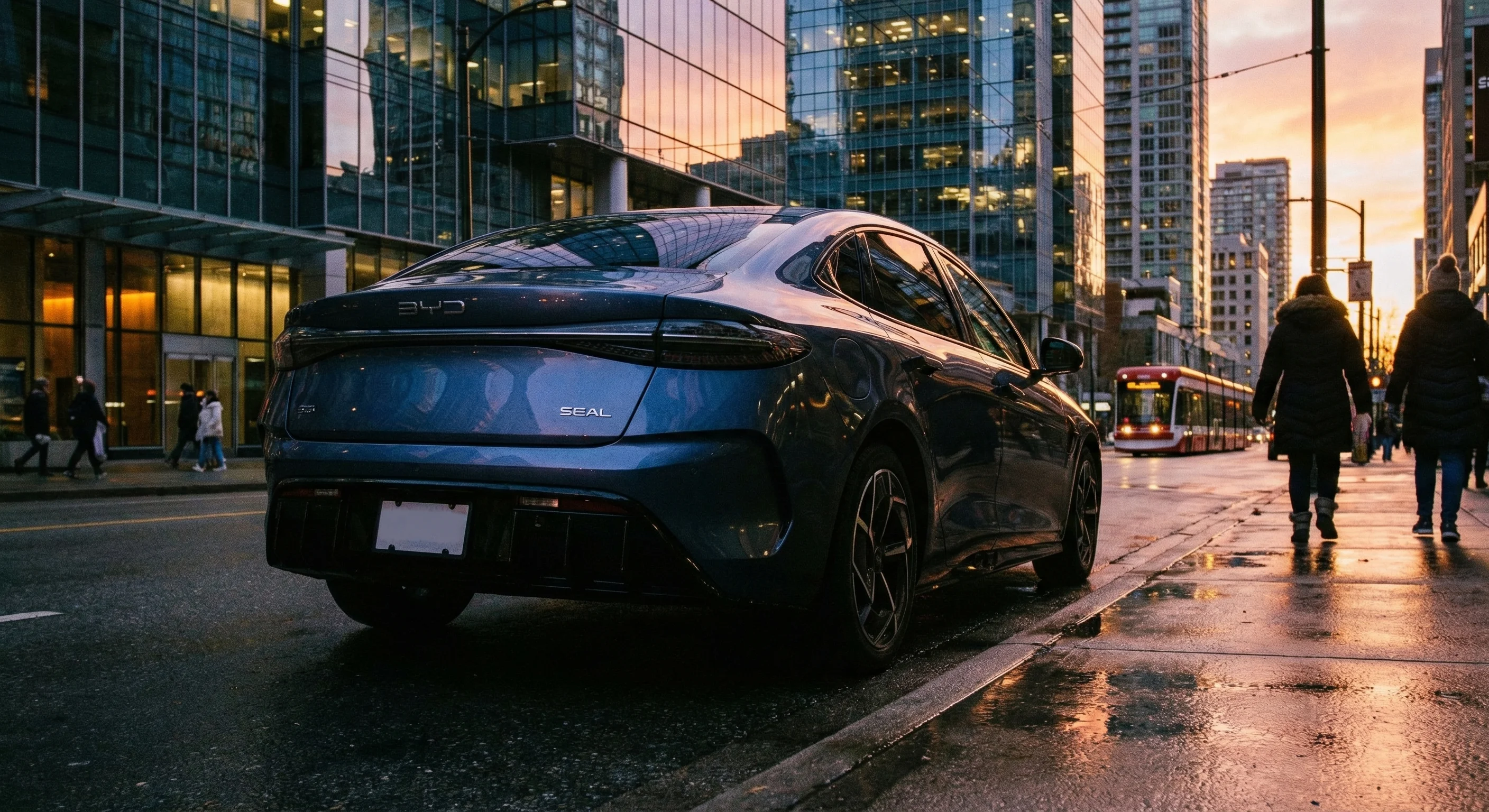
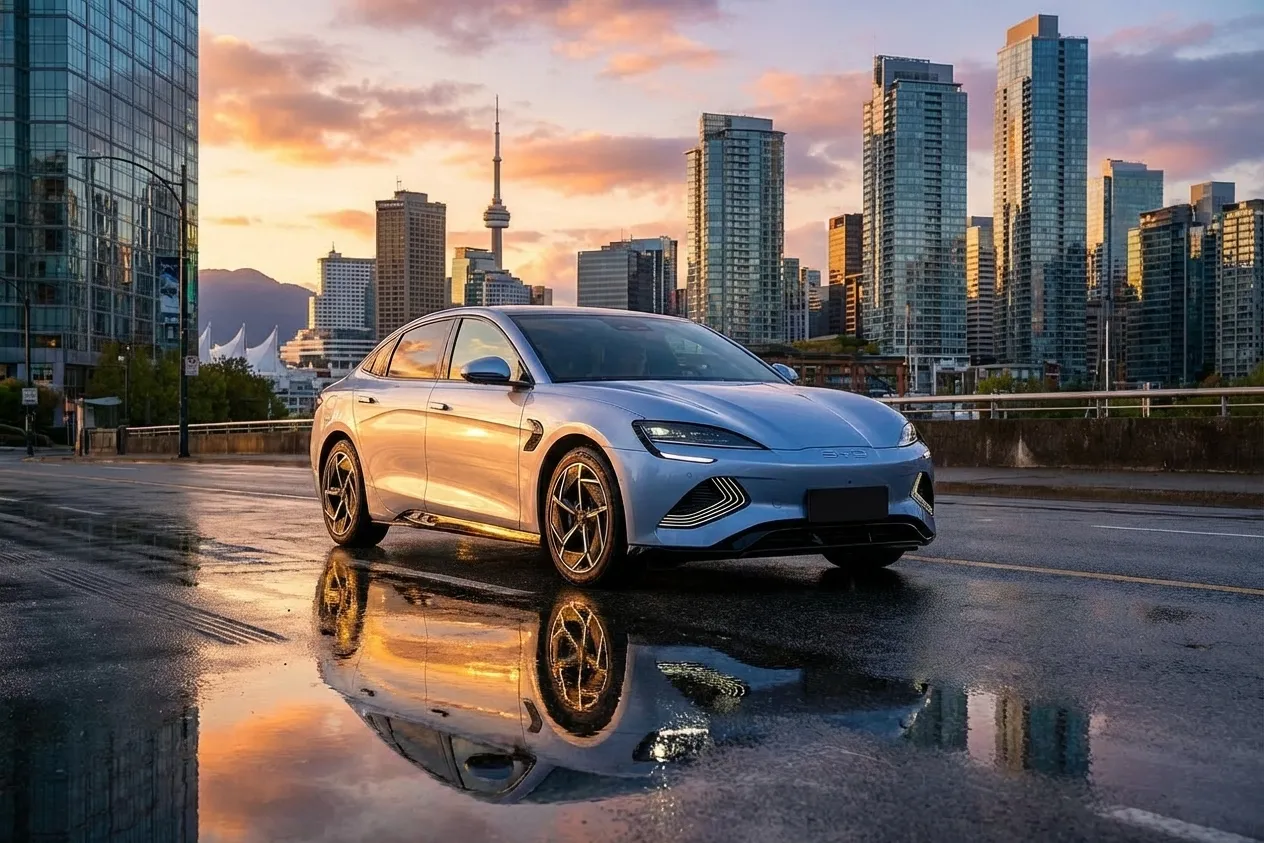
The BYD Seal arrives at an expected Canadian starting point in the mid-$40,000s with Nappa leather seats, a 12-speaker Harman Kardon audio system, a 530 km official range, and a 15.6-inch rotating screen. At that price, against a Tesla Model 3 Long Range, the gap is real enough that you start looking for where they cut corners.
At an expected Canadian starting point around the mid-$40,000s, it costs materially less than a Tesla Model 3 Long Range. That gap is real enough to matter. The correction is that the Seal's Canadian retail story still needs to be treated as an expected launch position, not a fully settled nationwide showroom fact.
So I went looking for where they cut corners. The seats? Nappa leather. Actual Nappa leather, not the "leatherette" nonsense you get in cars twice the price. The 15.6-inch screen rotates between horizontal and portrait with a button press. Harman Kardon audio with twelve speakers. Those features are part of the widely cited global-spec package, but Canadian trim packaging still needs to be treated as expected rather than fully finalized.
I kept waiting for the asterisk. It didn't come.
BYD is the world's largest EV manufacturer. They make their own batteries, their own motors, their own semiconductors, with the vertical integration that other automakers have been promising for a decade. And they've decided to use that efficiency not to maximise profit margins but to make the established players look overpriced.
It's working.
The Numbers That Made Me Doubt My Spreadsheet
The Seal produces 308 horsepower from a single rear motor. Zero to 100 km/h happens in 5.9 seconds, not face-melting fast, but quick enough that highway merging on the 401 is genuinely enjoyable rather than nerve-wracking.
The battery holds 82.5 kWh in the widely cited global-spec version and delivers an official range of 530 km. In practice, with mixed city-highway driving in moderate weather, I'd expect less. In a Toronto winter, less again. The point is not to lock in a fantasy number. The point is that the Seal looks competitive on published battery and range data.
DC fast charging peaks at 150 kW. At a 350 kW Electrify Canada station, you're limited by the car, not the charger. But 150 kW is still plenty fast. Figure 25-30 minutes from 10% to 80% under good conditions. Longer in cold weather, because physics.
The Seal weighs 2,150 kg. That's about 200 kg more than a comparable BMW 330i, which you feel in the corners. It's planted and stable rather than nimble and playful. Think luxury sedan, not sports sedan.
Why The Blade Battery Actually Matters
I keep coming back to the battery thing because it genuinely changes the ownership experience.
BYD uses lithium iron phosphate chemistry (LFP) in a cell-to-pack design they call the Blade Battery. Without getting too deep into electrochemistry, LFP is generally more thermally stable than the nickel-rich chemistries most EV buyers hear about. That is one reason the Blade Battery gets so much attention.
BYD's published abuse-testing demonstrations show far lower temperature escalation than the nickel-based comparison cases the company uses. That supports the broader point that the Blade Battery's LFP chemistry prioritizes thermal stability, even if company-run demonstrations should not be treated as the whole safety story.
Is this why I'd buy the Seal? Not really. But it's why I'd sleep fine with it parked in the garage. And for a lot of people, that peace of mind matters more than they realize until they think about it.
The other LFP advantage is longevity. These cells can handle 3,000-5,000 charge cycles before meaningful degradation, compared to 1,000-2,000 for nickel chemistry. BYD warranties the battery for 8 years and 160,000 km, but the underlying technology should go significantly longer.
You can also charge to 100% every day without guilt. LFP doesn't degrade from high state-of-charge the way nickel cells do. Just plug in overnight and let it fill up completely.
The Interior Is Where Things Get Uncomfortable (For BMW)
This is where the price gap becomes hardest to explain.

The seats are Nappa leather. Real Nappa leather. I checked. The stitching is tight and even. The bolstering provides actual support rather than just looking nice for photos.
The 15.6-inch center screen rotates. It's a party trick, sure, but it's also genuinely useful: portrait mode works better for navigation, horizontal works better for media controls. The software running on it is Chinese-developed, which means occasional translation weirdness and menu structures that feel unfamiliar. But CarPlay and Android Auto work wirelessly, which is probably all you'll use anyway.
Ambient lighting runs 256 colors and wraps around the cabin in ways that feel designed rather than afterthought. The Harman Kardon audio system sounds genuinely good. Not Bowers & Wilkins good, but solidly in the "you don't need to upgrade this" bracket.
Materials throughout the cabin are soft-touch where your hands go and harder plastic where they don't. It's clever resource allocation rather than cutting corners.
What you don't get: the minimalist design language of a Tesla or the decades of refined ergonomics from German brands. The Seal's interior design is bold in ways that might not age perfectly. But right now, in 2026, it photographs well and feels more expensive than it is.
Driving: Comfortable Before Anything Else
The Seal is not a driver's car in the way a BMW 3 Series is a driver's car.
Steering is precise but not particularly communicative. You know where the front wheels are pointing, but you don't feel the road surface through your palms. Suspension is tuned for comfort over handling, which is the right call for a sedan at this price point. Sports sedan enthusiasts will be disappointed.
What it does well: isolation. Highway cruising is quiet and composed. Rough Toronto pavement doesn't crash through the cabin. The low center of gravity (thank you, skateboard battery) means body roll is minimal even though the suspension is soft.
Gear worth having
As an Amazon Associate, ThinkEV earns a small commission from qualifying purchases — at no extra cost to you.

VIOFO A229 Pro 4K Dash Cam
4K front plus 2K rear with parking mode and GPS. Your silent witness for insurance claims, with always-on sentry recording while parked.
As an Amazon Associate, ThinkEV earns from qualifying purchases — at no extra cost to you.
Regenerative braking offers multiple levels including one-pedal driving. The transition from regen to friction brakes is smooth enough that you don't really notice it, which is surprisingly rare.
The driver assistance suite is comprehensive: adaptive cruise, lane keeping, blind spot monitoring, 360-degree camera. It's not Tesla Autopilot, and BYD doesn't claim it is. But it handles highway driving competently and the automatic emergency braking actually works when you test it.
Gear worth having
As an Amazon Associate, ThinkEV earns a small commission from qualifying purchases — at no extra cost to you.
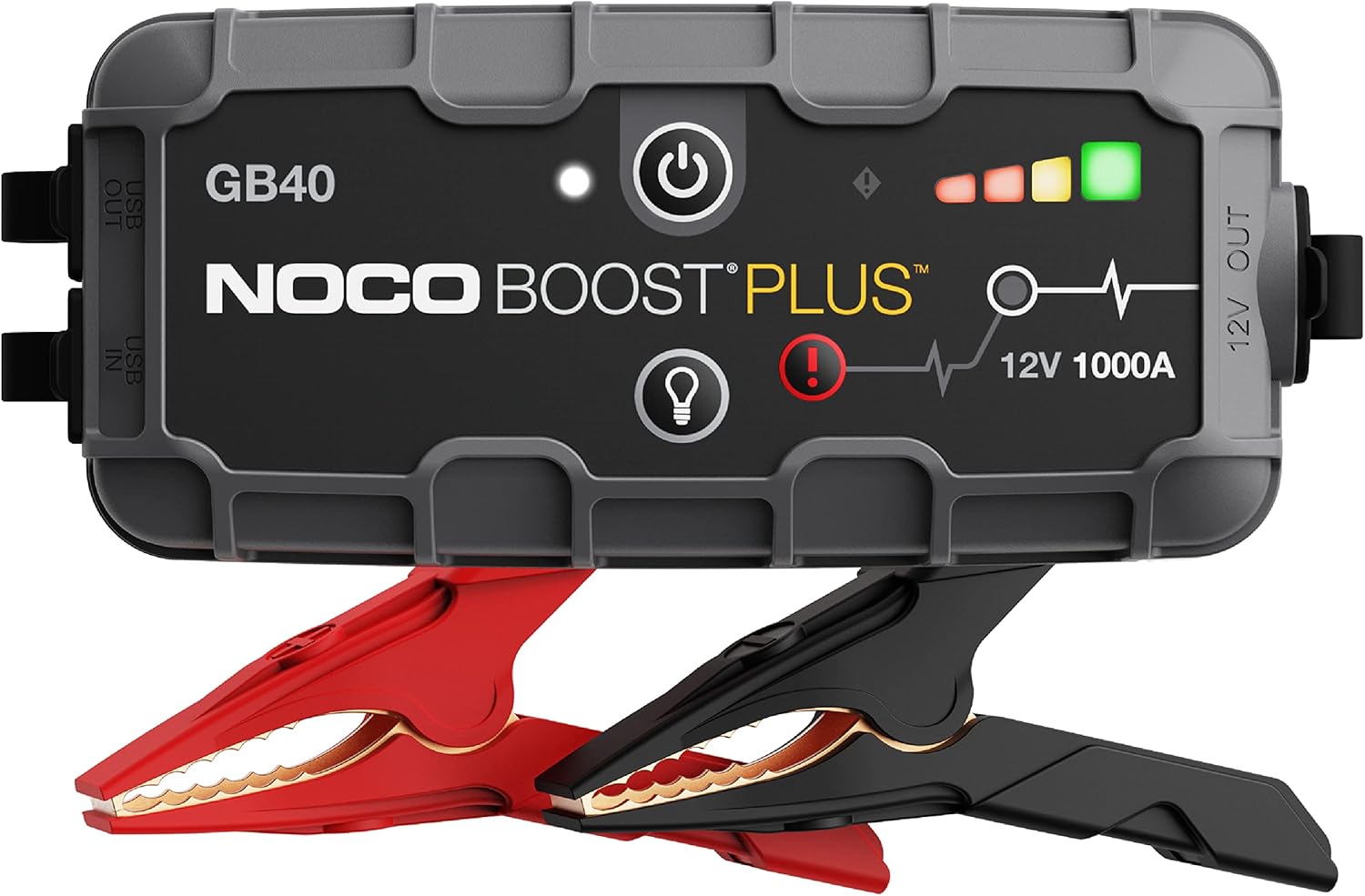
NOCO Boost Plus GB40 Jump Starter
A 1000A lithium jump starter that fits in your glovebox and works on any 12V battery. Your insurance against a dead 12V in a parking lot.
As an Amazon Associate, ThinkEV earns from qualifying purchases — at no extra cost to you.
Winter: The Real Test
A word about the limitations here: the Seal is rear-wheel drive only. There's no all-wheel drive option.
With proper winter tires, RWD handles most Canadian winter driving fine. The low center of gravity helps with stability. The traction control is well-calibrated. But if you regularly deal with unplowed roads or steep driveways in January, physics is physics.
The heat pump helps with efficiency. Battery preconditioning warms the pack before you leave if you set a departure time, which improves cold-start range and DC charging speed. These are smart features that show BYD has thought about cold-climate operation.
Expect 25-30% range reduction in winter. That's normal for EVs. The Seal's 530 km rating becomes maybe 370-400 km in a Toronto January. Still enough for daily driving without range anxiety.
How It Stacks Up: The Trade-offs
Here's what $44,990 competes with in Canada. A Tesla Model 3 Long Range costs about $54,990: better charging network, more polished software, proven reliability data, but less range (491 km vs 530 km), a less luxurious interior, and $10,000 more. A BMW i4 eDrive35 starts at $65,000: the badge, the driving dynamics, the dealer network, but less range (425 km), a smaller battery (66 kWh vs 83 kWh), and $20,000 more. A Hyundai Ioniq 6 SE runs about $53,000: faster 800V charging and proven Korean reliability, but less range (488 km) and a less premium-feeling interior. In every comparison, the Seal offers more car for less money.
The question is whether "more car" is what you value, or whether brand familiarity, charging infrastructure, and proven resale values are worth the premium. Let me be clear about what you're giving up. Brand recognition is zero in Canada. When you tell people you bought a BYD, they'll say "a what? " You're an early adopter whether you wanted to be or not.
The dealer and service network is still developing. Buyers should verify the practical local sales and service footprint directly rather than treating any city list as permanently settled, and parts availability for unusual items may involve longer wait times than an established brand. Resale value is unknown; Tesla holds 50-60% after 5 years, Hyundai holds 45-55%, BYD in Canada is anyone's guess.
You might take a bigger depreciation hit, though the lower purchase price provides some buffer. Software updates happen over-the-air, but the software itself is less mature than Tesla's.
The Math After Incentives
Canadian pricing for the base Seal has been discussed around $44,990. The BYD Seal doesn't qualify for the federal EVAP rebate, EVAP requires vehicles manufactured in Canada or a free trade agreement country, and BYD builds in China. In BC, the CleanBC rebate is paused as of March 2026. In Quebec, the Roulez vert structure can improve the math further if the final Canadian MSRP and eligibility align the way current reporting suggests. In Ontario, there is no provincial purchase rebate. Compare that to a Tesla Model 3 Long Range at $54,990, which also doesn't qualify for EVAP since it exceeds the $50,000 cap. You're still saving roughly $10,000-$12,000 depending on province. At those numbers, the Seal isn't just a good value. It's a different category of decision.
Gear worth having
As an Amazon Associate, ThinkEV earns a small commission from qualifying purchases — at no extra cost to you.

Grizzl-E Classic Level 2 EV Charger (40A)
Canadian-made and rated for minus 40C winters. 40A / 9.6 kW, NEMA 14-50, indoor/outdoor, 24-ft cable. The charger built for Canadian weather.
As an Amazon Associate, ThinkEV earns from qualifying purchases — at no extra cost to you.
The Seal makes sense if you've always wanted a premium EV but couldn't justify $60,000-$70,000 for a sedan. If you value interior quality over brand prestige. If you charge at home most of the time and don't need Tesla's Supercharger network. If you're comfortable being an early adopter. It makes less sense if resale value is critical to your financial calculations. If you need all-wheel drive for winter. If you take long road trips frequently and want the fastest possible charging infrastructure. If you're risk-averse and prefer brands with decades of Canadian presence.
The Uncomfortable Implication for German Brands
If the Seal lands in Canada near the currently discussed price band, it will make German luxury brands nervous. Not because BYD is better at everything (they're not), but because they've proven that a lot of what we pay for in "premium" cars is margin, not cost.
Real Nappa leather doesn't cost $10,000. Harman Kardon speakers don't cost $5,000. Rotating screens don't cost $3,000. We've just been told they do, implicitly, through pricing that reflects what the market would bear rather than what things cost to make.
BYD is calling that bluff.
I don't know if they'll succeed in Canada. Brand matters here. Service networks matter. Familiarity matters. But they've made the conversation uncomfortable for everyone charging premium prices, and that competition benefits Canadian buyers regardless of which car they end up buying.
That might be the Seal's real contribution.
Gear worth having
As an Amazon Associate, ThinkEV earns a small commission from qualifying purchases — at no extra cost to you.
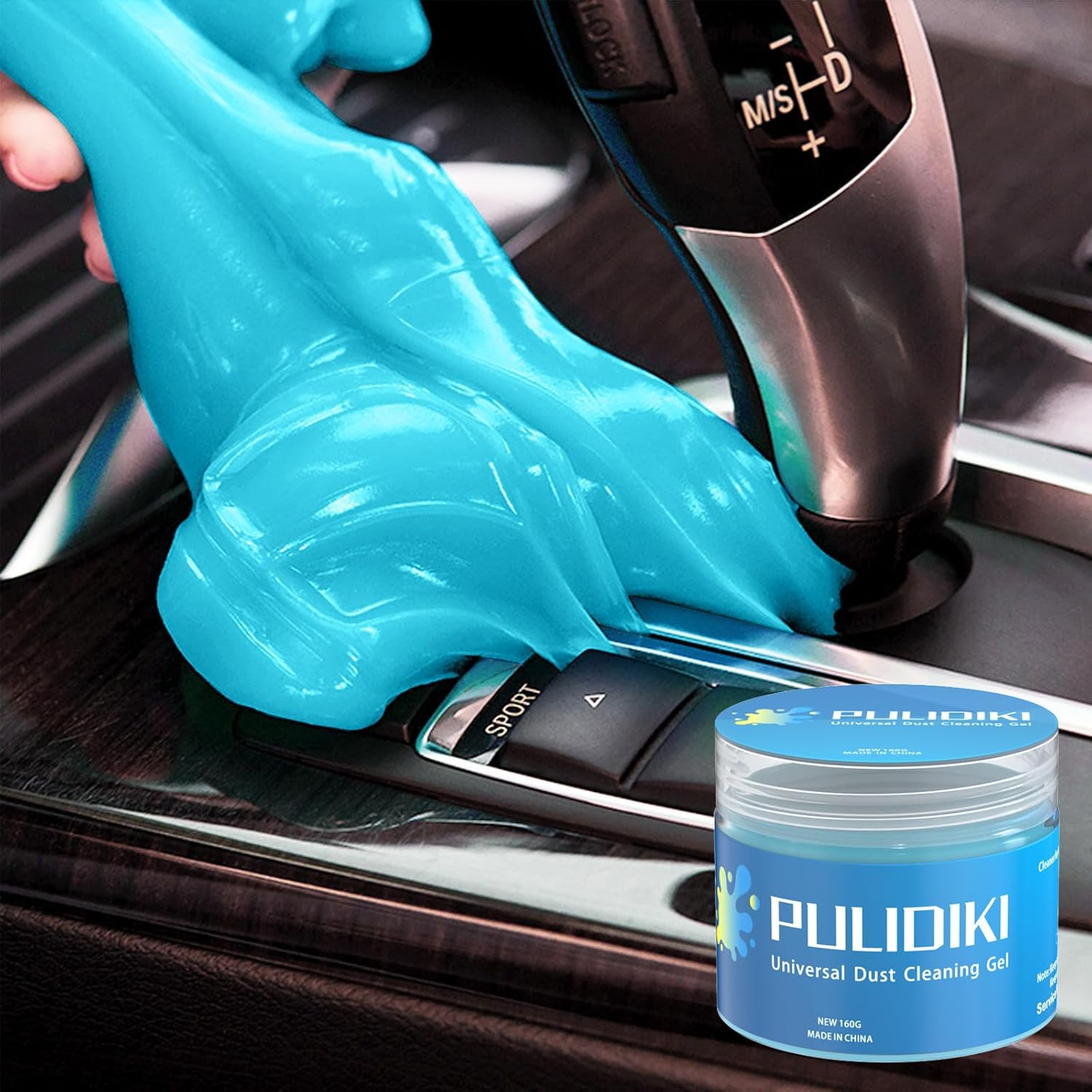
PULIDIKI Car Cleaning Gel (Detailing Putty)
Press it into vents, buttons, and seams and it lifts out dust you did not know was there. Weirdly satisfying, genuinely useful.
As an Amazon Associate, ThinkEV earns from qualifying purchases — at no extra cost to you.
Related Reading
- BYD Seal vs Tesla Model 3, The $10,000 question answered.
- BYD Dolphin Canada Review, BYD's more affordable offering.
- EV Safety Ratings, How BYD scores in crash testing.
Gear worth having
As an Amazon Associate, ThinkEV earns a small commission from qualifying purchases — at no extra cost to you.

WixGear Magnetic Air Vent Phone Mount (2-Pack)
A magnet strong enough that your phone never flinches over potholes or rail crossings. Two in the box, one for each car.
As an Amazon Associate, ThinkEV earns from qualifying purchases — at no extra cost to you.

Founder & Chief Editor
Vlad Pereira is the founder and chief editor of ThinkEV.ca, the Canadian electric-vehicle publication he writes and edits from Courtenay, British Columbia. He covers EV pricing, federal and provincial rebates, charging costs, and the Chinese manufacturers now entering Canada, from the buyer's side rather than the press-fleet side. ThinkEV is a venture of Vlad Pereira Online; his writing on health, income and the long game lives at vladpereira.com.
Frequently asked questions
Does the BYD Seal qualify for Canada's EVAP rebate?
What charging network does the BYD Seal use?
How does the Seal's Blade Battery perform in winter?
More EV & road-trip finds
Affordable upgrades worth a look — tap any to check the price on Amazon.
 ★ 61
★ 61Toddler Car Seat Snack and Cup Tray
View on Amazon ★ 17,839
Qifutan Vent Phone Mount (Military-Grade Clip)
View on Amazon ★ 12,051
Windex Electronics Screen Wipes
View on Amazon ★ 164
★ 164Solar-Powered LED Ambient Light
View on Amazon ★ 401
★ 401Crochet Daisy Rear-View Mirror Charm
View on Amazon ★ 979
★ 979Leather Headrest Purse Hook
View on Amazon ★ 308
★ 308Coiled Lightning Car Cable for iPhone (2-Pack)
View on Amazon ★ 87
★ 87Car Window Sun Shades for Kids (4-Pack)
View on AmazonRead, Plan, Then Stay Current
Explore our expert articles to understand incentives and ownership costs, use the map to pressure-test charging reality, then subscribe so new EV coverage comes straight to you.
Continue Reading
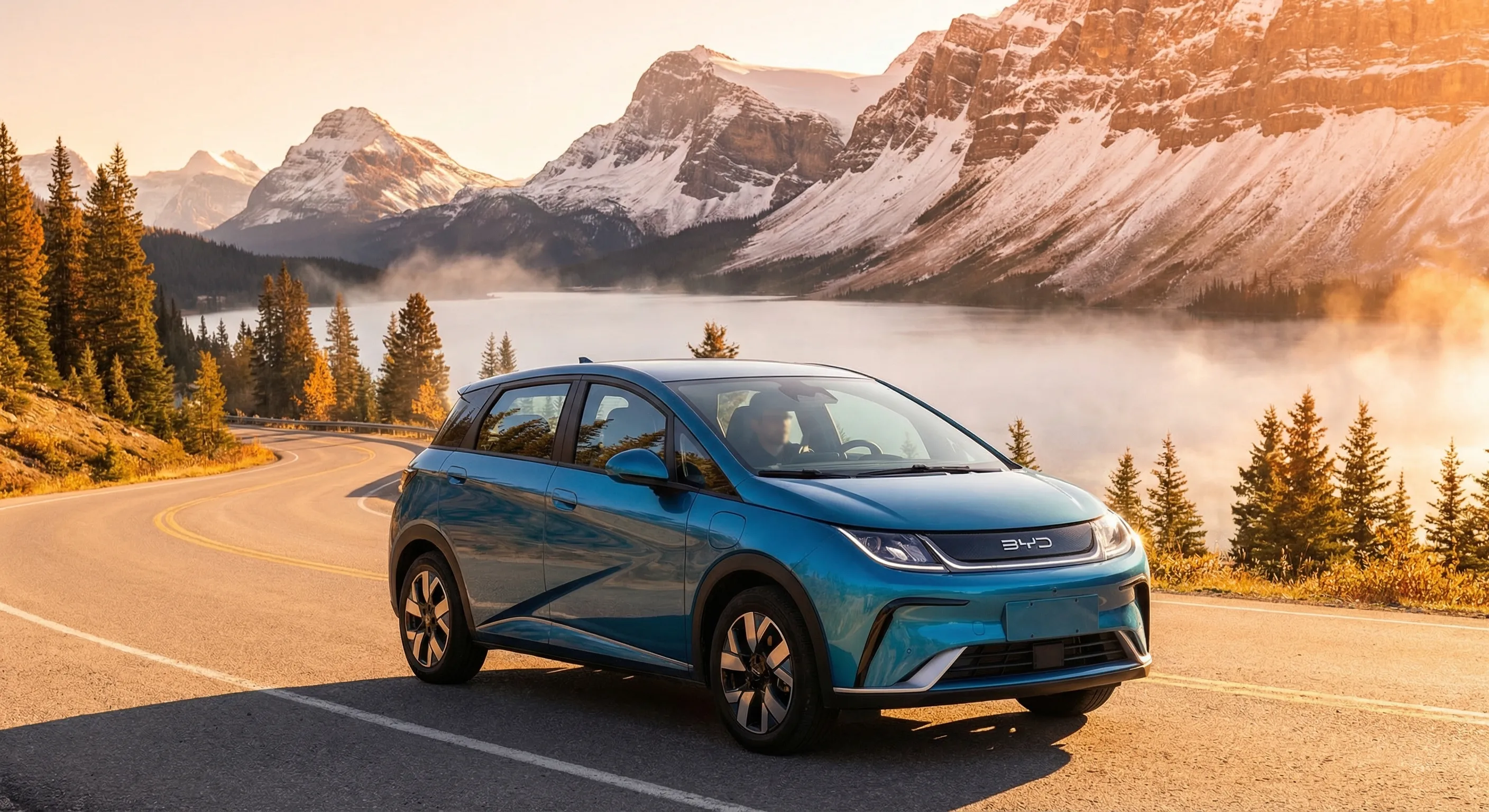
BYD Dolphin Canada: Price, Specs and 2026 Review
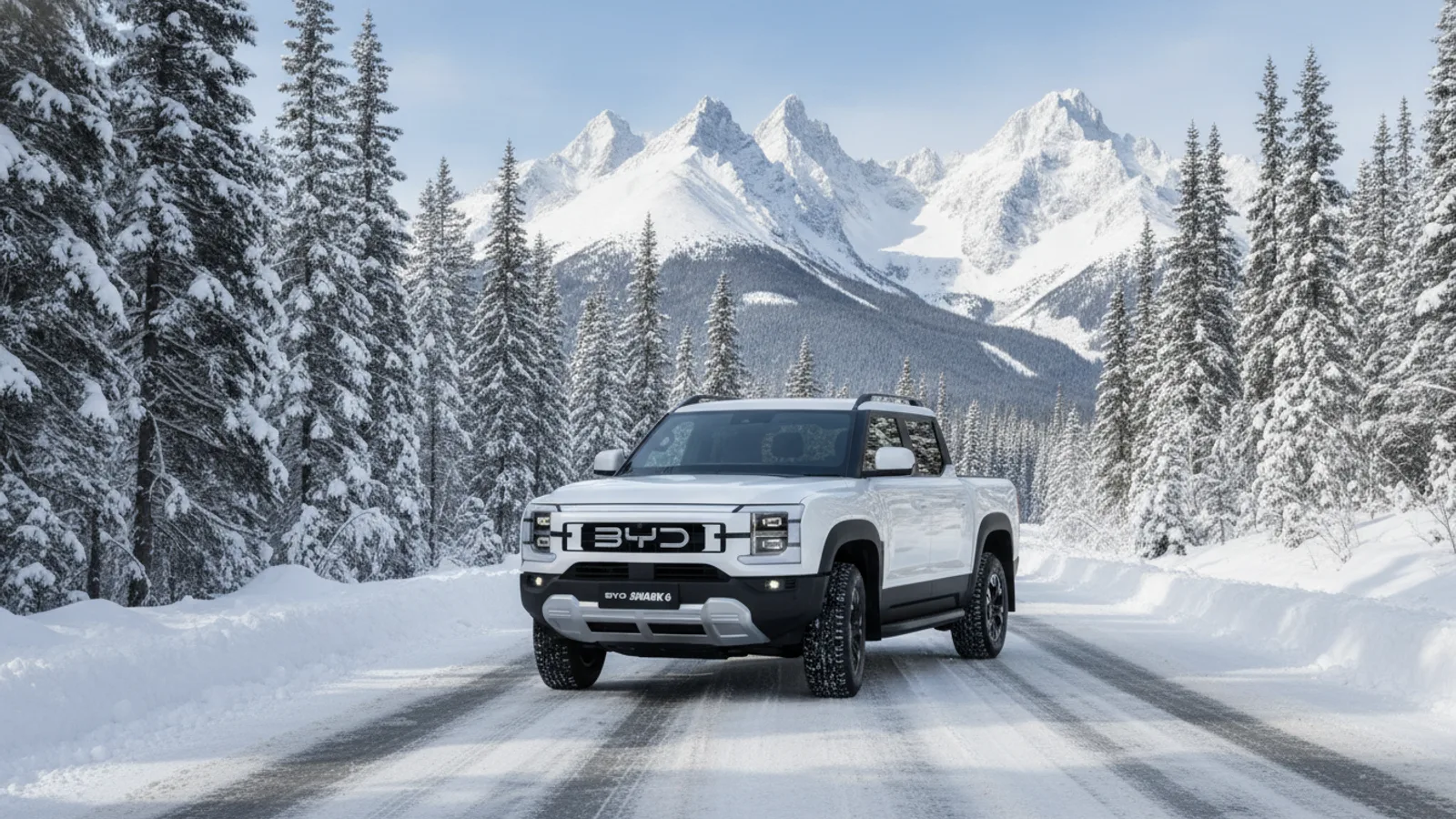
BYD Shark 6 Canada: Price, Specs and 2026 Release
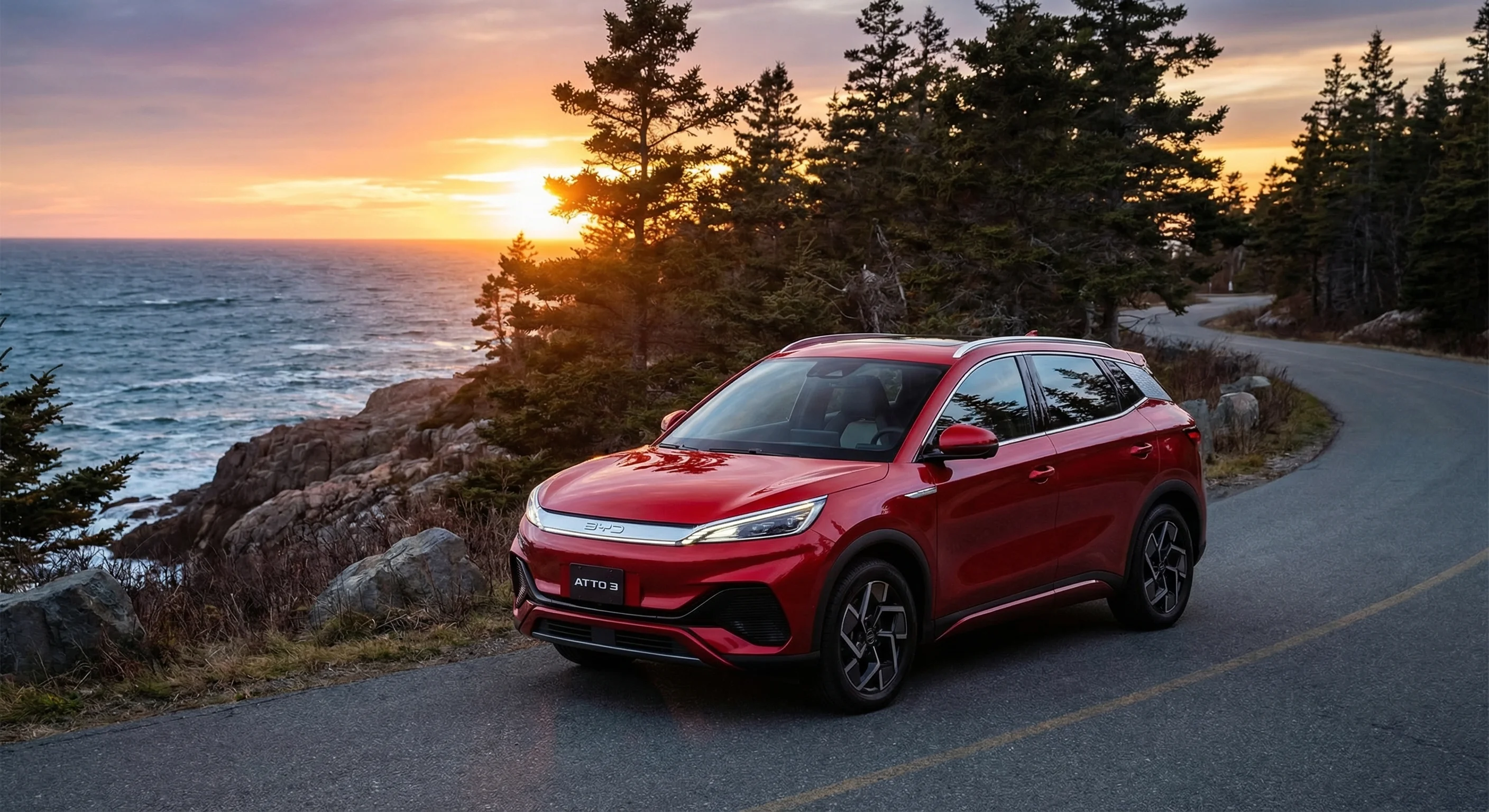
BYD Atto 3 Canada Price 2026: $30K Compact SUV Real Review
Volvo EX30 Canada Review: The Small One to Want
Rivian R1T Canada Review 2026: 515 km Quad-Motor