Key takeaways
- The Geotab study of over 6,300 EVs across North America found average degradation of just 2.3% a year, so a 400 km battery still delivers about 308 km after 10 years.
- Fewer than 2.5% of EVs need a battery replacement within 10 years, on that same real-world dataset.
- Canadian EVs show 15–20% less cumulative degradation over five years than vehicles in hot climates like Arizona or Texas, because cold slows the chemistry that permanently ages a pack.
- LFP batteries (Tesla Standard Range and all BYD models) degrade at only 1.5–2.0% a year versus 2.0–3.0% for NMC, and can be charged to 100% daily without extra wear.
- Every major EV sold in Canada carries an 8-year / 160,000 km battery warranty covering degradation below 70%, while replacement packs run $6,000 (BYD) to $16,000 (Tesla Long Range).
The fear is rational: a lithium-ion battery pack is worth $8,000 to $20,000 depending on the model, and for years the horror stories online made it sound like that pack would be half-dead by year five. The largest real-world dataset ever compiled on EV battery health says something very different. Geotab tracked over 6,300 EVs across North America over multiple years and found average degradation of just 2.3% per year, not the cliff-drop buyers were warned about. Battery degradation concerns are largely based on outdated data, and if you live in Canada, you have a built-in advantage that most EV coverage ignores entirely.
But most of what people have read online about EV battery degradation is outdated, exaggerated, or flat-out wrong. The data tells a very different story from the horror stories. And if you live in Canada, you actually have a built-in advantage that most EV coverage ignores entirely.
Here is the reality, backed by the largest dataset on EV battery health ever compiled.
The Biggest Battery Study Ever Done, And It's Canadian
The most comprehensive study on EV battery degradation comes from Geotab, a Canadian fleet telematics company headquartered in Oakville, Ontario. They tracked over 6,300 EVs across North America over multiple years, measuring real-world battery health data, not lab simulations, not manufacturer claims.
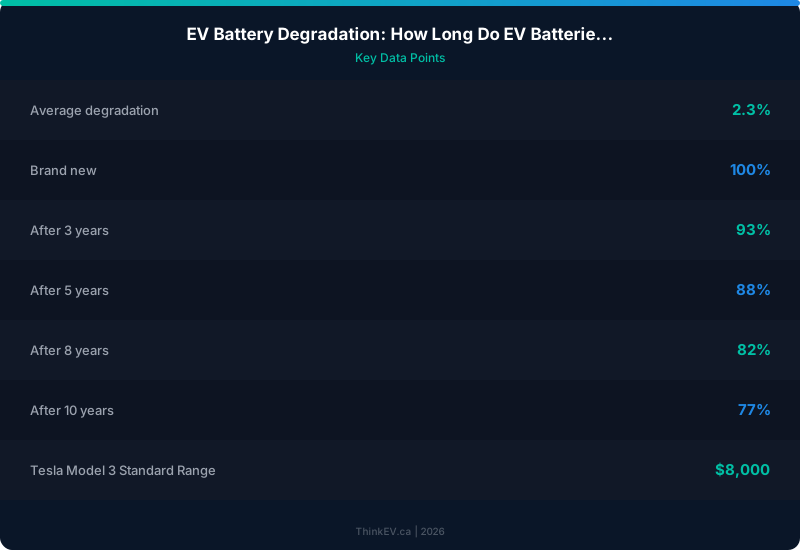
Their headline finding: average battery degradation is 2.3% per year. That means after one year of ownership, a battery that started at 100% capacity would typically be at 97.7%. After two years, 95.4%. The curve is remarkably consistent across most makes and models.
Here is what that looks like over the life of a typical EV with a 400 km rated range:
- Brand new: 100% health, 400 km range
- After 3 years: 93% health, 372 km range
- After 5 years: 88% health, 352 km range
- After 8 years: 82% health, 328 km range
- After 10 years: 77% health, 308 km range
- After 15 years: 65% health, 260 km range
After a full decade of driving, you still have over 300 km of range. For the vast majority of Canadian drivers who average 40-60 km per day, that is roughly Statistics Canada's figure for average daily driving distance, 308 km is more than a week of driving between charges.
Even at the 15-year mark, 260 km is still enough for virtually every daily commute in the country. Toronto to Hamilton and back is 140 km. Calgary to Banff is 130 km round trip. Vancouver to Whistler is 250 km return. A 15-year-old EV still handles all of these without breaking a sweat.
Why the Fear Is Bigger Than the Problem
The battery anxiety you see online comes from three places, and all three are misleading.
First: early Nissan Leaf data. The original 2011-2015 Nissan Leaf had no active thermal management, no liquid cooling, no heating. Batteries were air-cooled, which meant they cooked in hot climates. Phoenix and Tucson owners saw devastating degradation, sometimes losing 30-40% of capacity in five years. Those horror stories still dominate search results. But every modern EV has active liquid thermal management. The 2011 Leaf's battery system has about as much in common with a 2026 EV as a flip phone has with an iPhone.
Second: confusing temporary range loss with permanent degradation. When a Canadian drives their EV in January and the range display drops from 400 km to 280 km, they think the battery is degrading. It is not. Cold weather temporarily reduces the amount of energy available from the battery and increases energy consumption (cabin heating, battery warming). When spring arrives, the range comes right back. This is a physics phenomenon, not degradation. More on this below.
Third: extrapolating from phones. People's experience with smartphone batteries, which often feel significantly degraded after two or three years, colours their expectations for EV batteries. But the comparison is deeply flawed. Your phone battery cycles fully every day or two and operates in a much wider temperature range without thermal management. An EV battery rarely cycles below 20% or above 80% in normal use, has sophisticated thermal management, and is engineered for a 15-20 year service life. The chemistry, the thermal systems, and the charge management software are in a completely different category.
What Actually Causes Battery Degradation
Four main factors determine how quickly your EV battery ages. Some you can control, some you cannot. Understanding them is the difference between a battery that is still at 85% after a decade and one that drops to 70%.
1. Heat Exposure, The Single Biggest Factor
Heat is the enemy of lithium-ion batteries. Every time the battery temperature rises above 30-35 degrees Celsius, the chemical degradation process, specifically, the growth of the solid electrolyte interphase (SEI) layer on the anode, accelerates. The hotter the battery gets, and the longer it stays hot, the faster this layer grows and the more capacity you permanently lose.
This is why the Geotab data shows consistently faster degradation in Arizona, Texas, and Florida compared to northern US states and Canadian provinces. A Tesla Model 3 in Phoenix will degrade measurably faster than the same car in Edmonton, even with identical driving patterns. The battery thermal management system works harder in hot climates, drawing energy to keep the pack cool, but it cannot fully prevent heat-induced aging during extended exposure.
The Canadian advantage is real and significant. Our climate is one of the best in the world for long-term battery health. Temperatures above 35 degrees are rare and brief, even in southern Ontario and the BC Interior, sustained heat waves rarely last more than a week or two. For eight to nine months of the year, ambient temperatures in most of Canada are well within the optimal range for lithium-ion chemistry. Manitoba, Saskatchewan, and Alberta winters are brutal for range, but they are genuinely beneficial for long-term battery longevity.
The data supports this directly. Geotab's study found that vehicles operating primarily in cold climates showed 15-20% less cumulative degradation over five years compared to vehicles in hot climates, controlling for mileage and charging patterns.
2. State of Charge Habits, The Factor You Control Most
How you charge your battery matters more than most people realise.
Lithium-ion batteries experience the most stress at the extremes, when they are very full (above 90%) or very empty (below 10%). The chemical processes that cause degradation are most active at these voltage extremes. Keeping your battery in the 20-80% "sweet spot" for daily driving meaningfully reduces the rate of aging.
The practical version: Set your daily charge limit to 80%. Every modern EV lets you do this in the car's settings or through the manufacturer's app. Charge to 100% only before long road trips when you need the full range. And avoid letting the battery sit at 0% for extended periods, if you are parking the car for a few weeks, leave it at 50-60%.
How much does this actually matter? Geotab's data suggests that owners who habitually charge to 100% and frequently discharge below 10% see approximately 10-15% more degradation over 5 years compared to owners who stay in the 20-80% range. That is the difference between 88% capacity at five years versus 78% capacity. It is not catastrophic, but it is significant, and it is entirely within your control.
One important exception: LFP batteries (used in Tesla Standard Range models and all BYD vehicles) have a different voltage curve and can be charged to 100% regularly without the same stress. Tesla specifically recommends charging LFP packs to 100% at least once per week to help the battery management system calibrate properly. If you have an LFP battery, ignore the 80% rule, charge to full.
3. Fast Charging Frequency, Less of a Problem Than You Think
DC fast charging (Level 3) pushes a large amount of energy into the battery very quickly, which generates significantly more heat than Level 2 home charging. This heat accelerates the same degradation processes described above. The battery thermal management system works overtime during a fast charge session, and even with cooling, internal temperatures rise substantially.
But here is the nuance that most articles miss: occasional fast charging is absolutely fine. EV batteries are designed for it. The battery management system (BMS) actively controls charging speed to protect the cells, automatically reducing power as the battery heats up or approaches high states of charge. The "fast charging kills batteries" narrative is dramatically overstated.
Where it matters is frequency. Geotab's data found that vehicles using DC fast charging as their primary charging method, more than three times per week, consistently, showed approximately 10% more degradation over 5 years compared to vehicles primarily using Level 2 home charging. That is a meaningful difference, but only for a very specific pattern of use.
For the typical Canadian EV owner who charges at home overnight on a Level 2 charger and uses fast charging a few times a month on road trips, this is a non-issue. If you live in a condo without home charging and rely entirely on public fast chargers, it is worth considering, and worth reading our guide to Level 2 charging installation to see if home charging is feasible for your situation.
4. Mileage and Time, The Factors You Cannot Avoid
Batteries age through two mechanisms: cycling (charge-discharge cycles) and calendar aging (degradation that occurs simply from the passage of time, regardless of use).
High-mileage drivers, those putting 30,000-40,000 km per year on their EV, will see faster degradation from cycling compared to someone driving 15,000 km annually. This is straightforward: more cycles means more wear. But the Geotab data shows that mileage-related degradation is relatively linear and predictable. A vehicle with 200,000 km at age 8 might be at 75% capacity versus 82% for a vehicle with 100,000 km at the same age.
Calendar aging is harder to control. Even a battery sitting unused in a garage slowly degrades. The SEI layer grows, electrolyte decomposes slightly, and capacity creeps downward. This is why storing an EV for months at 100% state of charge is a bad idea, you are combining the two worst conditions (high voltage stress plus time).
Battery Chemistry: LFP vs NMC vs NCA
Not all EV batteries are created equal, and the chemistry inside your battery pack significantly affects how it ages. Here is what you need to know about the three main types available in Canada.
LFP (Lithium Iron Phosphate)
Used in: Tesla Model 3 Standard Range, Tesla Model Y Standard Range, all BYD models (Blade Battery), some Rivian variants
Degradation profile: Excellent. LFP batteries typically degrade at 1.5-2.0% per year, meaningfully slower than NMC. BYD claims less than 1.5% annual degradation for its Blade Battery, and early owner data from thousands of vehicles in China and Australia supports this.
Why LFP degrades slower: The iron phosphate cathode is inherently more thermally stable than nickel-based cathodes. It tolerates voltage extremes better, generates less heat during charging, and is more resistant to the chemical side reactions that cause capacity fade. You can safely charge LFP to 100% daily without accelerating degradation, the voltage curve at full charge is much flatter than NMC, reducing stress on the cells.
Trade-off: LFP batteries have lower energy density (less range per kilogram of battery weight). A 60 kWh LFP pack is physically larger and heavier than a 60 kWh NMC pack. This is why LFP is typically used in standard range models. But for longevity and peace of mind, LFP is the clear winner.
NMC (Nickel Manganese Cobalt)
Used in: Hyundai Ioniq 5/6, Kia EV6/EV9, BMW i4/iX, Chevrolet Equinox EV, Volkswagen ID.4, most non-Tesla EVs
Degradation profile: Good, but requires more careful charging habits. NMC batteries typically degrade at 2.0-3.0% per year depending on charging practices and climate. Following the 20-80% charging rule matters significantly with NMC chemistry.
Why NMC is more sensitive: The nickel-rich cathode provides excellent energy density but is more susceptible to structural degradation at high states of charge. Above 80% SOC, the voltage rises steeply, and side reactions at the cathode accelerate. This is not a design flaw, it is a trade-off that enables higher energy density and more range.
The Hyundai/Kia advantage: The E-GMP platform used in the Ioniq 5, Ioniq 6, and EV6 uses an 800V architecture that distributes charge current more evenly across cells, potentially reducing hotspots that accelerate degradation. Early data from high-mileage Ioniq 5 owners in Canada shows degradation tracking slightly below the 2.3% average, a good sign.
NCA (Nickel Cobalt Aluminium)
Used in: Tesla Model 3/Y Long Range, Tesla Model S/X
Degradation profile: Similar to NMC, approximately 2.0-2.5% per year. Benefits from Tesla's sophisticated battery management software, which aggressively manages temperature, charge rates, and voltage limits to protect the cells.
Tesla's BMS advantage: Tesla has more real-world battery data than any other manufacturer, collected from over 6 million vehicles worldwide. Their battery management software is continuously updated over-the-air to optimise charging profiles, which has a meaningful effect on long-term degradation. Several Tesla owners with 200,000+ km have reported battery health above 85%, suggesting the BMS improvements are working.
The Canadian Winter Factor, In Detail
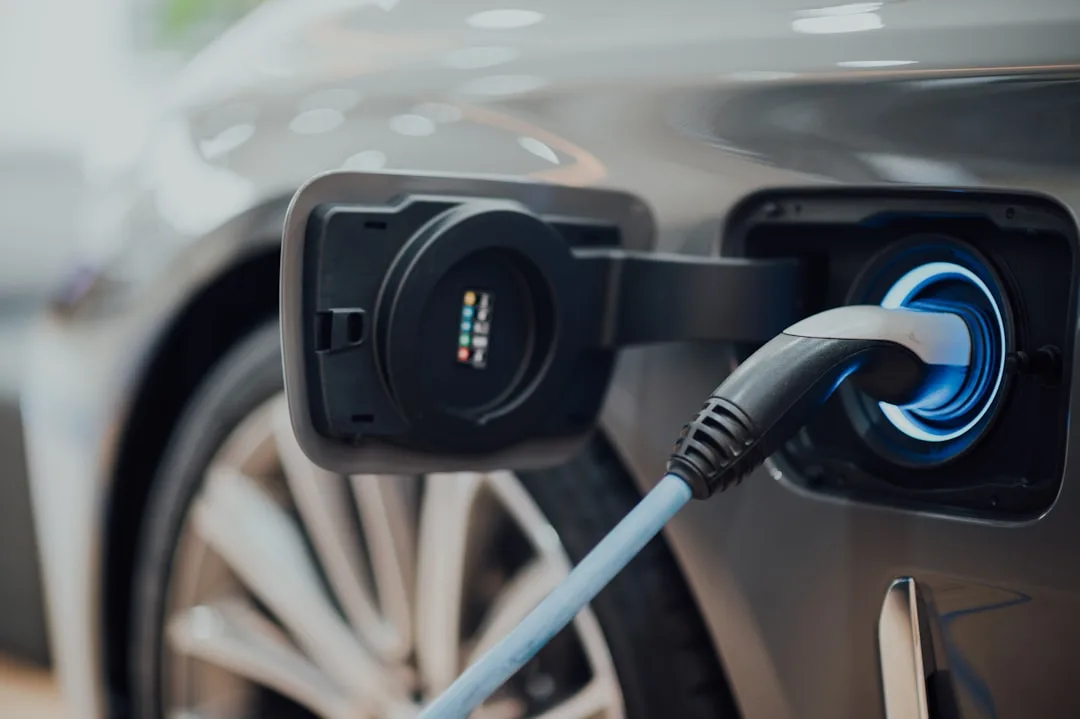
Cold weather and EV batteries have a complicated relationship that most coverage gets wrong.
What Cold Actually Does
When temperatures drop below -10 degrees Celsius, three things happen simultaneously:
Reduced available energy. The lithium ions inside the battery cells move more slowly through the electrolyte at cold temperatures. This is a chemical kinetics phenomenon, ions literally have less thermal energy to overcome resistance. The result is that the battery cannot deliver its full stored energy until it warms up. Typical range reduction at -20 degrees is 25-35%, depending on the vehicle and driving conditions.
Increased energy consumption. Your cabin heater draws 3-6 kW continuously, far more than the air conditioning uses in summer. Battery pre-conditioning (warming the pack for efficient charging and discharge) adds another 1-2 kW. Heated seats, heated steering wheel, and defrosters add more. A vehicle that uses 16 kWh/100km in summer might use 22-26 kWh/100km in deep winter.
Slower charging. Cold battery cells cannot accept charge as quickly. If you pull into a fast charger with a battery at -15 degrees, the charging station will limit power until the pack warms up. This can mean the first 10-15 minutes of a fast charge session are painfully slow, sometimes only 20-30 kW instead of the 150+ kW the vehicle is rated for. Most modern EVs can pre-condition the battery when you work through to a charger, warming the pack en route so it is ready for full-speed charging when you arrive.
What Cold Does NOT Do
Cold weather does not cause permanent battery degradation. This is the single most important point in this entire section. When spring arrives and temperatures rise, your range comes right back. The chemical processes that cause permanent capacity loss, SEI layer growth, cathode structural degradation, electrolyte decomposition, are all accelerated by heat, not cold. Cold actually slows these processes down.
This means Canadian EV owners get a perverse benefit: the same winters that temporarily reduce your range are actually preserving your battery's long-term health. An EV in Winnipeg that spends five months dealing with reduced winter range will likely have a healthier battery at age 10 than the same vehicle in Los Angeles that enjoyed consistent range year-round.
For detailed winter range data across specific models, see our EV Winter Range Test.
Province-by-Province Winter Impact
The severity of winter range loss varies significantly across Canada:
Gear worth having
As an Amazon Associate, ThinkEV earns a small commission from qualifying purchases — at no extra cost to you.

NOCO Boost Plus GB40 Jump Starter
A 1000A lithium jump starter that fits in your glovebox and works on any 12V battery. Your insurance against a dead 12V in a parking lot.
As an Amazon Associate, ThinkEV earns from qualifying purchases — at no extra cost to you.
- British Columbia (Lower Mainland): Mild winters. Expect 10-15% range reduction in January. Vancouver and Victoria EV owners have it easiest.
- Ontario (Southern): Moderate winters. Expect 20-30% range reduction from December through February. Toronto, Ottawa, and Hamilton see the worst of it in January and February.
- Alberta: Cold winters.
Expect 25-35% range reduction from November through March. Calgary and Edmonton drivers need to plan around this.
- Manitoba & Saskatchewan: Extreme winters. Expect 30-40% range reduction during the coldest months. Winnipeg and Regina regularly see -30 degrees and below. Pre-conditioning is essential, not optional.
- Quebec: Cold winters, comparable to Ontario or Alberta depending on region.
Montreal drivers see 25-35% reduction; northern Quebec can approach Manitoba levels.
- Atlantic provinces: Moderate to cold. Generally 20-30% reduction, with Nova Scotia milder than New Brunswick or Newfoundland.
All of this is temporary. Every kilometre of range comes back when the weather warms up.
Thermal Management: The Unsung Hero
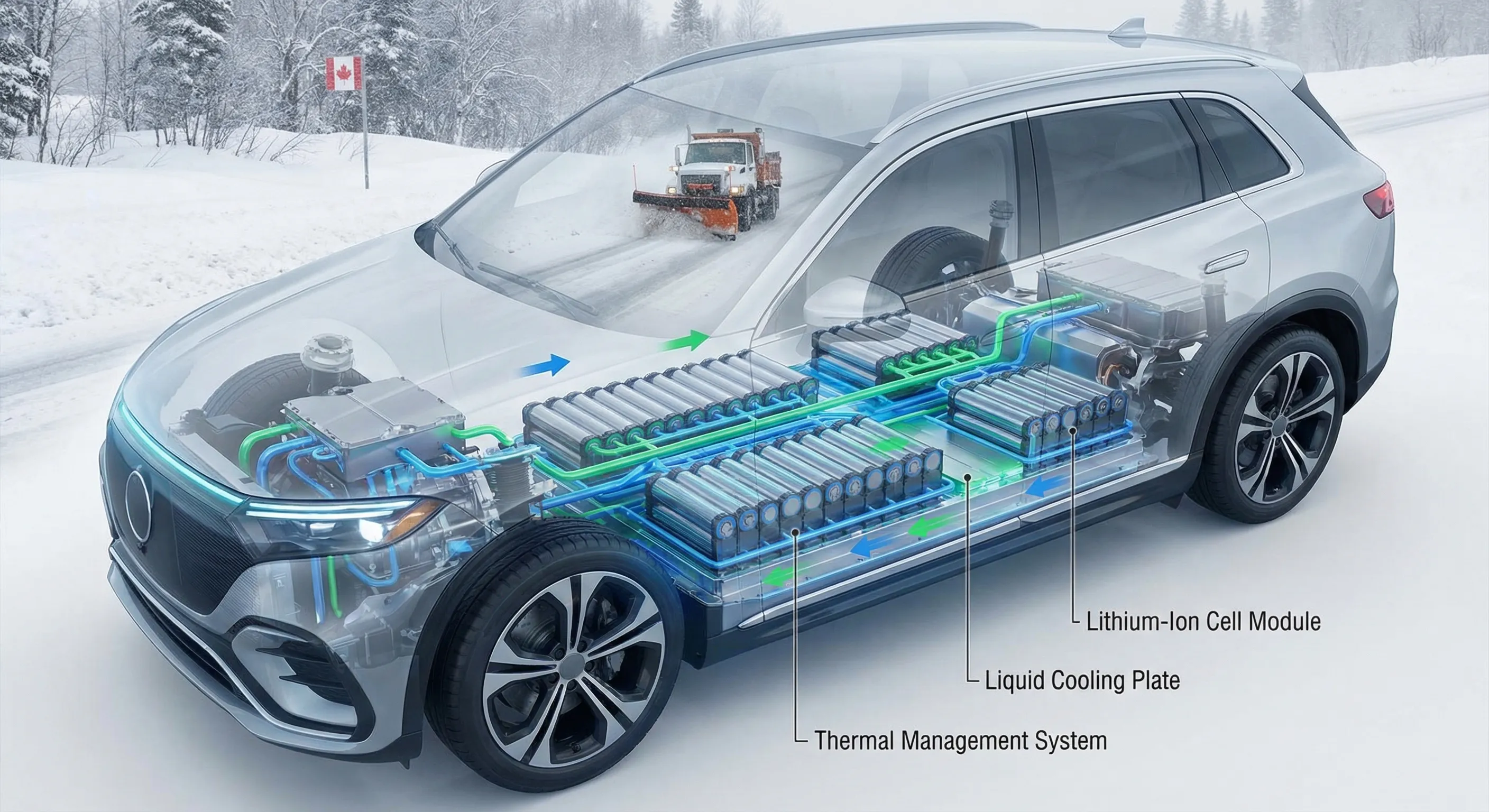
The reason modern EVs handle degradation so much better than the early Nissan Leaf is thermal management, and it is worth understanding because it is the single biggest factor in long-term battery health.
Every EV sold in Canada in 2026 has an active liquid thermal management system. Here is how it works:
Cooling: A coolant loop (similar to your engine coolant in a gas car, but for the battery) circulates liquid through channels in the battery pack. When the pack gets warm during fast charging or aggressive driving, the thermal management system actively removes heat. Some vehicles (like the Chevy Equinox EV) have particularly efficient cooling systems that allow sustained fast charging without significant thermal throttling.
Heating: In cold weather, the same system can warm the battery. Some vehicles use resistive heaters (simple but energy-hungry), while others use heat pumps that move existing heat from the motor or power electronics into the battery. Heat pumps are 2-3 times more efficient than resistive heaters, which is why vehicles equipped with heat pumps (Hyundai, Kia, Tesla, BYD) tend to lose less range in winter.
Pre-conditioning: Most modern EVs can warm or cool the battery before you drive or before you arrive at a charger. This is the most underused feature in cold-climate EV ownership. If you plug in your EV overnight and set a departure time, the car will warm the battery using wall power (free, essentially) rather than battery power. This means you start your day with a warm battery, full range, and a warm cabin, all without using any of your driving range.
The quality of thermal management varies between manufacturers, and it is worth considering when you shop. Vehicles with 800V architecture (Ioniq 5, EV6, EV9) tend to manage heat particularly well during fast charging. BYD's Blade Battery has a cell-to-pack design that optimises thermal conductivity. Tesla's octovalve system is one of the most sophisticated in the industry.
Battery Warranty: Your Safety Net
Every major EV sold in Canada carries a battery warranty that covers degradation. This is not a nice-to-have, it is a manufacturer guarantee that the most expensive component in your vehicle will last.
Standard warranty across the industry: 8 years / 160,000 km, covering degradation below 70% of original capacity. This means if your battery drops below 70% within eight years, the manufacturer will repair or replace the pack at no cost.
Extended warranties by some manufacturers:
- BYD: 8 years / 200,000 km, the most generous mileage allowance of any major manufacturer
- Hyundai/Kia: 8 years / 160,000 km with a 70% capacity guarantee
- Tesla: 8 years / 160,000 km (Standard Range) or 8 years / 200,000 km (Long Range/Performance) with 70% guarantee
- GM (Chevrolet): 8 years / 160,000 km with a specific degradation guarantee
- Volkswagen: 8 years / 160,000 km with 70% capacity floor
Think about what these warranties mean. These manufacturers have teams of battery engineers, access to millions of data points, and detailed models predicting degradation rates. If battery failure within eight years were common, these warranties would bankrupt them. They offer these warranties because the data shows they almost never have to pay out.
Geotab's data confirms this: less than 2.5% of EVs need battery replacement within 10 years. The overwhelming majority of EV batteries will outlast the car itself.
For Canadian-specific warranty and rebate information, the federal EVAP programme does not affect warranty coverage, your battery warranty applies regardless of whether you received the $5,000 rebate.
What If You Do Need a Replacement?
It is rare, but it happens. If your battery degrades below usable levels outside of warranty, here are current replacement costs in Canada:
- Tesla Model 3 Standard Range (LFP, ~60 kWh): $8,000-$12,000 CAD
- Tesla Model 3 Long Range (NCA, ~75 kWh): $12,000-$16,000 CAD
- Hyundai Ioniq 5 (NMC, 77.4 kWh): $10,000-$15,000 CAD
- Chevrolet Bolt (NMC, 65 kWh): $8,000-$10,000 CAD
- Kia EV6 (NMC, 77.4 kWh): $10,000-$14,000 CAD
- BYD models (LFP Blade, 60-82 kWh): $6,000-$10,000 CAD estimated
These costs are dropping year over year as battery manufacturing scales up globally. BloombergNEF projects battery pack costs will fall below $100 USD/kWh by 2027, which would reduce replacement costs by an additional 20-30% from current levels. By the time most EV batteries sold today need replacement (if they ever do), the cost will be significantly lower than today's prices.
Context matters here. A gas car engine or transmission replacement costs $5,000-$10,000. A new catalytic converter for some vehicles costs $2,000-$4,000. EV battery replacement costs are not cheap, but they are in the same ballpark as major gas car repairs, and they happen far less frequently. The average gas car needs a major powertrain repair at some point during its life. The average EV does not.
There is also a growing market for battery refurbishment, companies that replace individual degraded cells within a pack rather than replacing the entire unit. This can reduce costs by 40-60% compared to a full replacement and is increasingly available at independent EV service shops across Canada.
How to Maximise Your Battery Life: The Complete Guide
These are not complicated habits. Follow them and your battery will likely still have 80%+ capacity after a decade, possibly 85%+.
Daily Charging: The 80% Rule (With Exceptions)
Set your daily charge limit to 80% for NMC and NCA batteries. This single habit is worth more than everything else on this list combined. The voltage stress on the cells drops dramatically when you stop short of 100%.
Exception 1: LFP batteries (Tesla Standard Range, all BYD models). Charge to 100% regularly, Tesla specifically recommends this for LFP calibration. The voltage curve is flatter, and the stress at 100% is much lower.
Exception 2: Before a road trip. Charge to 100% the night before a long drive. The few hours at full charge will not meaningfully affect degradation. Just do not leave the car sitting at 100% for days or weeks.
Avoid Deep Discharge
Do not regularly run your battery below 10%. The occasional low-battery dash to a charger is fine, your BMS is designed to handle it. But habitually driving to 5% or below stresses the cells at the low end of their voltage range, similar to the stress at 100%.
If you are parking the car for an extended period (a few weeks or more), leave it at 40-60% state of charge. This is the voltage sweet spot where calendar aging is minimised.
Use Level 2 Home Charging as Your Primary Method
Level 2 home charging at 7-11 kW is the gentlest way to charge your battery. The charge rate is low enough that it generates minimal heat, and the extended charge time allows the thermal management system to keep temperatures perfectly controlled.
If you can install a Level 2 charger at home, and for most homeowners with a garage or dedicated parking, you can, make it your default. Use DC fast charging for what it is designed for: topping up on road trips.
For condo and apartment dwellers without home charging, try to balance fast charging with slower Level 2 public charging where possible. Many workplaces and shopping centres now offer Level 2 charging that can give you a meaningful top-up during an 8-hour workday.
Pre-Condition in Winter
When your EV is plugged in, set a departure time so the car warms the battery and cabin using wall power rather than stored battery energy. This does three things simultaneously:
- You start with a warm battery that delivers full power and range
- Your cabin is already warm, no shivering while the heater catches up
- You have not used any of your driving range for pre-warming
In a Winnipeg January, pre-conditioning can recover 15-20% of your winter range loss. It is the single most effective thing a Canadian EV owner can do in cold weather. For more winter tips, see our EV winter driving guide.
Park Smart
When possible, park in shade during summer heat waves. A car sitting in direct sun on a 35-degree day in southern Ontario can see battery temperatures climb to 40-45 degrees, accelerating degradation even while parked. A garage or covered parking eliminates this entirely.
In winter, a garage helps too, even an unheated garage is typically 5-10 degrees warmer than outside, which means less energy spent warming the battery before driving.
Buying a Used EV?
How to Check Battery Health
The used EV market in Canada is growing rapidly, and battery health is the most important thing to verify before purchasing. Here is how to assess it:
Check the battery health reading. Most EVs display state-of-health (SOH) in the vehicle's diagnostic menu or through the manufacturer's app. Some make it easy (Tesla shows a degradation estimate in the app), others require an OBD-II scanner and third-party software like Recurrent, LeafSpy (for Nissan), or ScanMyTesla.
What to expect by age:
- 3 years old: 90-95% SOH is normal
- 5 years old: 85-92% SOH is normal
- 8 years old: 78-88% SOH is normal
- 10 years old: 73-83% SOH is normal
If a 5-year-old EV is showing 80% SOH or below, that is below average and worth investigating. It may indicate heavy fast-charging use, a hot-climate history, or a battery issue.
Check the charging history. If available, look at how the vehicle was primarily charged. A car that lived on fast chargers every day is likely in worse shape than one that was home-charged.
Get a battery health report. Services like Recurrent and Geotab's fleet tools can provide detailed battery health assessments. Some dealerships now include this as part of their used EV inspection process.
Verify warranty transfer. In Canada, manufacturer battery warranties transfer to subsequent owners. If you buy a 4-year-old EV, you still have 4 years of battery warranty remaining. This is a significant safety net for used EV buyers.
The Future: Where Battery Tech Is Heading
Battery technology is improving on every front simultaneously, and the pace of improvement is accelerating.
Longer cycle life. Current batteries are designed for 1,500-3,000 charge cycles before reaching 80% capacity. Next-generation cells, including BYD's Blade 2.0 and CATL's Shenxing Plus, are targeting 5,000+ cycles. For a typical Canadian driver doing 20,000 km per year, that translates to a battery that could last 25-30 years before reaching 80% capacity. For more on BYD's latest battery technology, see our BYD flash charging deep-dive.
Better cold-weather performance. Newer LFP formulations and solid-state battery technology promise significantly better cold-weather performance. BYD's latest Blade Battery cells retain 85% capacity at -20 degrees, compared to 65-75% for most current cells.
Falling costs. Battery pack costs have fallen from $1,100 USD/kWh in 2010 to approximately $115 USD/kWh in 2026. By 2030, projections suggest costs will be $60-80 USD/kWh, making both new EVs and battery replacements dramatically cheaper.
Second-life applications. When an EV battery reaches 70% capacity and is no longer ideal for driving, it still has years of useful life as stationary storage, powering homes, businesses, or grid-scale energy storage. This second-life market creates residual value in your "degraded" battery, potentially offsetting future replacement costs through trade-in programs that several manufacturers are developing.
Degradation Is Real, Measurable, And Manageable
EV battery degradation is real, measurable, and, for most Canadian owners, completely manageable.
At 2.3% per year average, a 400 km EV will still have 308 km of range after a full decade. Canada's cold climate actually helps long-term battery health by reducing heat-related aging. The 8-year / 160,000 km warranty covers you through the highest-degradation years. And 97.5% of EV batteries never need replacement within 10 years.
The five habits that matter: charge to 80% daily (100% for LFP), avoid deep discharge, use Level 2 home charging, pre-condition in winter, and park smart in summer. Follow those and your battery will outlast your interest in keeping the car.
Battery degradation should be the absolute last thing preventing you from going electric. It is the most durable, most reliable, and most thoroughly warranted component in the entire vehicle. The data is clear. The fear is overblown. The battery will be fine.
Gear worth having
As an Amazon Associate, ThinkEV earns a small commission from qualifying purchases — at no extra cost to you.

AstroAI Portable Tire Inflator
One tap, it inflates to your exact PSI then stops automatically. Low tires cost 5 to 10 percent of your range, so this pays for itself in a week.
As an Amazon Associate, ThinkEV earns from qualifying purchases — at no extra cost to you.
Gear worth having
As an Amazon Associate, ThinkEV earns a small commission from qualifying purchases — at no extra cost to you.

Grizzl-E Classic Level 2 EV Charger (40A)
Canadian-made and rated for minus 40C winters. 40A / 9.6 kW, NEMA 14-50, indoor/outdoor, 24-ft cable. The charger built for Canadian weather.
As an Amazon Associate, ThinkEV earns from qualifying purchases — at no extra cost to you.
Related Reading
- EV Maintenance Costs in Canada: What You Actually Pay, Complete maintenance breakdown for Canadian EV owners
- EV vs Gas Car: Total Cost of Ownership in Canada, The full financial picture over 5 and 10 years
- EV Winter Range Test: How Far Can You Really Go?, Real-world cold weather range data from Canadian testing
- How to Install a Level 2 Charger at Home, Step-by-step guide for Canadian homeowners
- BYD's 5-Minute Charging: What It Means for Canada, Next-generation battery technology deep-dive
Gear worth having
As an Amazon Associate, ThinkEV earns a small commission from qualifying purchases — at no extra cost to you.

PULIDIKI Car Cleaning Gel (Detailing Putty)
Press it into vents, buttons, and seams and it lifts out dust you did not know was there. Weirdly satisfying, genuinely useful.
As an Amazon Associate, ThinkEV earns from qualifying purchases — at no extra cost to you.
Gear worth having
As an Amazon Associate, ThinkEV earns a small commission from qualifying purchases — at no extra cost to you.

WixGear Magnetic Air Vent Phone Mount (2-Pack)
A magnet strong enough that your phone never flinches over potholes or rail crossings. Two in the box, one for each car.
As an Amazon Associate, ThinkEV earns from qualifying purchases — at no extra cost to you.

Founder & Chief Editor
Vlad Pereira is the founder and chief editor of ThinkEV.ca, the Canadian electric-vehicle publication he writes and edits from Courtenay, British Columbia. He covers EV pricing, federal and provincial rebates, charging costs, and the Chinese manufacturers now entering Canada, from the buyer's side rather than the press-fleet side. ThinkEV is a venture of Vlad Pereira Online; his writing on health, income and the long game lives at vladpereira.com.
Frequently asked questions
How long do EV batteries last in Canada?
Does cold weather permanently damage EV batteries?
How much does it cost to replace an EV battery in Canada?
Should I charge the EV to 100% every day?
Does DC fast charging damage EV batteries?
What is the difference between LFP and NMC batteries?
How do I check the battery health on a used EV?
Will solid-state batteries make current EV batteries obsolete?
More EV & road-trip finds
Affordable upgrades worth a look — tap any to check the price on Amazon.
 ★ 121
★ 121Foldable Windshield Sun Umbrella
View on Amazon ★ 268
★ 268Anti-Slip Leather Steering Wheel Cover
View on Amazon ★ 12,051
Windex Electronics Screen Wipes
View on Amazon ★ 314
★ 314Mini USB LED Ambient Lamps (4-Pack)
View on Amazon ★ 568
★ 568Personalized Photo and Text Keychain
View on Amazon ★ 979
★ 979Leather Headrest Purse Hook
View on Amazon ★ 21,310
Magnetic Car Phone Mount
View on Amazon ★ 119
★ 119Foldable Waterproof Trunk Organizer
View on AmazonRead, Plan, Then Stay Current
Explore our expert articles to understand incentives and ownership costs, use the map to pressure-test charging reality, then subscribe so new EV coverage comes straight to you.
Continue Reading

What Happens When EV Batteries Die? Canada's Recycling Problem
BYD Blade 2.0 Battery: What 5-Minute Charging Needs

EV Battery Replacement: What a Failed Pack Actually Costs
EV Battery Lifespan: Real Data From 22,700 Vehicles (2026)
EV Depreciation Explained: Why It Differs From Gas Cars