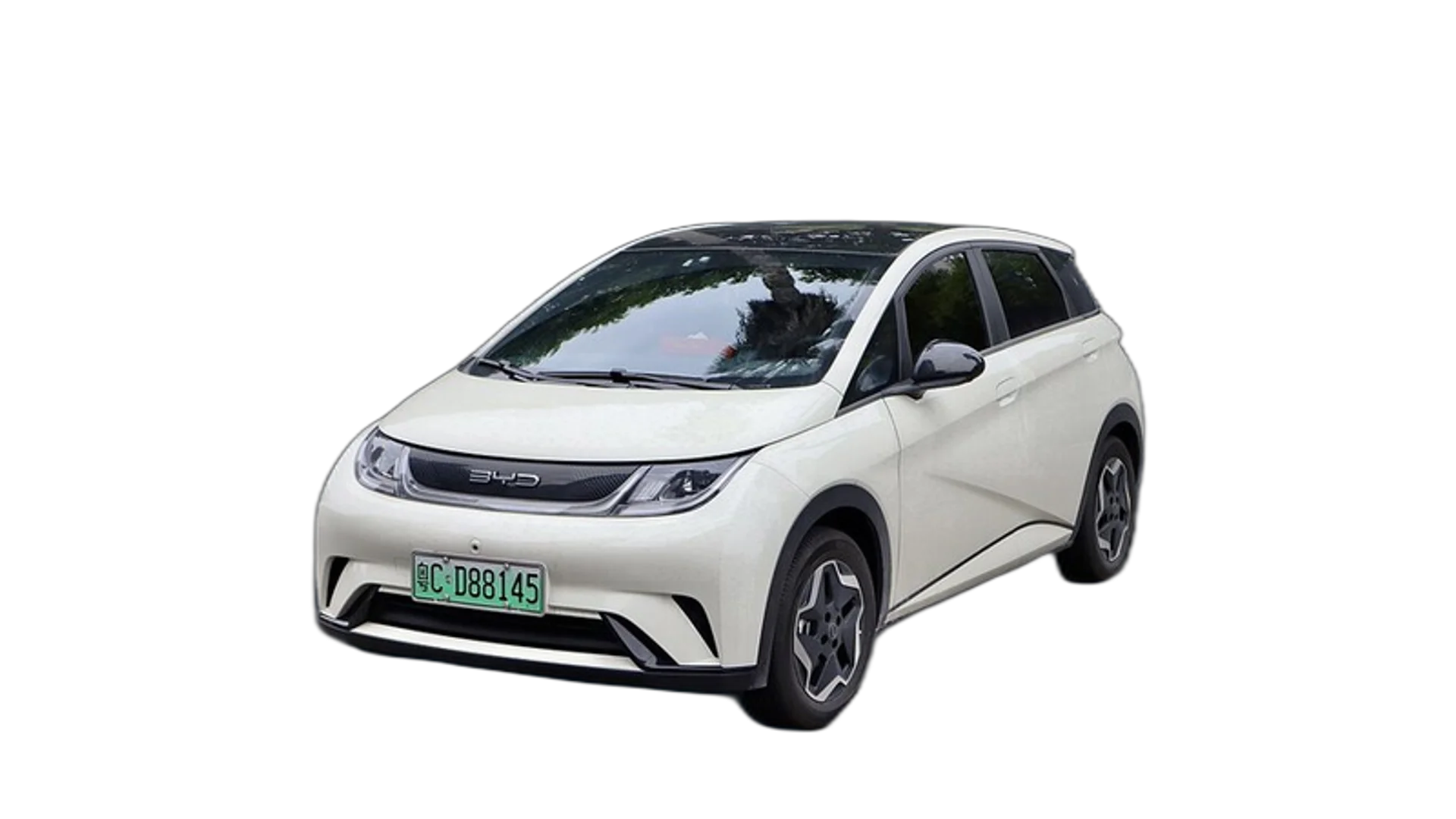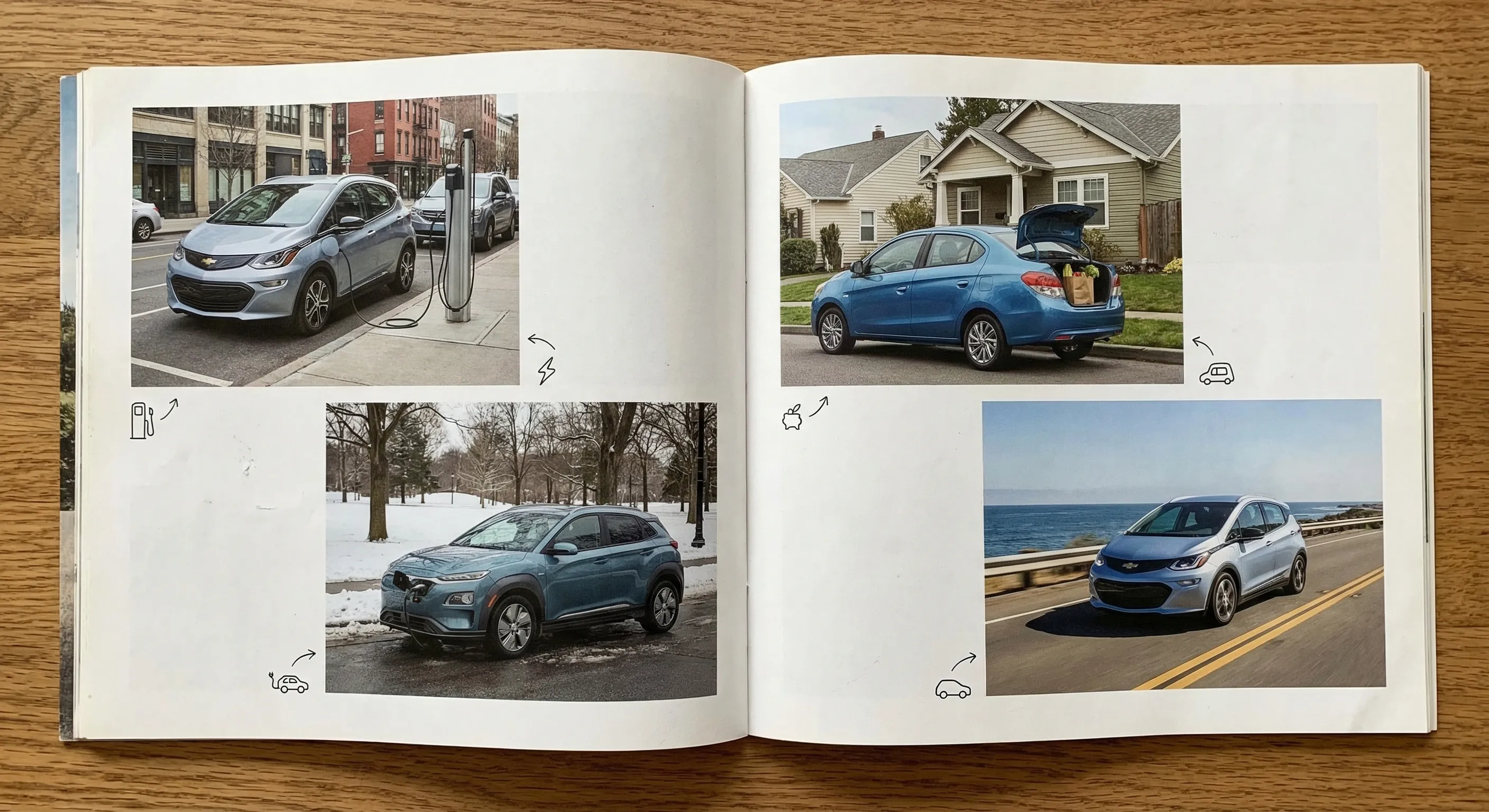
Key takeaways
- The Chevrolet Equinox EV starts at $42,990, before the $5,000 federal EVAP rebate, and delivers 400 km of range in a body style people actually recognise.
- The Hyundai Kona Electric now stretches to 420 km on a single charge and starts at $45,399.
- The cheapest new EV in Canada is the Nissan Leaf S at $39,998, for context, the average new vehicle now costs over $55,000 (DesRosiers, 2025).
- A 2021 Tesla Model 3 with 80,000 km can still fetch 350 km in winter and lands around $38,000.
Affordable EVs in Canada are finally a real conversation instead of a compromise lecture. For years, the under-$50K bracket felt like a punishment zone: short range, clunky interfaces, and second-gen tech wrapped in plastic interiors. Something shifted in 2025 and carried into 2026. Buyers are choosing EVs because the numbers make sense now, not out of obligation, even for someone in Oshawa hauling hockey gear in January.
The Chevrolet Equinox EV starts at $42,990 before the $5,000 federal EVAP rebate and delivers 400 km of range in a body style that looks like any other mainstream SUV. It’s the first time a North American brand has offered usable space, decent charging speed, and Android Auto integration in this price band without feeling like a beta product. The Hyundai Kona Electric stretches to 420 km on a single charge and starts at $45,399. Not Tesla-tier, but credible for a drive from Kitchener to Ottawa.
The average price of a new vehicle in Canada crossed $55,000 in 2025 (DesRosiers). At that benchmark, a $50K EV is not a budget purchase. It’s a mainstream one. The used market extends the conversation further. A 2021 Tesla Model 3 with 80,000 km can still return 350 km in winter and lands around $38,000, with OTA updates, Autopilot, and Supercharger access that most new EVs under $50K can’t match.
WHAT STANDS OUT FIRST
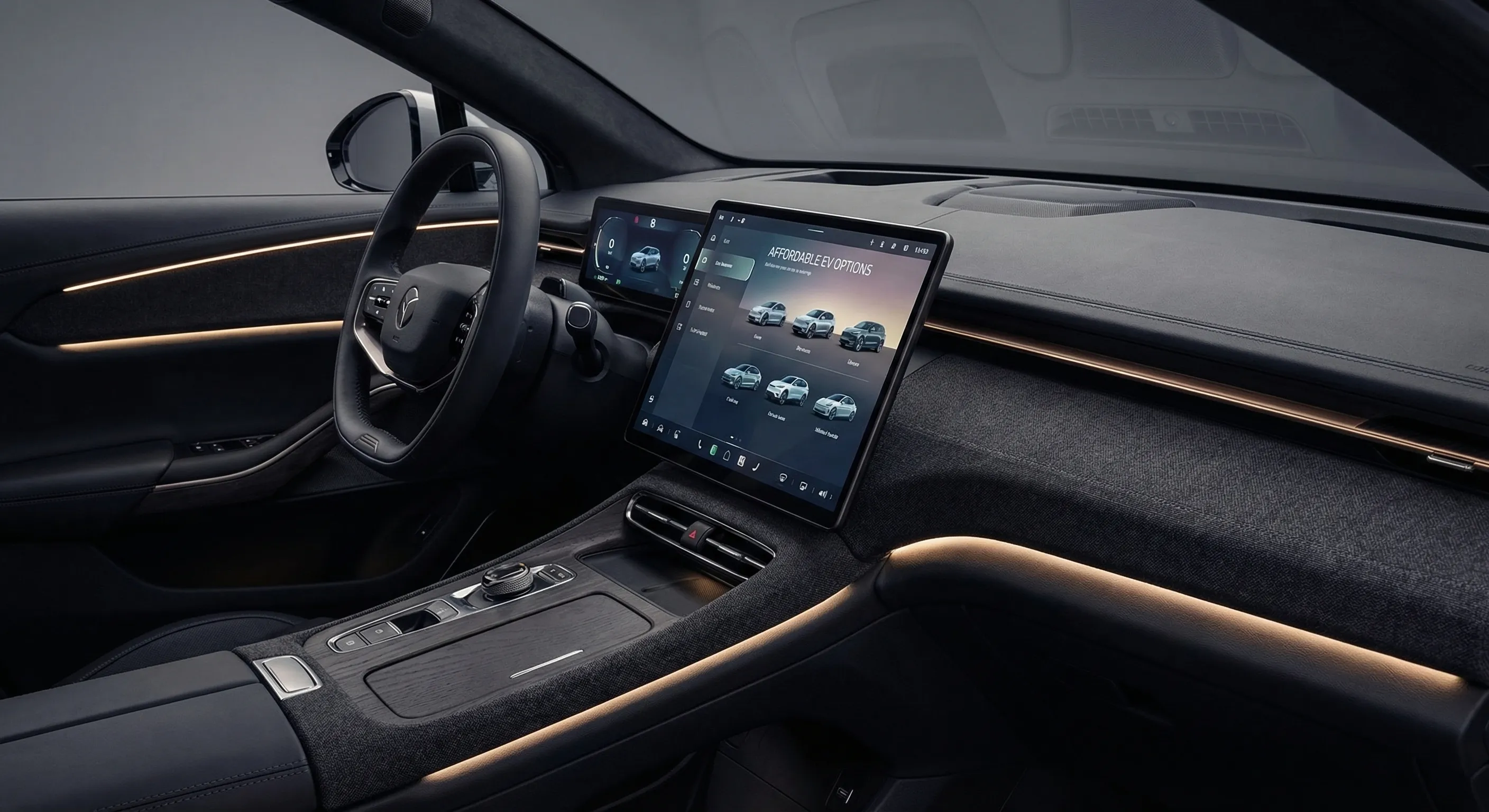
The cars that immediately make sense on price, space, and familiarity aren’t always the flashiest, but they’re the ones people actually buy. The Chevrolet Equinox EV is the poster child here. It looks like a normal SUV, thank you, and doesn’t try to impress you with suicide doors or a 17-inch touchscreen that doubles as a distraction machine. It just works. You can plug it into a Level 2 charger at your condo in downtown Vancouver, and by morning, you’ve got enough juice to handle a round trip to Surrey and back, even with a grocery stop at Save-On-Foods. That’s the kind of normalcy that sells cars.
Gear worth having
As an Amazon Associate, ThinkEV earns a small commission from qualifying purchases — at no extra cost to you.

Grizzl-E Classic Level 2 EV Charger (40A)
Canadian-made and rated for minus 40C winters. 40A / 9.6 kW, NEMA 14-50, indoor/outdoor, 24-ft cable. The charger built for Canadian weather.
As an Amazon Associate, ThinkEV earns from qualifying purchases — at no extra cost to you.
And then there’s the Hyundai Kona Electric. Compact SUVs didn’t die in Canada, they came back as EVs. The Kona’s 420 km range (WLTP) holds up better in cold weather than you’d expect, losing about 25% in -10°C, which puts it around 315 km. Not highway-to-Fort McMurray territory, but enough for a week of commuting in Calgary with home charging. The $45,399 price point is hard to argue with. That’s used Honda Civic money for a brand-new electric crossover with heated seats, a sunroof, and DC fast charging that adds 180 km in 10 minutes. It’s not luxurious, but the interior doesn’t feel like it’s held together by hope and glue.
Let’s talk about the Volkswagen ID.4. The base Pro trim now starts at $48,995, dangerously close to the $50K line, but still under after EVAP. And it’s a whole different beast from the 2022 version that had software bugs that made the climate control go full Poltergeist. The 2026 model is stable, roomy, and has real trunk space. One owner in Waterloo posted a photo of theirs holding two strollers, a hockey bag, and a stack of textbooks. That’s the kind of real-world utility people care about. Plus, VW’s 8-year/160,000 km battery warranty is still one of the best in the business. It won’t fix range anxiety, but it does ease the fear that your battery will turn into a paperweight after five winters in Quebec.
Gear worth having
As an Amazon Associate, ThinkEV earns a small commission from qualifying purchases — at no extra cost to you.

Emporia Smart Level 2 EV Charger (48A)
Budget-friendly 48A charger with WiFi and per-session energy tracking. Best bang for buck if you want smart features under 500 dollars.
As an Amazon Associate, ThinkEV earns from qualifying purchases — at no extra cost to you.
The Nissan Leaf is still around, and I’ll admit, I didn’t think it would survive this long. But the S trim starts at $39,998, making it the cheapest new EV you can buy in Canada. That matters. For someone upgrading from a 2008 Corolla in Thunder Bay, that’s a real entry point. Yes, the 240 km range (WLTP) is tight, and the 50 kW DC charging feels like dial-up in a broadband world. But if your daily drive is under 80 km and you’ve got a garage in Regina, it’s a solid first EV. And it’s got ProPILOT Assist, which is basically cruise control that actually works. It’s not exciting, but excitement doesn’t pay the mortgage.
WHAT FEELS WEIRD OR PROMISING
Some EVs under $50K look great on paper but leave you with a nagging feeling that something’s off. Take the Polestar 2, for example. The base model now starts at $49,900, just under the line, and after EVAP, it’s essentially free money if you live in B. C. and qualify for their $4,000 point-of-sale rebate. The car itself is gorgeous: low-slung, Swedish minimalism, vegan interior, and a 474 hp dual-motor version that can hit 0-100 km/h in 4.5 seconds.
The Polestar 2 is not built for Canadian winters. The low ride height means scraping every speed bump in St. John’s after a snowstorm, and the range drops more than most when temperatures fall. Natural Resources Canada data shows a 30% drop in real-world winter conditions, turning its 450 km rating into 315 km, which is marginal for a cottage run near Algonquin Park.
The Kia Niro EV offers 430 km range, starts at $47,595, and includes heated steering wheel and rear seats, a genuine winter asset in Winnipeg. The interior is the disappointment: it feels like Kia reused parts from the 2019 Rio and called it a day. The infotainment is slow, the voice assistant responds like it’s half-asleep, and the ambient lighting is the kind of purple that makes you feel like you’re in a karaoke bar in Surrey. It’s not a dealbreaker, but it’s a letdown when you’re spending nearly $50K. And the cargo space? 451 litres. That’s less than the Tesla Model 3, which is a sedan. For a compact SUV, that’s weird.
The Tesla Model 3 RWD is still technically under $50K at $49,990, but only if you skip every option and live near a Supercharger. And that’s the catch. It’s a great car, sharp handling, minimalist interior, best-in-class efficiency, but it’s becoming a niche choice. If you’re in a condo in Toronto without EV charging, you’re relying on Tesla’s network, which is good but not everywhere. (One owner reported trying to charge in Sudbury last winter. The stall was out of order, and the backup CCS station was occupied by a Ford F-150 Lightning.) And the used market is flooded with high-mileage examples because fleets and rideshare drivers loved the
Gear worth having
As an Amazon Associate, ThinkEV earns a small commission from qualifying purchases — at no extra cost to you.

70mai A810 4K Dual Dash Cam
4K front and 2K rear with STARVIS 2 HDR night vision and 24/7 parking surveillance, recording while parked without draining the 12V. A budget alternative to Tesla Sentry.
As an Amazon Associate, ThinkEV earns from qualifying purchases — at no extra cost to you.
Related Reading
Gear worth having
As an Amazon Associate, ThinkEV earns a small commission from qualifying purchases — at no extra cost to you.

PULIDIKI Car Cleaning Gel (Detailing Putty)
Press it into vents, buttons, and seams and it lifts out dust you did not know was there. Weirdly satisfying, genuinely useful.
As an Amazon Associate, ThinkEV earns from qualifying purchases — at no extra cost to you.

Founder & Chief Editor
Vlad Pereira is the founder and chief editor of ThinkEV.ca, the Canadian electric-vehicle publication he writes and edits from Courtenay, British Columbia. He covers EV pricing, federal and provincial rebates, charging costs, and the Chinese manufacturers now entering Canada, from the buyer's side rather than the press-fleet side. ThinkEV is a venture of Vlad Pereira Online; his writing on health, income and the long game lives at vladpereira.com.
Frequently asked questions
What is the cheapest new EV you can buy in Canada right now?
How much winter range does the Hyundai Kona Electric actually lose?
Which EV here has the best battery warranty?
Is a used Tesla Model 3 a smarter buy than a new EV under $50K?
More EV & road-trip finds
Affordable upgrades worth a look — tap any to check the price on Amazon.
 ★ 900
★ 900Personalized Photo Car Air Freshener
View on Amazon ★ 12,396
K KNODEL Car Trash Can with Lid
View on Amazon ★ 21,310
Magnetic Car Phone Mount
View on Amazon ★ 87
★ 87Car Window Sun Shades for Kids (4-Pack)
View on Amazon ★ 68
★ 68WeatherTech FloorLiner for Tesla Model 3
View on Amazon ★ 4,050
Touchscreen Mist Screen Cleaner Kit
View on Amazon ★ 419
★ 419RGB Car Interior LED Strip Light
View on Amazon ★ 568
★ 568Personalized Photo and Text Keychain
View on AmazonRead, Plan, Then Stay Current
Explore our expert articles to understand incentives and ownership costs, use the map to pressure-test charging reality, then subscribe so new EV coverage comes straight to you.
Continue Reading
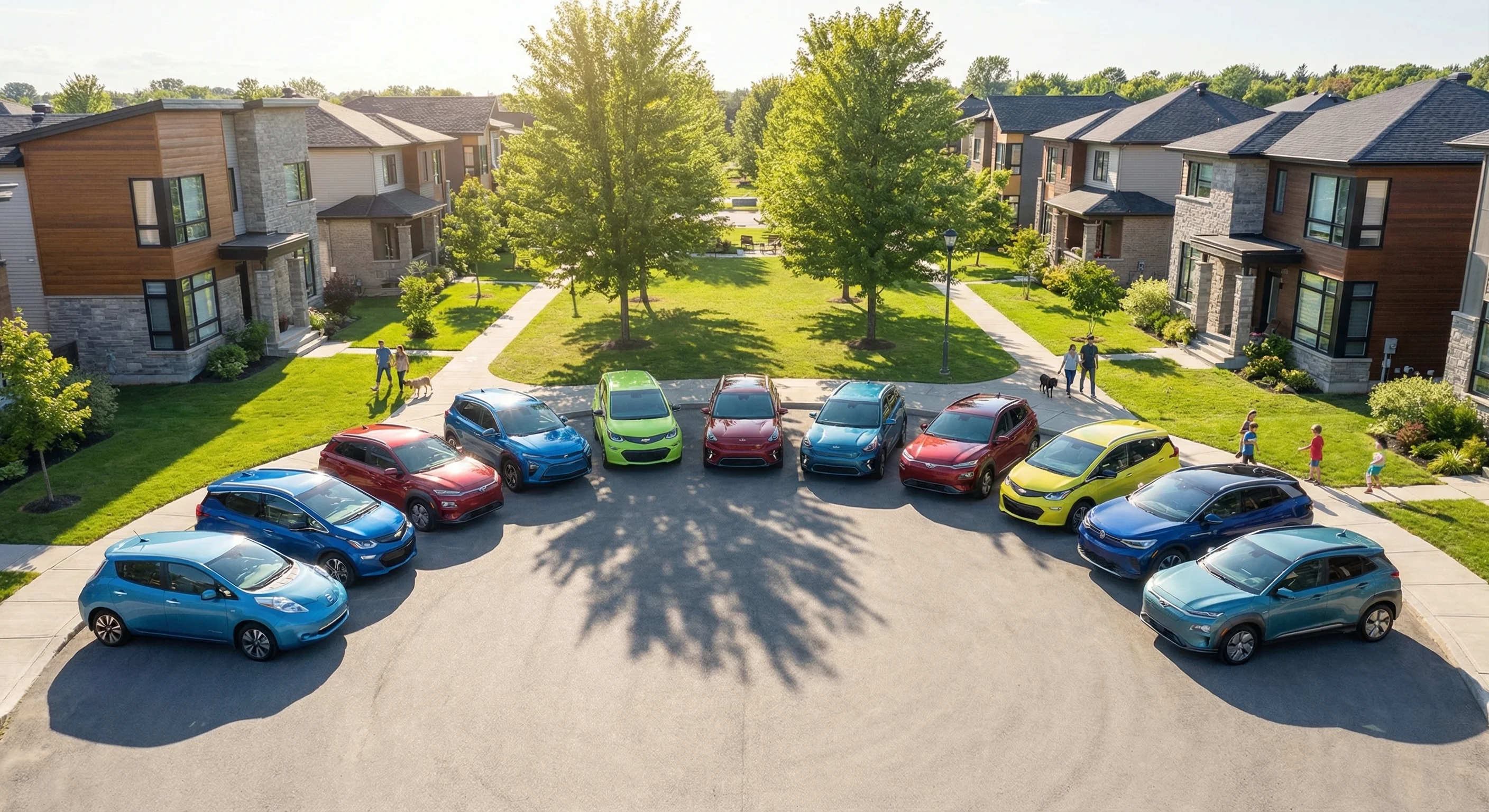
The 10 Most Affordable EVs You Can Buy in Canada in 2026

Kia EV3 Canada Price 2026: The $38K Electric SUV
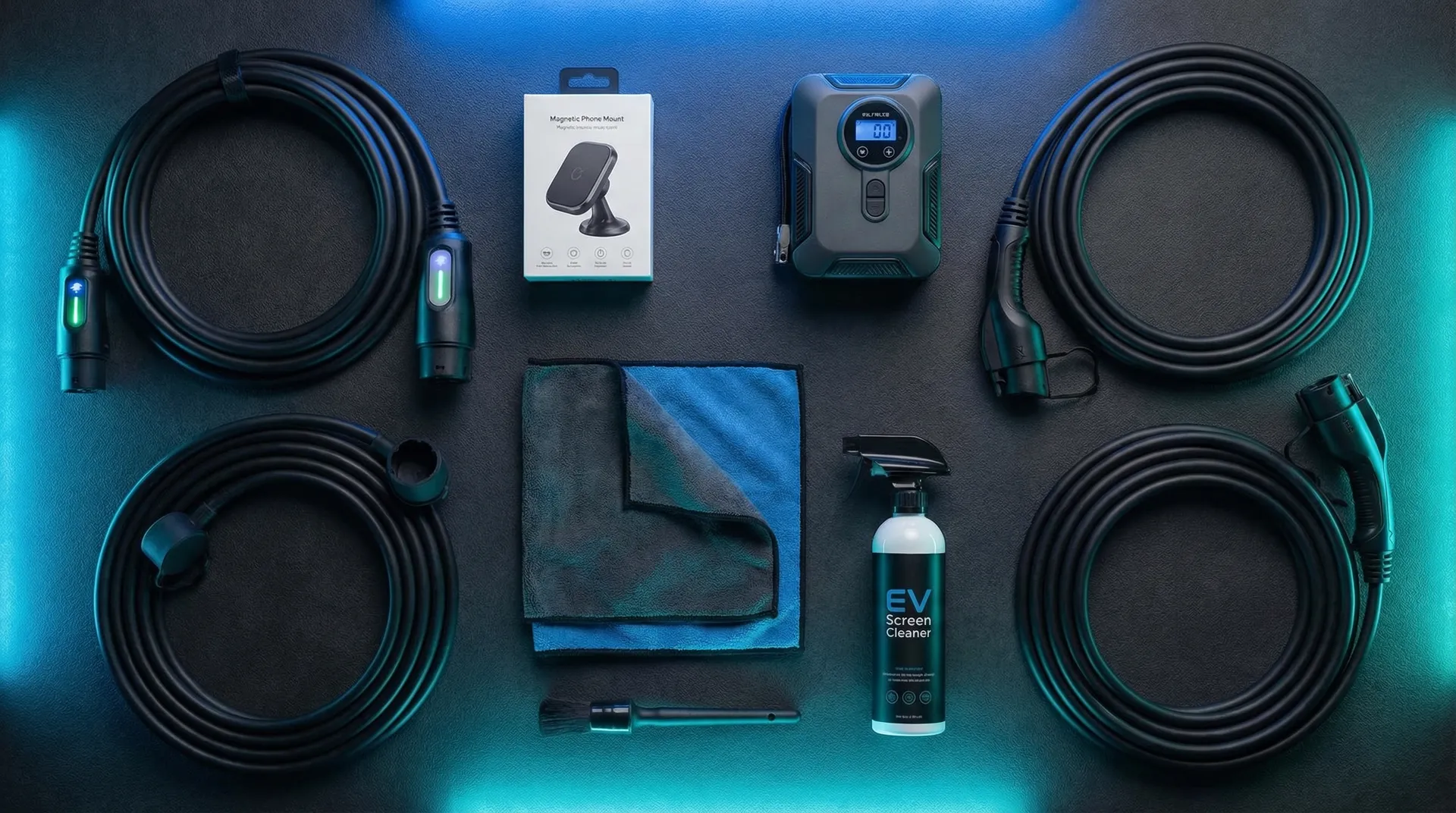
Best Cheap EV Accessories on Amazon Canada (Under $25)
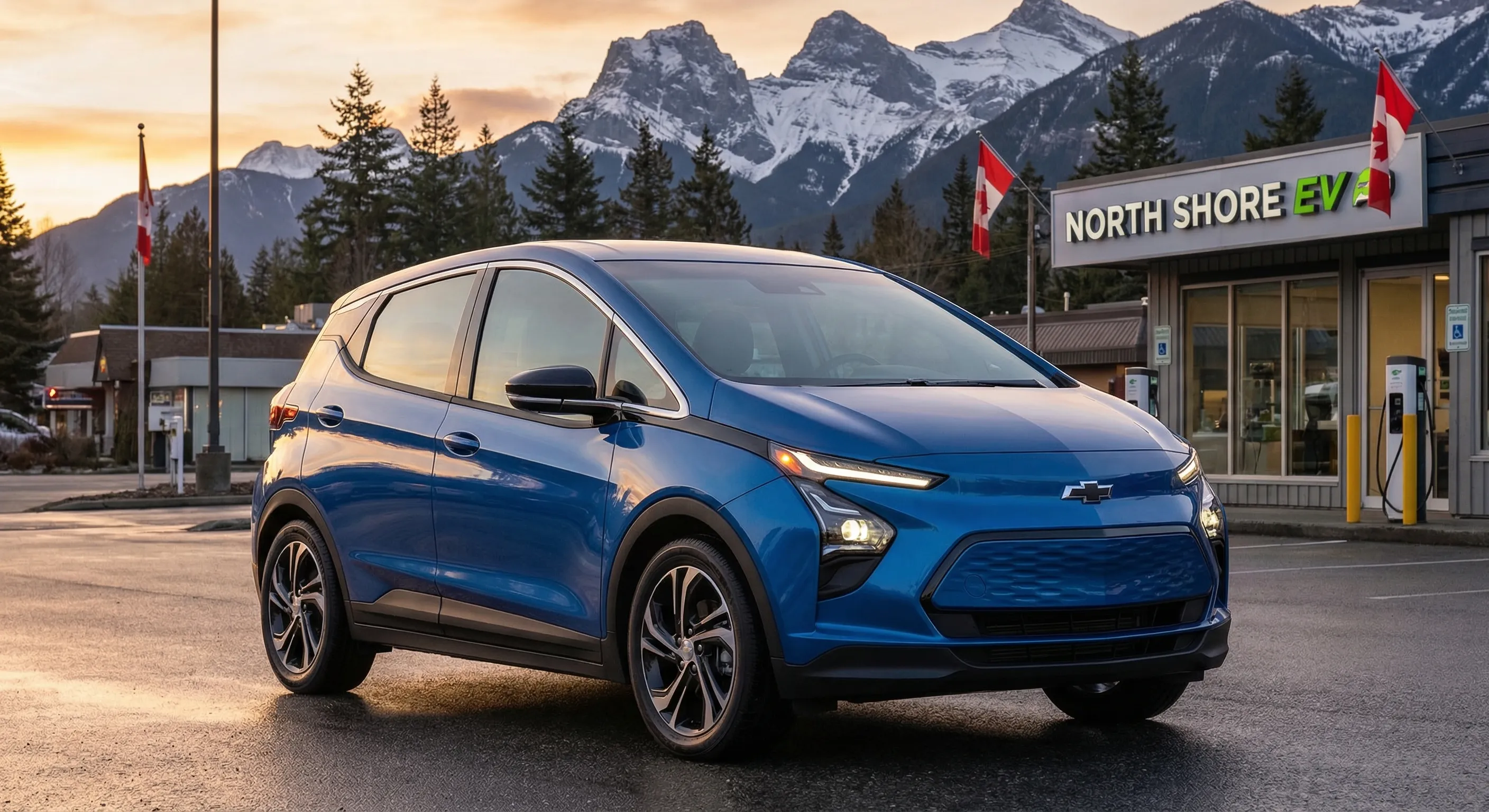
The 2027 Chevy Bolt Is Back, What Canadian Buyers Need to Know
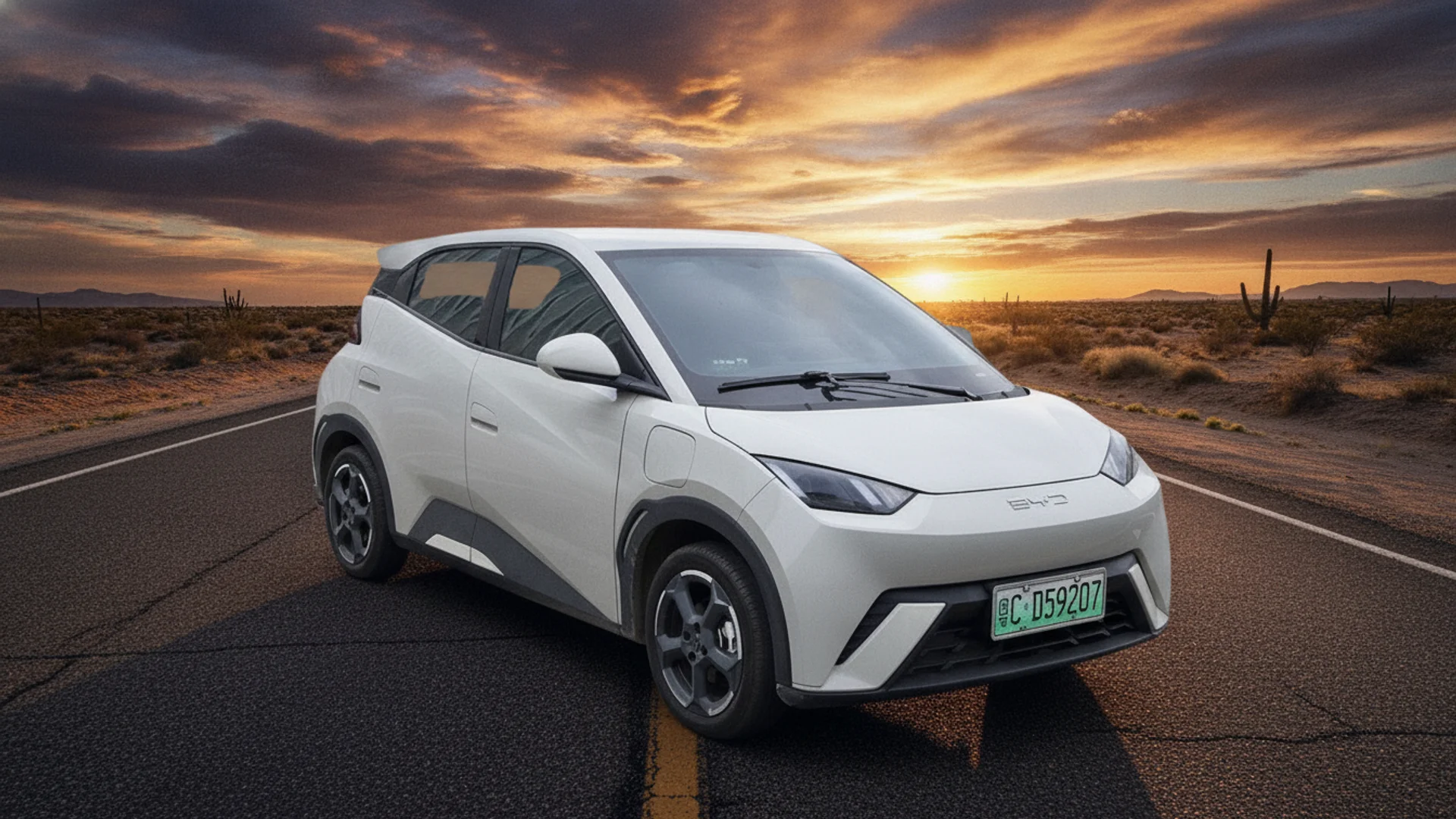
BYD Seagull Canada: Real Price, Real Specs, Real Wait