Key takeaways
- The Kia EV4 offers strong range for under $43,000 and the Polestar 2 undercuts the Model 3 on price with a more refined cabin.
- The cabin is quieter at 120 km/h than it's ever been, which makes road trips from Vancouver to Kamloops significantly less fatiguing.
- The Long Range AWD's approximately 629 km rated range means range anxiety is essentially a non-issue for anything short of crossing the prairies in one shot.
- It's also a $2,600 option, which pushes the as-configured price even further from the EVAP rebate threshold.
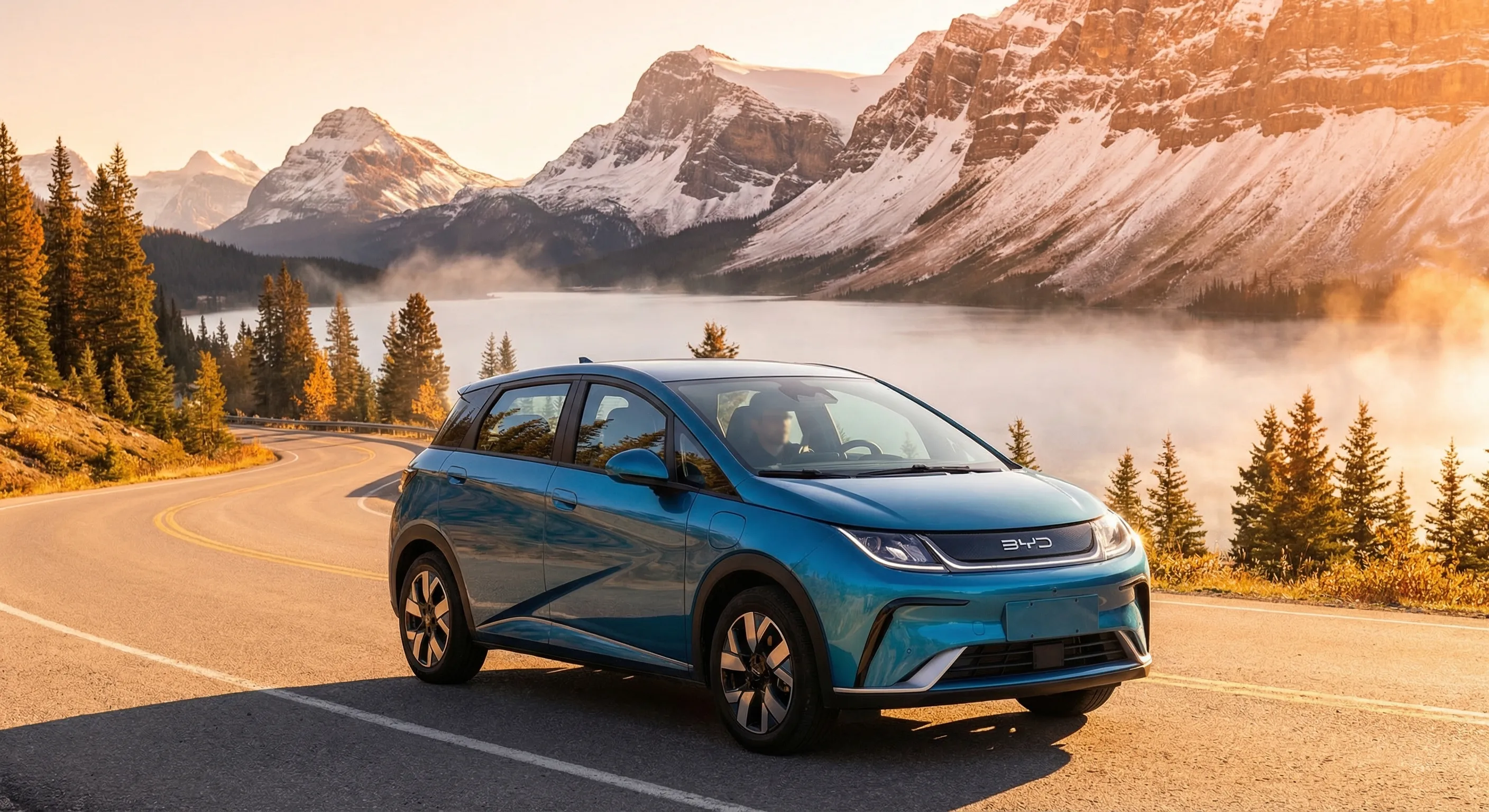
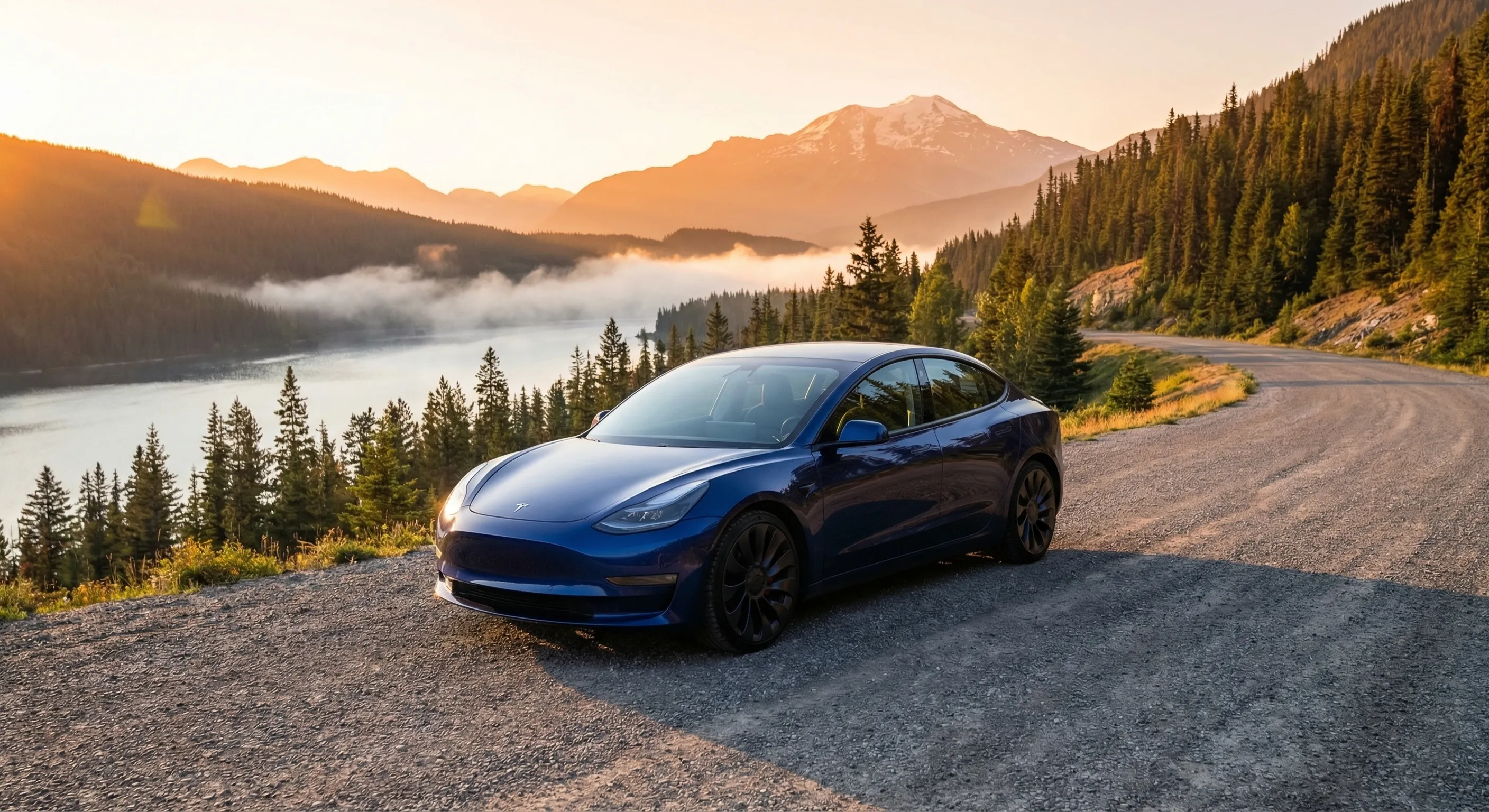
The Model 3 used to be the obvious answer. Now it's one of several good answers, and that distinction matters more than Tesla wants to admit. The Highland refresh, starting at approximately $54,990 CAD for the Long Range AWD (the only Model 3 trim currently available in Canada), brings genuine improvements to a car that was already competent. New interior materials, better sound insulation, updated headlights and taillights, and a refined ride. The Kia EV4 offers strong range for under $43,000, and the Polestar 2 undercuts it with a more refined cabin. The price gap between Tesla and the competition is the story of this review, and it hangs over every compliment I'm about to pay.
When you're cruising along the Sea-to-Sky Highway towards Whistler, the refreshed Model 3 feels genuinely good. The suspension is softer than the pre-Highland version, soaking up rough patches that used to jolt your spine. Wind noise is noticeably reduced, Tesla finally addressed the door seals that plagued the original. The cabin is quieter at 120 km/h than it's ever been, which makes road trips from Vancouver to Kamloops significantly less fatiguing. The Long Range AWD's approximately 629 km rated range means range anxiety is essentially a non-issue for anything short of crossing the prairies in one shot.
This is a car that has matured. The original Model 3 felt like a Silicon Valley tech product that happened to have wheels, brilliant in some ways, rough in others. The Highland feels like a proper automobile that happens to be electric. That's a meaningful shift, and it's one that took Tesla years to make. The question is whether that maturation justifies the price tag in a market that has changed since the Model 3 first arrived in Canada. Competitors aren't just catching up, some have arrived, and a few have passed it on specific measures.
Design and Exterior
The Highland refresh is the most significant visual update the Model 3 has received since its 2017 launch, and it's immediately obvious from the front. The aggressive, angular headlights replace the round units of the original, giving the car a sharper, more contemporary face that brings it closer to the Model S aesthetic. The front bumper is cleaner and more aerodynamic, gone is the somewhat bland, featureless nose that critics loved to mock. In its place is a more sculpted design with integrated air intakes that channel air around the front wheels to reduce drag.
Walk around to the side and you'll notice the new flush door handles, they sit completely flat against the body and pop out electronically when you approach with the key or phone. It's a small detail, but it contributes to a drag coefficient of just 0.219, making the Highland one of the slipperiest sedans on sale anywhere. Those flush handles also look cleaner and more premium than the old mechanical pull handles, though they do introduce a potential failure point in icy conditions. During a particularly cold week in Ottawa where temperatures hit -28C, the handles occasionally needed a firm push to activate. Nothing catastrophic, but worth noting for anyone in the prairies or northern Ontario.
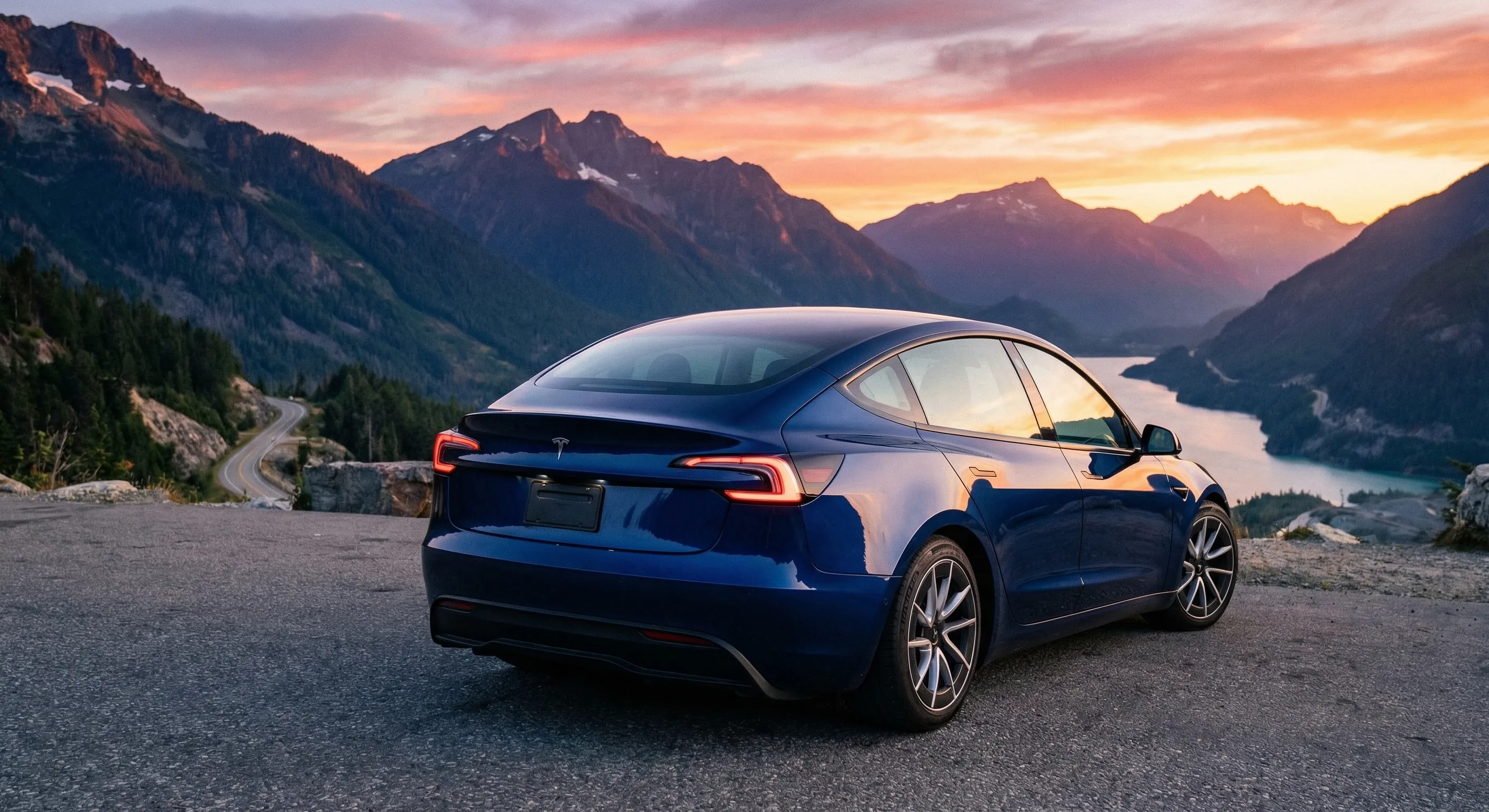
The rear is where the Highland makes its boldest design statement. The full-width LED light bar spans the entire trunk lid, connecting the two tail light clusters into a single, unbroken line. It's a design choice that's become common in the EV world, the Polestar 2 has something similar, as does the BMW i4, but Tesla's execution is clean and distinctive. The rear diffuser has been redesigned too, and the overall effect is a car that looks wider and more planted than the pre-Highland version. In person, the Highland cuts a genuinely handsome profile, especially in the Midnight Cherry Red or Ultra White paint options.
The colour options available in Canada are worth mentioning because Tesla has refreshed the palette alongside the design. The Highland introduces Midnight Cherry Red and Ultra White alongside the returning Pearl White, Solid Black, Midnight Silver Metallic, and Deep Blue Metallic. The Midnight Cherry Red is the standout, a deep, multidimensional red that shifts from burgundy to cherry depending on the light. It's gorgeous in person, particularly against a backdrop of fresh snow. It's also a $2,600 option, which pushes the as-configured price even further from the EVAP rebate threshold. Pearl White remains the no-cost option and still looks sharp, especially with the new design language.
One thing that surprises people is how well the Model 3's proportions work in Canadian settings. It's a midsize sedan, 4,720 mm long, 1,849 mm wide, which means it fits comfortably in standard parking spots at Canadian Tire and Costco without the anxiety that comes with maneuvering a Model Y or an Ioniq 5 through a packed lot. The trunk offers 561 litres of cargo space with an additional 88 litres in the front trunk (frunk), which is genuinely useful for groceries or keeping a Level 1 charging cable permanently stashed. The total cargo volume compares favourably to the Honda Civic and Toyota Camry, which is the segment Tesla is really competing in when you strip away the EV mystique.
Aerodynamic efficiency deserves a callout because it has a direct impact on range. At 0.219 Cd, the Highland Model 3 slices through air more efficiently than the Polestar 2 (0.278 Cd) and the BMW i4 (0.24 Cd). That might sound like an engineering footnote, but at highway speeds where aerodynamic drag is the dominant force, this efficiency advantage translates to meaningful range differences. Driving at a constant 110 km/h on the Trans-Canada through Saskatchewan, flat, open prairie with crosswinds, the Model 3's slippery shape helps it maintain closer to its rated efficiency than blunter competitors. It's one of those unsexy engineering details that actually matters every single day you own the car.
Interior and Technology
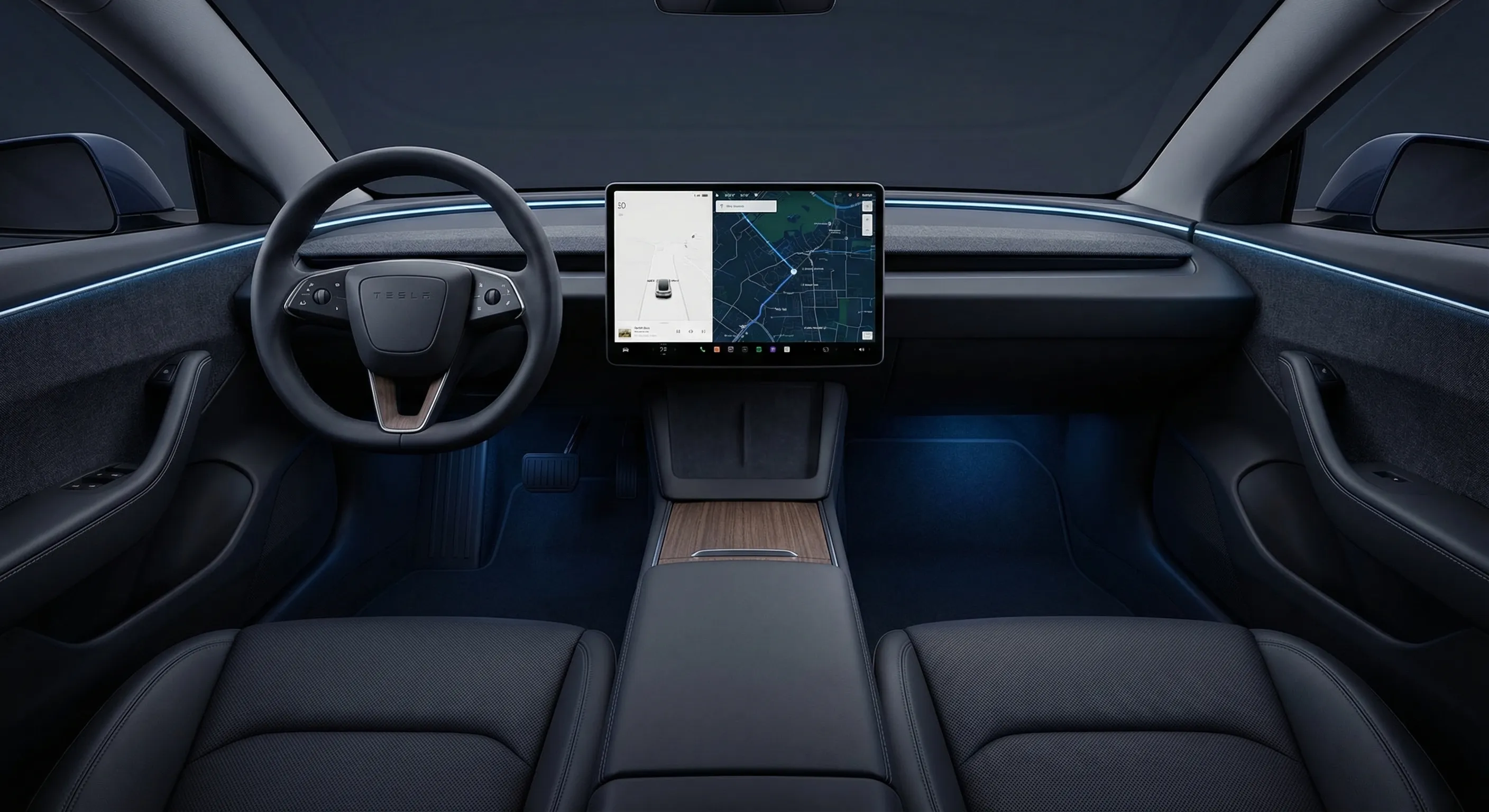
The interior is where the Highland refresh earns its keep. The materials are better, less cheap plastic, more recycled fabrics that actually feel intentional rather than cost-cutting. The rear seat gets its own 8-inch screen, which is a nice touch for passengers. The front 15.4-inch screen is responsive and the UI has matured significantly over the years. Apple Music integration and the improved voice control mean you can get through most functions without taking your eyes off the road. It's still a minimalist cabin, love it or hate it, that's not changing, but it feels more premium than before.
The dashboard is now covered in a woven textile that extends across the full width of the cabin, replacing the wood-look trim of the pre-Highland car. The ambient lighting strip runs along the base of the dashboard and across the doors, offering customizable colours that add a sense of space at night.
The steering wheel is redesigned with integrated capacitive touch buttons that replaced the old scroll wheels. They're more responsive than I expected, though I still prefer the tactile feedback of physical buttons for volume control. The front seats have been redesigned with ventilation in addition to heating, which is a welcome addition for summer driving.
Anyone who has sat in a black leather seat in a Toronto parking lot in July understands why this matters.
The 15.4-inch centre screen remains the control hub for virtually everything. Tesla's interface has improved dramatically from the early days when adjusting the windshield wipers required three taps. Most common functions (climate, navigation, music, seat heating) are now accessible within one or two taps, and the voice control has become genuinely reliable.
You can say "I'm cold" and the car will bump the temperature up. "Work through to the nearest Supercharger" works flawlessly. The integration with Apple Music and Spotify means you have access to your full music library without needing to fiddle with Bluetooth, though Apple CarPlay and Android Auto remain conspicuously absent. That's a real sore point for many Canadian buyers who are used to mirroring their phone on the dash, and it's an area where the Kia EV4 and Polestar 2 both have an advantage.
The rear 8-inch screen is a Highland exclusive feature that sets the Model 3 apart from competitors. Rear passengers can control their own climate settings, adjust seat heating, play games, or stream content during long drives. On a family trip from Montreal to Tremblant, the kids were occupied the entire drive without needing tablets or phones, the built-in entertainment options were enough to keep them engaged. It's the kind of thoughtful addition that makes the Model 3 feel more like a family car and less like a commuter pod.
Storage space inside the cabin is adequate but not exceptional. There's a large covered centre console bin, a wireless charging pad for two phones, cup holders (which now actually hold large Tim Hortons cups properly, a genuine improvement over the originals), and door pockets that can accommodate a water bottle. The glovebox is on the smaller side, locked electronically via the touchscreen. For a car that starts at $54,990, I'd expect a bit more storage creativity, the Polestar 2 has a slightly better-organized cabin, and the Kia EV4 offers a sliding centre console that creates additional versatility.
Sound quality is another area where the Highland has improved. The 17-speaker audio system is standard on the Long Range AWD and delivers genuinely impressive sound for a factory setup. The subwoofer mounted behind the rear seats provides clean bass without rattling the panels, and the spatial audio processing creates a wide, immersive soundstage. Is it Bowers & Wilkins in a Polestar or Harman Kardon in a BMW? Not quite, those systems have a slightly more refined high end. But for a system included in the base price with no optional upgrade tier, the Model 3's audio punches well above its weight. On a six-hour drive from Sudbury to Sault Ste. Marie, the audio system was one of those quiet highlights that made the journey genuinely enjoyable.
The Model 3's cabin air filtration system is worth understanding. Tesla's HEPA filter, which the company somewhat dramatically calls "Bioweapon Defense Mode" on the Model S and X, is present in a slightly less dramatic but still effective form on the Model 3. It does a measurably good job of filtering wildfire smoke, which has become an unfortunately regular occurrence across British Columbia and Alberta in recent summers. During the 2025 wildfire season, Model 3 owners reported noticeably cleaner cabin air compared to non-filtered vehicles. It's a feature you hope you never need, but when forest fire smoke rolls through the Fraser Valley or blankets Edmonton, you're glad it's there.
Range and Battery
The Highland Model 3 Long Range AWD delivers an NRCan-rated range of approximately 629 km, which makes it one of the longest-range electric sedans available in Canada. That number comes from an 82 kWh NMC (nickel manganese cobalt) battery pack, which offers a strong balance of energy density and thermal stability. In real-world driving, the range you actually achieve depends heavily on the season, your driving style, and terrain.
During summer months, let's say May through September in southern Ontario or the Lower Mainland, expect real-world range of approximately 530 to 570 km on a full charge. That's with a mix of highway and city driving, climate control set to a comfortable temperature, and no extreme driving behaviour. A trip from Toronto to Ottawa (roughly 450 km) is entirely achievable on a single charge with room to spare, which is something you couldn't say about many EVs even two years ago. Drive from Vancouver to Kelowna (approximately 390 km via the Coquihalla) and you'll arrive with well over 100 km of range remaining, even accounting for the elevation changes through the mountain passes.
Winter is a different story, and it's one that every Canadian EV buyer needs to understand. At temperatures around -10C to -15C, a typical January day in Calgary, Ottawa, or Winnipeg, expect real-world range of approximately 420 to 470 km. That's a reduction of roughly 25 to 30 percent from the rated figure. At -20C and colder, which is common in the prairies and northern communities, range can drop by 30 to 35 percent, putting you in the 410 to 440 km range.
These aren't worst-case scenarios. They're typical winter driving conditions across much of Canada. The battery chemistry simply can't perform at the same level when the electrolyte is cold and the cabin heater is drawing significant power. For a detailed breakdown of how EVs handle Canadian winters, check out our winter range test.
How does this compare to the competition? The Kia EV4 Long Range delivers approximately 580 km of NRCan-rated range from a 72.6 kWh battery, impressively efficient, though you'll see proportionally similar winter losses. The Polestar 2 Long Range offers around 515 km rated range, which puts it behind the Model 3 on paper and in practice. The BMW i4 eDrive40 comes in at approximately 490 km rated range. In absolute terms, the Model 3 has more range than any of its direct competitors, and that buffer matters in a country where the next Supercharger might be 200 km away on the Trans-Canada Highway.
The battery management system is one of Tesla's genuine strengths. The car actively manages battery temperature during driving and charging, keeping the cells in their optimal temperature window. When you work through to a Supercharger, the car pre-heats the battery en route so you arrive ready to accept the maximum charge rate. This is a detail that many competitors still don't handle as well, pulling into a DC fast charger with a cold battery can mean charging speeds 30 to 50 percent slower than advertised. Tesla's approach means you consistently get the fast charging speeds you're promised, which translates to shorter stops and less frustration on road trips.
Long-term battery degradation is a question every prospective buyer should ask. Based on data from high-mileage Model 3s worldwide, the NMC battery pack typically retains 90 to 93 percent of its original capacity after 200,000 km. That means a Model 3 that starts with 629 km of range should still deliver approximately 565 to 585 km of rated range after years of regular use. Tesla's battery warranty covers 8 years or 200,000 km with a guarantee of at least 70 percent retention, so you have a safety net if degradation is worse than expected, though that's rare with the NMC chemistry used in the Long Range variant. For anyone worried about battery longevity, the data is overwhelmingly reassuring: these packs are engineered to outlast the car.
Charging, The Supercharger Advantage
This is still Tesla's trump card, and it's a big one. Canada has roughly 800+ Supercharger stalls, and they work. Not "sometimes work" or "might be broken." They reliably work. That matters when you're driving from Toronto to Ottawa in January and your battery is at 15%. The 250 kW V3 Supercharger rate means 10-80% in about 25 minutes, which is fast enough to be tolerable but not so fast that you'd call it convenient. You stop, you grab a coffee, you get back on the road.
The Supercharger network is the single biggest reason to choose a Tesla over the competition. Electrify Canada and Petro-Canada's Electric Highway are improving, but they're not there yet in terms of reliability and coverage. Drivers report being stranded at broken CCS chargers regularly. That rarely happens at a Supercharger. For someone who road trips regularly, say, Montreal to Halifax or Calgary to Vancouver, that reliability is worth a lot. Maybe even worth the price premium over a Kia EV4 or Polestar 2. Maybe.
The flip side is that non-Tesla EVs can now access Superchargers via adapter, and Tesla has opened portions of its network to other brands. So the exclusivity advantage is shrinking. In a year or two, this might not matter as much. But today, in March 2026, it still does.
Let's talk about the actual cost of Supercharging, because this is something people underestimate. Tesla's Supercharger pricing in Canada ranges from approximately $0.40 to $0.55 per kWh depending on the location and time of day. Charging from 10 to 80 percent, which is the practical range for a road trip stop, puts about 57 kWh into the battery. At $0.45 per kWh, that's roughly $25.65 per stop. For comparison, filling a comparable gas sedan like a Camry from a quarter tank to full costs about $55-65 at current fuel prices. So even DC fast charging, which is the most expensive way to charge an EV, is significantly cheaper than gasoline. But it's not free, and it's not as cheap as home charging.
Home charging is where the real savings live, and it's the way most Model 3 owners charge 90 percent of the time. On a 240V Level 2 circuit with a 48-amp EVSE, the Model 3 charges from near-empty to full in approximately 8 hours, perfect for overnight charging. The cost varies by province: in British Columbia, residential electricity runs about $0.09 to $0.13 per kWh; in Ontario, off-peak rates are around $0.065 per kWh; in Quebec, you're looking at $0.06 to $0.07 per kWh; and in Alberta, rates fluctuate but typically run $0.10 to $0.16 per kWh.
A full home charge on the 82 kWh battery costs between $5 and $11 depending on your province, call it $30 to $50 per month for most commuters. Compare that to $200-350 per month in gasoline for a comparable sedan and the math speaks for itself. For help choosing a home charger, see our guide to the best Level 2 EV chargers in Canada, and for a province-by-province cost breakdown, check our EV charging costs by province analysis.
The CCS charging scene in Canada deserves a mention here too. Electrify Canada has been expanding aggressively, with stations at major shopping centres and along key highway corridors. Petro-Canada's Electric Highway spans from coast to coast, with stations roughly every 250 km along the Trans-Canada Highway. FLO has a large network of Level 2 and some DC fast chargers, particularly in Quebec and Ontario.
The infrastructure is improving, there's no question about that. But reliability remains the gap. A recent survey found that roughly 20 percent of public CCS charging sessions in Canada involve some kind of issue: a broken connector, a payment error, or a charger that simply won't initiate a session. Tesla's Supercharger reliability rate is above 95 percent. That gap matters when you're 300 km from the nearest alternative in northern Ontario.
Gear worth having
As an Amazon Associate, ThinkEV earns a small commission from qualifying purchases — at no extra cost to you.
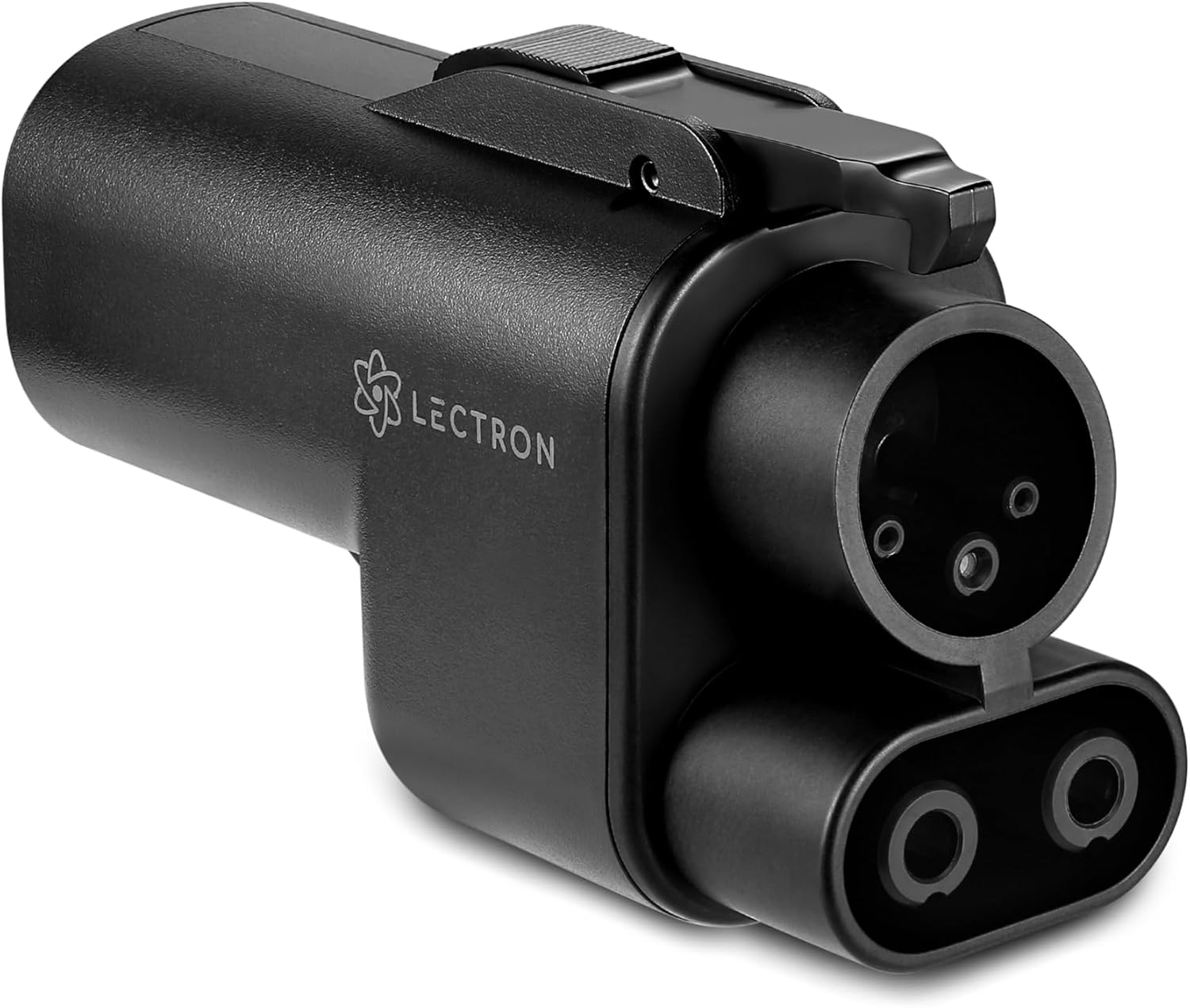
Lectron NACS to CCS Fast-Charge Adapter
Unlock every CCS fast charger for your Tesla, up to 500A DC. Never get stranded at a non-Tesla DC station again.
As an Amazon Associate, ThinkEV earns from qualifying purchases — at no extra cost to you.
On the Road, Driving Dynamics
The Model 3 drives like a proper sport sedan when you want it to and a comfortable commuter when you don't. The Long Range AWD, the only trim currently sold in Canada, does 0-100 km/h in 4.4 seconds, which is absurdly quick for a family sedan. Regenerative braking is strong and predictable, after a week, you barely touch the brake pedal in city driving.
Where the Model 3 genuinely shines is in the corners. The low centre of gravity from the floor-mounted battery pack makes it feel planted through turns in a way that most sedans in this price range simply can't match. Driving Highway 99 through the curves north of Squamish, the Model 3 feels confident and composed. It's not a BMW M3, but it's closer to that experience than anything else in the EV space at this price.
Let me put the acceleration in context, because 4.4 seconds to 100 km/h is a number that's easy to gloss over. That's faster than a base Porsche 718 Boxster. It's faster than a BMW 330i. It's faster than every Honda Civic Type R ever made. And this is the base, and only, Model 3 sold in Canada. There's no "slow" version you have to avoid. Every Model 3 on Canadian roads has this level of performance, and it's available at any speed, from any speed. Merging onto the 401 in Toronto, passing a transport truck on the Trans-Canada in New Brunswick, pulling away from a light on Jasper Avenue in Edmonton, the instant torque of the dual motors makes every one of these scenarios effortless. You don't plan overtakes in this car. You just do them.
The steering is well-weighted and responsive, though it lacks the communicative feel of a BMW i4. Through the tight corners of Highway 60 heading into Algonquin Park, the Model 3 changes direction quickly and with confidence, but you don't get a lot of feedback through the wheel about what the front tires are doing. It's competent rather than engaging, a distinction that will matter to driving enthusiasts but won't register for most buyers.
The ride quality has improved noticeably with the Highland refresh. Tesla has softened the suspension tuning, added acoustic glass for the front windows, and improved the door seals. The result is a car that's significantly more comfortable on long highway drives than the pre-Highland version. A four-hour drive from Calgary to Banff and back feels unhurried and relaxing in a way that the original Model 3 never quite achieved.
Gear worth having
As an Amazon Associate, ThinkEV earns a small commission from qualifying purchases — at no extra cost to you.
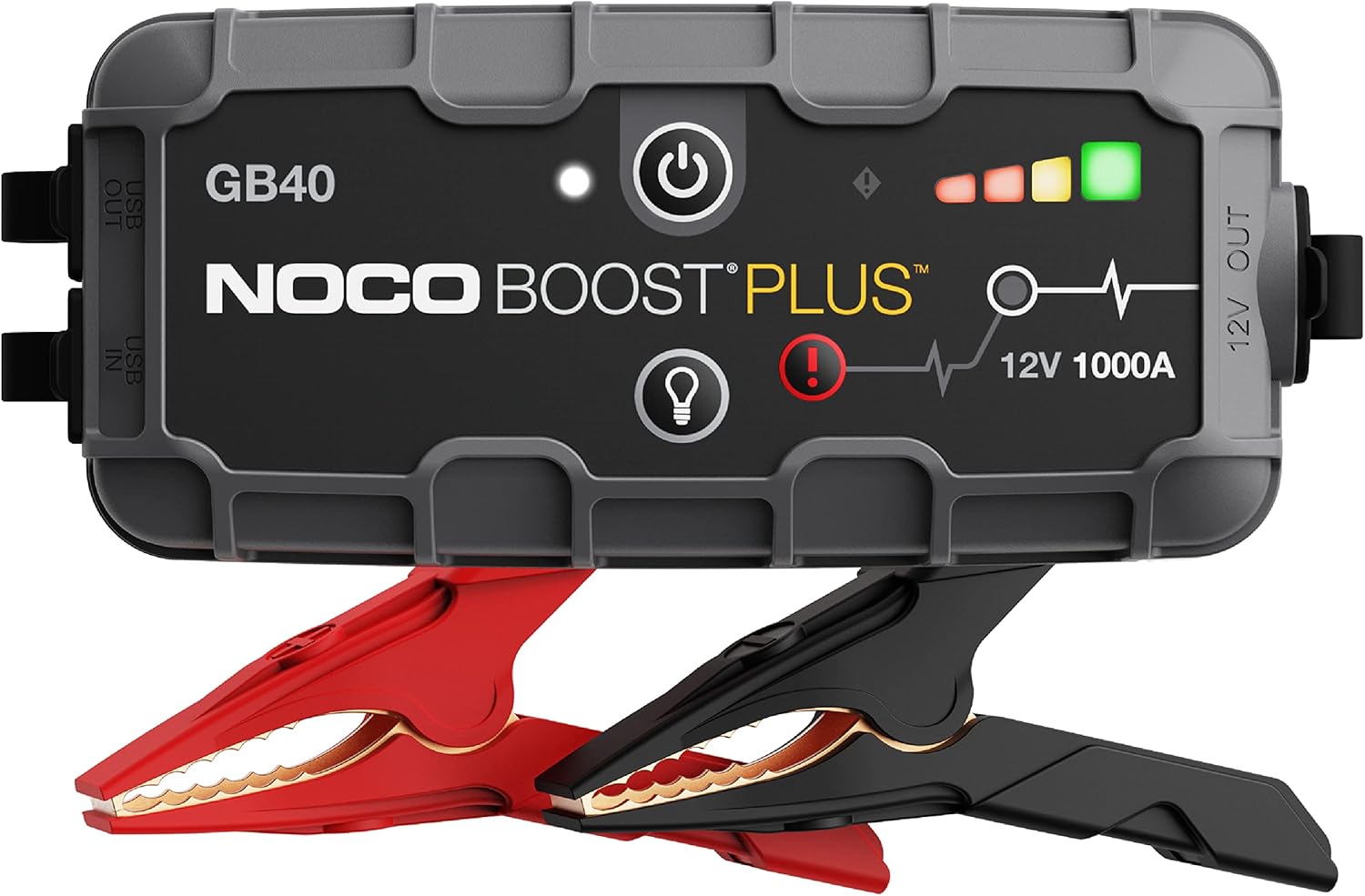
NOCO Boost Plus GB40 Jump Starter
A 1000A lithium jump starter that fits in your glovebox and works on any 12V battery. Your insurance against a dead 12V in a parking lot.
As an Amazon Associate, ThinkEV earns from qualifying purchases — at no extra cost to you.
Regenerative braking deserves its own paragraph because it fundamentally changes how you drive. In standard mode, lifting off the accelerator applies a strong regenerative force that slows the car significantly, enough that you can drive through city traffic using only the accelerator pedal in most situations. This "one-pedal driving" is initially unusual but becomes second nature within a few days.
More importantly, it captures energy that would otherwise be lost as heat through the brake pads, feeding it back into the battery. This extends real-world range by 10 to 15 percent in city driving and dramatically reduces brake wear. Tesla owners routinely go 150,000 to 200,000 km before needing brake pad replacement, compared to 50,000 to 80,000 km for a comparable gas sedan. That's a meaningful maintenance saving over the life of the car.
Highway cruising on Autopilot (Tesla's driver-assistance system, not a self-driving system, important distinction) is where the Model 3 really excels as a touring car. The adaptive cruise control and lane keeping work well on Canadian highways, particularly on well-marked stretches like the 400-series highways in Ontario or Highway 1 through the Fraser Valley. It reduces fatigue on long drives considerably. Just remember that Autopilot requires your hands on the wheel and your attention on the road, it's a Level 2 system, and treating it as anything more is dangerous.
The noise, vibration, and harshness (NVH) improvements in the Highland are worth emphasizing because they transform the highway experience. Tesla added double-pane acoustic glass for the front windows, improved the door seals, and added more sound-deadening material throughout the body. At 100 km/h, the cabin is noticeably quieter than the pre-Highland model, you can carry on a normal conversation without raising your voice, which wasn't always the case in earlier Model 3s. On the QEW between Hamilton and Niagara Falls, which has notoriously rough road surfaces in spots, the Highland rode with a composure that would have been unthinkable in the 2019 version. It's the kind of improvement that doesn't show up on a spec sheet but fundamentally changes how the car feels to live with.
Gear worth having
As an Amazon Associate, ThinkEV earns a small commission from qualifying purchases — at no extra cost to you.
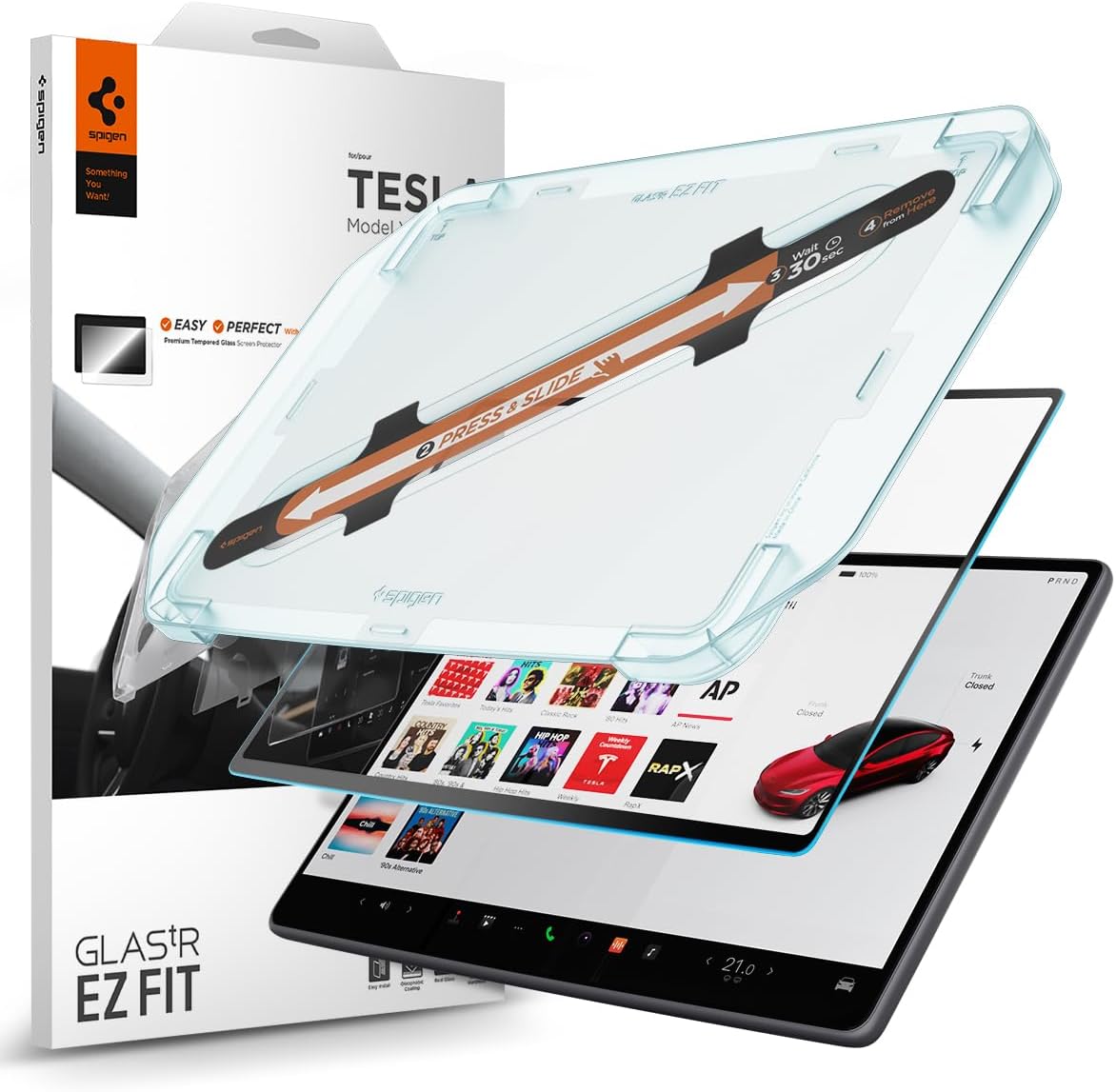
Spigen Tempered Glass for Tesla Model 3/Y
Tempered-glass protection for the touchscreen that kills fingerprints and scratches. Two minutes to install, lasts the life of the car.
As an Amazon Associate, ThinkEV earns from qualifying purchases — at no extra cost to you.
Winter Performance
Canada and winter driving are inseparable, and any EV review that doesn't dedicate serious attention to cold-weather performance is doing Canadian buyers a disservice. So let me be thorough here, because the Model 3's winter behaviour is a mix of genuine strengths and unavoidable compromises.
Range loss is the headline concern, and the numbers are real. At -20C, a temperature that residents of Winnipeg, Edmonton, Saskatoon, Ottawa, and much of Quebec experience regularly from December through February, expect the Model 3's usable range to drop to approximately 420 to 470 km. That's roughly 25 to 35 percent below the 629 km rated figure. The primary culprits are battery chemistry (lithium-ion cells simply deliver less energy when cold), cabin heating demand, and increased rolling resistance from winter tires and cold pavement. At -30C, which happens more often than southern Canadians like to think, range can dip below 400 km. Our full analysis in the EV winter range test covers this topic in depth across multiple models.
Tesla's heat pump is standard on the Highland Model 3, and it's a meaningful advantage over resistive heating systems. A heat pump works like a reverse air conditioner, it moves heat from the outside air into the cabin rather than generating heat from scratch. This is significantly more energy-efficient: Tesla's heat pump uses roughly 30 to 40 percent less energy for cabin heating compared to a traditional resistive heater. In a Canadian winter, where cabin heating can consume 3 to 5 kW of continuous power, that efficiency difference translates directly into preserved range. Not all competitors have caught up here, while the Polestar 2 and Kia EV4 also offer heat pumps, the BMW i4 still relies on resistive heating for some configurations.
Preconditioning is a feature that every Canadian Model 3 owner should use religiously. Through the Tesla app, you can start heating the cabin and battery 20 to 30 minutes before you plan to drive. When the car is plugged in, this preconditioning energy comes from the wall rather than the battery, meaning you leave with a warm cabin, a warm battery ready to accept regenerative braking, and a full charge. The difference is significant: a preconditioned Model 3 at -20C will deliver noticeably better range in the first 30 to 60 minutes of driving compared to a cold start. It also means your windows are defrosted and the cabin is comfortable before you even step outside, a luxury that gas car owners need a remote starter to achieve.
Traction in snow and ice is excellent with the right tires. The dual-motor AWD system provides true all-wheel drive with independent motor control on each axle, which responds faster than any mechanical all-wheel-drive system. The traction control is sophisticated and rarely intrusive. On a set of dedicated winter tires, something I cannot stress enough as mandatory for Canadian EV owners, the Model 3 handles snow-covered roads with confidence. Driving through an early March snowstorm from Kingston to Montreal on the 401, the car tracked straight and true even through sections of unplowed highway. The low centre of gravity helps here too, providing stability that top-heavy SUVs can't match.
A note on winter tires: they're legally required in Quebec from December 1 to March 15, but they should be standard practice everywhere in Canada. A set of quality winter tires (Nokian Hakkapeliitta, Bridgestone Blizzak, or Michelin X-Ice) in 18-inch size for the Model 3 runs approximately $800 to $1,200 for the set, plus mounting and balancing. Some owners opt for a dedicated set of winter wheels to make seasonal swaps easier and to protect their alloy wheels from road salt. The 18-inch Photon wheels that come standard on the Canadian Model 3 are actually a good winter wheel choice, smaller diameter means more tire sidewall, which improves ride comfort and provides better protection against pothole damage during the spring thaw.
Cold-weather charging behaviour is worth understanding. When the battery is cold, DC fast charging speeds are reduced to protect the cells. Without preconditioning, plugging into a Supercharger at -20C might only deliver 50 to 80 kW initially, ramping up as the battery warms. With route-based preconditioning (the car heats the battery when you work through to a Supercharger), you'll arrive at the station with a battery that's warm enough to accept 200+ kW from the start.
This can cut your charging stop by 10 to 15 minutes, time that adds up on a winter road trip. Home Level 2 charging is largely unaffected by cold weather, though a frozen charging port can occasionally be an issue. The Model 3's powered charge port door has a built-in heater to prevent freezing, which works well in practice.
Ownership and Costs
Let's talk money, the full picture, not just the sticker price. The Model 3 Long Range AWD starts at approximately $54,990 CAD. This exceeds the federal EVAP rebate cap of $50,000, so there's no $5,000 federal incentive coming back to you. Some provincial rebates may still apply depending on your province, but the federal money is off the table. For comparison, the Kia EV4 at $38,995 qualifies for the full EVAP rebate, bringing its effective price down to approximately $33,995. That's a $21,000 gap between the two cars, real money that buys a lot of Supercharger sessions. Our detailed EVAP rebate guide walks through the qualification criteria.
Annual maintenance costs for the Model 3 run approximately $500 to $800 per year. That covers tire rotations every 10,000 to 12,000 km (about $60-80 per rotation), cabin air filter replacement every two years (roughly $50-80), brake fluid check and potential replacement every two years (approximately $100-150), and a multi-point vehicle inspection. What's conspicuously absent from this list is oil changes ($0), transmission service ($0), spark plug replacement ($0), engine air filter ($0), and exhaust system maintenance ($0).
The regenerative braking system means brake pads last 50 to 75 percent longer than on a comparable gas vehicle. By conservative estimate, you'll save $800 to $1,200 per year in maintenance costs compared to a gas sedan like a Camry or Accord. Over five years, that's $4,000 to $6,000 in maintenance savings alone. Our detailed EV maintenance cost breakdown covers what you actually pay across different makes and models.
Fuel savings are the other major cost advantage. A comparable gas sedan, say, a Toyota Camry, uses approximately 7.5 to 8.5 litres per 100 km. At $1.55 per litre (a reasonable average for 2026 Canadian fuel prices), that's roughly $2,400 to $2,700 per year for a driver covering 20,000 km annually. The Model 3, charged primarily at home, costs approximately $360 to $600 per year in electricity for the same distance, depending on your provincial electricity rate.
That's a fuel saving of $1,750 to $2,200 per year. Even if you do 30 percent of your charging at Superchargers (paying $0.40-$0.55 per kWh), the annual energy cost only rises to approximately $550 to $900, still a massive saving over gasoline. For the full math, see our EV vs gas total cost of ownership comparison.
Insurance is one area where the Model 3 can be more expensive than competitors. Insurance premiums for the Model 3 in Canada typically run 10 to 20 percent higher than a comparable gas sedan, and 5 to 15 percent higher than some EV competitors like the Polestar 2 or Kia EV4. This is driven by higher repair costs (the battery pack and structural aluminum are expensive to fix after an accident), Tesla's parts pricing, and the Model 3's performance capabilities. Budget approximately $2,000 to $3,200 per year for comprehensive coverage, depending on your province, driving record, and deductible choices. Ontario and British Columbia tend to have the highest premiums; Quebec and the prairies are typically lower.
Depreciation is improving for the Model 3. Early Tesla models depreciated steeply as the company constantly revised pricing, but the Highland's pricing has been more stable. Expect to retain approximately 55 to 65 percent of the purchase value after three years and 40 to 50 percent after five years, which is competitive with the BMW i4 and better than the Polestar 2 (which tends to depreciate faster due to lower brand recognition in the resale market).
Let me put the five-year total cost of ownership together. For a Model 3 Long Range AWD driven 20,000 km per year:
- Purchase price: $54,990
- Five-year fuel/electricity: $2,000 to $3,500
- Five-year maintenance: $2,500 to $4,000
- Five-year insurance: $10,000 to $16,000
- Estimated residual value (year 5): $22,000 to $27,500
The net five-year cost of ownership comes to approximately $42,000 to $51,000. A comparably equipped Toyota Camry XSE, purchase price around $40,000, racks up approximately $38,000 to $48,000 over the same period when you factor in higher fuel and maintenance costs. The Model 3 is surprisingly close to a gas sedan on total cost of ownership, despite the higher sticker price. And it's a dramatically more engaging car to drive.
Who Should Buy This Car
The Model 3 Highland isn't for everyone, and I think it's honest to say who benefits most from this car. Here are the profiles where the Model 3 makes the most sense:
The Road Tripper. If you regularly drive between Canadian cities, Toronto to Montreal, Calgary to Vancouver, Halifax to Moncton, the Supercharger network is worth its weight in gold. The 629 km rated range plus reliable fast charging means you can cover long distances with minimal planning. No other EV brand offers this level of road-trip confidence in Canada today. If your monthly driving includes even two or three intercity trips, the Supercharger advantage alone justifies the Tesla premium.
The Performance Enthusiast. At 4.4 seconds to 100 km/h with dual-motor AWD, the Model 3 offers sports car acceleration in a practical sedan package. If you enjoy driving and want something that's genuinely fun through corners, not just quick in a straight line, the Model 3's low centre of gravity and sharp handling deliver. The BMW i4 is the only real competitor here on driving dynamics, and it costs $66,000.
The Tech-Forward Buyer. If you want the most advanced driver-assistance features, over-the-air updates that add new functionality, and an app ecosystem that lets you control virtually every aspect of your car from your phone, Tesla is still the benchmark. The Model 3 gets regular software updates that add features months or years after purchase, something most competitors simply don't match.
The Commuter. If your daily drive is under 80 km round trip, which describes the vast majority of Canadian commuters, the Model 3 makes a compelling case purely on operating costs. Charge at home overnight for $5 to $10, skip the gas station entirely, and enjoy a quiet, comfortable ride through city traffic with one-pedal driving. The instant torque makes merging and passing effortless, and the compact sedan dimensions mean you're not wrestling a crossover through tight parking garages in downtown Toronto, Montreal, or Vancouver.
Who should look elsewhere? Budget-conscious buyers should seriously consider the Kia EV4, which offers excellent range for $16,000 less and qualifies for the EVAP rebate. Buyers who prioritize interior luxury and refinement over charging infrastructure should test-drive the Polestar 2, which offers a more tactile, Scandinavian-designed cabin at a lower price.
Families who need more space should consider the Model Y Juniper or the Chevy Equinox EV. And anyone who simply cannot stomach the idea of supporting Tesla as a company, a sentiment that has grown among some Canadian buyers, has genuinely competitive alternatives now in a way that didn't exist three years ago.
The Verdict
The Model 3 Highland is a better car than the one it replaces. The interior is nicer, the ride is smoother, the noise levels are lower, and the Supercharger network remains the best in Canada. If you value road-trip reliability and driving dynamics above all else, the Model 3 is still the one to beat in the electric sedan category.
But, and I keep coming back to this, $55K is a lot of money when the Polestar 2 undercuts the Model 3 on price while offering a more refined cabin, and the Chevy Equinox EV does the practical family thing better for $10K less. The Kia EV4 offers strong range for under $43,000. Tesla's brand cachet and Supercharger network still carry weight, but the days of the Model 3 being the default recommendation are over.
If you can afford it and you road trip a lot, buy it. If you're budget-conscious and mostly commute, look at the Polestar 2 or the Equinox EV. The Model 3 is still excellent, it's just no longer alone at the top.
The Highland refresh proves Tesla can still build a compelling sedan, better materials, better ride, better efficiency. But the company's decision to price the only Canadian trim above the EVAP rebate threshold feels like a strategic miscalculation in a market where competitors are aggressively targeting that $35,000 to $50,000 sweet spot. For now, the Model 3 earns its place on any Canadian EV shortlist. Whether it earns the top spot depends entirely on what you value most: charging infrastructure and performance (Tesla wins), or value and interior refinement (the competition has answers). For a head-to-head comparison with its most direct rival, check out our BMW i4 vs Tesla Model 3 breakdown.
On safety: The Model 3 has earned top safety ratings from both NHTSA and IIHS, and the data on EV fire risk is overwhelmingly reassuring. EVs experience approximately 25 fires per 100,000 vehicles sold, compared to 1,530 per 100,000 for gasoline vehicles. The Model 3's structural design, with the rigid battery pack forming a protective floor and the crumple zones benefiting from the absence of a heavy engine block, makes it one of the safest sedans on the road regardless of powertrain. For Canadian families, that's a data point that matters.
Gear worth having
As an Amazon Associate, ThinkEV earns a small commission from qualifying purchases — at no extra cost to you.

WeatherTech FloorLiner for Tesla Model 3
Deep-channel liners that trap every drop of slush and salt. The difference between a ruined interior and a showroom-fresh cabin after a Canadian winter.
As an Amazon Associate, ThinkEV earns from qualifying purchases — at no extra cost to you.
Related Reading
- BMW i4 vs Tesla Model 3 Canada 2026, Premium sedan showdown
- Kia EV4 vs Tesla Model 3 Canada 2026, Value vs brand comparison
- Kia EV4 Canada Review, The budget long-range contender
- Tesla Model Y Juniper Canada Review, Tesla's crossover gets the same treatment
- Best Level 2 EV Chargers Canada 2026, Home charging essentials
- EV vs Gas Total Cost of Ownership, The full financial picture
- Canada EVAP Rebate 2026 Guide, Everything you need to know about the federal rebate
Gear worth having
As an Amazon Associate, ThinkEV earns a small commission from qualifying purchases — at no extra cost to you.

Tesla Key Card Holder with AirTag Slot
Stop fishing the keycard out of your wallet, and slot an AirTag in case the car wanders off in a lot.
As an Amazon Associate, ThinkEV earns from qualifying purchases — at no extra cost to you.

Founder & Chief Editor
Vlad Pereira is the founder and chief editor of ThinkEV.ca, the Canadian electric-vehicle publication he writes and edits from Courtenay, British Columbia. He covers EV pricing, federal and provincial rebates, charging costs, and the Chinese manufacturers now entering Canada, from the buyer's side rather than the press-fleet side. ThinkEV is a venture of Vlad Pereira Online; his writing on health, income and the long game lives at vladpereira.com.
Frequently asked questions
Does the Tesla Model 3 Highland qualify for Canada's $5,000 EVAP rebate?
What is the real winter range of the Model 3 Highland in Canada?
How does the Model 3 compare to the Polestar 2?
Is the Model 3 good for Canadian winter driving?
How much does it cost to charge a Tesla Model 3 at home in Canada?
What maintenance does a Tesla Model 3 need?
How fast does the Model 3 charge at a Supercharger?
Is the Tesla Model 3 safe? What about battery fires?
How does the Model 3 compare to the Kia EV4?
More EV & road-trip finds
Affordable upgrades worth a look — tap any to check the price on Amazon.
 ★ 2,941
Microfiber Cleaning Cloths (Multi-Pack)
View on Amazon ★ 537
★ 537USB Star Projector Roof Light
View on Amazon ★ 1,349
Cool Swinging Duck Dashboard Ornament
View on Amazon ★ 27,769
Car Cup Holder Coasters (4-Pack)
View on Amazon ★ 721
★ 72145W USB-C Fast Car Charger
View on Amazon ★ 121
★ 121Foldable Windshield Sun Umbrella
View on Amazon ★ 17,839
Qifutan Vent Phone Mount (Military-Grade Clip)
View on Amazon ★ 96,686
PULIDIKI Car Cleaning Gel (Detailing Putty)
View on AmazonRead, Plan, Then Stay Current
Explore our expert articles to understand incentives and ownership costs, use the map to pressure-test charging reality, then subscribe so new EV coverage comes straight to you.
Continue Reading
Tesla Model Y Juniper Canada Review: Range, Price
Volvo EX30 Canada Review: The Small One to Want
Rivian R1T Canada Review 2026: 515 km Quad-Motor
Rivian R2 Canada Price 2026: The $57K Electric SUV
VW ID. Buzz Canada Review: $69,995 Electric Microbus