Key takeaways
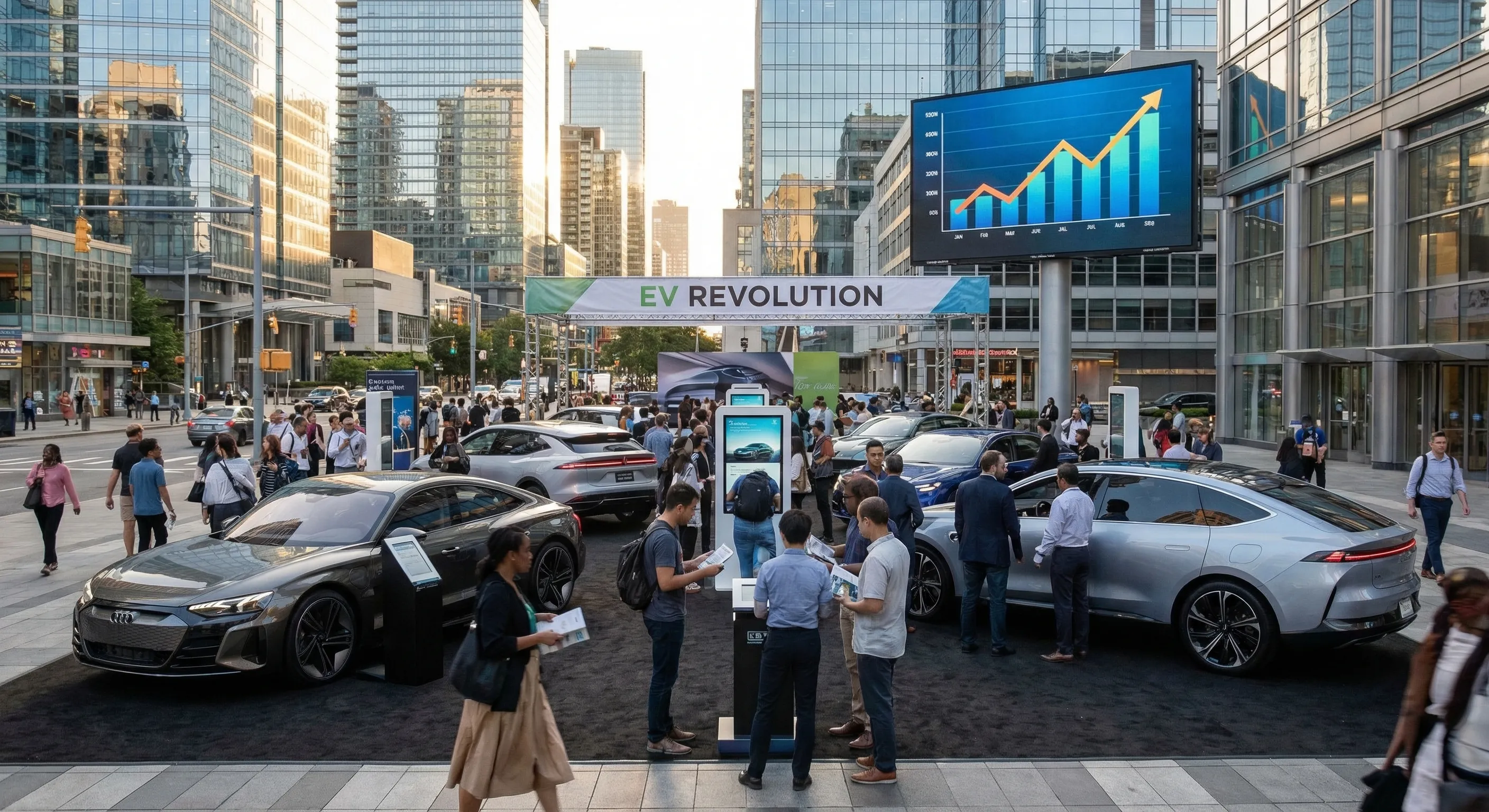
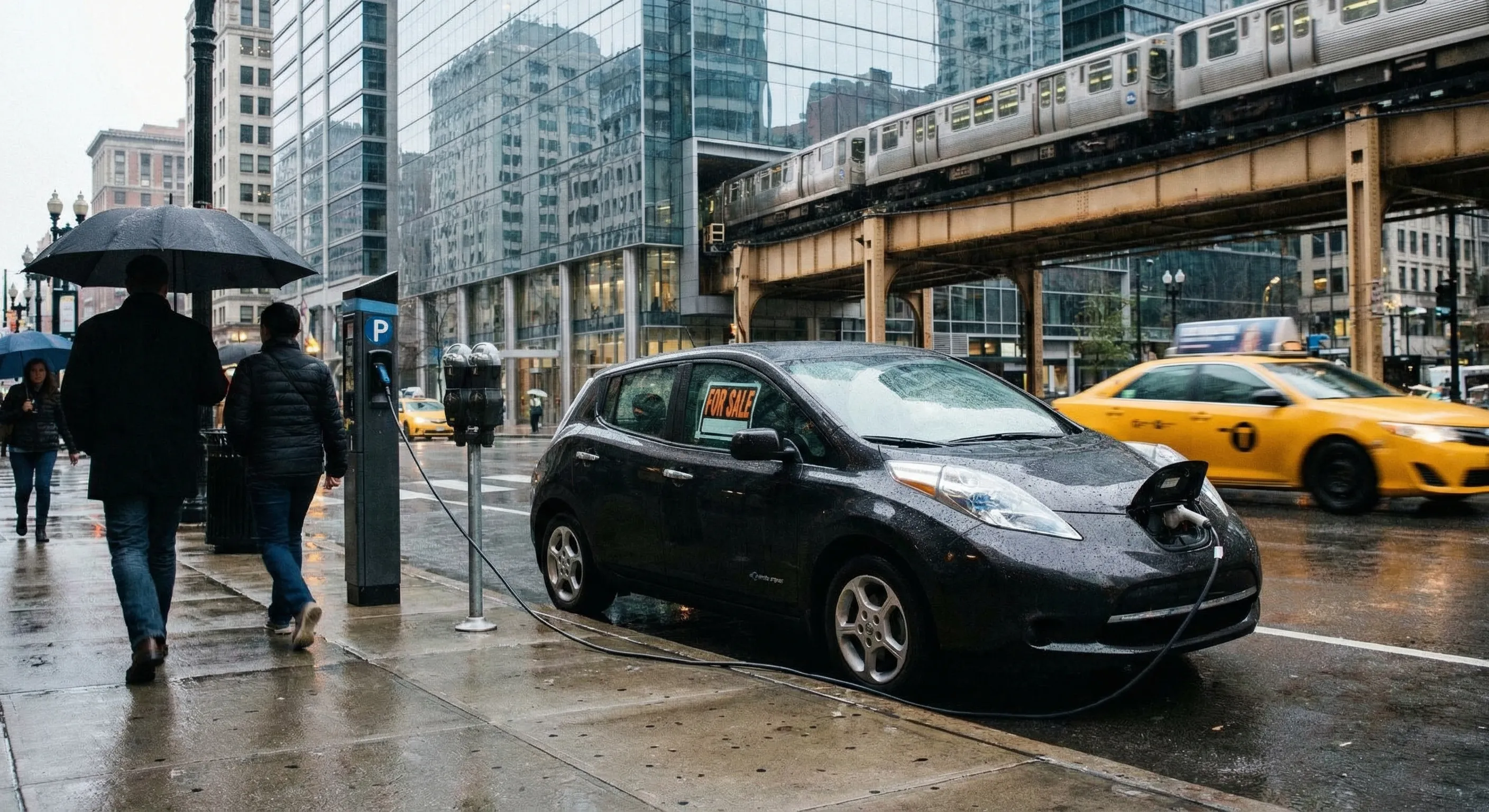
- Prices on used EVs dropped 15-20% year over year, and suddenly a segment that barely existed three years ago became the fastest-growing part of the Canadian car market.
- Canada's used EV market now moves more than 3,000 units per month.
- A 2022 Chevrolet Bolt with 40,000 km now sells for $18,000-$22,000 in Ontario.
- A 2021 Tesla Model 3 Standard Range Plus with 60,000 km goes for $30,000-$38,000.
Canada's used EV market now moves more than 3,000 units a month, prices are down 15-20% year over year, and a 2022 Chevrolet Bolt with 40,000 km lists for $18,000 in Ontario. Three years ago that same car cost $8,000 to $12,000 more. The segment that barely existed in 2022 is now the fastest-growing part of the Canadian car market.
And for anyone watching their wallet, which is most of us, this is the moment that changes the math on going electric.
Canada's used EV market now moves more than 3,000 units per month. That's not a niche. That's a full-blown market segment with enough inventory to be competitive, enough price pressure to push deals, and enough variety that you're not just picking from whatever leftovers the first owners didn't want. You're choosing from a genuine selection of capable electric vehicles at prices that finally compete with used gas cars.
The numbers paint a clear picture. A 2022 Chevrolet Bolt with 40,000 km now sells for $18,000-$22,000 in Ontario. A 2021 Tesla Model 3 Standard Range Plus with 60,000 km goes for $30,000-$38,000. A 2022 Hyundai Kona Electric with low kilometres lists at $28,000-$34,000. Three years ago, these same cars were $8,000-$12,000 more expensive on the used market. For buyers who were priced out of new EVs, this is the moment that changes the equation.
And here's what makes this genuinely exciting from a cost-of-ownership perspective: even at these used prices, you're still getting the EV savings. A used Bolt at $19,000 saves you $150-$200 per month on fuel compared to a similarly priced gas car. You're still avoiding oil changes, transmission fluid, brake pad replacements, and exhaust repairs. The total cost of ownership advantage doesn't disappear when you buy used, it actually gets better, because your purchase price is lower and the running cost savings are the same.
The sections below cover what's happening, what to buy, what to avoid, and how to get the best deal in 2026.
WHERE THE SUPPLY IS COMING FROM
Three things happened at once to flood the used market, and understanding them helps you shop smarter. Each supply source has different implications for what you're buying and how much you should pay.
Lease Returns, The Biggest Wave
First, the initial wave of three-year leases on EVs sold in 2022-2023 started returning to dealers. Lease returns from the Tesla Model 3, Hyundai Kona Electric, and Nissan Leaf pushed tens of thousands of low-mileage used EVs onto dealer lots across the country.
This is the source you want to target as a buyer. Lease-return vehicles tend to have lower kilometres (typically 45,000-60,000 km on a three-year lease), were serviced at dealerships on schedule, and often still have remaining factory warranty coverage. The drivers weren't necessarily car enthusiasts, many were people who leased to try electric and didn't buy out because they wanted a newer model. These vehicles are in excellent condition and hitting the market at steep discounts because dealers need to move inventory.
The lease-return flood is particularly strong in Quebec and BC, where EV adoption was highest in 2022-2023. In these provinces, you'll find the widest selection but also the most informed buyers, so do your homework before showing up.
Fleet Disposals, The Hidden Gems
Second, fleet disposals accelerated. Companies like Hydro-Quebec, Canada Post, and municipal transit agencies had purchased EVs for fleet use in 2021-2023, and their typical three-to-four-year replacement cycles meant those vehicles hit the used market in 2025. Fleet vehicles tend to be well-maintained with complete service records, which makes them attractive to used buyers.

Fleet EVs are interesting because they've often been driven in predictable patterns, daily routes, regular charging cycles, proper overnight charging rather than constant DC fast charging. That's actually ideal for battery health. The downside is that fleet vehicles may have higher kilometres (80,000-120,000 km in some cases) and cosmetic wear. But if you care about battery condition over paint condition, ex-fleet EVs are worth investigating.
Look for fleet disposals through government surplus auctions, dealer groups that specialize in fleet vehicles, and occasionally on platforms like GovDeals or municipal auction sites. The prices are often 10-15% below comparable retail listings because fleet managers are volume sellers who care about turnover, not maximizing per-unit profit.
Trade-Ups, The Early Adopter Upgrade Cycle
Third, early adopters are upgrading. The people who bought first-generation Bolts, Leafs, and Model 3s are trading them in for newer models with longer range, faster charging, and better cold-weather performance. Their trade-ins are perfectly functional vehicles with 80-90% battery health remaining, and they're entering the market at prices that make EVs accessible to a much wider audience.
These trade-up vehicles are often the best-maintained of all. Early adopters tend to be enthusiasts who took care of their cars, knew how to charge properly, and kept up with software updates. Many of these vehicles have aftermarket Level 2 chargers already installed at the seller's home, and the seller can tell you exactly how the car performed through Canadian winters. That first-hand knowledge is worth something, it tells you things that a Carfax report can't.
The combined effect is a market with more inventory than demand can absorb, which means prices keep dropping. For buyers, that's a gift. For sellers trying to offload a 2022 EV, it's less fun, depreciation has been steeper than expected. But for anyone reading this trying to figure out the cheapest way into an electric vehicle, the market has never been friendlier.
TOP USED EV MODELS AND WHAT YOU SHOULD PAY
Let me break down the specific vehicles you should be looking at, what they're actually selling for in early 2026, and what each one is best suited for. Prices are based on Autotrader and CarGurus listings across major Canadian markets, your mileage will vary literally and figuratively depending on province, condition, and how patient you are.
Chevrolet Bolt EV and EUV, The Budget King ($18,000-$22,000)
The Chevrolet Bolt is the king of the used EV market in Canada right now. Its combination of decent range (400+ km when new), GM's reliability reputation, and rock-bottom prices make it the default recommendation for budget-conscious buyers. In Quebec and Ontario, which account for about 60% of used EV sales, Bolts dominate the listings.
A 2022 Bolt EV with 40,000-60,000 km typically lists for $18,000-$20,000. The slightly larger Bolt EUV, which adds a few centimetres of rear legroom and available Super Cruise, runs $20,000-$22,000 for the same vintage. Both offer 400+ km of rated range, which translates to roughly 300-340 km in Canadian winter conditions. That's enough for the vast majority of daily driving patterns.
The Bolt's strengths are straightforward: it's cheap, it's reliable, it has good range, and GM's dealer network means you can get it serviced almost anywhere. Its weaknesses are equally clear: no DC fast charging above 55 kW (which makes road trips tedious), no heat pump (so winter range takes a bigger hit than competitors), and the interior feels budget even by compact car standards.
For your wallet, the Bolt is the easiest recommendation. If you're spending $19,000 on a used car and your primary concern is getting from A to B as cheaply as possible, the Bolt delivers. Factor in fuel savings of roughly $150/month compared to a similarly priced gas car, and the real cost of Bolt ownership is remarkably low.
Gear worth having
As an Amazon Associate, ThinkEV earns a small commission from qualifying purchases — at no extra cost to you.
NOCO Boost Plus GB40 Jump Starter
A 1000A lithium jump starter that fits in your glovebox and works on any 12V battery. Your insurance against a dead 12V in a parking lot.
As an Amazon Associate, ThinkEV earns from qualifying purchases — at no extra cost to you.
Nissan Leaf, Bargain Basement ($12,000-$18,000)
The Nissan Leaf is the cheapest way into a used EV in Canada, period. Older Leafs (2019-2021) are showing up for $12,000-$16,000, which is genuinely used-Corolla money. The newer 2022 Leaf Plus (62 kWh battery) lists for $16,000-$18,000 and offers meaningfully more range.
The trade-off is range, the 40 kWh Leaf gives you about 240 km in summer and 160-180 km in winter. For someone with a short commute and home charging, that's enough. For anyone else, the Bolt is the better buy.
At $13,000-$14,000, the Leaf's math is almost comically good. Your monthly payment on a three-year loan at that price is roughly $380-$400. Subtract the fuel savings versus a comparable gas car ($140-$170/month depending on your province), and your effective monthly cost is $210-$260. That's Honda Civic territory for the monthly outlay, except you're never visiting a gas station again.
The critical caveat with Leafs, and I'll get into this more in the "what to avoid" section, is that older models (pre-2018) used air-cooled batteries without active thermal management. These degrade faster than liquid-cooled batteries, and some early Leafs in warmer Canadian markets (southern Ontario, BC's interior) have dropped below 70% battery health. Always check the battery health bars or get a LeafSpy reading before buying any Leaf.
The 2019+ Leaf with the 62 kWh battery (Leaf Plus/SL Plus) is a much safer bet. It has better range (363 km rated), and the larger battery pack seems to handle degradation more gracefully even without liquid cooling.
Tesla Model 3, The Aspirational Pick ($30,000-$38,000)
The Tesla Model 3 is the second most popular used EV in Canada, but it occupies a different niche. It's the "aspirational affordable" option, buyers who want the Tesla brand, the Supercharger network, and the tech but can't justify $50,000+ for a new one. A three-year-old Model 3 at $30,000-$34,000 offers most of the same experience at a significant discount.
Price ranges in early 2026 break down by variant. The Standard Range Plus (now called RWD) with 50,000-70,000 km goes for $30,000-$34,000. The Long Range AWD sits at $34,000-$38,000 for the same mileage. The Performance model commands a small premium over the Long Range but is harder to find.
What you get for that money is genuinely compelling: the best charging network in Canada (Supercharger access is smooth), excellent range retention in cold weather thanks to a heat pump (on 2021+ models), over-the-air software updates that keep adding features, and resale values that are the strongest of any EV. Tesla Model 3s hold their value better than almost any other EV in Canada, which means your depreciation from years three to six is significantly flatter than the competition.
The downsides: Tesla's build quality has been inconsistent, particularly on 2021-2022 models built during the peak production ramp. Check panel gaps, interior trim fit, and paint quality carefully. Service can be inconvenient, Tesla's service centre network in Canada is limited outside major cities, and mobile service appointments can take weeks. And the minimalist interior is polarizing, some people love the single-screen design, others find it frustrating.
For the money, though, the used Model 3 is the best overall EV experience in the $30,000-$38,000 range. If you can stretch your budget to this level, it's a hard car to argue against.
Hyundai Kona Electric, The All-Rounder ($28,000-$34,000)
The Kona Electric doesn't get the headlines that the Tesla or Bolt get, but it might be the smartest buy on this list. The 2022-2023 Kona Electric with 40,000-60,000 km lists for $28,000-$34,000, and it brings a combination of range, practicality, and reliability that's hard to beat.
The original Kona Electric (pre-2024 redesign) offers 415 km of rated range from its 64 kWh battery, which translates to roughly 310-350 km in winter. It has a heat pump for efficient cabin heating, DC fast charging up to 77 kW (not the fastest, but adequate), and Hyundai's 8-year/160,000 km battery warranty that transfers to second owners.
What makes the Kona special in the used market is that it doesn't have the Bolt's slow DC charging, it doesn't have the Leaf's range anxiety, and it doesn't have the Tesla's build quality lottery. It's a well-built, well-equipped small SUV that does everything competently. It's the Toyota Corolla of used EVs, not the most exciting, but you won't regret it.
The 2024+ redesigned Kona Electric is starting to appear on the used market as well, typically at $32,000-$36,000. The redesign added more interior space, faster charging, and a more modern design. If you can find a lightly used one, it's an excellent option, but the pre-redesign model at $28,000-$30,000 is the better value play.
Other Models Worth Considering
Hyundai Ioniq 5 ($32,000-$40,000): The 800V architecture means charging from 10% to 80% in 18 minutes. That's a breakthrough for road trips. Used Ioniq 5s are pricier than the models above, but the charging speed and interior space (it's genuinely spacious) justify the premium for many buyers. Battery warranty transfers to second owners.
Kia Niro EV ($24,000-$28,000): Slightly smaller than the Kona but similarly equipped. Often overlooked, which means you can find deals. The Niro EV is a solid choice for buyers who want an EV crossover without spending Ioniq 5 money.
Volkswagen ID.4 ($26,000-$32,000): Decent space and a comfortable ride, but resale values have been weaker than competitors due to early software issues that hurt the model's reputation. If you can find a 2023 model with the software updates already applied, it's a reasonable buy, but check everything carefully.
Ford Mustang Mach-E ($30,000-$36,000): Good range, fast charging on premium trims, and Ford's dealer network for service. The Select trim at the lower end of the price range is the value pick. Build quality has been better than early reviews suggested.
WHY THE MARKET IS EXPLODING RIGHT NOW
Understanding why 2025-2026 became the inflection point helps you judge whether prices will keep falling or stabilize.
The Lease Cliff
The single biggest factor is the lease cliff. Canadian EV sales accelerated dramatically in 2022-2023, driven by the federal EVAP rebate, provincial incentives, and automaker lease deals designed to make EVs competitive with gas cars. A huge percentage of those sales were leases, in some markets, more than 50% of new EV transactions.
Three-year leases from 2022-2023 started returning to dealers in late 2024 and hit full volume in 2025. The math is simple: more lease returns than new buyers to absorb them equals downward price pressure. And this wave isn't done yet. Leases from the peak Q4 2022 and Q1 2023 selling seasons are still rolling in through mid-2026.
New Model Competition
The arrival of new affordable EVs is putting a ceiling on used prices. When you can buy a brand-new Chevrolet Equinox EV for $46,995 before rebates, or plausibly see a BYD Dolphin launch somewhere around the high-$20,000s to low-$30,000s if the Canadian retail math lands favourably, the used market has to price accordingly. A used 2023 Kona Electric at $32,000 becomes a harder sell when a new Equinox EV with a full warranty and the latest tech is available in the same neighbourhood.
This new-model pressure will continue through 2026 and into 2027 as more affordable EVs launch. For used buyers, that means prices have room to drop further, or at minimum, won't be going up.
The Range Anxiety Tax Has Evaporated
In the early used EV market (2020-2023), buyers discounted used EVs heavily because of range anxiety. They didn't trust the battery, they didn't understand degradation, and they were nervous about charging infrastructure. That fear was reflected in steep depreciation.
By 2026, the charging network in Canada has expanded dramatically, battery health data from companies like Geotab has proven that most EV batteries last longer than expected, and millions of Canadians now know someone who drives an EV. The fear premium has largely dissipated. Used EV buyers in 2026 are much more informed and much more comfortable with the technology than they were three years ago.
This actually creates a sweet spot: prices dropped during the fear period and haven't fully recovered, but the underlying vehicles are proving to be reliable. You're buying at fear-era prices in a confidence-era market. That gap is your opportunity.
BATTERY HEALTH, THE MOST IMPORTANT NUMBER IN ANY USED EV DEAL
The number-one concern for used EV buyers is battery degradation, and the data is more reassuring than most people expect. But "more reassuring than expected" doesn't mean "don't worry about it." Battery health is the single most important variable in a used EV purchase, and you need to check it before you sign anything.
What the Data Actually Shows
According to Geotab's analysis of 6,000+ EVs in Canada, the average battery retains 88-92% of its original capacity after five years and 80,000 km. Tesla batteries tend to degrade the least (retaining 90%+ at 100,000 km), while older Nissan Leafs without active thermal management show the most degradation (sometimes dropping below 80% after 80,000 km in warmer climates).
Here's what those numbers mean in practical terms. If you buy a used Bolt with a rated range of 417 km and the battery is at 90% state of health, your real-world maximum range is roughly 375 km in ideal conditions and about 280-300 km in Canadian winter. That's still plenty for daily driving. If the battery is at 82%, your winter range drops to about 250-270 km. Still workable for most people, but worth knowing before you buy.
State of Health (SoH) Benchmarks, What's Good, What's Fair, What's Walk Away
Here's a practical framework for evaluating battery health based on age and kilometres:
-
Excellent (92%+ SoH): This is what you'd expect from a well-maintained EV with 30,000-50,000 km and three years of age. Pay full asking price. The battery is barely degraded and you'll get years of strong performance.
-
Good (88-92% SoH): Normal degradation for a 3-4 year old EV with 50,000-80,000 km. Fair market value. No concerns. This is where most lease returns land.
-
Acceptable (83-87% SoH): Below average but functional. Expect to negotiate 5-8% below asking price. Common in older Leafs and high-mileage fleet vehicles. Still a fine daily driver if the price is right.
-
Caution (78-82% SoH): Significant degradation. Negotiate hard, at least 10-15% below asking. The battery still works but you're giving up meaningful range. Only buy if the price reflects the condition.
-
Walk Away (below 78% SoH): Unless the price is extraordinary, this is too much degradation for a vehicle you plan to keep. Battery replacement costs ($8,000-$15,000 depending on the model) make the economics difficult.
How to Check Battery Health
Tesla: Request a battery health report from a Tesla service centre. Tesla can run remote diagnostics on any vehicle using its VIN. Some third-party apps (Recurrent, Tessie) can also provide battery health estimates. Look for the "rated range" versus "actual range" comparison, a significant gap indicates degradation.
Nissan Leaf: Use an OBD-II Bluetooth dongle ($30-$50 on Amazon) with the LeafSpy app ($5). This gives you exact battery capacity, individual cell voltages, and state of health percentage. It's the gold standard for Leaf battery assessment and takes about five minutes to run.
Hyundai/Kia: Ask the dealer to run a battery health diagnostic through their GDS system. Hyundai dealers can provide a printout showing SoH percentage and individual module health. For private sales, some third-party services like EV Health Check (available in major cities) can do mobile battery assessments for $75-$150.
Chevrolet Bolt: GM dealers can pull battery health data through their diagnostic tools. For private sales, Chevrolet's OnStar diagnostics (if the subscription is still active) can provide battery health information. Third-party OBD-II tools with Torque Pro or equivalent apps can also pull Bolt battery data.
General rule: Never skip the battery health check. It's the equivalent of a compression test on a gas engine, it tells you the most important thing about the car's remaining useful life. Any seller who refuses to let you check the battery health is hiding something.
Gear worth having
As an Amazon Associate, ThinkEV earns a small commission from qualifying purchases — at no extra cost to you.

Grizzl-E Classic Level 2 EV Charger (40A)
Canadian-made and rated for minus 40C winters. 40A / 9.6 kW, NEMA 14-50, indoor/outdoor, 24-ft cable. The charger built for Canadian weather.
As an Amazon Associate, ThinkEV earns from qualifying purchases — at no extra cost to you.
Why Canadian Batteries Last Longer
For Canadian buyers specifically, cold weather actually helps battery longevity. Extreme heat is what accelerates degradation, and Canadian vehicles spend most of their life below the temperatures that cause rapid capacity loss. A used EV that spent its life in Winnipeg or Halifax will typically have better battery health than one from Arizona or Texas.
This is a genuine advantage when buying used in Canada. Lithium-ion batteries degrade fastest when stored or operated at temperatures above 35°C for extended periods. Canada's climate, where average temperatures are below 20°C for most of the year, is close to ideal for battery longevity. Studies from Geotab and Recurrent show that Canadian EVs retain 3-5% more battery capacity than identical vehicles in the southern United States at the same age and mileage.
The one exception is rapid DC fast charging in extreme cold (below -20°C). Some early EVs without battery preconditioning (pre-2020 Leafs, early Bolts) could experience elevated degradation from cold-weather fast charging. Modern EVs precondition their batteries automatically before fast charging, which eliminates this issue. But if you're looking at a 2019-2020 Bolt or Leaf that was regularly DC fast charged in Saskatchewan winters, ask more questions about the charging history.
WARRANTY TRANSFER, WHAT YOU GET AND WHAT YOU DON'T
Understanding warranty coverage is critical for used EV buyers because battery replacement is the one repair that can be genuinely expensive. Here's what each major brand offers for second owners.
Hyundai and Kia, The Gold Standard
Hyundai and Kia offer the best warranty transfer in the business. Their 8-year/160,000 km battery warranty transfers in full to second (and subsequent) owners. The comprehensive warranty drops from 5 years to 3 years for second owners, but the powertrain and battery coverage remains unchanged.
This makes used Kona Electrics, Ioniq 5s, and Kia Niro EVs particularly attractive. If you buy a 2022 model in 2026, you still have four years of battery warranty coverage remaining. That's genuine peace of mind and a significant negotiating point if you're comparing against vehicles with less warranty coverage.
Tesla, Transfers, But Check the Details
Tesla's 8-year battery warranty (120,000 km for Standard Range, 200,000 km for Long Range/Performance) transfers to subsequent owners. However, Tesla warrants the battery to 70% capacity, meaning if your battery drops below 70% SoH within the warranty period, Tesla will repair or replace it.
The practical implication: a 2022 Model 3 Standard Range bought in 2026 has four years of battery warranty remaining, covering you to 2030 or 120,000 km. Tesla has been reasonably good about honouring battery claims, though the process can be slow and requires a service centre visit.
General Motors (Chevrolet Bolt), Good Coverage
GM's Bolt battery warranty is 8 years/160,000 km and transfers to second owners. Following the battery recall (completed 2022-2023), GM replaced or repaired batteries in affected Bolts under a separate recall warranty. If you're buying a post-recall Bolt, which most 2022+ models are, the battery has either been replaced or confirmed safe, giving you essentially a refreshed battery pack.
This is actually one of the Bolt's hidden advantages in the used market. A 2022 Bolt that received a battery replacement under the recall effectively has a newer battery than its age would suggest. Ask the seller or dealer whether the recall work was performed and get documentation.
Nissan, The Weakest Link
Nissan's Leaf battery warranty is 8 years/160,000 km, and it transfers to second owners. However, Nissan only warrants capacity loss below 9 bars (out of 12) on the dashboard gauge, which corresponds to roughly 66-70% SoH. That's a lower threshold than most competitors, meaning you'd have to experience significant degradation before Nissan covers a replacement.
For older Leafs (2019-2020) approaching the end of their warranty window, this is worth noting. If the battery is at 78% SoH, Nissan won't cover it because it hasn't dropped below the 9-bar threshold. You're on your own for any capacity loss above that floor.
Ford, Solid but Standard
Ford's Mustang Mach-E has an 8-year/160,000 km battery warranty that transfers to second owners. The warranty covers battery defects and capacity loss below 70% SoH. Ford's dealer network is an advantage for warranty service, you can get battery diagnostics and warranty claims handled at any Ford dealer, which is more convenient than Tesla's service centre model.
CPO VERSUS PRIVATE SALE, WHERE TO BUY
This is where the rubber meets the road for your wallet. The difference between a dealer-certified pre-owned EV and a private sale can be $2,000-$5,000 on the same vehicle. Here's how to decide which route makes sense.
Certified Pre-Owned (CPO), Pay More, Worry Less
A CPO EV from a franchise dealer has been inspected, reconditioned, and comes with an extended warranty beyond the original factory coverage. For EVs, this typically means the dealer has checked battery health, verified all systems, addressed any recalls, and is offering 1-2 years of additional bumper-to-bumper warranty.
The CPO premium is real, expect to pay $2,000-$4,000 more than a comparable private sale. But here's when it's worth it:
-
You're buying a Tesla. Tesla's CPO program includes a battery health verification, 1-year/20,000 km used vehicle limited warranty, and 24-hour roadside assistance. Given the variability in Tesla build quality, having the car inspected and warranted by Tesla is valuable insurance.
-
The vehicle is near the end of its factory warranty. If the factory battery warranty expires in 12-18 months, the CPO extended warranty bridges that gap. Battery replacement costs ($8,000-$15,000) make that extended coverage worth the premium.
-
You're not comfortable doing your own due diligence. If you don't want to run LeafSpy, crawl under the car, or haggle with a private seller, CPO is the peace-of-mind option. You pay more, but you know what you're getting.
Private Sale, Save Money, Do Your Homework
Private sales on platforms like Autotrader, Kijiji, and Facebook Marketplace are consistently $2,000-$5,000 cheaper than dealer prices for comparable vehicles. The trade-off is that you're responsible for your own due diligence.
For used EVs, a smart private sale checklist includes:
Gear worth having
As an Amazon Associate, ThinkEV earns a small commission from qualifying purchases — at no extra cost to you.

PULIDIKI Car Cleaning Gel (Detailing Putty)
Press it into vents, buttons, and seams and it lifts out dust you did not know was there. Weirdly satisfying, genuinely useful.
As an Amazon Associate, ThinkEV earns from qualifying purchases — at no extra cost to you.
- Get a battery health report (see the methods described above for each brand)
- Pull a Carfax or AutoCheck vehicle history report ($50-$60)
- Verify all recalls have been completed (check Transport Canada's recall database by VIN)
- Check remaining factory warranty coverage (call the manufacturer with the VIN)
- Inspect the charge port, charging cable, and test a full charge cycle
- Check tire condition, EV tires wear faster than gas car tires due to the instant torque, and a set of four costs $800-$1,200
- Test the car in the conditions you'll actually drive it, if it's winter, test it in winter
- Have a mobile pre-purchase inspection done by a mechanic who knows EVs (many CAA-recommended shops now offer EV inspections)
The private sale route makes the most sense when you're buying a vehicle with substantial factory warranty remaining (so you're covered regardless), when you're comfortable with basic due diligence, and when the price difference is meaningful to your budget.
Dealer (Non-CPO), The Middle Ground
Many dealers sell used EVs without CPO certification, they're just used cars on the lot. These fall somewhere between CPO and private sale on both price and protection. You get some of the convenience of a dealer purchase (financing options, trade-in acceptance, provincial consumer protection laws) without the CPO premium.
Be careful here, though. Non-CPO dealer vehicles haven't necessarily had a comprehensive EV-specific inspection. The dealer might have checked the brakes and tires but not run a battery diagnostic. Always ask specifically for battery health data, and don't accept "we checked it and it's fine" as an answer. You want numbers.
THE VALUE SWEET SPOT, TWO TO THREE YEARS OLD
The best value in the Canadian used EV market right now sits in the two-to-three-year-old, 40,000-60,000 km range. At this age, the initial depreciation hit has already been absorbed by the first owner, battery degradation is typically minimal (90%+ health), and the vehicles still have years of warranty remaining.
Here's why this sweet spot is so effective for your wallet.
The Depreciation Curve Works in Your Favour
New EVs depreciate fastest in years one and two. A new $50,000 EV loses roughly $10,000-$15,000 in value during its first two years. From year two to year five, the depreciation curve flattens dramatically, the car might lose another $5,000-$8,000 over those three years.
When you buy at the two-to-three-year mark, you're letting the first owner absorb the steep part of the curve. You enter on the flat portion, which means your annual depreciation is much lower. A $50,000 EV bought new and sold at year five loses roughly $20,000. The same car bought used at year two for $37,000 and sold at year five loses roughly $7,000-$10,000. You lost less money and drove it for three years.
The Battery Is Still Young
At 40,000-60,000 km, most EV batteries are at 90-94% state of health. That's barely broken in. You have hundreds of thousands of kilometres of battery life ahead of you. The meaningful degradation risks don't kick in until 150,000-200,000 km on most modern EVs, which means a two-to-three-year-old vehicle has roughly 70-80% of its battery's total lifecycle remaining.
Warranty Coverage Is Still Substantial
A two-to-three-year-old EV with an 8-year battery warranty has five to six years of battery coverage remaining. That's enough warranty to cover you through the period when degradation is most unpredictable (years four through eight). By the time the battery warranty expires, you'll have enough real-world data on the car's degradation curve to make an informed decision about keeping it or selling.
The Sweet-Spot Shopping List for Early 2026
The specific vehicles that represent the best value right now, ranked by price:
-
2023 Nissan Leaf Plus at $16,000-$18,000, Best ultra-budget pick. 363 km rated range, decent battery management, lowest entry price for a usable-range EV.
-
2022-2023 Chevrolet Bolt EV at $18,000-$22,000, Best budget pick. 400+ km range, reliable, widest availability. The default recommendation for first-time EV buyers on a budget.
-
2022-2023 Kia Niro EV at $24,000-$28,000, Best compact crossover value. Solid range, good warranty transfer, often overlooked which means better negotiating position.
-
2022-2023 Hyundai Kona Electric at $28,000-$34,000, Best all-rounder. 415 km rated range, heat pump, excellent warranty. Does everything well without any major compromises.
-
2022-2023 Tesla Model 3 RWD at $30,000-$34,000, Best ecosystem. Supercharger access, strong software support, best resale values for when you eventually sell.
-
2022-2023 Hyundai Ioniq 5 at $32,000-$40,000, Best for road trippers. 800V charging architecture, spacious interior, excellent cold-weather performance. The premium is justified if you regularly drive longer distances.
PROVINCIAL CONSIDERATIONS, GEOGRAPHY MATTERS
Where you live in Canada significantly affects both the price you'll pay for a used EV and the incentives available to help with the purchase. Let me walk through the key provincial differences.
British Columbia
BC has the highest used EV prices in the country because demand is strong and EV adoption is ahead of the national average. The CleanBC Go Electric program offers a $4,000 rebate on new EVs but does not apply to used vehicles. However, BC's low electricity rates (about $0.14/kWh from BC Hydro) mean your operating cost savings are among the best in Canada.
The BC market has the widest selection of used EVs, particularly in the Vancouver area. If you're willing to look in smaller cities (Kelowna, Victoria, Kamloops), you can sometimes find better deals as dealers outside Vancouver have lower overhead and less buyer competition.
Quebec
Quebec is the largest used EV market in Canada by volume. The province's Roulez vert program previously offered used EV rebates but was reduced in scope over time, check the current program details at the time of purchase, as eligibility criteria have shifted multiple times.
Quebec's biggest advantage is electricity cost. At roughly $0.071/kWh from Hydro-Quebec, charging a used EV in Quebec costs less than anywhere else in Canada. A used Bolt in Quebec costs about $15-$18/month to charge at home. That's absurdly cheap.
Ontario
Ontario has no provincial EV rebate (it was eliminated in 2018), so used EV buyers here rely on the federal EVAP rebate, which doesn't cover used vehicles. The silver lining is that Ontario's used EV prices are often lower than BC or Quebec because demand is relatively less intense per capita. You'll find competitive pricing, especially in the GTA where dealer competition is fierce.
Manitoba, Time-Sensitive Opportunity
This is the big one right now. Manitoba's $2,500 used EV rebate is set to expire on March 31, 2026. If you're reading this before that deadline, this is the single best used EV deal in the country. A used Bolt at $19,000 minus the $2,500 Manitoba rebate brings your cost to $16,500. That's an absurdly good deal for a 400+ km range EV.
The Manitoba rebate applies to used battery electric vehicles purchased from a Manitoba dealer. It does not apply to private sales. The vehicle must be registered in Manitoba, and the buyer must be a Manitoba resident. If you're even considering a used EV and you live in Manitoba, don't wait, $2,500 in free money disappears at the end of the month.
Alberta
Alberta has no provincial EV rebate, and the used EV market here is thinner than in BC or Quebec. However, lower demand also means lower prices. If you're willing to look beyond Calgary and Edmonton, dealers in Lethbridge, Red Deer, and Medicine Hat sometimes have used EVs sitting on lots for weeks because local demand is lower, you can find deals that aren't available in higher-demand markets.
Alberta's electricity rates are higher than BC or Quebec (around $0.167/kWh), which reduces the fuel savings advantage. But it's still dramatically cheaper than gas, and Alberta has no provincial sales tax (only GST), which saves you 5-8% compared to provinces with PST/HST on the purchase price.
Atlantic Provinces
Nova Scotia, New Brunswick, PEI, and Newfoundland have growing but still small used EV markets. Selection is more limited, and you may need to look at vehicles shipped from Ontario or Quebec. NS has a $3,000 rebate for new EVs but generally not for used (check current terms). PEI has offered used EV incentives periodically.
The advantage in Atlantic Canada is that electricity rates are moderate and the climate is cold-but-not-extreme, which is fine for battery longevity. The disadvantage is fewer charging stations between cities, though this has improved significantly since 2024.
Yukon, The Surprise Winner
The Yukon offers a $5,000 rebate on used EVs, making it one of the most generous jurisdictions in the country for used EV purchases. If you live in the Yukon and are considering a used EV, this incentive alone can make the economics irresistible. A used Bolt at $19,000 minus $5,000 brings your cost to $14,000. There are few deals in Canadian automotive that are better than that.
FINANCING A USED EV, THE MONEY SIDE
Financing a used EV is slightly different from financing a used gas car, and the differences matter for your wallet.
Interest Rates and Loan Terms
Used car interest rates in Canada in early 2026 run between 6.5% and 9.5% depending on your credit score, the lender, and the vehicle's age. Some credit unions offer preferential rates for EVs (typically 0.5-1% lower than their standard used car rates) as part of green lending programs. It's worth checking with your local credit union before going to a dealer's financing desk.
For a $20,000 used Bolt financed over five years at 7.5%, you're looking at roughly $400/month. Subtract fuel savings of $150/month compared to a gas car, and your effective monthly payment is about $250. That's the number to compare against gas car alternatives, not the gross payment, but the net cost after fuel savings.
Manufacturer Financing
Some manufacturers offer certified pre-owned financing rates that are lower than standard used car rates. Tesla Financial Services, Hyundai Motor Finance, and GM Financial all offer CPO financing, though rates vary and aren't always competitive with credit unions. Compare at least three financing options before signing.
The Total Cost of Ownership Calculation
When evaluating a used EV purchase, run the full five-year cost calculation. Include the purchase price, financing costs, insurance (EVs are typically $100-$200/year more to insure than comparable gas cars), electricity costs, maintenance costs, and estimated depreciation over your ownership period. Then compare against the gas car you'd otherwise buy.
For most used EVs at current prices, the five-year total cost of ownership is $4,000-$8,000 lower than a comparable gas car, even with slightly higher insurance and financing costs. The fuel and maintenance savings more than cover the gap. For a detailed breakdown of these numbers, see our complete cost of ownership analysis.
WHERE TO FIND USED EVs IN CANADA
Not all listings are created equal. Here's where to look and what to watch for on each platform.
Autotrader.ca, The Best Overall
Autotrader is the largest used car marketplace in Canada, and its EV filtering is excellent. You can search by fuel type (electric), range, battery size, and specific model. The platform has the most listings, the best photos, and reasonably accurate pricing data.
Use Autotrader's price comparison tool to see how a specific listing compares to similar vehicles in your area. If a car is listed at $22,000 and the average for comparable vehicles is $20,000, you know there's room to negotiate. Autotrader also shows how long a listing has been active, vehicles that have been listed for 30+ days are ripe for offers below asking price.
CarGurus.ca, Best for Price Analysis
CarGurus' strength is its pricing algorithm, which rates every listing as Great Deal, Good Deal, Fair Deal, or Overpriced based on market data. This takes a lot of guesswork out of the process. If CarGurus says a listing is a Great Deal, it's priced below the market average for comparable vehicles. Start your search on CarGurus to calibrate your price expectations, then expand to Autotrader and Kijiji for more listings.
Kijiji, Best for Private Sales
Kijiji is where most private sellers list in Canada. Prices are typically $1,000-$3,000 below dealer listings for the same vehicles. The trade-off is less seller accountability, there's no dealer behind the transaction, so your due diligence is entirely your responsibility.
On Kijiji, filter for "by owner" listings and look for sellers who include battery health data, service records, and detailed photos. A seller who provides a LeafSpy screenshot or a battery health report is telling you they're transparent and informed. A listing with one blurry photo and "runs great, no issues" deserves more skepticism.
Facebook Marketplace, Worth Checking
Facebook Marketplace has grown as a used car platform. Its advantage is geographic specificity, you can see exactly where the car is located and how far you'd need to travel. Its disadvantage is a higher proportion of low-quality listings and more scam attempts. Use it as a supplementary search, not your primary one.
EV-Specific Platforms
Clutch.ca is an online used car retailer that has a growing EV inventory. They deliver to your door, offer a 10-day return period, and handle all the paperwork. Prices are slightly above private sale but below dealer, and the convenience is real.
EV Finder / Recurrent are US-based platforms that are expanding into Canada. Recurrent in particular provides battery health estimates for listed vehicles, which adds transparency that other platforms lack.
WHAT TO AVOID, THE USED EVs THAT AREN'T WORTH YOUR MONEY
Not every used EV is a good deal. Some are cheap for a reason. Here are the specific vehicles and scenarios to steer clear of.
Early Air-Cooled Nissan Leafs (2011-2017)
The original Nissan Leafs used air-cooled battery packs without active thermal management. In moderate Canadian climates, these batteries degrade faster than liquid-cooled alternatives. A 2015 Leaf in southern Ontario might be at 60-70% battery health, giving you a real-world winter range of 80-100 km. At that point, you're driving a car that can barely get across town in January.
These cars sell for $6,000-$10,000, which sounds cheap until you realize you might need a $6,000-$8,000 battery replacement in the near future. The math doesn't work. Spend $4,000 more and get a 2019+ Leaf with better battery management and more usable range.
The 2018+ Leafs are significantly better, they have a larger battery option, slightly improved thermal management, and more range. But even the 2018-2019 40 kWh Leaf is a compromise. If you can afford it, the 2020+ Leaf Plus with the 62 kWh battery is the minimum Leaf worth considering for Canadian use.
High-Mileage EVs Without Battery Health Data
Any used EV with 100,000+ km that the seller can't provide battery health data for is a risk. At that mileage, battery degradation becomes more variable, some cars will be at 88% SoH and others at 78%. Without data, you're gambling. And if you're trying to save money by buying used, gambling on a potential battery issue is the wrong way to save.
Walk away from any high-mileage listing where the seller says "I don't know the battery health" or "the range seems fine to me." You need numbers, not vibes.
Heavily DC Fast-Charged Vehicles
Some used EVs, particularly those from ride-share or delivery service, have been DC fast charged hundreds or even thousands of times. While modern EVs handle fast charging well, excessive DC fast charging over the vehicle's life can accelerate battery degradation.
Ask about the charging history. If the previous owner had a home charger and primarily charged overnight at Level 2, the battery will be in better shape than a vehicle that was DC fast charged daily for three years. This is harder to verify than other factors, but an unusually low SoH for the vehicle's age and mileage is a red flag that often points to heavy fast charging use.
Salvage-Title or Rebuilt EVs
Salvage-title EVs are occasionally tempting because the prices are extremely low. A salvage-title Tesla Model 3 might list for $18,000-$22,000, half the price of a clean-title equivalent. The problem is that EV damage can be difficult to assess, battery pack damage may not be immediately apparent, and manufacturer warranty coverage is typically voided on salvage-title vehicles.
Unless you're an experienced EV mechanic or electrician who can personally assess high-voltage system integrity, avoid salvage-title EVs. The potential savings aren't worth the safety and reliability risks.
WHAT THIS MEANS FOR NEW EV SALES
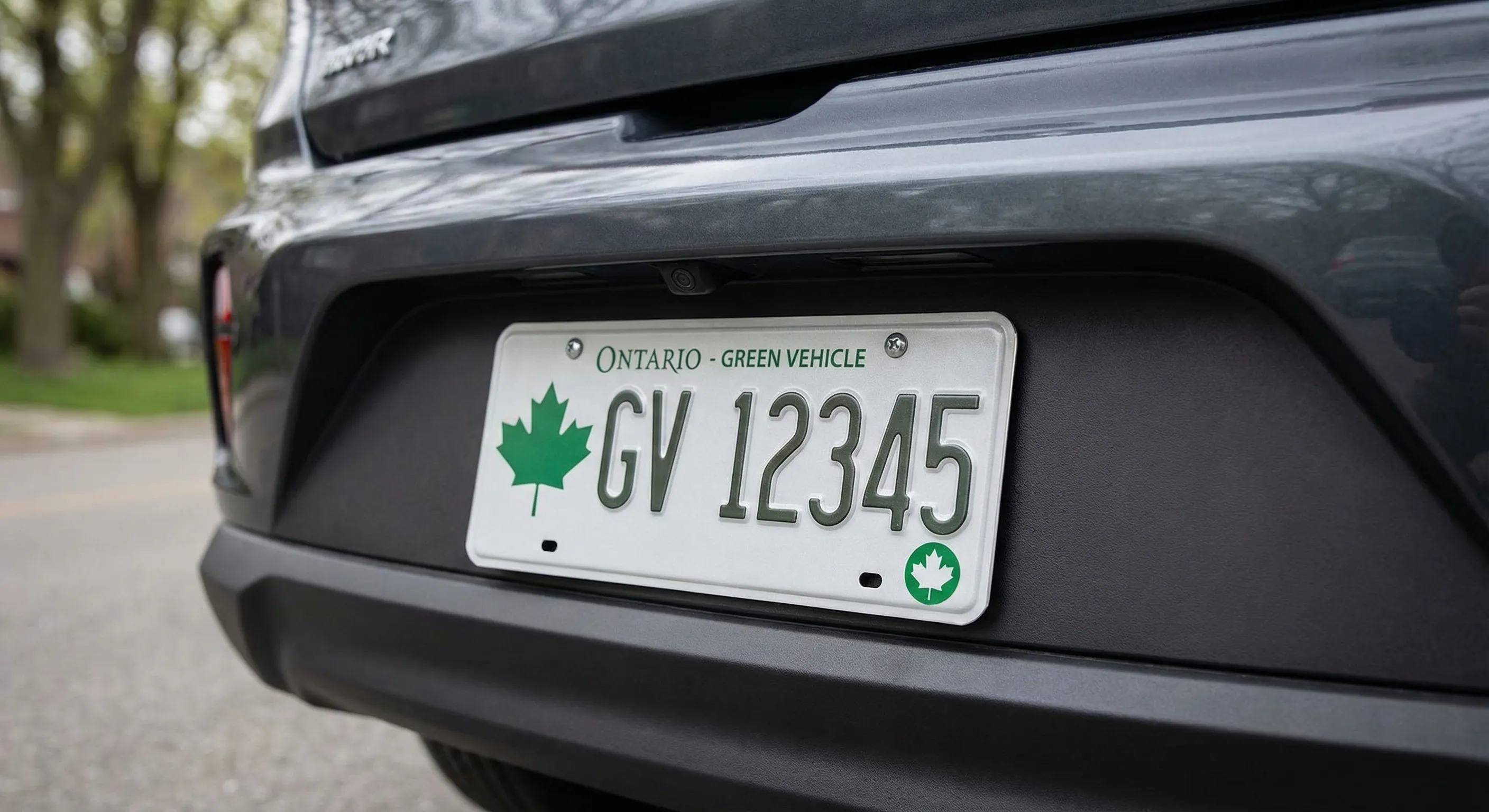
The used EV boom isn't hurting new EV sales, it's expanding the total market. Used EV buyers are overwhelmingly people who wouldn't have bought a new EV at any price. They're budget-conscious buyers, young professionals, families needing a second car, and rural drivers who wanted to try electric without committing $50,000. By making EVs accessible at the $15,000-$30,000 price point, the used market is converting gas car buyers who would never have cross-shopped a new EV.
The downstream effect is more charging demand, more EV-literate mechanics, more insurance competition, and a stronger overall ecosystem. Every used EV buyer who has a good experience becomes a future new EV buyer. The used market is seeding the next generation of electric car owners, and that's good for the entire industry.
For the broader Canadian EV transition, the used market is arguably more important than the new market. New EV sales are driven by early adopters and incentive chasers, people who were already going to buy electric. Used EV sales reach people who buy based on value, and value is what ultimately drives mass adoption. When a teacher in Moncton can buy a used Bolt for $17,000 and save $150/month on gas, that's the EV revolution actually happening, not another press release about a luxury SUV.
THE NEGOTIATION, HOW TO GET THE BEST DEAL
Used EV buyers have more negotiating leverage than they realize. Here's how to use it.
Know the Market Price
Before making any offer, check at least 10 comparable listings on Autotrader and CarGurus. Note the range of prices, the average, and how long each listing has been active. A car that's been listed for 45 days at $22,000 when comparable cars sell for $20,000 is ripe for a $19,000 offer.
Use Battery Health as a Negotiating Tool
If the battery SoH is below 90%, use that as a negotiating point. "The battery is at 86% SoH, which means about 14% capacity loss. That affects the range and the resale value when I eventually sell. I'd need a price adjustment to reflect that." This isn't adversarial, it's factual. Battery health is a measurable, objective data point, and any seller who's done their homework knows it affects value.
Timing Matters
The end of the month is always better for dealer purchases, sales staff have quotas. The end of a quarter (March 31, June 30, September 30, December 31) is even better. And right now, with the Manitoba used EV rebate expiring March 31, Manitoba dealers are motivated to move inventory before the incentive disappears.
Winter is also generally better for buying used EVs than summer. Demand drops when the weather turns cold (range anxiety kicks in for nervous buyers), and dealers are more willing to negotiate on vehicles that aren't attracting walk-in traffic.
Don't Forget the Extras
A used EV purchase should include the charging cable (Level 1 at minimum, many EVs come with a 120V cable standard), all key fobs, the owner's manual, and any maintenance records. If the Level 1 charging cable is missing, that's a $300-$500 replacement. Factor it into your offer.
If the seller has a Level 2 home charger, ask if they'd include it in the sale. Many trade-up sellers no longer need their NEMA 14-50 outlet or hardwired charger, and they may be willing to include a Level 2 charger for a few hundred dollars added to the sale price. A used Grizzl-E charger included in the deal could save you $400-$600 on your home charging setup.
The Used EV Market Just Crossed A Threshold
The used EV market in Canada has crossed a threshold. It's no longer a curiosity or a niche, it's a viable, affordable way to go electric. Prices are at multi-year lows, inventory is at all-time highs, and the vehicles themselves are proving to be more reliable and more durable than the skeptics predicted.
If you've been waiting for the right time to buy a used EV, this is it. The combination of lease return volumes, new model competition, and growing buyer confidence has created a buyer's market that won't last forever. As inventory normalizes and demand catches up, and it will, prices will stabilize and the deepest discounts will disappear.
Buy a two-to-three-year-old vehicle with 90%+ battery health. Check the warranty transfer. Get it inspected by someone who knows EVs. And then enjoy spending $150-$200 less per month on fuel while the gas station becomes a memory.
The fuel savings alone will cover most of the ownership costs within three years. The main question isn't whether the math works. It's whether you move before the inventory normalises and the deepest discounts disappear.
Gear worth having
As an Amazon Associate, ThinkEV earns a small commission from qualifying purchases — at no extra cost to you.

WixGear Magnetic Air Vent Phone Mount (2-Pack)
A magnet strong enough that your phone never flinches over potholes or rail crossings. Two in the box, one for each car.
As an Amazon Associate, ThinkEV earns from qualifying purchases — at no extra cost to you.
Related Reading
- EV Battery Degradation, How Long Do EV Batteries Last?, The complete guide to battery health, degradation rates, and what the data actually shows.
- EV vs Gas Total Cost of Ownership Canada 2026, Full five-year cost breakdown showing how EVs compare to gas cars at current prices.
- Most Affordable EVs Canada 2026, New EVs that compete on price with the used market.
- EV Resale Values Canada 2026 Trends, Which EVs hold their value and which don't, critical info for used buyers.
- EV Rebates by Province Canada 2026, Every provincial and territorial incentive, including used EV rebates.
- Canada EV Rebate EVAP 2026 Guide, The federal rebate and what qualifies.
Gear worth having
As an Amazon Associate, ThinkEV earns a small commission from qualifying purchases — at no extra cost to you.

Car Cup Holder Coasters (4-Pack)
Drop-in coasters that catch spills and crumbs so your cup holders stay clean. Rinse and reuse forever.
As an Amazon Associate, ThinkEV earns from qualifying purchases — at no extra cost to you.

Founder & Chief Editor
Vlad Pereira is the founder and chief editor of ThinkEV.ca, the Canadian electric-vehicle publication he writes and edits from Courtenay, British Columbia. He covers EV pricing, federal and provincial rebates, charging costs, and the Chinese manufacturers now entering Canada, from the buyer's side rather than the press-fleet side. ThinkEV is a venture of Vlad Pereira Online; his writing on health, income and the long game lives at vladpereira.com.
Frequently asked questions
Do used EVs qualify for the federal EVAP rebate?
How do I check the battery health of a used EV?
What's the best used EV to buy in Canada right now?
Does cold weather affect used EV battery health?
Does the battery warranty transfer to a second owner?
Should I buy CPO or private sale for a used EV?
What should I avoid when buying a used EV?
Are used EVs cheaper to insure than gas cars?
Is now a good time to buy a used EV in Canada?
More EV & road-trip finds
Affordable upgrades worth a look — tap any to check the price on Amazon.
 ★ 865
★ 865Collapsible Trunk Organizer
View on Amazon ★ 1,944
VIOFO A229 Pro 4K Dash Cam
View on Amazon ★ 87
★ 87Car Window Sun Shades for Kids (4-Pack)
View on Amazon ★ 68
★ 68WeatherTech FloorLiner for Tesla Model 3
View on Amazon ★ 8,681
Chemical Guys Complete Car Wash Kit
View on Amazon ★ 55
★ 55LED Car Door Logo Projector Light
View on Amazon ★ 900
★ 900Personalized Photo Car Air Freshener
View on Amazon ★ 21,304
Car Headrest Hooks (4-Pack)
View on AmazonRead, Plan, Then Stay Current
Explore our expert articles to understand incentives and ownership costs, use the map to pressure-test charging reality, then subscribe so new EV coverage comes straight to you.
Continue Reading
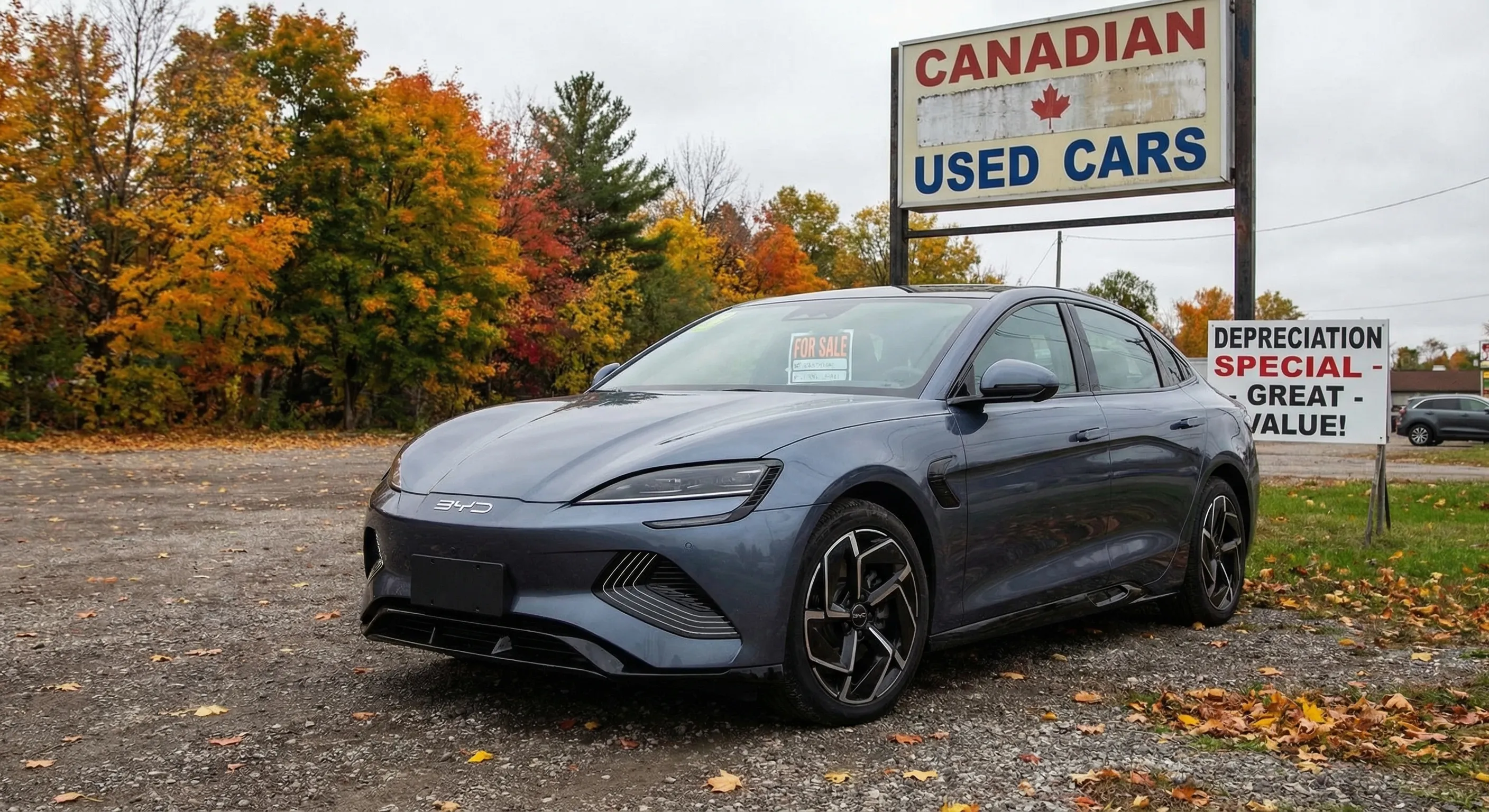
Chinese EV Resale Value in Canada: What to Expect

Electric School Buses Are Changing Canadian Streets

Norway's -27C Winter EV Test: Chinese Cars Beat Tesla
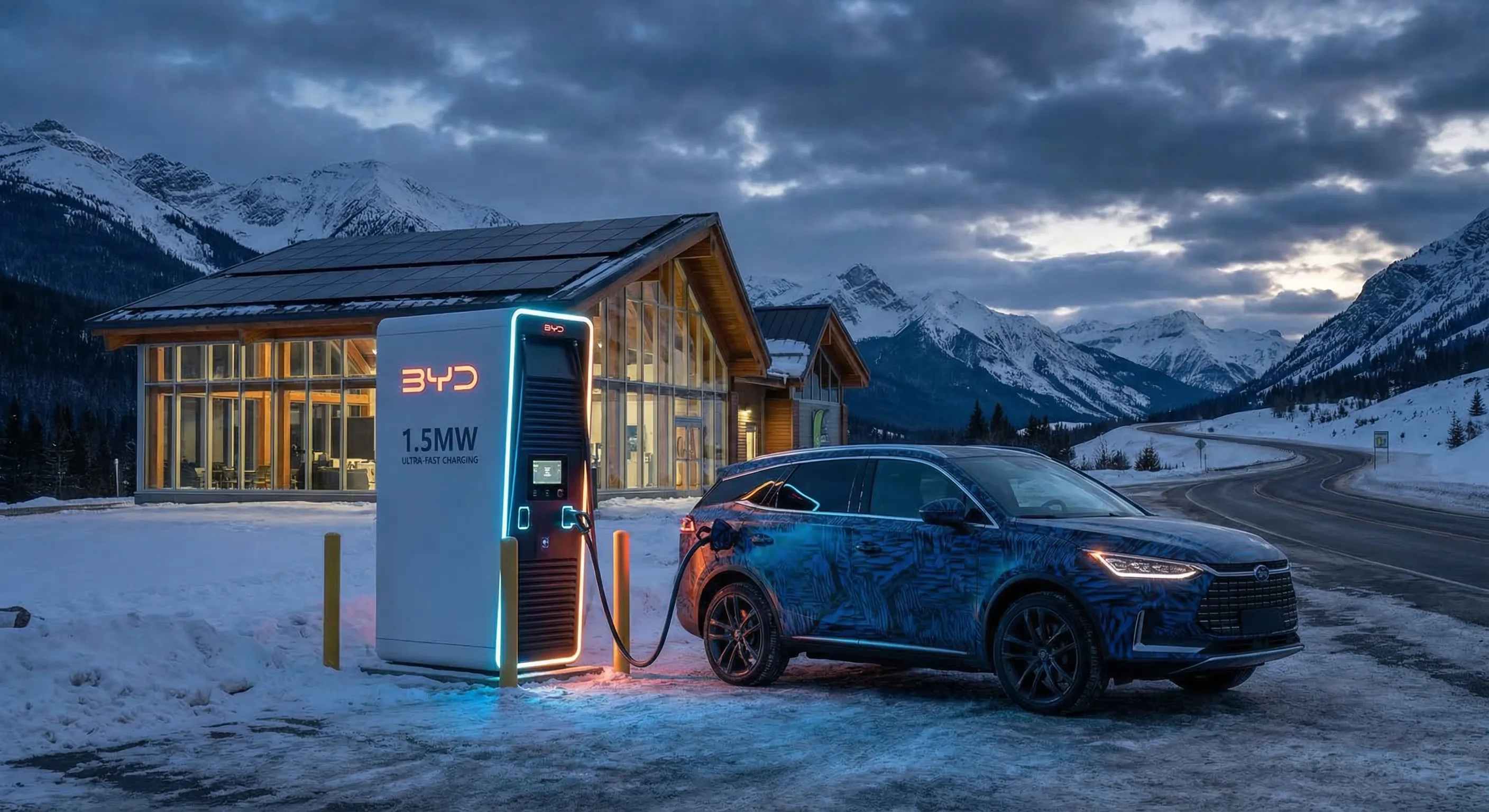
BYD 1.5MW Charging Canada: 400 km in Five Minutes
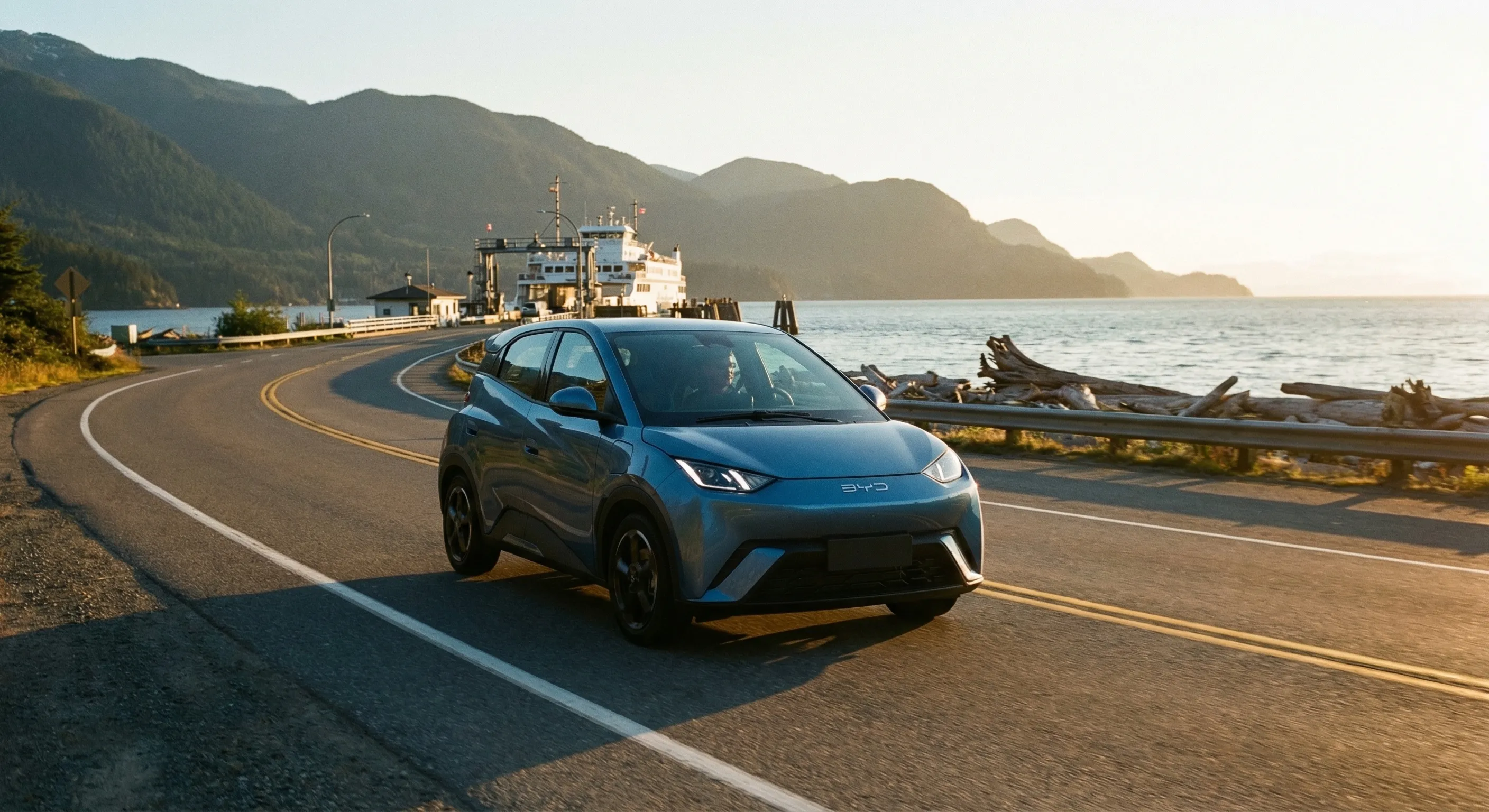
BYD Seagull Canada Price: The $15K-$20K EV in 2026