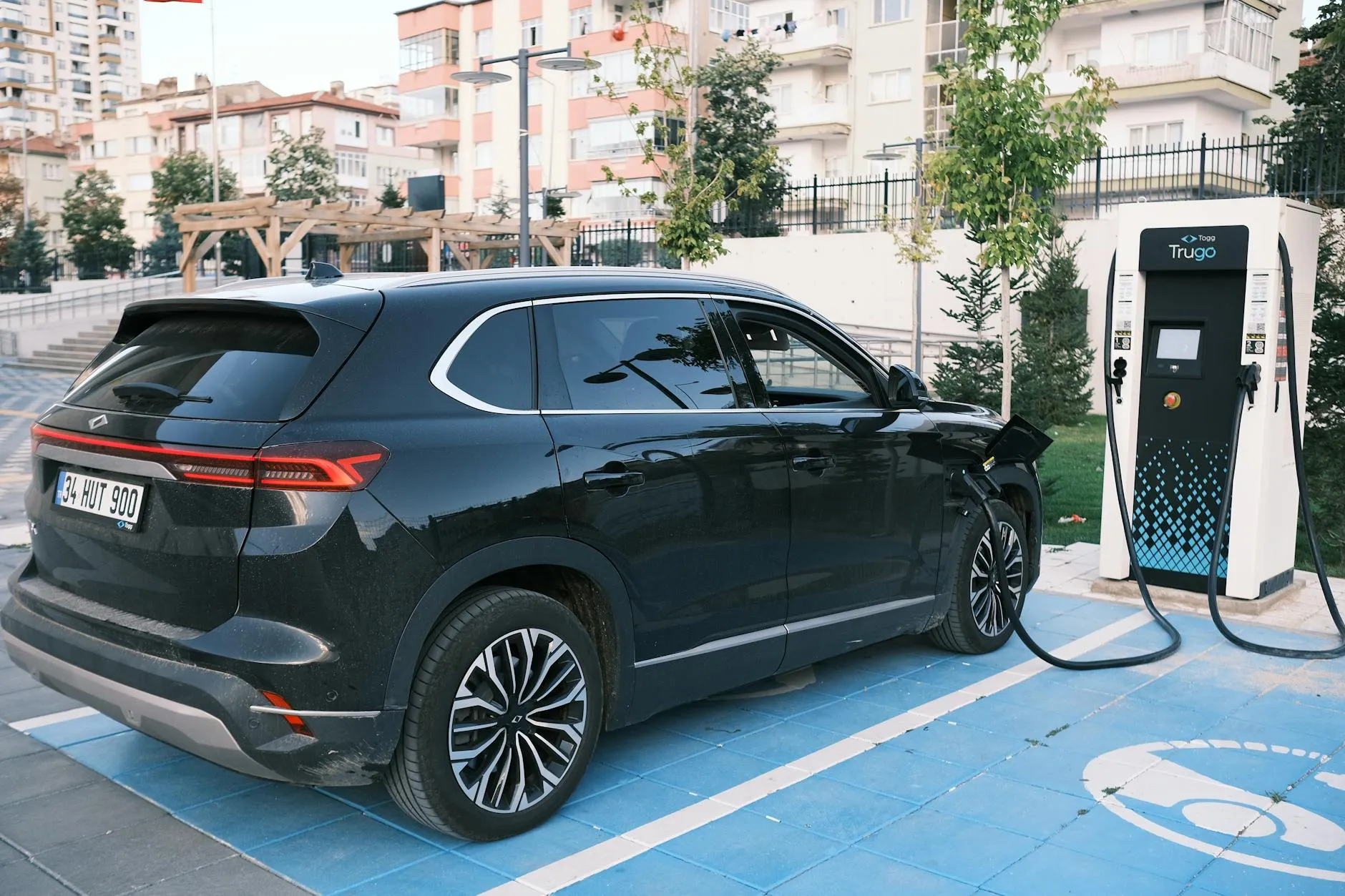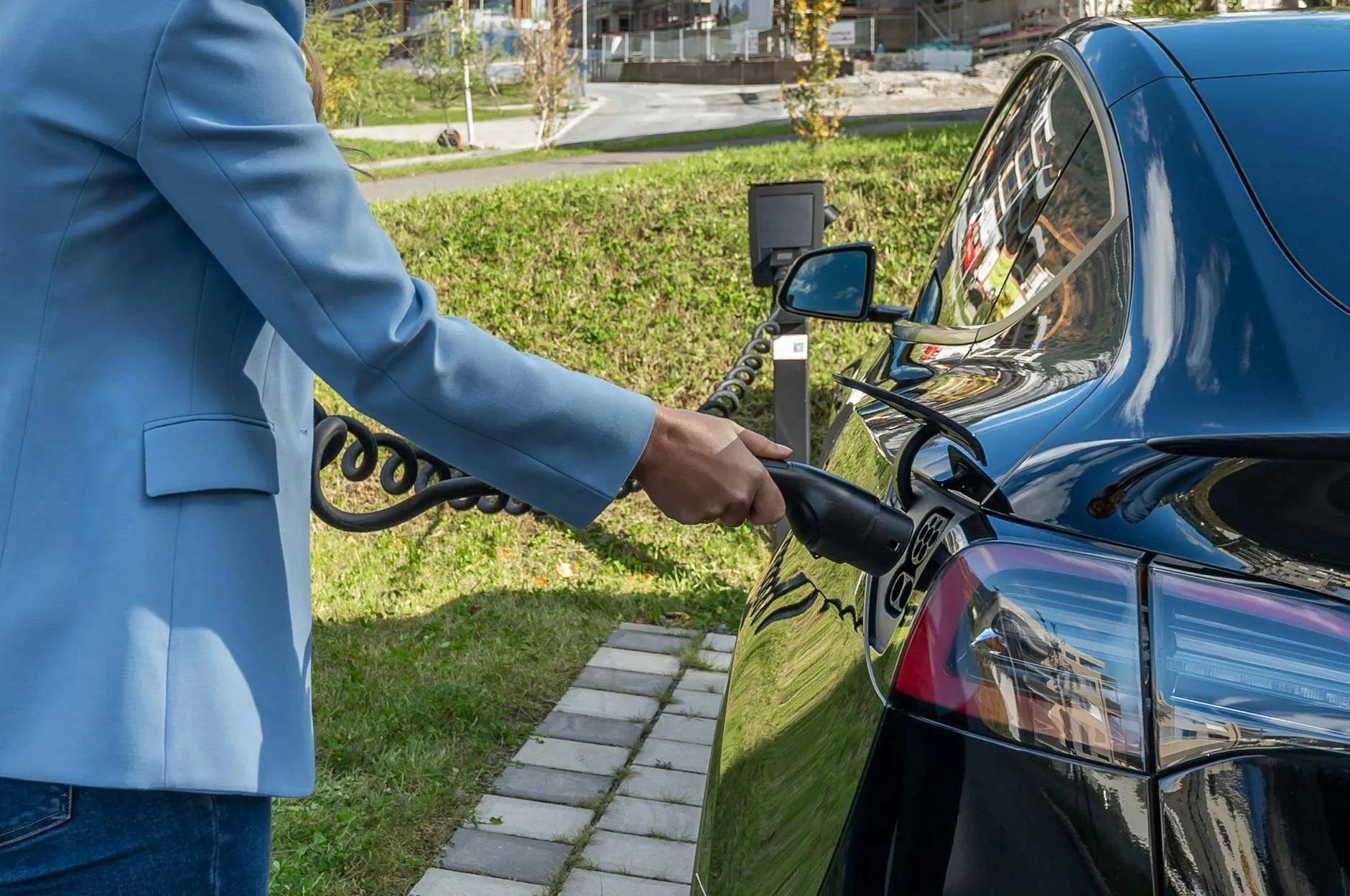
Person connecting an electric car to a charging station outdoors, showcasing green energy transition.
Opinion

BYD Claims 10,000 Charge Cycles. Nobody Has Verified It. That Should Bother You.

8 min read
2026-04-04
Share

This article contains affiliate links. We may earn a small commission when you purchase through these links, at no additional cost to you. This helps us keep ThinkEV running.

Key Takeaways

  • let's be honest, when a company says "10,000 cycles" without showing the data, it's not just a boast.
  • if manufacturers start throwing around numbers like 10,000 cycles without verification, we're heading toward a credibility crisis.
  • let's talk about what 10,000 cycles actually means.

BYD just claimed their latest LFP battery pack can survive 10,000 charge cycles (NRCan, 2026). That's what they're saying. What they mean is, "This battery will outlive your house." Ten thousand cycles. Try wrapping your head around that. If you charge every night, that's 27 years. Every other day? Over five decades. And if you're one of those people who only plug in on weekends? That battery's still going strong when your grandkids are arguing over who gets the cottage. But nobody's checked. Not an independent lab. Not a university. Not Transport Canada, the U.S. Department of Energy, or even a YouTuber with a spare garage and a multimeter. Just BYD. And a press release. I'm not saying it's impossible. Chemistry's come a long way. But let's be honest, when a company says "10,000 cycles" without showing the data, it's not just a boast. It's a test of trust. And trust, in the EV world, is currency. Especially now, when every automaker is racing to promise longer life, faster charging, cheaper batteries. We're not just buying cars anymore. We're buying into timelines, warranties, future resale value. And if that timeline is built on unverified numbers, then we're all driving blind. Think about it this way: when Tesla said their 4680 cells would change everything, they backed it with Gigafactory demos, pilot lines, real-world data from test fleets. When Ford brags about charging speed, they run side-by-side comparisons. But BYD? They dropped a number so astronomical it sounds like sci-fi and walked away. No methodology. No third-party validation. Just a bold claim and a shrug. And yet, the industry is already echoing it. Bloggers are quoting it. Forums are speculating. Investors are pricing it in. All on faith. And sure, BYD isn't some startup in a garage. They're the biggest EV maker on the planet now, bigger than Tesla, bigger than Volkswagen, bigger than anyone. In 2025, they sold over 4 million vehicles worldwide. That's more than GM and Ford combined. Their Blade Battery is already in everything from compact sedans to city buses. But scale doesn't equal transparency. In fact, the bigger the player, the more responsibility they have to prove their claims. Because when you're setting global expectations, you can't just say it. You have to show it. The real question is: why hasn't anyone demanded the data? Not governments. Not consumer groups. Not even competing automakers. Maybe because BYD is still seen as the "other", not quite Western, not quite mainstream, still carrying the baggage of "Chinese quality" myths that haven't been true for a decade. Or maybe because the rest of the industry is scared. Scared that if the claim is true, they're already behind. Scared that if it's false, calling it out means admitting how little they know about battery longevity themselves. But this isn't just about BYD. It's about what we accept as proof. We're entering an era where battery lifespan matters more than horsepower. Where the value of your car in 2035 depends on how many times you charged it in 2026. And if manufacturers start throwing around numbers like 10,000 cycles without verification, we're heading toward a credibility crisis. Used EVs could crater in value. Warranties could become unenforceable. And everyday drivers, people who just want a reliable car, could get burned. So let's talk about what 10,000 cycles actually means. Let's look at the science, the silence, and the stakes. Because if this number stands, it changes everything. If it doesn't? Well, then we've got a much bigger problem. Close-up of a person plugging in an electric car at a charging station outdoors.

The 10,000-Cycle Claim: What It Means (Transport Canada, 2025). And Why You Should Doubt It

BYD says their LFP (lithium iron phosphate) Blade Battery can handle 10,000 full charge and discharge cycles while retaining 80% of its original capacity (Statistics Canada, 2026). That 80% figure is key, it's the industry standard for when a battery is considered "worn out." Below that, it's generally seen as degraded enough to impact performance and usability. So they're not saying the battery lasts forever. They're saying it degrades slower than any other production battery on the planet. Let's translate that number into real life. Ten thousand cycles. If you drive 50 km a day and your EV has a 50 kWh battery, charging nightly would use about one full cycle every two days. That means 10,000 cycles could take 54 years. That's longer than the average Canadian home stays in the same family. It's longer than the lifespan of most roofs, furnaces, or even driveways. If you only charge weekly, say, topping up after a weekend trip, you're looking at over 190 years of use. The battery would outlive every building on your block. But here's the catch: most EV owners don't do full cycles. You don't drain from 100% to 0% every day. You might go from 80% to 30%, which counts as 0.5 cycles. Or charge from 50% to 90%, which is 0.4. The math isn't linear, but it's cumulative. Still, even at partial cycles, 10,000 is an absurd number. The best independently verified batteries today, like Tesla's LFP packs in their Standard Range models, clock in around 3,000 to 4,000 cycles under lab conditions. Real-world data from fleets like Uber and Zipcar suggests 2,000 to 2,500 cycles before noticeable degradation. So BYD's claim is more than double the best confirmed numbers. Triple, if you're looking at real-world use. And yet, there's no paper trail. No white paper. No peer-reviewed study. No data from第三方 (third party) labs like Dalhousie University's battery research group, which has done some of the most respected longevity testing in North America. No results from the National Research Council of Canada. No test logs, no cycle graphs, no temperature controls documented. Just a press release and a slide deck. Compare that to how Tesla handles big claims. When they said their 4680 cells would last 1.6 million kilometres, the so-called "million-mile battery", they didn't just announce it. They published a study with Jeff Dahn's team, showed the electrochemical data, explained the nickel-rich cathode formulation. And let the scientific community pick it apart. Same with CATL, BYD's biggest rival. When CATL claimed a 5-minute charge time for their Shenxing battery, they brought journalists to their lab in Fujian, ran live demos. And released partial test specs. They didn't hand-wave. BYD hasn't done any of that. And that should bother you. But let's say, for a moment, that the claim is true. What would that mean? A 10,000-cycle battery could be reused multiple times. First in a car. Then in a home energy storage system. Then in a telecom backup array. Then maybe even in a rural microgrid in Malawi or Nepal. One battery, four lives. That's circular economy stuff right there. It could slash the environmental cost of EVs by reducing the need for new mining, refining, and manufacturing. It could make second-life batteries a real business, not just a buzzword. And from a consumer standpoint, it changes the value proposition completely. Today, most EVs lose about 1-2% of battery capacity per year. After 10 years, you're looking at 80-90% capacity. That's fine for most people. But if you buy a BYD with a 10,000-cycle battery. And it only degrades 0.008% per cycle, you'd still have over 90% capacity after 30 years. That's not just longevity. That's generational ownership. But, and this is a big but, cycle life isn't just about how many times you charge. It's about how you charge. Temperature, depth of discharge, charging speed, storage conditions, all of it matters. A battery cycled at 25°C in a lab will last far longer than one sitting in a Calgary winter or a Phoenix summer. If BYD's test was done at ideal conditions, 25°C, 100% depth of discharge, constant current, no rest periods, then the real-world result could be half as good. Or less. And here's another thing: what does "10,000 cycles" actually measure? Full cycles? Partial? Do they count a 10% top-up as 0.1 cycles? Because if so, then 10,000 partial cycles could mean the battery only endured the equivalent of 1,000 full cycles. That's still good, but nowhere near revolutionary. Without knowing the test protocol, the number is meaningless. We've seen this before. Remember when Xiaomi said their solid-state battery could do 1,000 cycles in 2023? Turned out they were using a tiny lab cell, not a full pack. And the charging speed was only achievable at 60°C, way above safe operating temps for consumer vehicles. Or when NIO claimed their 150 kWh semi-solid-state pack would go 1,000 km? Two years later, it's still not in mass production. Promises are easy. Proof is hard. And BYD knows this. They've got the engineering talent. They've got the factories. They've got the data from millions of electric buses and taxis running in China. If they had real evidence, they'd show it. The fact that they haven't suggests one of two things: either the data isn't as strong as they say, or they're playing a longer game, waiting for competitors to chase a number they can't verify. While BYD quietly dominates the market with lower-cost, proven LFP tech. Either way, consumers lose. Because without verification, we can't make informed choices. We can't compare warranties. We can't trust resale values. And we can't hold automakers accountable. Think about it this way: if you're choosing between a Hyundai Kona Electric with a 10-year/160,000 km warranty and a BYD Atto 3 with a "10,000-cycle" claim but no independent data, which one are you really betting on? The one with a clear, enforceable promise? Or the one with a moonshot number and no receipts? And yet, the media's already running with it. Headlines like "BYD's Battery Will Outlive You" and "The End of Battery Anxiety" are everywhere. But none of them ask the obvious question: where's the data? It's not like testing is impossible. Third-party labs do this all the time. The Idaho National Laboratory runs accelerated aging tests on EV batteries, simulating years of use in months. Dalhousie University's team can predict long-term degradation from short-term cycling data. Even private companies like Recurrent.auto have built models that estimate battery life based on real-world fleet data. But none of them have touched BYD's 10,000-cycle claim. And BYD isn't making it easy. They haven't submitted samples for independent testing. They haven't published test parameters. They haven't even clarified whether the claim applies to all Blade Battery variants or just a specific version. Is it for the 60.48 kWh pack in the Dolphin? The 76.8 kWh in the Seal? The LFP modules in their buses? No one knows. This isn't just about one company. It's about setting a precedent. If automakers can make unverified claims about battery life, what's to stop others from doing the same? Imagine Ford saying their next Explorer EV lasts 8,000 cycles. Or VW claiming 12,000. Without a standard way to verify these numbers, we're in a wild west of marketing math. And the people who pay the price are buyers. We already have standards for range, the EPA, WLTP, NEDC. We have charging power ratings governed by IEC and SAE. But battery cycle life? There's no global standard. No mandated testing protocol. No requirement to publish results. That's a gap, and it's one that BYD is exploiting. Which brings us back to the real question: why should you care? Because your next EV might be the last one you buy. If batteries really can last 30 years, you might never need another car. That changes how you finance it, insure it, maintain it. It changes the used market. It changes city planning. It changes everything. But only if the claim is true. And right now, we don't know. Red electric car parked outdoors, showcasing sleek design amidst winter scenery.

What Battery Longevity Really Means for Your Wallet

Let's get down to brass tacks (IEA, 2026). You don't care about cycles. You care about money. About risk. About whether that $45,000 you're about to spend on a BYD Seal will still be worth something in 2035. And about whether you'll need a new battery before your kid graduates high school. So let's talk dollars. Not abstract science. Real math. Real trade-offs. Right now, the average EV battery replacement costs between $10,000 and $15,000 CAD. That's for a 60-75 kWh pack. Some brands charge more. Some offer refurbished options for less. But let's stick with $12,500 as a round number. That's roughly what you'd pay to replace the battery in a Tesla Model 3, a Hyundai Ioniq 5, or a Polestar 2. And that cost isn't covered by warranty unless you're still within the 8-year/160,000 km window (or whatever the local standard is). Now, imagine buying a BYD with a 10,000-cycle battery. If it really lasts 30 years, you'll never need a replacement. That's $12,500 saved. Or, here's the smarter move, you keep driving it and skip your next car purchase entirely. The average Canadian spends about $9,000 a year on their vehicle when you factor in loan payments, insurance, maintenance. And fuel (or electricity). Over 10 years, that's $90,000. If your EV lasts 30 years instead of 15, you cut that in half. You're not just saving on batteries. You're saving on cars. But, and this is the big but, only if the battery lives up to the claim. Because if it doesn't? If it degrades to 70% in 10 years like most current EVs? Then you're stuck. BYD's warranty might say "7 years/unlimited km," but that doesn't cover 80% degradation at year 12. And good luck proving the battery should've lasted 10,000 cycles when there's no independent data to back it up. This isn't theoretical. It's already happening with early Nissan Leafs. Owners bought in 2012 expecting a decade of use. Many saw 50% degradation in five years due to poor thermal management. Nissan's warranty covered "total failure," but not gradual loss. Class-action lawsuits followed. The used value of those Leafs cratered. Some sold for less than a used scooter. We could be heading for a repeat. But this time, er. More people own EVs. More money is on the line. And the claims are bolder. Think about it this way: if you're financing a $42,998 CAD BYD Dolphin over 6 years at 5.9% interest, your monthly payment is about $720. Over the loan, you'll pay $5,000 in interest. But the real cost isn't just the loan. It's the resale value. A typical EV loses 40-50% of its value in 5 years. So your $43k car is worth $22k in 2030. That's a $21,000 depreciation hit. But if the battery lasts 30 years? That depreciation curve flattens. By year 10, your car might still be worth 60% because people know the battery isn't a ticking time bomb. That's $25,800 in value, $3,800 more than a regular EV. And by year 15? It could still be usable as a commuter car, delivery vehicle, or second family car. That's residual value most automakers don't even model. And here's where it gets interesting: insurance. We don't talk about it enough, but battery longevity affects premiums. Insurers hate uncertainty. They hate expensive repairs. And EV battery replacements are the most expensive line item in an EV claim. So if a car has a high risk of battery degradation, insurers charge more. That's why early Teslas had higher premiums, they were new, unproven, and batteries were costly. But if BYD can prove their batteries last 10,000 cycles? That risk disappears. Insurers would treat it like a mechanical component with near-zero failure rate. Premiums could drop. And not just for BYD. If the data shows LFP batteries are more durable, the whole segment benefits. That could make EVs cheaper to own across the board. But again, only if the data exists. And it doesn't. Which means insurers can't price it. And consumers can't benefit. Take the 2025 Dodge Charger EV, for example. It's expected to have high insurance costs, estimated at $2,800 a year in Ontario for young drivers. Why? Because it's powerful, expensive, and based on a new platform. But also because its battery is NMC, which degrades faster than LFP. If it were LFP with a proven 5,000-cycle life, premiums might be 15% lower. But "proven" is the key word. Dodge can't claim longevity without data. Neither can BYD. And that uncertainty costs you money. Now let's talk charging. One of the hidden costs of EV ownership is home installation. A Level 2 charger, 240V, 48 amps, costs about $1,800 CAD to install professionally, including the unit and labour. That's the best home ev charger installation you can get without going commercial. But if you're in the UK, a best uk ev wall charger like the EO Mini Pro 3 runs about £1,200 with installation. British Gas offers a british gas ev charger offer that knocks £300 off, but you need their tariff. And their british gas ev charger warranty is only 3 years, shorter than the car's battery life. But if your battery lasts 30 years, your charger better last too. Most units are rated for 10-15 years. So you'll likely replace it once, maybe twice. That's another $1,800 down the road. But if you go portable, like the Lectron Portable Level 2, you can take it with you when you move. That's smarter.

Lectron Portable Level 2 EV Charger
ChargerRoad Trip Essential

Lectron Portable Level 2 EV Charger

Throw it in your trunk and charge anywhere with a 240V outlet. 40A portable charger with NEMA 14-50 plug. Your road trip insurance policy.

We may earn a commission at no extra cost to you.

And while we're on charging: can home ev chargers be installed outside (ThinkEV Research, 2026)? Yes. Most are weather-rated. But extreme cold, like a Winnipeg winter, can shorten their life. So can direct sun in southern Ontario. So durability matters. Which is why the Grizzl-E Level 2 is popular, it's built like a tank. And at $999, it's half the cost of some brands.

Grizzl-E Classic Level 2 EV Charger (40A)
ChargerBest for Canada

Grizzl-E Classic Level 2 EV Charger (40A)

Canadian-made, rated for -40°C winters. 40A / 9.6 kW, NEMA 14-50. Indoor/outdoor rated, 24-ft cable. The charger built for Canadian weather.

We may earn a commission at no extra cost to you.

But back to the battery. Because if it really lasts 10,000 cycles, it changes how you use it. You don't baby it. You don't avoid DC fast charging. You don't stress about leaving it at 100%. You use it like a fuel tank. That's freedom. But it's only freedom if the claim holds. And right now, it's a gamble.

The Silence from Regulators, And Why It's Dangerous

You'd think a claim this big would trigger a response. A request for data. A safety review. A consumer alert. But no. Transport Canada? Radio silence. The U.S. Department of Energy? Nothing. The European Battery Alliance? Crickets. It's not like they're unprepared. The EU has the Battery Regulation Act, which mandates sustainability, recycling, and performance claims verification starting in 2027. It requires battery passports, digital records that track a battery's origin, chemistry, and lifespan. But it's not in force yet. And Canada? We don't have anything close. So BYD drops a 10,000-cycle claim, and nobody says, "Show us the data."

That's a failure. Not just of oversight. Of responsibility. Because when automakers make unverified claims, it erodes trust in the entire EV transition. People already worry about battery life. About getting stranded. About resale value. And now, one of the world's biggest EV makers is saying, "Don't worry, this battery lasts forever", but won't prove it. And consumers believe it. Why wouldn't they? It's in the news. It's on YouTube. It's in brochures. But belief without evidence is marketing, not science. Compare this to fuel economy. In Canada, the federal government tests every new vehicle and publishes the numbers. You can't claim 5.0 L/100km if your car does 7.5. The Competition Bureau will fine you. But battery cycle life? No test. No standard. No penalty. It's a regulatory blind spot. And it's dangerous. Because it opens the door to greenwashing. To inflated claims. To a future where "10,000 cycles" becomes a meaningless slogan, like "up to" range numbers or "zero emissions" without context. We've seen this before. Remember when oil companies claimed their "clean diesel" was eco-friendly? Turned out it was a fraud. Or when airlines promised "carbon-neutral flights" without real offsets? Same thing. Bold claims. No verification. And consumers paid the price. Now it's happening in EVs. And BYD isn't the only one. CATL says their Shenxing battery can charge 400 km in 10 minutes. That's impressive. But "can" doesn't mean "does" under real conditions. Temperature, state of charge, charger power, all affect it. And without standardised testing, we don't know. Same with "5-minute charge" claims. CATL, Gotion, even Tesla's future roadmap talk about it. But 5 minutes at what power? 800 kW? 1,000 kW? And how many times can you do it before the battery degrades? If it's only possible when the battery is cool and between 10-80%, it's not a daily reality. It's a lab trick. But nobody's asking. And manufacturers know it. Which brings us to the deeper issue: we're treating batteries like computers instead of vehicles. We expect Moore's Law, double the performance every two years. But batteries don't work like chips. They're electrochemical systems. Progress is slow. Incremental. And when someone claims a 3x leap, it demands scrutiny. Yet we're not getting it. And the cost isn't just financial. It's environmental. Because if we build a circular economy on false assumptions, it collapses. If we design second-life battery systems expecting 10,000 cycles, but the real number is 3,000, then those systems fail. Solar farms relying on used EV batteries for storage get unreliable power. Home backup systems go dark. And all that "recycled" hardware ends up in landfills anyway. That's not sustainability. That's waste. And it could set back the EV movement by years. So where are the watchdogs? Where are the journalists demanding data? Where are the universities offering independent verification? They're underfunded. Overworked. Or afraid to challenge a giant like BYD. But someone has to. Because if we don't establish verification now, we'll pay for it later.

The Real Winner: Lithium Iron Phosphate (LFP), Whether the Claim Is True or Not

Here's what nobody's saying: BYD might not need to prove the 10,000-cycle claim to win. Because even if the real number is half, 5,000 cycles, it's still better than most NMC (nickel manganese cobalt) batteries on the market. And LFP chemistry has other advantages: safer, cheaper, cobalt-free, less sensitive to full charging. So BYD's real play isn't longevity. It's dominance in the LFP space. Think about it. Tesla uses LFP in all its Standard Range vehicles. So does Ford in the base Mustang Mach-E. Rivian, GM, even Porsche, they're all adopting LFP for entry-level models. Why? Because it's cheaper to produce, easier to source, and doesn't rely on conflict minerals. A typical LFP cell costs about $70 per kWh. NMC is closer to $110. That's a $40/kWh difference. On a 60 kWh pack, that's $2,400 in savings. That's why the base Tesla Model 3 is $42,990 CAD, $5,000 cheaper than the Long Range. The battery is the reason. And BYD makes their own cells. They don't rely on CATL or LG. They control the supply chain. That means lower costs, faster scaling, and better margins. So even if their 10,000-cycle claim is exaggerated, their LFP strategy is sound. And it's working. In 2025, BYD's global EV sales hit 4.2 million units. Tesla did 1.8 million. Volkswagen Group, including Audi and Porsche, did 1.5 million. BYD is outselling them all. And most of those cars use LFP. The Atto 3, Dolphin, Seal, Song, each is built around the Blade Battery. And that battery isn't just durable. It's safe. In crash tests, it's survived nail penetration, crush, and fire exposure without thermal runaway. That's why it's used in buses and ambulances. And for consumers, that safety translates to peace of mind. No fear of fires in the garage. No anxiety about leaving it plugged in. That's worth something. But back to cost. Because if you're looking for the best home ev charger installation, you're probably cost-conscious. Same with best portable ev chargers for road trips. You want value. And BYD delivers that. Their entry-level Dolphin starts at $31,900 CAD. That's cheaper than a base Hyundai Kona Electric. And it comes with LFP, 420 km of range, and an 8-year warranty. Even if the battery doesn't last 30 years, it's a solid deal. And in the UK, where the best uk ev charger 2025 is a hot topic, BYD is gaining traction. Their partnership with Octopus Energy offers bundled charging tariffs. And while British Gas has a british gas ev charger telephone number for support, BYD's app, already one of the best uk ev charger apps, integrates ly with UK grids. But the real story isn't the car. It's the battery ecosystem. Because if BYD's LFP packs do last longer, even if not 10,000 cycles, they're ideal for second life. Think home storage. A used 60 kWh EV battery, even at 70% capacity, still has 42 kWh. That's enough to power an average Canadian home for two days. Companies like NOCO already make jump starters from recycled cells. Imagine scaling that.

AccessoryEmergency Essential

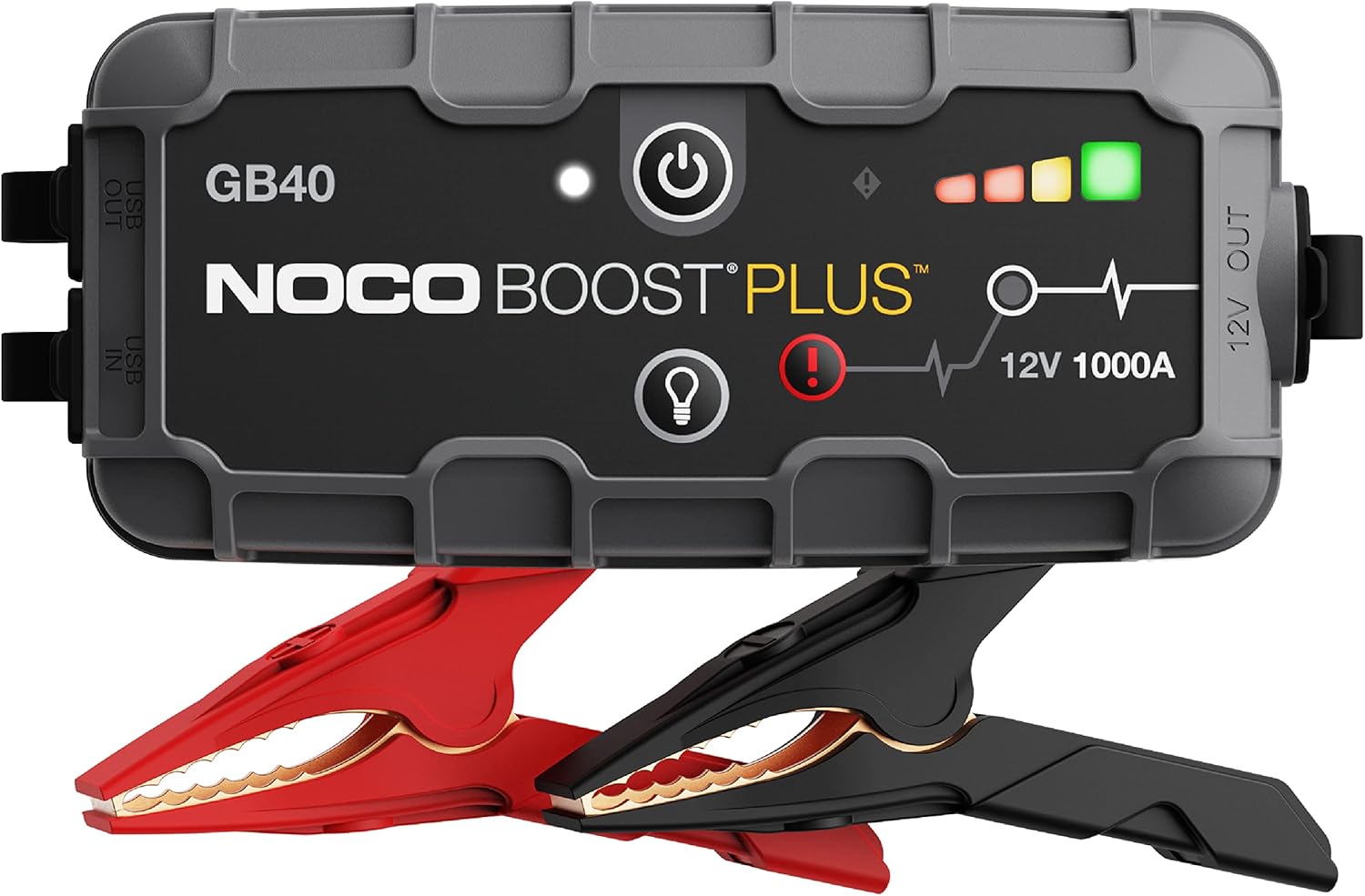
NOCO Boost Plus GB40 Jump Starter

1000A portable lithium jump starter that fits in your glovebox. Works on 12V batteries in any vehicle. Your insurance policy against a dead 12V in a parking lot.

We may earn a commission at no extra cost to you.

And for road trips, durability means fewer failures. A battery that handles heat, cold, and fast charging without degrading quickly is a win. That's why the EV Tire Inflator market is growing, owners want reliability on long hauls.

AstroAI Portable Tire Inflator
Accessory

AstroAI Portable Tire Inflator

One tap and it inflates to your exact PSI, then stops automatically. Low tires cost you 5-10% range — this pays for itself in a week.

We may earn a commission at no extra cost to you.

But the point is: BYD doesn't need 10,000 cycles to win. They just need to be good enough, and better than the alternative. And right now, they are.

What You Should Do, And What You Should Demand

So where does that leave you? You're not a chemist. You're not a regulator. You just want a car that won't bankrupt you in five years. Here's what to do. First, don't buy based on cycle claims. Not yet. Wait for independent verification. Look for brands that publish real-world battery data. Tesla does with their impact reports. GM shares fleet data. Hyundai offers battery health tracking in their app. Second, prioritise LFP if you can. Even without 10,000 cycles, it's safer, cheaper, and more durable than NMC. And it's better for the environment, no cobalt, less nickel. Third, get a portable charger. The Lectron V-Box 48 lets you charge on 120V, 208V, or 240V, perfect for road trips or older buildings.

Lectron V-Box 48A Level 2 Charger
ChargerBest Value

Lectron V-Box 48A Level 2 Charger

Smart WiFi charger with real-time energy monitoring. 48A / 11.5 kW, CSA certified. Control charging schedules from your phone.

We may earn a commission at no extra cost to you.

And fourth, demand transparency. Email BYD. Ask for the test data. Ask for third-party validation. Same with regulators. Write to Transport Canada. Ask why there's no battery verification standard. Because the future of EVs depends on trust. And right now, that trust is being tested.

Is BYD's 10,000-cycle claim possible?
It's theoretically possible under ideal lab conditions. LFP chemistry is more stable than NMC, and BYD's Blade design improves thermal performance. But real-world factors like temperature extremes, fast charging, and partial cycling reduce longevity. Without independent verification, it's impossible to know if the claim holds outside controlled settings.
How does LFP compare to NMC batteries?
LFP batteries are safer, cheaper. And last longer than NMC, but have lower energy density, meaning slightly less range for the same size pack. They're ideal for urban and fleet vehicles where cost and durability matter more than maximum range. Most automakers now use LFP in base models.
Can I install an EV charger myself?
No. In Canada and the U.S., EV charger installation must be done by a licensed electrician to meet safety codes and qualify for rebates. While plug-in Level 2 chargers exist, hardwired units require permits and inspections. Never attempt a DIY install on a 240V circuit.
Are BYD vehicles available in Canada?
Not yet through official dealerships. However, some BYD models are being imported privately, and there's growing pressure for official entry. In the UK and Europe, BYD has launched several models, including the Dolphin and Atto 3.
What is the lifespan of a typical EV battery?
Most EV batteries last 15-20 years or 2,000-3,000 cycles before dropping below 80% capacity. Real-world factors like climate, charging habits, and vehicle usage affect longevity. Proper care, avoiding frequent fast charging and extreme SoC, can extend life.

Found this helpful? Share it:

Share
USE THE FULL THINKEV FLOW

Read, Plan, Then Charge

Explore our expert articles to understand incentives and ownership costs, use the map to pressure-test charging reality, then grab the Canadian EV Guide for every detail in one place.

Explore articles with Canadian pricing context
Pressure-test charging access on the map
Use the Canadian EV Guide for incentives and ownership math
Keep the decision flow in one ecosystem

Free PDF, instant download. No spam, unsubscribe anytime.

Continue Reading

Thevey

Your EV Assistant

Hey! I'm Thevey, your EV assistant at ThinkEV. I can help with rebates, pricing, charging, winter driving, and anything else about electric vehicles in Canada. What would you like to know?

Quick questions:

Powered by ThinkEV