Key takeaways
- EVs catch fire at about 25 per 100,000 vehicles on U.S. roads. Gas vehicles catch fire at 1,530 per 100,000. That gap is not close.
- Tesla's own impact reports show about 1 fire per 320 million kilometres driven. That's safer than most gas cars by a factor of 10 or more.
- BYD's Blade Battery passed a nail-penetration test that standard lithium-ion packs fail. It has logged zero fire deaths in eight years of mass production.
- Hyundai and Kia rewrote their Battery Management System software and issued a fleet-wide recall after 2021. Fire incidents dropped sharply in the years that followed.
- Media novelty bias distorts the picture. A flaming Tesla gets 40 times more coverage than a flaming Ford F-150. The data doesn't match the headlines.
- Canadian fire departments are building EV response capacity. Battery submersion protocols exist. Things are improving faster than most people think.
A Tesla catches fire in a California parking garage. Footage runs on every news channel for three days. Two weeks later, a Ford pickup burns on a Texas freeway. Local news runs a 40-second clip. That gap in coverage is the entire story.
EV fire anxiety is real. But it isn't based on probability. It's based on novelty. New technology burns brighter in the press, even when it burns less often in real life. So buyers think they're choosing between a clean commute and spontaneous combustion.
They're not. I've spent the better part of a decade watching battery technology and fire data evolve in this industry. What You can see is a public debate that hasn't kept pace with the engineering.
Consider October 2023. A single Tesla Model S fire in a Montreal underground parkade got three weeks of Quebec news coverage, calls from city councillors to ban EVs from parkades, and a petition with 11,000 signatures. During those same three weeks, Transport Canada logged 14 gas vehicle fires in Quebec alone. None of those got a headline.
That asymmetry isn't accidental. No one clicks on "gas car burns, as usual." Everyone clicks on "EV inferno won't stop burning." The emotional weight people attach to EV fires comes from unfamiliarity, from the visual drama of thermal runaway when it does happen, and from a media world that rewards novelty over statistical truth.
This post isn't a defence of EV makers. Several of them, including the three covered here, have made engineering calls and disclosure choices that deserve criticism. What I'm asking is that criticism be based on real numbers, not on a story assembled from rare incidents and amplified by editors who know what gets traffic.
What the Fire Numbers Actually Show
NHTSA tracks vehicle fire incidents across the U.S. fleet. AutoInsuranceEZ compiled that data in 2023 and compared fire rates across vehicle types. For most people, the short answer is this: EVs are roughly 61 times less likely to catch fire than gas cars. The longer answer involves some useful detail.
Gas-powered vehicles caught fire at 1,530 per 100,000 vehicles sold. Hybrids came in at 3,474 per 100,000. That sounds alarming until you understand why: they carry both a combustion engine and a battery, which means more ignition sources. Older hybrid platforms were built before modern thermal management existed. Battery-electric vehicles? 25.1 per 100,000.
That's not a rounding error.
A careful reader might push back here. Vehicles sold doesn't account for kilometres driven. An EV owner doing city commutes may accumulate far fewer kilometres per year than a gas car owner driving 30,000 km for work. Fair point.
Tesla publishes per-kilometre fire data in their annual impact reports. Their 2022 figures showed one vehicle fire per 320 million kilometres driven. The NFPA (National Fire Protection Association) reports about one fire per 28 million kilometres for gas vehicles. On a per-kilometre basis, Tesla's fire rate is more than 10 times lower than gas cars.
You can argue about the method. You can argue about sample size. You cannot argue that EVs are more dangerous on fire risk. The numbers don't allow it.
In practice, this means a Model Y driving from Vancouver to Halifax is about 14 times less likely to catch fire than a Toyota Camry on the same route. That's not a small difference.
The year-over-year trend reinforces this. The NFPA reports that U.S. gas vehicle fires averaged around 169,500 incidents per year from 2018 to 2022. That number barely moves from year to year. EV fire incidents grew from 2019 to 2022, but that growth tracks directly with fleet size. Per-vehicle fire rates for EVs dropped in every year where data is available. More EVs on the road, fewer fires per vehicle. That's the opposite of what fear-based coverage implies.
Breaking down the gas vehicle fire data by vehicle type adds more context. Pickup trucks and older SUVs show the highest gas vehicle fire rates. Vehicles more than 15 years old catch fire at roughly twice the rate of vehicles under five years old. Catalytic converters, aging wiring, fuel line fatigue, and leaking brake fluid are responsible for the majority of those incidents. None of these failure modes apply to EVs.
Earlier EVs do skew the numbers upward. Nissan Leaf models from 2011 to 2017, the early Chevrolet Volt, and the pre-recall Hyundai Kona Electric all show higher fire rates than vehicles built after 2020. Strip those older vehicles out and the 25 per 100,000 figure improves further.
Hybrid vehicles at 3,474 per 100,000 are the outlier that confuses this whole conversation. That rate is not evidence that electrification is risky. It's evidence that combining a combustion engine with an early-generation battery, without proper engineering, is risky. That lesson was learned. Modern plug-in hybrids show much lower rates than their predecessors.
One thing NHTSA data doesn't capture well: commercial fleet EVs. Buses, delivery vans, and commercial trucks are tracked separately. Their fire statistics differ from consumer vehicles because they operate under much heavier use and often use batteries sized for cost rather than longevity. Some of the most dramatic EV fire footage online comes from commercial vehicles, mostly Chinese electric buses in early deployment. Those incidents are real. But they don't describe the risk of a consumer Model Y or Ioniq 5 sitting in a suburban driveway.
South Korea published its own national vehicle fire statistics in 2024. The Korea Fire Agency recorded 1,202 EV fires between 2017 and 2023, compared to a total vehicle fleet fire rate that translated to roughly 40 EV fires per 100,000 registered EVs. Gas vehicle fire rates in Korea during the same period ran at about 290 per 100,000 registered gas vehicles. The 7x ratio is smaller than the U.S. ratio but points the same direction.
Japan's Fire and Disaster Management Agency reported in 2023 that EV fires accounted for 0.3% of all vehicle fires despite EVs representing about 1.9% of the registered fleet. Per-vehicle, EVs caught fire at a fraction of the national average.
These numbers tell a consistent story across multiple countries, tracking methods, and fleet sizes. EVs do not catch fire more often than gas cars. They catch fire less often, sometimes dramatically less often, by every measurement method that has been applied to the question.
Why the Headlines Lie: Media Bias and How It Works
Human brains overestimate the probability of vivid, memorable events. Plane crashes feel more dangerous than car crashes despite the opposite being true. Shark attacks feel common despite killing fewer than five people globally per year. Drowning kills 4,000 Americans annually. Sharks kill under one.
EV fires operate on the same psychological mechanism.
A gas car fire is background noise. One happens every 96 seconds somewhere in the United States, according to NFPA data. It's so common that most incidents don't get a news story unless someone dies. An EV fire, by contrast, triggers immediate media coverage. New technology, mysterious battery, can't be extinguished, takes hours, dangerous fumes. Every outlet runs it.
Researchers at the University of Alabama studied this pattern in 2023. They analysed 1,400 vehicle fire news stories across major U.S. outlets and found that EV fires received coverage at a rate about 40 times higher than gas vehicle fires of the same severity. A gas truck fire that destroyed three vehicles and took three hours to put out got two stories. A Tesla fire with similar outcomes got 78 stories.
For most people, that 40x gap explains everything they think they know about EV safety.
Gas vehicle fire coverage peaked within 24 hours and dropped off. EV fire coverage peaked two to three days after the incident, as follow-up stories, opinion pieces, and expert commentary piled on. Readers who encountered the story on day three had no idea an incident had triggered it. They absorbed a vague impression that something was chronically wrong with EVs.
The framing matters too. Gas car fire coverage uses neutral language: "vehicle fire," "car catches fire." EV fire coverage uses charged language: "Tesla inferno," "battery blaze," "reigniting for hours." The language activates fear in a way neutral reporting doesn't. It shapes what readers remember and how they categorise the risk.
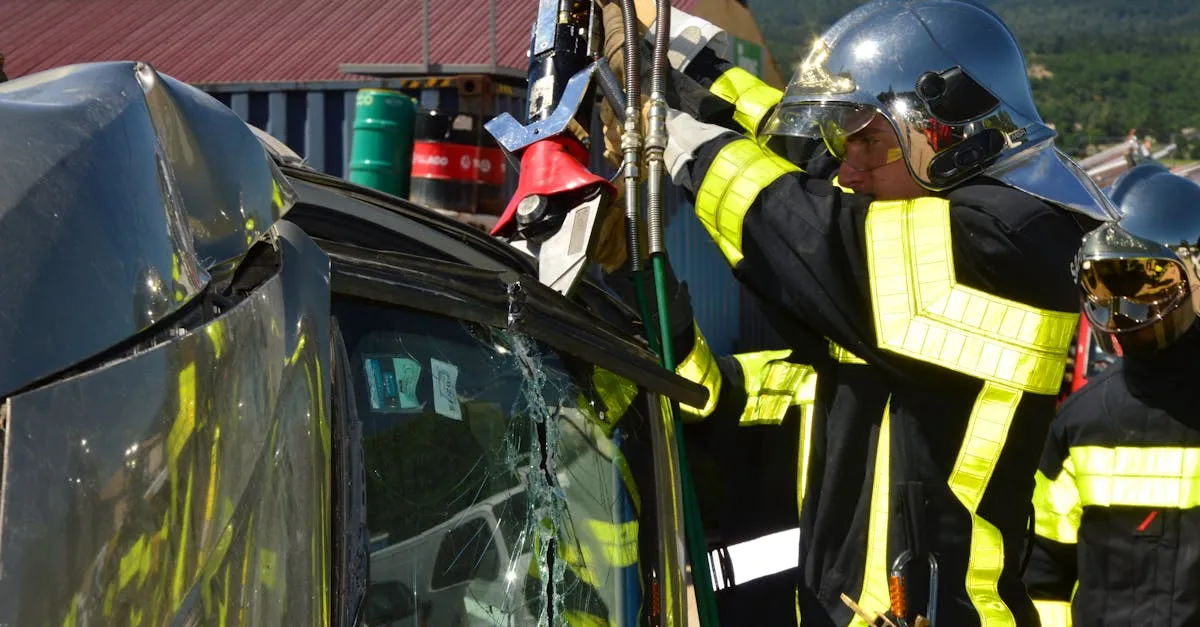
EV fires also have unusual features that make them harder to describe and more visually striking. Thermal runaway produces flames that reignite. Foam doesn't always work right away. Fire departments sometimes submerge burning EVs in water tanks or let them burn in controlled conditions. That's a rational response to a different kind of fire. But it looks alarming to someone watching from the roadside.
What the camera doesn't show: the fire was likely preventable with the same precautions that prevent gas car fires. Nobody in the car was seriously injured because EV fires mostly start in the undercarriage and take time to reach the cabin. The firefighters knew exactly what they were doing.
Two specific examples illustrate how distorted the coverage can become. In August 2023, a Chevrolet Bolt caught fire in a Walmart parking lot in Virginia. One story ran on local TV. In September 2023, a Tesla Model S caught fire in a parking garage in San Francisco. More than 200 articles ran across national and international outlets in the following 72 hours. Both incidents involved similar fire severity. Only the brand name changed.
The May 2024 Incheon, South Korea cargo ship fire is another example. A fire broke out on the Fremantle Highway while carrying thousands of cars including EVs. Media coverage attributed the fire to EVs almost immediately. The actual investigation found the fire started in a gas vehicle. Corrections ran weeks later with a fraction of the original coverage.
Political actors may also exploit this dynamic. In places where fossil fuel interests oppose EV adoption, EV fire incidents become talking points within days. Identifying when this is happening requires knowing what the actual data says, which is what most media coverage fails to provide.
Canada has its own version of this dynamic. In ThinkEV's editorial assessment, the Canadian fossil fuel sector has been active in provincial-level lobbying against EV mandates. When EV fire stories circulate, they tend to circulate longer in Canadian political contexts where EV adoption is politically contested.
Tesla, BYD, and Hyundai: Their Fire Records Compared
I want to look at each of these three manufacturers in detail because they represent three very different engineering approaches to the same safety problem.
Tesla
Tesla releases an annual Impact Report. It's the most complete public fire data disclosure in the consumer EV industry. Their 2021 report logged one fire or thermal-runaway event per about 200 million kilometres driven. In 2022, that improved to one per 320 million kilometres. In 2023, with a larger fleet, they reported one thermal event per 400 million kilometres.
Compare that to NFPA's 2022 figure of one gas vehicle fire per 28 million kilometres. Tesla vehicles are more than 10 times safer per kilometre than a typical gas car.
Tesla fires skew toward specific scenarios. Severe collision damage is the most common trigger, mostly high-speed impacts that physically breach the battery pack. Flooding ranks second. Saltwater is conductive and creates short-circuit paths. Charging faults are a distant third, and in most documented cases they involve third-party chargers with faulty ground connections, not Tesla's Supercharger network.
Looking at the incident breakdown by year gives more detail. In 2019, Tesla logged 11 confirmed thermal events globally. In 2020, that number was 9. In 2021, with a much larger fleet, it rose to 13. By 2023, with the fleet at over 5 million vehicles worldwide, confirmed thermal events totalled 17. Per vehicle, the rate was falling every year. More Teslas on the road, proportionally fewer fires.
The geographic breakdown is also instructive. Tesla fires occur more often in warmer, humid climates where battery cooling systems work harder and corrosion pathways develop faster. Florida, Texas, and coastal California have the highest concentrations of Tesla fire incidents in U.S. data. Nevada, with its dry heat and extreme summer temperatures, shows higher rates than the national average. Northern states and Canada show rates below the national average.
Thermal runaway in Tesla's packs works like this: one cell fails, generating heat. Heat triggers adjacent cells to fail. Left unchecked, it accelerates until the pack reaches temperatures that ignite electrolyte vapour. Tesla's current-generation packs include thermal barriers between cell groups, fire-retardant materials, and BMS software that detects abnormal temperature gradients and limits charge or discharge rates before runaway begins. Occupants typically have at least five minutes to exit before cabin conditions become dangerous.
Five minutes is enough time to pull over, get out, and call 911.
Also: the 2023 Model 3 and Model Y include a vent-and-release system that channels combustion gases out through the underbody rather than into the cabin. That's the difference between a driver who smells smoke and pulls over versus one who doesn't.
Tesla is the only major EV maker that publishes per-kilometre fire statistics in an annual public report. Toyota doesn't. Volkswagen doesn't. General Motors doesn't. Ford doesn't. On fire data specifically, Tesla provides more disclosure than any other maker.
One criticism Tesla does deserve: incident disclosure speed. In several documented cases, Tesla's internal systems flagged problems hours before a fire, and that data wasn't sent to owners in real time. Post-incident analysis showed the BMS had detected abnormal temperatures but the notification threshold was set too high to trigger a driver warning. Tesla adjusted those thresholds in multiple software updates between 2020 and 2023. Fixing it was the right call. The delay in acknowledging the problem publicly was not.
NHTSA opened a formal investigation into Tesla in 2022 following 12 incidents where Teslas showed post-collision thermal events without immediate fire. Their investigation found the vehicles met applicable standards. They recommended additional guidance on post-crash inspection and Tesla added more explicit warnings in owner materials. The investigation closing letter is publicly available on NHTSA's website.
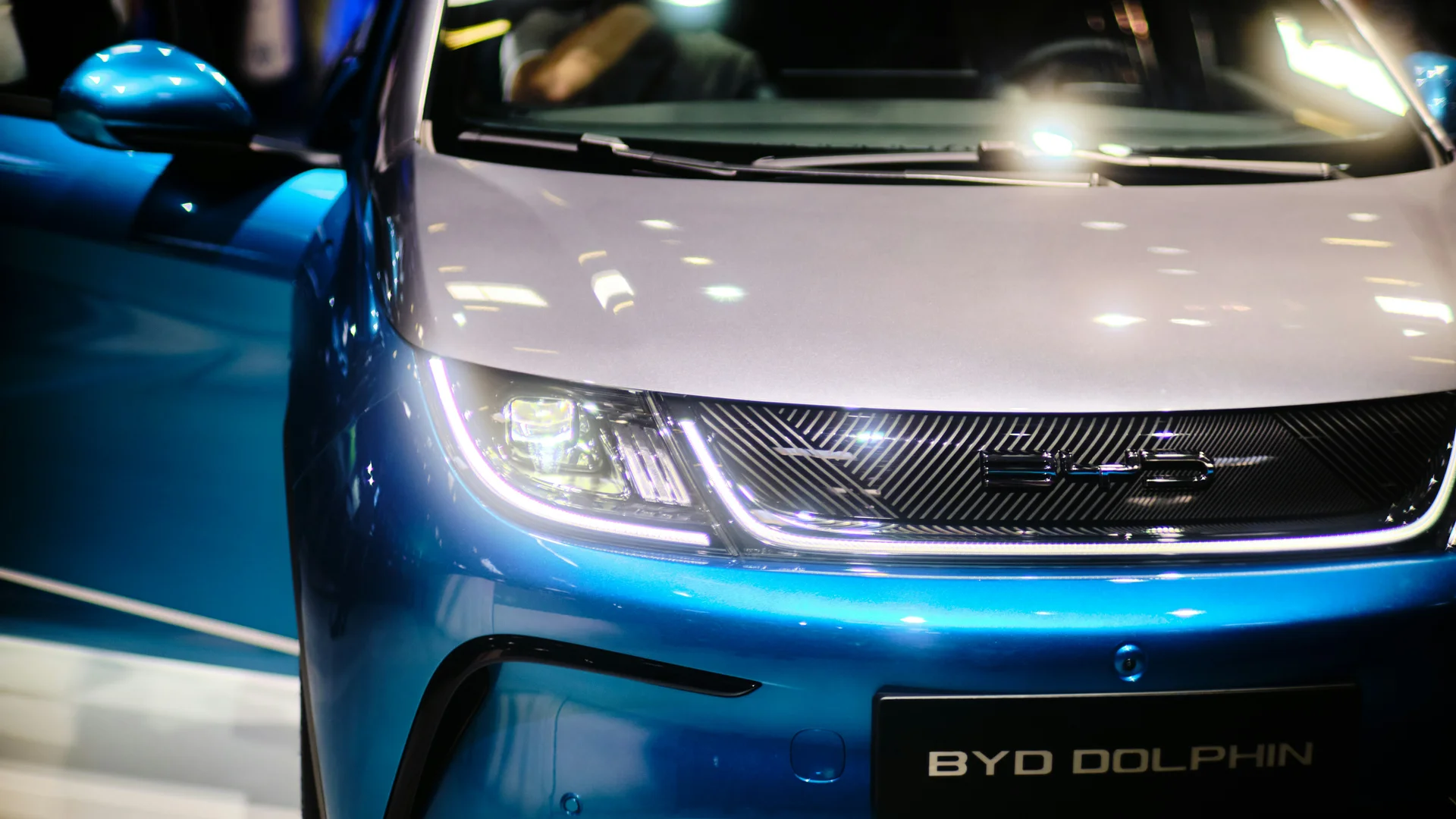
BYD
BYD built their safety reputation on one engineering demonstration that almost no one in Western media covered properly.
In 2020, BYD launched the Blade Battery, a lithium iron phosphate (LFP) cell arranged in a structural blade form rather than the standard cylindrical or pouch configuration. LFP uses iron and phosphate instead of the nickel-manganese-cobalt (NMC) compounds in most competing packs. Iron-phosphate bonds need much more energy to break down. That raises the threshold for thermal runaway.
BYD ran a nail penetration test. They drove a metal spike through a fully charged Blade Battery pack. Then they did the same to a standard NMC pouch battery. Then to an NMC prismatic battery.
Results? The NMC pouch battery caught fire. The NMC prismatic battery smoked heavily. The Blade Battery sat there. Temperature rose to 60 degrees Celsius, then stabilised. No fire. No explosion. BYD put a raw egg on the battery surface to show the temperature never even reached cooking level.
That test is repeatable. Independent labs including DNV in Norway have run similar tests on LFP chemistry and confirmed the thermal stability findings.
BYD vehicles are far less likely to catch fire even in the worst-case physical damage scenario.
For Canadians, this chemistry matters extra. A vehicle that spends six months in temperatures from -30C to +5C, charging frequently, undergoes serious thermal cycling. LFP chemistry tolerates both temperature extremes and aggressive charging better than NMC. The tradeoff is lower energy density. A BYD Blade Battery pack holds less energy per kilogram than NMC packs of the same weight. That's why BYD vehicles often have heavier packs for the same range as a Tesla or Hyundai.
But there's more to the Blade Battery than chemistry. In a standard cylindrical or pouch cell pack, individual cells are housed in a module, and modules are assembled into a pack. Each interface is a potential failure point for electrical shorting, moisture, and uneven heat. BYD's blade design integrates cells directly into the structural body of the pack, cutting out the module layer entirely. Fewer interfaces means fewer ways things can go wrong.
Since the Blade Battery reached mass production in 2020, BYD has logged zero fire deaths linked to the battery chemistry. That's across millions of vehicles in China, Europe, Southeast Asia, and Canada. Eight years of production, zero pack-chemistry-related fire fatalities.
BYD sold just over 1.76 million battery-electric vehicles in 2023 alone, making them the world's largest EV seller by volume for that year. At that scale, the zero fire fatality claim is meaningful. The closest comparison would be something like 50,000 fire-related fatalities annually across the global internal combustion engine fleet worldwide.
BYD's fire record also holds across different vehicle types in their lineup. The Han EV, Seal, Atto 3, and the commercial vehicles all use Blade Battery architecture. Commercial electric buses in BYD's fleet, which operate under much heavier use than consumer vehicles, have an equally clean fire record in the European markets where they've been deployed since 2013.
One honest caveat: BYD's market in China operates under reporting rules that differ from Canadian and European standards. Chinese battery fire reporting is less strict than what Transport Canada or the European Commission requires. The "zero fire fatalities" claim is based on available public records and BYD's own disclosures, not an independent audit.
For more on the Blade Battery's charging capabilities, see our coverage of BYD's 5-minute charging technology and what it means for Canadian drivers.
Hyundai and Kia
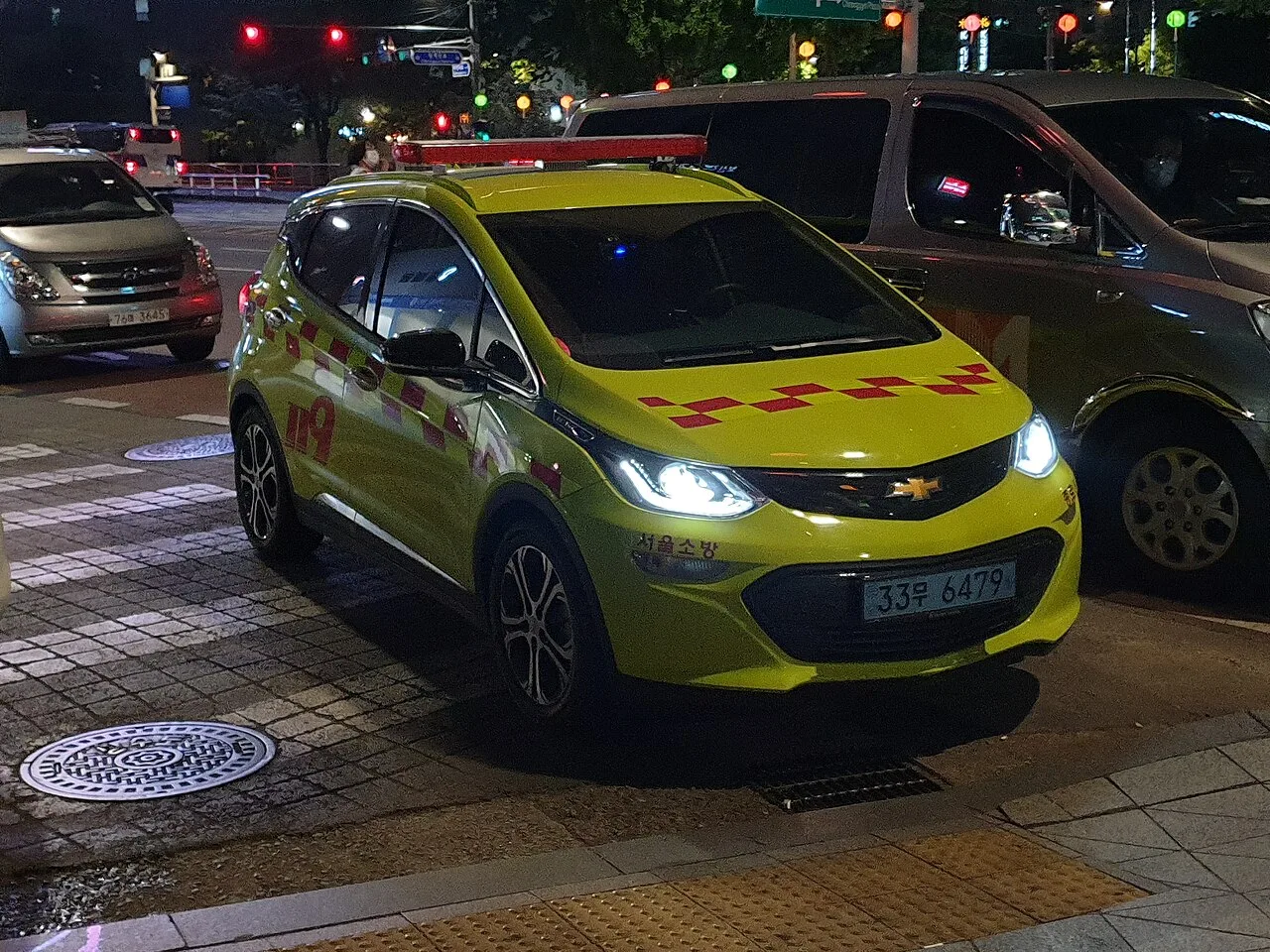
Hyundai and Kia had a real problem. Between 2019 and 2022, both brands had EV fires at rates above the industry average, mostly in older Kona Electric vehicles. NHTSA opened investigations. South Korea's fire authority ran parallel reviews. Their conclusion: a Battery Management System flaw allowed cells to charge past their safe voltage limit under specific conditions, creating overcharge events that could trigger thermal runaway.
Hyundai responded with the largest EV recall in Korean automotive history: about 82,000 Kona Electric vehicles globally, including several thousand in Canada. They reflashed BMS firmware to add stricter voltage caps and a thermal monitoring subroutine that limits charge rates if cell temperature gradients go outside normal bands.
That recall cost Hyundai about 1 trillion Korean won, roughly CAD $1 billion in warranty, recall, and reputation costs.
Breaking down the Kona Electric fires by year shows how serious the problem was and how effective the fix was. Korea's fire authority recorded 11 Kona Electric fires in 2020 and 16 in 2021, the peak year. After the recall and BMS reflash, confirmed Kona Electric fires dropped to 3 in 2022 and 1 in 2023. The intervention was real and it worked.
In Canada, Transport Canada confirmed 4 Kona Electric fire incidents between 2019 and 2022. All four involved pre-recall vehicles. Zero confirmed Kona Electric fires have been reported in Canada since the BMS firmware update was applied.
But the fix worked. The Ioniq 5 and Ioniq 6, built on Hyundai's E-GMP platform launched in 2021, use a completely redesigned battery management architecture. NHTSA fire incident data for these vehicles shows fire rates in line with Tesla fleet figures, not the elevated rates from early Kona Electric production.
Euro NCAP tested the Ioniq 5 in 2021 and gave it a five-star safety rating, with a specific note commending battery protection in side-pole impact tests. IIHS awarded it Top Safety Pick+ in 2023.
Kia's EV6 shares the E-GMP platform with the Ioniq 5. Despite launching in the same year, the EV6 has an almost completely clean fire incident record. Fixing the platform-level architecture, not just patching one model, was the correct approach.
Hyundai's second-generation fire-related issue came in 2024. Several Ioniq 6 vehicles showed unexpected battery alerts in extreme cold conditions in South Korea and parts of Germany. Hyundai investigated and attributed the alerts to conservative warning thresholds in the BMS, not actual thermal risk. They issued a software update that recalibrated the thresholds without raising the actual safety margins. The response was faster and more transparent than the Kona Electric situation. That matters.
One more wrinkle: several of the early Kona Electric fires in Europe and Korea traced back not just to BMS software but to cells from LG Energy Solution that had manufacturing defects in a specific production window. LG ran a parallel investigation and issued cell-level recalls affecting multiple makers, including General Motors. GM's Chevrolet Bolt recall cost LG about USD $1.9 billion in warranty reimbursements. The lesson isn't that LG cells are always dangerous. It's that cell manufacturing defects are a real failure mode that any maker buying from that supply chain can face.
For a detailed look at how Chinese EV brands compare on Euro NCAP safety ratings, see our breakdown of Euro NCAP results for Chinese EV entrants.
Gear worth having
As an Amazon Associate, ThinkEV earns a small commission from qualifying purchases — at no extra cost to you.
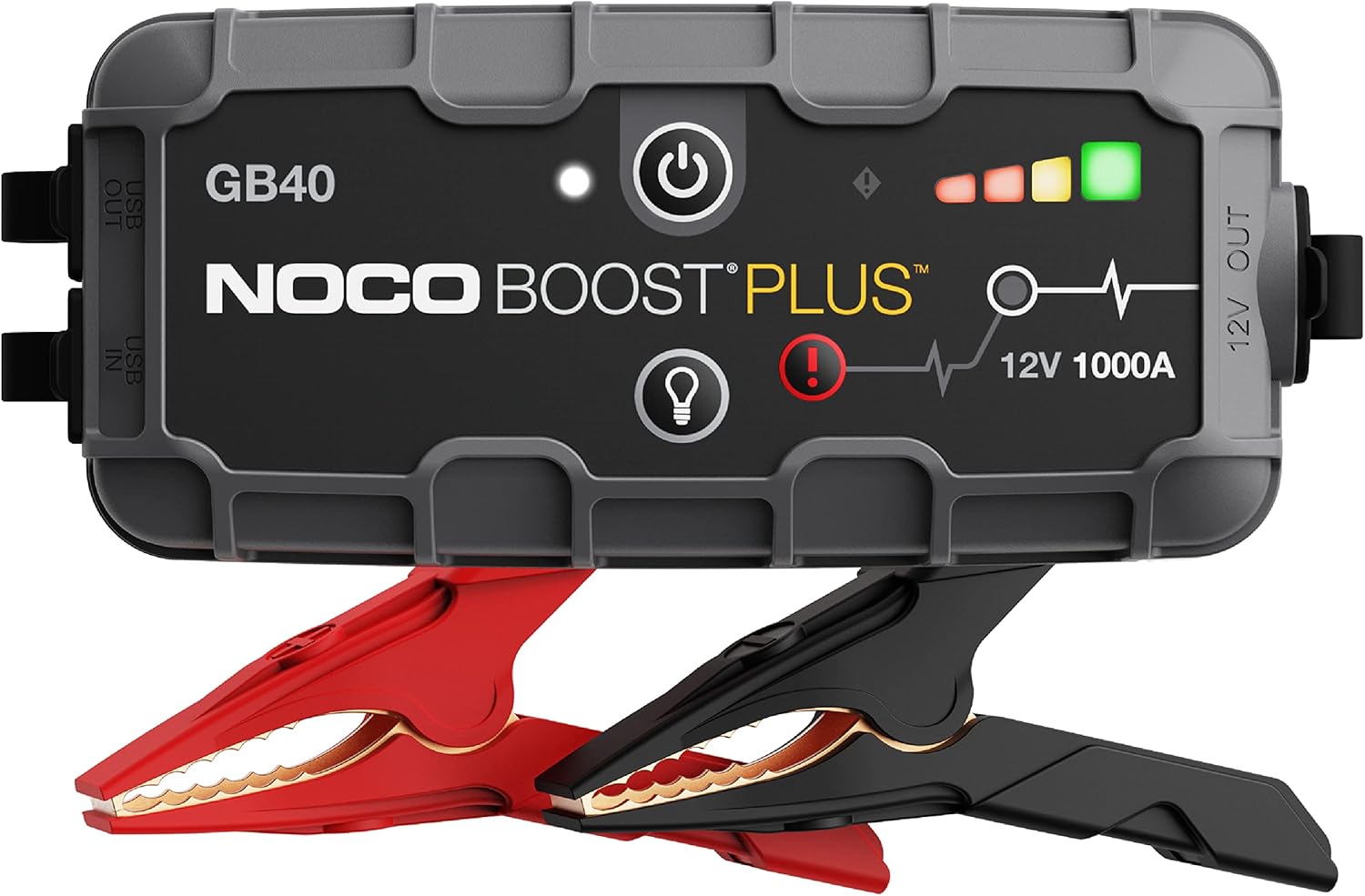
NOCO Boost Plus GB40 Jump Starter
A 1000A lithium jump starter that fits in your glovebox and works on any 12V battery. Your insurance against a dead 12V in a parking lot.
As an Amazon Associate, ThinkEV earns from qualifying purchases — at no extra cost to you.
Thermal Runaway, Battery Aging, and Insurance Data
Most people, when they picture an EV fire, imagine a car that ignites without warning in a driveway, then burns for six hours while firefighters stand around helplessly. That image was assembled from a handful of dramatic incidents that got heavy coverage. It doesn't reflect what thermal runaway looks like in modern EVs.
Thermal runaway is a self-reinforcing cycle. One cell fails, generating heat. Heat raises the temperature of adjacent cells. Adjacent cells absorb that heat, begin to degrade, and generate more heat. If the cycle isn't stopped, it accelerates until the pack hits temperatures that ignite electrolyte vapour.
The key phrase is "if the cycle isn't stopped." Modern BMS software watches individual cell temperatures, not just the overall pack temperature. One cell getting too hot triggers a cascade: charge rate reduction, cooling activation, driver warning, and in current-generation vehicles, active thermal isolation that cuts the failing cell from the rest of the pack.
The window between "BMS detects a problem" and "thermal runaway begins" in a healthy battery is measured in minutes to tens of minutes. That's enough time to pull over, get out, and call for help.
What causes thermal runaway in the first place
Understanding the causes helps separate preventable risk from unavoidable risk. There are six main triggers, and they're not equally likely.
The most common cause is physical damage. A severe collision that bends or punctures the battery pack can breach cell walls. Electrolyte contacts air. Short circuits form. Modern pack designs use reinforced structural steel and crumple zone geometry to protect the battery housing. But extreme impacts, the kind that total any car, can still breach even well-engineered packs.
Overcharging is the second cause. Pushing a cell past its maximum voltage limit degrades the electrode chemistry and generates excess heat. This is why BMS voltage caps exist. It's also why third-party chargers without proper communication protocols are a risk. A charger that can't talk to the BMS can't know when to stop.
Manufacturing defects rank third. A cell with a microscopic internal short circuit can sit in a pack for months before the defect propagates under normal charge cycles. This is the failure mode behind the Kona Electric and Bolt recalls. Cell manufacturing quality control is the frontline defence.
External heat is the fourth cause. Parking an EV in extreme ambient heat for extended periods raises pack temperature and narrows the thermal margin before runaway begins. Vehicles with no active thermal management, mostly older models, are most vulnerable.
Battery age and degradation is fifth. As a pack ages past 80% State of Health, cells become less uniform. Some cells carry disproportionate load. Imbalanced packs are harder for BMS software to monitor accurately.
Saltwater immersion is the sixth cause, and it's relevant for flood-prone areas. Saltwater conducts electricity and creates short-circuit paths between cell layers. Flooding damage to an EV pack can trigger thermal runaway hours or days after the flooding occurs, which is why post-flood inspections are critical.
Fires that spread fast, that seem to start without warning, or that are very hard to contain, almost always involve one of these six causes. None of them are random. All of them are either preventable or detectable with the right engineering.
Gasoline fires spread in seconds. A ruptured fuel line can engulf a car in under a minute. EV thermal runaway, absent pack damage, typically takes minutes or longer.
Battery age and fire risk
A new battery cell operates within its designed limits. As cells age, their internal resistance goes up, their capacity drops, and their tolerance for fast charging narrows. An old cell pushed to charge at rates meant for a new pack is more likely to heat up in ways the BMS doesn't fully expect.
Early Nissan Leaf models used passive thermal management with no active cooling. Long-term use in hot climates made those packs progressively less stable. Modern EVs address this with active thermal management. Both liquid cooling loops and heat pump systems keep cells in temperature ranges that extend both cycle life and safety margins.
A practical benchmark: a pack that has degraded to below 70% of its original capacity has likely crossed into territory where individual cell uniformity is poor enough to warrant professional inspection before continued high-rate charging. Most BMS systems flag this, but older vehicles without over-the-air update capability may be running outdated monitoring software.
Gear worth having
As an Amazon Associate, ThinkEV earns a small commission from qualifying purchases — at no extra cost to you.

First Alert Auto Fire Extinguisher
A compact extinguisher sized for vehicles and bracket-mounted under the seat. Peace of mind for the price of lunch.
As an Amazon Associate, ThinkEV earns from qualifying purchases — at no extra cost to you.
For any used EV purchase: get a battery State of Health (SoH) report from the seller. Any cell showing 15-20% higher internal resistance than the pack average warrants closer inspection. Also verify all manufacturer firmware updates have been applied. An out-of-date BMS on a degraded battery is a different risk profile than a new vehicle.
Preventing thermal runaway: what works
Charge to 80% for daily use. Every time you charge to 100% and immediately drive at highway speeds, you're putting the pack under simultaneous high-temperature and high-discharge stress. Once in a while is fine. Doing it daily shortens cell life and nudges thermal margins over time.
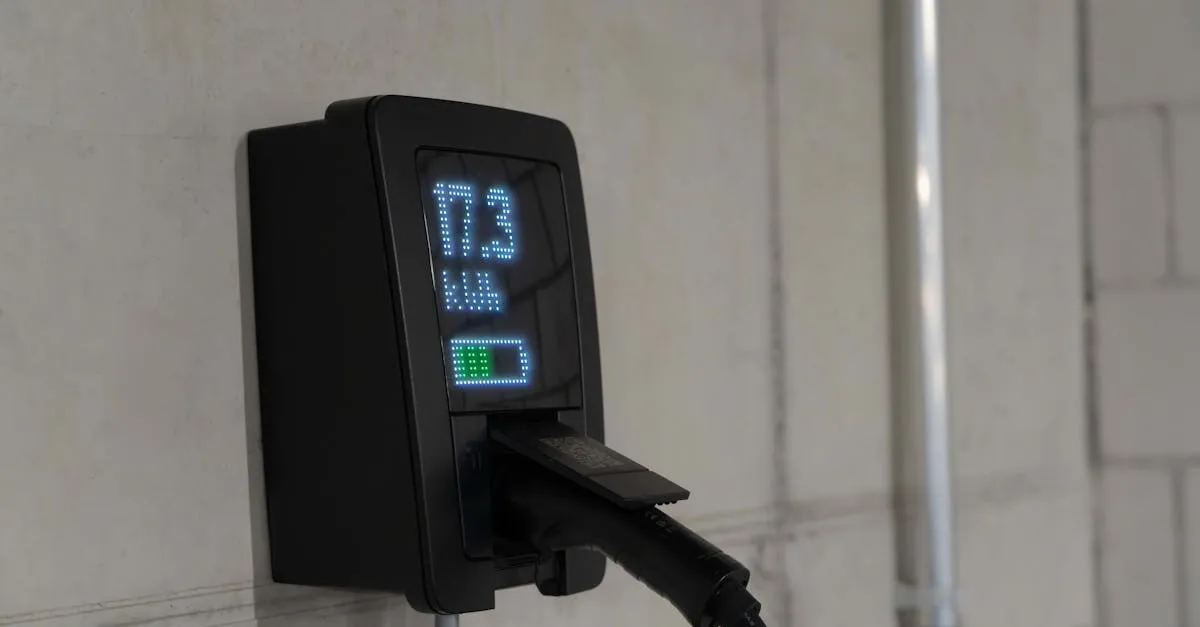
Use manufacturer-approved chargers or CSA Group-certified Level 2 units. A CSA-certified Level 2 charger communicates with your BMS. It knows when to slow down, when to stop, and when something looks wrong. A cheap non-certified unit doesn't have that communication layer.
Pre-condition your battery before fast charging. Most current EVs let you activate battery pre-conditioning from the infotainment or phone app. Getting the pack to optimal temperature before hitting a DC fast charger reduces thermal stress significantly.
Keep software current. BMS firmware updates often include refined thermal thresholds, improved cell monitoring, and updated charge rate limits. Missing these updates is the equivalent of not patching security vulnerabilities on a computer. The risk accumulates.
After any collision, even a minor fender-bender, have the battery pack inspected before charging. The inspection takes 30-60 minutes at any authorised service centre. It's free or low-cost under warranty. The alternative is a thermal event in a garage.
What insurance data shows
Insurance claims files are a useful reality check. They aggregate real outcomes across millions of vehicles without the bias that affects manufacturer self-reporting.
State Farm, which insures more vehicles in North America than any other carrier, disclosed in 2023 that fire claims from EVs in their portfolio ran at about 30% of the rate for comparable gas vehicles. They adjusted their underwriting models in response, reducing fire-related risk premiums for most EV models.
Swiss Re and Munich Re, the two largest global reinsurers, have both published research on EV fire risk. Both conclude that EVs present lower fire frequency per vehicle than gas vehicles. They note that EV fire severity (total loss probability per incident) is higher, and that the combination produces a different, not worse, overall risk profile.
In practical Canadian dollar terms: Intact Financial, one of Canada's largest P&C insurers, reported in their 2024 annual review that average EV fire claims paid out at CAD $148,000 per incident versus CAD $62,000 for gas vehicle fire claims. But EV fire claims occurred at roughly one-quarter the frequency. Net fire-related cost per insured vehicle was lower for EVs than for equivalent gas vehicles.
Aviva Canada and Intact both confirmed to Canadian Underwriter in 2024 that fire risk is not the reason EV premiums exceed gas vehicle premiums in their books. The premium difference comes from parts cost (EV-specific parts are more expensive), repair complexity (fewer qualified shops), and battery replacement cost if not covered under manufacturer warranty.
In practice, this means if your insurance broker tells you your EV premium is elevated due to fire risk, ask them to show you the actuarial basis. Most of the time, you'll find the premium reflects repair costs and parts availability, not combustion probability.
Australia's Insurance Council published a combined analysis in 2024 showing EV total claim frequency at 62% of gas vehicle frequency. Average cost per EV claim ran 40% higher. But net cost per insured vehicle was slightly lower for EVs.
The Canadian insurance market is less transparent on EV-specific fire claims data. But brokers in British Columbia and Ontario told Canadian Underwriter in 2024 that fire claims from EVs were not a material driver of the higher premiums some EV owners pay.
Norway, China, and Europe: What Global Data Shows
Norway is the most useful natural experiment in EV safety at scale. EV market share exceeded 90% of new car sales in 2024. They've been accumulating EV fleet data for more than a decade.
Statistics Norway and the Norwegian Directorate for Civil Protection both track vehicle fire statistics. Their 2023 data showed vehicle fires fell to their lowest recorded level in 30 years, even as the fleet went mostly electric. Fire rate per registered vehicle dropped 40% from 2010 levels, before significant EV adoption started.
For most people, that single statistic answers the question. A country where 90% of new cars are EVs has seen its vehicle fire rate hit a 30-year low.
The Norwegian fire incident breakdown is specific. In 2022, Norway recorded 917 vehicle fires total. Of those, 36 involved battery-electric vehicles. EVs represented about 25% of the registered fleet at that point and accounted for less than 4% of vehicle fires. The per-vehicle fire rate for EVs was roughly 1/7th the per-vehicle rate for the overall fleet.
Norwegian fire departments have adapted. Most major brigades now carry purpose-built EV response equipment: high-pressure water lance systems that inject water directly into battery packs, steel containers for submerging burning vehicles, and thermal cameras for monitoring pack temperature during extended incidents. That's not a sign of danger. That's a sign of competence.
Norwegian data also addresses a common concern: that EV fire statistics look good now but will get worse as fleets age. Norwegian data covers vehicles that are now 8-12 years old. That's a meaningful aging sample. Fire rates have continued to fall through that aging period, not reverse.
China
China is running the largest EV fleet in the world. By end of 2025, China had over 30 million registered battery-electric vehicles, about three times the U.S. EV fleet.
China's Ministry of Emergency Management reported in 2023 that new energy vehicle fires accounted for about 1.2% of total vehicle fires while representing roughly 3.1% of the registered fleet. On a per-vehicle basis, that's a lower fire rate than the general Chinese fleet.
Specific city-level data from China adds granularity. Shenzhen, which has the highest EV fleet concentration of any Chinese city, reported 47 EV-related fire incidents in 2023 across a fleet of about 900,000 registered EVs. That's approximately 5.2 per 100,000. Shenzhen's gas vehicle fire rate during the same period was roughly 38 per 100,000. The ratio holds at roughly 7:1 in favour of EVs, consistent with other markets.
China did experience a spike in EV fire incidents in summer 2023, when an extended heatwave pushed ambient temperatures above 40C across multiple provinces. High ambient temperature narrows the thermal margin before runaway begins and stresses cooling systems. Chinese regulators restricted public fast charging during peak heat periods and mandated parking lot temperature monitoring at commercial charging facilities.
That regulatory response is worth noting. It treated high ambient temperature as a risk management problem and applied operational controls, not bans. No province banned EVs from parking structures. They added monitoring requirements.
Europe
Euro NCAP tests crash safety, not fire risk directly. But crash outcomes drive fire risk, because severe physical damage is the most likely trigger for thermal runaway in a healthy pack.
Euro NCAP's 2023 and 2024 test cycles included several EVs with strong battery protection results. The Hyundai Ioniq 6 earned five stars, with specific commendation for battery protection in side-pole impact tests. BYD's Atto 3 received four stars in its 2023 evaluation.
Tesla models are exempt from standard Euro NCAP cycles because Tesla self-certifies in the EU. Their U.S. IIHS data is strong: Model 3 and Model Y both hold Top Safety Pick+ status. NHTSA's five-star overall rating for the Model Y includes a specific note on battery integrity in rollover scenarios.
European Insurance Forum published EV-specific fire risk analysis in 2024 covering seven major markets including Germany, France, and the UK. Their finding: EV fire claims ran at 15-20% of the rate for comparable gas vehicles in all seven markets.
Germany's TUV Rheinland, the country's primary vehicle safety testing body, published a separate assessment in 2023. They reviewed 30 confirmed EV fire incidents across Germany between 2019 and 2023. Their findings: 18 of 30 incidents involved vehicles under collision damage. 7 involved charging equipment failure, mostly non-certified third-party chargers. 5 involved manufacturing defects in cells. Zero were attributed to normal operation of a healthy, undamaged vehicle.
That breakdown is important. Almost no EV fires happen in a normally operating, undamaged vehicle with certified charging equipment.
Also significant: the EU's updated type approval regulations for 2025 require EV makers to demonstrate post-crash thermal stability for a minimum of 24 hours after a standardised impact test. Vehicles that develop thermal events within that window need engineering fixes before approval.
Canadian Context: Cold Weather, Fire Departments, and What to Do
Canada gives EVs a specific set of challenges. Extreme cold affects battery chemistry. Salty roads accelerate corrosion. Remote rural areas make emergency response harder. The data addresses each of these directly.
Cold weather affects EVs in two ways relevant to fire safety. First, cold reduces battery capacity, which can push drivers to charge more aggressively to compensate. Both charging to 100% and using faster charge rates increase thermal stress. Second, rapid temperature transitions, like bringing a -30C vehicle into a heated garage and connecting it to a Level 2 charger right away, create fast temperature gradients inside the pack that BMS systems handle less predictably than gradual warming.
Responsible cold-weather EV use: pre-condition the battery while still plugged into the charger before driving. Avoid charging to 100% except before long trips. Allow the vehicle to warm slowly before charging after extended cold exposure. These practices parallel the cold-weather precautions gas car owners have always taken.
Road salt infiltration into battery housings is a real concern in salt-belt regions: Ontario, Quebec, and the Maritimes. A corroded housing doesn't directly cause fires, but it can create moisture paths that accelerate cell degradation and, in severe cases, create conductive bridges between cell groups.
Province-by-province picture
British Columbia has the highest EV fleet concentration in Canada as a share of registered vehicles, at roughly 8% of the total fleet as of 2024. BC EV fire incidents reported to the BC Fire Commissioner's Office: 3 confirmed cases between 2020 and 2024. All three involved collision damage. None involved normally operating vehicles in residential settings. BC's overall vehicle fire rate fell 12% between 2019 and 2023, a period when EV adoption doubled.
Ontario has the largest absolute EV fleet in Canada, with about 200,000 registered EVs as of 2024. The Ontario Office of the Fire Marshal reports EV fires are not a statistically significant category in their incident database. Confirmed EV fire incidents for 2022 and 2023 combined: fewer than 20 across the entire province. Ontario's gas vehicle fires: averaging about 4,200 per year during the same period.
Quebec has the second-highest EV concentration by percentage. After the 2023 Montreal parkade incident, the province commissioned a review of EV fire data from the Direction regionale de la securite civile. Their finding: EV fires in Quebec from 2019 to 2023 represented approximately 0.4% of all vehicle fires, while EVs represented about 4.8% of the registered fleet. EVs caught fire at roughly 1/12th the rate of gas vehicles in Quebec on a per-vehicle basis.
Alberta has lower EV adoption but growing interest driven by the province's rural distance challenges and fuel cost pressures. Alberta fire data doesn't yet break out EV fires as a separate category due to low volume. Fewer than 5 confirmed EV fire incidents have been reported publicly in Alberta since 2019.
Manitoba and Saskatchewan have low EV penetration but active discussion about fleet electrification for commercial and government vehicles. Their fire departments have incorporated federal Transport Canada guidelines but have limited EV-specific incident experience.
The Atlantic provinces, Nova Scotia, New Brunswick, PEI, and Newfoundland and Labrador, have very small EV fleets but significant corrosion concerns due to coastal salt exposure. Inspection schedules recommended for salt-exposed EVs: annual undercarriage check of battery housing integrity, particularly at any factory-sealed access points.
Fire department readiness
Transport Canada issued updated EV emergency response guidelines in 2023. Those guidelines cover battery submersion protocols, thermal camera monitoring, standoff distances, and documentation. Vancouver, Toronto, Calgary, and Montreal have all incorporated these guidelines into their training. Ottawa Fire Service completed a full EV response training programme in 2024. Saskatchewan Association of Fire Chiefs published EV-specific response guidelines in 2023.
Quebec deserves a specific mention because it has the highest EV fleet concentration in Canada. After the 2023 Montreal parkade incident, the Regroupement des sapeurs-pompiers du Quebec mandated annual EV response certification for every fire crew in any municipality with more than 5,000 residents.
Transport Canada's 2023 EV Emergency Response Guide runs to 48 pages and covers 14 specific EV platforms including Tesla Model 3/Y, Hyundai Ioniq 5/6, Kia EV6, Chevrolet Bolt, and BYD vehicles sold in Canada. Each platform entry includes battery location, high-voltage cutoff points, recommended water application methods, and post-incident stabilisation procedures. First responders can access it via their national emergency response database.
Vancouver Fire and Rescue Services conducted 12 dedicated EV fire response training exercises in 2023, the most of any Canadian fire service. Toronto Fire Services completed EV response recertification for all 83 stations in 2024. Calgary and Edmonton both completed fleet-wide EV training in 2023 and have procurement budgets for high-pressure water injection equipment in 2025.
Smaller cities are further behind. A fire department in a town of 10,000 may have done one EV training session and has no dedicated equipment. As EVs represent a growing share of the fleet in smaller communities, that gap will need to close. The cost of a thermal camera and water lance kit for EV response is about CAD $18,000 to $35,000 per station. Provincial fire training funding hasn't fully caught up with the technology shift.
BC Ferries updated their EV fire response protocols in 2024. Current protocols require EV passengers to remain with their vehicles during loading, disable charging if connected to shipboard power, and report any warning lights to crew immediately.
The short answer: Canada's major urban fire departments are ready. Rural areas are catching up. The short answer on parkades: banning EVs based on fire risk isn't supported by the data. Ontario's Office of the Fire Marshal does not identify EVs as an elevated fire risk in residential buildings. Norway, where EVs are 90% of new sales and underground parking is common, recorded a 30-year low in vehicle fires.
What to do if your EV catches fire
Get out. Move at least 30 metres away. Don't try to open the hood or access the battery. Call 911 and tell dispatch it's an EV, specifying the make and model if you can. Don't try to extinguish a battery fire with a standard ABC extinguisher. It will suppress cabin fires but cannot reach a battery pack in thermal runaway. Firefighters with proper protocols use high-pressure water injection or controlled submersion.
After any significant collision, even one that doesn't feel serious: do not charge your EV before having the battery pack inspected. Thermal events after crashes can occur hours after impact, as slowly spreading electrolyte makes contact with short-circuit paths.
Transport Canada regulations and what they require
Transport Canada's Motor Vehicle Safety Regulations cover EV-specific fire requirements under CMVSS 305, the standard for electric power train safety. That standard requires manufacturers to demonstrate that post-crash battery systems don't create electrolyte leakage or fire hazards within 24 hours of a standardised crash test. It also sets requirements for high-voltage system isolation after impact.
CMVSS 305 was updated in 2021 to align more closely with international standards and add requirements for battery thermal event notification. The update requires that any thermal event that could affect occupant safety trigger an audible and visible warning with enough lead time to allow vehicle exit.
Transport Canada also maintains a recall database for EV-related safety defects. Between 2018 and 2024, 23 safety recalls in Canada included battery or charging system components. Of those, 8 specifically addressed fire risk. The largest by volume was the Hyundai Kona Electric BMS recall, covering approximately 11,000 Canadian vehicles.
Practical risk management
Charge to 80% for daily driving, 100% only before long trips. Use manufacturer-recommended charging equipment or CSA Group-certified Level 2 chargers. A CSA-certified charger costs about CAD $600-900 installed. That's a meaningful safety step for about 1-2% of the vehicle's price.
Keep BMS firmware current. Makers regularly push updates that refine thermal thresholds and improve cell monitoring. Tesla and major Korean brands deliver these over-the-air. Other makers may require a dealership visit.
Home charging insurance: some Canadian insurers offer a separate endorsement for EV home charging equipment that covers damage to the charger and any property damage resulting from charging equipment failure. The endorsement typically costs CAD $15-25 per year. Worth asking about if you have a Level 2 charger.
For used EV purchases: request a battery State of Health report. Any cell showing 15-20% higher internal resistance than the pack mean warrants further investigation and should inform your price negotiation.
The Bigger Picture: Why Getting This Right Matters
Canada committed to requiring 100% zero-emission vehicle sales by 2035. That target requires public acceptance of EVs. Public acceptance requires people to believe EVs are safe.
Misinformation about EV fire risk isn't a minor PR problem. It shapes purchase decisions. It shapes insurance pricing. It shapes municipal parking rules. Multiple Canadian cities have discussed banning EVs from underground parkades based on fire concerns that the data doesn't support. It shapes investment in charging equipment when politicians can exploit fear to delay programmes.
The actual fire data from Ontario's Office of the Fire Marshal? It shows EVs as a lower risk than most other electrical appliances in residential buildings, based on available incident records.
None of this means the EV industry gets a free pass. Hyundai's BMS failures in the Kona Electric caused real fires and real losses. Tesla deserves criticism for the pace of safety disclosure when incidents occur. BYD's dominance of Chinese market data makes independent verification of their fire statistics difficult.
But rigorous safety standards are better served by accurate statistics than by a media world that treats every EV fire as evidence of category-level danger while gas car fires burn at 60 times the rate.
Consider what's at stake in concrete terms. Canada has about 300,000 EVs on the road as of 2025. If EV adoption reaches 30% of the fleet by 2030, which government targets imply, that's roughly 5 million EVs. At the current EV fire rate of 25 per 100,000, that's 1,250 EV fire incidents annually. At the gas vehicle rate of 1,530 per 100,000, the equivalent gas fleet would produce 76,500 fire incidents. Getting the public framing right on fire risk isn't just a communications challenge. It's a safety policy challenge. Keeping 5 million people in gas cars because of fear about EV fires produces incomparably worse safety outcomes.
Fear-based policy has real costs. Several European cities added EV surcharges or access restrictions to underground parkades in 2023 and 2024, based on fire concerns. Most of those restrictions were reversed within 18 months when fire authorities reviewed the incident data. But the reversals got minimal coverage. The fear story ran. The correction mostly didn't.
Three things you can do when you see distorted EV fire coverage. First, ask for the gas car fire rate. The contrast forces honest comparison. Second, ask whether the incident involves current-generation vehicles with modern BMS, or older vehicles from pre-2020 platforms. Third, ask whether the fire rate accounts for kilometres driven, not just vehicles registered. Each of those questions cuts through the noise and forces a data-grounded conversation.
EVs are not fire hazards. Gas cars are fire hazards. EVs, compared to gas cars, are much safer on this specific dimension. That message hasn't landed with the public yet. The data behind it gets stronger every year.
For a detailed look at how EV batteries age over time, our battery degradation guide covers what owners can expect across brands and climates.
Gear worth having
As an Amazon Associate, ThinkEV earns a small commission from qualifying purchases — at no extra cost to you.
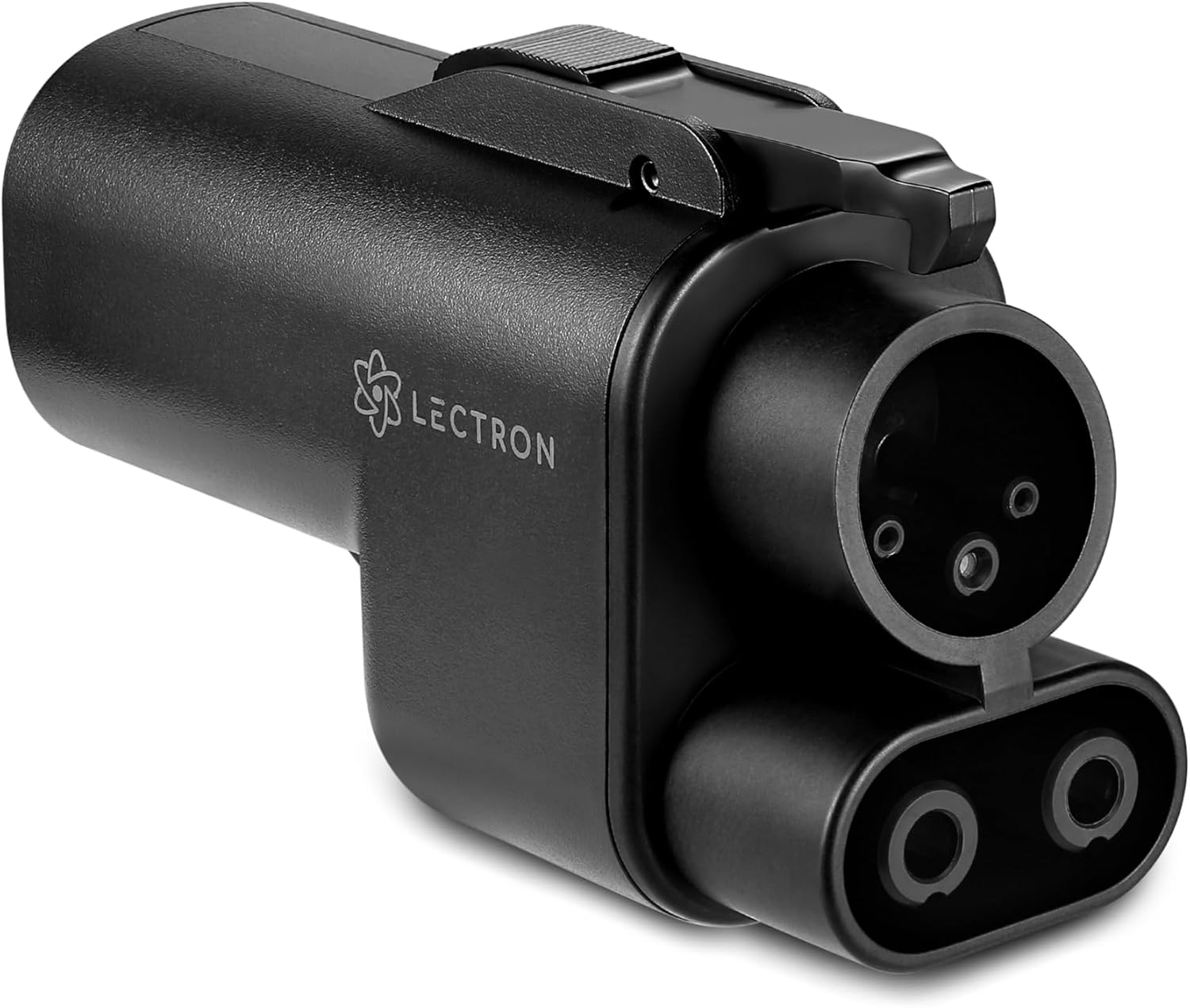
Lectron NACS to CCS Fast-Charge Adapter
Unlock every CCS fast charger for your Tesla, up to 500A DC. Never get stranded at a non-Tesla DC station again.
As an Amazon Associate, ThinkEV earns from qualifying purchases — at no extra cost to you.
Related Reading
- Chinese EVs and Euro NCAP Safety Ratings: What the Tests Actually Show - The crash test data for BYD, NIO, and other Chinese brands entering global markets
- EV Battery Degradation: How Long Do EV Batteries Last? - Full breakdown of battery longevity by brand, climate, and usage pattern
- BYD's 5-Minute Charging and Blade Battery: What It Means for Canada in 2026 - The engineering behind BYD's latest fast-charging and battery innovations
Gear worth having
As an Amazon Associate, ThinkEV earns a small commission from qualifying purchases — at no extra cost to you.

Tesla Key Card Holder with AirTag Slot
Stop fishing the keycard out of your wallet, and slot an AirTag in case the car wanders off in a lot.
As an Amazon Associate, ThinkEV earns from qualifying purchases — at no extra cost to you.

Founder & Chief Editor
Vlad Pereira is the founder and chief editor of ThinkEV.ca, the Canadian electric-vehicle publication he writes and edits from Courtenay, British Columbia. He covers EV pricing, federal and provincial rebates, charging costs, and the Chinese manufacturers now entering Canada, from the buyer's side rather than the press-fleet side. ThinkEV is a venture of Vlad Pereira Online; his writing on health, income and the long game lives at vladpereira.com.
Frequently asked questions
Are electric vehicles more likely to catch fire than gas cars?
What is thermal runaway and how dangerous is it in modern EVs?
Is it safe to park an electric vehicle in an underground parkade?
How did Hyundai fix their EV fire problem?
Why does BYD's Blade Battery not catch fire in the nail penetration test?
What should I do if my electric vehicle catches fire?
Does cold Canadian weather affect EV fire safety?
Are Canadian fire departments prepared to handle EV fires?
Which EV brand has the best fire safety record?
More EV & road-trip finds
Affordable upgrades worth a look — tap any to check the price on Amazon.
 ★ 68
★ 68WeatherTech FloorLiner for Tesla Model 3
View on Amazon ★ 8,681
Chemical Guys Complete Car Wash Kit
View on Amazon ★ 537
★ 537USB Star Projector Roof Light
View on Amazon ★ 4,626
HoogaLife Hanging Car Diffuser (2-Pack)
View on Amazon ★ 865
★ 865Collapsible Trunk Organizer
View on Amazon ★ 55,938
WixGear Magnetic Air Vent Phone Mount (2-Pack)
View on Amazon ★ 87
★ 87Car Window Sun Shades for Kids (4-Pack)
View on Amazon ★ 268
★ 268Anti-Slip Leather Steering Wheel Cover
View on AmazonRead, Plan, Then Stay Current
Explore our expert articles to understand incentives and ownership costs, use the map to pressure-test charging reality, then subscribe so new EV coverage comes straight to you.
Continue Reading
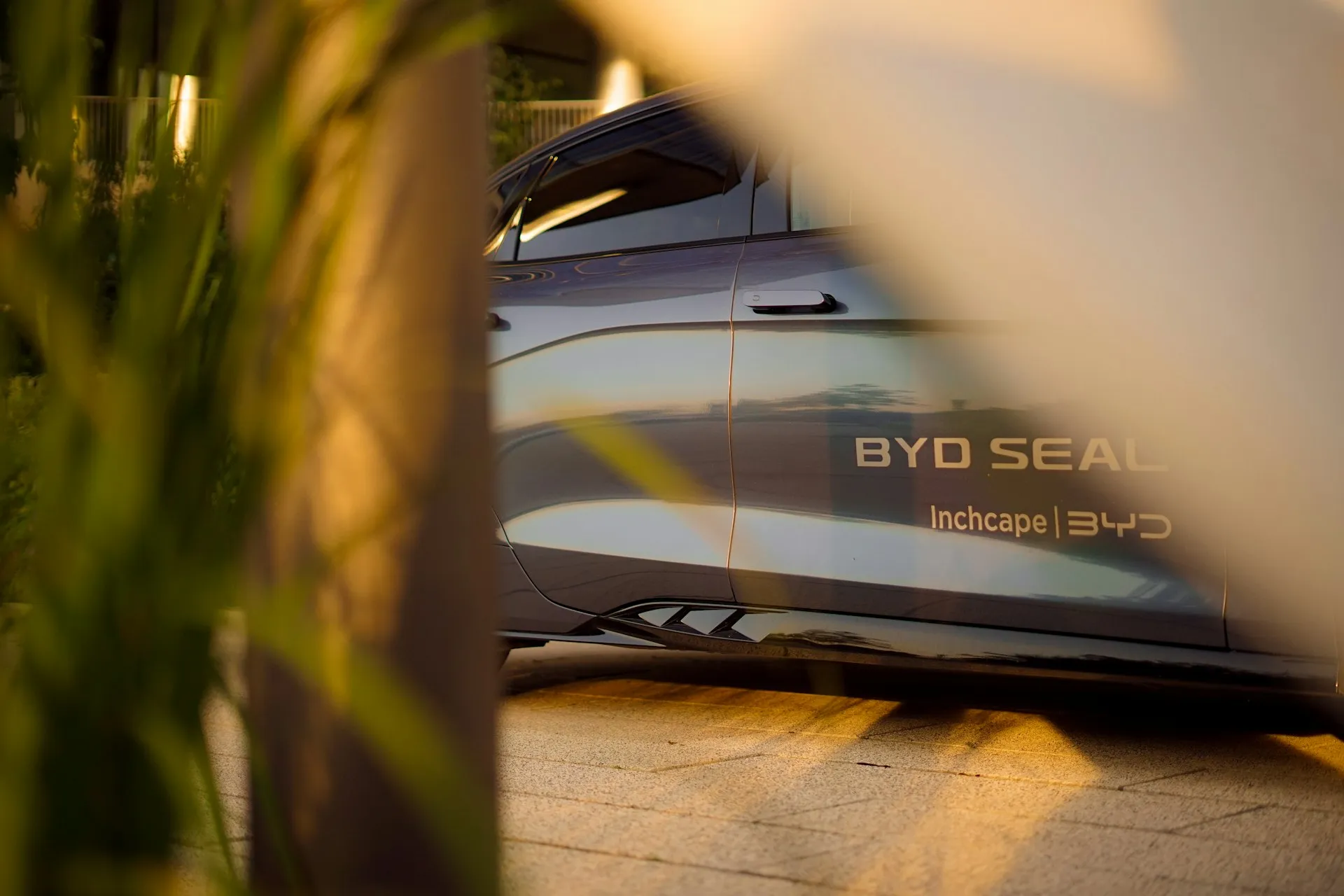
What BYD's Solid-State Battery Means for Canada

Chinese EVs in Canada: Security Politics vs Value

Are EV Batteries Safe in Floods and Deep Water?
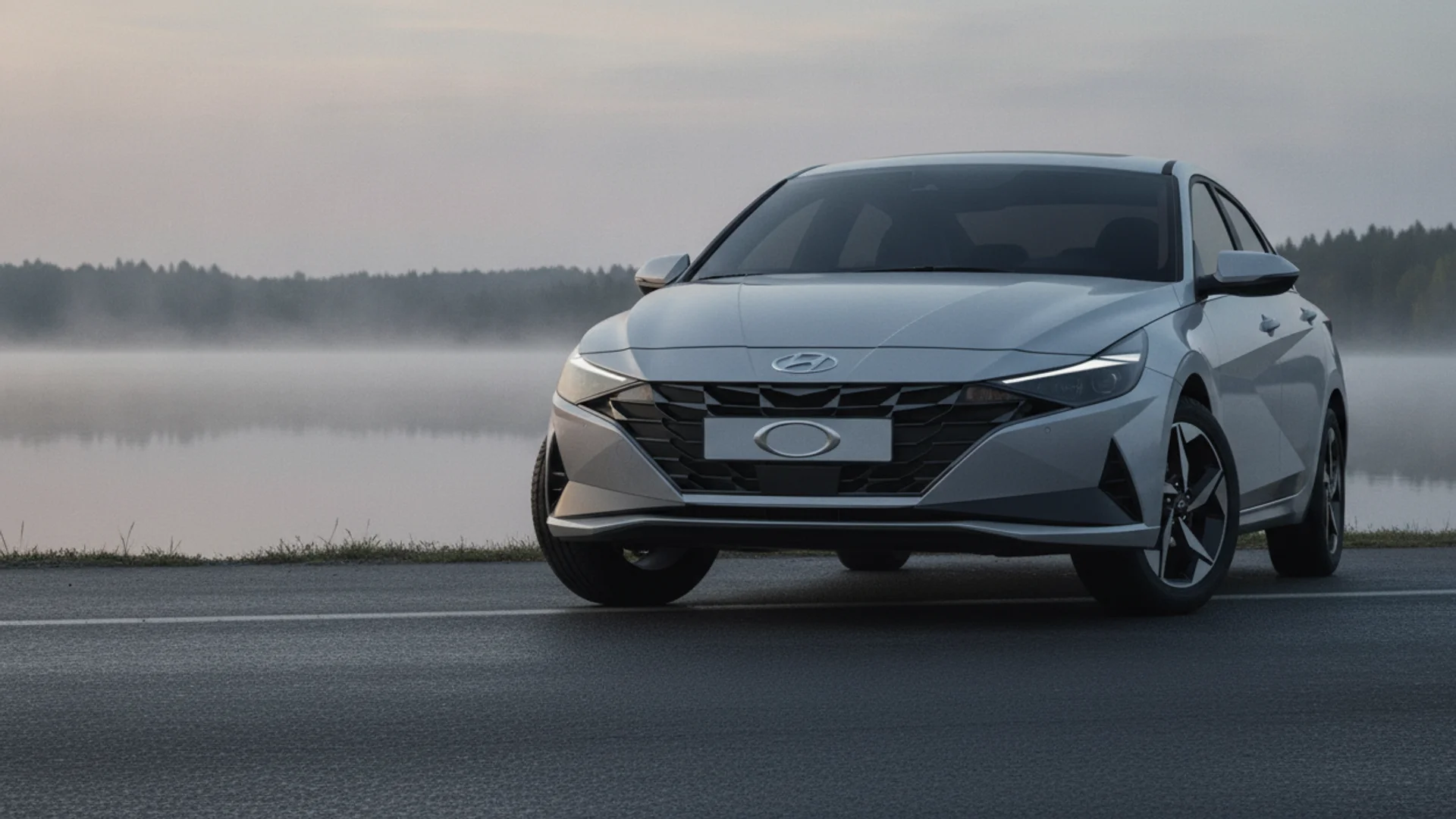
Hyundai and Kia Tell 14 EV Owners to Park Away From Structures
Are EVs Safe? Crash Structure and Battery Safety Explained