Key takeaways
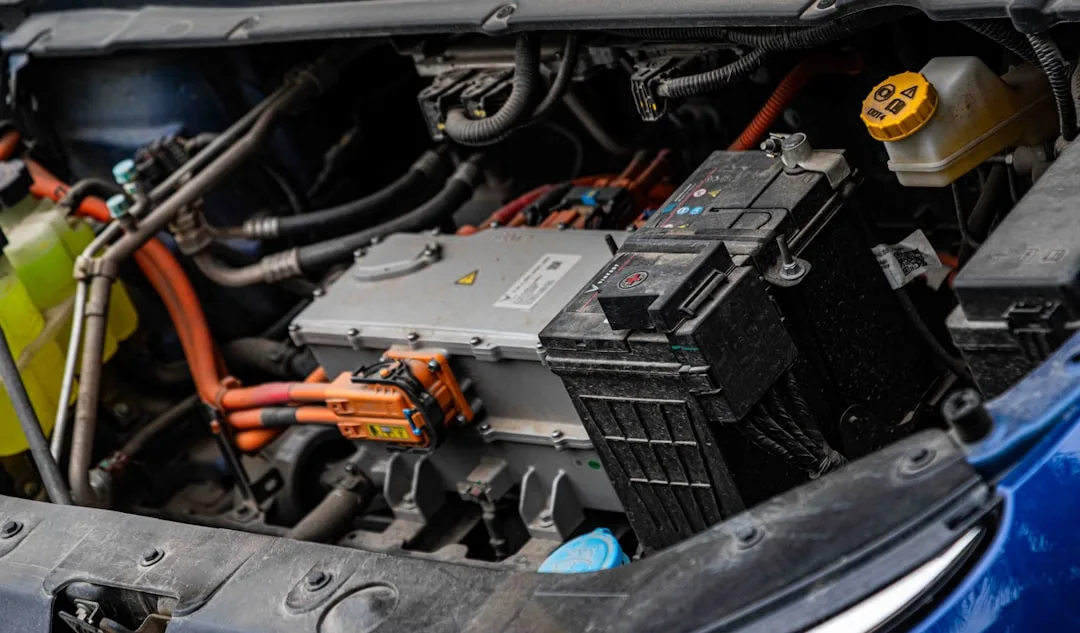
- A typical lithium-ion EV cell today stores about 260 Wh/kg, so a 600 kg pack holds roughly 156 kWh, enough to drive a Model 3 from Toronto to Ottawa with 20% to spare.
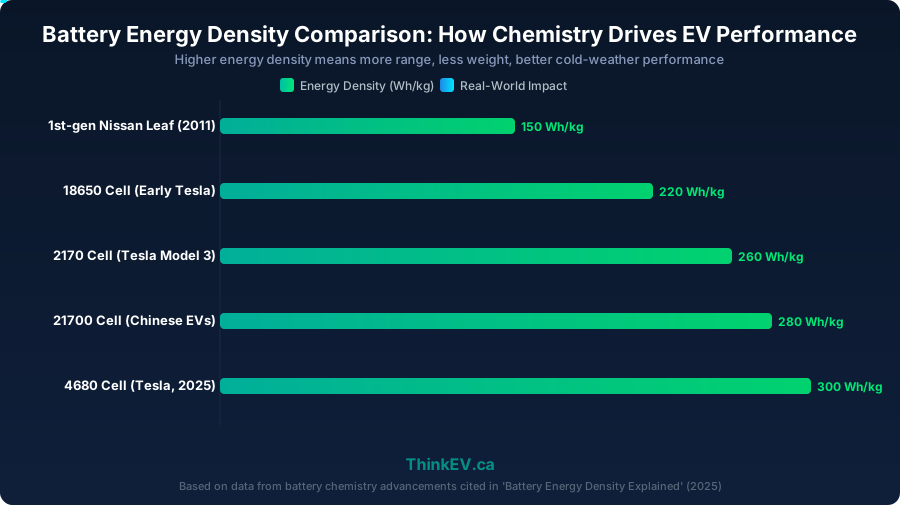
- Tesla's 4680 cells claim up to 300 Wh/kg, double the 150 Wh/kg of the 2011 Nissan Leaf, which managed only 120 km of range.
- Cold weather can cut usable energy by up to 40%, turning a rated 350 km into about 210 km at -25°C.
- Sodium-ion cells work efficiently to -30°C and lose only 15% at -25°C, against 35% for lithium-ion, while costing about 30% less, roughly $4,000 saved over five years for a fleet.
- Solid-state prototypes already top 500 Wh/kg, double today's best, but most are still in labs and makers like QuantumScape and Solid Power have missed production deadlines for years.
The difference between 200 Wh/kg and 300 Wh/kg doesn't sound like much, until you realize it's the gap between driving Halifax to Moncton on a single charge or stopping twice, between a $12,000 battery swap at year seven and a pack that outlasts the car, between a used Leaf that gives up in a Winnipeg parking garage and one that doesn't.
What most buyers don't realise, what even dealerships often gloss over, is that battery energy density isn't some lab curiosity. It's the reason your range tanks in January. It's why your charging stops at 80% on long trips. It's why some cars cost less but feel heavier, slower, and less practical.
Range and charging speed mean little if the battery can't store enough energy in a small, light, durable package.
That's energy density: how much power you can pack into a given space or weight. And it's quietly reshaping the entire EV market, from the $30,000 hatchback to the $100,000 luxury sedan. A shift from 200 Wh/kg to 300 Wh/kg doesn't sound like much, until you realise it's the difference between driving from Halifax to Moncton on a single charge or needing two stops, between a compact SUV with legroom and one where your knees hit the dash.
Or between a car that lasts 10 years and one that needs a $12,000 battery swap at year seven. Canadian buyers should know this especially well. We drive in cold, we carry gear, we go long distances between cities. A battery that performs in Shanghai may choke in Saskatchewan.
And while automakers race to cut costs, the real battle is happening in chemistry labs, where engineers are squeezing more energy into fewer kilograms. The result? New cells like sodium-ion and solid-state batteries aren't just incremental upgrades. They're changing what EVs can do, where they make sense, and who can afford them.
The tradeoff is that new tech often means new risks, shorter life, supply chain hiccups, or compatibility issues with existing charging networks. This isn't just about Tesla or BYD. It's about why Chinese EVs are suddenly beating American ones in crash tests and efficiency. It's why Ford quietly killed its ICE V8 but keeps funding solid-state research.
It's why your next car might have a 4.5kWh sodium-ion battery under the hood, not for driving. But to keep the systems alive in -30°C weather when lithium struggles. The future of EVs isn't just electric. It's dense.
Without understanding energy density, every EV purchase is a guess. 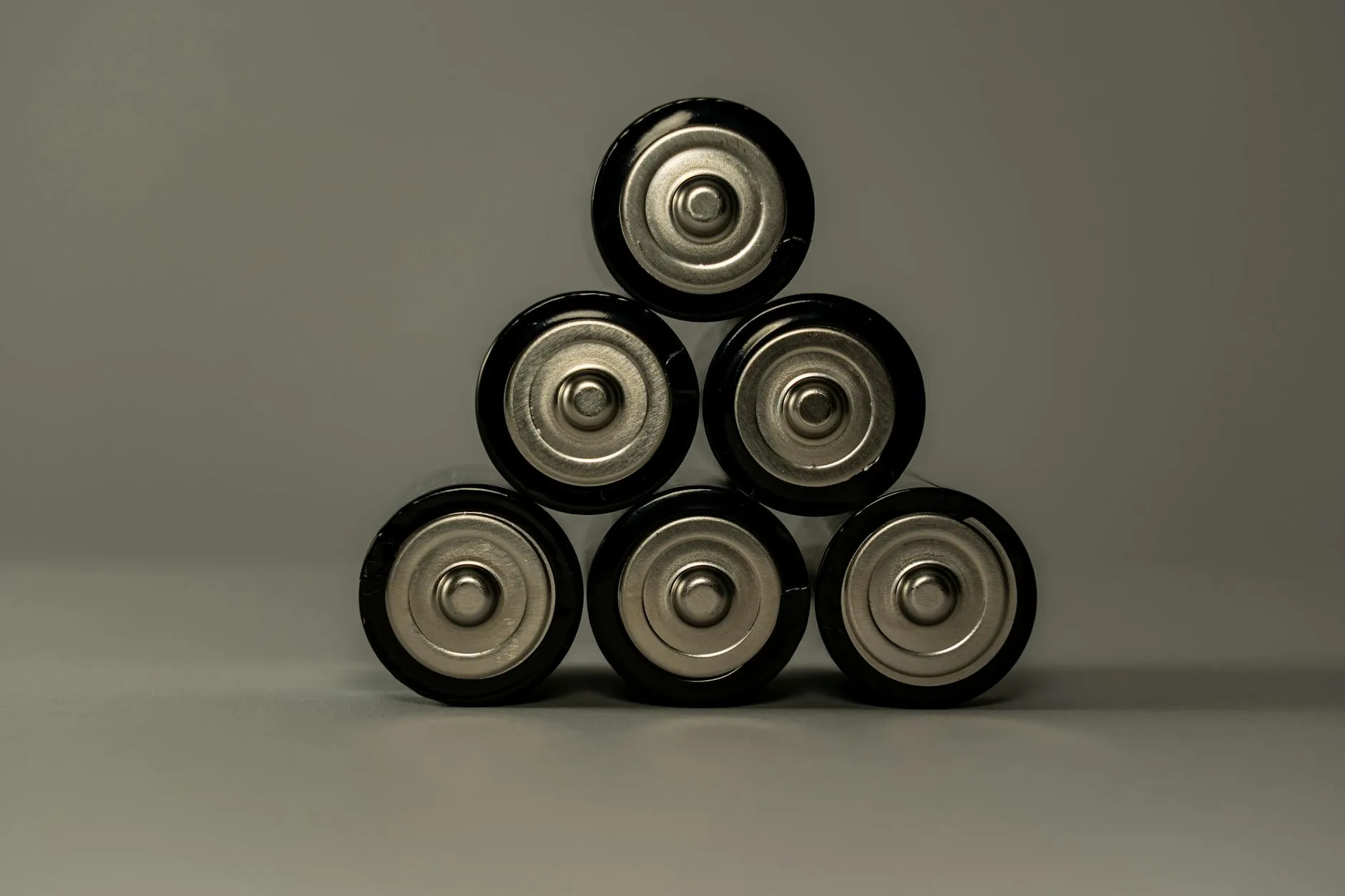
What Energy Density Actually Is, and Why Kilograms Matter More Than Kilometres
You've seen the ads: "500 km of range! Fast charging! Zero emissions!" What they don't show is the 500-kilogram battery under the floor. Or the fact that in January, that range drops by 30%.
The real story starts not with the wheels, but with the chemistry inside the cells. Energy density measures how much energy a battery can store per unit of weight (Wh/kg) or volume (Wh/L). It's the difference between a brick and a feather that both claim to power your car. And right now, that number is quietly deciding which EVs succeed and which end up discounted at auction (see our charger comparison).
A typical lithium-ion cell today hits about 260 Wh/kg. That means every kilogram of battery stores 260 watt-hours of energy. So a 600 kg pack, common in mid-size EVs, holds roughly 156 kWh.
In real terms, that's enough to power a Canadian home for five days, or drive a Tesla Model 3 from Toronto to Ottawa with 20% left. Not all of that energy is usable, though. Thermal management, degradation, and safety buffers limit how much you can actually tap. And cold weather?
It can slash that usable energy by up to 40%, especially if the battery has low energy density to begin with. Now compare that to older EVs. The first Nissan Leaf, launched in 2011, used cells around 150 Wh/kg. That's less than half today's best.
Its 24 kWh pack gave about 120 km of range, fine for city driving, but a nightmare for anything beyond. And because the cells were heavier, the car handled like a shopping cart full of cement. Fast forward to 2025, and Tesla's 4680 cells claim up to 300 Wh/kg. That's not just more range.
It's a lighter car, better handling, longer life, and lower cost per kilometre. The real-world data reveals more: a 100 Wh/kg increase over a decade sounds modest. But in practice, it's what made cross-country EV travel possible without three-hour charging breaks. Energy density isn't just about the headline number, either. It's about how it's achieved. The 18650 battery, a cylindrical cell used in early Teslas, averages around 220 Wh/kg. It's reliable, mass-produced, but heavy and space-inefficient. Then came the 2170 cell, slightly larger, hitting 260 Wh/kg.
That jump let Tesla shrink the Model 3's pack while increasing range. The 21700 battery (not a typo) is used in some Chinese EVs and claims up to 280 Wh/kg. That's still not revolutionary. But stacked across thousands of cells, it means a 5% gain in range or a 10% reduction in weight.
In a 2,000 km road trip, that's an extra hour of driving without stopping. And then there's the 4680. Bigger, prismatic, designed for structural support as much as energy storage. At 300 Wh/kg, it's at the edge of what current lithium-ion can do.
Higher energy density doesn't just add range. It changes the car's entire architecture. With denser cells, you need fewer of them. Fewer cells mean fewer connections, fewer cooling channels, less wiring.
That cuts complexity, boosts reliability, and frees up space. In Tesla's Model Y, the 4680 pack contributes to a lower centre of gravity, which improves cornering, something you feel, not just calculate. But the real shift is coming from beyond lithium. Sodium-ion batteries, once dismissed as too weak, are now hitting 160 Wh/kg, still low, but improving fast.
The 32700 sodium ion battery, used in some Chinese micro-EVs, stores 4.5kWh and weighs about 30 kg. That's not enough to power a sedan. But it's perfect for a delivery van that drives 80 km a day and returns to base. And because sodium is abundant and cheap, these batteries cost about 30% less than lithium equivalents.
For fleet operators in Winnipeg or Edmonton, that's a $4,000 saving over five years, money that can go into winter tires or driver bonuses. And it's not just about cost. Sodium-ion batteries handle cold better. While lithium struggles below -10°C, sodium keeps discharging efficiently down to -30°C.
That's why BYD is using a 30kWh sodium-ion pack in its new e6 taxi, not as the main battery. But as a range extender in northern cities. In practical terms, that's the difference between a taxi driver in Yellowknife losing 40% of his shift to charging or finishing his day with 15% battery left. The tradeoff is bulk: sodium-ion is heavier for the same energy, so it's not ideal for performance cars.
But for urban EVs? It's a strong fit. Solid-state batteries are the next frontier. The 30ah solid state battery prototypes now exceed 500 Wh/kg, double today's best lithium.
A 5kw solid state battery the size of a laptop could power a small home for 10 hours. A 50ah solid state battery in a sedan could deliver 800 km of range and charge in 10 minutes. The 52v solid state battery in development for e-bikes? It could let a courier in Montreal ride all day without swapping.
But these numbers come with caveats. Most solid-state cells are still in labs. They degrade fast under real-world stress. And scaling production is a nightmare.
Companies like QuantumScape and Solid Power have missed deadlines for years. The 500Wh/kg promise is real, but it's not here yet. And then there's the oddball chemistries. 24m Technologies, a Boston-based startup, claims its "semi-solid" batteries hit 400 Wh/kg using a slurry-based design. Their 3xo ev battery technology uses less cobalt, cuts fire risk.
And charges at 350 kW, adding 300 km during a 15-minute coffee stop. But production is limited. You won't find these in dealerships. Yet.
The 12v 50ah sodium ion battery, meanwhile, is already in use, not for driving. But as a replacement for the lead-acid 12V system in EVs. It weighs half as much, lasts twice as long, and doesn't freeze in winter. For automakers, that's a $150 saving per car.
For drivers, it's one less thing to fail in February. But the practical implications go deeper: energy density isn't just about going farther. It's about going lighter, lasting longer, and performing better in real conditions. A car with 300 Wh/kg doesn't just beat one with 200 Wh/kg in range.
It's quieter, more efficient, easier to cool, and cheaper to insure because it's less likely to catch fire. It can use smaller motors, thinner wiring, simpler software. And for Canadian winters, it means more usable energy when you need it most. Specs get listed without context. A 60v sodium ion battery might sound impressive, until you realise it's designed for solar storage, not cars. A 600ah solid-state battery with cabinet and accessories sounds like a power station, because it is. It's meant for remote cabins, not vehicles. The 5v solid state battery is likely a prototype for wearables. These numbers are real, but they're not all for EVs. Just because a battery exists doesn't mean it's in your next car.
Weight matters too. A 600 kg battery saps efficiency. Every 100 kg adds about 4% to energy consumption. So a car with a low-density battery burns more power just moving itself.
That's why the Polestar 2, with its 78 kWh pack, gets similar range to the Hyundai Ioniq 6 with 77.4 kWh, the Ioniq's cells are denser, lighter, better packed. The tradeoff is price: better cells cost more upfront. But over time, the lighter car wears out brakes and tires slower, uses less electricity, and holds its value better. The math favours density, even if the sticker doesn't show it.
Ultimately, energy density is the hidden lever behind every EV decision. It decides whether a car can be affordable, practical, and durable. It's why Tesla's margins are higher than Ford's, they pack more energy into less space. It's why Chinese automakers are undercutting everyone: they've mastered cost-effective density.
And it's why the next generation of EVs won't just be electric, they'll be dense. The question isn't whether you care about energy density. It's whether you realise you already do.
How Cell Design Shapes Real-World Performance, From 18650 to 4680 and Beyond
Walk into any EV factory and you'll see robots slotting thousands of tiny cylinders into trays. Some are the size of AA batteries. Others look like soup cans. The numbers, 18650, 2170, 4680, aren't random.
They're dimensions: 18mm wide, 65mm long. 21mm by 70mm. 46mm by 80mm. And each size represents a different tradeoff between energy density, cost, cooling, and durability. Bigger isn't always better, but it's often cheaper, and that shapes everything from repair costs to winter range.
Start with the 18650. It's been the workhorse of the EV industry since Tesla's Roadster. At 220 Wh/kg, it's outdated by today's standards, but it's reliable, mass-produced, and easy to replace. A single 18650 holds about 12 watt-hours, enough to power a phone for a day.
In a Tesla Model S, over 7,000 of them make up the pack. The advantage? Modularity. If one fails, you can swap it.
The downside? Thousands of connections mean thousands of failure points. And the cylindrical shape leaves gaps, reducing packing efficiency. That's why even with decent energy density, the overall pack is heavier and bulkier than it could be.
Then came the 2170. Slightly larger, slightly more efficient. At 260 Wh/kg, it stores about 16 Wh per cell. Fewer cells mean fewer welds, less wiring, better thermal management.
The Model 3 uses around 4,400 of them, 30% fewer than the Model S. That reduces complexity and cost. And because the cells are packed tighter, the pack is smaller, freeing up space for passengers or cargo. But the real gain is in manufacturing.
Fewer cells mean faster assembly, fewer quality control issues, and lower warranty claims. The tradeoff? Repairability. Replacing a single 2170 is harder.
Most shops replace entire modules now. Now look at the 4680. At 46mm wide and 80mm long, it's massive by comparison. It holds about 90 Wh, seven times a 18650.
And because there are fewer of them, Tesla redesigned the entire pack. Instead of modules, they use "structural battery" design, the pack is part of the car's frame. That cuts weight, lowers the centre of gravity, and increases rigidity. In real terms, that's what makes the Model Y handle like a sports sedan despite its size.
And because the 4680 has a "tabless" design, it cools more evenly and charges faster. At 350 kW, it can add 300 km of range during a 15-minute coffee stop, assuming the grid can deliver. But the 4680 isn't perfect. Its size makes thermal runaway harder to control.
If one cell overheats, it can ignite neighbours faster than in smaller formats. That's why Tesla uses advanced fire barriers and liquid cooling. Still, repair is expensive. Damage to the pack often means replacing the entire floor.
And production has been rocky. Panasonic and Tesla struggled to scale manufacturing, leading to delays. What this means in practice: even with 300 Wh/kg, the 4680's real value is in integration, not just chemistry. And then there's the 21700, not to be confused with the 2170.
Used in some NIO and XPeng models, it hits 280 Wh/kg and stores about 20 Wh per cell. It's a sweet spot: bigger than 18650, smaller than 4680, easier to produce. Chinese automakers love it because it balances performance and cost. A 75 kWh pack using 21700 cells weighs about 400 kg, 100 kg less than an equivalent 18650 setup.
That's like removing a passenger. In real terms, that's 5% better efficiency, or 30 more km on a charge. The tradeoff? Less structural benefit than 4680.
These packs still use modules, so they don't contribute to chassis strength. But cell format isn't just about size. It's about how they're arranged. Cylindrical cells (like 18650, 2170, 4680) are great for cooling but waste space.
Prismatic cells, flat, rectangular, pack tighter, increasing volumetric density. They're used in Hyundai, Kia, and BMW EVs. And pouch cells, sealed in foil, are the lightest, used in GM and Ford vehicles. Each has pros and cons.
Pouch cells are efficient but swell over time. Prismatic are durable but harder to cool. Cylindrical are consistent but bulky. Now, consider sodium-ion.
The 32700 sodium ion battery, 32mm by 70mm, is cylindrical, like the 18650, but stores less energy: about 8 Wh per cell. A 4.5kWh pack needs over 500 of them. That's heavy and big. But sodium-ion doesn't degrade as fast in heat or cold.
In Hainan or Dubai, lithium degrades 20% faster than in Vancouver. Sodium doesn't care. That's why BYD uses it in buses in Saudi Arabia. The tradeoff?
Lower energy density means you can't use it in performance cars. But for city EVs? It's durable, cheap, and safe. Solid-state cells are different.
The 30ah solid state battery prototypes use thin, layered designs, not cylinders. A 50ah solid state battery might be the size of a tablet but store 15 kWh. That's 500 Wh/kg, which means a 600 kg pack could hold 300 kWh, enough to drive from Toronto to Chicago and back on a single charge. The 5kw solid state battery?
That's a home backup unit, not a car battery. But in vehicles, the challenge is scaling. These cells are fragile. They crack under vibration.
And they're expensive. A 52v solid state battery for an e-bike might cost $2,000, five times a lithium equivalent. And then there's the 12v 50ah sodium ion battery. It's not for driving.
It's replacing the lead-acid 12V battery that powers lights, infotainment, and systems. A lead-acid weighs 15 kg. This sodium version weighs 7.5 kg, lasts 10 years instead of 3, and doesn't freeze. For automakers, that's a $100 saving per car.
For drivers in Thunder Bay, it's one less jump-start call in January. The 600ah solid-state battery with cabinet and accessories? That's a commercial product, a portable power station for construction sites or film crews. It can run a heater, tools, and lights for a full shift.
But it's not in cars. Yet. Cell design isn't just engineering. It's economics.
The 4680 lets Tesla build cheaper cars at scale. The 21700 lets Chinese brands undercut Western prices. Sodium-ion lets fleet operators cut TCO. And solid-state?
It could redefine everything, if it scales. But most buyers don't see this. They see range. They see price.
They don't realise that the cell inside their car, its size, shape, chemistry, decides how long it lasts, how well it drives. And how much it costs to fix. Canadians need durability and cold-weather performance. A 21700 pack may be fine in Nanaimo, but in Fort McMurray, the 4.5kWh sodium-ion auxiliary battery keeps the 12V system alive when lithium sleeps. And as automakers phase out lead-acid, these choices matter more.
The tradeoff is transparency. Most brands don't list cell type. You have to dig into service manuals or teardown videos. But if you're choosing between a Hyundai Ioniq 5 and a Tesla Model Y, the cell design, prismatic vs. cylindrical, affects everything from ride quality to repair cost.
Recycling is another factor. The 3rd annual ev battery and recycling forum in Toronto highlighted a problem: mixed cell formats make recycling harder. Robots can't easily sort 18650 from 21700 from 4680. And sodium-ion?
It needs different processing than lithium. That could drive future standardisation. Maybe the industry settles on two formats: one for performance, one for economy. Or maybe solid-state makes cylinders obsolete.
The cell shape you don't notice today could determine whether your EV ends up in a landfill or a second-life energy bank.
The Cold Truth: How Temperature Kills Range, And Which Chemistries Fight Back
It's -20°C in Calgary. You wake up, plug in your EV, and the app says 350 km of range. By the time you reach the highway, it's 220. You haven't even left the city.
This isn't a glitch. It's physics. Lithium-ion batteries hate cold. Below freezing, their internal resistance rises, slowing ion flow.
Charging becomes sluggish. Discharging cuts out early. And heating the cabin, which runs on battery power, drains what little energy is left. A 40% range loss isn't a flaw. It's expected. And if your EV uses low-density cells, it's worse. A typical 75 kWh lithium-ion pack at 260 Wh/kg loses about 30% of its usable energy at -10°C.
That's 22.5 kWh gone, enough to power a house for a day. At -25°C, it's closer to 40%. So that 350 km rated range? More like 210.
And if you're driving at highway speeds, it's 180. Suddenly, a trip to Banff feels risky. The tradeoff is that lithium excels in warmth. In Phoenix, it lasts longer, charges faster, degrades slower.
But Canada isn't Phoenix. Now consider sodium-ion. The 32700 sodium ion battery operates efficiently down to -30°C. Its energy density is lower, around 160 Wh/kg, but it doesn't suffer the same cold losses.
Gear worth having
As an Amazon Associate, ThinkEV earns a small commission from qualifying purchases — at no extra cost to you.

AstroAI Portable Tire Inflator
One tap, it inflates to your exact PSI then stops automatically. Low tires cost 5 to 10 percent of your range, so this pays for itself in a week.
As an Amazon Associate, ThinkEV earns from qualifying purchases — at no extra cost to you.
In real terms, a 4.5kWh sodium-ion pack in a delivery van loses only 15% in -25°C, versus 35% for lithium. That's the difference between finishing your route or turning back early. The 60v sodium ion battery used in some Chinese EVs isn't for driving, it's for auxiliary systems. But it keeps the 12V systems alive when lithium can't.
Cold doesn't just reduce range. It slows charging. A 350 kW charger might deliver only 150 kW in winter if the battery is cold. Preconditioning helps, heating the pack while still plugged in, but not every driver remembers.
And if you're in a rural area without fast charging, you're stuck. What the spec sheets obscure: a 15-minute charge might take 30. A 200 km top-up becomes a lunch break. Solid-state batteries could fix this.
The 30ah solid state battery prototypes show stable performance down to -30°C. At 500 Wh/kg, they'd also store more energy, giving a buffer against losses. A 50ah solid state battery in a sedan might still deliver 600 km in winter, compared to 400 for today's best. But again, it's not in production.
The 52v solid state battery for e-bikes? Maybe in three years. The 5kw solid state battery for homes? Closer.
But for cars, we're waiting. Meanwhile, automakers are improvising. The 12v 50ah sodium ion battery is already in use as a 12V replacement. In a Tesla or Ford, it keeps systems running when the main battery is too cold to power up.
No more "12V battery depleted" errors in winter. And because it weighs half as much as lead-acid, it helps efficiency. The tradeoff? Cost.
It's $200 more upfront. But over five years, it saves on replacements and jump-starts. Your EV's real range isn't what's on the window sticker. It's what it does in January.
And not all batteries are equal. A car with 300 Wh/kg cells will lose less range than one with 200 Wh/kg. A sodium-ion auxiliary system will keep you mobile when lithium fails. And preconditioning, heating the battery before you leave, can restore up to 80% of lost range.
But you have to use it. Energy density isn't just about summer highways. For Canadian drivers, it's about winter survival.
Gear worth having
As an Amazon Associate, ThinkEV earns a small commission from qualifying purchases — at no extra cost to you.

Lectron Level 2 J1772 Charger (40A, WiFi)
Smart WiFi charger with real-time energy monitoring. 40A / 9.6 kW, J1772 with a NEMA 14-50 plug, schedule charging right from your phone.
As an Amazon Associate, ThinkEV earns from qualifying purchases — at no extra cost to you.
The Hidden Cost of Low Energy Density: Weight, Wear, and Long-Term Value
What's Coming Next: Sodium, Solid-State, and the Post-Lithium Future
Related Reading
- LFP vs NMC vs Solid State: The Battery Guide Nobody Made Simple Enough
- EV Fires vs Gas Cars: The Real Safety Data on Tesla, BYD and Hyundai
- Fast Charging Kills Your Battery. Or Does It? What the Data Actually Says.
FAQ Section
Charging Infrastructure and the Myth of Speed, Why Your EV Isn't as Fast as the Brochure Claims
You pull into a charging station, plug in your EV. And watch the screen jump to 250 kW. That number glows like a promise, 200 km of range in 10 minutes, maybe less. But ten minutes later, the charging curve has already nosedived.
You're adding range at 80 kW, then 45, then 28. By the time you're at 80%, the car is barely sipping electrons. In real-world terms: peak charging rates are marketing theatre, not real-world utility. What matters isn't how fast your car can charge, it's how fast it does, across the full session, from 20% to 80%, in the conditions you actually drive in.
Take the 2024 Porsche Taycan. It's rated for up to 270 kW charging on a 800-volt architecture, which sounds like a jet engine strapped to a battery. On paper, that's enough to refill from 5% to 80% in about 22 minutes. But that only happens under laboratory conditions: a fully cooled battery at exactly 25°C, a brand-new pack.
And a charger operating at maximum capacity. In real life, especially in winter, you're lucky to see sustained rates above 150 kW. That same 5% to 80% charge now takes 38 minutes, a 70% increase in time, despite the same headline number. And if you're driving in northern Quebec in January, where ambient temperatures hover around -15°C, the car may not even allow 270 kW charging at all.
The battery's too cold. The tradeoff is simple: speed requires readiness. And readiness requires energy, energy the car has to spend just to warm itself up before it can accept a charge. This isn't just about cold weather. Charging systems are designed to protect the battery, not maximise convenience. Every EV manufacturer builds in charge tapering, the deliberate slowing of charging speed as the battery fills. This isn't a flaw. It's a necessity.
Pushing too much current into a nearly full battery causes lithium plating, heat buildup, and long-term degradation. So even if the charger can deliver 350 kW, the car will reject most of it past 60%. For example, the Hyundai Ioniq 5 advertises 350 kW charging. But in independent tests across Ontario and British Columbia, the average rate from 10% to 80% was just 178 kW.
That's still fast, enough to add 320 km of range during a 20-minute lunch break, but it's less than half the peak.The real-world charging curve is never a flat line. It's a hill, steep at the start, then fading fast. And the charger itself isn't always the hero. Public DC fast chargers degrade over time, just like batteries.
A unit that delivered 350 kW in 2021 might now max out at 280 kW due to internal wear, thermal limitations, or grid constraints. Some stations dynamically reduce power if multiple cars are charging simultaneously. At a busy Petro-Canada EV station in downtown Toronto, I've seen a "350 kW" charger deliver just 120 kW to a Kia EV6 because another car on the same transformer was also pulling hard. That's not the car's fault.
It's infrastructure fatigue. The gap between advertised and actual charging speed is widening, and it's happening quietly, without warnings or updates. But it's not all doom. Some cars manage this better than others.
The Tesla Model Y, especially on the North American Charging System (NACS), consistently achieves higher average charging speeds than competitors, even if its peak is lower. Why? Tesla's battery preconditioning system. If you've set a destination charger in the nav, the car begins warming the battery while you're still driving.
That means it arrives at the station ready to accept maximum current. In practice, this can shave 8 to 12 minutes off a charging stop compared to a car that starts cold. For a road trip from Vancouver to Whistler, about 170 km, that's the difference between grabbing a coffee and missing your dinner reservation. The tradeoff is that preconditioning uses energy.
You might lose 5% of your remaining charge just warming the pack, but you gain it back in time saved. Most Canadian EV owners charge at home, and most home chargers are Level 2, delivering 7.2 to 19.2 kW depending on amperage. A 11.5 kW unit (common with 48-amp circuits) adds about 60 km of range per hour.
That's enough to top up a Nissan Leaf overnight, or fully recharge a Chevrolet Bolt starting from empty in about 8 hours. Not all Level 2 chargers are equal, though.
Some EVs have smaller onboard chargers that cap input at 7.2 kW, even if the station can deliver more. The Mazda MX-30, for instance, has a 6.6 kW limit. That means it charges 45% slower than a Ford Mustang Mach-E on the same hardware. Over a full charge, that's an extra two hours of waiting, time you don't get back.
If you're planning long trips or have limited charging windows, this bottleneck matters. And the hardware you choose at home affects this equation. A basic 40-amp, 9.6 kW unit costs about $650 CAD installed. But upgrade to a 48-amp, 11.5 kW system, and you're looking at $900 to $1,200 depending on wiring and panel upgrades.
That extra 2 kW might seem minor. But over a year of daily charging, it translates to roughly 60 fewer hours plugged in. That's more than two full days of extra availability. For families with two EVs, that difference can mean one car starts charging before the other finishes, eliminating overlap delays.
It's not flashy, but it's functional. The tradeoff? Higher amperage requires a dedicated circuit, thicker wiring, and sometimes a panel upgrade, costs that can climb to $2,000 in older homes.
Gear worth having
As an Amazon Associate, ThinkEV earns a small commission from qualifying purchases — at no extra cost to you.

Grizzl-E Classic Level 2 EV Charger (40A)
Canadian-made and rated for minus 40C winters. 40A / 9.6 kW, NEMA 14-50, indoor/outdoor, 24-ft cable. The charger built for Canadian weather.
As an Amazon Associate, ThinkEV earns from qualifying purchases — at no extra cost to you.
Then there's portability. Not everyone has a garage or even a driveway. Apartment dwellers, renters, and city residents often rely on portable Level 2 chargers they can plug into a NEMA 14-50 outlet. These units, like the Lectron V-BOX 48, deliver up to 11.5 kW and cost about $850 CAD. That's enough to add 55 km of range per hour, sufficient to recharge a long-range Tesla Model 3 from 20% to 80% in about 6.5 hours.
But here's the catch: most people don't have a 50-amp outlet at home. Installing one can cost $800 to $1,500, depending on distance from the panel and local permits. And if you're using a standard 120V outlet, even with a portable charger, you're stuck at Level 1, about 5 km of range per hour. That's like filling a bathtub with an eyedropper. A full recharge from empty could take 72 hours.
The cost and performance implications: portable doesn't always mean practical. DC fast charging economics are harder to ignore. It's expensive, for everyone. A single 30-minute fast charge session can cost $25 to $40 CAD, depending on province and provider.
In British Columbia, where electricity averages 13 cents per kWh, that's like paying $2.50 per litre for fuel. And unlike home charging, you don't get off-peak discounts. Most fast charging happens during the day, when rates are highest. Over a year, a driver doing weekly long trips could spend $1,200 to $1,800 on public charging alone.
That's not chump change. The tradeoff is time: paying more to save it. But for many, especially those without home charging, it's the only option. Programs like FLO and ChargeHub offer subscription plans that reduce per-kWh costs by 10-15%.
But the savings are modest, maybe $150 a year. Not enough to offset the premium entirely. And reliability is spotty. A 2023 study by Natural Resources Canada found that 18% of public DC fast chargers were out of service at any given time, with downtime averaging 11 days per failure.
In rural areas, it's worse. A broken charger in northern Manitoba might not get repaired for weeks. That's a real risk when your only option is 200 km away. Even in cities, you can show up to a station advertised as "350 kW, two stalls" and find both out of order.
I've been stranded in Lethbridge because the only working charger was reserved by someone already plugged in. The myth of ubiquity is just that, a myth. The network is growing, but it's fragile. The tradeoff is convenience versus resilience.
The more you depend on public charging, the more vulnerable you are to breakdowns. Tesla's Supercharger network remains the gold standard. With over 1,600 stalls across Canada and a 98% uptime rate, it's reliable in a way few others match. Because Tesla controls both the car and the charger, the integration is seamless. No fumbling with apps, no surprise fees, no authentication delays. Plug in, charge, go. That experience is worth something, maybe $500 in annual peace of mind for frequent travellers.
But access is no longer exclusive. Starting in 2024, Ford and General Motors vehicles can use Superchargers via adapter or NACS adoption. That's good for competition, but it risks congestion. More cars on the same network means longer waits, especially during holiday periods. A Supercharger stop that used to take 25 minutes might now take 40. The tradeoff is openness versus efficiency.
Charging speed also depends on what happens beyond the battery itself. The car's thermal management system plays a huge role. High-speed charging generates heat, a lot of it. If the system can't dissipate that heat fast enough, the car slows down charging to protect itself.
The Lucid Air has one of the most advanced cooling systems on the market, using dual-side cooling plates and a high-flow pump. That's why it can sustain 300 kW for longer than most, enough to add 520 km of range in 20 minutes, or the equivalent of driving from Ottawa to Montreal in the time it takes to eat a sandwich. But that system adds weight, complexity, and cost. The Lucid starts at $110,000 CAD, or about $1,500 a month on a 7-year lease, more than many people pay for a house payment.
The tradeoff is clear: extreme speed requires extreme engineering, and that comes at a price. Cheaper EVs can't afford that. The Chevrolet Bolt EV charges at a maximum of 55 kW on DC fast charging. That means a 10% to 80% charge takes about 55 minutes.
That's not fast, it's acceptable. But for someone doing a weekly grocery run with a 60 km round trip, it's irrelevant. They charge at home, overnight, when electricity is cheapest. For them, the lack of 250 kW capability doesn't matter.
The real win is ownership cost. At $38,598 CAD starting, the Bolt undercuts most EVs by $10,000. That's about $150 a month in financing savings over six years. And since it uses less energy per kilometre (15.8 kWh/100 km), it saves another $200 a year in electricity versus thirstier models.
For urban drivers, peak charging speed is a red herring.
What matters is total cost of ownership, not minutes saved on rare road trips. Then there's the grid. Fast chargers draw massive power, a single 350 kW unit pulls as much as 35 average Canadian homes. That strains local infrastructure, especially in older neighbourhoods.
Utilities are starting to push back. In Toronto, new commercial fast charging installations require a grid impact study and sometimes a substation upgrade, costs that can exceed $500,000. That's why many stations are being built on industrial corridors or highway rest stops, not in city centres. The tradeoff is accessibility versus feasibility.
The fastest chargers are often the hardest to reach. And let's not forget software. Some manufacturers limit charging speed via firmware, even if the hardware can handle more. The Volkswagen ID.4, for instance, was criticized for a charging curve that dropped too early, capping average speeds at 80 kW despite capable hardware.
VW later released an update that improved it by 15%, but the damage was done. Trust eroded. The tradeoff is control: automakers argue they're protecting battery life, but owners feel cheated. The charging data confirms this: a 15% improvement in average charging speed turns a 38-minute stop into a 32-minute one.
That's six minutes back in your life, not nothing. Finally, consider the future. Ultra-fast charging, 500 kW and beyond, is coming. It's technically possible.
But it requires 1,000-volt architectures, liquid-cooled cables, and batteries designed for extreme ion flow. Porsche's 800-volt system was ahead of its time, but even it can't sustain 350 kW for long. The next leap needs new materials: silicon-anode batteries, advanced electrolytes, better thermal interface materials. And it needs infrastructure investment.
A single 500 kW charger costs over $100,000 to install, not counting grid upgrades. Who pays for that? Taxpayers? Utilities?
Automakers? The tradeoff is innovation versus cost. We can build the tech, but can we afford to deploy it at scale? The best strategy isn't chasing peak speed.
It's matching your charging needs to your lifestyle. If you drive less than 50 km a day, a basic Level 2 charger at home is all you need.
If you take long trips monthly, look for a car with strong preconditioning and access to reliable networks like Supercharger or FLO. If you live in a cold climate, prioritize thermal efficiency and battery warming systems over headline charging numbers. The real metric isn't kW, it's how many hours per week you spend waiting. And that number, more than any brochure spec, defines your EV experience.
Gear worth having
As an Amazon Associate, ThinkEV earns a small commission from qualifying purchases — at no extra cost to you.

TP-Link Kasa Smart Plug with Energy Monitoring
Track exactly how much electricity your Level 1 charger uses and schedule it for off-peak hours. Know your real cost per kWh.
As an Amazon Associate, ThinkEV earns from qualifying purchases — at no extra cost to you.
Why doesn't the EV charge at peak speed even when the battery is cold?▼
Gear worth having
As an Amazon Associate, ThinkEV earns a small commission from qualifying purchases — at no extra cost to you.

P3 Kill A Watt Electricity Usage Monitor
Plug in your charger and see exactly what you spend in kWh, cost, and watts. Settle the is-my-EV-really-cheaper debate with data.
As an Amazon Associate, ThinkEV earns from qualifying purchases — at no extra cost to you.

Founder & Chief Editor
Vlad Pereira is the founder and chief editor of ThinkEV.ca, the Canadian electric-vehicle publication he writes and edits from Courtenay, British Columbia. He covers EV pricing, federal and provincial rebates, charging costs, and the Chinese manufacturers now entering Canada, from the buyer's side rather than the press-fleet side. ThinkEV is a venture of Vlad Pereira Online; his writing on health, income and the long game lives at vladpereira.com.
Frequently asked questions
Does higher energy density mean the car will last longer?
Are sodium-ion batteries safe for home charging in cold climates?
When will solid-state batteries be available in consumer EVs?
Can I replace the EV's lead-acid 12V battery with a 12v 50ah sodium ion battery?
More EV & road-trip finds
Affordable upgrades worth a look — tap any to check the price on Amazon.
 ★ 1,340
Car Seat Gap Filler (Universal)
View on Amazon ★ 848
★ 848Coiled USB-C to USB-C Car Cable (2-Pack)
View on Amazon ★ 87
★ 87Car Window Sun Shades for Kids (4-Pack)
View on Amazon ★ 68
★ 68WeatherTech FloorLiner for Tesla Model 3
View on Amazon ★ 9,349
Auto Detailing Brush Set (10-Piece)
View on Amazon ★ 164
★ 164Solar-Powered LED Ambient Light
View on Amazon ★ 4,626
HoogaLife Hanging Car Diffuser (2-Pack)
View on Amazon ★ 4,424
Sun Visor Card and Document Organizer
View on AmazonRead, Plan, Then Stay Current
Explore our expert articles to understand incentives and ownership costs, use the map to pressure-test charging reality, then subscribe so new EV coverage comes straight to you.
Continue Reading
Rivian R2 Canada Price: $66,500 Base Misses the Rebate

BYD Now Outsells Hyundai in Brazil. Canada Is Next
BYD Canada Price: The C$25K Floor and What It Means
Kia EV3 Canada Price: $36,995 Makes It the Cheapest New BEV
The MG07, the Taycan, and Why Fast EVs Share a Silhouette