Key takeaways
- Tesla holds 50-60% after five years, exceptional by any standard.
- NIO's ET5 sedan is expected to cost around $50,000-$55,000 in Canada.
- Tesla's Model 3 Long Range costs about $54,990.
- NIO's 5-minute battery swap beats a 30-minute Supercharger stop, but NIO has no swap stations in Canada yet, its rollout targets 2028–2030 against Tesla's existing 500+ Supercharger stalls.
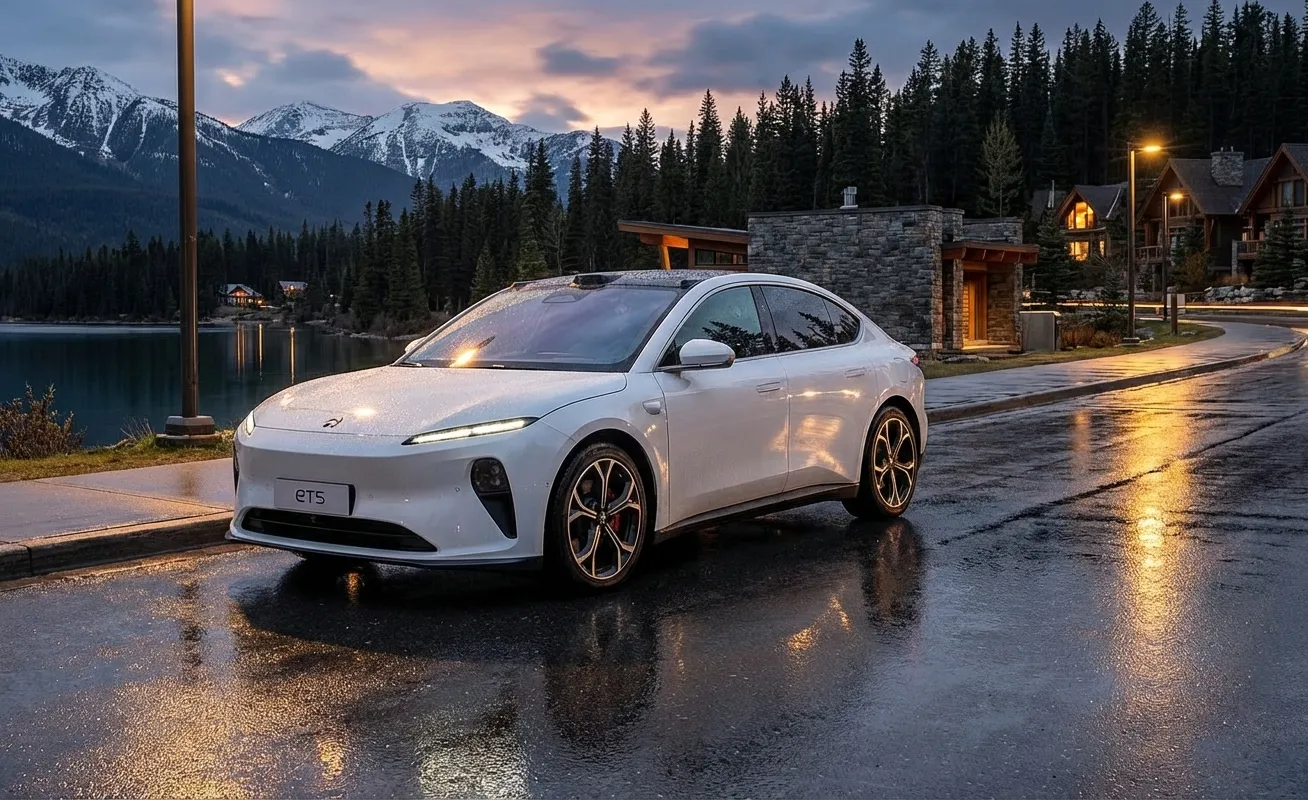
NIO's battery swap takes five minutes. Tesla's Supercharger takes thirty. That single fact frames the entire comparison, except there's a catch: NIO's swap network won't reach Canada until 2028 at the earliest, which means the vehicle you're evaluating today ships without its headline feature.
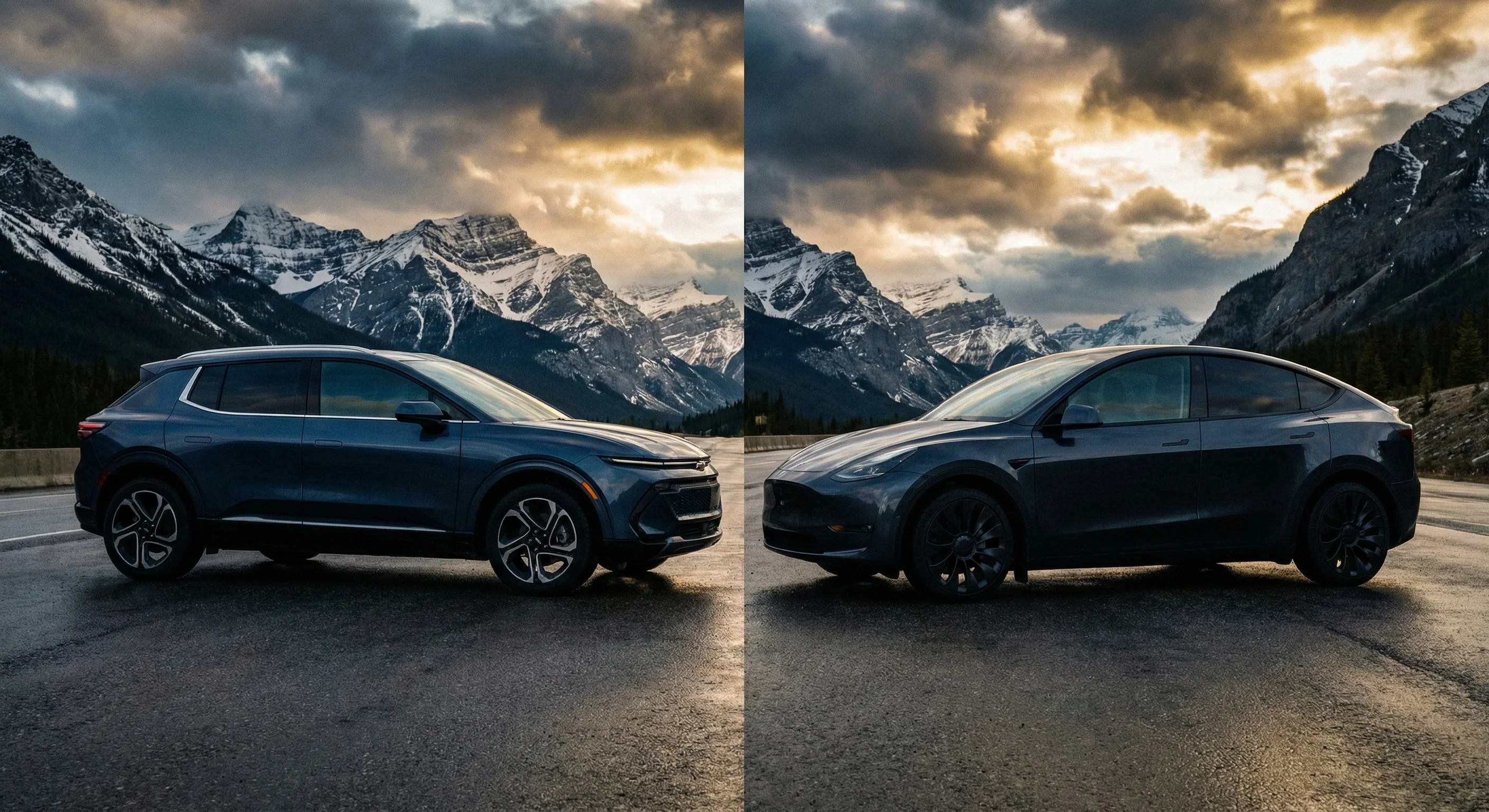
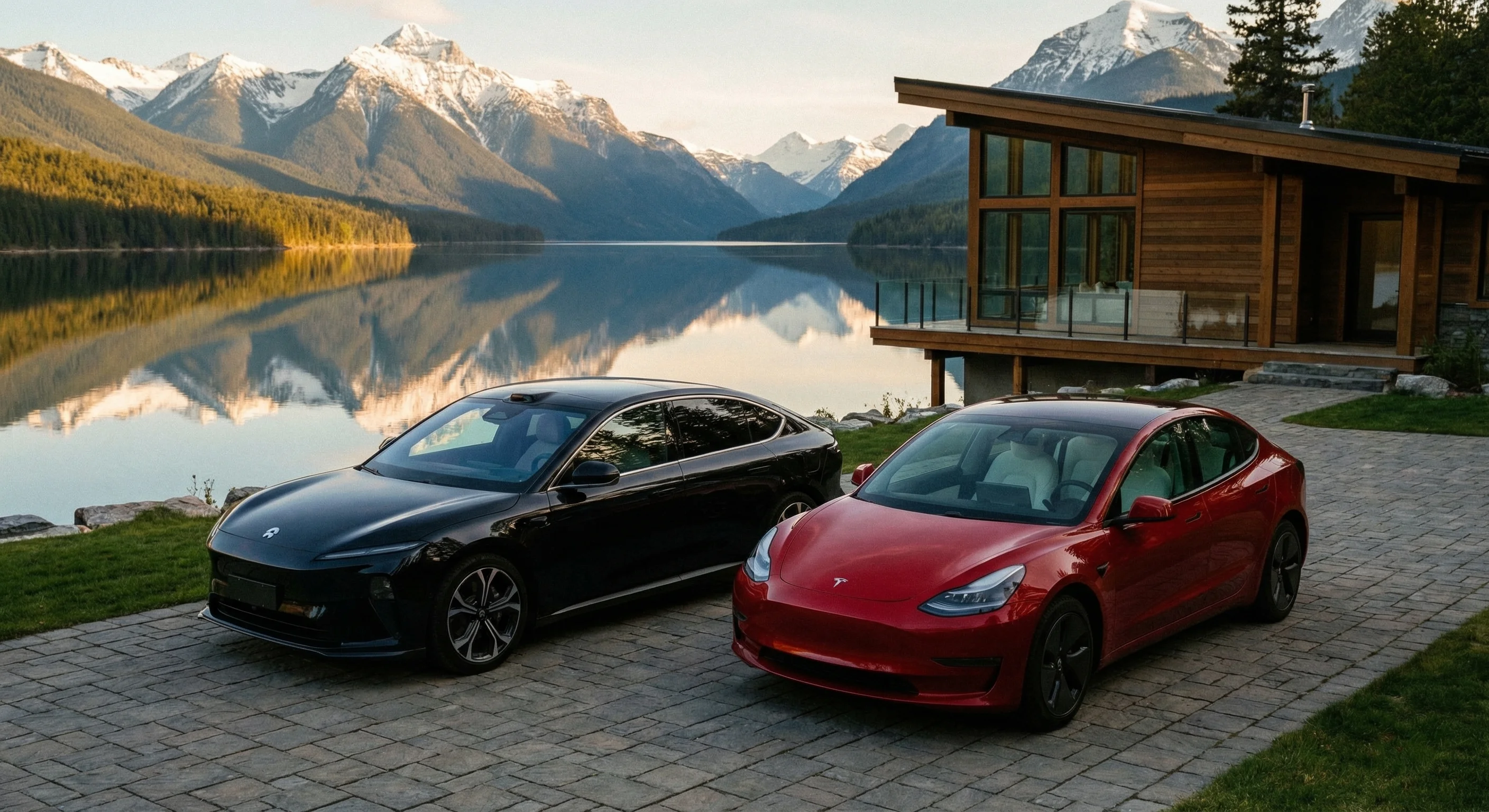
Tesla represents where EVs are now. Proven reliability, extensive infrastructure, strong resale values. When you buy a Tesla, you're buying a known quantity, the Supercharger network works, the software updates come, the service centers exist. NIO represents where EVs might be going: battery swap technology that could make charging obsolete, LiDAR sensors that might outperform camera-only systems, and luxury interiors that make Tesla's minimalism look, frankly, cheap. The question isn't which is objectively better. The question is which timeline you're buying for.
What NIO Offers That Tesla Doesn't
Battery swap is the headline feature. Instead of plugging in and waiting 30+ minutes, you drive into an automated station and a robot swaps your depleted battery for a full one. Total time: 5 minutes. No waiting at a charger. No cables. No planning around charging stops.
In theory, this is revolutionary. In practice, there's a catch: there's no battery swap network in Canada yet.
NIO plans to start rolling out stations between 2028 and 2030. Initial coverage will probably be 5-15 stations on major corridors, Vancouver, Calgary, Toronto, Montreal. That's enough to make highway travel workable, but hardly the dense coverage you'd need to treat it as your primary "refueling" method.
Until that network exists, a NIO in Canada is just another CCS-charging EV with a really cool feature you can't use yet.
The interior is the other major difference. NIO vehicles use real Nappa leather. Not the synthetic "premium" materials Tesla calls vegan leather, actual, genuine leather. The 23-speaker Dolby Atmos sound system is standard. The ambient lighting runs 256 colors. There's a little AI robot on the dashboard called NOMI that responds to voice commands.
This is luxury in a way that Tesla's minimalism deliberately isn't. Whether that appeals to you is personal preference.
NIO also uses LiDAR sensors for driver assistance, while Tesla uses cameras only. In clear conditions, both work well. In fog, heavy rain, or snow, conditions common in Canadian winters, LiDAR has theoretical advantages. Whether those advantages translate to real-world safety improvements is debatable, but the hardware is objectively more sophisticated.
What Tesla Offers That NIO Doesn't
Infrastructure. That's really the core of it.
Tesla's Supercharger network has 500+ stalls across Canada. It works. It's reliable. You can drive from Vancouver to Toronto and never wonder if there's going to be a charger where you need one.
NIO uses CCS charging, which is compatible with Electrify Canada, Petro-Canada Electric Highway, and other public networks. That's fine for most purposes. But the coverage isn't as consistent as Tesla's, especially in rural areas and on less-traveled corridors.
Gear worth having
As an Amazon Associate, ThinkEV earns a small commission from qualifying purchases — at no extra cost to you.
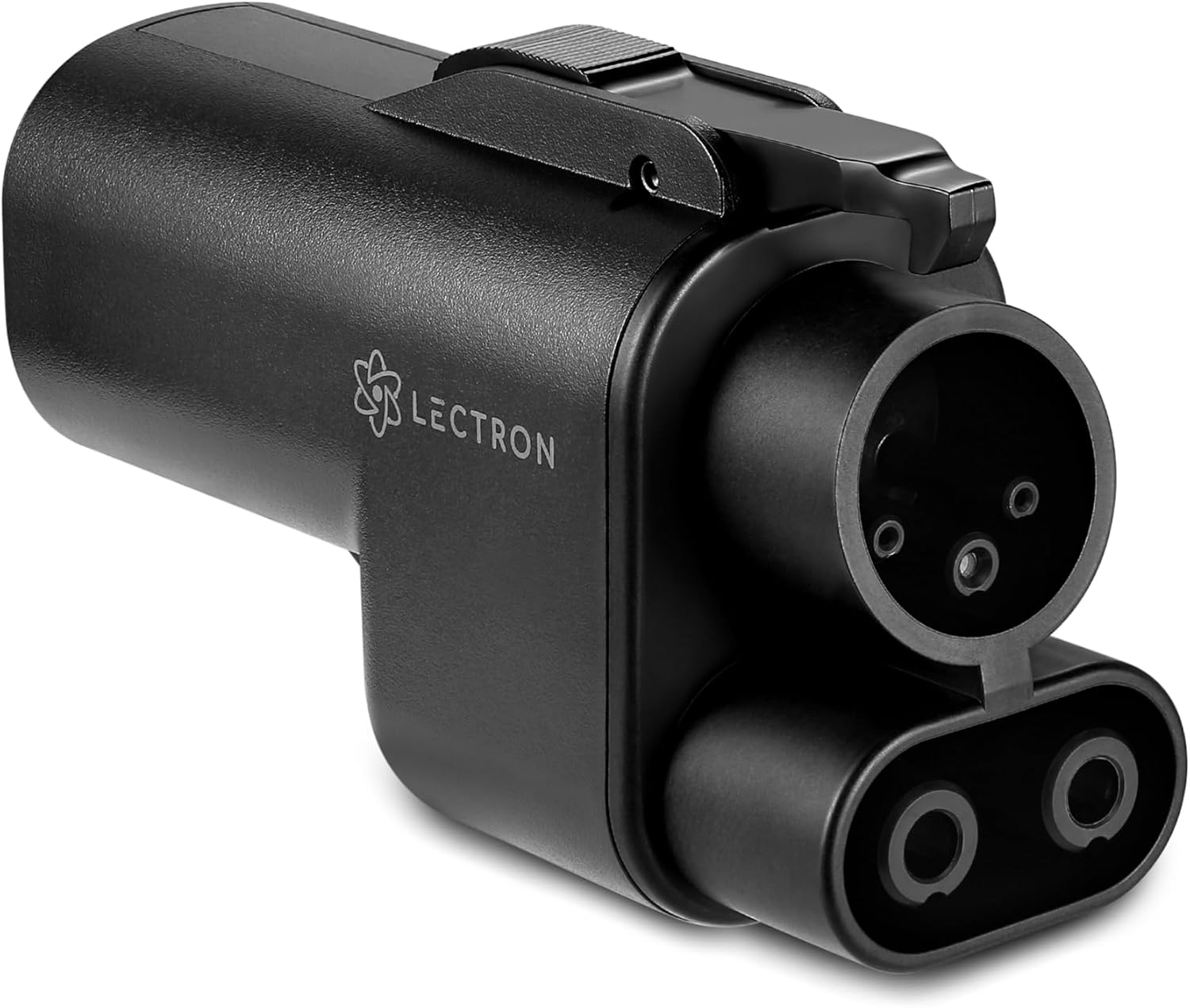
Lectron NACS to CCS Fast-Charge Adapter
Unlock every CCS fast charger for your Tesla, up to 500A DC. Never get stranded at a non-Tesla DC station again.
As an Amazon Associate, ThinkEV earns from qualifying purchases — at no extra cost to you.
For someone who road trips frequently, this infrastructure gap is significant. For someone who charges at home and makes occasional highway trips on major routes, it might not matter much.
Tesla's software is also more mature. Autopilot works well. Updates come frequently. The app is polished. Bug fixes happen. NIO's software is good, but it's newer and less proven in Western markets.
And then there's resale value. Tesla holds 50-60% after five years, exceptional by any standard. NIO's Canadian resale value is completely unknown. They're new. The brand is unfamiliar. Buyers might be cautious.
The Money Comparison
NIO's ET5 sedan is expected to cost around $50,000-$55,000 in Canada. Tesla's Model 3 Long Range costs about $54,990.
That's roughly comparable pricing, the gap could be anywhere from $0 to $5,000 depending on NIO's final Canadian pricing.
But the math gets complicated when you factor in what you're actually comparing.
The NIO ET5 includes Nappa leather, Dolby Atmos audio, and premium features that would be upgrades on the Tesla. The Model 3 LR includes a proven charging network, mature software, and resale values you can predict.
Are those Tesla advantages worth paying the same price, or even slightly more? That's genuinely personal. For someone who values infrastructure reliability, maybe yes. For someone who values interior luxury, probably no.
Gear worth having
As an Amazon Associate, ThinkEV earns a small commission from qualifying purchases — at no extra cost to you.

VIOFO A229 Pro 4K Dash Cam
4K front plus 2K rear with parking mode and GPS. Your silent witness for insurance claims, with always-on sentry recording while parked.
As an Amazon Associate, ThinkEV earns from qualifying purchases — at no extra cost to you.
NIO also offers Battery-as-a-Service (BaaS), where you lease the battery instead of buying it. This drops the upfront cost by $10,000-$15,000 but adds $100-$200/month. The math works out similar over a 5-7 year ownership period, but you're trading equity for flexibility. When you sell the car, you're selling a car without a battery, which affects the transaction.
The Risk Assessment
NIO is riskier than Tesla.
Tesla's risks are mostly that you've overpaid relative to BYD prices, and that battery swap might eventually make charging look obsolete. Those are "I could have done better" risks, not "this might go wrong" risks.
NIO's risks are more substantial. The brand is unknown in Canada. The service network is limited and developing. Resale value is uncertain. Battery swap might not reach critical mass, the network requires significant investment, and if NIO's Canadian sales don't meet expectations, that investment might slow or stop.
NIO has also faced financial challenges periodically. They're well-funded now, but they've gone through rough patches. A major financial event could affect service availability and parts supply in ways that Tesla, with its massive scale, is insulated from.
For risk-averse buyers, Tesla is the safer choice. For value-seekers comfortable with uncertainty, NIO offers compelling upside.
Gear worth having
As an Amazon Associate, ThinkEV earns a small commission from qualifying purchases — at no extra cost to you.

Tesla Key Card Holder with AirTag Slot
Stop fishing the keycard out of your wallet, and slot an AirTag in case the car wanders off in a lot.
As an Amazon Associate, ThinkEV earns from qualifying purchases — at no extra cost to you.
The Practical Decision Framework
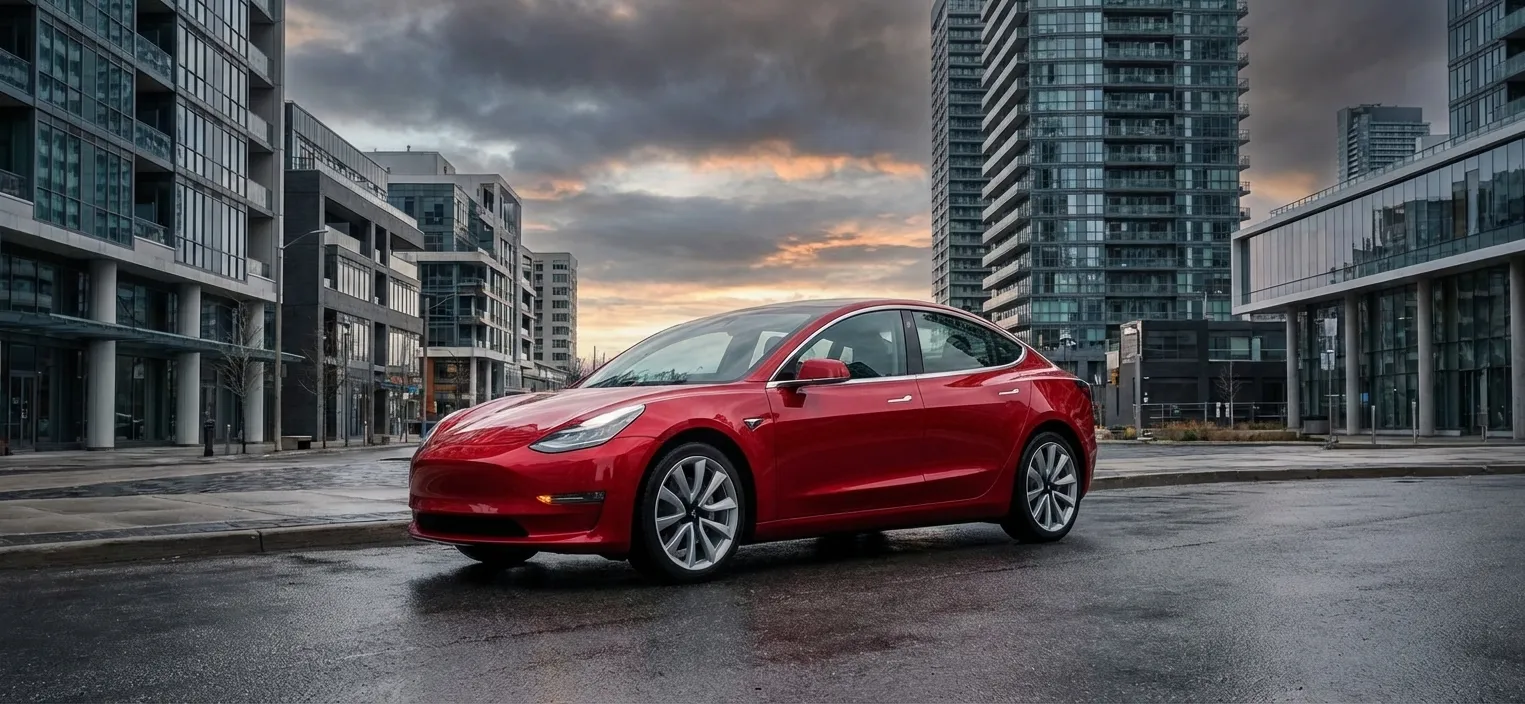
Here's how I'd think about the choice. Choose Tesla if you road trip regularly and need charging infrastructure you can count on today, if you want the most mature software and driver assistance, if resale value matters to your financial planning, or if you prefer brands with established Canadian presence. Choose NIO if you can wait for battery swap infrastructure to develop, if interior luxury matters more to you than brand prestige, if getting more premium features for roughly the same price (or up to $5,000 less) is worth accepting some uncertainty, or if you're an early adopter who enjoys new technology.
There's a third option: wait and see. NIO hasn't fully committed to Canadian market entry yet. Their vehicles might arrive in late 2026 or 2027, but dealer networks, service centers, and battery swap infrastructure will take longer to mature. If you're genuinely torn, waiting 12-18 months will give you much better information about whether NIO's Canadian operation is viable.
On winters, both vehicles handle Canadian conditions competently. Tesla's heat pump and battery preconditioning are well-tested in cold climates, the Model 3 loses about 30-35% range at -20°C, which is normal for EVs. NIO claims 20-25% range loss at similar temperatures, which would be best-in-class if accurate; their data comes primarily from Norway, which has comparable conditions to much of Canada. Both are available in AWD configurations, both have competent traction control, and neither is significantly better or worse for winter driving. The wild card is battery swap in winter, swapping to a pre-warmed battery from a heated station could offer faster "charging" in cold weather than plugging into an outdoor charger. But until those stations exist in Canada, this is theoretical.
What I Keep Coming Back To
The NIO vs Tesla question is really a question about your timeline.
If you're buying a car for the next 3-5 years and need it to work reliably right now, Tesla is the safer bet. The Supercharger network exists. The software is mature. The resale market is established.
If you're buying a car for the next 5-10 years and can wait for infrastructure to develop, NIO offers technology that might genuinely be better. Battery swap could be significant. LiDAR might prove superior to cameras. The luxury interior is already better today.
By 2030, this might not be a close comparison. NIO may have the infrastructure to match their technology. Or they might have struggled in Canada and pulled back investment. We genuinely don't know.
In 2026, both are legitimate choices for different buyers.
Which one are you?
Gear worth having
As an Amazon Associate, ThinkEV earns a small commission from qualifying purchases — at no extra cost to you.
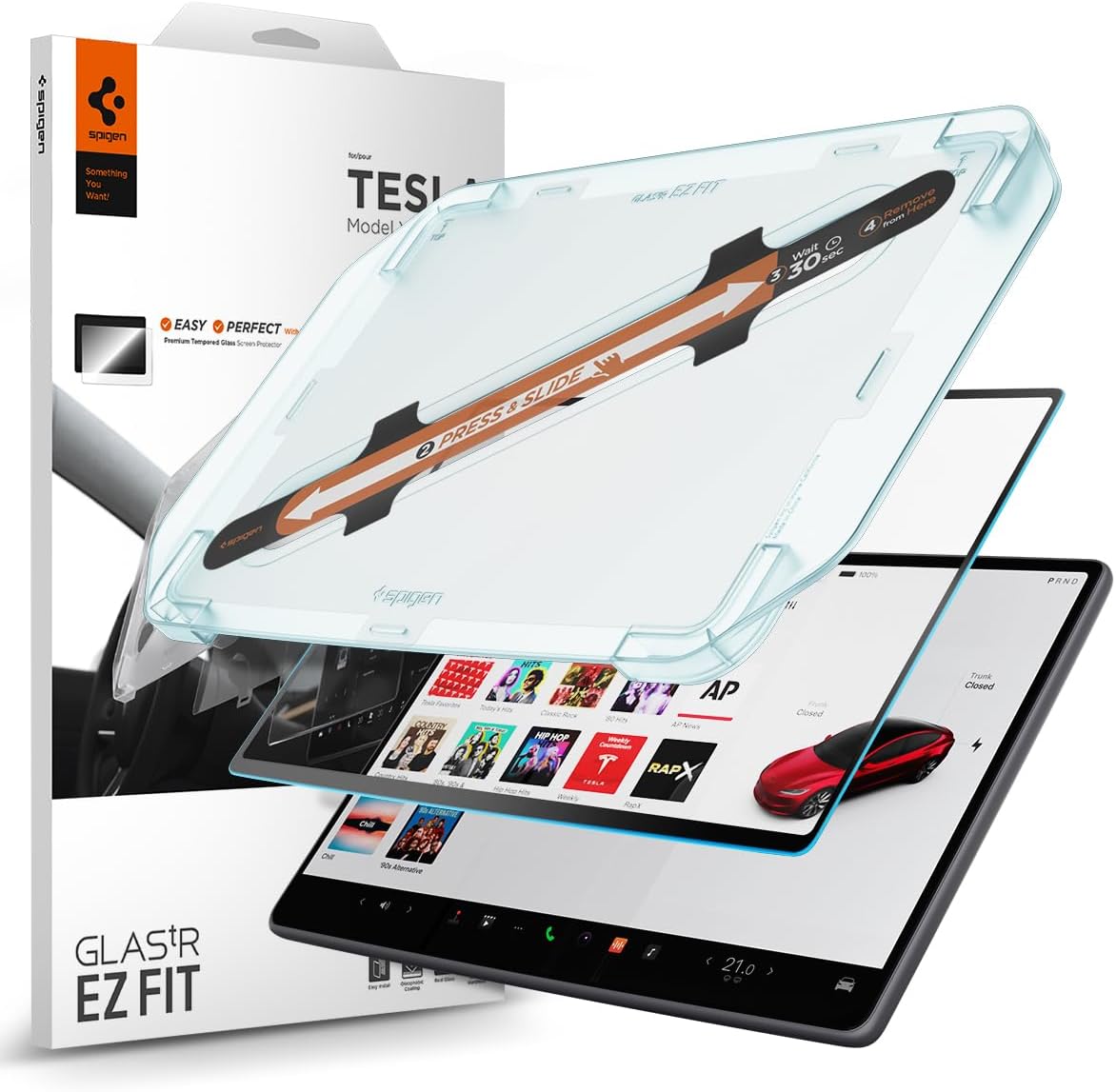
Spigen Tempered Glass for Tesla Model 3/Y
Tempered-glass protection for the touchscreen that kills fingerprints and scratches. Two minutes to install, lasts the life of the car.
As an Amazon Associate, ThinkEV earns from qualifying purchases — at no extra cost to you.
Related Reading
- Tesla Model Y Juniper Canada Review, The latest Model Y assessed.
- New EV Brands Coming to Canada, Every new brand entering the Canadian market.
- Tesla Model 3 Highland Review, Tesla's refreshed sedan reviewed.
Gear worth having
As an Amazon Associate, ThinkEV earns a small commission from qualifying purchases — at no extra cost to you.

WeatherTech FloorLiner for Tesla Model 3
Deep-channel liners that trap every drop of slush and salt. The difference between a ruined interior and a showroom-fresh cabin after a Canadian winter.
As an Amazon Associate, ThinkEV earns from qualifying purchases — at no extra cost to you.

Founder & Chief Editor
Vlad Pereira is the founder and chief editor of ThinkEV.ca, the Canadian electric-vehicle publication he writes and edits from Courtenay, British Columbia. He covers EV pricing, federal and provincial rebates, charging costs, and the Chinese manufacturers now entering Canada, from the buyer's side rather than the press-fleet side. ThinkEV is a venture of Vlad Pereira Online; his writing on health, income and the long game lives at vladpereira.com.
Frequently asked questions
Is NIO available in Canada?
How does NIO battery swap work?
Is Tesla or NIO better for Canadian winters?
More EV & road-trip finds
Affordable upgrades worth a look — tap any to check the price on Amazon.
 ★ 1,340
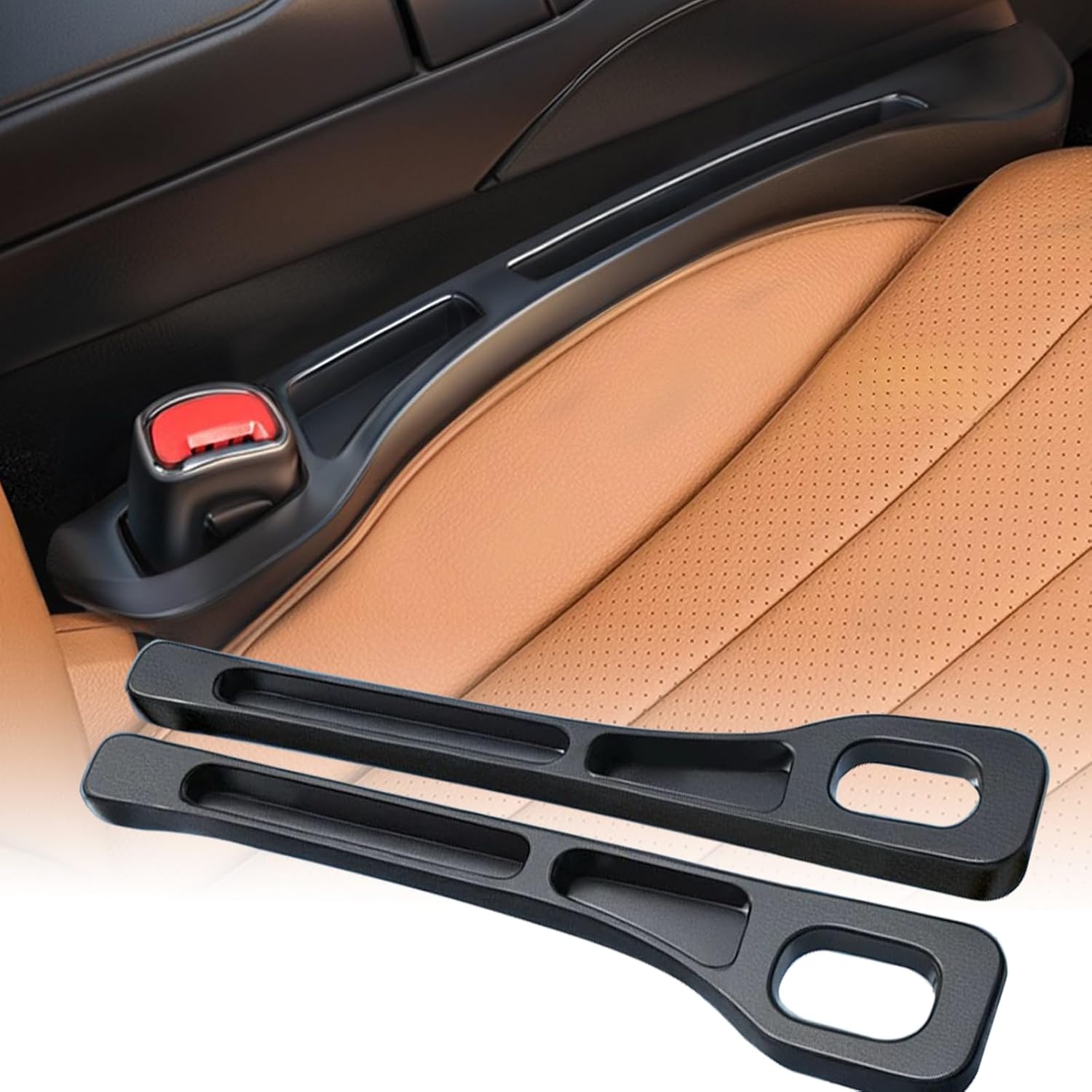
Car Seat Gap Filler (Universal)
View on Amazon ★ 17,242
LISEN Mini USB-C Car Charger (54W)
View on Amazon ★ 119
★ 119Foldable Waterproof Trunk Organizer
View on Amazon ★ 268
★ 268Anti-Slip Leather Steering Wheel Cover
View on Amazon ★ 9,349
Auto Detailing Brush Set (10-Piece)
View on Amazon ★ 419
★ 419RGB Car Interior LED Strip Light
View on Amazon ★ 1,083
Crystal Push-Start Button Ring (2-Pack)
View on Amazon ★ 4,424
Sun Visor Card and Document Organizer
View on AmazonRead, Plan, Then Stay Current
Explore our expert articles to understand incentives and ownership costs, use the map to pressure-test charging reality, then subscribe so new EV coverage comes straight to you.
Continue Reading
Tesla and Canada's EV Rebate: Why It Doesn't Qualify
Why Tesla Is Losing Canada With the World's Top EV
Tesla Sales Collapsed 60% in Canada, Should I Still Buy One?
Tesla Model 3 Highland Review: Still the One to Beat?
Tesla Model Y Juniper Canada Review: Range, Price