Canada's coldest commute is the only test that matters, and most electric SUV rankings ignore it entirely. The spec sheets quote WLTP or EPA range at 20°C ambient; the January reality in Winnipeg, Thunder Bay, or Prince George is a different vehicle. Four SUVs lead the Canadian market in late 2026, and they lead on four different axes, value, winter resilience, charging speed, and efficiency. No single model wins all four, and pretending otherwise is where most rankings break.
Key takeaways
- The Kia EV9 lost only 20% of rated range in CAA cold testing, 17 percentage points better than the Toyota bZ4X.
- The Equinox EV is the only electric SUV under $45,000 CAD that qualifies for the full $5,000 EVAP rebate.
- The IONIQ 5's 350 kW DC fast-charging fills 10-to-80% in under 20 minutes, no sub-$70K Canadian SUV matches it.
- BYD Atto 3's January 2026 tariff cut to 6.1% still can't overcome the $5,000 EVAP penalty from Chinese-origin exclusion.
- EPA and WLTP range figures assume 20°C ambient, subtract 25-40% for a Canadian winter commute before comparing models.
Quick Answer: Which Electric SUV Should You Buy?
Four picks cover the overwhelming majority of Canadian buyers, each answering a different priority:
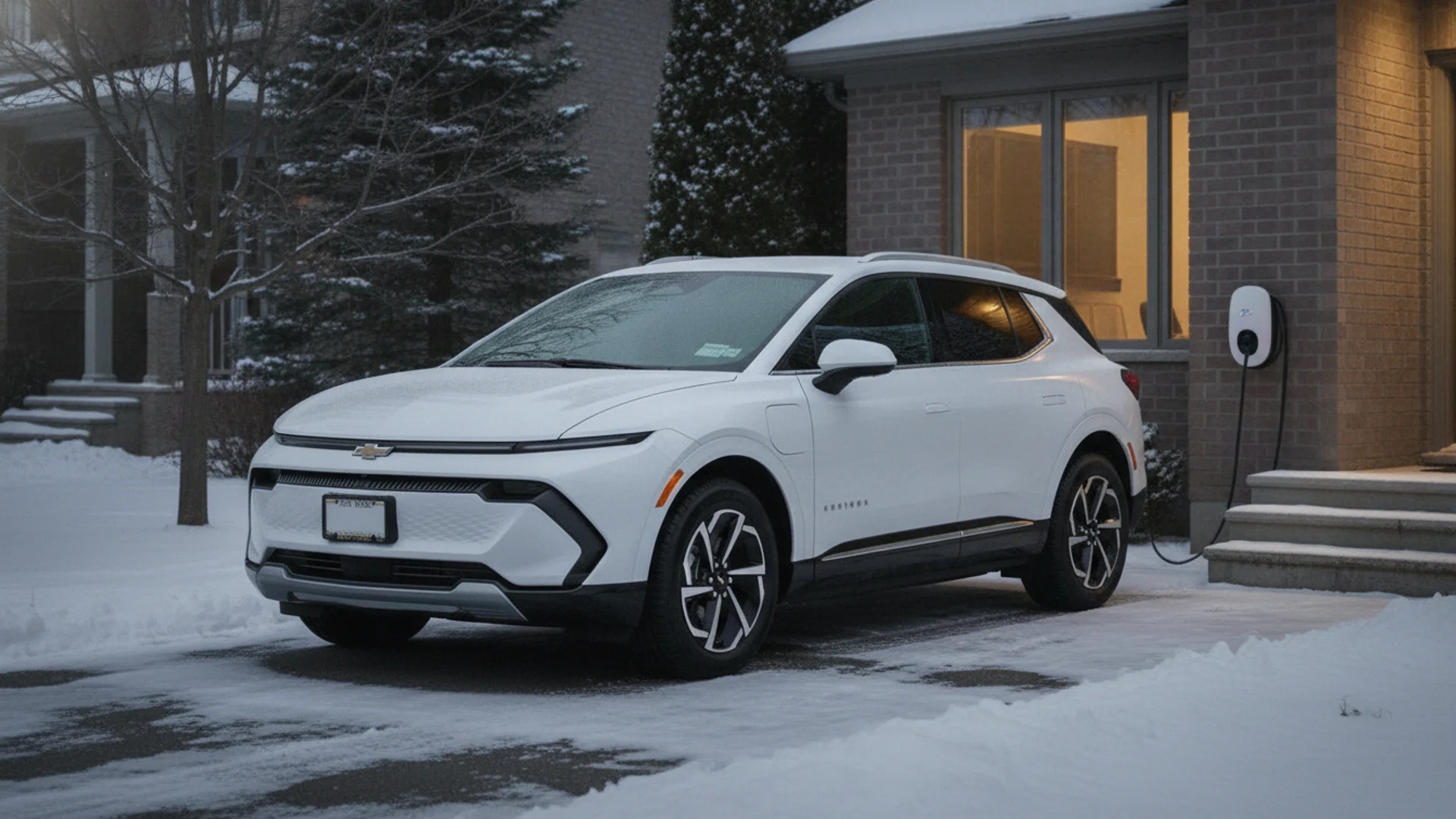
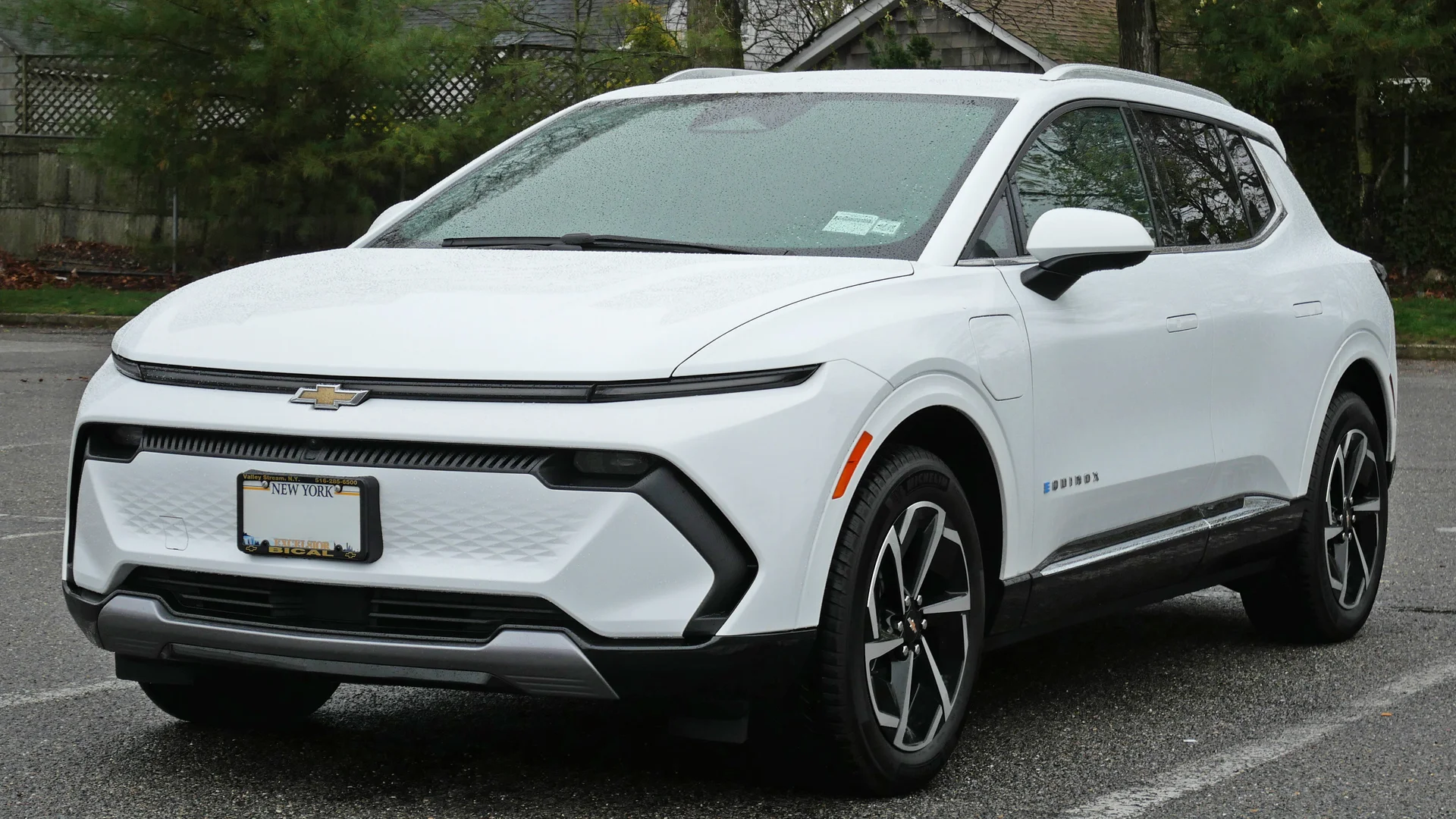
- Chevrolet Equinox EV for value-first buyers, the only credible mass-market electric SUV starting under $45,000 CAD before the federal rebate, and the strongest range-per-dollar play under $60K.
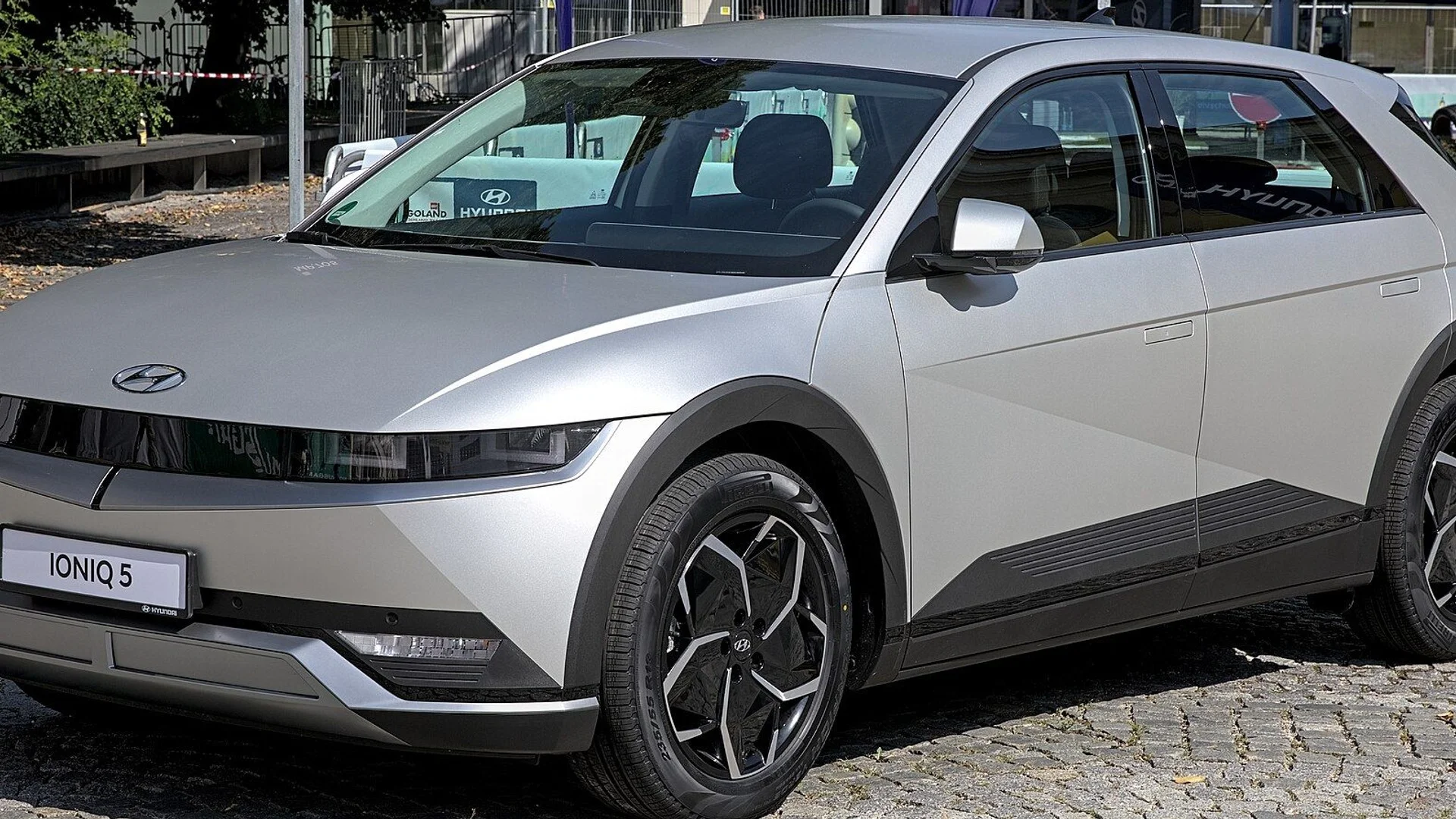
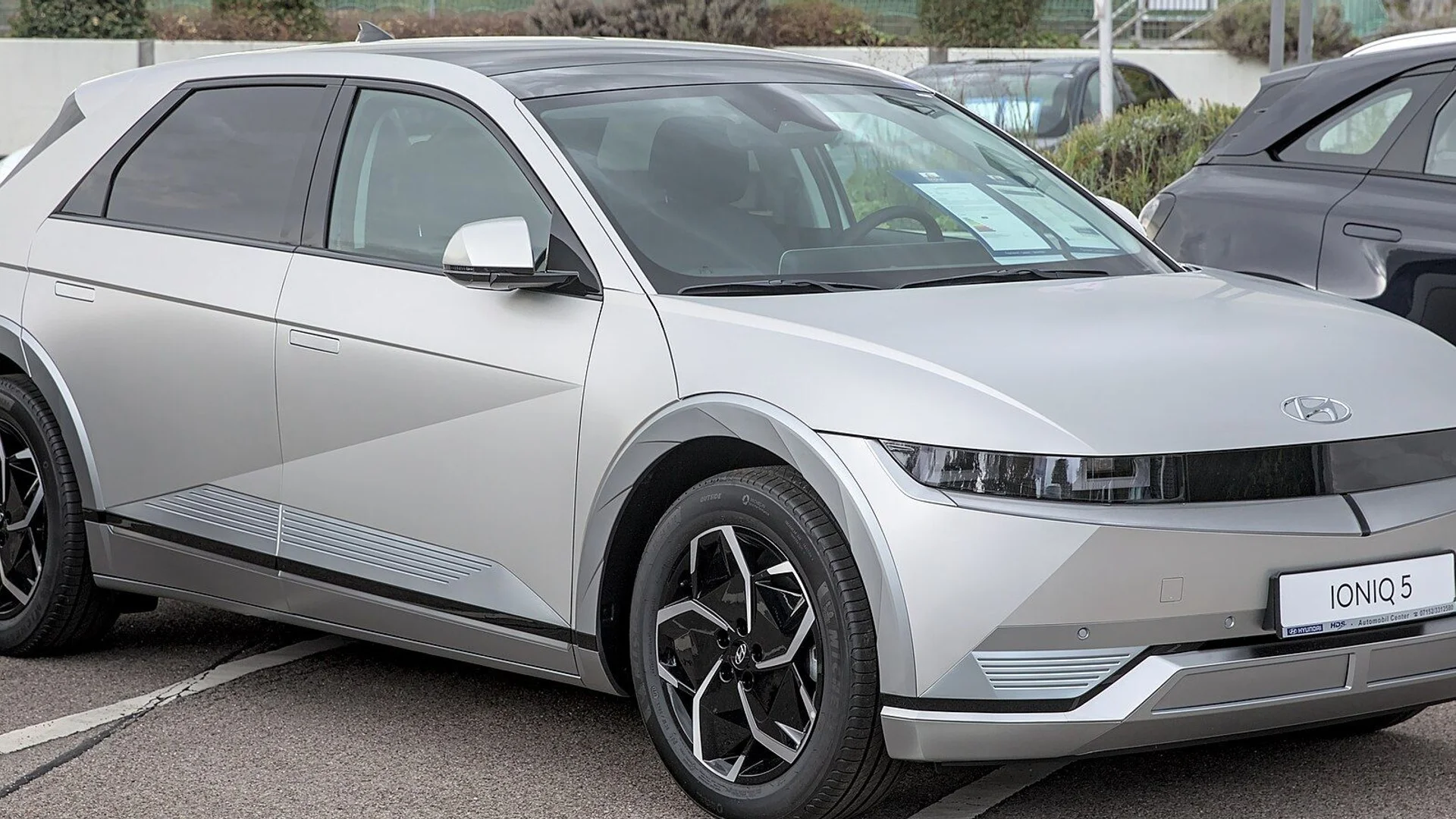
- Hyundai IONIQ 5 for the road-trip buyer, 350 kW DC fast-charging capability, matched by no other SUV in its price band, with the widest Canadian network compatibility.
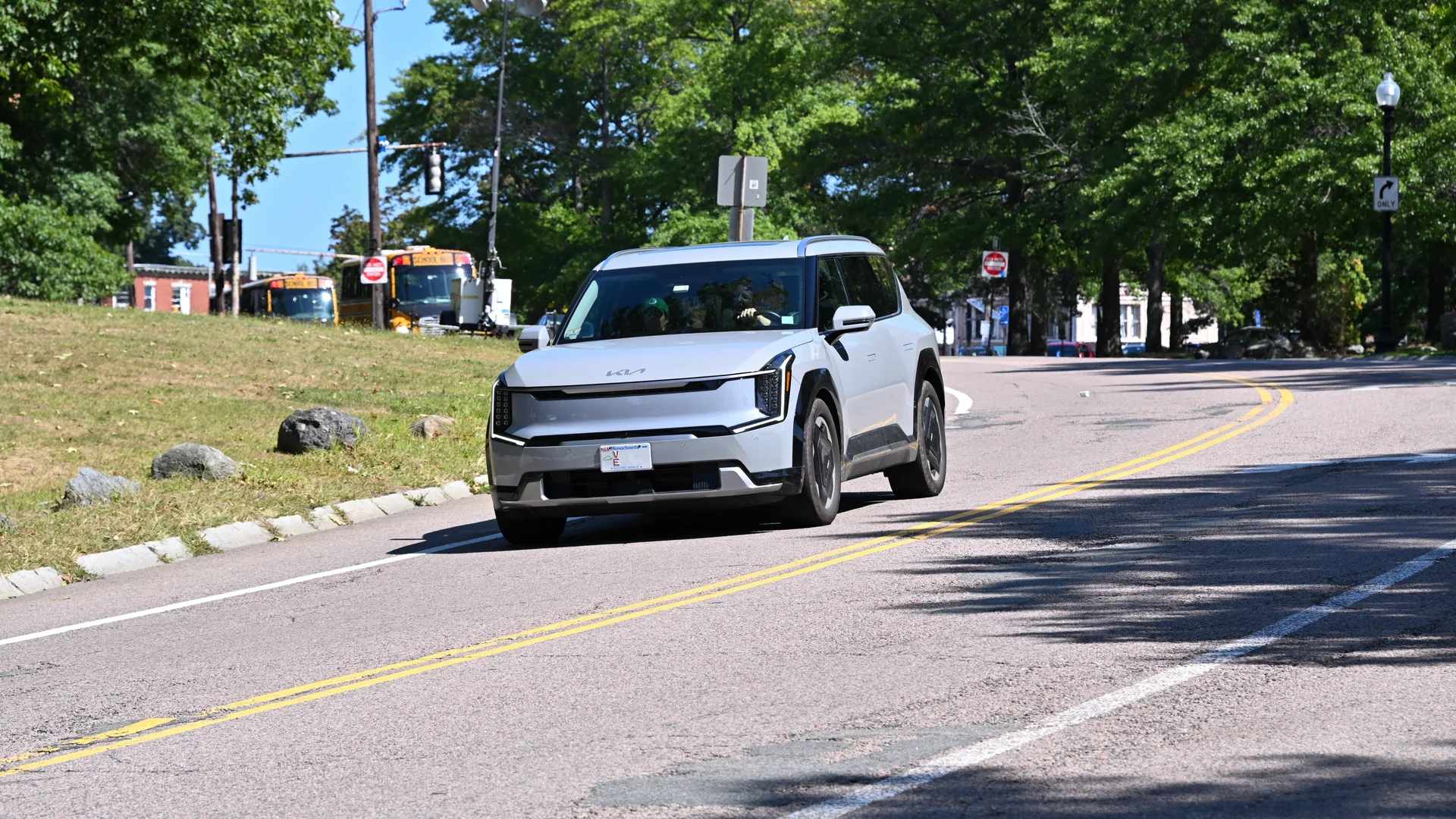
- Kia EV9 for cold-weather buyers and families, the best measured winter range retention of any SUV tested by CAA, in a genuine three-row package.
- Tesla Model Y for efficiency, the lowest kWh/100 km in its size class, with quick acceleration and over 300 miles of driving range, and the most capable lane-guidance stack in the category.
The rest of this guide explains why these four, in that order, and what the trade-offs actually cost you. A ranking methodology that doesn't disclose its weights is not a ranking, it is a preference. Driving.ca at least publishes its axes, safety, power, efficiency, cargo space, and warranty, and averages them transparently. That is defensible for a buyer with no single priority. It is the wrong framework for a buyer in Thunder Bay whose winter commute makes efficiency and cold-weather retention load-bearing, and cargo space a tiebreaker at best. Weight the axes that match your life, not the ones that balance a spreadsheet.
The Winter Range Problem Most Reviews Skip
EPA and WLTP range figures are fiction in a Canadian January. Both test cycles assume mild ambient temperatures and steady-state driving, conditions that apply to roughly none of the country for four months of the year. The only Canada-relevant benchmark is CAA's cold-weather testing, and the spread between vehicles there is wide enough to change the purchase decision.
The Kia EV9 lost just 20 percent of its rated range in CAA cold testing, the best of any electric SUV measured. The Toyota bZ4X lost 37 percent. Both carry comparable battery capacities on paper. One of them loses nearly a fifth of its highway capability in a cold snap; the other loses more than a third. If your worst-case commute is 80 kilometres round-trip in February, a 450 km summer-rated SUV that drops to 280 km in winter is a different vehicle from one that drops to 360 km.
Size the battery to the worst-case commute, not the advertised range. The math is not complicated, take the manufacturer's rated range, subtract 25 to 40 percent depending on how cold your region gets, and compare that number to your daily distance with a buffer for charger availability.
The federal EVAP rebate (the Electric Vehicle Availability Program that replaced iZEV earlier this year) pays up to $5,000 for a BEV but caps at a $50,000 final transaction value for non-Canadian-built vehicles. That ceiling matters for the winter calculus: a larger battery costs more, pushes some trims over the cap, and removes the rebate from the value equation. The cheapest SUV with strong winter numbers is not always the cheapest SUV, once you net out the rebate.
The objection to leaning this hard on CAA's numbers is fair: one testing programme, a limited vehicle set, a single winter. Battery chemistry, cabin pre-conditioning habits, and tire choice shift the real-world result enough that any single buyer's experience can diverge from the test by ten points in either direction. Conceded. But the EV9's twenty-point advantage over the bZ4X is wide enough to survive that noise, and no competing Canadian data set contradicts the direction. Until someone publishes a larger cold-weather study, the CAA numbers are the best signal available, and the alternative, trusting the WLTP figure, is worse.
Gear worth having
As an Amazon Associate, ThinkEV earns a small commission from qualifying purchases — at no extra cost to you.

Lectron Level 2 J1772 Charger (40A, WiFi)
Smart WiFi charger with real-time energy monitoring. 40A / 9.6 kW, J1772 with a NEMA 14-50 plug, schedule charging right from your phone.
As an Amazon Associate, ThinkEV earns from qualifying purchases — at no extra cost to you.
Value Tier: Equinox EV and the Sub-$60K Case
The Chevrolet Equinox EV is the only credible mass-market electric SUV starting under $45,000 CAD, and it qualifies for the full $5,000 EVAP rebate. Net price lands in the high $30Ks for the base trim, a price band that did not exist in Canada's electric SUV market eighteen months ago. Nothing else at this MSRP offers comparable range, and the gap to the next value tier is wide.
The refreshed Tesla Model Y sits above the EVAP $50,000 cap, so no federal rebate applies. The efficiency case is still strong and the residuals are the best in the category, if you can clear the price hurdle without the incentive, the total cost of ownership math works. If you can't, the Equinox EV is the answer.
The BYD Atto 3 is the most interesting newcomer to the Canadian market, and the awkward one for this guide. It is built in China, which excludes it from EVAP on country-of-origin grounds regardless of price. The January 2026 tariff cut from 100 percent to 6.1 percent inside a 49,000-unit quota makes the landed price competitive, but "no federal rebate" is a $5,000 handicap the Atto 3 cannot overcome against the Equinox EV at the same cash price. The Atto 3's residual values are also genuinely unknown in the Canadian market, no historical data exists, and the three-year trade-in math is a bet, not a calculation.
Gear worth having
As an Amazon Associate, ThinkEV earns a small commission from qualifying purchases — at no extra cost to you.

WeatherTech FloorLiner for Tesla Model 3
Deep-channel liners that trap every drop of slush and salt. The difference between a ruined interior and a showroom-fresh cabin after a Canadian winter.
As an Amazon Associate, ThinkEV earns from qualifying purchases — at no extra cost to you.
For the efficiency-per-dollar comparison that decides between the Equinox and a Model Y, the efficiency measurement breakdown covers why kWh/100 km matters more than battery size, and why shape beats curb weight at highway speed.
Premium Tier: IONIQ 5, EV9, and What You're Actually Paying For
The Hyundai IONIQ 5's 350 kW DC fast-charging capability is the decisive spec for road-trip buyers. No other sub-$70,000 SUV in Canada matches it. On a compatible charger, a 10-to-80 percent fill takes under 20 minutes, fast enough that the stop is a coffee, not a logistics exercise. The constraint is network, not vehicle: 350 kW chargers are still thin outside major corridors, and the IONIQ 5 steps down gracefully on slower hardware.
The Kia EV9 is the three-row answer, and it combines that geometry with the best-in-class winter retention noted above, the only SUV that solves both problems at once. The Kia EV5 Canada review covers the mid-size sibling for buyers who do not need the third row.
The Volvo EX90 sits around $90,000 CAD, a genuine seven-seat luxury benchmark, and outside the frame for most Canadian buyers.
The counterargument to spending EV9 money at all is the Model Y Long Range, which undercuts the EV9 by roughly $15,000 depending on trim, charges nearly as fast on Tesla's Supercharger network, and has better software. The honest rebuttal: if you need three rows, the Model Y does not have them, full stop. If you do not need three rows, the EV9 premium is hard to justify on anything but charging architecture and dealer network. The split is binary, family geometry decides it, not features.
Hyundai and Kia consistently top provincial EV registration charts, and the market-share-by-brand breakdown explains why BC's early adopters, the province that leads the country in new-EV share, have landed on these two brands disproportionately. The ownership experience is boring, which in EVs is the highest compliment available.
Gear worth having
As an Amazon Associate, ThinkEV earns a small commission from qualifying purchases — at no extra cost to you.

EcoNour 27-inch Snow Brush and Ice Scraper
An aluminum brush and scraper combo that clears a windshield fast without scratching. Non-negotiable for Canadian mornings.
As an Amazon Associate, ThinkEV earns from qualifying purchases — at no extra cost to you.
What to Check Before You Sign (Charging, Incentives, Resale)
Confirm EVAP eligibility at the point of sale, in writing, before you sign anything. The $50,000 transaction-value cap bites trims you would not expect, a popular package, a dealer-installed accessory, or a destination fee can push a nominally eligible vehicle over the ceiling. Dealers vary in how carefully they flag this.
Home charging is the second line item most buyers underestimate. A Level 2 charger installation runs $800 to $2,000 all-in, depending on panel capacity and the run from panel to parking spot. If your panel is at capacity, the number climbs, sometimes significantly. A Level 2 charger adds roughly 40 kilometres of range per hour, which covers 95 percent of Canadian daily driving overnight without the owner ever thinking about it.
DC fast-charge network density varies sharply by province. FLO's coverage is strongest in Quebec and the Maritimes; BC Hydro's DCFC network is dense along Vancouver Island and the Trans-Canada corridor; Ontario's 400-series coverage is adequate but patchy; Saskatchewan and Manitoba are thinner. Map your typical long-trip route before you commit to any specific vehicle, the IONIQ 5's 350 kW capability is worth less in a region without 350 kW chargers.
Resale is the final variable. Tesla Model Y residuals have been the strongest in the category for three years running. IONIQ 5 residuals are improving as the model matures. Chinese-brand residuals are an open question, the BYD Seal vs Model 3 comparison covers the same unknown on the sedan side. For buyers prioritizing predictability over novelty, the used EV guide tracks which models have held value best in the Canadian market.
Gear worth having
As an Amazon Associate, ThinkEV earns a small commission from qualifying purchases — at no extra cost to you.

Magnetic Windshield Snow Cover
Skip the scraping. Magnets hold it on, peel it off with the snow, and your defroster stops draining range on cold mornings.
As an Amazon Associate, ThinkEV earns from qualifying purchases — at no extra cost to you.
The Ranking as of Late 2026, and Where It Breaks Down
The Equinox EV is the value pick. The EV9 is the weather pick. The IONIQ 5 is the charging-network pick. The Model Y is the efficiency pick. No single SUV wins all four axes, and that is not a cop-out, it is the actual state of the market in late 2026. A ranking that claims one vehicle wins every category is selling something.
Watch the BYD Atto 3 situation through 2026. The 6.1 percent tariff rate applies inside the 49,000-unit annual quota; above the quota, the rate reverts to 100 percent. If the quota fills in Q2 or Q3, landed pricing for later arrivals shifts materially, and the value calculation against the Equinox EV changes with it. The number to watch is the quota utilization rate, published quarterly. Two other triggers belong on the same calendar: an EVAP cap revision above $50,000 would move the Model Y and the EV9 GT-Line into rebate territory overnight, and a 2027-model IONIQ 5 refresh that pushes NACS-native hardware into the Canadian lineup would collapse the charging-network gap that currently separates it from the Model Y. Any of the three moves reshuffles the podium.
The right answer changes if you live in Kelowna versus Kapuskasing. Range math is geography. A buyer in coastal BC can treat the winter derate as a rounding error; a buyer in northern Ontario cannot. Pick the vehicle that fits the harder half of your year, not the easier half.
Gear worth having
As an Amazon Associate, ThinkEV earns a small commission from qualifying purchases — at no extra cost to you.

Extendable 3-in-1 Snow Brush and Scraper
Telescopes to 46 inches so you can sweep a whole roof and windshield without climbing on the car.
As an Amazon Associate, ThinkEV earns from qualifying purchases — at no extra cost to you.

Founder & Chief Editor
Vlad Pereira is the founder and chief editor of ThinkEV.ca, the Canadian electric-vehicle publication he writes and edits from Courtenay, British Columbia. He covers EV pricing, federal and provincial rebates, charging costs, and the Chinese manufacturers now entering Canada, from the buyer's side rather than the press-fleet side. ThinkEV is a venture of Vlad Pereira Online; his writing on health, income and the long game lives at vladpereira.com.
Frequently asked questions
Does the EVAP rebate apply to all four picks?
How much winter range should I actually expect to lose?
Is the BYD Atto 3 worth considering given the lower tariffs?
What if I don't need a third row, is the EV9 still worth it?
Which charger networks work with the IONIQ 5's 350 kW capability?
More EV & road-trip finds
Affordable upgrades worth a look — tap any to check the price on Amazon.
 ★ 2,941
Microfiber Cleaning Cloths (Multi-Pack)
View on Amazon ★ 314
Mini USB LED Ambient Lamps (4-Pack)
View on Amazon ★ 4,626
HoogaLife Hanging Car Diffuser (2-Pack)
View on Amazon ★ 27,769
Car Cup Holder Coasters (4-Pack)
View on Amazon
TP-Link Kasa Smart Plug with Energy Monitoring
View on Amazon ★ 87
Car Window Sun Shades for Kids (4-Pack)
View on Amazon ★ 17,839
Qifutan Vent Phone Mount (Military-Grade Clip)
View on Amazon ★ 96,686
PULIDIKI Car Cleaning Gel (Detailing Putty)
View on AmazonRead, Plan, Then Stay Current
Explore our expert articles to understand incentives and ownership costs, use the map to pressure-test charging reality, then subscribe so new EV coverage comes straight to you.
Continue Reading
First-Time EV Buyer Mistakes Worth Avoiding in Canada
Best GM EVs in Canada for Budget Families 2026
2027 Hyundai IONIQ 5 Base Price Goes Up $250 to $35,250
Hyundai and Kia Tell 14 EV Owners to Park Away From Structures
Hyundai Cuts Ioniq 5 Price in Korea as US Award Lands
