Most first-time EV regret in Canada traces to six decisions made before the test drive, not to the car. The buyer who reads the EPA range as a Canadian winter range, or who signs the paperwork before checking whether the condo strata will approve a Level 2 install, has already picked the fight they will lose. These are all fixable in the shopping phase. They are difficult to fix in the ownership phase.
The federal rebate landscape shifted underneath a lot of buyers this year. iZEV, the program most consumer guides still name, ended and was replaced by EVAP (the Electric Vehicle Availability Program), which pays up to $5,000 for a BEV, caps at a $50,000 final transaction value, and excludes China-built vehicles on country-of-origin grounds. If your research reading pre-dates February 2026, it is almost certainly wrong about which program is live. That alone is a mistake worth avoiding.
Key takeaways
- EVAP replaced iZEV in February 2026, pays up to $5,000, and excludes all China-built EVs.
- A Quebec buyer can stack $12,000 in combined federal and provincial rebates on one eligible SUV.
- NRCan testing shows 20–40% range loss at –20°C, a 400 km EPA car delivers roughly 270 km in winter.
- Condo strata approval for a Level 2 charger can take six to nine months in BC and Ontario.
- CHAdeMO DC fast-charge coverage is shrinking in Canada, avoid it on a car you plan to keep long-term.
Quick Answer: Six Mistakes, One Paragraph Each
Sticker-price shopping without the incentive stack. EVAP pays up to $5,000 federally; BC and Quebec layer provincial rebates on top. A $52,000 SUV in BC lands closer to $43,000 net. Comparing that number to a $38,000 gas crossover is a different comparison than comparing sticker to sticker.
Ignoring home charging until after delivery. A Level 2 install runs $800 to $2,200 in most Canadian markets, and condo owners face a strata approval step that can take months. Sort this before you sign, not after.
Reading EPA range as your winter range. NRCan cold-weather testing shows 20–40% range loss at –20°C. A 400 km EPA-rated model delivers roughly 270 km at –15°C in city driving. Size for the winter number.
Skipping battery health on a used EV. State of Health is not on the window sticker. On a used LEAF without liquid cooling, SOH under 80% means degradation is accelerating, not stable.
Buying a CHAdeMO-only used EV. The DC fast-charge network for CHAdeMO is contracting in Canada, not growing. This is a dead-end port on a car you plan to keep for a decade.
Misjudging public charging for the driving pattern you actually have. Home-charging urbanites will hit a DC fast charger fewer than fifteen times a year. Highway commuters and apartment dwellers with no home plug are the segments who need to weight network density heavily. Most buyers weight it in the wrong direction.
Buying on Sticker Price Without Mapping the Incentive Stack
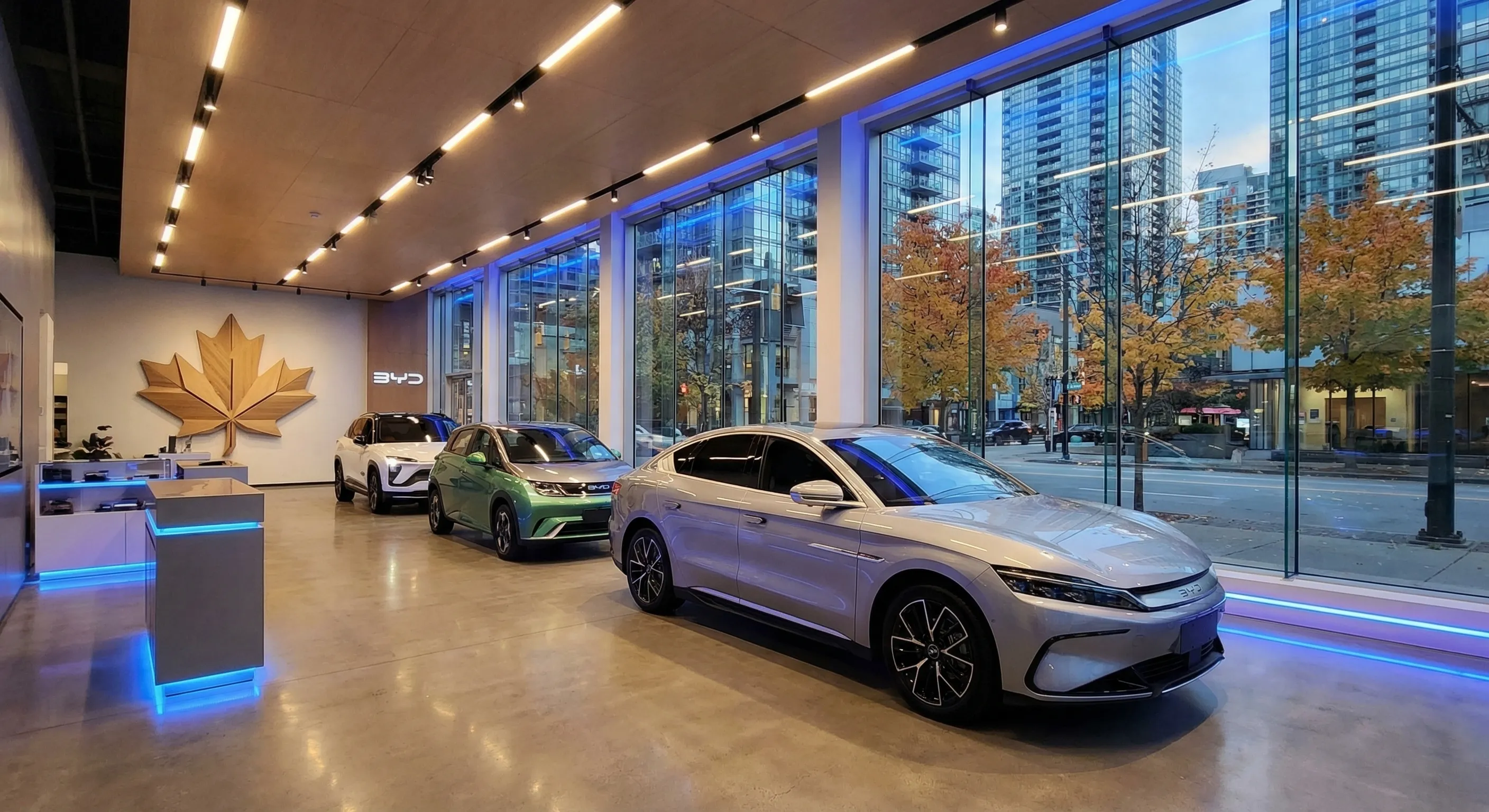
The most expensive mistake is the arithmetic one. EVAP, the federal rebate that replaced iZEV in February 2026, pays up to $5,000 for a battery-electric vehicle with a final transaction value at or below $50,000. The cap does not apply to Canadian-built vehicles. China-built EVs are excluded regardless of price, no BYD model qualifies, which matters because the tariff cut from 100% to 6.1% in January 2026 has changed the sticker but not the rebate math on Chinese vehicles.
Provincial rebates stack on top. British Columbia adds up to $4,000 through its Go Electric program. Quebec's Roulez vert program pays up to $7,000. Stacked with EVAP, a Quebec buyer of an eligible SUV can see combined incentives of $12,000. A BC buyer sees up to $9,000. An Ontario buyer sees $5,000 federal and nothing provincial, Ontario cancelled its rebate in 2018 and has not restored it.
Two mechanics matter more than the headline numbers. First, EVAP is allocation-limited. When the federal envelope depletes, the program stops paying until the next fiscal top-up. Confirm availability the day you sign, not the day you started shopping, the delta between those two dates has cost recent buyers real money. Second, the $50,000 cap is on the final transaction value including delivery and options. A base trim listed at $48,000 with a mandatory freight and PDI charge of $2,400 exceeds the cap and drops to zero rebate. Dealers know this. Some structure their pricing around it; some do not.
The used-EV incentive is a separate program with its own rules. Confirm the specific VIN qualifies before making an offer, model-year eligibility and battery-warranty status both gate it, and dealers who have never processed one will guess wrong more often than they will guess right.
Gear worth having
As an Amazon Associate, ThinkEV earns a small commission from qualifying purchases — at no extra cost to you.

Lectron Level 2 J1772 Charger (40A, WiFi)
Smart WiFi charger with real-time energy monitoring. 40A / 9.6 kW, J1772 with a NEMA 14-50 plug, schedule charging right from your phone.
As an Amazon Associate, ThinkEV earns from qualifying purchases — at no extra cost to you.
Ignoring Home Charging Until After Delivery
The 120V wall outlet in a Canadian garage delivers roughly 8 kilometres of range per hour of charge. This is workable if the daily drive is under 60 kilometres and the car sits overnight. It is not workable for anyone with a real commute, a variable schedule, or a two-driver household.
A proper Level 2 EVSE install in Canada runs $800 to $2,200 depending on three variables: the distance from the electrical panel to the parking spot, the amperage headroom on the panel, and the municipal permit and inspection requirements. Older homes with 100-amp service often need a panel upgrade to accept a 40- or 48-amp charger, that adds $1,500 to $3,000 to the quote, and it is the line item most first-time buyers do not see coming. Get a licensed electrician to walk the install before you sign anything on the car.
Condo and strata buyers face a separate problem: approval. Some BC and Ontario stratas have granted individual-stall installs quickly. Others have denied them outright, or gated them behind a building-wide electrical-capacity study that takes six to nine months. If your building has no established EV-charging policy, assume the timeline is quarters, not weeks. A car sitting in an underground stall with no charger and no plan for one is a car that will get sold within two years.
The buyers who avoid this trap treat the charging plan as a prerequisite to the purchase, not a consequence of it. Confirm panel capacity. Confirm parking access. If it is a condo, confirm the strata's position in writing. Then buy the car.
Gear worth having
As an Amazon Associate, ThinkEV earns a small commission from qualifying purchases — at no extra cost to you.
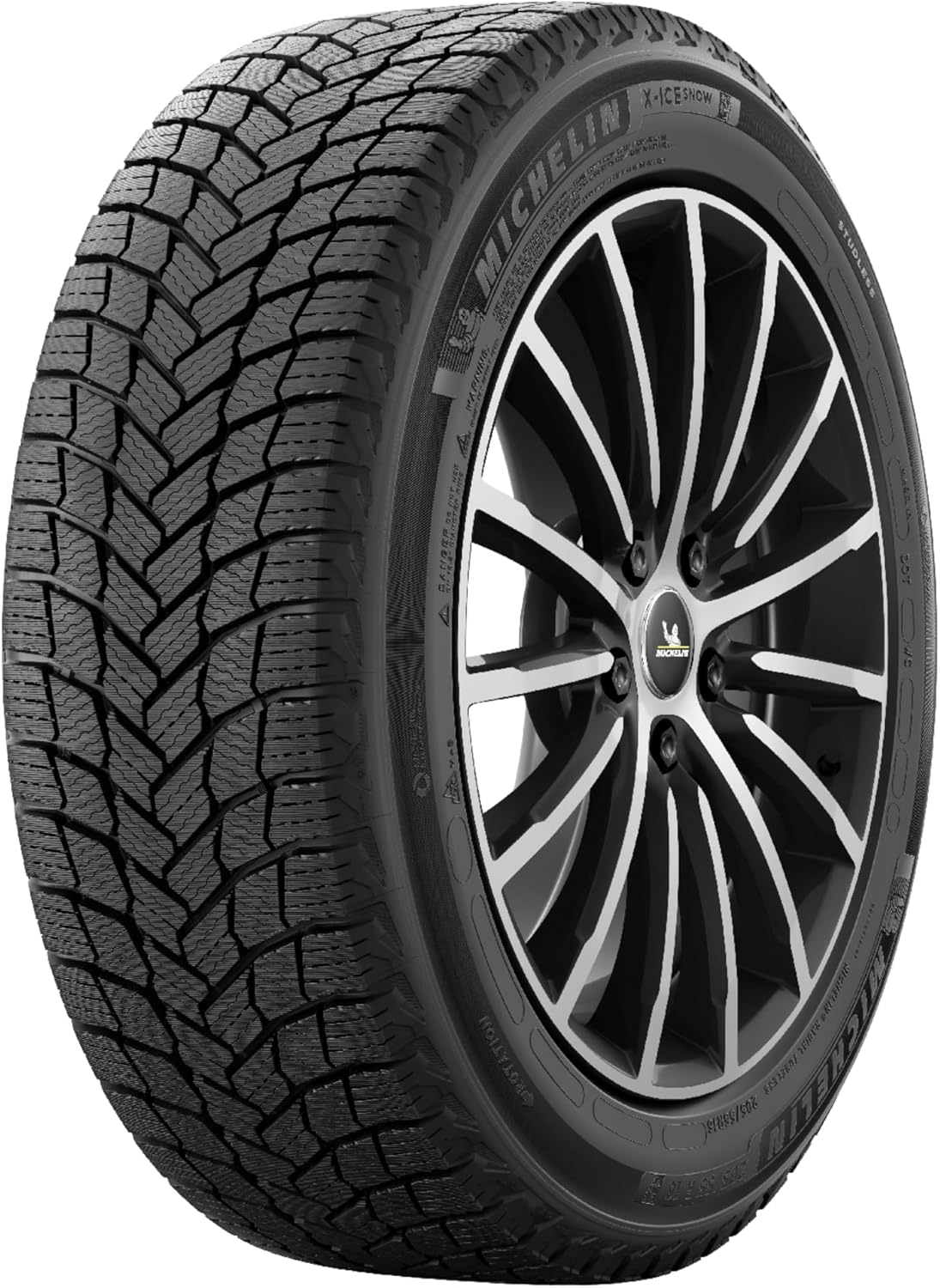
Michelin X-Ice Snow Tires (EV-rated)
EV-specific winter tires with low rolling resistance that recover up to 15 percent of cold-weather range. Mandatory in Quebec, smart everywhere else.
As an Amazon Associate, ThinkEV earns from qualifying purchases — at no extra cost to you.
Underestimating Winter Range Loss on Paper Specs
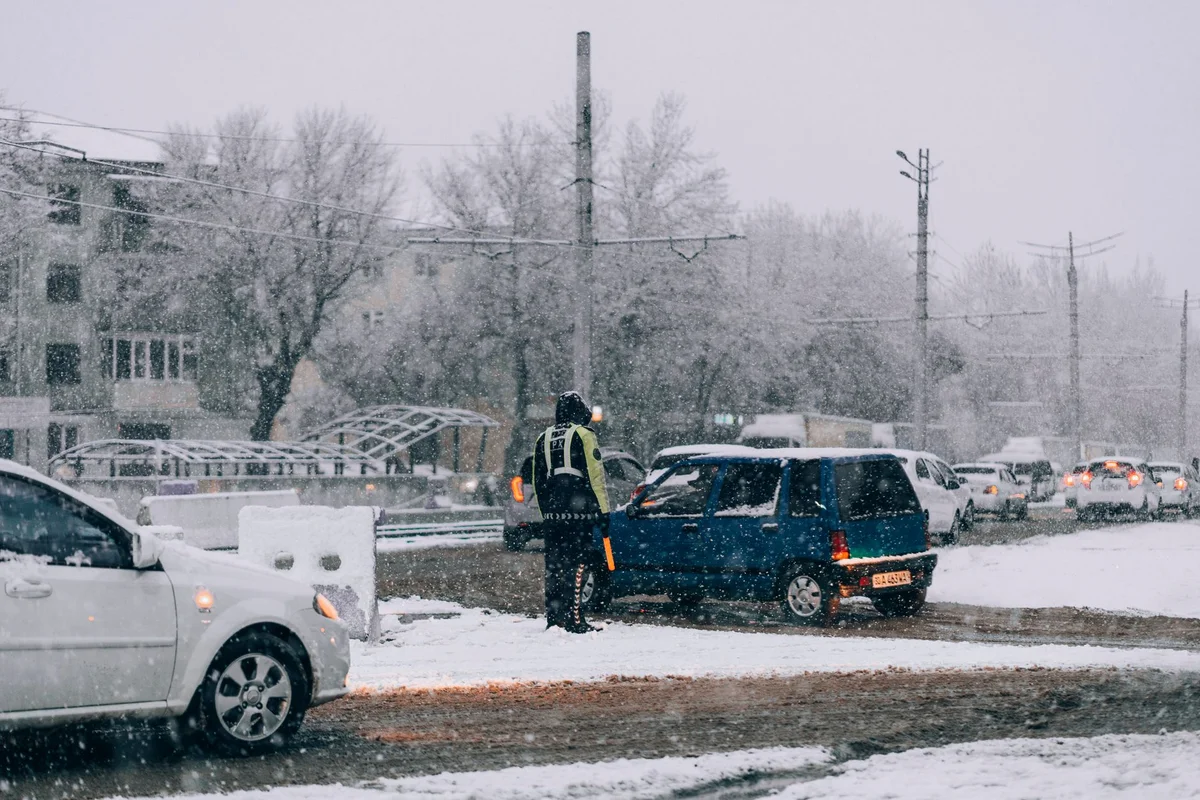
The EPA range on the window sticker is a summer number tested under moderate conditions. Canada is not a moderate-condition country for roughly five months of the year. Natural Resources Canada's cold-weather testing has repeatedly shown 20% to 40% range reduction at –20°C, with the loss concentrated in city driving where regenerative braking is doing more work at temperatures that hurt battery chemistry.
The practical rule: size the battery for the winter range you need, not the headline range you want. A 400 km EPA-rated EV delivers roughly 270 km at –15°C in mixed city driving with the cabin heater on. If your winter round-trip is 200 km, that car is fine. If your winter round-trip is 280 km, that car is a public-fast-charger dependency you did not plan for.
Two engineering choices materially change the winter math. Battery preconditioning, warming the pack before a fast-charge session or before departure, recovers 10 to 15% of cold-weather loss. It is available on most 2023-and-newer models but only functions when the vehicle is plugged in. And a heat pump for cabin heating consumes roughly a third of the energy that a resistive element uses at the same output. The 2026 Model Y, Ioniq 6, and Kia EV6 all use heat pumps and show measurably better real-world winter efficiency than models still relying on resistive heaters.
The broader EV market saw new Model 3 and Model Y prices fall roughly 25% over 2023, and the frequent changes drew complaints from recent buyers. That price volatility has settled, but the lesson generalized: the spec sheet is a snapshot, not a promise. Read the winter data before you read the trim brochure. What actually changes when you buy your first EV in 2026 covers the battery-longevity side of the same question.
Gear worth having
As an Amazon Associate, ThinkEV earns a small commission from qualifying purchases — at no extra cost to you.

EcoNour 27-inch Snow Brush and Ice Scraper
An aluminum brush and scraper combo that clears a windshield fast without scratching. Non-negotiable for Canadian mornings.
As an Amazon Associate, ThinkEV earns from qualifying purchases — at no extra cost to you.
Skipping Battery Health on Used EVs
State of Health is the single most important number on a used EV. It is not on the window sticker, it is not on the CarFax, and dealers who do not sell EVs regularly will not know how to pull it. Request the diagnostic printout before making an offer. If the dealer cannot produce one, walk, or run an independent check through Recurrent (which pulls telematics data) or an OBD scan through a technician who has done it before.
The 2019 Nissan LEAF is the cautionary case. It uses an air-cooled battery pack, no liquid thermal management. At 80% SOH, that car has lost roughly 20% of its original 40 kWh capacity, and the degradation curve on air-cooled packs accelerates below that threshold. A 2019 LEAF at 75% SOH is not "slightly worse than 80%." It is on a different part of the curve. Modern EVs with liquid-cooled packs, Model 3, Ioniq 5, EV6, ID.4, Ariya, degrade far more gracefully and hold value better for exactly that reason.
Warranty transferability is the other variable buyers miss. Most OEM battery warranties transfer to a second owner, but "most" is not "all." Confirm in writing. GM's Ultium warranty transfers. Hyundai and Kia transfer. Some legacy brands and some early EV programs do not, and a non-transferable warranty on a car with three years remaining is a five-figure discount you should be extracting from the asking price.
One port to avoid entirely: CHAdeMO-only used EVs. The original LEAF and some Mitsubishi i-MiEV variants use CHAdeMO for DC fast charging, and the Canadian CHAdeMO network is contracting rather than expanding. FLO and Electrify Canada have both signaled a CCS-first future. A car that can only fast-charge on a dying network is a car that will spend its retirement on 120V charging in a garage.
Gear worth having
As an Amazon Associate, ThinkEV earns a small commission from qualifying purchases — at no extra cost to you.

Magnetic Windshield Snow Cover
Skip the scraping. Magnets hold it on, peel it off with the snow, and your defroster stops draining range on cold mornings.
As an Amazon Associate, ThinkEV earns from qualifying purchases — at no extra cost to you.
Misjudging Public Charging for the Actual Driving Pattern
The public-charging question breaks cleanly into three driver profiles, and most first-time buyers weight it wrong for their own profile.
The urban home-charger will touch a DC fast charger fewer than fifteen times a year. For this driver, network reliability is a road-trip variable, not a daily one. Overweighting it produces buyers who chase Supercharger access on a car they will fast-charge four times between May and October. That is a rounding error on total ownership cost.
The highway-corridor commuter needs the route mapped before purchase. FLO, Electrify Canada, and the now-open Tesla Supercharger network cover the Trans-Canada corridor densely from Windsor to Quebec City and along the BC lower mainland. Northern Ontario and interior BC still have real gaps, Wawa to Thunder Bay is a stretch where charger spacing and reliability matter. CCS1 is the dominant standard on new non-Tesla vehicles, and NACS adapters exist but add cost and a failure point that used-EV shoppers should factor into the evaluation, not discover in a January parking lot.
The apartment dweller with no home-charging option is the one segment for whom public-network density genuinely governs range anxiety. This driver should prioritize a vehicle with the densest nearby fast-charger network, not the longest EPA range. A 350 km EV with three fast chargers within five kilometres of home is a better daily-driver than a 500 km EV with the nearest DC charger fifteen kilometres away. The no-BS 2026 Canadian buying guide works through this profile-matching in more detail, and the software-defined vehicle piece covers why the car's charging behaviour will keep changing after you buy it.
Pricing signals status; the buyer wants to feel the purchase authenticates their success. That is the emotional pull behind the sticker-fixation and the range-fixation both. The fix is boring: match the car to the driving pattern, confirm the incentive stack the week you sign, and treat the winter number as the real number. The buyers who do this stop being first-time buyers and start being the ones their friends ask for advice.
Gear worth having
As an Amazon Associate, ThinkEV earns a small commission from qualifying purchases — at no extra cost to you.

Extendable 3-in-1 Snow Brush and Scraper
Telescopes to 46 inches so you can sweep a whole roof and windshield without climbing on the car.
As an Amazon Associate, ThinkEV earns from qualifying purchases — at no extra cost to you.

Founder & Chief Editor
Vlad Pereira is the founder and chief editor of ThinkEV.ca, the Canadian electric-vehicle publication he writes and edits from Courtenay, British Columbia. He covers EV pricing, federal and provincial rebates, charging costs, and the Chinese manufacturers now entering Canada, from the buyer's side rather than the press-fleet side. ThinkEV is a venture of Vlad Pereira Online; his writing on health, income and the long game lives at vladpereira.com.
Frequently asked questions
Is EVAP still accepting applications when I go to sign?
Does my condo's approval process really take that long?
Which Canadian provinces actually stack rebates on top of federal?
What real-world winter range should I plan around in Canada?
Are CHAdeMO fast chargers actually disappearing across Canada?
More EV & road-trip finds
Affordable upgrades worth a look — tap any to check the price on Amazon.
 ★ 297
★ 297360-Degree One-Hand Dashboard Phone Mount
View on Amazon ★ 121
★ 121Foldable Windshield Sun Umbrella
View on Amazon ★ 268
★ 268Anti-Slip Leather Steering Wheel Cover
View on Amazon ★ 4,050
Touchscreen Mist Screen Cleaner Kit
View on Amazon ★ 537
★ 537USB Star Projector Roof Light
View on Amazon ★ 568
★ 568Personalized Photo and Text Keychain
View on Amazon ★ 4,424
Sun Visor Card and Document Organizer
View on Amazon ★ 1,944
VIOFO A229 Pro 4K Dash Cam
View on AmazonRead, Plan, Then Stay Current
Explore our expert articles to understand incentives and ownership costs, use the map to pressure-test charging reality, then subscribe so new EV coverage comes straight to you.
Continue Reading
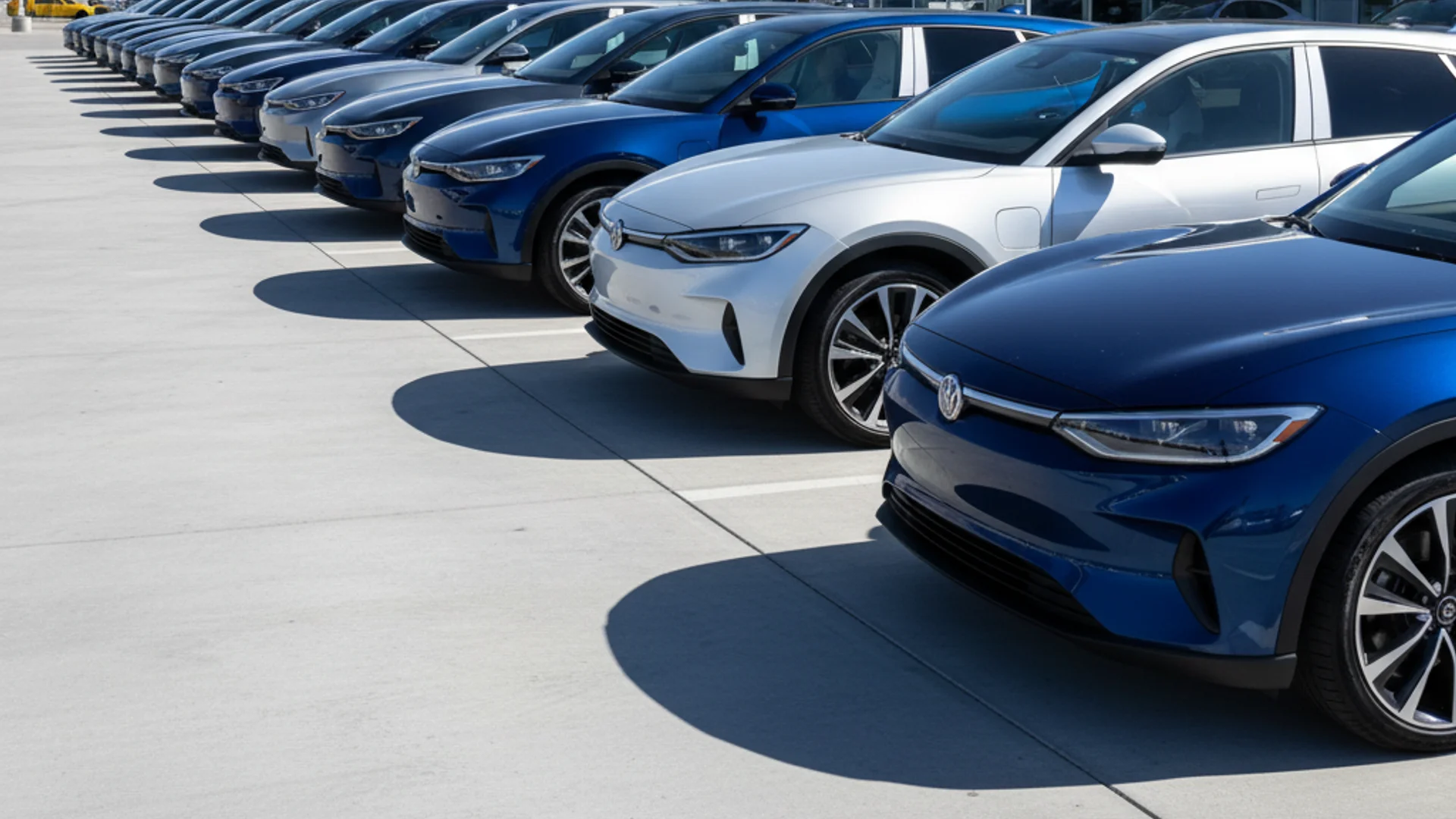
Canada's EV Rebates Lifted March Sales Over 80%
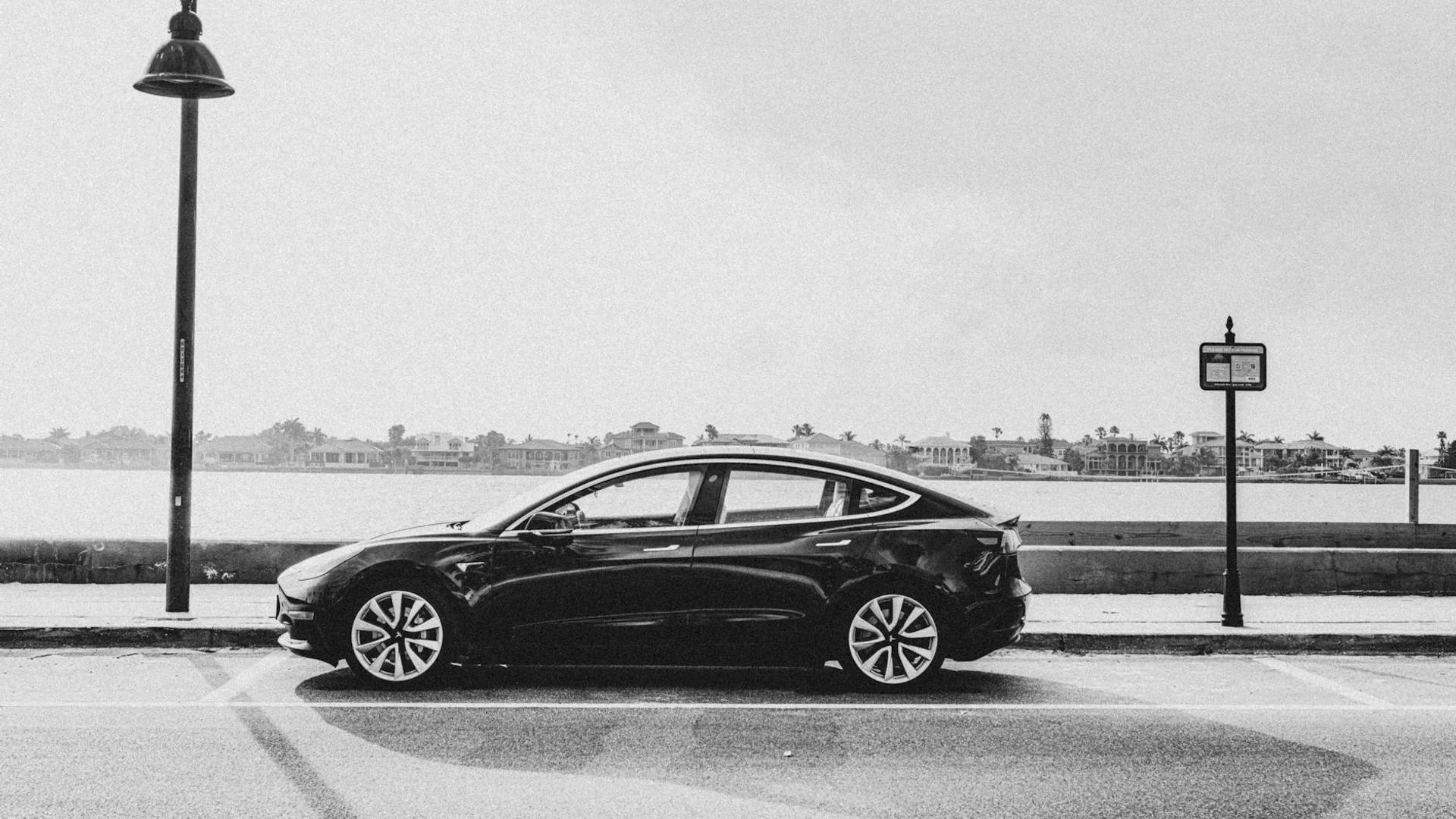
What Nobody Tells You Before Buying Your First EV in 2026
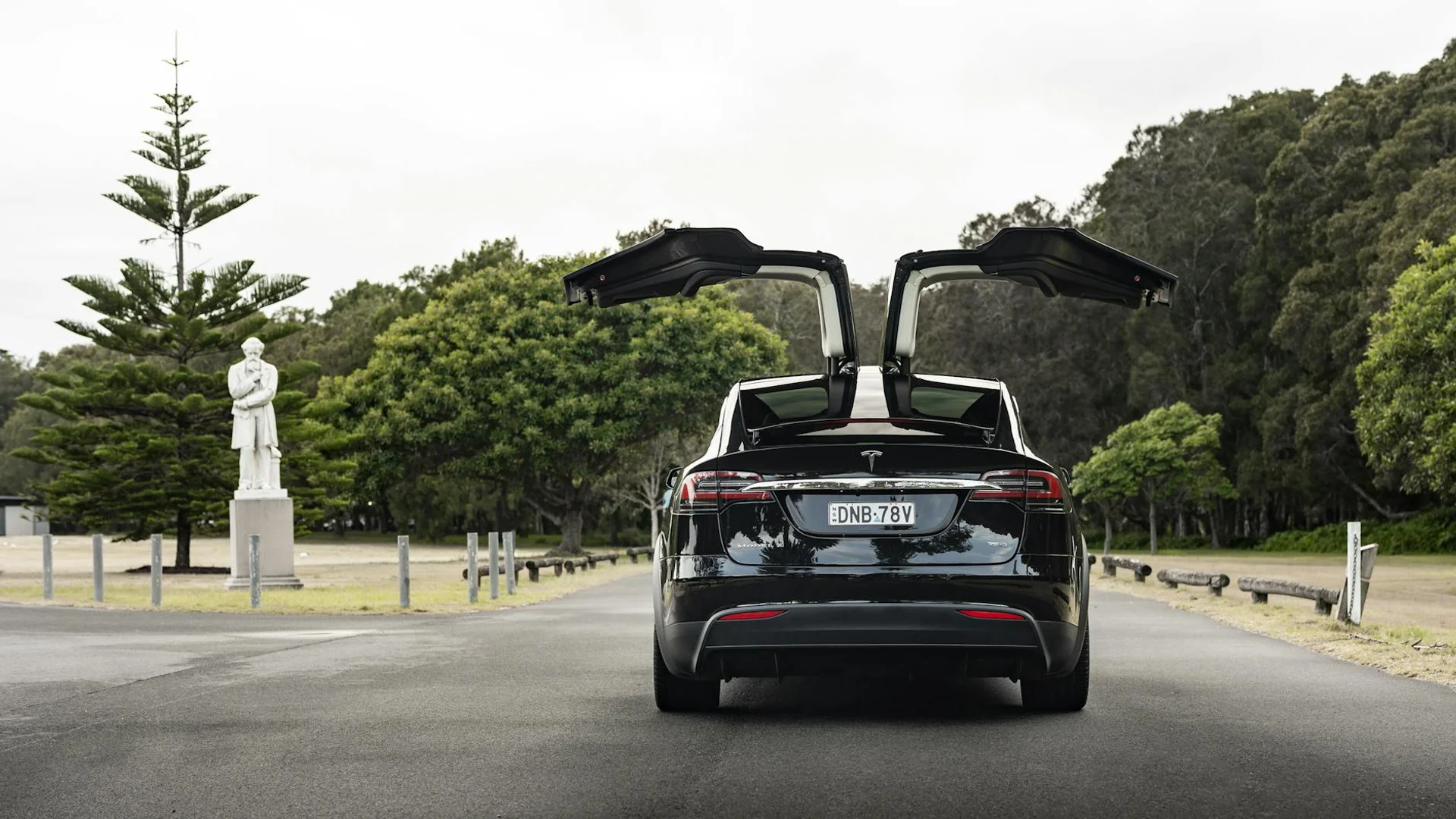
Why Most EV Efficiency Coverage Gets It Backwards
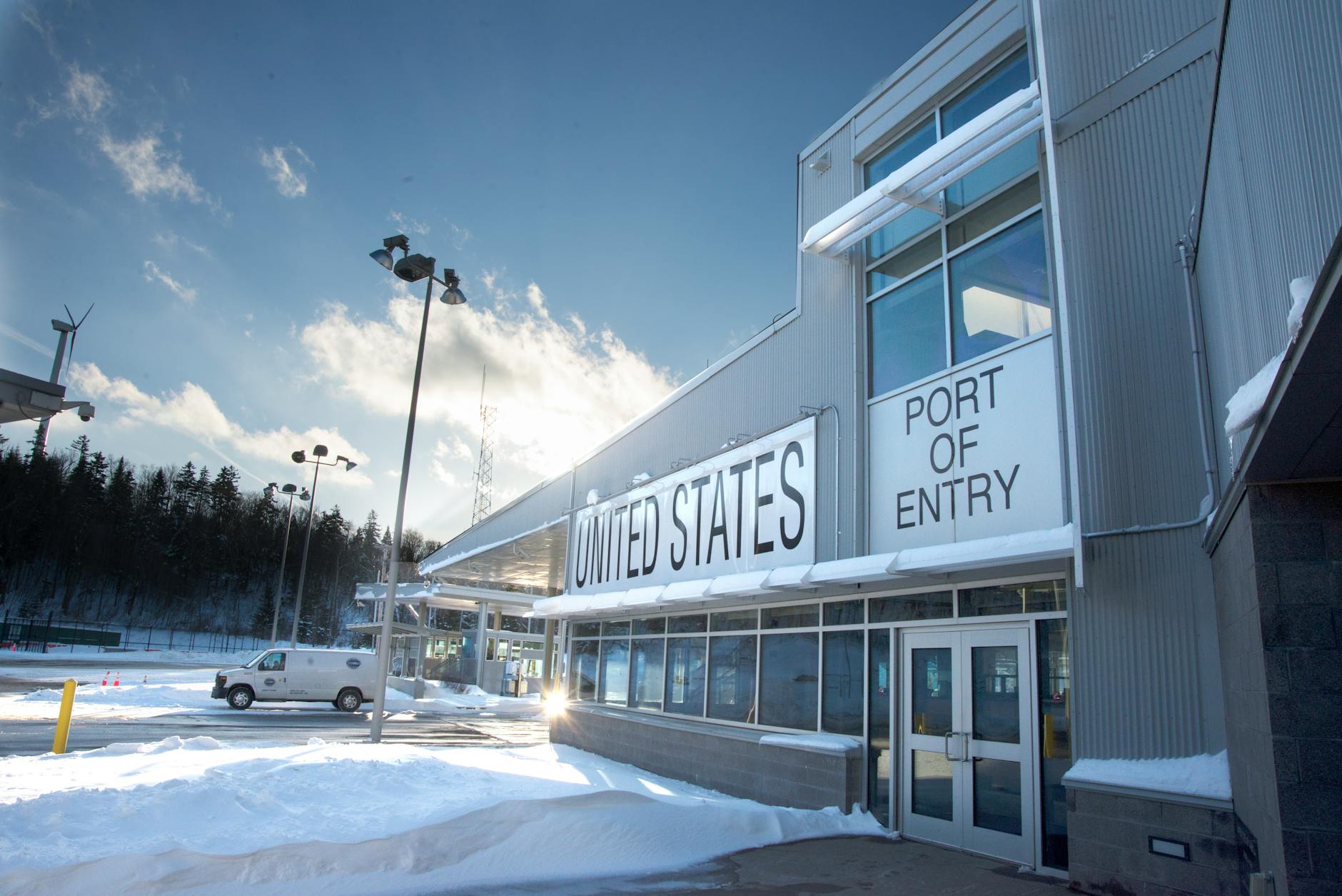
Import a Chinese EV Canada to US: Why It Fails
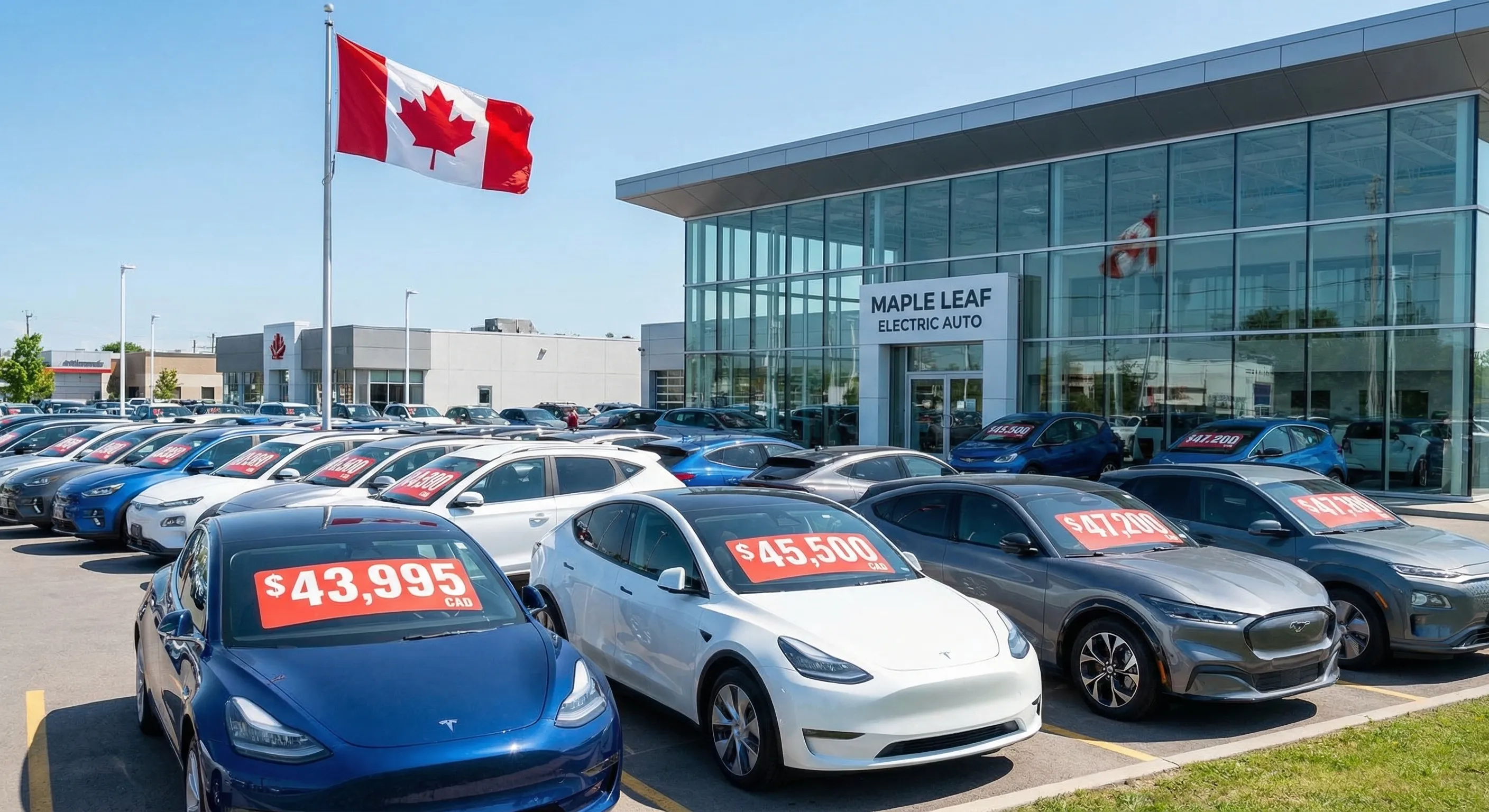
EV Market Under $50K in Canada: Why This Price Band Matters