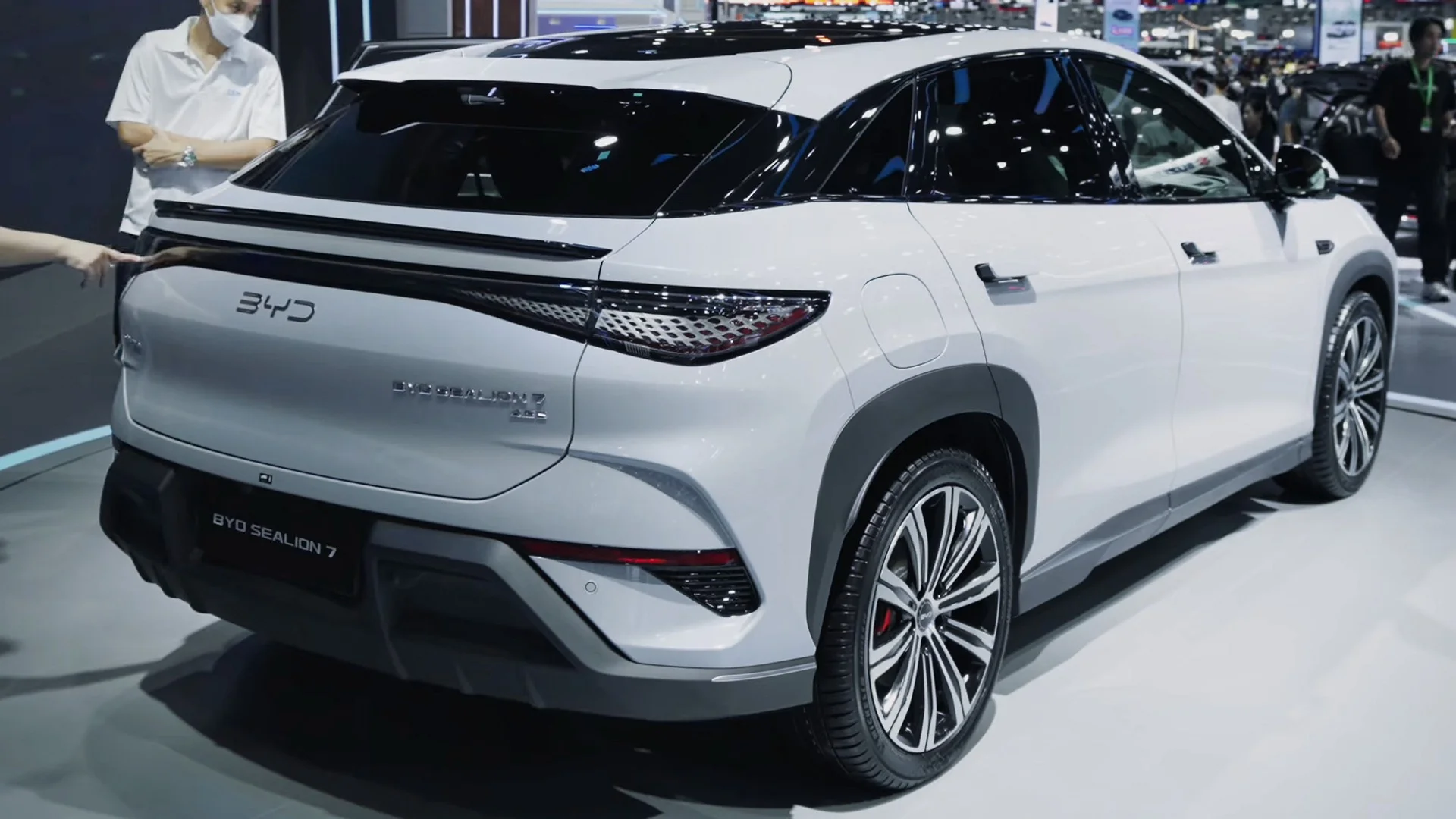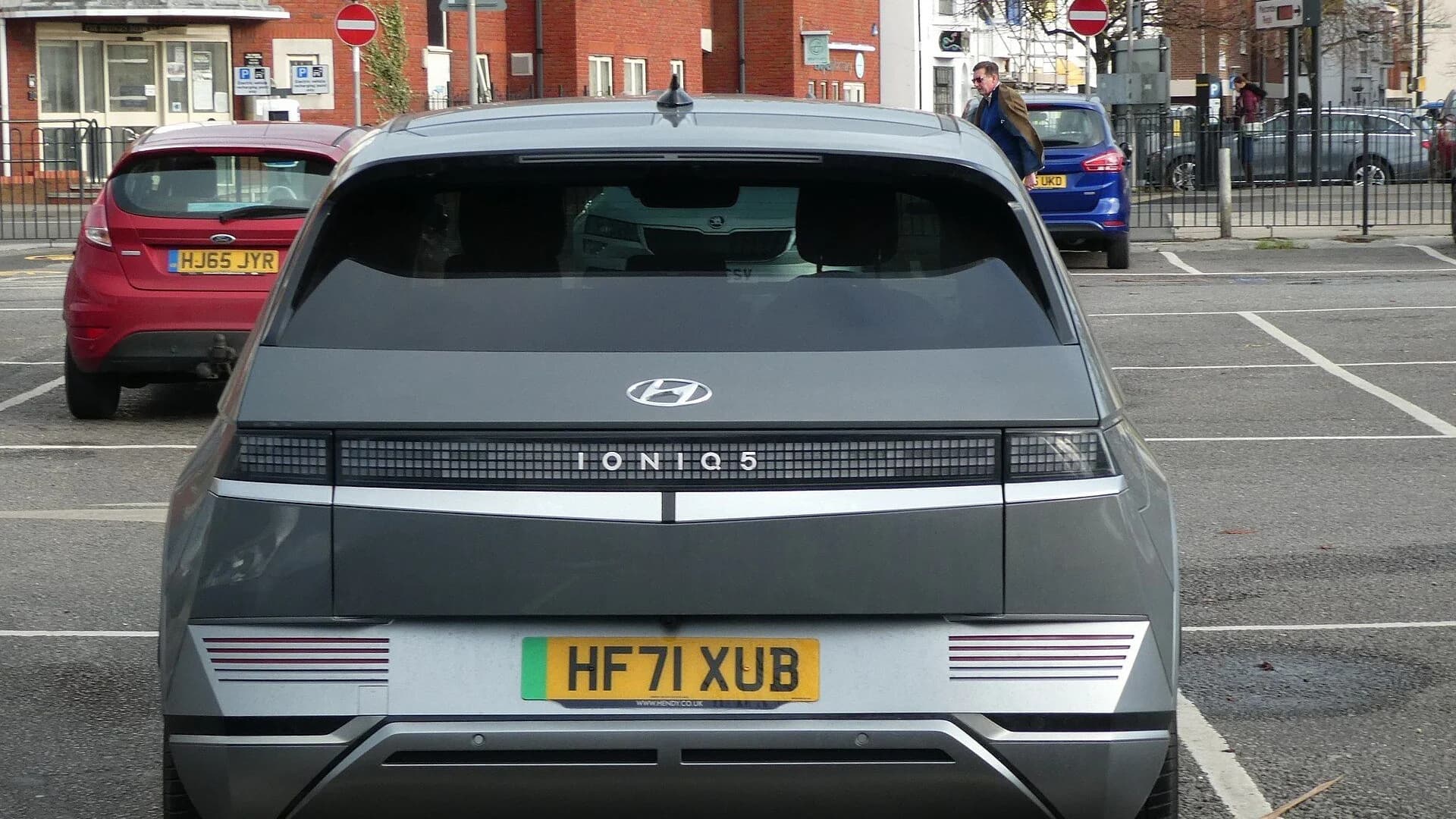
Hyundai just cut the IONIQ 5's price in South Korea. BYD didn't even have to ask.
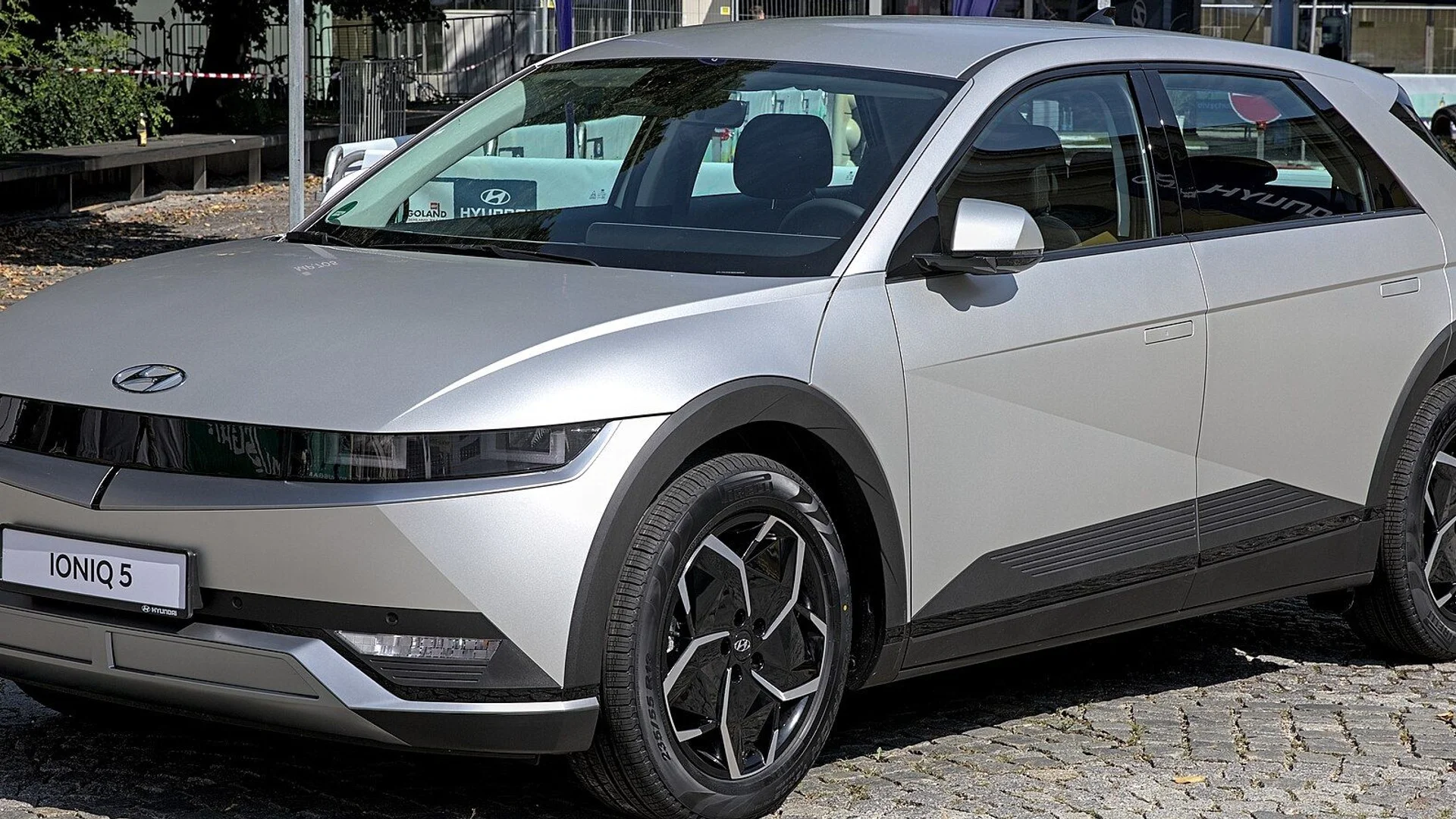
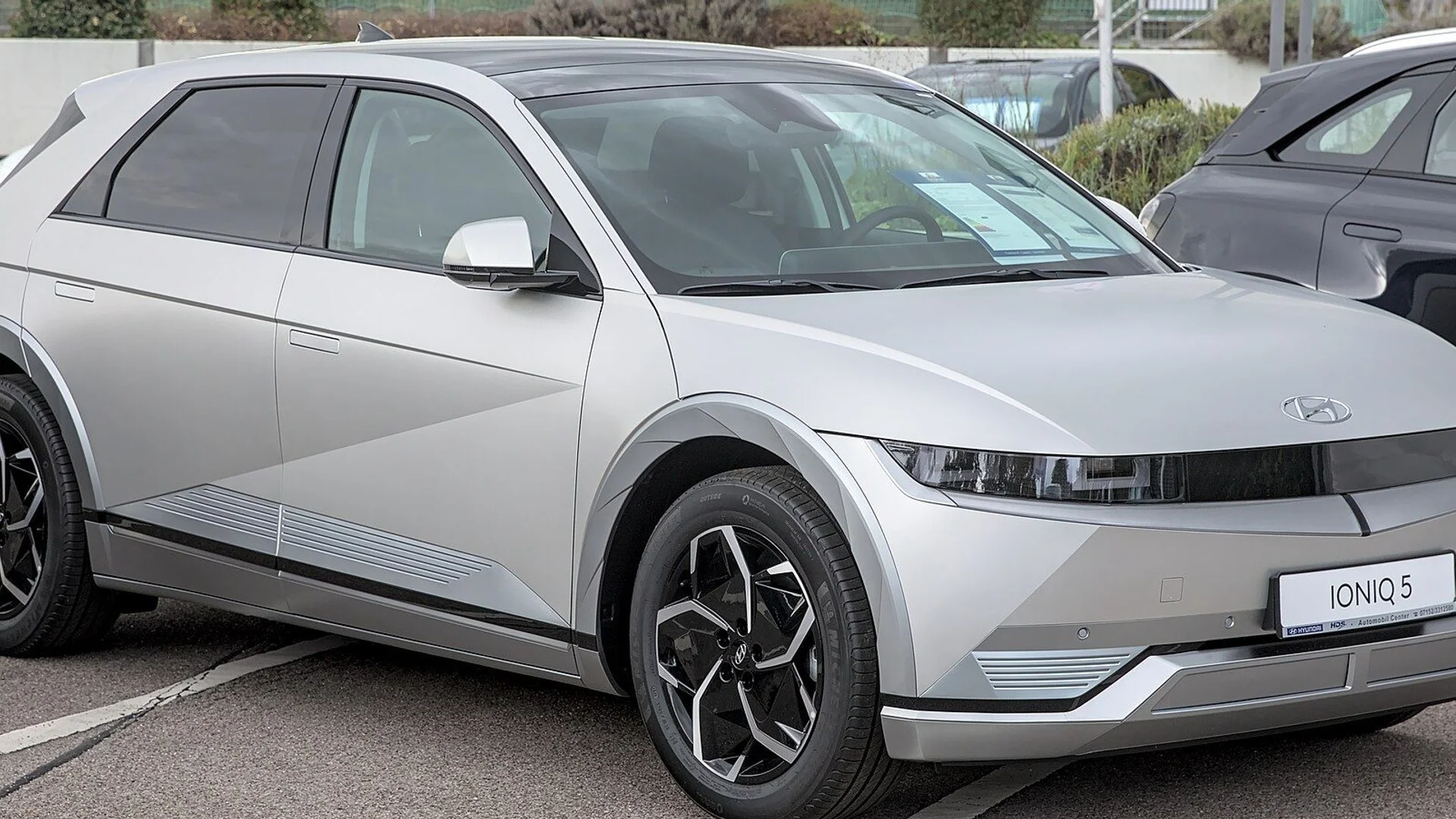
That's the story underneath this week's two simultaneous IONIQ 5 headlines. Over in its home market of South Korea, the 2027 Hyundai IONIQ 5 has just launched, coming in with a price cut, trying to stay competitive with the ever-expanding BYD lineup. At the same time, the 2026 Hyundai IONIQ 5 has just got exclusive EV recognition over in the United States.
One country, Hyundai is on the back foot. Another country, Hyundai is the benchmark. Both stories landed in the same news cycle. Read together, they tell you exactly where the EV market is splitting in mid-2026, and which side of the split Hyundai is winning on.
Key takeaways
- Hyundai cut the 2027 IONIQ 5's Korean price the same week BYD expanded its lineup there.
- The CarGurus 'Best EV Experience' award draws from actual buyer behaviour on the platform, not journalist panels.
- The IONIQ 5 holds roughly 32% of BC EV sales in 2026 despite the iZEV pause and NACS port friction.
- In the US the IONIQ 5 competes on experience; in Korea it competes on price, BYD is the difference.
- Hyundai's 2026 trim simplification was a product decision; the 2027 Korean price cut is a market decision.
The Price Cut Nobody's Calling A Price Cut
Hyundai launched the 2027 IONIQ 5 in South Korea this week, and the press copy reads like a routine model-year refresh. It isn't. The release lands as BYD's Korean lineup is expanding aggressively, and the price re-shuffle is the part Hyundai isn't shouting about.
Given the number of significant updates over the last few years, nobody expected Hyundai to overhaul the IONIQ 5 for 2027, and they didn't. The sheet metal carries over. The platform carries over. What changes is the sticker. Call it what it is. This is a defensive price action dressed up as a model-year announcement.
The case against reading it that way is straightforward. Korean automakers refresh annually. Prices drift down across an EV's lifecycle as battery costs fall. A 2027 price step doesn't have to mean panic. Fair. But routine refreshes don't get timed to land the same week a competitor announces a wider lineup, and routine refreshes don't bury the price line under the spec line. The timing is the tell.
Hyundai has been here before with the 2026 model. In December 2025, the 2026 model year changes saw the number of variants reduced from 16 to four, new Elite and Premium trims replaced the former Dynamiq and Epiq trims, the N-Line styling option was removed (became standard on the Premium trim), and all variants moved to the 84 kWh battery pack. That was a simplification pass, cleaner SKUs, fewer decisions for buyers, easier inventory math.
The 2027 move is different. Simplification was a product decision. A price cut against BYD is a market decision. Hyundai is telling its Korean dealer network that holding price is no longer the strategy.
Meanwhile In America, An Award That Actually Means Something
While Korea got the price cut, the US got the trophy. The 2026 IONIQ 5 was named "Best EV Experience" in the inaugural CarGurus Confidence Awards, announced May 6, 2026. CarGurus cited charging convenience, interior flexibility, and intuitive systems as the decisive factors. The headline numbers it pulled to justify the award were a 318-mile EPA range and 350 kW DC fast-charging capability.
The CarGurus award is not pressroom theatre, and the distinction matters.
Most car awards come from journalist panels, a panel of journalists who tested cars on closed tracks for two days. The CarGurus award is buyer-sentiment shaped. It's pulled from how shoppers actually evaluate vehicles on the platform, not from a jury's mood after lunch. When CarGurus cites charging convenience as decisive, that's aggregated buyer behaviour talking, not a press release.
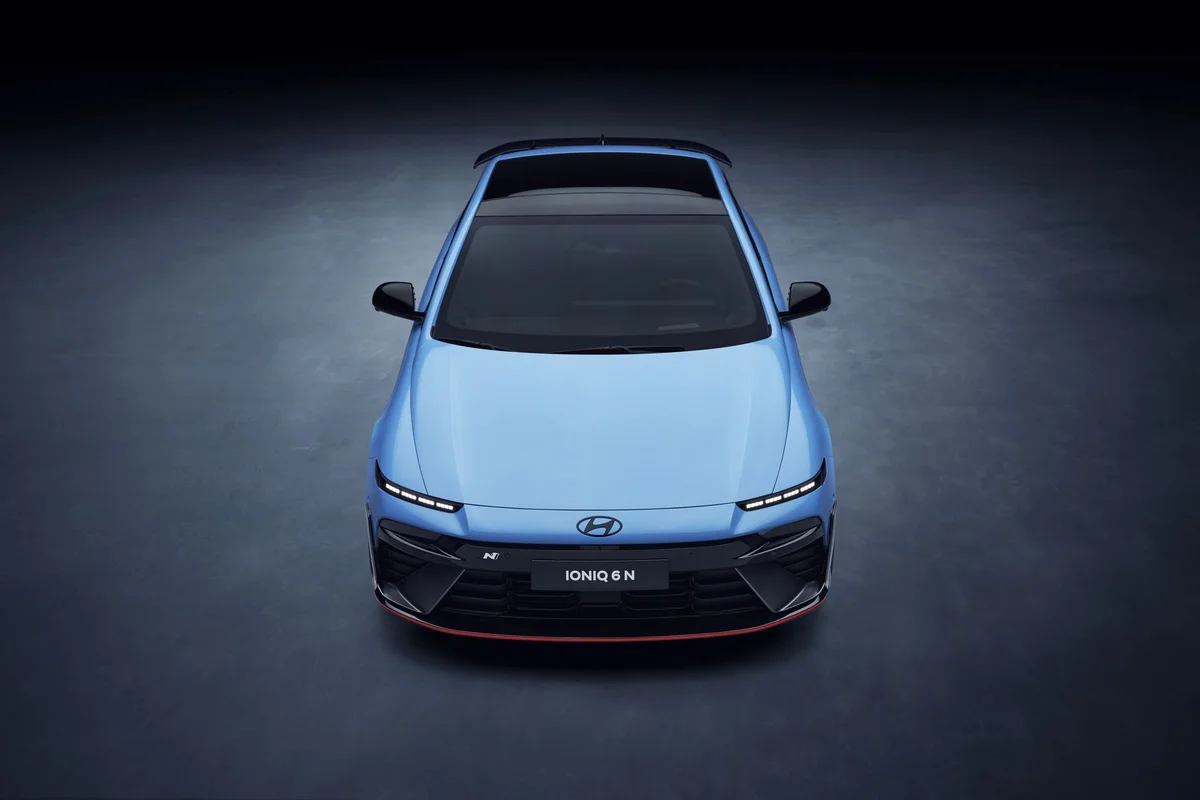
For a four-year-old platform, that's the harder award to win. New nameplates get to ride launch buzz. The IONIQ 5 is past launch buzz. It's winning on the part that's hardest to fake, the ownership experience after the honeymoon ends. For the architecture-level argument behind that ownership experience, the case is already made in Hyundai's broader EV philosophy explained through the Ioniq 6 N.

Gear worth having
As an Amazon Associate, ThinkEV earns a small commission from qualifying purchases — at no extra cost to you.

ChargePoint Home Flex Level 2 Charger (50A)
Premium 50A / 12 kW charger with the best app ecosystem. Hardwired or NEMA 14-50, with real-time energy tracking and smart scheduling.
As an Amazon Associate, ThinkEV earns from qualifying purchases — at no extra cost to you.
Two Markets, Two Different Fights
Korea and the US are not the same battlefield. The IONIQ 5 is fighting two completely different fights, and the same product is producing two completely different outcomes.
In Korea, Hyundai is the incumbent under siege. BYD's lineup is widening, the Korean buyer is increasingly comfortable with Chinese brands, and Hyundai is defending share in its own backyard. Cutting price is what incumbents do when they don't want to talk about why they need to cut price.
In the US, the IONIQ 5 isn't the cheapest EV. It isn't trying to be. Enhancements for 2025 and 2026, including updated styling, a new Tesla-style charging port and a significant drop in price, have made this EV SUV even more appealing. The US "price drop" already happened. The award win is the receipt.
The split tells you something about where each market actually is. Korean EV buyers in 2026 are price-shopping a maturing segment. American EV buyers, at least the ones CarGurus aggregates, are experience-shopping. Same car. Two universes.
The named comparison that makes the contrast sharp is BYD itself. In Korea, BYD's expansion forced Hyundai's hand inside six months. In the US, BYD isn't selling passenger cars, so the IONIQ 5's competition is the Tesla Model Y, the Ford Mach-E, and the Kia EV6, all of which the IONIQ 5 beat to a buyer-sentiment award. Take BYD out of the picture and Hyundai looks dominant. Put BYD back in and Hyundai is cutting price. The variable isn't Hyundai. It's the competitive set. The platform-mate cross-shop math for Canadian buyers gets the full treatment in the Hyundai Ioniq 5 vs Kia EV6 Canada 2026 comparison.
Gear worth having
As an Amazon Associate, ThinkEV earns a small commission from qualifying purchases — at no extra cost to you.

TP-Link Kasa Smart Plug with Energy Monitoring
Track exactly how much electricity your Level 1 charger uses and schedule it for off-peak hours. Know your real cost per kWh.
As an Amazon Associate, ThinkEV earns from qualifying purchases — at no extra cost to you.
The Numbers Behind The Momentum
Sales data backs the experience-leadership story in North America. The Hyundai Ioniq 5 accounts for roughly 32% of EV sales in British Columbia in 2026, a number that's stayed remarkably stable across a year when Tesla's volume softened, the federal iZEV programme paused and restarted, and the NACS port switch created real customer-facing friction. A four-year-old platform holding a third of a province's EV mix through that kind of turbulence is not normal. Provincial mix data is broken down further in the most popular EV in each province in Canada in 2026 breakdown.
Brand loyalty is the unglamorous part of this story. Nobody covers it because there's no event to point at. The IONIQ 5 didn't win this share with a launch. It won it by not breaking. The trim simplification, the port switch, the price-drop reset, Hyundai kept moving without losing customer trust.
That matters for what happens next. The 2027 will land in Canada and the US on a foundation of buyer goodwill that Hyundai's Korean strategy can't lean on. The price-ladder context against affordable rivals is covered in the BYD Dolphin vs Chevy Bolt 2027 Canada comparison and the wider affordable EVs in Canada with the 2027 Chevy Bolt read.
Gear worth having
As an Amazon Associate, ThinkEV earns a small commission from qualifying purchases — at no extra cost to you.

PULIDIKI Car Cleaning Gel (Detailing Putty)
Press it into vents, buttons, and seams and it lifts out dust you did not know was there. Weirdly satisfying, genuinely useful.
As an Amazon Associate, ThinkEV earns from qualifying purchases — at no extra cost to you.
What Community Sentiment Actually Says
Strip away the press releases and look at owner discourse. The picture is consistent.
EV forums and X consistently rank the IONIQ 5's charging experience above its rivals, and that ranking pre-dates the CarGurus award by months. The 800V architecture and the 350 kW peak rate aren't just marketing numbers. They translate to short charging stops that owners notice and post about, repeatedly.
Post-NACS port update, the range-anxiety complaint volume dropped. Tesla Supercharger access on a Hyundai-branded car was the missing piece of the ownership story, and once it landed, the most repeated owner objection went quiet. There's almost no buyer-regret discourse around the IONIQ 5 right now, unusual for any car this far into its lifecycle, let alone an EV that's been through trim re-shuffles and a port change.
The counter-argument is that forum sentiment skews toward enthusiasts who self-select into ownership, and CarGurus' shopper data skews toward buyers already filtering for EVs. Both samples are biased. Granted. But the bias cuts the same direction across competing models, and the IONIQ 5 still comes out ahead, the only comparison that matters when you're trying to rank within a category, not across categories.
The N variant tells the same story in a different register. The performance proof point is real, not theoretical, the full case sits in the Hyundai Ioniq 5 N Canada review.
Hyundai's Real Problem: The 2027 Has To Be Better Than Fine
A price cut in Korea is smart short-term. It buys time. It does not answer the harder product question, which is: what does Hyundai do when BYD's next-generation models arrive and the IONIQ 5 is still riding a platform that launched in 2021? The facelifted Ioniq 5 was launched on 23 July 2024, with the option of a N Line styling package, and the 2027 is a refresh on that same architecture in a segment that moves in 18-month cycles.
Goodwill has a shelf life. The IONIQ 5 has more of it than almost any other EV on sale right now, but BYD, XPeng, Geely's Zeekr brand, and Hyundai's own Kia stablemate aren't standing still. The CarGurus award is a 2026 reading. The 2027 numbers will tell a different story if Hyundai treats this refresh as the whole answer.
What would change the read: a Hyundai announcement before end of 2026 confirming the next-gen E-GMP successor with a hard 2028 launch window, and a battery chemistry roadmap that doesn't depend on legacy NCM economics. What's worth watching: the Korean monthly sales mix between IONIQ 5 and BYD's Atto and Seal lines through the back half of 2026. If Hyundai's price cut buys back more than five points of share in Korea, the strategy worked. If it buys back less than two, the 2028 platform decision becomes existential rather than competitive.
The 2028 is the one to watch. That's when the next-gen platform decision lands publicly. Anything between now and then is Hyundai managing the gap.
Gear worth having
As an Amazon Associate, ThinkEV earns a small commission from qualifying purchases — at no extra cost to you.

WixGear Magnetic Air Vent Phone Mount (2-Pack)
A magnet strong enough that your phone never flinches over potholes or rail crossings. Two in the box, one for each car.
As an Amazon Associate, ThinkEV earns from qualifying purchases — at no extra cost to you.
Winning Awards And Cutting Prices At The Same Time Is A Signal
Strong US brand equity plus defensive Korean pricing puts Hyundai at an inflection point.
The IONIQ 5 is still the benchmark mid-size EV in North America, and the CarGurus award is the right kind of validation for the right kind of reason. But benchmarks don't hold themselves. The 2027 IONIQ 5 needs more than a lower sticker to answer 2026's BYD, and Hyundai knows it.
The next 18 months are the ones that matter. The company winning in the US is the same company that just blinked in Korea.
Gear worth having
As an Amazon Associate, ThinkEV earns a small commission from qualifying purchases — at no extra cost to you.
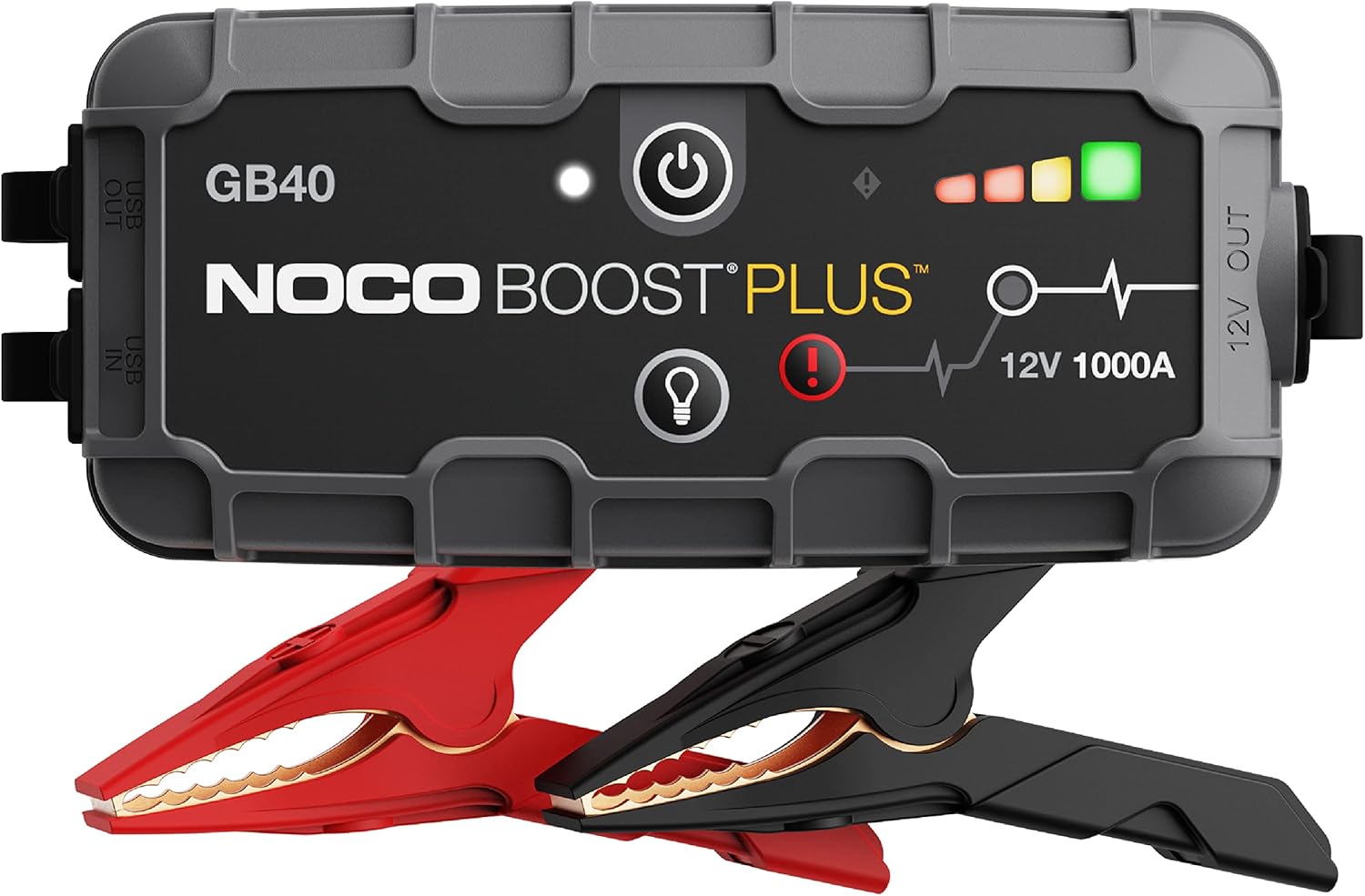
NOCO Boost Plus GB40 Jump Starter
A 1000A lithium jump starter that fits in your glovebox and works on any 12V battery. Your insurance against a dead 12V in a parking lot.
As an Amazon Associate, ThinkEV earns from qualifying purchases — at no extra cost to you.

Founder & Chief Editor
Vlad Pereira is the founder and chief editor of ThinkEV.ca, the Canadian electric-vehicle publication he writes and edits from Courtenay, British Columbia. He covers EV pricing, federal and provincial rebates, charging costs, and the Chinese manufacturers now entering Canada, from the buyer's side rather than the press-fleet side. ThinkEV is a venture of Vlad Pereira Online; his writing on health, income and the long game lives at vladpereira.com.
Frequently asked questions
Is the 2027 IONIQ 5 coming to Canada with the same price cut?
What made the CarGurus award different from typical auto-industry awards?
How is BYD threatening Hyundai in Korea but not the US?
What's behind the IONIQ 5 holding 32% of BC EV sales?
Did Hyundai already cut the IONIQ 5's price in North America?
More EV & road-trip finds
Affordable upgrades worth a look — tap any to check the price on Amazon.
 ★ 1,944
VIOFO A229 Pro 4K Dash Cam
View on Amazon ★ 121
★ 121Foldable Windshield Sun Umbrella
View on Amazon ★ 268
★ 268Anti-Slip Leather Steering Wheel Cover
View on Amazon ★ 9,349
Auto Detailing Brush Set (10-Piece)
View on Amazon ★ 419
★ 419RGB Car Interior LED Strip Light
View on Amazon ★ 568
★ 568Personalized Photo and Text Keychain
View on Amazon ★ 4,424
Sun Visor Card and Document Organizer
View on Amazon ★ 1,866
70mai A810 4K Dual Dash Cam
View on AmazonRead, Plan, Then Stay Current
Explore our expert articles to understand incentives and ownership costs, use the map to pressure-test charging reality, then subscribe so new EV coverage comes straight to you.
Continue Reading
2027 Hyundai IONIQ 5 Base Price Goes Up $250 to $35,250
Hyundai and Kia Tell 14 EV Owners to Park Away From Structures

BYD Denza B8 Suspension Trick Defeats Traffic Boot in Viral Clip
Hyundai Genesis Recall: Park Outside Warning Hits 94,622

BYD Q3 Electric Semi Marks 150,000th Commercial NEV