Key takeaways
- The longest-range EV on sale in Canada is the Lucid Air Grand Touring at 824 km (EPA), and it lists at $161,200 before tax. Range is the most expensive number on a spec sheet.
- Five vehicles now clear 700 km on the EPA cycle here: the Lucid Air, the Chevrolet Silverado EV, the Cadillac Escalade IQ, the Lucid Gravity, and the Rivian R1T.
- For most Canadians the number that matters is closer to 550 km, and the Hyundai Ioniq 6 (581 km NRCan) and Kia EV4 (552 km rated) deliver it for less than a third of the Lucid's price.
- The federal EVAP rebate caps at $50,000, so almost nothing on the long-range leaderboard qualifies. The Kia EV4 is the rare exception.
- A Canadian winter erases 20 to 40 percent of every figure here, which is the honest argument for buying more range than you think you need.
The Number That Costs the Most
The longest-range electric car you can buy in Canada is the Lucid Air Grand Touring, rated at 824 kilometres on the EPA cycle. It costs $161,200 before a single tax is added. The distance is real, it is genuinely available at a Canadian studio today, and it is priced like the luxury good it is.
Range is the most expensive number on any EV spec sheet, and the 2026 leaderboard makes the cost of it unusually easy to see. Below the Lucid sit a Chevrolet pickup, a Cadillac the size of a small apartment, and a clutch of German and Korean sedans. Almost all of them cost more than $85,000. Then, much further down the price column and only a little further down the range column, sit the two cars most Canadians should actually be reading about.
What follows ranks the longest-range EVs you can actually order in Canada, translates each number into what Canada's conservative rating really means, and marks where the price of range stops being worth paying. The finding underneath it is simple: for almost everybody, the 550 km car is the smarter buy than the 824 km one, and it costs roughly $115,000 less.
The 2026 Range Leaderboard
Here are the longest-range EVs a Canadian can order in 2026, ranked by official range. The label matters as much as the number, so it is on every line. EPA is the US methodology Canada's NRCan ratings track closely; both are far more conservative than the European WLTP or Chinese CLTC cycles you will see quoted in launch press.
The vehicles that clear 700 kilometres are, with one exception, very large and very expensive:
- Lucid Air Grand Touring, 824 km (EPA). From $161,200. A 112 kWh pack, a 924-volt architecture, and the most efficient luxury EV on the planet. No federal rebate, obviously.
- Chevrolet Silverado EV Max Range, 793 km (EPA). From roughly $86,599. A roughly 200 kWh battery hauling a full-size work truck that distance is an engineering flex, not a value proposition.
- Cadillac Escalade IQ, 740 km (EPA). From $130,405. A 205 kWh pack moving three tonnes of Cadillac. It is, to be fair, a number.
- Lucid Gravity Grand Touring, 724 km (EPA). From $134,500. Lucid's SUV, and the efficiency lessons from the Air carry straight over.
- Rivian R1T Max, 676 km (EPA). A 149 kWh pack in the dual-motor truck. Rivian Canada has posted a clean price for the R1S SUV ($152,107) but not the R1T; the defensible band for the dual-motor Max truck is $100,000 to $115,000 until Rivian publishes an official one.
Below them sit the cars a normal household would actually finance, where the range slips only a little and the price drops a lot:
- Tesla Model S Long Range, 660 km (EPA). From $139,990. Still quick, still aerodynamic, no longer the range king it once was.
- Mercedes-Benz EQS 450+, 628 km (EPA). From about $113,950. A 107.8 kWh pack and a 200 kW charging ceiling that is starting to look dated.
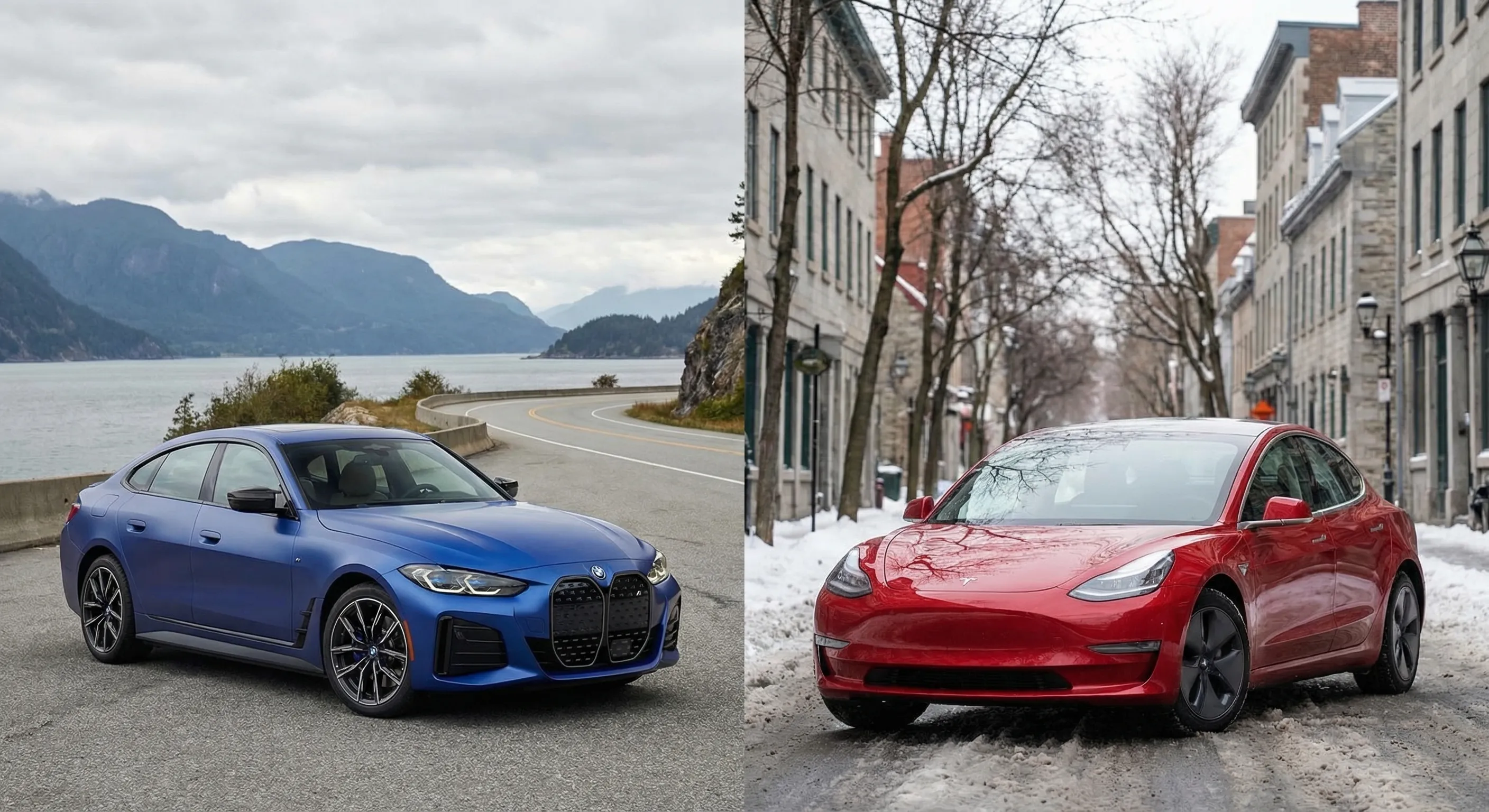
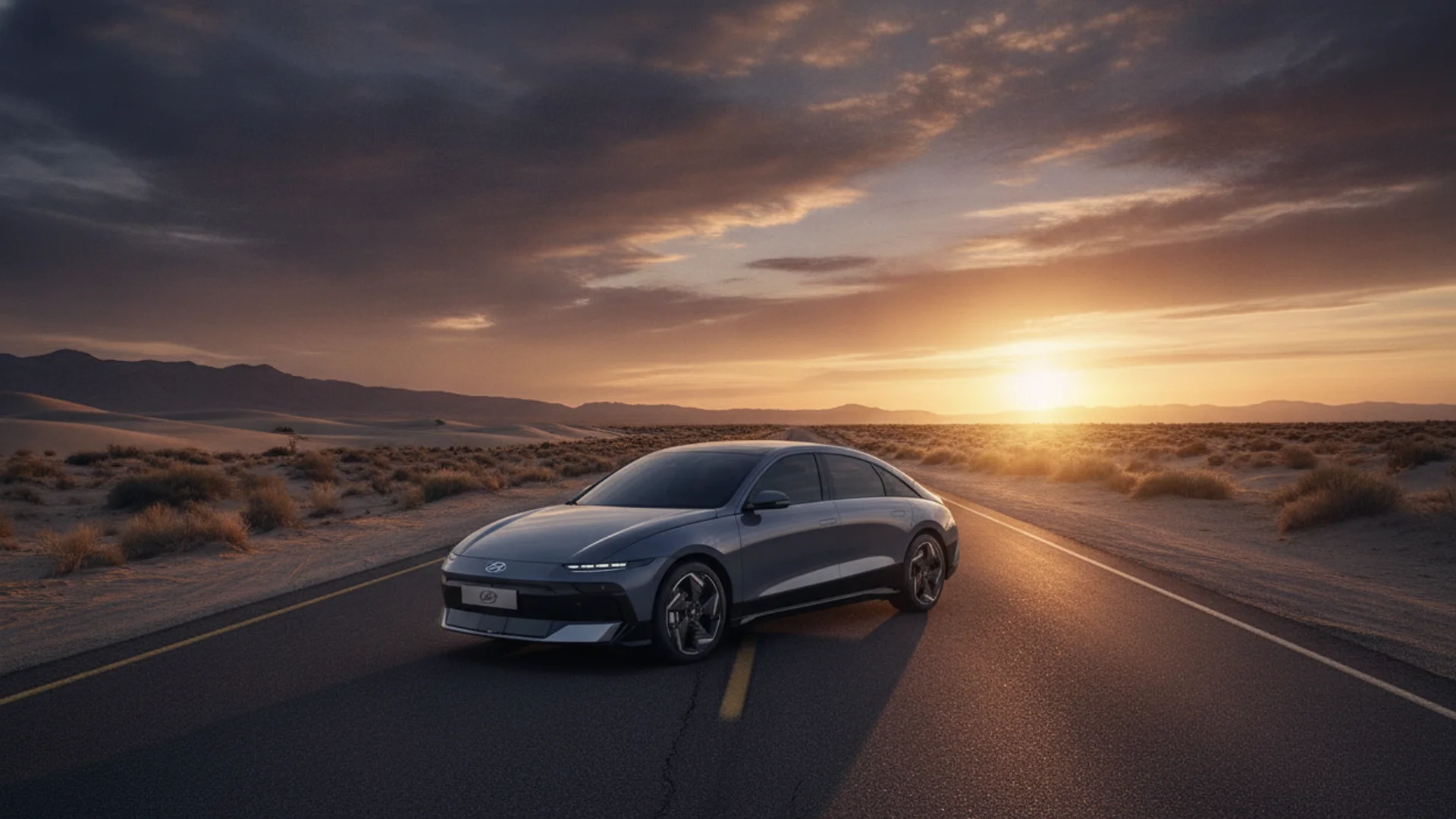
- Hyundai Ioniq 6 Long Range RWD, 581 km (NRCan). From $54,999. The first car here a normal budget can reach, and the first that charges at 350 kW.
- Kia EV4 Wind Long Range, 552 km (rated). From $45,145. The cheapest car here by a wide margin, and the only one that qualifies for the federal rebate.
- BMW iX xDrive60, up to 547 km (BMW Canada, EPA method). From $88,900. A preliminary figure on a refreshed flagship.
- Hyundai Ioniq 9 RWD, 539 km (NRCan). From $59,999. Three rows, 800-volt charging, and a range figure that shames most two-row SUVs.
Notice where the column breaks. Everything above 600 km costs north of $85,000. Everything a household on a normal budget would finance sits at 581 km and below. The distance between the Lucid's 824 km and the Ioniq 6's 581 km is 243 kilometres of range and roughly $106,000 of price.
What 800 Kilometres Actually Buys You
A Level 2 charger adds about 40 to 50 kilometres of range per hour. At that rate, a Lucid Air's 824 km is not a daily benefit. It is a buffer you spend down across a week and refill overnight, the same way the driver of a 450 km EV does. The extra range only pays off on the kind of long highway day most people drive a handful of times a year.
That is the uncomfortable part of the top of this leaderboard. Above roughly 550 km of real-world range, you are buying insurance against an event that rarely happens, and the premium is steep. The Silverado EV's 793 km is a genuine marvel, and it exists mostly so the truck can tow without the range collapse that makes electric pickups nervous. The Escalade IQ's 740 km moves a vehicle so heavy that the battery has to be enormous just to deliver a normal result. These are not efficient cars. They are large cars with very large batteries, and the range follows from the size.
The Lucid is the exception that proves the rule. It hits 824 km not by carrying the biggest battery but by being the most efficient luxury car made, which is the genuinely impressive engineering story and the reason it deserves the top spot. I have not driven one. The efficiency figures, the 924-volt charging, and three years of owner range tests all point the same way. For the full argument about whether the company behind it can survive long enough to honour the warranty, the numbers on Lucid as a business are their own conversation.

Here is the case for ignoring the top of the chart. The average Canadian drives about 55 kilometres a day. A 450 km real-world EV covers that with a week of margin. A 550 km car covers it with so much margin that the number stops being a constraint and starts being a comfort.
The two cars that deliver this without a six-figure price are the Hyundai Ioniq 6 and the Kia EV4. The Ioniq 6 is the most aerodynamic car on sale in Canada, and its 581 km NRCan rating comes from a modest 77.4 kWh pack rather than a heavy one. It charges from 10 to 80 percent in about 18 minutes on a 350 kW station, because it runs the same 800-volt architecture as cars that cost twice as much. At $54,999 it is the most range-efficient buy on this entire list.
Gear worth having
As an Amazon Associate, ThinkEV earns a small commission from qualifying purchases — at no extra cost to you.

AstroAI Portable Tire Inflator
One tap, it inflates to your exact PSI then stops automatically. Low tires cost 5 to 10 percent of your range, so this pays for itself in a week.
As an Amazon Associate, ThinkEV earns from qualifying purchases — at no extra cost to you.
The EV4 is the value outlier. Kia rates the long-range Wind trim at 552 km, and it starts at $45,145. That is more rated range than a $113,950 Mercedes EQS, in a car that costs a third as much. The catch is the test cycle, which brings us to the one number on every spec sheet you should learn to distrust.
Gear worth having
As an Amazon Associate, ThinkEV earns a small commission from qualifying purchases — at no extra cost to you.
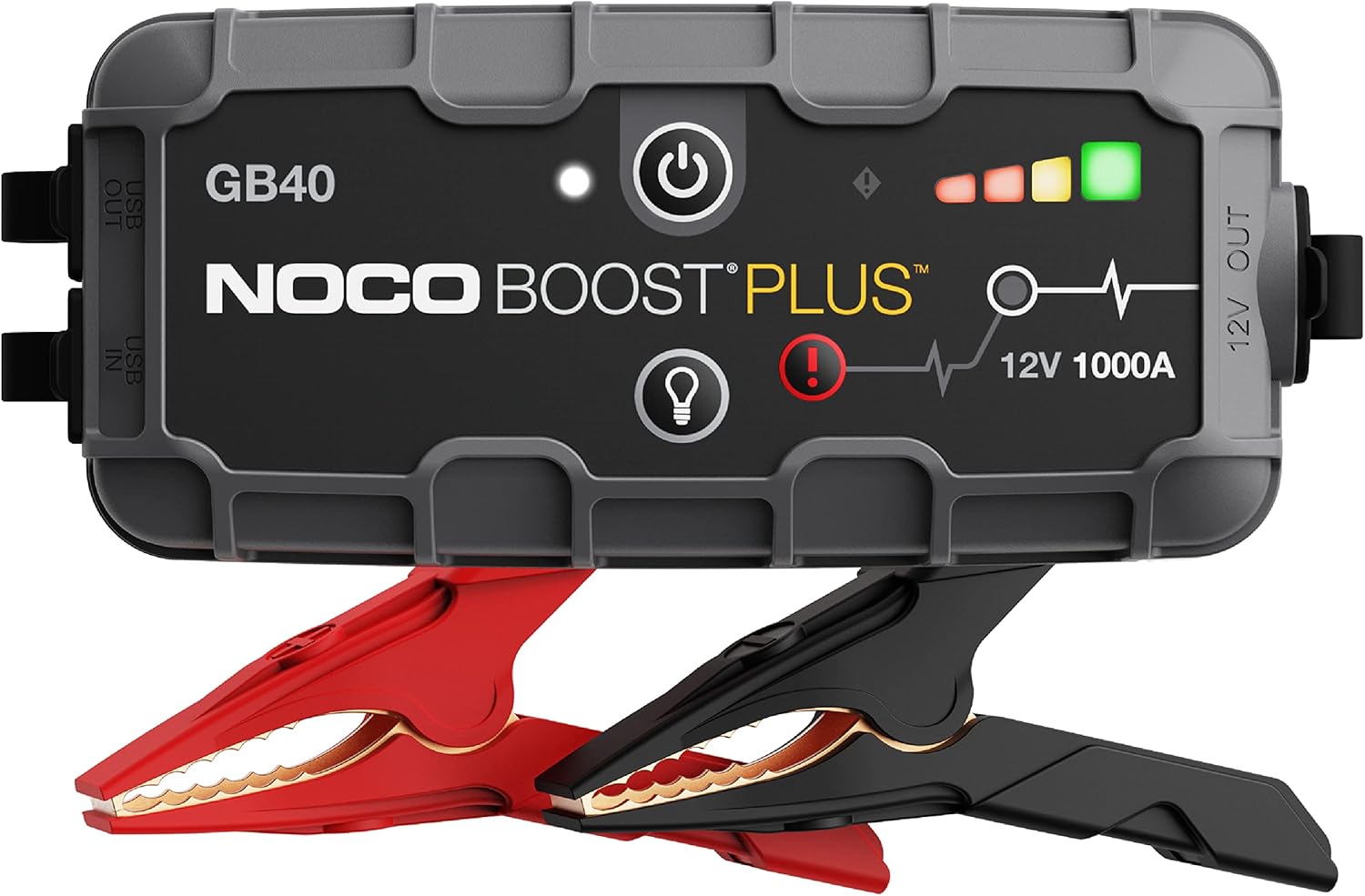
NOCO Boost Plus GB40 Jump Starter
A 1000A lithium jump starter that fits in your glovebox and works on any 12V battery. Your insurance against a dead 12V in a parking lot.
As an Amazon Associate, ThinkEV earns from qualifying purchases — at no extra cost to you.
Why the Canadian Number Is Lower
Range figures are not one measurement. They are several, and the gap between them is wide enough to change a buying decision. Canada reports NRCan ratings, which track the US EPA cycle closely. Europe uses WLTP, which runs roughly 15 to 25 percent more optimistic. China uses CLTC, the most generous test in active use anywhere on Earth, which is one way for a small car to carry a big number.
This is why a Chinese-market or European launch headline almost always shrinks when the car reaches a Canadian window sticker. It is also why the Kia EV4's 552 km deserves a small asterisk: the figure has carried a WLTP label in some coverage, while Kia Canada's dealer materials describe an NRCan-method test. Until Kia Canada publishes it on the official spec page, treat 552 km as the optimistic end and budget for something in the 440 to 490 km band in real Canadian summer driving. That is still excellent for the money. It is just not 552 km of highway into a headwind.
Mercedes offers the cleanest example of the trap. The company announced a next-generation EQS in April rated at 926 km, a number already travelling the internet as fact. That is a WLTP figure, and WLTP runs optimistic; on Canada's rating it would land meaningfully lower, somewhere around 700 km. In any case that car is not on sale in Canada yet. The EQS you can buy today is the 628 km version. Before you set two range numbers side by side, confirm they were measured on the same test.
Then Winter Takes Its Cut
Every number above is a fair-weather number. Canadian cold does not care about your spec sheet. In the CAA's cold-weather testing, EV range losses ranged from 14 percent on the best performers to 39 percent on the worst, and at minus 30 the bottom of that range gets deeper. The full breakdown of what a real Canadian winter does to EV range is worth reading before you buy, because it reorders the leaderboard.
It also reframes the whole "how much range do I need" question. A 400 km EV that loses 35 percent in a cold snap is a 260 km car in February, which is fine for a commute and tight for anything else. An 824 km Lucid losing 30 percent is still a 577 km car in deep cold, more than most EVs manage in July. This is the single honest argument for buying extra range: not for the road trip you take twice a year, but for the January morning when a third of your battery is gone before you have left the driveway. If winter resilience is your priority, the physics of which EV actually holds up in the cold matter more than the summer rating.
Gear worth having
As an Amazon Associate, ThinkEV earns a small commission from qualifying purchases — at no extra cost to you.

Grizzl-E Classic Level 2 EV Charger (40A)
Canadian-made and rated for minus 40C winters. 40A / 9.6 kW, NEMA 14-50, indoor/outdoor, 24-ft cable. The charger built for Canadian weather.
As an Amazon Associate, ThinkEV earns from qualifying purchases — at no extra cost to you.
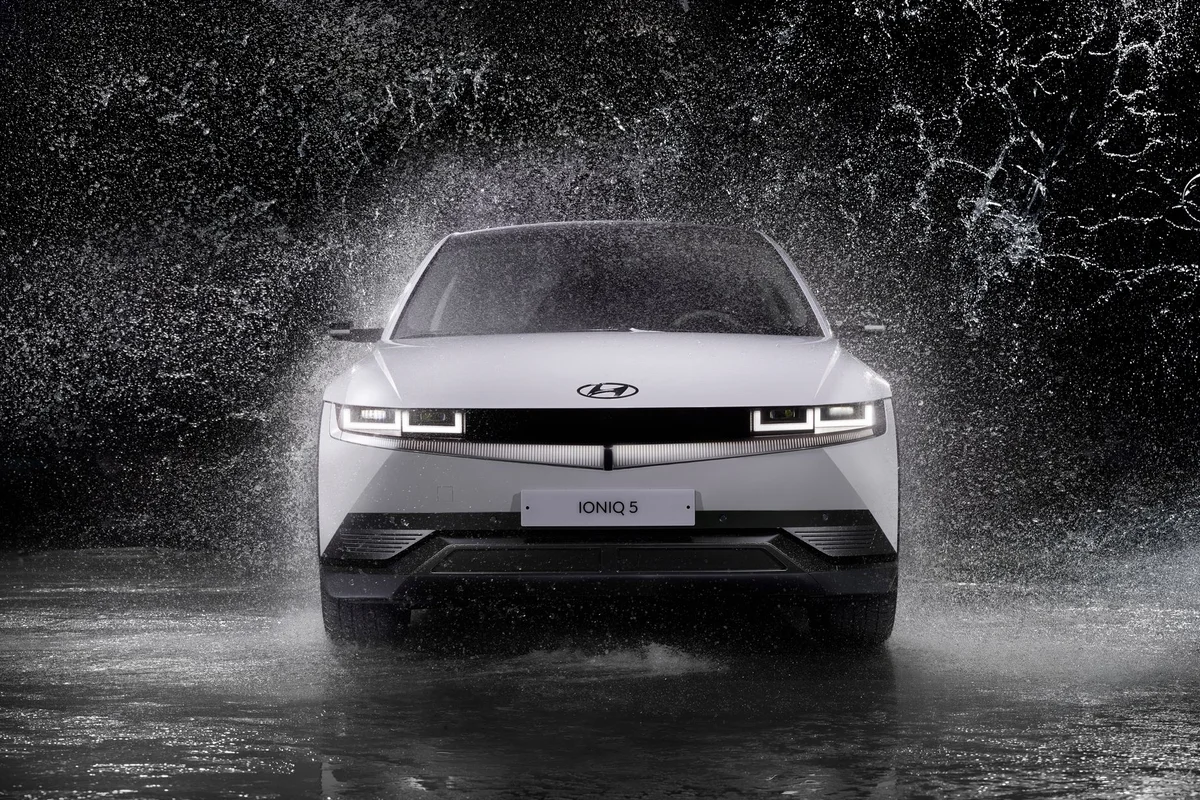
There is a clean line through this list, and the federal government drew it at $50,000. The EVAP rebate puts $5,000 back on an eligible EV, but the final transaction value has to land at or under fifty thousand, and the program excludes vehicles built in China regardless of price. Run that filter across the leaderboard and almost everything disappears. The Lucid, the Silverado, the Escalade, the Teslas, the Germans, even the Ioniq 6 at $54,999 all sit above the cap.
The Kia EV4 Wind, at $45,145, is the one long-range car on this list that clears it. After the rebate it is effectively a $40,000 car with more than 500 kilometres of rated range, and in Quebec the provincial top-up pushes it lower still. Its corporate cousin, the EV6 Light, sneaks under at $48,995 if you can live with rear-wheel drive. Everything else here is a cash-price decision. For the full eligibility math and the province-by-province stacking, the EVAP rebate guide has the current rules. The short version: range and the rebate live on opposite sides of a $50,000 wall, and the EV4 is the only car that climbs over it.
The Verdict
If money is genuinely no object and you want the longest-range EV in the country, the Lucid Air Grand Touring at 824 km is the answer, and it is a deserving one. The efficiency is real engineering, not marketing.
For everyone else, the leaderboard is a trap. The range you are paying for above 600 km is insurance you will rarely cash in, and the premium runs to six figures. The smarter buy is the Hyundai Ioniq 6 at 581 km and $54,999 if you want the efficient long-distance sedan, or the Kia EV4 at a rated 552 km and $45,145 if you want the most range your dollar can buy and the only rebate cheque on this list. Both will out-range your actual life by a comfortable margin, and both will still have more than enough left in a Canadian February.
The smarter move is to buy enough range to shrug off a Canadian February with margin to spare. The 550 km car does that, and it does it for a fraction of what the leaderboard's leaders charge. For a wider look at what fits a tighter budget, the cheapest EVs in Canada start well under the cars here and still clear 400 km.
Gear worth having
As an Amazon Associate, ThinkEV earns a small commission from qualifying purchases — at no extra cost to you.

Digital Tire Pressure Gauge
Low tires quietly cost 5 to 10 percent of your range. A 10-second check with an accurate digital gauge keeps every kWh on the road.
As an Amazon Associate, ThinkEV earns from qualifying purchases — at no extra cost to you.
Related Reading
- Hyundai Ioniq 6 Canada Review 2026, The most aerodynamic car you can buy here, and the efficiency play that earns its 581 km.
- The Kia EV4 Is Canada's Cheapest Long-Range EV, 552 km rated, under $46,000, and the only car on this list with a rebate cheque.
- EV Winter Range Test: 14 EVs in Canadian Cold, What the CAA found when the temperature dropped, and why it reorders the leaderboard.
- Canada's $5,000 EVAP Rebate: The Complete 2026 Guide, The $50,000 cap, the China-built exclusion, and the province-by-province stacking math.
- The Most Affordable EVs in Canada (2026), Where the range-per-dollar curve is steepest, starting well under the cars here.
Gear worth having
As an Amazon Associate, ThinkEV earns a small commission from qualifying purchases — at no extra cost to you.

PULIDIKI Car Cleaning Gel (Detailing Putty)
Press it into vents, buttons, and seams and it lifts out dust you did not know was there. Weirdly satisfying, genuinely useful.
As an Amazon Associate, ThinkEV earns from qualifying purchases — at no extra cost to you.

Founder & Chief Editor
Vlad Pereira is the founder and chief editor of ThinkEV.ca, the Canadian electric-vehicle publication he writes and edits from Courtenay, British Columbia. He covers EV pricing, federal and provincial rebates, charging costs, and the Chinese manufacturers now entering Canada, from the buyer's side rather than the press-fleet side. ThinkEV is a venture of Vlad Pereira Online; his writing on health, income and the long game lives at vladpereira.com.
Frequently asked questions
What is the longest-range electric car you can buy in Canada in 2026?
How much EV range do you actually need in Canada?
Do any long-range EVs qualify for the $5,000 EVAP rebate?
Why is the Canadian range number lower than the one in the press release?
How much range do you lose in a Canadian winter?
More EV & road-trip finds
Affordable upgrades worth a look — tap any to check the price on Amazon.
 ★ 314
★ 314Mini USB LED Ambient Lamps (4-Pack)
View on Amazon ★ 401
★ 401Crochet Daisy Rear-View Mirror Charm
View on Amazon ★ 21,304
Car Headrest Hooks (4-Pack)
View on Amazon ★ 21,310
Magnetic Car Phone Mount
View on Amazon ★ 61
★ 61Toddler Car Seat Snack and Cup Tray
View on Amazon ★ 17,839
Qifutan Vent Phone Mount (Military-Grade Clip)
View on Amazon ★ 2,941
Microfiber Cleaning Cloths (Multi-Pack)
View on Amazon ★ 55
★ 55LED Car Door Logo Projector Light
View on AmazonRead, Plan, Then Stay Current
Explore our expert articles to understand incentives and ownership costs, use the map to pressure-test charging reality, then subscribe so new EV coverage comes straight to you.
Continue Reading

EV Highway vs City Range: Why They Flip
Tesla Model Y vs Toyota RAV4: 5-Year Cost Canada

Dodge Charger Daytona vs Tesla Model 3 Performance

Rivian R1T vs F-150 Lightning: Canada 2026 Test
EV vs Gas: 5-Year Cost of Ownership in Canada