Key takeaways
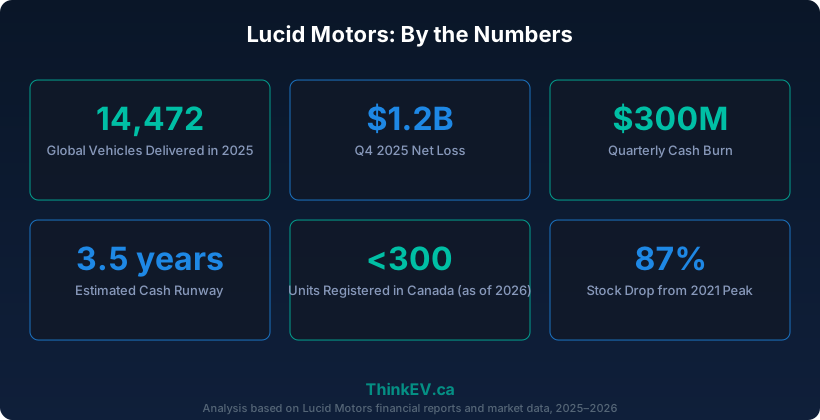
- Lucid lost $83,000 on every car it delivered in 2025, a $1.2 billion net loss against 14,472 vehicles sold.
- It ended 2025 with $4.2 billion in cash while burning $300 million a quarter, about 3.5 years of runway.
- Its Arizona plant can build 34,000 cars a year but ran at just 42% utilization in 2025.
- The Lucid Air depreciates 58% in three years, worse than the Tesla Model S at 42%, leaving a $115,000 car worth about $48,000 by year four.
- Saudi Arabia's Public Investment Fund owns 68% of Lucid and has committed to buying 100,000 vehicles over the next decade, while fewer than 300 Lucids are registered across Canada with only two service centres.
In 2025, Lucid lost $83,000 on every car it delivered. Not on the ones it couldn't sell. On the ones it did. The company delivered 14,472 vehicles and reported a net loss of $1.2 billion for the year. Its stock is down 87% from the 2021 peak. The Air sedan is genuinely one of the finest electric cars ever built. The company selling it may not be around in three years.
The Air is objectively stunning, the kind of car that makes you forget about minivans and grocery runs for a few blissful minutes. But the brand is burning cash at a rate few companies survive, while selling fewer cars than a mid-tier dealership group in Ontario. The company's stock has dropped 87% from its 2021 peak. Canadian buyers should know this isn't primarily about performance specs or charging speeds. It's about whether the company behind the car will still exist in three years, and if not, what happens to service, software updates, and that $130,000 investment parked in your garage.
The Lucid Mirage: Performance vs. Production Reality
Lucid's entire brand identity hinges on two things: technological superiority and luxury refinement. The Air sedan, especially in Sapphire or Grand Touring trim, delivers on both. It's got a dual-motor setup, a single-motor efficiency variant. And a tri-motor configuration for those who want to launch from 0 to 100 km/h in 2.5 seconds, faster than a Porsche 911 Turbo S, and quieter than a library at midnight.
That 1,200-horsepower figure isn't marketing fluff. It's real, measurable, and devastatingly effective when you floor it on a straight stretch of Alberta highway. The balance sheet paints a very different picture, though (see our charger comparison). In 2025, Lucid delivered 14,472 vehicles globally.
That's less than what Porsche moved in Canada alone. Tesla's Model S, a direct competitor in both price and performance, sold over 50,000 units in North America in the same Even Mercedes-Benz's EQS, which critics call underwhelming, outsold the Air by a factor of two. And while Lucid brags about its 729-kilometre EPA range (WLTP-rated up to 837 km), the real issue isn't range anxiety, it's sales anxiety. The company's Arizona factory has the capacity to build 34,000 cars a year.
It's running at about 42% utilization. That's not just inefficient. It's financially dangerous. And every unsold car represents lost margin and increased overhead.
Lucid's cost to produce each vehicle is estimated at $98,000, even after supply chain optimizations. The average selling price is around $115,000 CAD. That sounds like a healthy $17,000 margin, until you factor in R&D, marketing, and the $700 million spent expanding the Casa Grande plant. That margin evaporates. In Q4 2025, Lucid reported a net loss of $1.2 billion, or roughly $83,000 per vehicle delivered. That's not sustainable. To put it another way, for every Lucid Air parked in a Vancouver driveway, the company lost enough money to buy a fully loaded Hyundai Ioniq 5 and still have change left for winter tires and a Level 2 charger.
that this isn't just a U.S. problem. Lucid only began official deliveries in Canada in 2024, and as of early 2026, fewer than 300 units have been registered nationwide. That's fewer than Polestar 2s sold in Toronto last year. The company has one service centre in Mississauga and a pop-up "experience lounge" in Vancouver, not exactly a national footprint.
If you live in Halifax or Regina, your nearest technician is a 4,000-kilometre round trip. And while Lucid promises mobile service units, that's like saying your doctor will Zoom you a splint. It's convenient in theory, but terrifying when you're stranded with a drive unit fault on the Trans-Canada Highway. The tradeoff is clear: you get a car that's objectively better in some ways than anything Tesla or Mercedes offers.
But you're betting on a company with less cash than Shopify had in 2013. Lucid ended 2025 with $4.2 billion in cash and equivalents. That sounds like a lot, until you realise it's burning $300 million a quarter. At that rate, runway is about 14 quarters, or 3.5 years.
But that assumes no delays, no supply chain shocks, and no drop in demand. And after watching Nikola, Fisker, and Lordstown collapse despite similar burn rates, it's hard to feel optimistic. about high-performance EVs: they're not just machines. They're statements. The Lucid Air says, "I care about efficiency, design.
And innovation." But it also says, "I'm comfortable with risk." Because while the car can go from 0 to 100 km/h in under three seconds, the company might not make it to 2029. And unlike a Tesla, which has Superchargers on every highway and a 400,000-vehicle installed base in North America, Lucid's ecosystem is still being built, or worse, outsourced. They rely on third-party shops for most maintenance, which means your warranty could be voided if a local mechanic uses the wrong torque spec on a wheel bearing. That's not paranoia.
That's what happened to early Rivian owners in rural Quebec. And yet, people keep buying. Why? Because the driving experience is that good.
Reviewers who have driven the Grand Touring report similar praise. One automotive journalist looped from Whistler to Pemberton on a rainy October morning and described the ride as silent, the acceleration immediate. The cabin, with its 34-inch curved display and massaging seats, reads like first class on a private jet. The efficiency numbers are jaw-dropping: that reviewer covered 470 km with 30% battery left, even with elevation gains and highway speeds.
That 900-volt architecture and silicon carbide inverter aren't just buzzwords. They translate to real-world savings, about $18 in electricity versus $75 in gas for a comparable luxury sedan. But that efficiency advantage doesn't matter if the company goes under and you can't get a software update to fix a braking glitch. But efficiency alone won't save a company from financial gravity.
Lucid's market cap sits at $11 billion as of April 2026, down from $86 billion at its peak. Meanwhile, BYD, a Chinese EV giant that sold 3 million cars last year, is worth $170 billion. Tesla? $600 billion. Even NIO, which has its own financial headaches, is valued at $28 billion.
Lucid is trying to compete in a space where scale is everything, but it's operating at boutique levels. Their second model, the Gravity SUV, is supposed to change that. Slated for late 2026 deliveries, it's priced at $87,000 CAD, significantly lower than the Air, and targets a broader luxury audience. But even with Gravity, Lucid's projected 2027 production is just 75,000 units.
Tesla builds that many in a single quarter. that import fees, limited charging compatibility, and sparse service networks make owning a Lucid a niche decision. Yes, it's supported by Saudi Arabia's Public Investment Fund, which owns 68% of the company. But sovereign wealth doesn't guarantee long-term success.
Look at McLaren, which is perpetually on the edge of collapse despite British heritage and racing pedigree. Lucid's real challenge isn't technology, it's trust. Can consumers believe that a brand with fewer physical touchpoints than a Tim Hortons kiosk will still exist when their eight-year battery warranty expires? 
The tradeoff is straightforward: you get a car that's class-leading in range, interior space, and powertrain efficiency, but you sacrifice resale value, service convenience, and long-term confidence. The Lucid Air depreciates at 58% after three years, one of the highest rates in the luxury EV segment. A $115,000 car is worth $48,000 by year four.
That's not just bad for resale. It's toxic for leasing, which makes up 60% of luxury vehicle transactions in Canada. If no one wants to take your lease at the end of the term, you're stuck with a $2,000 monthly payment on a car worth half its original price. And while Lucid touts its "California cool" design and Silicon Valley roots, that the company is increasingly Saudi-run and Saudi-funded.
The R&D centre is in Newark, but strategic decisions flow from Riyadh. That's not bad, global capital is global capital, but it raises questions about long-term priorities. Will Lucid focus on North American service expansion, or will resources flow to Middle East markets where government fleets are the primary buyers? Saudi Arabia plans to buy 100,000 Lucids over the next decade.
But that's not the same as building consumer loyalty in Toronto or Montreal. The hard data is sobering: 14,472 units sold, $1.2 billion in quarterly losses, 58% depreciation, 3.5 years of cash runway. These aren't abstract figures. They're red flags.
And while the Lucid Air remains one of the best-driving EVs on the planet, admiration doesn't pay the bills. Not for the company. Not for the owners. Not for the technicians who might one day have to reverse-engineer a proprietary battery pack because the OEM manuals disappeared with the bankruptcy filing.
Cash Burn and the Saudi Lifeline: How Long Can Lucid Last?
Lucid Motors doesn't just burn cash, it incinerates it. In 2025, the company lost $3.8 billion on $1.1 billion in revenue. That's a loss ratio of 345%, meaning for every dollar earned, Lucid spent $3.45. No automaker, not even Tesla in its darkest early days, has operated at this level of negative margin for this long.
Elon Musk was losing money in 2008. But Tesla was building Roadsters at $109,000 apiece and had a clear path to the Model S. Lucid, meanwhile, is stuck in the luxury sedan purgatory, too expensive to scale, too small to dominate. None of this would be possible without Saudi Arabia's Public Investment Fund (PIF), which has poured $7 billion into Lucid since 2018.
That's not venture capital. That's national strategy. Saudi Arabia is trying to diversify its economy away from oil, and Lucid is a cornerstone of that plan. But sovereign funding comes with strategic conditions.
The board is dominated by Saudi appointees. The long-term vision prioritizes Gulf region deployment over North American service expansion. And while Lucid insists it's an American company, strategic decisions increasingly appear to prioritize Gulf region deployment, including Saudi Arabia's plan to purchase 100,000 Lucids over the next decade, over North American service expansion. that this isn't just about geopolitics.
It's about sustainability. A company that relies on a single foreign investor to stay alive is unstable. If Saudi leadership changes, or if oil prices rebound and PIF recalibrates its portfolio, Lucid could lose its lifeline overnight. That's not speculation.
It's what happened to Aston Martin when its Saudi backer froze funding in 2022. Share price collapsed. Production halted. Suppliers went unpaid.
And while Aston Martin survived, it did so by diluting ownership and slashing R&D. The tradeoff is clear: you get access to bleeding-edge tech, like Lucid's 900-volt architecture and 380 kW peak charging. But you're trusting that a foreign government will continue funding a U.S.-based automaker for the next decade. And while 380 kW charging sounds impressive (it's adding about 320 km of range during a 20-minute coffee stop), the problem is that Lucid's entire network relies on third-party DC fast chargers.
They don't own their charging infrastructure, unlike Tesla. So even if your car can charge that fast, the station you're plugged into might only deliver 150 kW, cutting your refill speed in half. Lucid's cash runway is estimated at 3.5 years, but that assumes no surprises. In automotive, surprises are inevitable.
A supplier goes under. A software update bricks a fleet. A new emissions regulation requires costly re-engineering. Each of these could accelerate the burn rate.
And with only $4.2 billion in cash, one major setback could force a dilutive equity raise, further cratering the stock, or a fire-sale merger with a larger OEM. But the deeper issue isn't liquidity. It's credibility. Wall Street has stopped believing in Lucid's independent survival.
Institutional ownership has dropped from 72% in 2022 to 41% in 2026. Hedge funds are shorting the stock at historic levels. And analysts? They're not just bearish, they're apathetic.
Of the 18 firms that once covered Lucid, only five still issue regular reports. The rest have moved on to cheaper, more scalable plays like BYD or Geely. That lack of coverage matters. It means fewer investor calls, less media attention, and weaker negotiating power with suppliers.
The financial fundamentals are stark. Lucid's enterprise value is $15 billion, but its tangible book value is negative $2.1 billion. That means the company is worth more dead than alive, a terrifying place for any automaker. Compare that to General Motors, which has a positive book value of $89 billion despite its slower EV transition.
Or Stellantis, which turned a profit on its EVs in Europe by 2025 through platform sharing and cost discipline. Lucid has none of that. It builds everything in-house, from motors to infotainment, which drives up costs and slows iteration. And while Lucid brags about its "vertical integration," that true integration requires scale.
Gear worth having
As an Amazon Associate, ThinkEV earns a small commission from qualifying purchases — at no extra cost to you.

Grizzl-E Classic Level 2 EV Charger (40A)
Canadian-made and rated for minus 40C winters. 40A / 9.6 kW, NEMA 14-50, indoor/outdoor, 24-ft cable. The charger built for Canadian weather.
As an Amazon Associate, ThinkEV earns from qualifying purchases — at no extra cost to you.
Tesla can afford to design its own chips because it sells 1.8 million cars a year. Lucid sells 14,000. That's not integration. It's over-engineering.
Their proprietary 21-inch wheels? Gorgeous. But if you crack one, replacement costs $1,200, and good luck finding a shop that stocks them in Winnipeg. Their custom battery packs?
Brilliant in design, but impossible to service without factory tools. When a coolant leak took down a Lucid Air in Kelowna last winter, it took 11 days to get a technician on site. And another week to source parts from Arizona. that cold weather performance, while solid on paper, hasn't been stress-tested at scale.
Lucid's thermal management system is efficient. But with fewer than 300 cars in Canada, there's no real-world data on long-term battery degradation in -30°C winters. Tesla has decades of cold-climate data. Lucid?
A few anecdotal forum posts and a single winter drive event in Whistler. That's not enough when you're paying six figures for a car that might lose 20% of its range after three winters. The tradeoff is obvious: you get engineering, but you sacrifice reliability, service speed, and long-term support. And while Lucid's motors, especially the new 3-motor and 4-motor configurations, are marvels of efficiency, producing 746 horsepower per tonne (enough to out-accelerate a Ferrari Roma), they're also complex.
More motors mean more failure points. More software dependencies. More things that can go wrong far from a service centre. And no one wants to admit: Lucid's entire business model depends on Gravity, the upcoming SUV, becoming a volume seller.
But SUVs are brutally competitive. The Tesla Model X is aging but still dominant. The Mercedes EQE SUV starts at $85,000 and has dealer networks everywhere. And new Chinese brands like NIO and Zeekr are entering Canada with sub-$70,000 luxury EVs that undercut Lucid on price and match it on tech.
Zeekr's 001, for example, offers 770 km of range, a 3.5-second 0–100 km/h time. And eight years of free maintenance, all for $69,000 CAD. That's not just competition. It's a pricing war Lucid can't win.
The financials are blunt: $3.8 billion in annual losses, 41% institutional ownership, negative $2.1 billion book value, 11-day repair turnaround. These aren't glitches. They're systemic. And while the Saudi lifeline keeps the lights on, it doesn't fix the underlying problem: Lucid is trying to be both a tech innovator and a volume automaker without the scale, infrastructure, or consumer trust to pull it off. 
If Lucid fails, it won't be because the cars aren't good. It'll be because the business isn't viable. And when that happens, owners won't just lose resale value. They'll lose confidence, in the brand, in the technology, and in the idea that beautiful engineering can survive without sound economics.
The Canadian Reality: Ownership Costs and Depreciation Risk
Buying a Lucid in Canada isn't like buying a Tesla or a Hyundai Ioniq. It's an act of faith. You're not just purchasing a vehicle. You're betting on a startup with fewer service centres than a regional coffee chain.
And while the Lucid Air Grand Touring starts at $109,000 CAD, or about $1,500 a month on a 60-month lease, the real cost of ownership isn't in the payments. It's in the risks. Depreciation is the biggest one. The Lucid Air loses 58% of its value in three years.
That's worse than the Tesla Model S (42%) and far behind the Polestar 1 (38%). A $115,000 Air is worth $48,000 by 2029. That's not just bad for resale. It's catastrophic for leasing.
Most luxury buyers in Canada lease. And if no financial institution wants to take back a Lucid at the end of a term, dealerships will jack up money factors and down payments to compensate. We're already seeing that in B.C. and Ontario, where Lucid lease rates are 18% higher than comparable Mercedes EQS models, despite the EQS costing more upfront. And the tradeoff isn't just financial.
It's practical. There are only two official Lucid service centres in Canada: one in Mississauga, one in Vancouver. If you live in Edmonton, Saskatoon, or St. John's, your nearest technician is a flight away.
Mobile service units exist, but they can't handle major repairs. A drive unit replacement requires a factory-certified lift and software calibration, things a van parked in your driveway can't provide. So when a Lucid owner in Regina needed a battery module swap last winter, it took 19 days to get the part and a technician on site. That's not a service gap.
It's a breakdown in ownership. that cold weather performance, while strong on paper, hasn't been stress-tested at scale. Lucid claims the Air retains 70% of its range at -20°C. That's plausible, the heat pump and 12-volt lithium system help.
But with fewer than 300 Lucids registered in Canada, there's no real-world fleet data. Tesla has over 150,000 Canadian EVs feeding anonymized battery data into its servers. Lucid has a few hundred. That means winter range estimates are educated guesses, not proven outcomes.
And about EVs in Canada: range isn't just about distance. It's about reliability. If your car loses 40% of its charge in a Manitoba blizzard and you're 200 km from the nearest charger, you're not just inconvenienced. You're in danger.
The Lucid Air has a 837-kilometre WLTP range, which is roughly enough to drive from Toronto to Quebec City and still have a quarter charge left. But in winter, that could drop to 500 km, cutting your safe radius by nearly half. The tradeoff is clear: you get a car that's class-leading in efficiency and interior space, but you sacrifice peace of mind. And while Lucid offers eight years of warranty on the battery and drive units, the fine print excludes "unauthorized repairs", which includes any work done by non-Lucid technicians.
That's a problem when there are only two authorized shops in the country. If a local mechanic replaces your 12-volt battery with the wrong amperage, your warranty could be voided. That's not theoretical. It happened to a Lucid owner in Calgary last year.
Maintenance costs are another hidden burden. A brake fluid flush costs $220. A software recalibration after a windshield replacement? $450. And because Lucid uses proprietary fasteners and diagnostic tools, even basic tasks like tire rotation require factory training.
That means fewer shops can help, and those that do charge premium rates. A set of Michelin Pilot Sport 4S tires will set you back $2,100. And you'll need an alignment afterward, which costs $180 at a Lucid centre. Compare that to a Tesla Model S, where mobile service teams handle most maintenance at your home or office.
The ownership cost math is unforgiving. Total cost of ownership for a Lucid Air over five years is estimated at $142,000, including purchase, charging, insurance, and maintenance. That's $28,400 per year. A Tesla Model S? $118,000 over the same A Hyundai Ioniq 6? $89,000.
And while the Lucid is more efficient, using 15.2 kWh per 100 km versus Tesla's 17.8, those savings don't come close to offsetting the higher depreciation and service costs. that insurance is also sky-high. Insurers see Lucid as high-risk: low volume, high repair costs, limited data. Comprehensive coverage for a Grand Touring averages $3,800 per year, $1,200 more than a Model S.
And if you live in a rural area, some companies won't insure you at all. One Lucid owner in northern Alberta had to switch to a specialty insurer that charged 2.5 times the provincial average. And while Lucid offers free charging at Electrify Canada stations (up to 250 kWh per month), that's only about 1,500 km of range, less than half the average Canadian annual driving distance. Beyond that, you're paying retail, which is around $0.38 per kWh.
A full charge on the 118-kWh pack costs $45, roughly what a tank of gas would cost in a V6 SUV. But unlike gas, electricity prices fluctuate. In Ontario, TOU rates can spike to $0.60/kWh during peak hours. That means charging at 5 p.m. could cost you $70 instead of $45.
The tradeoff is obvious: you get a car that's quieter, faster. And more efficient than most luxury EVs, but you pay for it in resale risk, service delays, and ownership anxiety. And while Lucid's Gravity SUV may bring prices down and volumes up, it won't fix the core issue: this is a brand built for California commutes, not Canadian winters. Canadian roads are harsh.
Ownership expectations are high. And while Lucid makes a beautiful car, beauty doesn't keep you warm when the battery's at 15% and the nearest charger is 40 km away.
Gear worth having
As an Amazon Associate, ThinkEV earns a small commission from qualifying purchases — at no extra cost to you.

Portable Level 2 EV Charger (40A, NEMA 14-50)
Throw it in the trunk and charge anywhere with a 240V outlet. 40A portable with NEMA 14-50 plug. Your road-trip insurance policy.
As an Amazon Associate, ThinkEV earns from qualifying purchases — at no extra cost to you.
How to Mitigate Risk as a Lucid Owner
If you're set on buying a Lucid. And I get it, the car is incredible, there are ways to reduce the risk. First, consider installing a Level 2 home charger.
The Grizzl-E Level 2, for example, delivers 44 km of range per hour of charging, enough to fully recharge the Air overnight. That reduces reliance on public networks and gives you control over charging costs.
In Ontario, home charging at off-peak rates costs about $0.10 per kWh, versus $0.38 at public stations. Over a year, that's a $1,200 savings. Second, invest in mobile service readiness.
Gear worth having
As an Amazon Associate, ThinkEV earns a small commission from qualifying purchases — at no extra cost to you.

AstroAI Portable Tire Inflator
One tap, it inflates to your exact PSI then stops automatically. Low tires cost 5 to 10 percent of your range, so this pays for itself in a week.
As an Amazon Associate, ThinkEV earns from qualifying purchases — at no extra cost to you.
A portable tire inflator and a 12-volt jump pack (like the NOCO Boost Plus GB40) can save you from minor breakdowns. The GB40 is small enough to fit in the glove box and can jump-start the 12-volt system if it dies, a known issue in early Air models during cold snaps.
Third, buy extended warranty coverage from a third party before your lease ends. Once Lucid's factory warranty expires, options dry up. Companies like Endurance and CARCHEX offer post-factory plans, but they're expensive, $2,500 for three years, and exclude pre-existing conditions. Get it early.
And if you live far from a service centre, consider joining the Lucid Owner's Forum and coordinating group trips for maintenance. Some owners in Western Canada have organised convoys to Vancouver for software updates and recalls. It's not ideal, but it's better than waiting weeks for a technician. Finally, monitor the stock.
If Lucid's market cap drops below $8 billion, it's a sign of deeper distress. That's when you should start thinking about selling, not for profit, but for preservation.
The Gravity Gamble: Lucid's Last Shot at Survival
The Long-Term Outlook: Luxury Niche or Collapse?
There's a quiet confidence at Lucid's Mississauga experience centre. The staff wear crisp black uniforms. The lighting is museum-grade. The Air on display looks like it fell from the future. But behind the glass, the numbers are still bleeding red. The central question remains: is this what the end looks like for an EV startup? Not with a crash, but with a whisper, a beautiful car, too advanced for its time, too expensive for its market, too dependent on distant money. Because survival isn't just about technology. It's about trust. And right now, Lucid is asking consumers to trust a company that can't even trust its own balance sheet.
Gear worth having
As an Amazon Associate, ThinkEV earns a small commission from qualifying purchases — at no extra cost to you.
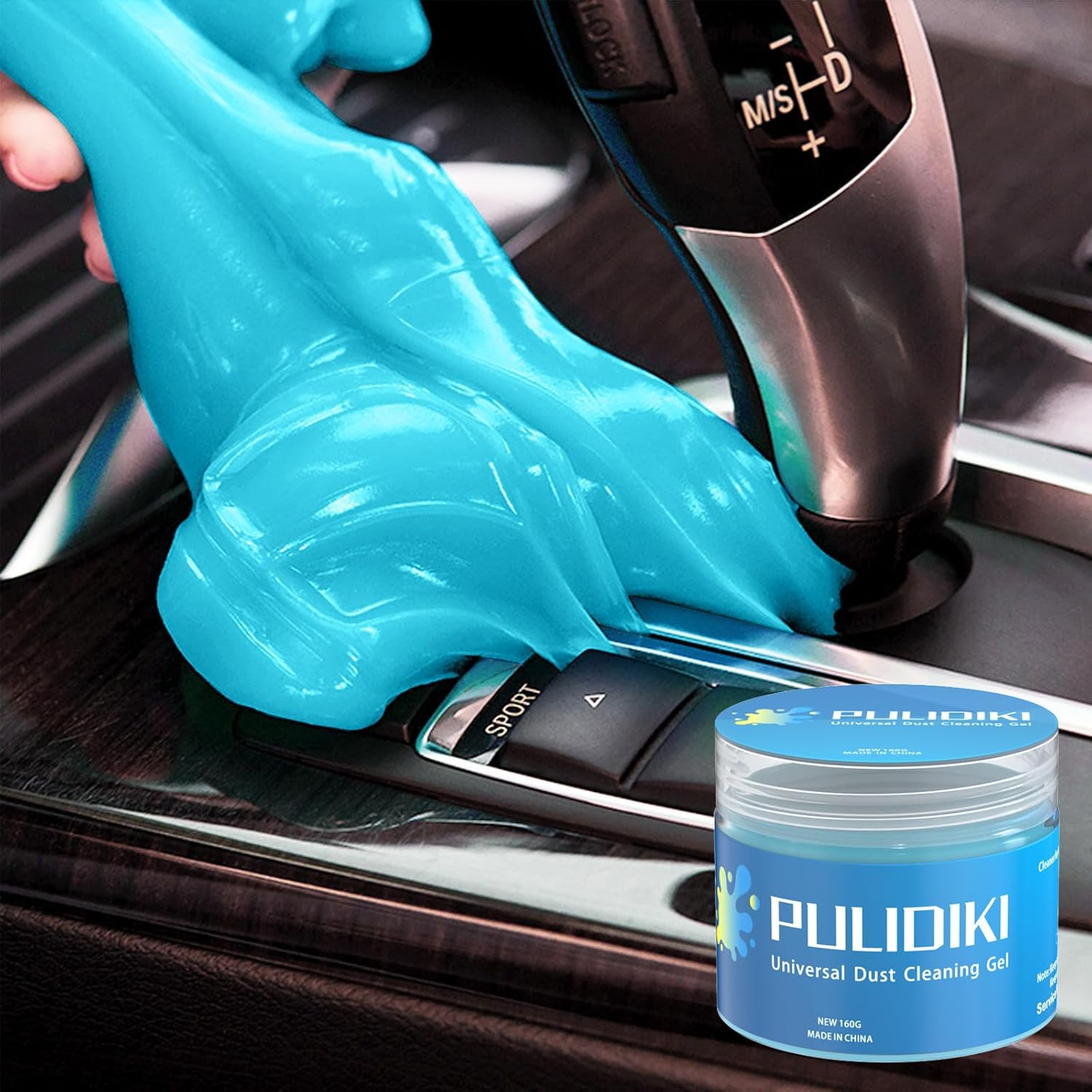
PULIDIKI Car Cleaning Gel (Detailing Putty)
Press it into vents, buttons, and seams and it lifts out dust you did not know was there. Weirdly satisfying, genuinely useful.
As an Amazon Associate, ThinkEV earns from qualifying purchases — at no extra cost to you.
Related Reading
Gear worth having
As an Amazon Associate, ThinkEV earns a small commission from qualifying purchases — at no extra cost to you.

WixGear Magnetic Air Vent Phone Mount (2-Pack)
A magnet strong enough that your phone never flinches over potholes or rail crossings. Two in the box, one for each car.
As an Amazon Associate, ThinkEV earns from qualifying purchases — at no extra cost to you.

Founder & Chief Editor
Vlad Pereira is the founder and chief editor of ThinkEV.ca, the Canadian electric-vehicle publication he writes and edits from Courtenay, British Columbia. He covers EV pricing, federal and provincial rebates, charging costs, and the Chinese manufacturers now entering Canada, from the buyer's side rather than the press-fleet side. ThinkEV is a venture of Vlad Pereira Online; his writing on health, income and the long game lives at vladpereira.com.
Frequently asked questions
Is Lucid going out of business?
How fast is a Lucid from 0 to 100 km/h?
What is Lucid's EV range?
Why is Lucid losing so much money?
Is Lucid made in the USA?
More EV & road-trip finds
Affordable upgrades worth a look — tap any to check the price on Amazon.
 ★ 297
★ 297360-Degree One-Hand Dashboard Phone Mount
View on Amazon ★ 61
★ 61Toddler Car Seat Snack and Cup Tray
View on Amazon ★ 17,839
Qifutan Vent Phone Mount (Military-Grade Clip)
View on Amazon ★ 12,051
Windex Electronics Screen Wipes
View on Amazon ★ 314
★ 314Mini USB LED Ambient Lamps (4-Pack)
View on Amazon ★ 4,055
6-Speed Manual Shift Knob Display
View on Amazon ★ 4,424
Sun Visor Card and Document Organizer
View on Amazon ★ 1,944
VIOFO A229 Pro 4K Dash Cam
View on AmazonRead, Plan, Then Stay Current
Explore our expert articles to understand incentives and ownership costs, use the map to pressure-test charging reality, then subscribe so new EV coverage comes straight to you.
Continue Reading
Rivian R2 Canada Price: $66,500 Base Misses the Rebate

BYD Now Outsells Hyundai in Brazil. Canada Is Next
BYD Canada Price: The C$25K Floor and What It Means
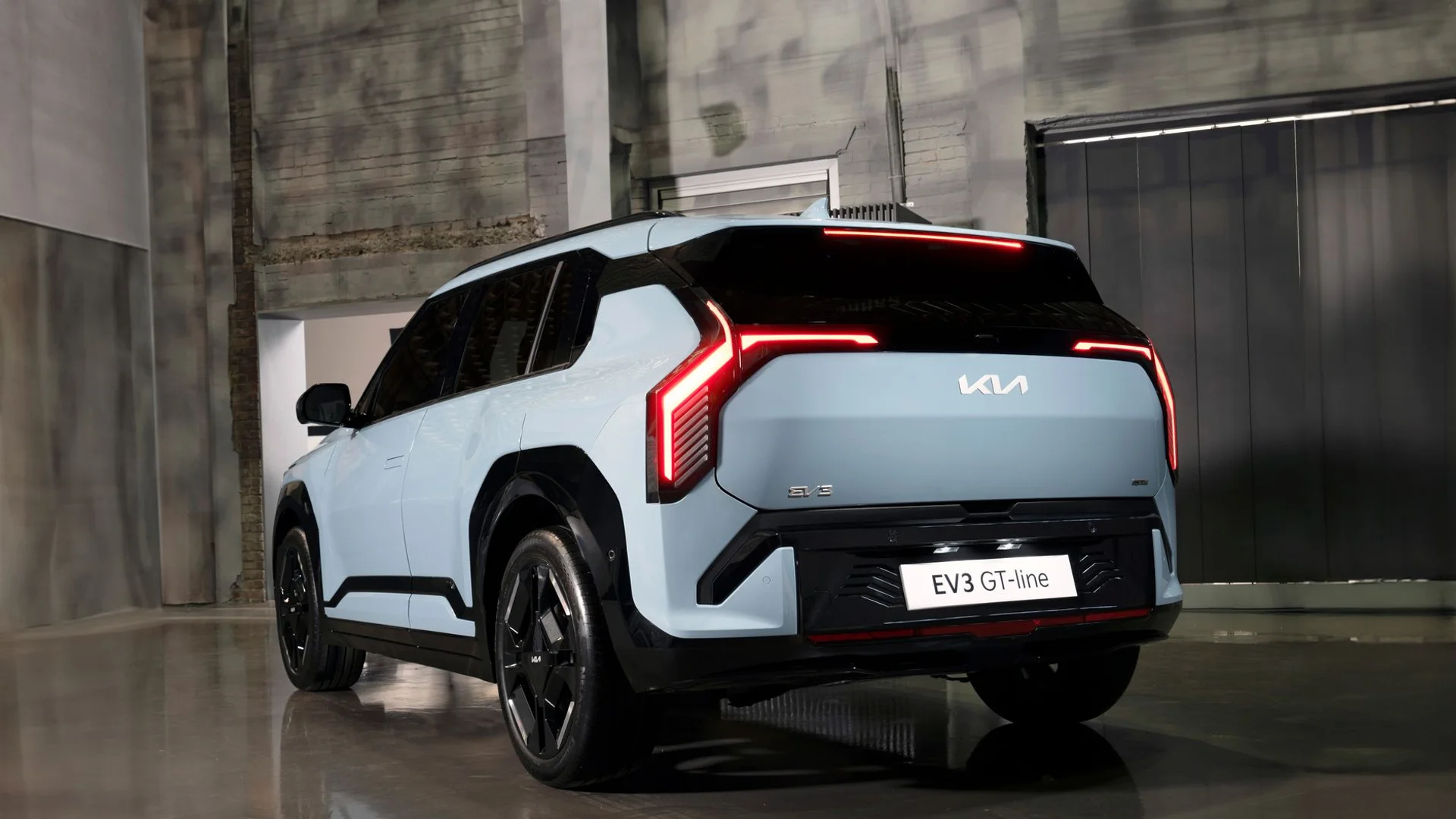
Kia EV3 Canada Price: $36,995 Makes It the Cheapest New BEV
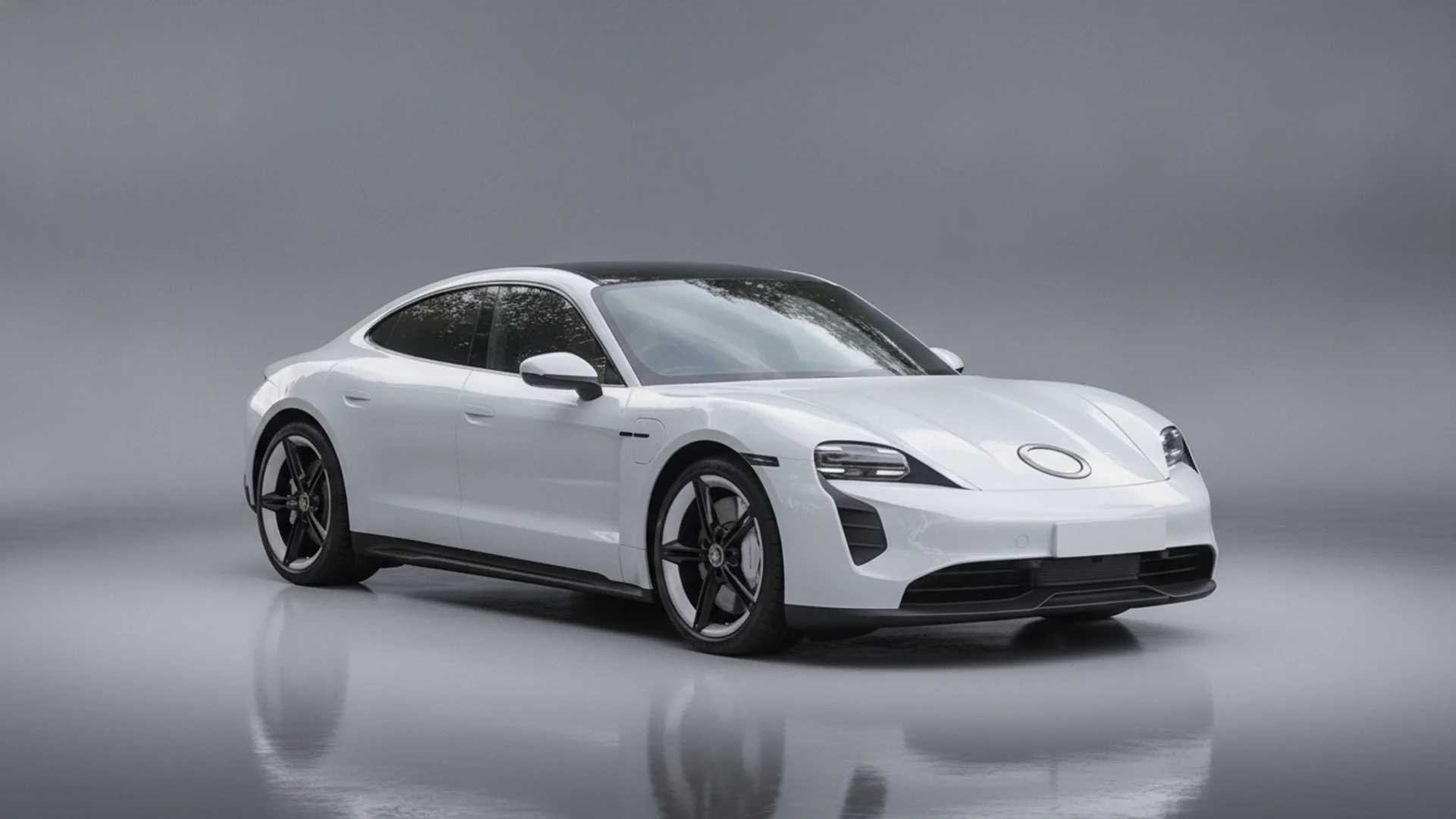
The MG07, the Taycan, and Why Fast EVs Share a Silhouette