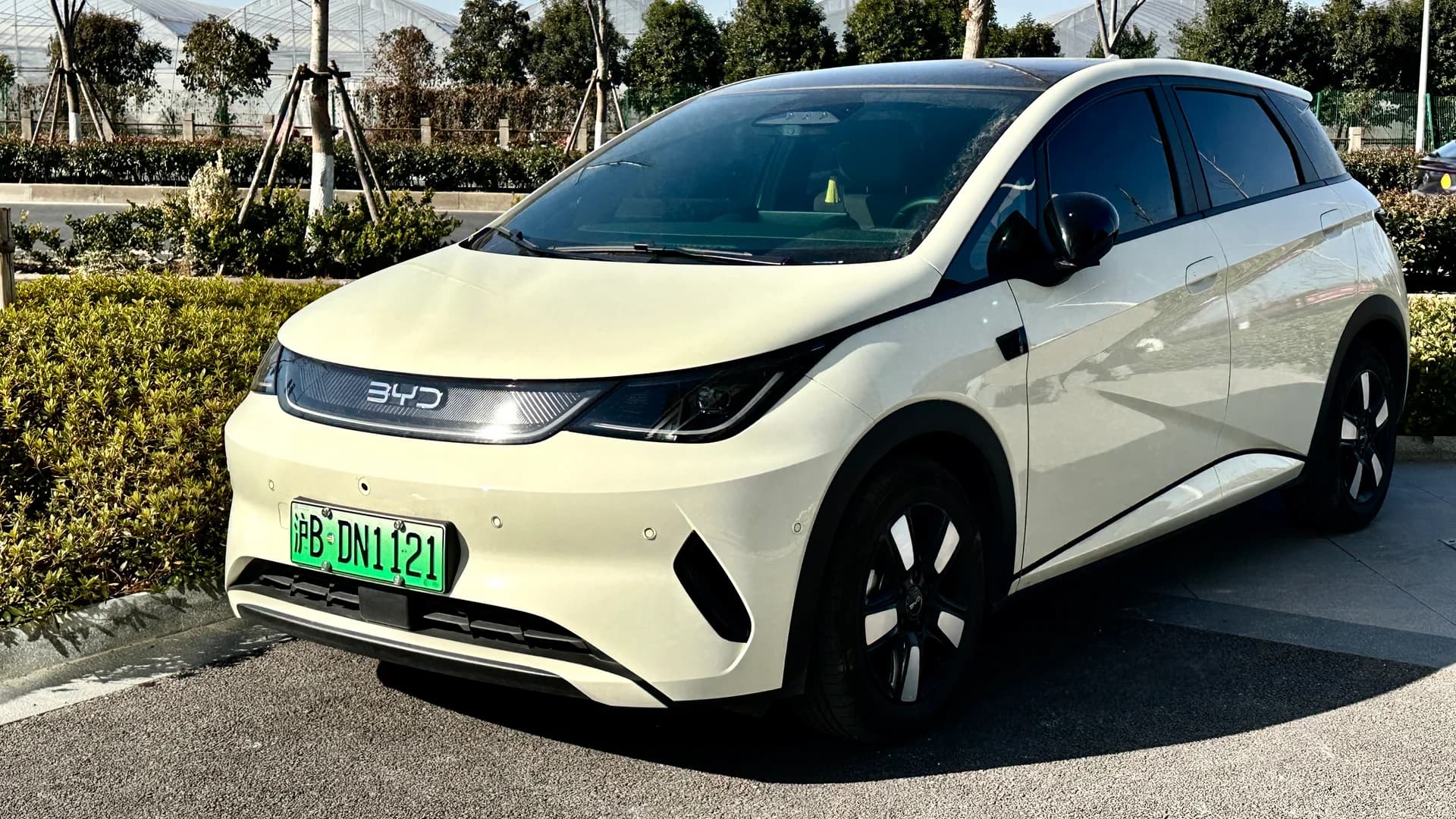
Your courier van lease is up, diesel costs are climbing, and BYD just debuted a Dolphin-based cargo van at £36,000 with class-leading urban range. The Canadian answer to "can I buy one?" is no, not yet, and not soon. The more useful question is what this van tells you about where the compact electric cargo segment is heading, and whether you should sign a three-year diesel lease this quarter or stretch to a one-year bridge.
Key takeaways
- The BYD Dolphin Cargo e-Van is not sold in Canada as of June 2026; BYD has no Canadian commercial-vehicle dealer network and no announced launch date.
- It runs a 60.4 kWh LFP Blade battery for up to 558 km of WLTP urban range (427 km combined), and launched in the UK at £36,000.
- The federal EVAP rebate doesn't apply to cargo vans, since it's built around passenger vehicles under a $50,000 final transaction value.
- Canadian fleet buyers shopping compact electric vans in 2026 have the Ford E-Transit Connect and Stellantis Ram ProMaster EV, both with established dealer networks, and zero-emission commercial vehicles qualify for accelerated Class 54 capital cost allowance.
Here's the short version. BYD's new Dolphin Cargo e-Van runs a 60.4 kWh LFP Blade battery and a 201 hp electric motor, with a WLTP range of up to 347 miles in the city and 265 miles combined. That's roughly 558 km of urban range, enough for most Canadian last-mile routes on a single overnight charge. The catch: it's a UK launch, BYD has no commercial vehicle dealer network in Canada, and the federal EVAP rebate that took effect in February doesn't cover cargo van configurations. If you're a fleet operator in Vancouver, Toronto, or Montréal eyeing a 2026 replacement cycle, this van isn't your answer this year. But it should change how you write your RFP.
What Exactly Is the BYD Dolphin Cargo e-Van?
The Dolphin Cargo is a factory conversion, not a clean-sheet design. BYD took the Dolphin electric hatchback, pulled the rear seats, and converted it into a cargo van for delivery operators. The rear side windows are blanked out, a flat load floor is fitted, and the cabin keeps the same dashboard, infotainment, and front-row layout as the passenger Dolphin sold in Europe.
The conversion happens in the UK, which matters for British operators chasing local-content credentials but doesn't change the powertrain or the chassis. The Cargo e-Van is based on the standard Dolphin Comfort trim and offers what BYD calls a "class-leading" pure-electric city range and versatile interior. Cargo space lands above 1,000 litres, modest by Ford Transit Custom standards, but competitive against the Renault Kangoo E-Tech and the new Volvo EX30 Cargo, both of which BYD is clearly targeting.
The platform itself isn't new to BYD's lineup. The Dolphin hatchback has been on European roads for two years, and reviewers have been broadly positive on the value proposition even while flagging some cost-cutting trims. Car and Driver's review of the Dolphin Surf noted that the compact packaging is a space-saving solution but BYD hasn't made the most of it, open the hood and there's plenty of space for a frunk that isn't there, there's no rear wiper, no parcel shelf, and the dash plastics are predictably scratchy. But in its class, few are cheaper and fewer offer better value. That same cost-engineering trade-off carries into the Cargo variant. For a delivery operator, scratchy plastics matter less than uptime and cost-per-km.
Pricing starts at £36,000 in the UK. At current exchange rates that's roughly CAD $65,000 before any tariff, shipping, or dealer margin, already in the same band as a Ford E-Transit Connect Canadian fleet buyers know today.
Charging Speed, Payload, and Daily Delivery Math
The Dolphin Cargo's headline number is its 558 km urban WLTP range. For a Canadian fleet running fixed last-mile routes, think a Toronto-area courier doing 180–220 km per shift, or a Vancouver linen-service operator running depot-to-hotel circuits, that's a full day's work with margin, and an overnight Level 2 charge resets the battery for the next shift.
BYD's UK spec sheet pairs the 60.4 kWh battery with the same charging hardware as the passenger Dolphin: AC charging at 11 kW and DC fast-charging in the 88 kW range. That's not a 350 kW party trick. It's a depot-friendly setup that fills the battery in roughly seven hours overnight on a Level 2 wallbox, and tops it from 30 to 80 percent in about half an hour on a public 150 kW DC charger, though the vehicle won't pull the full 150 kW.
For fleet math, the LFP Blade chemistry matters more than the peak charge rate. LFP packs tolerate daily 100 percent charging without the degradation penalty NMC chemistry carries, which is the actual fleet-economics question. You can run this van to 100 percent every night for years and the battery warranty won't blink. Ford's E-Transit, by comparison, uses NMC and is typically charged to 80 percent for daily duty.
Payload and cargo dimensions haven't been fully published for the Canadian market spec because there is no Canadian market spec yet. UK fleet outlets report payload around the 500 kg range with the 1,000+ litres of load volume, adequate for parcel routes, marginal for trades work, undersized for a typical contractor's gear. The assessment: this is a parcel-courier and grocery-delivery van, not a plumber's daily driver.
For Canadian fleet operators running mixed routes that occasionally need DC fast-charging mid-day, the the realistic per-kWh math by province decides whether the operating cost case closes. At BC Hydro's commercial rate, depot Level 2 charging runs about $0.13/kWh. At a Petro-Canada or Electrify Canada DC charger on a public route, you're looking at $0.40–$0.60/kWh. The Dolphin Cargo's range means most operators rarely touch the public network, which is where the operating cost case actually closes.
Can Canadian Businesses Actually Buy This Van Right Now?
No. Not today, not this quarter, and probably not in 2026. BYD launched the Dolphin Cargo e-Van as a UK-market product, with EU expansion expected over the next 12 months. BYD does not currently sell commercial vehicles in Canada, has no light commercial vehicle dealer network here, and has made no public announcement of a Canadian launch for any cargo van product.
The passenger-car situation is a separate conversation. BYD has been signalling Canadian passenger-EV ambitions for over a year, see the BYD Dolphin Canada price and review breakdown for the projected $28–35K hatchback math. But cargo and commercial vehicles operate on a different homologation track, require different dealer infrastructure (service bays sized for commercial vehicles, parts availability for fleets), and depend on BYD signing a Canadian commercial vehicle partner. None of that is in place.
The tariff picture is the second piece. Canada's 100 percent tariff on Chinese-made EVs dropped to 6.1 percent on January 16, 2026, under a 49,000-unit annual quota. That makes Chinese-built EVs financially viable to import for the first time in over a year. But the quota is for passenger vehicles. Commercial-vehicle tariff treatment under the new framework hasn't been clarified for cargo van configurations, and the federal Electric Vehicle Availability Program (EVAP) rebate, $5,000 on new battery-electric vehicles under $50,000 final transaction value, is structured around passenger vehicles, not commercial cargo configurations. A fleet buyer doesn't get the same rebate math a retail buyer does.
This is the part that catches operators off guard. The rebate landscape Canadian small-business owners read about in the consumer press is genuinely good for passenger EVs but doesn't extend cleanly to light commercial vehicles. For the cargo segment specifically, the financial case rests on Capital Cost Allowance (CCA) treatment, commercial EVs typically qualify for accelerated Class 54 or 55 depreciation, and on operating-cost savings against diesel, not on point-of-sale rebates. Check eligibility with your accountant before assuming a rebate path that doesn't exist.
Gear worth having
As an Amazon Associate, ThinkEV earns a small commission from qualifying purchases — at no extra cost to you.

Grizzl-E Classic Level 2 EV Charger (40A)
Canadian-made and rated for minus 40C winters. 40A / 9.6 kW, NEMA 14-50, indoor/outdoor, 24-ft cable. The charger built for Canadian weather.
As an Amazon Associate, ThinkEV earns from qualifying purchases — at no extra cost to you.
If you're a Canadian fleet manager who wants a small electric cargo van today, your real options are the Ford E-Transit Connect, the Stellantis Ram ProMaster EV, and selected Mercedes eSprinter configurations. The Dolphin Cargo isn't on the list.
What Would It Actually Cost if BYD Brought It to Canada?
Let's run the rough math, with the caveat that none of this is confirmed pricing. Start with £36,000 base. Convert at current rates and you land near CAD $65,000. Apply the 6.1 percent tariff under the quota framework, if cargo configurations qualify, which is not yet clarified, and you're at roughly CAD $69,000. Add shipping from the UK or a Chinese export hub, dealer prep, and a fleet-channel margin of 8–12 percent, and the realistic landed sticker is in the CAD $75,000–$82,000 band.
For comparison, the Ford E-Transit Connect is priced around CAD $65,000 in fleet trim with a smaller battery and shorter range. The VW ID.Buzz Cargo isn't formally available in Canada yet, but European pricing translates to a similar band. The Stellantis Ram ProMaster EV runs higher, north of CAD $80,000 in most configurations, with substantially more cargo volume and payload.
So the Dolphin Cargo doesn't undercut the existing field on price the way the passenger Dolphin will undercut the Kia EV4 and the Hyundai Kona Electric. What it offers is the range advantage, 558 km urban beats every comparable van in the segment, and the depot-friendly LFP chemistry that lets you run the van hard without watching battery degradation. For a parcel courier or a grocery delivery operator, that's a real operational edge.
The depreciation case is where the math gets interesting. Commercial electric vehicles in Canada qualify for accelerated CCA treatment, Class 54 for zero-emission vehicles under $61,000 (you depreciate 100 percent in year one up to the cap) and Class 55 for vehicles above that threshold. The Dolphin Cargo would likely fall into Class 55, which still offers accelerated treatment but at a lower percentage. Your accountant will run the actual numbers; the point is that the upfront sticker price isn't the operating cost story.
What it doesn't get: the federal EVAP rebate as currently structured. That program is built for passenger vehicles with final transaction values under $50,000. A $75,000+ cargo van is outside the band on both criteria.
Which Canadian Cities Would Benefit Most From This Van?
The Dolphin Cargo's profile is a textbook urban delivery vehicle. The 558 km urban range, the modest payload, the compact footprint, this is a van engineered for dense city routes with overnight depot charging. The Canadian cities where that profile fits cleanest are Vancouver, Toronto, Montréal, and Ottawa.
Each of those markets has the depot-charging infrastructure to support an electric cargo fleet today. BC Hydro's commercial DC fast-charge and Level 2 program is the most mature in the country, and Vancouver's parcel and grocery delivery sector has been an early adopter, the same operators reading the broader BC EV economics picture as gas prices climb are the ones running fleet conversion analyses. Toronto and Montréal have aggressive commercial Level 2 build-outs through Toronto Hydro and Hydro-Québec respectively, and the dense delivery routes there match the Dolphin Cargo's range envelope without strain.
The colder-climate question is where the LFP chemistry comes back. LFP batteries lose more range in deep cold than NMC packs do, at -20°C, expect a 30–35 percent reduction in real-world range. For Winnipeg, Edmonton, Calgary, or Regina fleet operators, that brings the urban range from 558 km down to a still-workable 360–390 km, but the heat-pump and pre-conditioning behaviour will matter more than the WLTP number. BYD's UK spec sheet doesn't yet detail Canadian-spec cold-weather provisions, which is one of the reasons a 2026 Canadian launch, if it happened, would need detailed cold-weather validation before any prairie operator should commit fleet capital.
Last-mile operators currently replacing diesel Ford Transit Connect and Renault Kangoo vans with electric alternatives are the natural buyer. Trades operators, building services, and contractors carrying more weight and gear should look elsewhere, the payload ceiling is the constraint.
Buy, Wait, or Look Elsewhere? A Canadian Fleet Owner's Call
Wait, but don't sign a long diesel lease this quarter.
The Dolphin Cargo isn't a Canadian product today. There's no dealer, no service network, no parts pipeline, no confirmed rebate eligibility, and no announced launch date. Buying a fleet vehicle without a Canadian service infrastructure is operational suicide for any business that needs uptime.
But the segment is moving fast. BYD is the largest EV maker in the world, has demonstrated the ability to enter new markets quickly when commercial conditions align, and the Dolphin Cargo's spec sheet, particularly the LFP chemistry and the urban range, sets a new benchmark that competitors will have to chase. Watching this segment for the next 12–18 months is the right move.
If your van lease is up in 2026, the realistic shortlist is the Ford E-Transit Connect or the Stellantis Ram ProMaster EV. Both have established Canadian dealer networks, qualify for accelerated CCA treatment, and have the operational data to make a defensible fleet-conversion business case. If your lease is up in 2027 or later, run a parallel monitoring track on BYD commercial expansion announcements, watch for the broader landscape captured in the Canadian fleet electrification trends piece, and check whether the EVAP rebate framework gets extended to commercial configurations in the next federal budget cycle.
The trigger that flips this call from "wait" to "watch closely": a BYD announcement of a Canadian commercial vehicle partner or a Toronto/Vancouver commercial dealer agreement. That's the signal a real launch is 12–18 months away.
Gear worth having
As an Amazon Associate, ThinkEV earns a small commission from qualifying purchases — at no extra cost to you.

PULIDIKI Car Cleaning Gel (Detailing Putty)
Press it into vents, buttons, and seams and it lifts out dust you did not know was there. Weirdly satisfying, genuinely useful.
As an Amazon Associate, ThinkEV earns from qualifying purchases — at no extra cost to you.
FAQ
It Changes The Fleet Math, But Not In Canada Yet
The Dolphin Cargo is the first compact electric van with a range spec that genuinely changes the operational math for urban Canadian fleets, but it's not a Canadian product yet, and the rebate framework doesn't reach it. If your replacement cycle is 2026, look at the Ford E-Transit Connect or the Ram ProMaster EV today. If your cycle is 2027 or later, the right move is a one-year bridge lease and a watching brief on BYD's Canadian commercial expansion. The next 18 months will tell you whether this van is the one to wait for or whether the next-generation E-Transit Custom closes the range gap first. I'd watch for a BYD-Canada commercial dealer announcement, that's the leading indicator that flips this from "interesting Euro launch" to "real Canadian option."
Gear worth having
As an Amazon Associate, ThinkEV earns a small commission from qualifying purchases — at no extra cost to you.

WixGear Magnetic Air Vent Phone Mount (2-Pack)
A magnet strong enough that your phone never flinches over potholes or rail crossings. Two in the box, one for each car.
As an Amazon Associate, ThinkEV earns from qualifying purchases — at no extra cost to you.

Founder & Chief Editor
Vlad Pereira is the founder and chief editor of ThinkEV.ca, the Canadian electric-vehicle publication he writes and edits from Courtenay, British Columbia. He covers EV pricing, federal and provincial rebates, charging costs, and the Chinese manufacturers now entering Canada, from the buyer's side rather than the press-fleet side. ThinkEV is a venture of Vlad Pereira Online; his writing on health, income and the long game lives at vladpereira.com.
Frequently asked questions
Is the BYD Dolphin Cargo van available to buy in Canada right now?
Does the federal iZEV or EVAP rebate apply to electric cargo vans?
How does the 6.1% tariff affect the BYD Dolphin Cargo price in CAD?
How does the Dolphin Cargo's range compare to the Ford E-Transit Connect?
Can small businesses claim a tax deduction on an electric cargo van in Canada?
More EV & road-trip finds
Affordable upgrades worth a look — tap any to check the price on Amazon.
 ★ 1,340
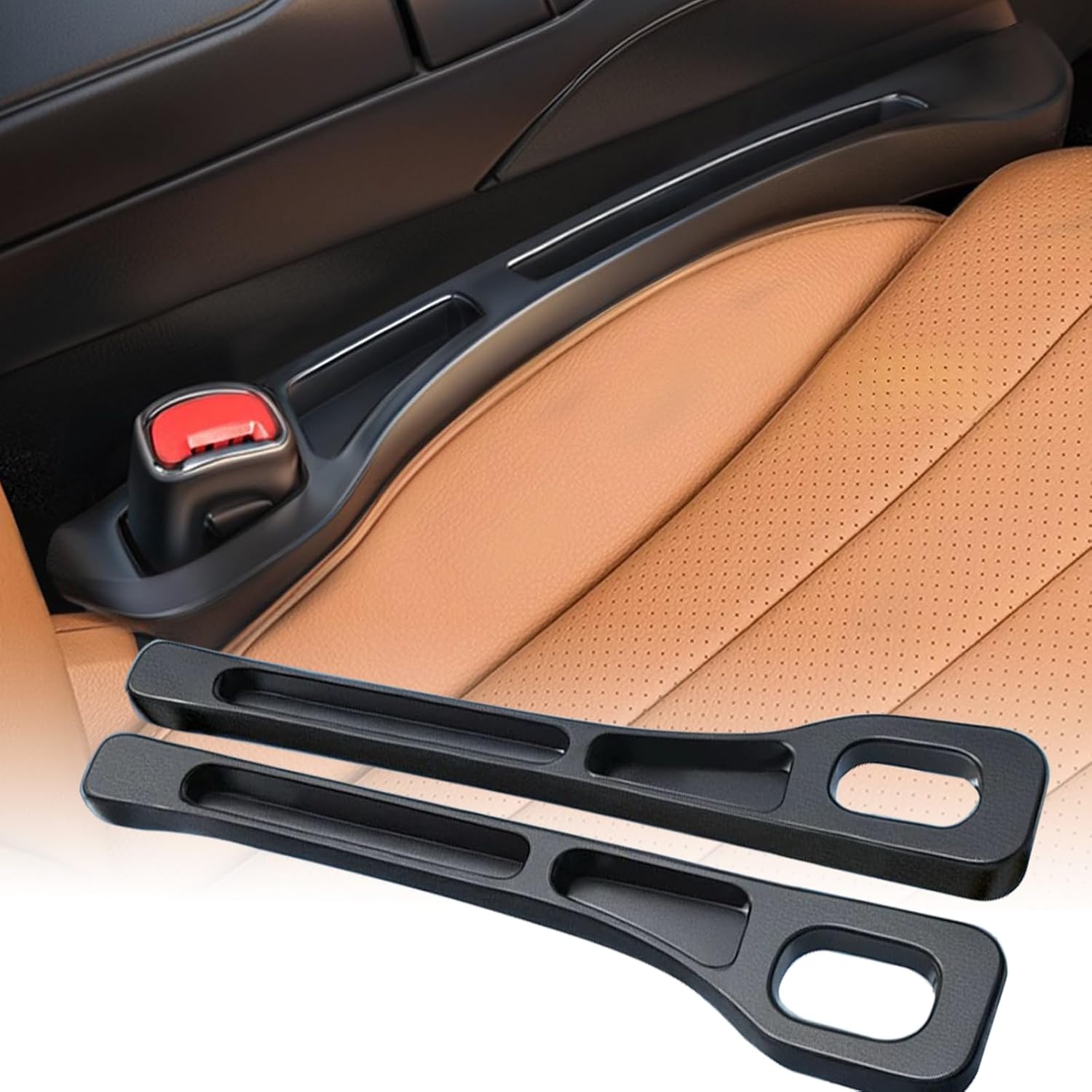
Car Seat Gap Filler (Universal)
View on Amazon ★ 848
★ 848Coiled USB-C to USB-C Car Cable (2-Pack)
View on Amazon ★ 87
★ 87Car Window Sun Shades for Kids (4-Pack)
View on Amazon ★ 68
★ 68WeatherTech FloorLiner for Tesla Model 3
View on Amazon ★ 47,507
HOMEXCEL Microfiber Cloths (12-Pack)
View on Amazon ★ 537
★ 537USB Star Projector Roof Light
View on Amazon ★ 900
★ 900Personalized Photo Car Air Freshener
View on Amazon ★ 4,424
Sun Visor Card and Document Organizer
View on AmazonRead, Plan, Then Stay Current
Explore our expert articles to understand incentives and ownership costs, use the map to pressure-test charging reality, then subscribe so new EV coverage comes straight to you.
Continue Reading
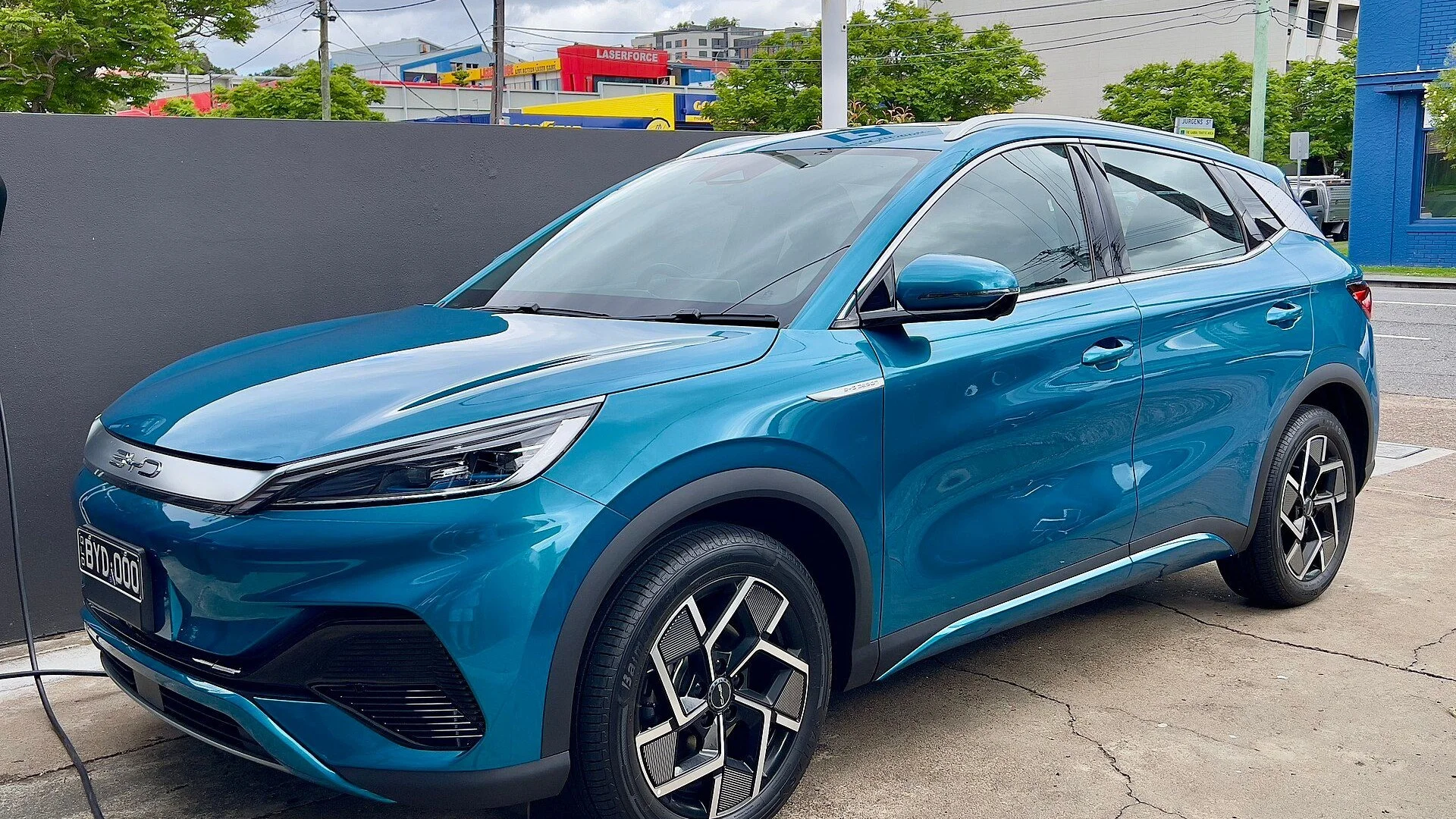
China's EV Transition Is Four Different Markets, Not One

Chinese EVs in Canada: 15,603 In, Still No BYD

BYD Canada Dealerships 2026: 20 Stores, Toronto First
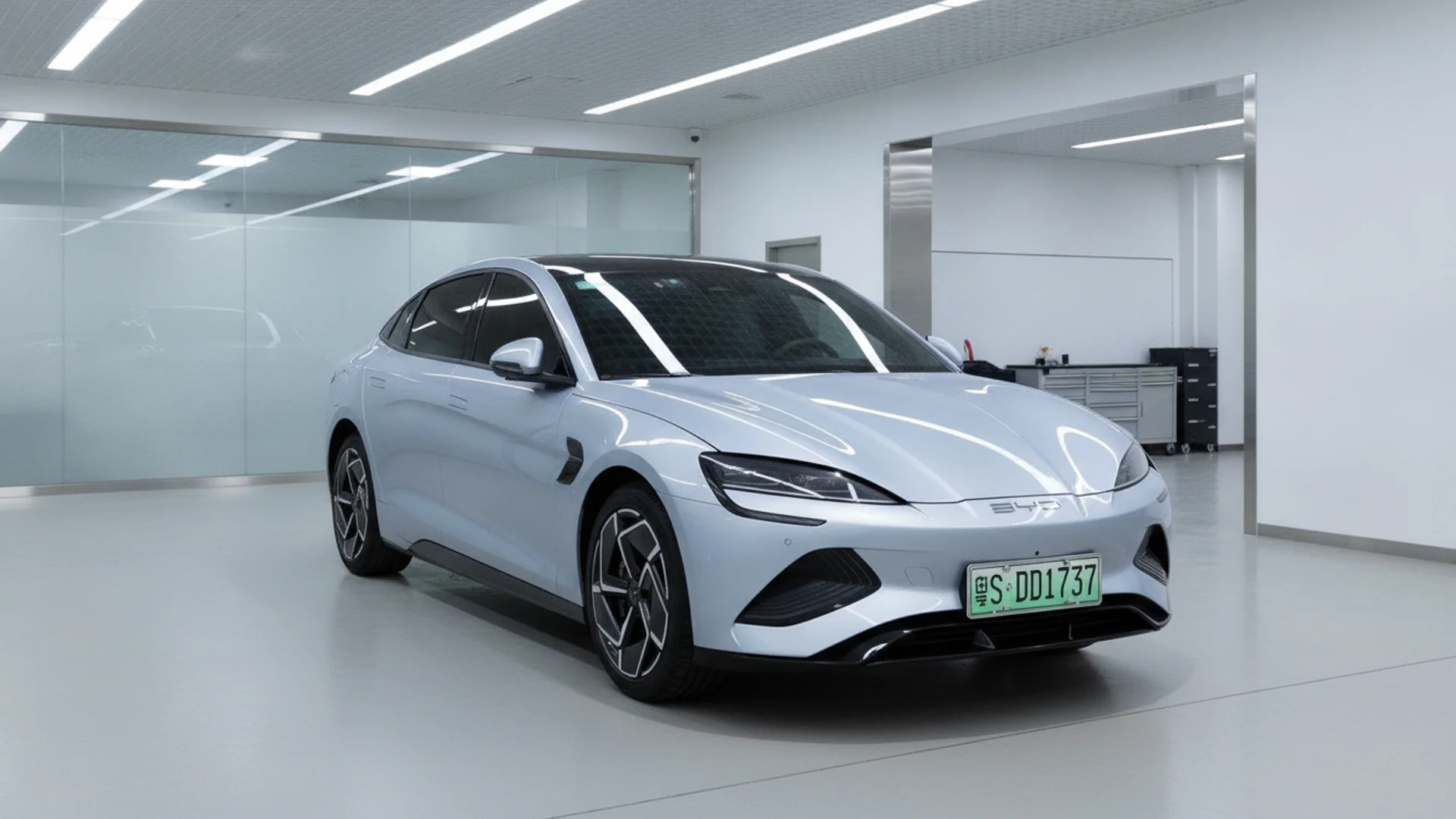
Chinese EV Warranties in Canada: BYD, Zeekr, Chery

BYD Canada Lineup: The Four Models Coming First