Key takeaways
- If the BYD Seal reaches Canada, a plausible scenario range is roughly $45,000 to $54,990 CAD based on UK and Australian pricing patterns adjusted for Canada.
- Euro NCAP gave the Seal five stars with an 89% adult occupant score, 87% child occupant, 82% road user protection, and 76% safety assist.
- Rated range lands north of 500 km - genuinely competitive with the long-range Model 3.
- The BYD Dolphin is often estimated at approximately $28,000 CAD, but that remains a scenario price rather than a published Canadian number.
BYD sold 2.25 million battery-electric vehicles in 2025. Tesla sold 1.63 million. Canada has yet to see a single BYD on a dealer lot. That scale matters. Canadians have also watched BYD rack up strong Euro NCAP scores, awards, and aggressive pricing in other markets, all while remaining unavailable here. Canada now looks more plausible than it did before, but buyers should still separate regulatory progress from a fully confirmed retail launch.
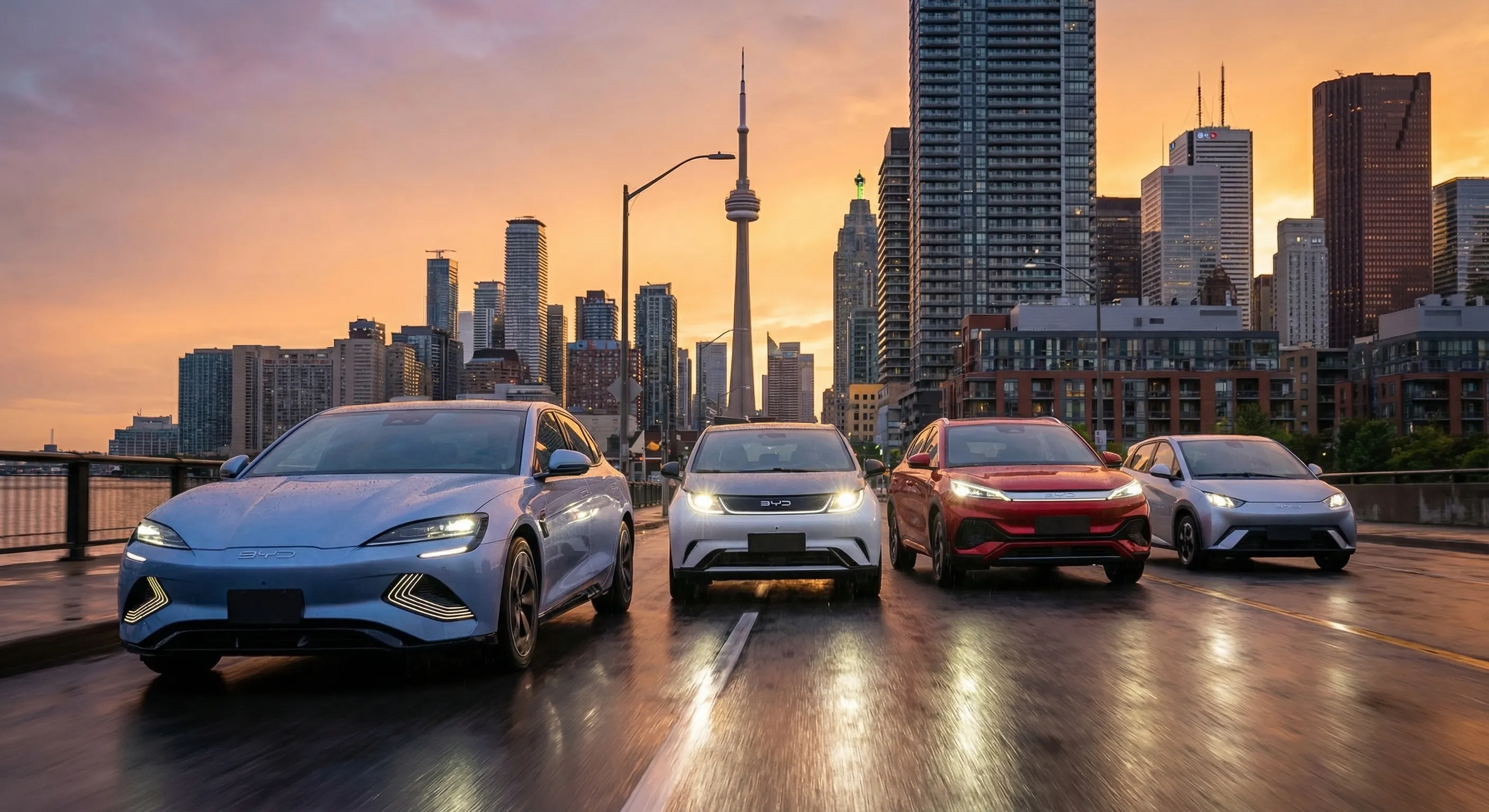
The Seal, Dolphin, Atto 3, and Seagull are the four models most often discussed as likely Canadian candidates. That is not the same thing as a fully confirmed dealer lineup with final Canadian trims and launch dates. Each one targets a different buyer and price point, which is why BYD gets so much attention whenever Canada entry comes up. The more accurate framing for now is that BYD has a plausible lineup story, not a settled retail program.
The Seal: BYD's Tesla Fighter
The Seal would create the most immediate comparison-shopping pressure of any BYD model. If it reaches Canada, a plausible scenario range is roughly $45,000 to $54,990 CAD based on UK and Australian pricing patterns adjusted for Canada. That is still scenario pricing, not an announced Canadian MSRP.
A comparable Tesla Model 3 is often running materially more for equivalent or lesser equipment. The Seal's global-spec feature story is rich, including items like a heads-up display, ventilated seats, and a 360-degree camera system. These are features that other manufacturers often charge extra for. The Canadian trim packaging still needs to be confirmed, but the value pressure is real.
The safety numbers are serious. Euro NCAP gave the Seal five stars with an 89% adult occupant score, 87% child occupant, 82% road user protection, and 76% safety assist. Those aren't marketing claims - those are standardised crash test results from one of the most credible testing bodies in the world. The Seal is objectively a safe car.
Under the floor sits a Blade Battery - BYD's lithium iron phosphate (LFP) pack. LFP chemistry doesn't use cobalt or nickel, it's more thermally stable, and it has a longer cycle lifespan than the nickel-manganese-cobalt chemistry in most competitors. BYD's own internal nail-penetration tests (which the company has publicly demonstrated) show no fire, no smoke from the Blade Battery under abuse conditions that would cause thermal runaway in conventional packs. Rated range lands north of 500 km - genuinely competitive with the long-range Model 3.
The Seal is not a budget compromise. It's a direct product challenge. BYD is not positioning this as "good for the price" - it's positioning it as a real alternative to what's already here. For Canadian buyers who've been watching the Model 3 sit at prices that feel increasingly hard to justify, a Seal launch would force a real conversation.
For a full head-to-head breakdown, see our BYD Seal vs Tesla Model 3 Comparison.
The Dolphin: Canada's Affordable EV Answer
The Canadian EV market shifts materially if BYD lands the pricing people are modelling. The BYD Dolphin is often estimated at approximately $28,000 CAD, but that remains a scenario price rather than a published Canadian number. And in Quebec, any effective out-of-pocket figure would depend on the incentive rules in force at the time and whether the specific vehicle qualifies.
The Dolphin won "Best Small Electric Car" at the Carbuyer Best Car Awards in 2024. That is useful context, but it is still UK-market context. It tells you the car has been well received abroad, not that the Canadian version, pricing, service support, or eligibility picture is already settled.
Five stars from Euro NCAP again: 89% adult, 87% child, 85% road users, 79% safety assist. The safety assist score is actually higher than the Seal's - likely reflecting the Dolphin's more recent software calibration for its driver assistance systems.
The form factor is a compact hatchback, which means it fits in a standard parking spot, handles city traffic without drama, and doesn't demand a lifestyle adjustment the way a crossover does. Genuinely usable range, a price that doesn't require a significant financial stretch, and safety numbers that close the EV-safety debate for most buyers.
If you're doing home charging setup alongside the Dolphin (and you should be - it makes the 427-km range feel like plenty), a Level 2 charger changes the ownership experience entirely.
Gear worth having
As an Amazon Associate, ThinkEV earns a small commission from qualifying purchases — at no extra cost to you.

Grizzl-E Classic Level 2 EV Charger (40A)
Canadian-made and rated for minus 40C winters. 40A / 9.6 kW, NEMA 14-50, indoor/outdoor, 24-ft cable. The charger built for Canadian weather.
As an Amazon Associate, ThinkEV earns from qualifying purchases — at no extra cost to you.
The Canadian EV market has needed a well-built, genuinely affordable option for years. If BYD launches the Dolphin at the price people are modeling, it could become one of the clearest answers to that gap.
The Atto 3: The Compact SUV Play
Canada is a compact SUV market, and the sales data has confirmed this year after year. The Hyundai Kona EV and Kia Niro EV occupy a segment that gets enormous buyer attention, and they've been operating without serious pricing pressure from below. The BYD Atto 3 is one of the clearest candidates to apply that pressure if it launches at the prices being modeled.
BYD hasn't released final Canadian pricing for the Atto 3 yet, but its established pricing in the UK, Australia, and across Europe provides a clear reference. It competes directly with the Kona EV and Niro EV on form factor, and its Blade Battery LFP chemistry gives it the same thermal stability and cycle-life advantages that make the Seal's battery story compelling.
The Atto 3 is one of BYD's most globally established export models. That's useful context, but it is still different from a confirmed Canadian lineup. The stronger claim is that BYD has a real export-market product base to draw from if and when it finalises a Canadian retail program.
What makes the Atto 3 interesting beyond the specs is what it signals about BYD's market strategy. Entering Canada with a compact SUV isn't an accident. BYD knows where Canadian volume lives, and it's targeting that volume deliberately. The Atto 3 isn't a niche product or a halo car - it's BYD's bid for mainstream Canadian market share.
Gear worth having
As an Amazon Associate, ThinkEV earns a small commission from qualifying purchases — at no extra cost to you.

Portable Level 2 EV Charger (40A, NEMA 14-50)
Throw it in the trunk and charge anywhere with a 240V outlet. 40A portable with NEMA 14-50 plug. Your road-trip insurance policy.
As an Amazon Associate, ThinkEV earns from qualifying purchases — at no extra cost to you.
The Seagull: The Budget Wild Card
The BYD Seagull is the model that generates the most conversation, and for understandable reasons. In China, it sells for roughly $10,000 USD. That price will not survive the trip to Canada - tariffs, compliance costs, dealer margins, and cold-weather engineering adjustments will push the Canadian price considerably higher. The current estimate sits under $30,000 CAD, which is still dramatically affordable for a new EV.
The Seagull is a city car. Small footprint, designed for urban environments, not engineered for cross-country winter driving. That's a description, not a criticism - city cars serve a real purpose, and for buyers who live in Toronto, Vancouver, or Montreal and do most of their driving inside the city, the Seagull's range and size are features, not limitations.
The question I keep thinking about is whether the Seagull's value proposition survives Canadian conditions specifically. The cold-weather range hit on LFP batteries is real - not catastrophic, but real. At $10,000 USD in Shanghai, that tradeoff is easy to accept. At $28,000 or $29,000 CAD in Calgary in January, the calculus is different. BYD will need to be transparent about winter range expectations for the Seagull in a way that it hasn't had to be in warmer markets.
For a broader look at what else is coming in this price bracket, see Chinese EVs Under $35,000 Coming to Canada.
The Seagull is genuinely exciting because it represents a category that doesn't really exist in Canada yet - a new EV that most people could actually afford without incentives. Whether that potential translates to a compelling real-world product in Canadian conditions is the question that will define its Canadian launch.
Gear worth having
As an Amazon Associate, ThinkEV earns a small commission from qualifying purchases — at no extra cost to you.
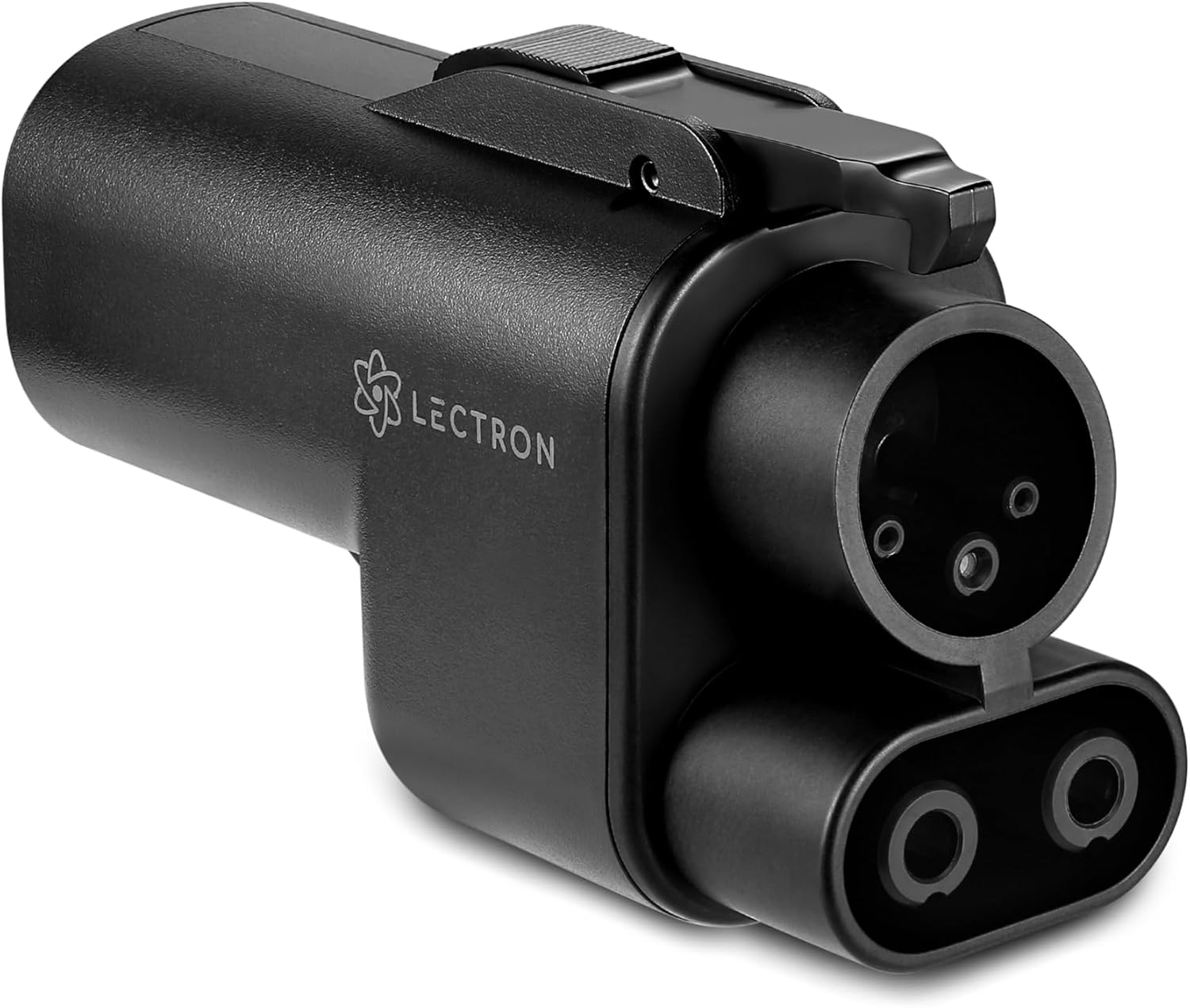
Lectron NACS to CCS Fast-Charge Adapter
Unlock every CCS fast charger for your Tesla, up to 500A DC. Never get stranded at a non-Tesla DC station again.
As an Amazon Associate, ThinkEV earns from qualifying purchases — at no extra cost to you.
Dealer Network and Service Plans
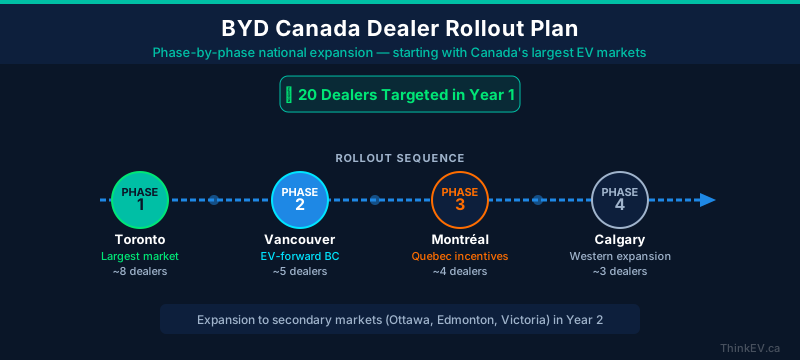
BYD has been associated with an urban-first dealer rollout scenario that starts with Toronto and then expands to major metros such as Vancouver, Montreal, and Calgary. Until the company publishes a final Canadian dealer list, buyers should treat the exact city count and sequencing as reported plans rather than finished reality.
Executive Vice President Stella Li has been direct about BYD's Canadian ambitions. "Open to every opportunity" is a phrase she's used publicly in the context of Canadian expansion - which includes not just dealerships but potential factory construction in Canada and interest in acquiring legacy Canadian automakers. That last point isn't idle talk. BYD has the capital, the manufacturing expertise, and a stated interest in North American production that would sidestep tariff complications entirely.
Twenty dealerships is a modest start by the standards of established brands, but it should still be read as reported planning rather than final published reality. The risk for early BYD buyers in Canada is service network coverage outside major urban centres. If you're buying a Seal outside an early launch market, the nearest dealership may still be a meaningful drive. That's a real consideration, and BYD needs to be honest with buyers about service accessibility as its network develops.
The tariff situation has shifted considerably. Canada now officially allows up to 49,000 Chinese-built EVs per year to enter at the standard 6.1% MFN duty under a permit framework, with the first 24,500-vehicle allocation period already open. That makes the pricing story materially more viable, but final retail pricing still depends on permit access, shipping, dealer margin, and whatever launch strategy BYD actually chooses.
The Rebate Problem
This is the part that's going to frustrate a lot of buyers, and it should be discussed plainly. Chinese-built EVs should not be assumed to receive the same federal incentive treatment as North American-built rivals. Buyers need to verify the current Canadian federal and provincial rules at the time of purchase rather than assume modeled prices already include every rebate.
That's a meaningful disadvantage. The $5,000 federal rebate has been a significant factor in EV purchase decisions for years, and arriving without it puts BYD at a structural pricing disadvantage relative to vehicles from North American or European manufacturing. The Dolphin's $28,000 estimated price looks different when a Chevy Equinox EV can be had for effectively $5,000 less after rebate than its sticker price suggests.
Provincial rebates complicate the picture in ways that are buyer-specific. Quebec's provincial rebate programme doesn't carry the same Chinese-manufacture exclusion, which is part of why the Dolphin's Quebec math can still look attractive. But the exact effective price still depends on the final Canadian MSRP and eligible trim. Ontario's rebate expired, so Toronto buyers don't have a provincial offset available.
The rebate exclusion is a policy decision with real consequences for buyers, and it's worth being clear-eyed about it. BYD vehicles will need to compete on absolute price and product quality rather than on post-rebate effective pricing. For the Seal competing against the Model 3, that's manageable - the price gap is large enough that the rebate disadvantage doesn't close it. For the Dolphin competing against incentive-eligible alternatives, it's a tighter calculation.
See EV Incentives and Rebates in Canada 2026 for the full breakdown of what applies where.
Gear worth having
As an Amazon Associate, ThinkEV earns a small commission from qualifying purchases — at no extra cost to you.

Tesla Key Card Holder with AirTag Slot
Stop fishing the keycard out of your wallet, and slot an AirTag in case the car wanders off in a lot.
As an Amazon Associate, ThinkEV earns from qualifying purchases — at no extra cost to you.
Related Reading
- BYD Seal vs Tesla Model 3 Comparison - Full head-to-head breakdown of specs, pricing, and value
- Chinese EVs Under $35,000 Coming to Canada - The affordable end of the Chinese EV market
- EV Incentives and Rebates in Canada 2026 - Complete guide to federal and provincial savings
Gear worth having
As an Amazon Associate, ThinkEV earns a small commission from qualifying purchases — at no extra cost to you.
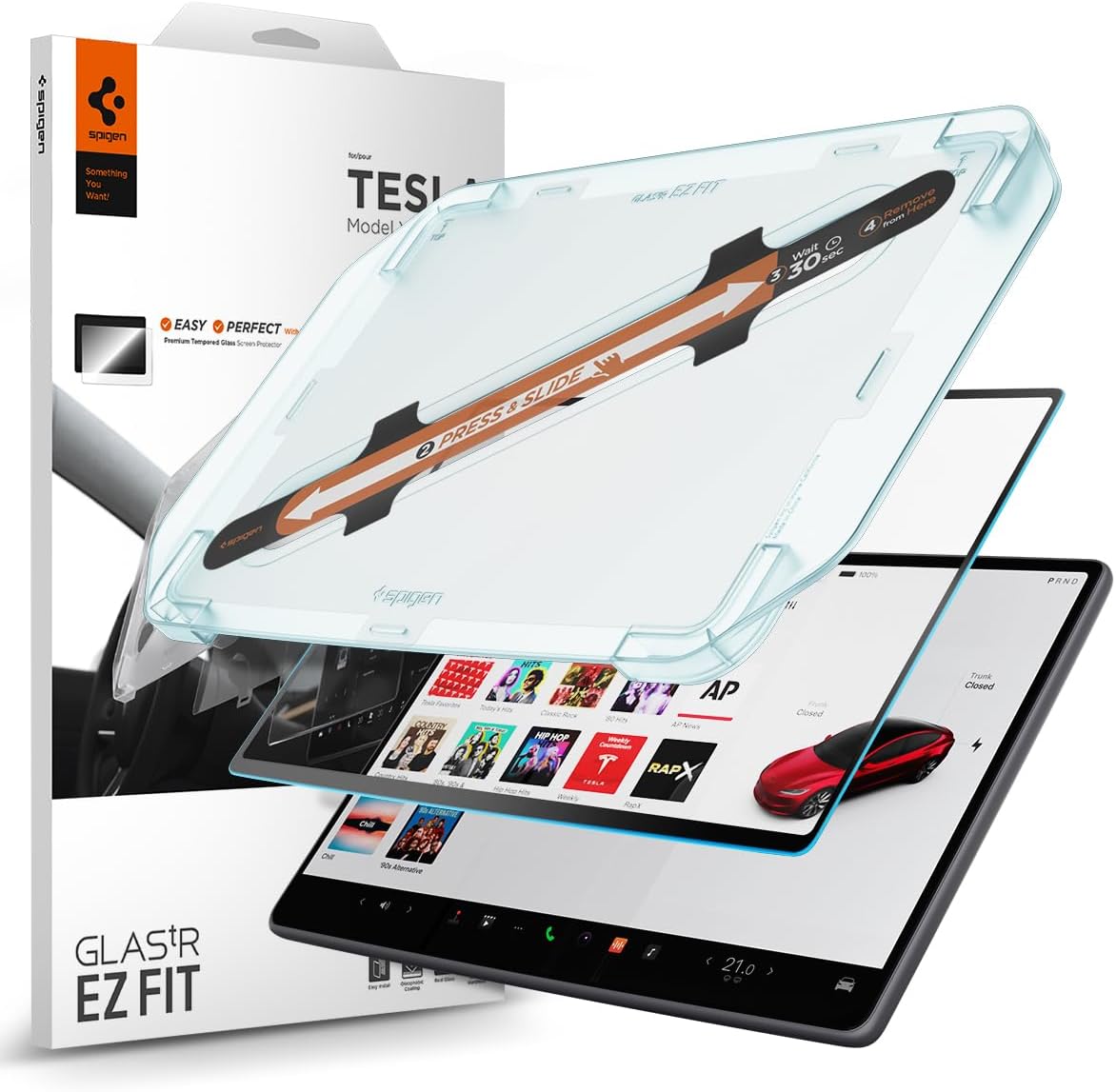
Spigen Tempered Glass for Tesla Model 3/Y
Tempered-glass protection for the touchscreen that kills fingerprints and scratches. Two minutes to install, lasts the life of the car.
As an Amazon Associate, ThinkEV earns from qualifying purchases — at no extra cost to you.

Founder & Chief Editor
Vlad Pereira is the founder and chief editor of ThinkEV.ca, the Canadian electric-vehicle publication he writes and edits from Courtenay, British Columbia. He covers EV pricing, federal and provincial rebates, charging costs, and the Chinese manufacturers now entering Canada, from the buyer's side rather than the press-fleet side. ThinkEV is a venture of Vlad Pereira Online; his writing on health, income and the long game lives at vladpereira.com.
Frequently asked questions
When can I buy a BYD in Canada?
Do BYD vehicles qualify for the federal EV rebate?
Where will BYD dealerships open first in Canada?
How does BYD's Blade Battery work?
Are BYD vehicles safe?
More EV & road-trip finds
Affordable upgrades worth a look — tap any to check the price on Amazon.
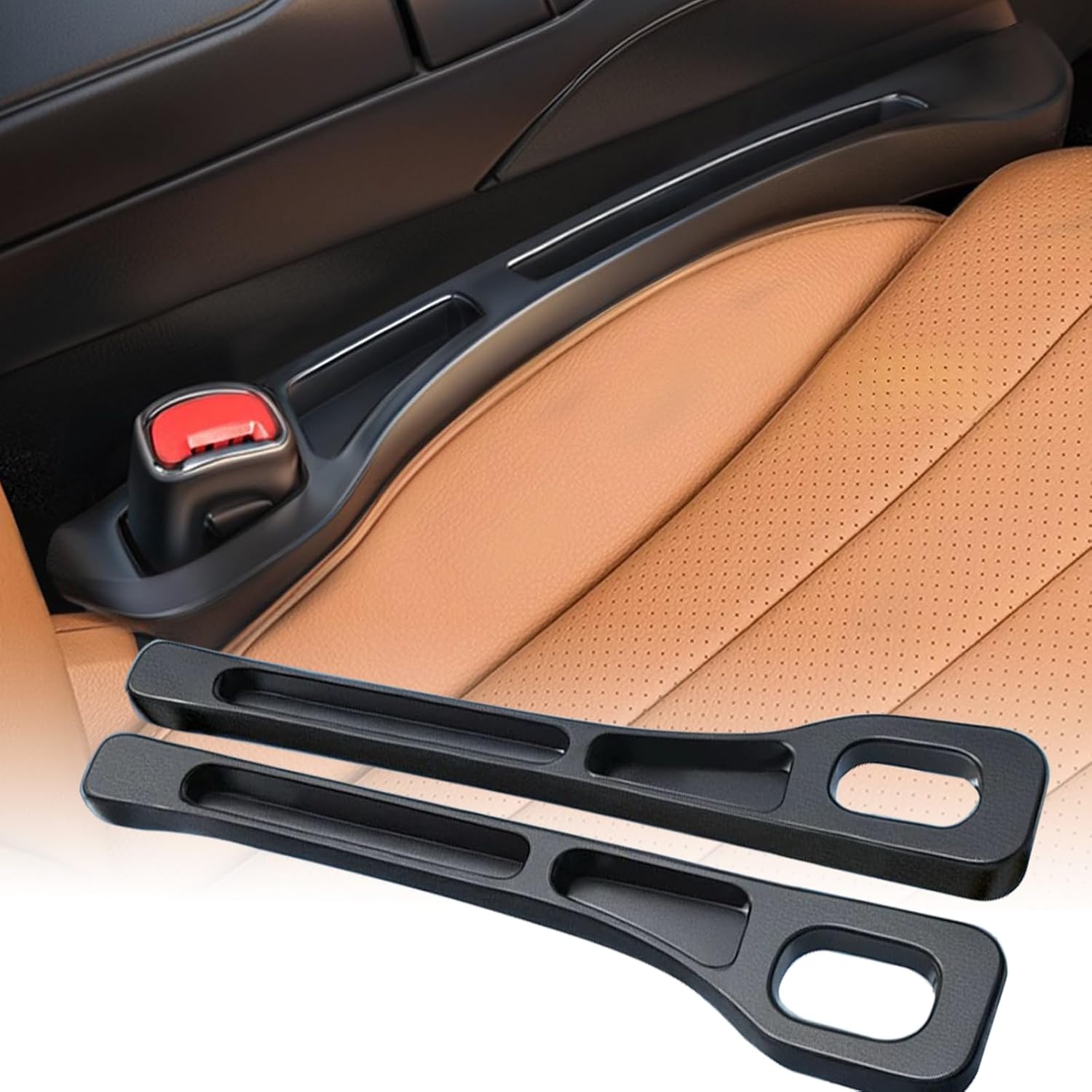 ★ 1,340
Car Seat Gap Filler (Universal)
View on Amazon ★ 1,944
VIOFO A229 Pro 4K Dash Cam
View on Amazon ★ 87
★ 87Car Window Sun Shades for Kids (4-Pack)
View on Amazon ★ 68
★ 68WeatherTech FloorLiner for Tesla Model 3
View on Amazon ★ 9,349
Auto Detailing Brush Set (10-Piece)
View on Amazon ★ 314
★ 314Mini USB LED Ambient Lamps (4-Pack)
View on Amazon ★ 4,626
HoogaLife Hanging Car Diffuser (2-Pack)
View on Amazon ★ 4,424
Sun Visor Card and Document Organizer
View on AmazonRead, Plan, Then Stay Current
Explore our expert articles to understand incentives and ownership costs, use the map to pressure-test charging reality, then subscribe so new EV coverage comes straight to you.
Continue Reading
Chery EVs Coming to Canada: Models and Prices
Who Got Canada's First Chinese EV Import Permits
Solid-State Batteries Are No Longer Coming Soon
EV Rentals in Canada 2026: Where to Try One First

Canadian Fleet Electrification 2026: The Real Data