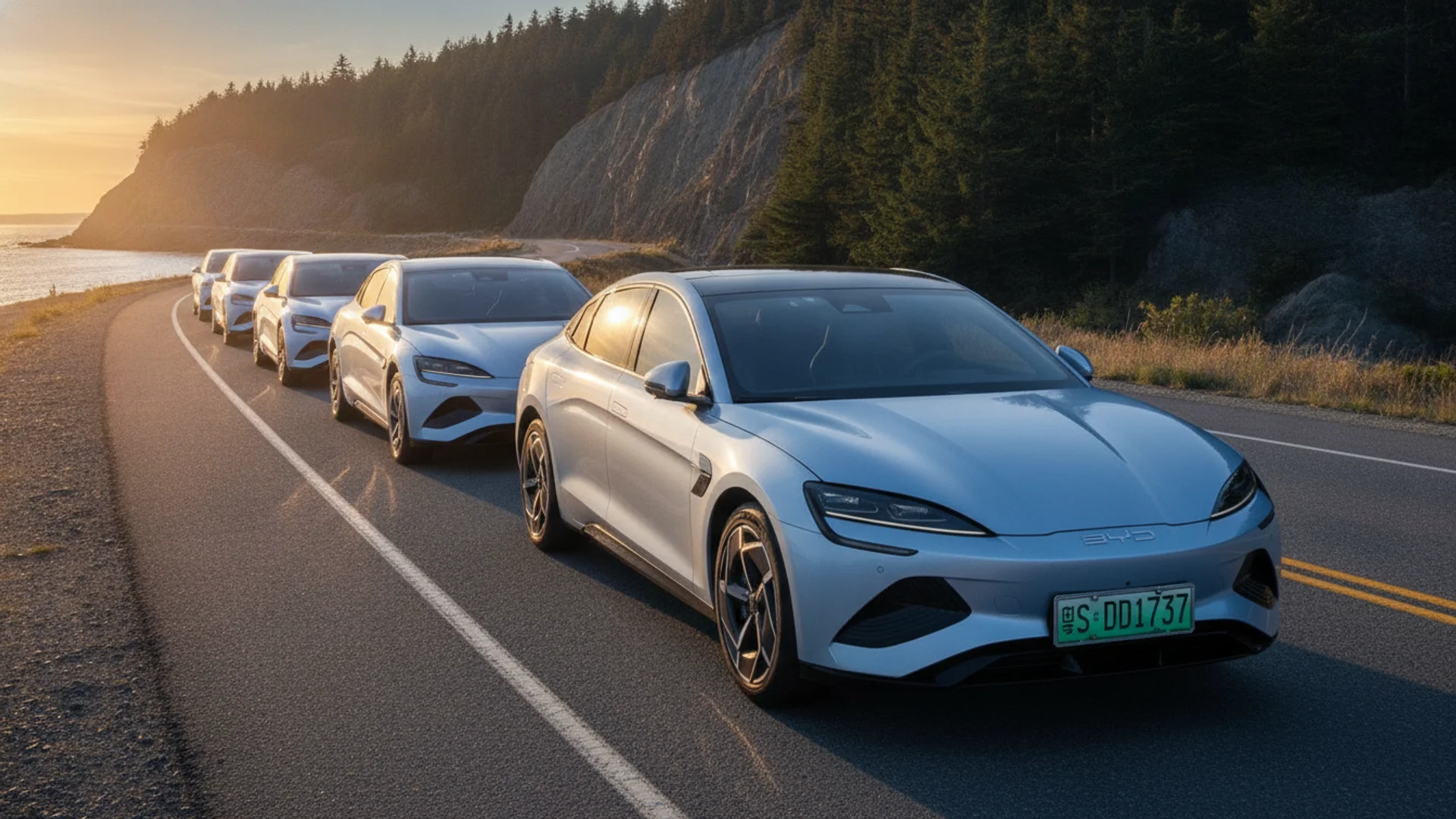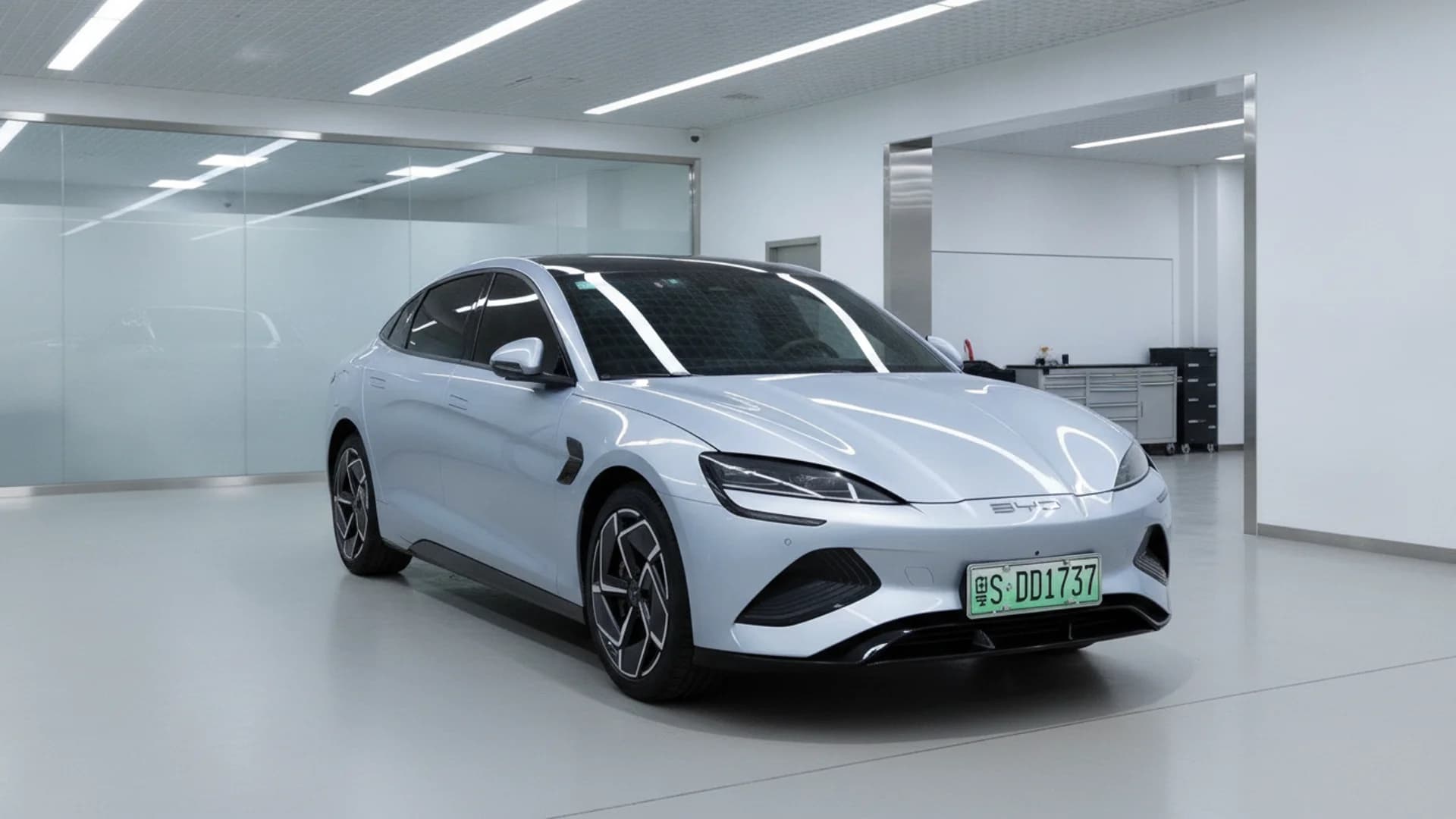
Key takeaways
- BYD is promising 8 years and 250,000 km on the battery.
- MG, through its Australian operations, offers 10 years and 250,000 km on both the vehicle and the battery.
- That battery figure jumped from 200,000 km in January 2026, and BYD made the increase retroactive for all existing European owners.
- Where the NMC batteries in most Hyundai and Kia EVs are rated for roughly 1,500 to 2,000 charge cycles, BYD's Blade Battery is rated for 3,000 to 5,000 cycles.
Seven Chinese automakers are circling the Canadian market, and each has brought a warranty package designed to make you forget every reservation you've had about buying from an unfamiliar brand. BYD is promising 8 years and 250,000 km on the battery. Chery is offering 7 years of bumper-to-bumper coverage with no kilometre limit. MG, through its Australian operations, has reached 10 years and 250,000 km on both the vehicle and the battery. These numbers dwarf what Toyota, Honda, and even Tesla currently offer in Canada.
A warranty is only worth something if you can actually use it. Not a single Chinese EV dealership is open in Canada as of March 2026. No parts counters. No trained technicians with manufacturer certifications. No claims history for insurers to price against. The gap between what these manufacturers are promising and what they can currently deliver on Canadian soil is enormous. The coverage terms themselves are genuinely impressive, and dismissing them outright because the brands are unfamiliar would be a mistake. So would signing on the dotted line without understanding what you're getting into.
A brand-by-brand breakdown follows, with the numbers verified against each manufacturer's global warranty documentation.
BYD: The Front-Runner
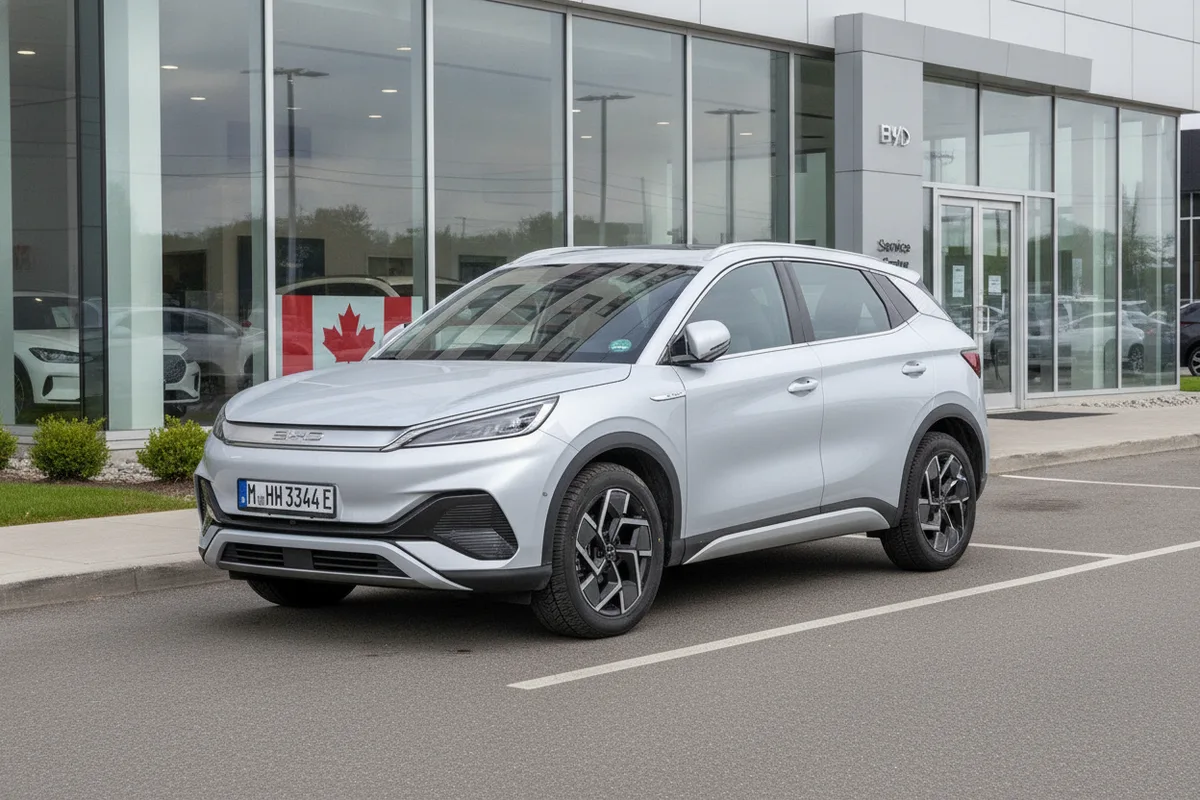
Every conversation about Chinese EVs in Canada starts with BYD, and for good reason. They've already registered their Shenzhen and Xi'an manufacturing plants with Transport Canada, a step that sounds like dry paperwork but actually represents a critical regulatory milestone. BYD is the only Chinese EV brand holding existing Appendix G clearance for Canadian imports. That clearance was originally obtained for commercial buses and taxis (BYD has been quietly running electric transit vehicles in North America for years), but it now extends to consumer passenger vehicles. No other Chinese manufacturer can say the same.
Their dealership plan is equally aggressive. Twenty Canadian locations are in the pipeline, targeting Toronto, Vancouver, Montreal, and Calgary as initial launch cities. Demo units should arrive by mid-2026, with pilot retail operations following in late 2026. Seven models are expected to cross the border eventually: the Seagull (their affordable city car), the Dolphin (compact hatchback), the Atto 3 (mid-size crossover), the Seal and Seal U (sedans), the Tang (full-size SUV), and the Han (their flagship). That's a wider initial lineup than most new-market entrants attempt, which tells you something about the scale BYD is operating at.
Now for the warranty specifics. Based on their European terms (no Canadian-specific warranty has been officially announced yet), BYD offers 6 years/150,000 km bumper-to-bumper, 8 years/250,000 km on the battery with a 70% State of Health guarantee, 8 years/150,000 km on the drive unit, and 12 years of unlimited-mileage anti-perforation corrosion protection. That battery figure jumped from 200,000 km in January 2026, and BYD made the increase retroactive for all existing European owners. Retroactive warranty extensions are rare in the auto industry (most brands only apply improvements to new purchases), and that move alone signals a manufacturer willing to invest in long-term customer retention.
Underneath the warranty sits the Blade Battery, BYD's proprietary LFP (lithium iron phosphate) cell. LFP chemistry trades some energy density for significantly better cycle life and thermal stability. Where the NMC batteries in most Hyundai and Kia EVs are rated for roughly 1,500 to 2,000 charge cycles, BYD's Blade Battery is rated for 3,000 to 5,000 cycles, enough to handle a full charge every single day for over eight years before hitting the rated cycle limit. BYD claims over 90% capacity retention at the 200,000 km mark, though there's virtually no Canadian cold-weather fleet data to verify that yet. Winters in Courtenay are one thing; winters in Winnipeg are another entirely, and LFP batteries are known to lose more range in extreme cold than NMC alternatives.
Canadian buyers considering BYD should understand that the European warranty structure is the best available indicator of what we'll see here, but nothing is guaranteed until Transport Canada and BYD Canada publish official terms. Global patterns suggest the coverage will be at least as generous as Europe's (manufacturers expanding into new markets tend to match or exceed their existing terms to build trust), though the timeline for actually opening those 20 dealerships will determine whether the warranty is practical or aspirational. A 250,000 km battery promise means very little if the nearest authorized service centre is a 12-hour drive away.
Zeekr: The Conditional 10-Year Play
Geely, the Chinese conglomerate that also owns Volvo and Polestar, trademarked "Zeekr" in Canada in 2025. That trademark filing is a quiet but telling move from a company that already understands how to sell premium vehicles in North America through its Swedish subsidiaries. Zeekr's European deliveries began in Germany in January 2026, and Canada appears to be next on the expansion map alongside BYD and Chery.
Zeekr's warranty approach is different from anything else on this list. The base coverage in Europe is 5 years/100,000 km on the vehicle, which sounds modest until you learn about the extension mechanism. Service your Zeekr exclusively at authorized centres, and you can extend that coverage to a full 10 years/200,000 km. That conditional structure is unusual in the EV world (most brands either offer long warranties outright or don't), and it creates an interesting incentive loop. Zeekr gets guaranteed service revenue and quality-controlled maintenance records. You get double the warranty duration. Both sides benefit, though the arrangement does lock you into a specific service ecosystem for the life of the vehicle.
Battery coverage stands at 8 years/200,000 km with a 70% State of Health floor, which places Zeekr in the middle of the Chinese EV pack. Solid, not spectacular. Rounding out the package: 12 years of corrosion protection, 4 years of paintwork coverage, and 3 years of roadside assistance. The corrosion protection matching BYD's 12-year term is a smart move for the Canadian market, where road salt eats through undercarriages like a slow-motion acid bath from October through April.
What makes the conditional extension genuinely compelling is what it implies about Zeekr's confidence in their own engineering. A manufacturer offering to double its warranty period if you maintain the vehicle properly is essentially telling you they've built something that lasts. They're betting that the maintenance costs won't eat into their margins, and that the vehicles serviced at authorized centres will generate fewer claims than the warranty extension costs them. That's a calculated risk, and it only makes sense if their reliability data supports it.
Geely's existing Canadian infrastructure through Volvo and Polestar could (theoretically) accelerate Zeekr's service network buildout. Shared parts logistics, trained technicians familiar with Geely-platform vehicles, and established dealer relationships are all assets that Zeekr can tap into. Whether Geely will actually leverage that overlap or keep Zeekr siloed as an independent brand remains to be seen. For Canadian buyers, the distinction matters: a Zeekr with Volvo-adjacent service access is a very different proposition from a Zeekr that has to build everything from scratch.
Chery/Omoda: Unlimited Kilometres
Chery has taken a fundamentally different approach to the Canadian market than BYD or Zeekr. Rather than leading with a flagship brand and building downward, they've registered six separate brand names in Canada: Exeed, iCar, Jaecoo, Lepas, Luxeed, and Omoda. That portfolio strategy suggests Chery plans to segment the market aggressively, positioning different brands at different price points and for different buyer demographics. Whether Canadian consumers have the bandwidth to learn six new Chinese automotive brands simultaneously is an open question, but the ambition is undeniable.
Their Australian warranty terms set the global benchmark for bumper-to-bumper generosity: 7 years with unlimited kilometres on the vehicle, 8 years with unlimited kilometres on the battery (70% State of Health guaranteed), plus 3 years of capped-price servicing and 7 years of roadside assistance. Unlimited kilometres is a phrase that most manufacturers avoid like a pothole, because it removes the escape hatch that mileage caps provide for high-use vehicles. A rideshare driver putting 60,000 km per year on their Chery is covered to the same extent as a retiree doing 8,000. That's an expensive promise to make, and it tells you either that Chery is supremely confident in their powertrain durability or that they're willing to absorb warranty claims as a customer acquisition cost.
UK terms are slightly more conservative: 7 years/100,000 miles on the vehicle and 8 years/100,000 miles on the battery, with 12 years of perforation corrosion coverage added. Still generous by any standard, but the mileage caps bring it closer to traditional warranty territory.
Reports from overseas markets indicate that Chery is more open to partnering with smaller and mid-sized dealer groups than BYD, which has reportedly been more selective about its retail partners. For the Canadian market, that flexibility could accelerate dealership openings in mid-size cities that BYD's initial rollout might skip. Think places like Ottawa, Winnipeg, Edmonton, and Halifax, cities with enough EV demand to justify a dealership but not necessarily the population density that a brand like BYD would prioritize first. Smaller dealer groups also tend to be more nimble, able to open locations faster and with lower overhead than the large dealer networks that dominate the Canadian automotive market.
One unknown hanging over Chery's Canadian entry is which warranty structure they'll adopt. Australia's unlimited-kilometre terms are the most aggressive, and matching them in Canada would instantly make Chery the warranty leader among Chinese EVs (and arguably among all EVs sold here). The UK's capped structure is more financially conservative and possibly more realistic for a brand entering a market with zero service history. Buyers watching Chery should pay close attention to whichever terms are announced, because the gap between those two approaches is significant.
NIO: Battery as a Service
NIO stands apart from every other manufacturer on this list because of BaaS, their Battery as a Service subscription model. Rather than buying the battery outright as part of the vehicle purchase, European NIO owners can subscribe to battery access for EUR 169 per month (75 kWh pack) or EUR 289 per month (100 kWh pack). The subscription includes access to NIO's battery swap network, where you drive into a station, an automated system removes your depleted battery, and slots in a fully charged one. The entire process takes roughly five minutes. Think of it as the EV equivalent of a gas station, except you never actually own the fuel tank.
Sixty swap stations are currently operational across five European countries: Norway, Germany, Denmark, the Netherlands, and Sweden. Globally, NIO has deployed over 3,790 stations, almost entirely in China. The technology works. The question for Canadian buyers is whether it'll ever arrive here.
Probably not anytime soon. NIO's European expansion stalled in early 2025 amid cost-cutting measures, and the company has not announced any Canadian market plans. Their European vehicle warranty (5 years/150,000 km with matching roadside assistance) is solid but unspectacular, and it pales next to the 6-year/150,000 km vehicle warranty plus 10-year unlimited powertrain coverage that first-time buyers receive in China. That geographic disparity in warranty terms is something worth noting, because it reveals how NIO prioritizes its home market over expansion territories.
The BaaS model also carries a structural limitation that prospective buyers should understand completely. Once you choose BaaS, you cannot switch to purchasing a battery outright. And if you buy the battery with the vehicle, you cannot later convert to BaaS. That decision is permanent, which means you're committing to a payment structure for the entire ownership period at the time of purchase. For a monthly subscriber, the math over a 7-year ownership period works out to roughly EUR 14,200 for the 75 kWh pack or EUR 24,300 for the 100 kWh pack, neither of which is cheap. Whether BaaS saves you money depends entirely on how you value the convenience of five-minute battery swaps versus the simplicity of a one-time purchase.
Gear worth having
As an Amazon Associate, ThinkEV earns a small commission from qualifying purchases — at no extra cost to you.

Grizzl-E Classic Level 2 EV Charger (40A)
Canadian-made and rated for minus 40C winters. 40A / 9.6 kW, NEMA 14-50, indoor/outdoor, 24-ft cable. The charger built for Canadian weather.
As an Amazon Associate, ThinkEV earns from qualifying purchases — at no extra cost to you.
NIO is included in this comparison because their approach represents a fundamentally different model of EV ownership that Canadian buyers should be aware of, even if the brand itself isn't headed our way. The BaaS concept could influence how other manufacturers structure their Canadian offerings, particularly if battery degradation concerns become a major purchasing barrier. A subscription that guarantees fresh battery capacity indefinitely is a powerful answer to the "what happens when the battery dies" question that still keeps some buyers away from EVs entirely.
MG, Leapmotor, and XPeng
Three additional Chinese EV brands deserve attention, even though none has announced a concrete Canadian timeline.
MG, owned by SAIC Motor, is currently offering the most aggressive warranty package of any Chinese EV manufacturer anywhere in the world. Australian buyers get 10 years/250,000 km on both the vehicle and the battery, with a 70% State of Health guarantee on the latter. Ten years. A quarter million kilometres. On everything. That's not a promotional offer or a conditional extension; it's the standard warranty.
In the UK, MG offers 7 years/80,000 miles on the vehicle and 8 years/100,000 miles on the battery. European terms sit at 7 years/150,000 km covering the full vehicle including electric drive and battery. SAIC is still evaluating Canadian entry, and no timeline has been announced, but if MG arrives with anything close to their Australian terms, they'd instantly become the warranty benchmark against which every other EV in the country is measured.
Leapmotor occupies the opposite end of the warranty spectrum. Their European vehicle coverage is just 4 years/60,000 miles, the weakest among all Chinese EV brands by a significant margin. That's shorter than BYD by two years, shorter than MG by three, and shorter than Chery by three as well. Their battery warranty (8 years/100,000 miles) is more competitive, which suggests Leapmotor is betting that battery reliability matters more to buyers than bumper-to-bumper duration. Australian terms are much stronger at 7 years/unlimited km on the vehicle and 8 years/unlimited km on the battery, indicating that Leapmotor adjusts warranty offers to match local competitive pressure rather than maintaining a single global standard.
Where Leapmotor gets genuinely interesting is through their partnership with Stellantis. The same Stellantis that operates Chrysler, Dodge, Jeep, Ram, and Fiat dealerships across Canada. That existing dealer and parts network is the strongest service infrastructure any Chinese EV brand could access on Canadian soil, and it's already built. No construction timelines. No lease negotiations. No technician hiring from scratch. If Leapmotor can strike a deal to sell and service through Stellantis locations, they'd leapfrog every other Chinese brand in terms of service accessibility overnight. Whether that partnership will extend to Canadian retail remains speculative, but the structural possibility alone makes Leapmotor worth watching.
XPeng falls squarely in the middle ground. European terms offer 5 years/160,000 km on the vehicle and 8 years/160,000 km on the battery, BMS, and motor, with 12 years of corrosion protection added. Australian standard coverage is 5 years/120,000 km on the vehicle with an 8-year battery warranty, though XPeng ran a promotional 10-year/220,000 km battery warranty in Australia from February through June 2025.
Promotional warranty extensions are a double-edged sword for consumers (great if you buy during the window, frustrating if you miss it by a week), and they signal that XPeng views warranty length as a marketing lever rather than a fixed commitment. None of that disqualifies XPeng from consideration, but it does suggest their terms could shift depending on competitive dynamics in whatever market they enter next.
The Service Network Gap
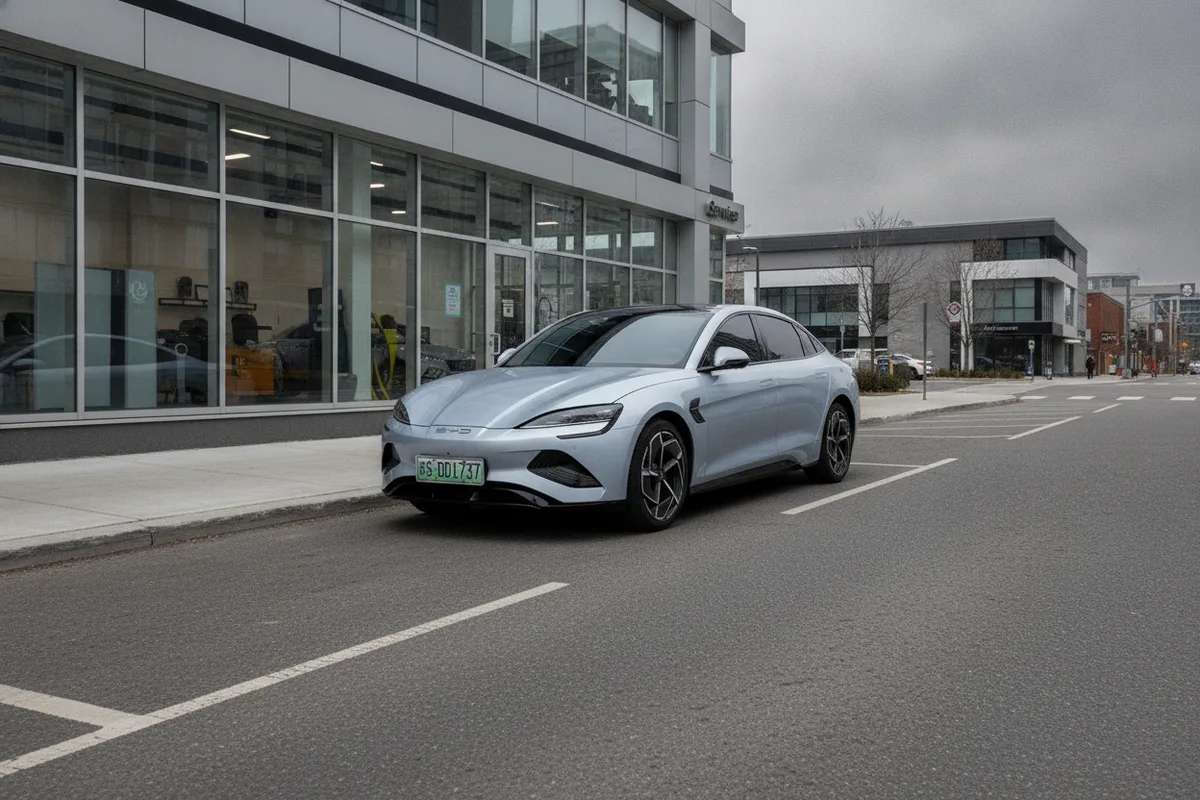
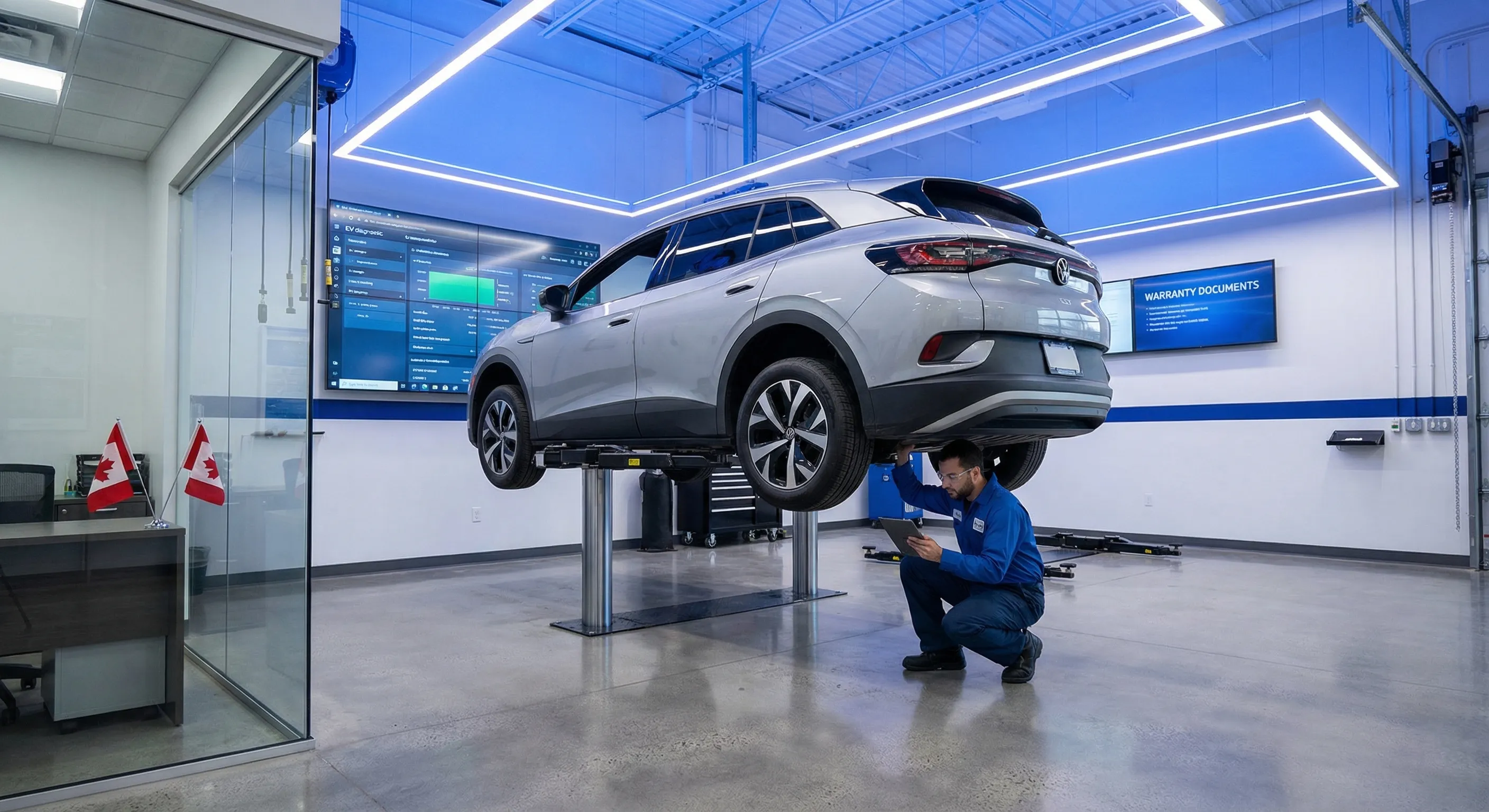
Warranty coverage without service infrastructure is a promise without a mechanism. That distinction matters enormously for Canadian buyers evaluating Chinese EVs in 2026, because the infrastructure simply does not exist yet. Zero Chinese EV dealerships are operational in Canada. BYD's 20 planned locations are the most concrete commitment any manufacturer has made, and even those won't have parts counters stocked and technicians trained for at least another year.
Insurance is one of the first places where this gap hits your wallet. Premiums for Chinese EVs are estimated at 20 to 30 percent higher than comparable vehicles from established brands, and the reason is straightforward: insurers price risk based on claims data, and there is no Canadian claims data for these vehicles. When an insurer can't predict how much a fender repair will cost, how long parts will take to arrive, or how frequently a particular model needs major service, they charge more to cover the uncertainty. That premium should normalize by 2028 to 2030 as repair networks develop and claims history accumulates, but early adopters will pay the surcharge.
Transport Canada's decision to pause Appendix G pre-clearance for Chinese passenger vehicles in 2025 created an additional bottleneck. Only BYD, with its existing clearance from commercial vehicle imports, can currently move consumer vehicles through customs without special case-by-case approvals. Every other Chinese manufacturer faces a regulatory hurdle that adds time, cost, and uncertainty to the import process. That bottleneck won't last forever (regulatory frameworks evolve), but it gives BYD a meaningful head start that could last 12 to 18 months.
Then there's the quota system. Canada allows 49,000 Chinese EVs annually under the current framework, subject to a 6.1% tariff that replaced the punishing 100% duty imposed in October 2024. Of that annual quota, 24,500 permits are distributed first-come, first-served between March 1 and August 31, 2026. The remaining allocation follows a different distribution mechanism. By 2030, the total quota rises to 70,000 vehicles. Those numbers are large enough to support meaningful market entry but small enough to create allocation pressure among manufacturers competing for permits.
Every Chinese EV sold in Canada also carries a $5,000 competitive disadvantage from day one. The federal EVAP rebate, which knocks $5,000 off qualifying electric vehicles, requires manufacturing in Canada or a free-trade-agreement country. Chinese manufacturing doesn't qualify, period. Even the BYD Seagull, which is expected to land somewhere between $32,000 and $40,000 CAD (making it one of the most affordable EVs on the market), cannot access that rebate. A buyer choosing the Seagull over a rebate-eligible competitor is effectively paying $5,000 more in real terms, and that's a meaningful chunk of the price advantage that Chinese EVs are supposed to deliver.
Service normalization across the industry is expected between 2028 and 2030. That's when independent repair shops will have accumulated enough experience with Chinese EV platforms to offer competitive service, when parts supply chains will have matured, and when insurance companies will have enough claims data to price Chinese EVs fairly. Buyers who purchase before that window are essentially paying an early-adopter tax in the form of higher insurance, longer service wait times, and fewer repair options. Whether the savings on purchase price offset that tax depends on the specific vehicle, your location, and your tolerance for inconvenience.
How They Compare to Established Brands
Chinese manufacturers aren't just matching the warranties offered by established EV brands. They're exceeding them in multiple categories, sometimes dramatically. BYD's 8-year/250,000 km battery warranty surpasses Tesla's coverage (which tops out at 240,000 km on Model S/X and drops to 160,000 km on Model 3/Y), Hyundai's 160,000 km, and Kia's 160,000 km. Only Mercedes manages to match or beat BYD on battery terms, with 10 years/250,000 km on the EQE and EQS. Chery's 7-year unlimited-km bumper-to-bumper coverage eclipses the 5-year/100,000 km vehicle warranties from Hyundai and Kia, which are otherwise considered among the best in the mainstream market.
MG's Australian terms (10 years/250,000 km on everything) are the most generous offered by any manufacturer currently selling EVs. If those terms ever reach Canada, the competitive dynamics of the entire market shift.
Paper strength doesn't automatically translate to real-world reliability, though. Established brands bring decades of Canadian service history, dense dealer networks, trained technicians in every mid-size city, and insurance pricing based on millions of kilometres of claims data. A Hyundai Ioniq 5 with a 5-year/100,000 km vehicle warranty and a Hyundai dealer 15 minutes from your house is, in practical terms, better covered than a Chery with 7 years/unlimited km and the nearest service option in another province. The warranty document protects you legally. The service network protects you practically. Both matter, and right now, established brands hold an overwhelming advantage on the second front.
Between 2028 and 2030, that advantage will erode as Chinese manufacturers build out their Canadian networks, as independent shops gain Chinese EV expertise, and as parts availability improves. Buyers purchasing in 2027 or 2028 will face a transitional market where the warranty terms are excellent but the support infrastructure is still catching up. By 2030, the playing field should be considerably more level, and at that point, the sheer generosity of Chinese EV warranties could become a genuine competitive weapon rather than a theoretical one.
For anyone shopping today (or planning to shop in the next two years), the calculus comes down to this: are you willing to accept some short-term inconvenience in exchange for longer coverage and potentially lower purchase prices? If you live in Toronto, Vancouver, or Montreal, where dealership access will come first, the answer might be yes. If you live in rural Saskatchewan, the answer is almost certainly no, at least not yet.
Gear worth having
As an Amazon Associate, ThinkEV earns a small commission from qualifying purchases — at no extra cost to you.
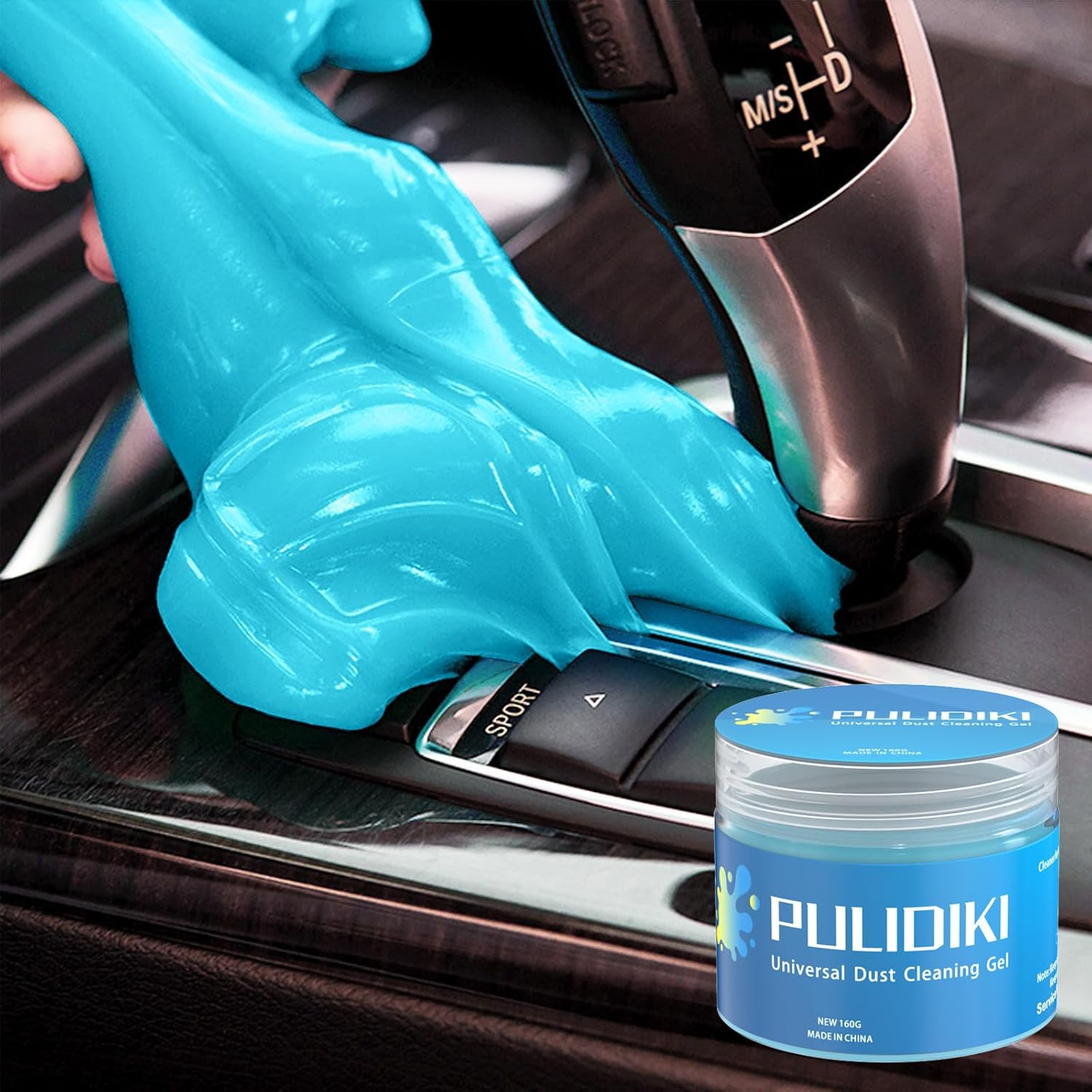
PULIDIKI Car Cleaning Gel (Detailing Putty)
Press it into vents, buttons, and seams and it lifts out dust you did not know was there. Weirdly satisfying, genuinely useful.
As an Amazon Associate, ThinkEV earns from qualifying purchases — at no extra cost to you.
Related Reading
Gear worth having
As an Amazon Associate, ThinkEV earns a small commission from qualifying purchases — at no extra cost to you.

WixGear Magnetic Air Vent Phone Mount (2-Pack)
A magnet strong enough that your phone never flinches over potholes or rail crossings. Two in the box, one for each car.
As an Amazon Associate, ThinkEV earns from qualifying purchases — at no extra cost to you.

Founder & Chief Editor
Vlad Pereira is the founder and chief editor of ThinkEV.ca, the Canadian electric-vehicle publication he writes and edits from Courtenay, British Columbia. He covers EV pricing, federal and provincial rebates, charging costs, and the Chinese manufacturers now entering Canada, from the buyer's side rather than the press-fleet side. ThinkEV is a venture of Vlad Pereira Online; his writing on health, income and the long game lives at vladpereira.com.
Frequently asked questions
Do Chinese EVs qualify for the federal EVAP rebate in Canada?
Which Chinese EV brand has the best warranty?
Will Chinese EVs cost more to insure in Canada?
More EV & road-trip finds
Affordable upgrades worth a look — tap any to check the price on Amazon.
 ★ 537
★ 537USB Star Projector Roof Light
View on Amazon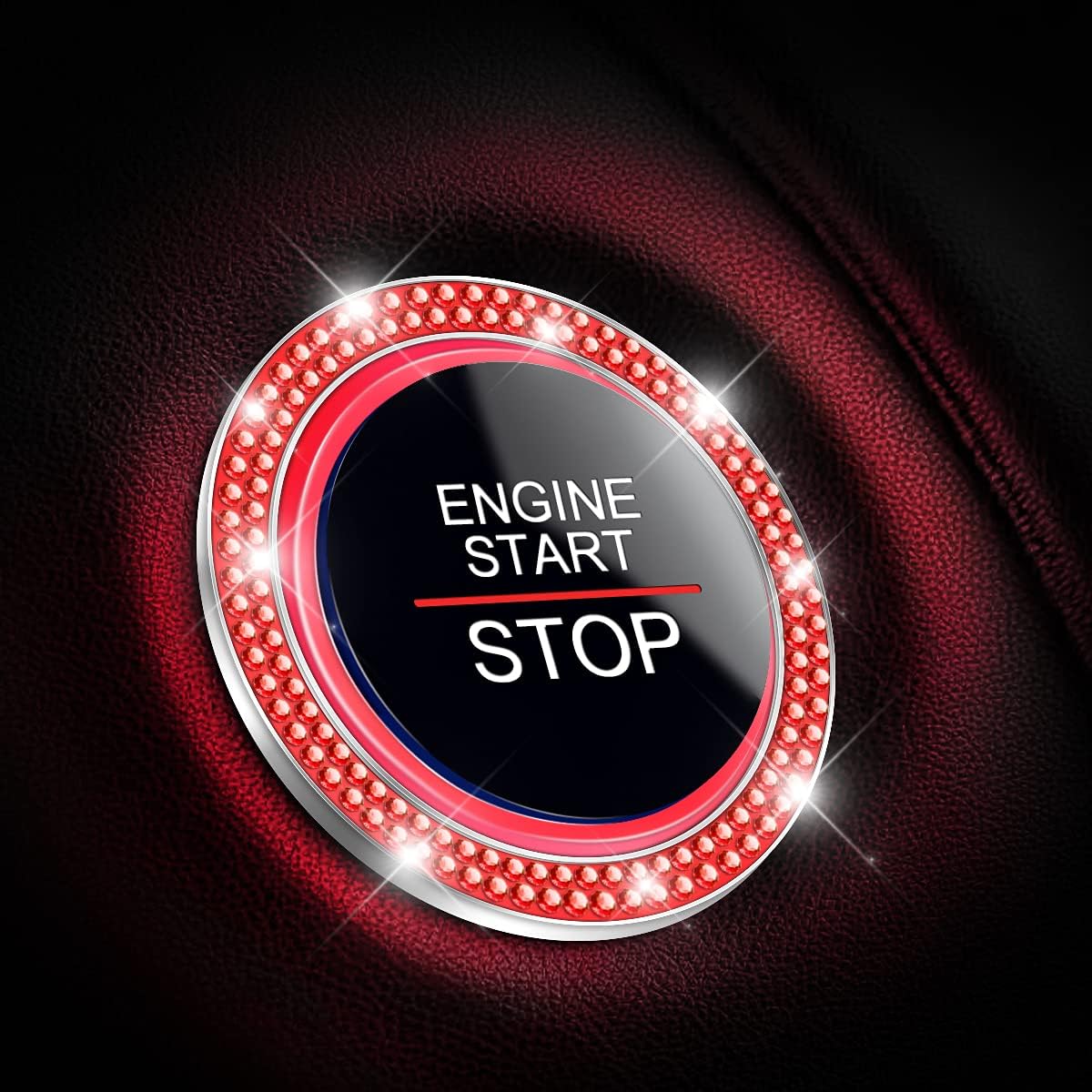 ★ 1,083
Crystal Push-Start Button Ring (2-Pack)
View on Amazon ★ 21,304
Car Headrest Hooks (4-Pack)
View on Amazon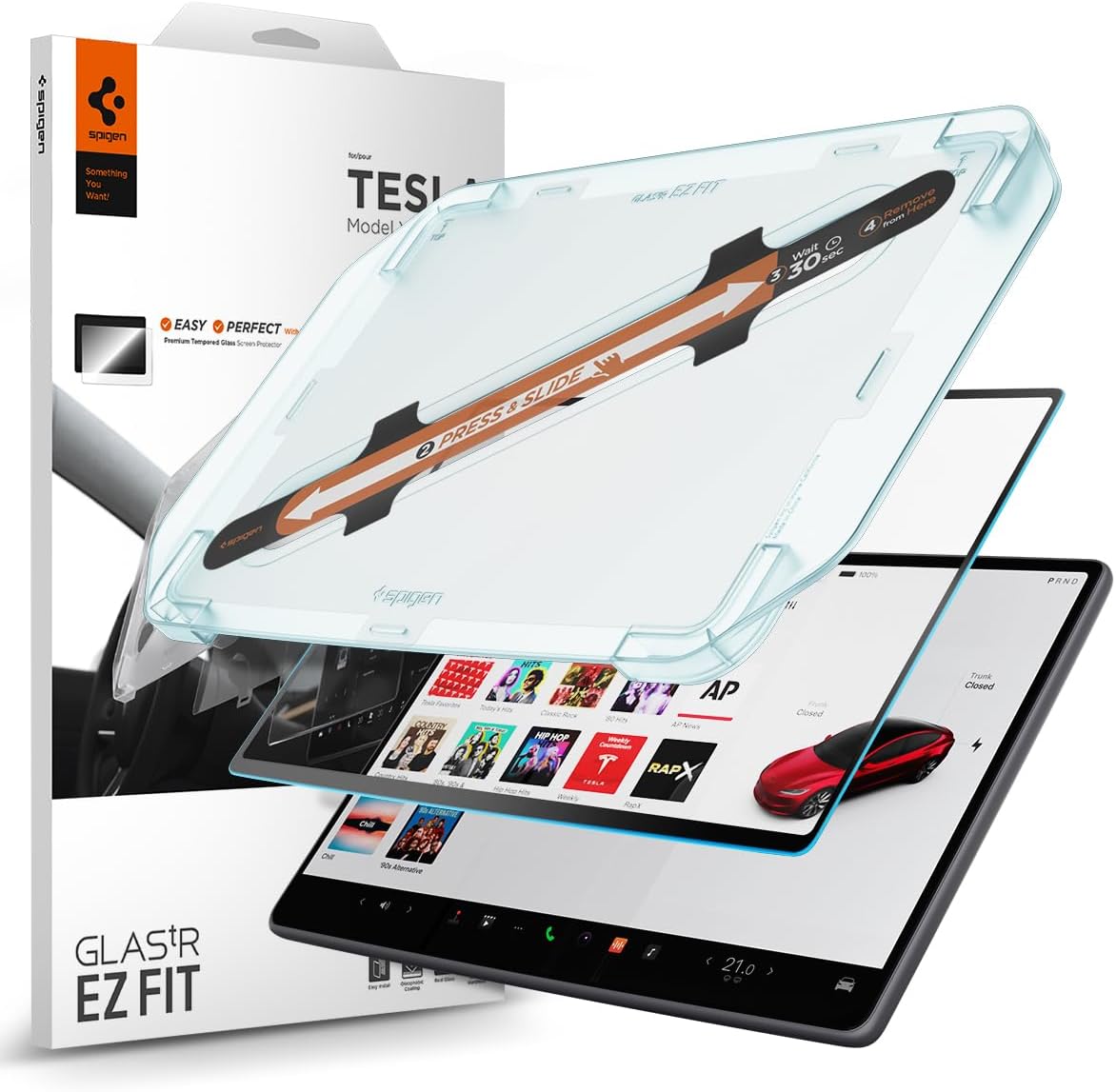 ★ 15,014
Spigen Tempered Glass for Tesla Model 3/Y
View on Amazon ★ 119
★ 119Foldable Waterproof Trunk Organizer
View on Amazon ★ 392
★ 392Large Cup Holder Adapter (32-40oz)
View on Amazon ★ 47,507
HOMEXCEL Microfiber Cloths (12-Pack)
View on Amazon ★ 314
★ 314Mini USB LED Ambient Lamps (4-Pack)
View on AmazonRead, Plan, Then Stay Current
Explore our expert articles to understand incentives and ownership costs, use the map to pressure-test charging reality, then subscribe so new EV coverage comes straight to you.
Continue Reading
EV Battery Warranty Canada: 8 Years, 160,000 km
Chinese EV Service in Canada: What Buyers Should Know
Chinese EVs in Canada: 15,603 In, Still No BYD
BYD Dolphin Cargo e-Van: What Fleet Buyers Get

BYD Canada Dealerships 2026: 20 Stores, Toronto First