Brand loyalty in the EV market now says more about you than the car you drive.
Six years ago, recommending a Tesla over a Leaf felt obvious. Today the same question pulls 42 comments and zero consensus across enthusiast forums. The thread itself isn't the story. The lack of agreement is.
The gap that defined the early EV era, the one that made a Tesla recommendation feel like a public service, has collapsed. Quietly. Without ceremony. And nobody on the manufacturer side wants to say it out loud, because once you admit the cars are roughly equivalent, you have to compete on something else. Software stickiness. Charging network. Vibes. Marketing budget.
That's the actual 2026 story. Most people are inside it and don't notice.
Key takeaways
- Hyundai-Kia's E-GMP platform erased Tesla's technical lead between 2022 and 2024.
- The Chevy Blazer EV and Honda Prologue are the same Ultium platform under different badges.
- Tesla's Supercharger remains a genuine moat in rural Canada despite universal NACS adoption.
- One-pedal regen feel, NVH, and suspension tuning are the last real engineering differentiators.
- Most 2026 EVs fall within 10–15% of each other on every metric that used to matter.
The Gap Was Real, and Then It Wasn't
In 2016, the Tesla recommendation wasn't fanboyism. It was math.
Supercharger access versus crap public charging. 250 miles of real range versus a Leaf's 84. Over-the-air updates versus dealer service appointments. The early Bolt and Leaf weren't competing with Tesla. They were placeholders for buyers who couldn't afford a Model S. That's not a competitive market. That's a sole-source supplier dressed up as a category.
The collapse didn't happen gradually. It happened between roughly 2022 and 2024, in two waves. First, Hyundai-Kia's E-GMP platform showed up with 800-volt architecture and charging curves that embarrassed Tesla on paper. Then GM's Ultium, Ford's second-gen platforms, and the Korean charging-speed advantage went mainstream. By the time the BYD-versus-Tesla global sales numbers landed and most Western media buried the story, the technical lead Tesla had built was already gone.
Yes, Tesla still posts industry-leading efficiency and Supercharger reliability is uncontested. But industry-leading by 4% is not the same category as industry-leading by 40%. When the lead compresses by an order of magnitude, the consumer math flips even if the leaderboard order doesn't.
The Snazzy Labs video that keeps surfacing in EV forums documents exactly when the lead evaporated. It's not nostalgia. It's a forensic timestamp.
What's left is the residue of brand perception built when the gap was real. That's a wasting asset.
No one in EV marketing wants to acknowledge convergence, because the moment you do, you've conceded that price, software, and charging network are the only real levers. And two of those three are commodities now.
There's a precedent for what comes next, and it's not flattering. The American auto industry has lived through a convergence-and-decoupling cycle before. During the malaise era, many automotive manufacturers dropped horsepower ratings from their advertising once emissions rules flattened the spec sheets. The cars all became roughly equivalent on the metrics that used to matter, so the metrics stopped appearing in the ads. Watch what disappears from EV marketing copy over the next two years. That's the leading indicator.
You can feel the unease in the press releases. Every launch is "redefining the segment." Nothing is. Most 2026 EVs are within 10–15% of each other on the metrics that matter. That's not a redefinition. That's a tightening band.
Platform Consolidation Is Doing Most of the Work
The marketing departments are quietly working around a single uncomfortable fact: the cars underneath the badges are increasingly the same car.
The Chevy Blazer EV and the Honda Prologue share the same Ultium platform. Same battery architecture, same motors, same fundamental drivetrain. The bodywork is different. The badge is different. The car underneath is the same car. Buyers on enthusiast forums have figured this out, as the most upvoted comment in the convergence thread spells out: a Chevy Blazer EV is the exact same vehicle as a Honda Prologue under the hood.
Toyota's bZ and Subaru's Solterra: rebadged twins down to the frunk. The Ford Mustang Mach-E and the Volkswagen ID.4 aren't twins, but they're playing the same hand from different decks: similar range (270–300 mi EPA), similar charging speeds (150 kW peak), similar price tier ($45–55K USD), different infotainment.
Platform-sharing isn't new in automotive. The VW Group has been doing it for decades: Audi, SEAT, Škoda, VW, and Cupra all ride the same MQB and MEB platforms. What's new in EVs is the speed of consolidation. The capital cost of an EV platform is brutal, the volumes required to amortise it are larger than any single brand can deliver, and the result is forced cohabitation.
This pattern isn't unique to cars. The appliance industry has been quietly running on it for decades: a handful of factories produce most of the dishwashers and refrigerators sold under a dozen badges. The relabelled-appliance buyer's guide notes the same tell EV buyers will eventually learn to read:
- Quality depends on the underlying manufacturer, not the badge.
- Identical capacities and dimensions across "competing" brands are the giveaway.
- Aesthetic and minor-feature differences mask shared internals.
- The premium badge often costs 20–30% more for the same machine.
EVs are about three years behind that consumer literacy curve.
When the platforms merge, differentiation has to come from somewhere else.
Software is the obvious candidate. Brand feel is the harder one: suspension tuning, interior materials, NVH calibration, drive-mode personality. These are real differences. They're just not the kind of differences that justify a 20% price premium. They're the kind of differences that come down to which dashboard you'd rather look at for the next five years.
That is not an engineering decision.
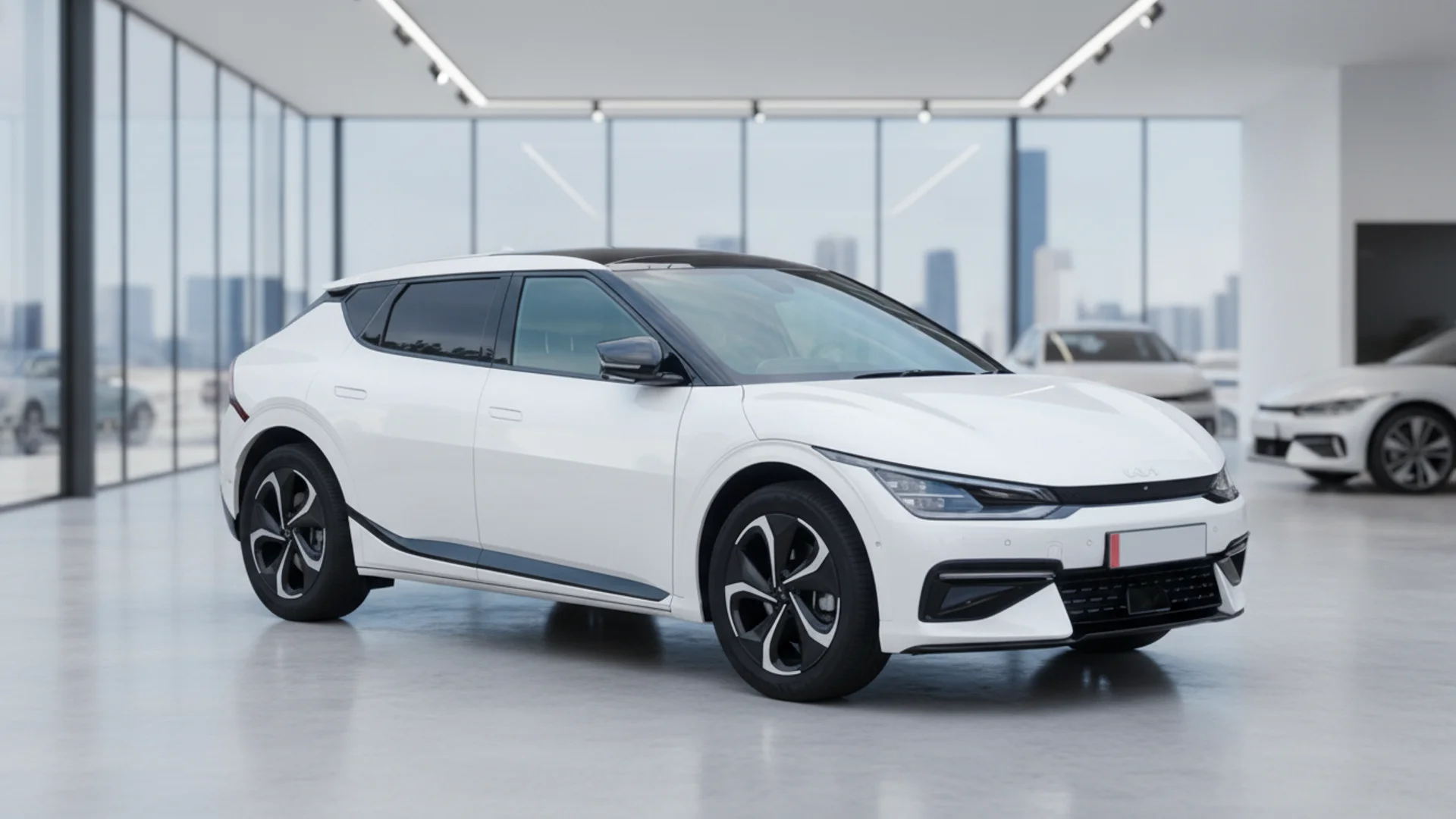
The Hyundai-Kia split is the cleanest illustration. The Ioniq 5 and the EV6 share an E-GMP skateboard, share a battery, share charging architecture. They drive slightly differently because the suspension engineers tuned them slightly differently. They look completely different because the design departments wanted them to. Same car, different shoes.
A buyer choosing between them is choosing a vibe. That's fine. That's what mature markets look like. But let's call it what it is.
Gear worth having
As an Amazon Associate, ThinkEV earns a small commission from qualifying purchases — at no extra cost to you.

Lectron Level 2 J1772 Charger (40A, WiFi)
Smart WiFi charger with real-time energy monitoring. 40A / 9.6 kW, J1772 with a NEMA 14-50 plug, schedule charging right from your phone.
As an Amazon Associate, ThinkEV earns from qualifying purchases — at no extra cost to you.
What Actually Still Differs, and What Doesn't
The convergence story can be oversold. Some things genuinely still vary between EVs, and pretending otherwise is its own kind of marketing.
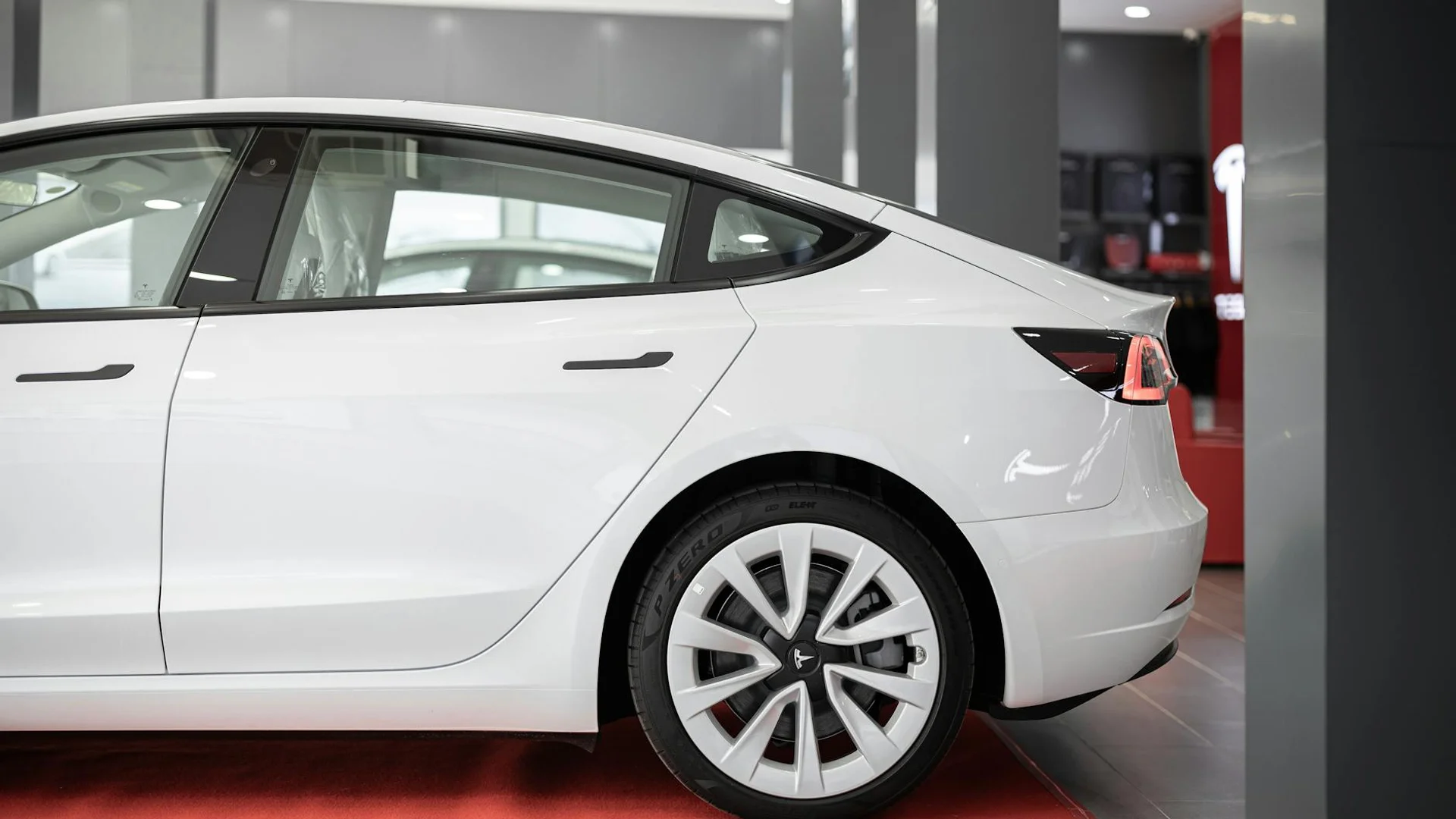
One-pedal driving feel is real. Tesla's regen is aggressive and addictive; the Mach-E's is softer; the Ioniq 5's is configurable. These aren't trivial differences. They change the day-to-day experience of owning the car. A buyer who hates one-pedal will be miserable in a Model 3 and happy in a Mach-E set to "creep." The reverse is also true.
Suspension and NVH are the second real distinction. The Mercedes EQS and the Lucid Air are quieter than a Model S, and that's not subjective. It shows up in decibel meters. The BMW i4 corners more precisely than a Polestar 2 because BMW spent the money on the rear subframe. These differences cost money to engineer and they cost money to buy. They are not commodity attributes.
Charging network access is the third, and the biggest. Tesla's Supercharger network in rural North America is still a real moat, even after NACS adoption forced the rest of the industry onto Tesla's plug. The plug being the same doesn't make the network the same. The Supercharger network has more stalls, better reliability, faster activation, and no payment app friction. A 2026 buyer who actually road-trips in rural Saskatchewan or Montana will feel that difference every single trip.
Range efficiency gaps between same-class models still run 10–15%. That's not 30–40% like 2019. But on a 350-km drive in -20°C Manitoba weather, 15% efficiency is the difference between one charging stop and two.
Software and OTA update cadence: Tesla still ships faster than the legacy makers. Not by as wide a margin as it used to, but by enough to matter for buyers who care about features arriving for free instead of via model-year refresh. The Hyundai-Kia and GM software stacks are improving fast. They're not at parity. Yet.
Then there's the battery question. BYD claims 10,000 charge cycles on their Blade chemistry, but the verification on that 10,000-cycle figure remains thin and the methodology unclear. Manufacturers are still racing each other on battery longevity, and the field isn't level. The solid-state cells now reaching working-prototype stage with CALB and Donut Lab will widen these gaps again before they close them, convergence isn't linear.
The answer to "are differences just personal taste" is: mostly, but not entirely. The variation that remains is concentrated in three places: charging network, software cadence, and a tier of premium NVH engineering. Everywhere else the cars have converged.
Community Discourse Is Basically Confirming This
Enthusiast discussion of EV convergence is interesting less for its conclusions than for its hedge pattern.
The most upvoted comment in the recent convergence thread lists the differences that remain, suspension, one-pedal feel, range, efficiency, software, UI quality, driver-assist quality, then concedes "medium to significant" rather than "decisive." Five years ago, a comparable comment about Tesla versus the rest would have said "decisive." The vocabulary has shifted.
The next comment down is even more telling. The poster is shopping for vacations and road trips, names the Toyota bZ and Subaru Solterra as "literally the same" car, and treats that platform-sharing as a feature of the current market rather than a scandal. That's mainstream consumer awareness catching up to industrial reality.
Another high-vote response links the Snazzy Labs video and says outright: "everyone is cross-shopping Tesla." That sentence would have been unthinkable in 2019. Tesla buyers in 2019 weren't cross-shoppers. They were converts. The cross-shopping itself is the news.
Then a separate thread lands a different point: average buyers still believe Tesla "has the best battery tech," despite specs showing it doesn't. Brand perception is running ahead of product reality, or behind it, depending on which brand you're looking at. Tesla's reputation is doing work the engineering team is no longer doing alone.
Enthusiast forums skew technical and male, not a representative sample of the median car buyer who walks into a dealership with a colour preference and a monthly-payment ceiling. True. But the technical buyers set the narrative a product cycle ahead of the median buyer, and when the technical buyers stop being able to articulate a clear winner, the rest of the market catches up within a product cycle or two. The hedge in the discourse is the leading indicator, not the lagging one.
Gear worth having
As an Amazon Associate, ThinkEV earns a small commission from qualifying purchases — at no extra cost to you.

WeatherTech FloorLiner for Tesla Model 3
Deep-channel liners that trap every drop of slush and salt. The difference between a ruined interior and a showroom-fresh cabin after a Canadian winter.
As an Amazon Associate, ThinkEV earns from qualifying purchases — at no extra cost to you.
This is what a commoditising market looks like in real-time discourse. Acknowledgement of convergence. Hedging on the remaining differences. Awareness of platform-sharing. Persistent brand mythology decoupled from current specs. All four signals together.
The discussion doesn't reach a conclusion because there isn't one to reach. Convergence isn't a debate anymore. It's a baseline.
What's still being debated is which buyer-side preferences matter most. That's the taste question, not the technology question.

Gear worth having
As an Amazon Associate, ThinkEV earns a small commission from qualifying purchases — at no extra cost to you.
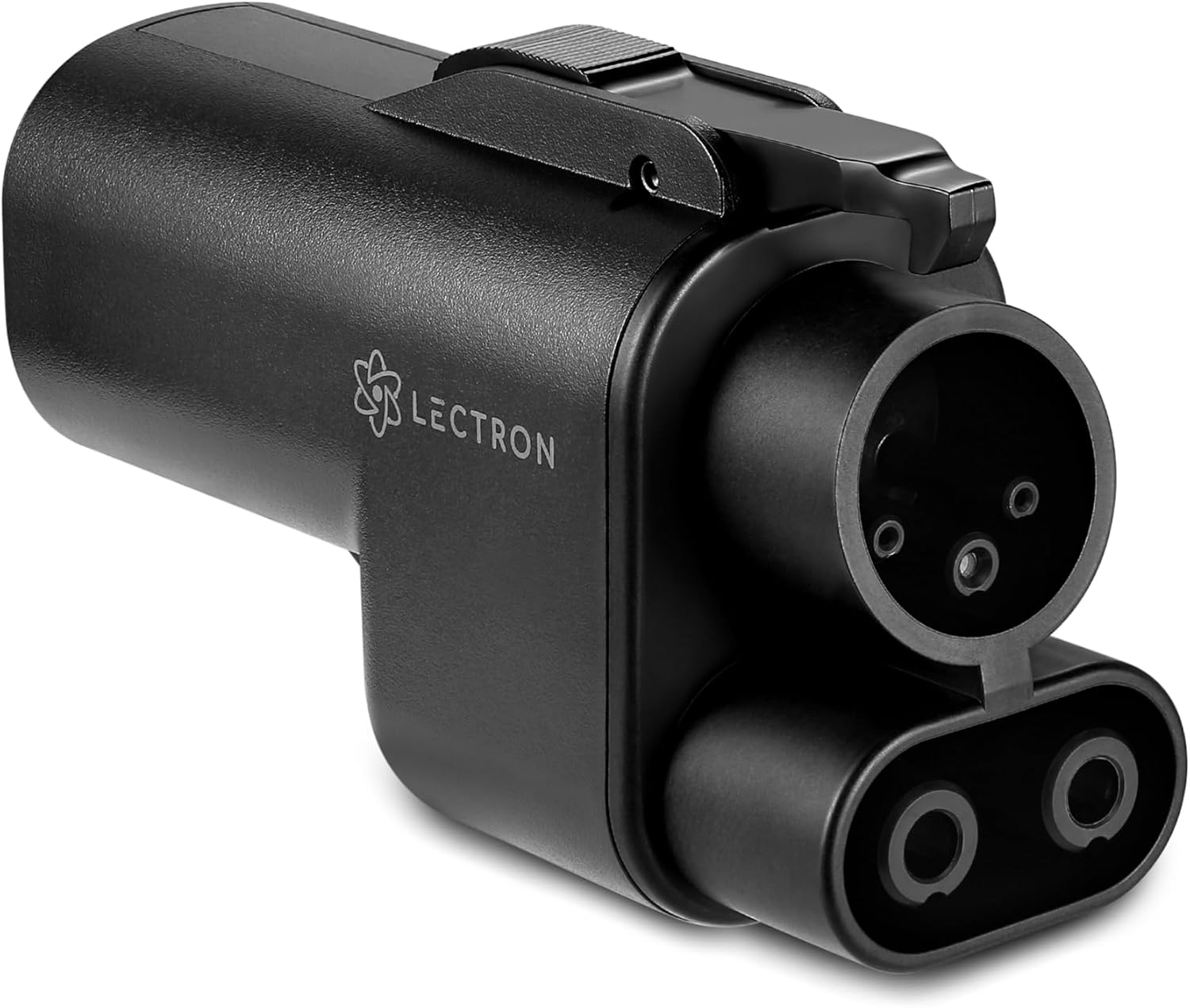
Lectron NACS to CCS Fast-Charge Adapter
Unlock every CCS fast charger for your Tesla, up to 500A DC. Never get stranded at a non-Tesla DC station again.
As an Amazon Associate, ThinkEV earns from qualifying purchases — at no extra cost to you.
When Taste Fills the Gap, Marketing Wins
This is the part the manufacturers don't want to say out loud.
In a commodity market, the loudest brand wins. Not the best spec sheet. The loudest. Look at consumer packaged goods, look at smartphones, look at anywhere a category has matured to the point where the products are roughly equivalent. The marketing budget becomes the moat.
Go back to the appliance parallel. The badges that sell best aren't necessarily the ones built best. They're the ones with the most cachet built up before the platforms merged. Honda over Chevy on the Ultium twins. Toyota over Subaru on the bZ/Solterra pair. The badge has a residual value that survives the technical disclosure. That's the moat marketing actually builds, and it's the moat EV manufacturers are now competing inside.
EVs are arriving at that point now. The Elon polarisation problem is the cleanest illustration. Buyers who would have bought a Model Y in 2022 are now buying a Hyundai Ioniq 5 or a Kia EV6, and the reason isn't technical. The cars are comparable. The reason is brand affiliation. Specifically, the desire not to be associated with a particular CEO's political turn. That's vibes, taste, and marketing terrain, not engineering terrain.
GM has the opposite problem. The Blazer EV is mechanically identical to the Honda Prologue, but the Honda commands better resale value and better perception in surveys. Same car. Different badge. GM's brand cachet in EVs hasn't recovered from the early Bolt era, and Honda's reputation for reliability is doing free marketing work. The engineering is identical. The market is not.
The Chinese entrants are attacking from a different angle entirely. BYD, Zeekr, Xpeng, they're not trying to win on brand. They're trying to win on raw specs. Faster charging, longer range, lower price, more features per dollar. It's a spec-war strategy in a market where Western manufacturers were starting to relax into vibes-based competition. Xpeng building a vision-only robotaxi on a real production line in Guangzhou while Tesla is still running test miles in Austin is the same story in autonomy.
The Chinese strategy works because it forces the legacy makers to compete on two fronts simultaneously, brand cachet AND specs. That's expensive. It's why the post-January 2026 Canadian tariff cut from 100% to 6.1%, with the 49,000-unit quota, matters so much. It's the first crack in the wall that's kept this spec-war out of the Canadian market.
When the wall comes down, the manufacturers competing only on brand are going to feel it first.
Marketing wins commodity markets. Until the commodity gets cheaper than the marketing budget can paper over. Then engineering wins again, but only on price.
The Holdouts: Categories Where Differences Still Matter
There are categories where convergence hasn't happened yet. Three of them, each with its own reason for resisting the trend.
Charging infrastructure is the first holdout, and it cuts deeper than the spec sheet shows. Tesla's Supercharger network, even after NACS opened it to other manufacturers, remains operationally superior in rural North America, more stalls per location, better uptime, faster activation, integrated payment. A 2026 buyer in Calgary or Halifax who plans on regular long-distance driving still has a reason to weight Tesla heavier than the spec sheet alone justifies. That isn't brand loyalty so much as it's network effects, which compound rather than commoditise.
Long-haul road-trip capability is the second, and it's where engineering still draws hard lines. The gap between a 250-mile EPA range and a 350-mile EPA range sounds modest on paper. In practice it's the difference between three charging stops on a Toronto-to-Montreal run and one stop. That's an hour of your day. Buyers who do this drive monthly will pay for the extra range. Buyers who do it twice a year won't. The market splits cleanly here, and the splitting is real engineering, not taste, battery chemistry, pack size, and aerodynamic efficiency don't converge as fast as charging speed has.
Pickup trucks are the third, and the most visibly divergent. The Ford F-150 Lightning, the Tesla Cybertruck, the Chevy Silverado EV, and the Rivian R1T are not converged products. They're four different bets on what an electric pickup should be:
- Ford F-150 Lightning, a familiar truck with a battery, dual-motor, ~320 mi range.
- Tesla Cybertruck, a polarising design experiment with a stainless-steel exoskeleton and 48-volt architecture.
- Chevy Silverado EV, a long-range work truck with a midgate and 400+ mi range on the higher trims.
- Rivian R1T, a premium adventure vehicle with quad-motor torque vectoring that happens to have a bed.
A buyer cross-shopping these four is not making a vibes decision. They're making a use-case decision. The trucks genuinely diverge. The pickup category is roughly where the sedan category was in 2019, pre-convergence, with real engineering trade-offs still on the table.
Give it three to five years. The trucks will converge too. The Ultium platform underpinning the Silverado EV will spawn cousins. The Rivian platform will license out. The Lightning will get a second-gen architecture shared with something else. Platform economics are merciless.
But today, in 2026, pickups remain a category where the cars themselves still answer different questions. Sedans and crossovers don't.
Gear worth having
As an Amazon Associate, ThinkEV earns a small commission from qualifying purchases — at no extra cost to you.

Tesla Key Card Holder with AirTag Slot
Stop fishing the keycard out of your wallet, and slot an AirTag in case the car wanders off in a lot.
As an Amazon Associate, ThinkEV earns from qualifying purchases — at no extra cost to you.
What This Means for the Market in 2026
Convergence compresses margins. That's the structural consequence, and it sets up the next five years of competitive pressure across every segment that's already past the platform-sharing threshold.
When the cars are roughly equivalent, the buyer's leverage goes up. Manufacturers either compete on price, which the Chinese entrants are very willing to do, or they compete on software stickiness and ecosystem lock-in. Apple-style. The winners over the next five years won't be the best engineers. They'll be the best ecosystem builders. The companies that can keep a buyer inside their app, their charging network, their connected-services subscription for the full ownership cycle.
Tesla figured this out a decade ago. The rest of the industry is figuring it out now. Robotaxis are already operating commercially in Shenzhen and Beijing while the Western market is still piloting them, that ecosystem-and-software lead is the real moat.
The good news for buyers, and there is good news, is that the floor is higher than it's ever been. A bad EV in 2026 is still a better car than the best EV of 2019. Range anxiety is largely a solved problem in urban Canada. Charging speeds are universally fast enough. Build quality across most major brands is competitive. The worst purchase you can make in 2026 is roughly equivalent to the median purchase you could make in 2022.
Brand loyalty in this market is now mostly an expression of who you are, not what you drive. That's not a criticism. That's just where mature markets end up.
Three scenarios reopen the gap. In descending order of likelihood:
- A battery chemistry breakthrough. Solid-state at scale, or a sodium-ion variant that genuinely halves cost, either reopens a two-year window between whoever ships first and everyone else.
- A software-stack collapse at a major legacy maker. A recall or a security incident wipes out the trust they've spent five years building, and the brand cachet residue evaporates overnight.
- Regulatory bifurcation in North America. Chinese entrants locked out for another decade, freezing the spec-war pressure currently disciplining the market.
If none of those three happen, the convergence trend tightens further and the marketing budget becomes the only moat that scales.
Bottom line: watch the next 18 months of Chinese-brand entry into Canada under the 49,000-unit quota. If BYD and Zeekr land at 15% below comparable Korean and American models on spec-for-spec pricing, the convergence question becomes a price-war question, and the marketing-budget moat starts to leak. That's the bet worth tracking.
Gear worth having
As an Amazon Associate, ThinkEV earns a small commission from qualifying purchases — at no extra cost to you.
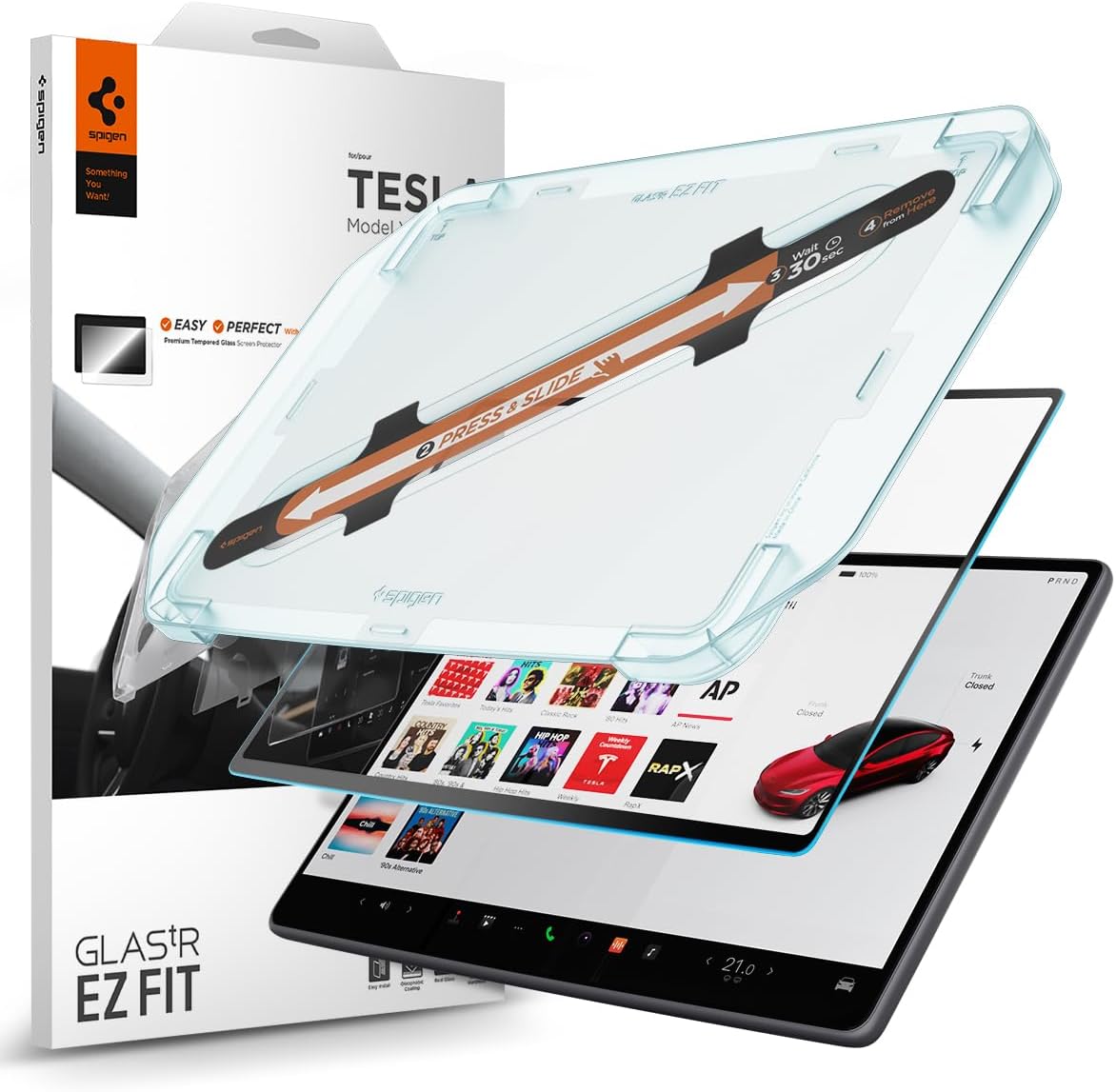
Spigen Tempered Glass for Tesla Model 3/Y
Tempered-glass protection for the touchscreen that kills fingerprints and scratches. Two minutes to install, lasts the life of the car.
As an Amazon Associate, ThinkEV earns from qualifying purchases — at no extra cost to you.

Founder & Chief Editor
Vlad Pereira is the founder and chief editor of ThinkEV.ca, the Canadian electric-vehicle publication he writes and edits from Courtenay, British Columbia. He covers EV pricing, federal and provincial rebates, charging costs, and the Chinese manufacturers now entering Canada, from the buyer's side rather than the press-fleet side. ThinkEV is a venture of Vlad Pereira Online; his writing on health, income and the long game lives at vladpereira.com.
Frequently asked questions
If platforms are shared, why do prices still vary so much?
Does NACS adoption mean Tesla's charging advantage is gone?
Which specs should Canadian buyers actually compare now?
Are Ioniq 5 and EV6 genuinely different cars or rebadges?
When did the mainstream competition actually catch Tesla?
More EV & road-trip finds
Affordable upgrades worth a look — tap any to check the price on Amazon.
 ★ 1,340
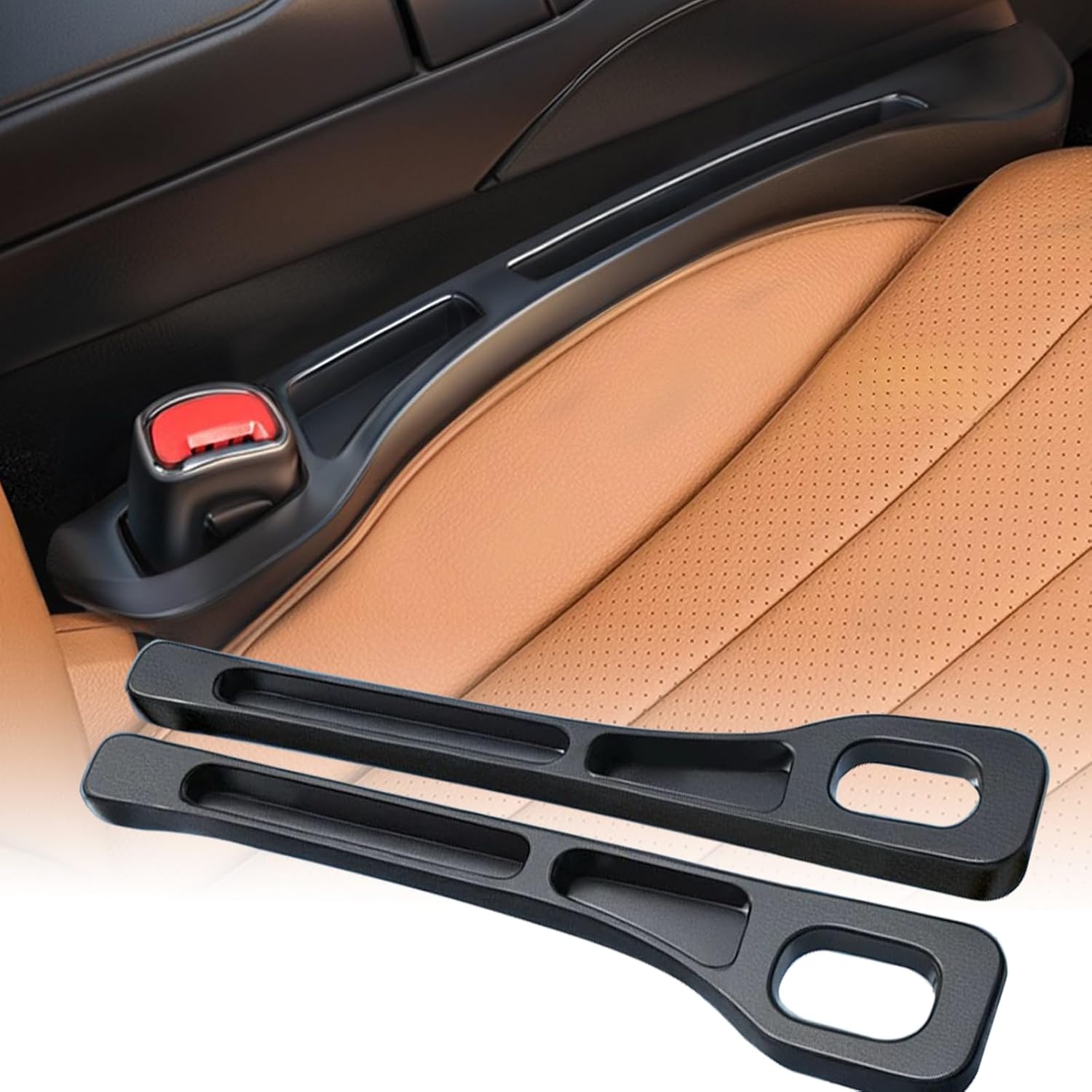
Car Seat Gap Filler (Universal)
View on Amazon
TP-Link Kasa Smart Plug with Energy Monitoring
View on Amazon ★ 119
★ 119Foldable Waterproof Trunk Organizer
View on Amazon ★ 17,839
Qifutan Vent Phone Mount (Military-Grade Clip)
View on Amazon ★ 9,349
Auto Detailing Brush Set (10-Piece)
View on Amazon ★ 419
★ 419RGB Car Interior LED Strip Light
View on Amazon ★ 546
★ 546Funny Headrest Face Covers (2-Pack)
View on Amazon ★ 4,424
Sun Visor Card and Document Organizer
View on AmazonRead, Plan, Then Stay Current
Explore our expert articles to understand incentives and ownership costs, use the map to pressure-test charging reality, then subscribe so new EV coverage comes straight to you.
Continue Reading
Which EVs Should Be Charged to 100%? The LFP Exception
First-Time EV Buyer Mistakes Worth Avoiding in Canada

Rivian Canada 2026: R1T, R1S Prices and R2 Release Date
Why Cold Weather Cuts EV Range, the Real Reasons
Are Canada's Repair Shops Ready for Chinese EVs?