Key takeaways
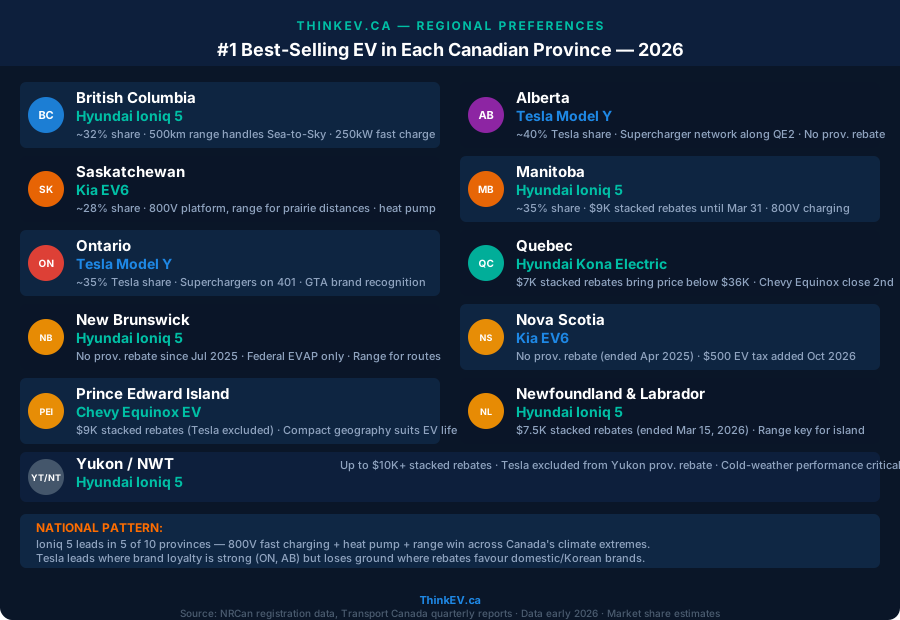
- The Hyundai Kona Electric accounts for a significant share of EV sales in Quebec in early 2026, benefiting from the combined $7,000 in rebates that bring its price below $36,000.
- Ontario eliminated its provincial EV rebate years ago, so buyers there rely solely on the $5,000 federal EVAP, against Quebec's $7,000 stacked incentive.
- Tesla dominates Ontario, accounting for about 35% of all EV registrations in 2026.
- The Hyundai Ioniq 5 leads BC at about 32% share in 2026, helped by its 500 km range and 250 kW fast charging, while Tesla's Model 3 and Y take nearly 40% of Alberta sales.
- PEI's $4,000 provincial rebate stacks with the $5,000 federal EVAP for $9,000 total, the largest combined incentive in Atlantic Canada.
Quebec buyers respond to rebate stacking. Alberta runs on Tesla's Supercharger network. BC's Ioniq 5 share reflects mild winters and cheap hydro. The prairies are moving, slowly but measurably. Each province's top-selling EV is a snapshot of how geography, infrastructure, incentives, and culture converge into an actual purchase decision.
The data behind these preferences comes from Natural Resources Canada's registration figures and Transport Canada's quarterly market reports. Every province tells a different story about what Canadian EV buyers actually value when they walk into a dealership, and those stories are more interesting than any national average could suggest.
Quebec
Quebec's EV market is driven by one thing above all else: price sensitivity combined with strong provincial incentives. The Roulez vert program offers $2,000 in provincial rebates on top of the $5,000 federal EVAP, giving Quebec buyers up to $7,000 off a new electric vehicle, and it shows in what people buy.
The Hyundai Kona Electric accounts for a significant share of EV sales in Quebec in early 2026, benefiting from the combined $7,000 in rebates that bring its price below $36,000. The Chevy Equinox EV is also a strong seller, serving a similar value-conscious audience. These models dominate because they hit the sweet spot: affordable enough that the rebates bring the price down to used-car territory, practical enough for Montreal and Quebec City commuters, and available at dealerships across the province. (Note: the Chevrolet Bolt ended production in 2023, though a next-generation Bolt is expected in 2027.)
There's a shift happening, though. The Hyundai Ioniq 5 is gaining ground in Quebec, particularly in the Montreal suburbs. Its faster charging speed and more modern interior are pulling buyers who might have gone Bolt a year ago. As these newer models become more available, Quebec's market is diversifying beyond its traditional affordable-EV stronghold.

Ontario
Ontario's EV market is the largest in Canada by volume but lacks the provincial rebates that drive Quebec's market. Without a provincial incentive (Ontario eliminated its EV rebate years ago), buyers here rely solely on the $5,000 federal EVAP. That means price-sensitive buyers have less incentive to go electric, and the market skews more toward buyers who've already decided they want an EV regardless.
Tesla dominates Ontario, accounting for about 35% of all EV registrations in 2026. The Model 3 and Model Y are the top sellers, driven by Tesla's brand recognition, its extensive Supercharger network along the 401 corridor, and the aspirational appeal that Tesla still carries in GTA suburbs. You can drive from Windsor to Cornwall and never be more than 80 km from a Supercharger, that kind of infrastructure matters.
But Hyundai and Kia are making serious inroads. Their combined market share in Ontario grew by 12% year-over-year, led by the Ioniq 5, Ioniq 6, and Kia EV6. These models offer comparable or better specs at lower prices, and Hyundai/Kia's dealer network in Ontario is extensive. In suburban markets like Hamilton, Kitchener, and Oshawa, Hyundai and Kia are outselling Tesla. The Chevy Equinox EV is also gaining traction, particularly in rural Ontario where GM's dealer network has a physical presence that Tesla doesn't.
Gear worth having
As an Amazon Associate, ThinkEV earns a small commission from qualifying purchases — at no extra cost to you.
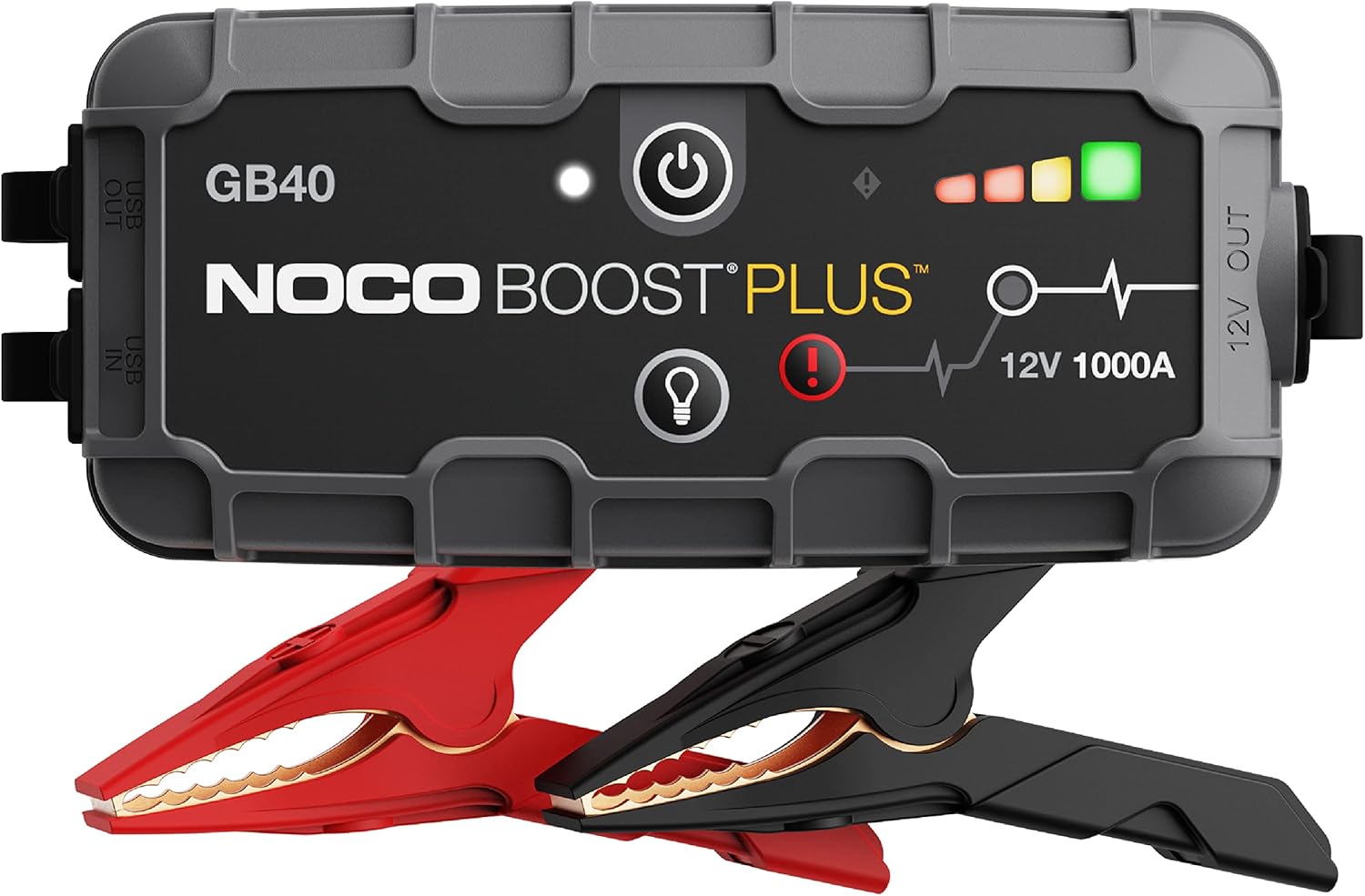
NOCO Boost Plus GB40 Jump Starter
A 1000A lithium jump starter that fits in your glovebox and works on any 12V battery. Your insurance against a dead 12V in a parking lot.
As an Amazon Associate, ThinkEV earns from qualifying purchases — at no extra cost to you.
British Columbia
BC's EV market benefits from the most EV-friendly geography in Canada (mild winters in the Lower Mainland) and a population that genuinely cares about environmental impact. Note that BC's CleanBC Go Electric vehicle rebate program is currently paused, the province is not accepting new applications. Despite this, BC has the highest per-capita EV adoption rate of any province.
The Hyundai Ioniq 5 has become BC's top-selling EV, accounting for about 32% of sales in 2026. Its 500 km range handles the Sea-to-Sky Highway and the Coquihalla without stress, and the 250 kW fast-charging capability aligns with BC's growing charging network. The Ioniq 5's modern design also plays well in Vancouver, where aesthetics matter. The Tesla Model Y is a close second, popular in the suburbs and among tech workers who value the Tesla ecosystem.
Gear worth having
As an Amazon Associate, ThinkEV earns a small commission from qualifying purchases — at no extra cost to you.

Grizzl-E Classic Level 2 EV Charger (40A)
Canadian-made and rated for minus 40C winters. 40A / 9.6 kW, NEMA 14-50, indoor/outdoor, 24-ft cable. The charger built for Canadian weather.
As an Amazon Associate, ThinkEV earns from qualifying purchases — at no extra cost to you.
The Kia EV6 and Hyundai Kona Electric also do well in BC, particularly in the Fraser Valley and on Vancouver Island. The EV6's sportier driving dynamics appeal to BC's mountain-road culture, while the Kona's compact size is ideal for tight Vancouver parking. BC's market is the most diverse in Canada, you'll see everything from Rivian R1Ts on North Shore driveways to Nissan Leafs in Victoria neighbourhoods.
Alberta
Alberta is Tesla country. The Model 3 and Model Y account for nearly 40% of EV sales in the province, which is the highest Tesla market share of any Canadian province. The reasons are partly cultural, Albertans value performance and brand prestige, and partly practical. Tesla's Supercharger network along the Trans-Canada and the QE2 between Calgary and Edmonton provides the most reliable fast-charging corridor in the province.
Alberta's lack of a provincial EV rebate means the market is smaller than BC or Quebec in per-capita terms, but it's growing fast. The Hyundai Ioniq 5 and Kia EV6 are the main Tesla challengers, popular in Calgary and Edmonton among buyers who want modern tech without the Tesla price premium. The Ford F-150 Lightning is also gaining attention in rural Alberta, where the need for a truck is real and the fuel savings from going electric are substantial for anyone driving 40,000+ km per year.
Manitoba and Saskatchewan
The prairies are Canada's toughest EV market: long distances, extreme cold, and limited charging infrastructure. Saskatchewan has no provincial incentive, and Manitoba's $4,000 rebate ($70,000 cap) is set to end on March 31, 2026. EV adoption is lower here than anywhere else in the country. But it's growing, and the models that succeed here tell you a lot about what works in harsh conditions.
The Hyundai Ioniq 5 leads in Manitoba (about 35% of EV sales) and the Kia EV6 leads in Saskatchewan (about 28%). Both models' 800V architecture and fast-charging capability are critical in provinces where charging stops need to be quick and range needs to be long. Their heat pumps and battery thermal management also handle prairie cold better than most competitors. Tesla is a strong third in both provinces, with the Model Y preferred for its AWD capability and range.
The real challenge on the prairies is charging infrastructure. Between Winnipeg and Regina, fast-charging options are sparse. Petro-Canada's Electric Highway has stations along the Trans-Canada, but gaps remain. Most prairie EV owners rely heavily on home charging and plan road trips carefully. Until the charging network fills in, the prairies will remain a challenging market, but the buyers who are here are committed and tend to be vocal advocates.
Gear worth having
As an Amazon Associate, ThinkEV earns a small commission from qualifying purchases — at no extra cost to you.

PULIDIKI Car Cleaning Gel (Detailing Putty)
Press it into vents, buttons, and seams and it lifts out dust you did not know was there. Weirdly satisfying, genuinely useful.
As an Amazon Associate, ThinkEV earns from qualifying purchases — at no extra cost to you.
Atlantic Canada
The Maritime provinces, New Brunswick, Nova Scotia, Prince Edward Island, and Newfoundland and Labrador, represent the smallest EV market in Canada by volume, but adoption is accelerating. PEI leads the region with its $4,000 provincial rebate (Tesla excluded), stacking with the federal EVAP for $9,000 total. Newfoundland and Labrador offers $2,500 (ending March 15, 2026). Nova Scotia has no provincial rebate and is adding a $500 EV surcharge in October 2026. New Brunswick's rebate ended in July 2025.
The Hyundai Ioniq 5 and Kia EV6 are the top sellers across the Maritimes, for the same reasons they lead on the prairies: good range, fast charging, and strong cold-weather performance. Tesla is less dominant here than in Ontario or Alberta, partly because Supercharger coverage is thinner in the Atlantic provinces and partly because the Tesla price point is harder to justify without strong provincial incentives.
The biggest opportunity in Atlantic Canada is for affordable EVs. When the next-generation Chevy Bolt arrives (expected 2027), it will find a receptive market. Note that BYD is not yet selling in Canada, and Chinese-manufactured vehicles are excluded from the federal EVAP. Atlantic Canadians are pragmatic buyers who respond to value, and an EV that costs under $35,000 after federal rebates would sell well in Halifax, Moncton, and St. John's.
Gear worth having
As an Amazon Associate, ThinkEV earns a small commission from qualifying purchases — at no extra cost to you.

WixGear Magnetic Air Vent Phone Mount (2-Pack)
A magnet strong enough that your phone never flinches over potholes or rail crossings. Two in the box, one for each car.
As an Amazon Associate, ThinkEV earns from qualifying purchases — at no extra cost to you.
Related Reading
Gear worth having
As an Amazon Associate, ThinkEV earns a small commission from qualifying purchases — at no extra cost to you.

Car Cup Holder Coasters (4-Pack)
Drop-in coasters that catch spills and crumbs so your cup holders stay clean. Rinse and reuse forever.
As an Amazon Associate, ThinkEV earns from qualifying purchases — at no extra cost to you.

Founder & Chief Editor
Vlad Pereira is the founder and chief editor of ThinkEV.ca, the Canadian electric-vehicle publication he writes and edits from Courtenay, British Columbia. He covers EV pricing, federal and provincial rebates, charging costs, and the Chinese manufacturers now entering Canada, from the buyer's side rather than the press-fleet side. ThinkEV is a venture of Vlad Pereira Online; his writing on health, income and the long game lives at vladpereira.com.
Frequently asked questions
Which province has the highest EV adoption rate in Canada?
Why is Tesla so popular in Alberta?
What's the best EV for Canadian prairies?
More EV & road-trip finds
Affordable upgrades worth a look — tap any to check the price on Amazon.
 ★ 314
★ 314Mini USB LED Ambient Lamps (4-Pack)
View on Amazon ★ 4,626
HoogaLife Hanging Car Diffuser (2-Pack)
View on Amazon ★ 12,396
K KNODEL Car Trash Can with Lid
View on Amazon ★ 848
★ 848Coiled USB-C to USB-C Car Cable (2-Pack)
View on Amazon ★ 87
★ 87Car Window Sun Shades for Kids (4-Pack)
View on Amazon ★ 68
★ 68WeatherTech FloorLiner for Tesla Model 3
View on Amazon ★ 47,507
HOMEXCEL Microfiber Cloths (12-Pack)
View on Amazon ★ 55
★ 55LED Car Door Logo Projector Light
View on AmazonRead, Plan, Then Stay Current
Explore our expert articles to understand incentives and ownership costs, use the map to pressure-test charging reality, then subscribe so new EV coverage comes straight to you.
Continue Reading

Electric School Buses Are Changing Canadian Streets

Norway's -27C Winter EV Test: Chinese Cars Beat Tesla
BYD 1.5MW Charging Canada: 400 km in Five Minutes
BYD Seagull Canada Price: The $15K-$20K EV in 2026
Canada EV Sales February 2026: The Growth Streak