Five minutes. That is the charge time BYD is quoting at its first Flash Charger outside China, now live in Germany, while Tesla's V4 Supercharger tops out around 360 kW. The peak architectural output is 1,500 kW of power, three times what Tesla's latest V4 Superchargers can do. Call it four times a V3. The product is interesting. The deployment pace behind it is the actual news.
Key takeaways
- BYD's first Flash Charger outside China is live in Germany with a peak architectural output of 1,500 kW, triple Tesla's 500 kW V4 Supercharger ceiling.
- BYD plans 6,000 Flash Charging stations outside China by the end of 2027, with 3,000 of them in Europe, after deploying over 5,700 inside China in a matter of months.
- By Electrek's math, BYD is adding charging capacity about 2.4 times faster per month than Tesla, which still holds the installed base at over 60,000 stalls worldwide.
- Canada is not in BYD's first overseas wave, so there is no announced Flash Charger timeline or pricing here yet.
What 1,500 kW actually means on the ground in Germany
The German site is BYD's opening move in a much bigger plan. BYD has deployed its first Flash Chargers in Europe, part of plans to build 6,000 Flash Charging stations outside of China by the end of 2027, with 3,000 of them in Europe. Half the overseas build, on one continent, in roughly eighteen months. That is not a pilot, that is a network.
The 1,500 kW figure is the architectural ceiling, not the number every car will see on the cable. Vehicle acceptance rates cap real-world delivery, and BYD has not published acceptance curves for the European fleet that will plug into these stations. The headline figure assumes the car can take what the cable can give. Most cannot, yet.
Pricing guidance from Bono Ge, BYD UK's head, lands under €0.60/kWh. Treat that as a floor signal, not a confirmed tariff, fast-charging prices in Europe routinely sit between €0.50 and €0.79/kWh depending on operator and network. If BYD lands at €0.55, it will be undercutting Ionity, EnBW, and Fastned simultaneously. That is the move worth watching, not the kilowatt number on the brochure. The relevant comparison: Tesla's current Supercharger output. Superchargers can currently output as much as 500 kilowatts (kW). BYD's ceiling is triple that. The cars to use it fully are still being built, by BYD.
Gear worth having
As an Amazon Associate, ThinkEV earns a small commission from qualifying purchases — at no extra cost to you.

Lectron Level 2 J1772 Charger (40A, WiFi)
Smart WiFi charger with real-time energy monitoring. 40A / 9.6 kW, J1772 with a NEMA 14-50 plug, schedule charging right from your phone.
As an Amazon Associate, ThinkEV earns from qualifying purchases — at no extra cost to you.
Gear worth having
As an Amazon Associate, ThinkEV earns a small commission from qualifying purchases — at no extra cost to you.

TP-Link Kasa Smart Plug with Energy Monitoring
Track exactly how much electricity your Level 1 charger uses and schedule it for off-peak hours. Know your real cost per kWh.
As an Amazon Associate, ThinkEV earns from qualifying purchases — at no extra cost to you.
6,000 stations by 2027 and what BYD's deployment rate implies for Tesla
The pace is the part that should keep Tesla's infrastructure team awake. The Chinese automaker has already deployed over 5,700 Flash Charging stations in China in just a few months and just opened its first overseas stations in Europe. Electrek's read on the comparative build rate is blunt: BYD is building a charging network that makes Tesla's Supercharger look slow, and it's deploying it at a pace that could see it surpass Tesla's global network within two to three years.
Tesla still has the installed base, well over 60,000 stalls globally, with Europe (1,500) Supercharger locations on the continent BYD is now entering. BYD has ground to cover. The question is whether Tesla's lead survives a competitor deploying charging capacity 2.4 times faster on a monthly basis. Two to three years is the window Electrek puts on it. The math does not require heroic assumptions, it requires BYD to keep doing what it is already doing. For the broader competitive backdrop, the BYD Canada rollout and dealer plans frame how the same playbook arrives in North America. The European launch is the template; Canada is downstream.
Gear worth having
As an Amazon Associate, ThinkEV earns a small commission from qualifying purchases — at no extra cost to you.
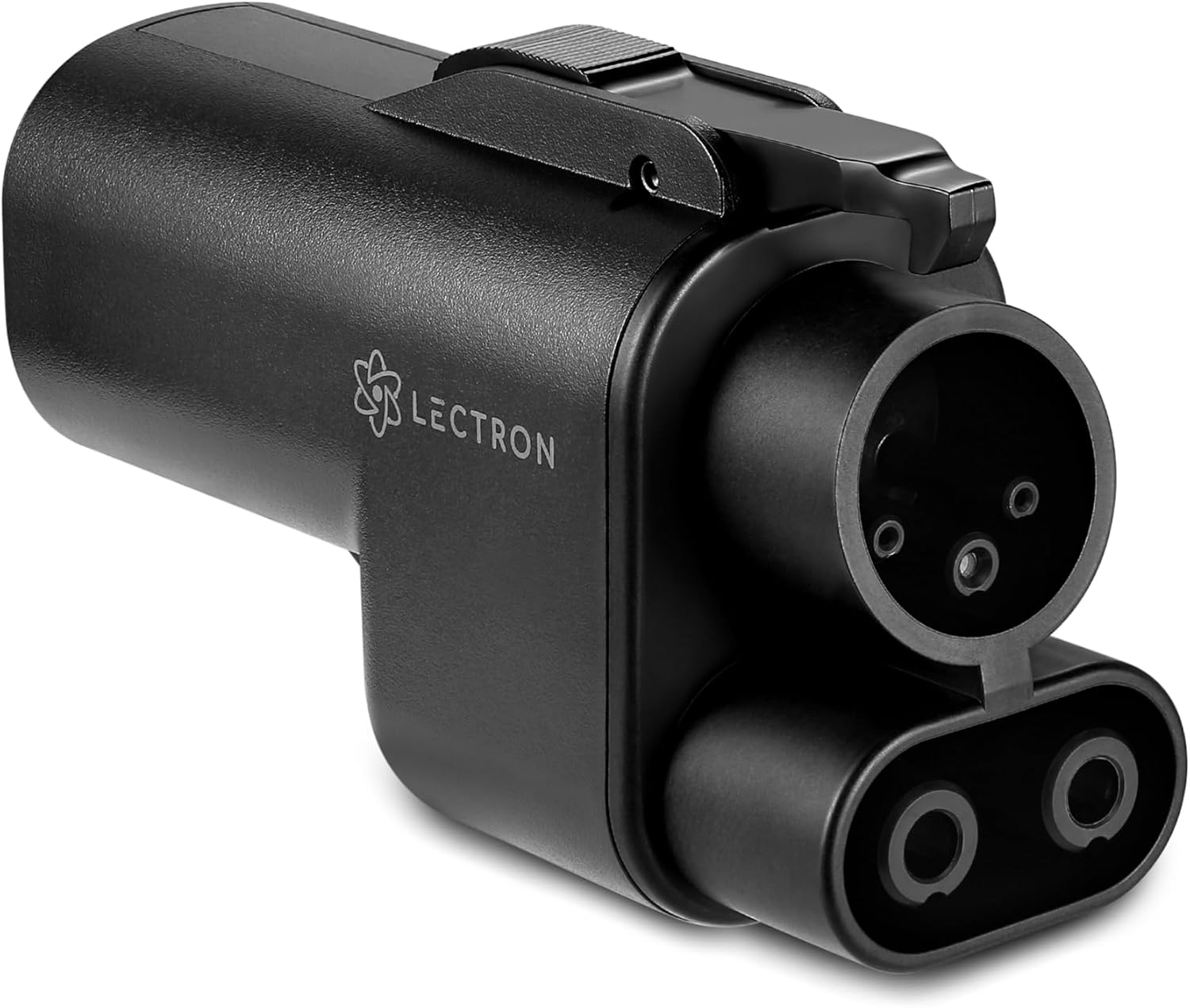
Lectron NACS to CCS Fast-Charge Adapter
Unlock every CCS fast charger for your Tesla, up to 500A DC. Never get stranded at a non-Tesla DC station again.
As an Amazon Associate, ThinkEV earns from qualifying purchases — at no extra cost to you.
Gear worth having
As an Amazon Associate, ThinkEV earns a small commission from qualifying purchases — at no extra cost to you.

Tesla Key Card Holder with AirTag Slot
Stop fishing the keycard out of your wallet, and slot an AirTag in case the car wanders off in a lot.
As an Amazon Associate, ThinkEV earns from qualifying purchases — at no extra cost to you.
Charging Infrastructure Is The Durable Moat
Charging infrastructure is the durable moat in this industry. Cars get cheaper, batteries commoditise, software converges, but a network of stalls in the right locations is a ten-year asset. BYD is building one. Tesla built the first. Everyone else has been talking about building one for a decade.
Canada is not in the first overseas wave, and the silence from iZEV and EVAP on Chinese-branded charging networks is going to matter sooner than Ottawa expects. The Canadian buyer's read on which brands actually show up is going to look different once BYD's charging side of the business arrives, and it will. The number to check in eighteen months: how many of those 3,000 European sites are actually energised and taking payments. If BYD is at 1,000 live stations by end of 2026, the Tesla-in-three-years call holds. If they are at 200, the press release was the product.
Gear worth having
As an Amazon Associate, ThinkEV earns a small commission from qualifying purchases — at no extra cost to you.
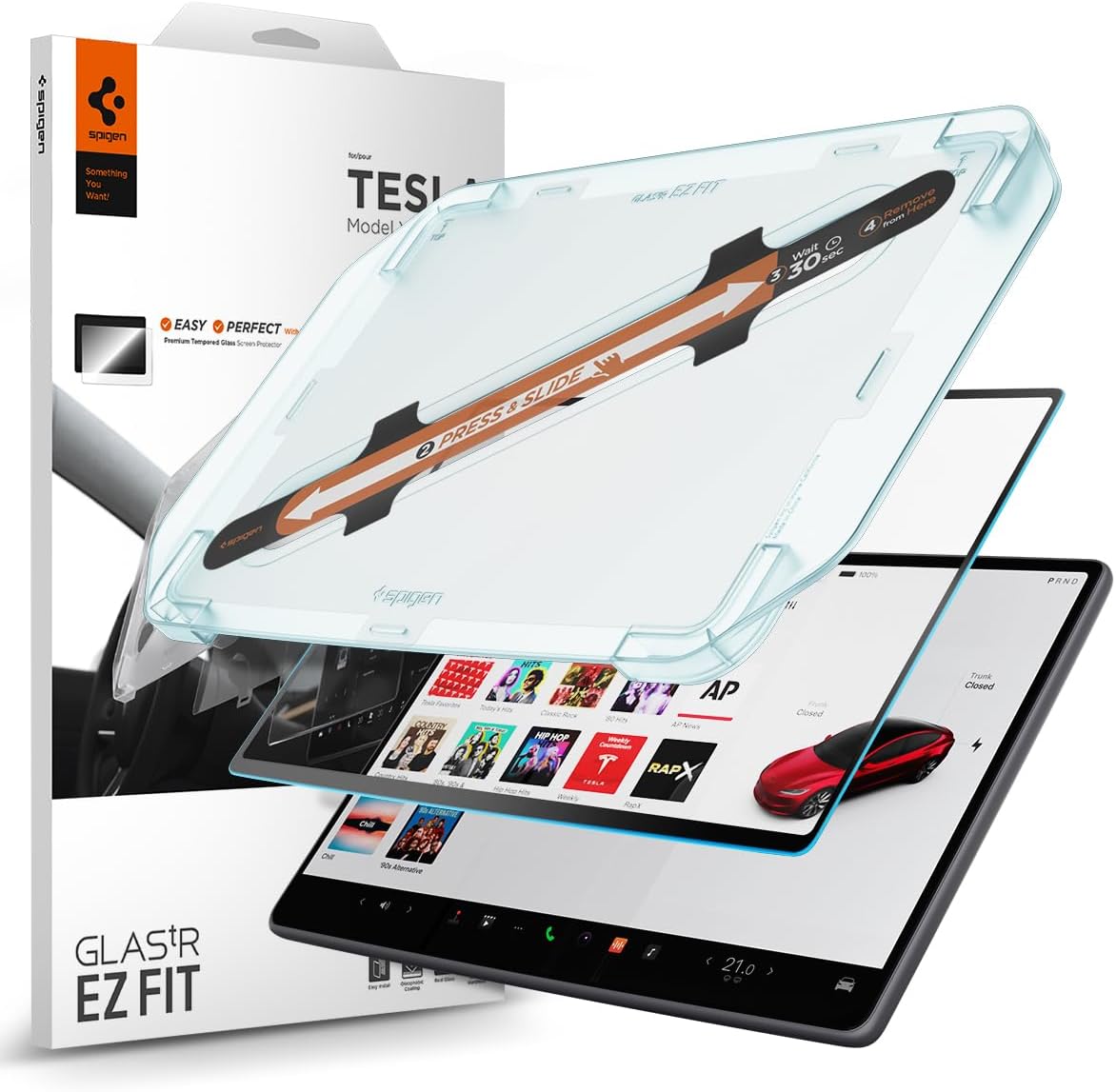
Spigen Tempered Glass for Tesla Model 3/Y
Tempered-glass protection for the touchscreen that kills fingerprints and scratches. Two minutes to install, lasts the life of the car.
As an Amazon Associate, ThinkEV earns from qualifying purchases — at no extra cost to you.

Founder & Chief Editor
Vlad Pereira is the founder and chief editor of ThinkEV.ca, the Canadian electric-vehicle publication he writes and edits from Courtenay, British Columbia. He covers EV pricing, federal and provincial rebates, charging costs, and the Chinese manufacturers now entering Canada, from the buyer's side rather than the press-fleet side. ThinkEV is a venture of Vlad Pereira Online; his writing on health, income and the long game lives at vladpereira.com.
Frequently asked questions
Can my current EV actually charge at 1,500 kW?
Is BYD bringing its Flash Charger network to Canada?
How fast is BYD building this network compared to Tesla?
How much will charging cost at a BYD Flash Charger in Europe?
More EV & road-trip finds
Affordable upgrades worth a look — tap any to check the price on Amazon.
 ★ 1,349
Cool Swinging Duck Dashboard Ornament
View on Amazon ★ 12,396
K KNODEL Car Trash Can with Lid
View on Amazon ★ 55,938
WixGear Magnetic Air Vent Phone Mount (2-Pack)
View on Amazon ★ 121
★ 121Foldable Windshield Sun Umbrella
View on Amazon ★ 268
★ 268Anti-Slip Leather Steering Wheel Cover
View on Amazon ★ 47,507
HOMEXCEL Microfiber Cloths (12-Pack)
View on Amazon ★ 314
★ 314Mini USB LED Ambient Lamps (4-Pack)
View on Amazon ★ 1,083
Crystal Push-Start Button Ring (2-Pack)
View on AmazonRead, Plan, Then Stay Current
Explore our expert articles to understand incentives and ownership costs, use the map to pressure-test charging reality, then subscribe so new EV coverage comes straight to you.
Continue Reading
BYD's Battery Shortage Is The Best News In EVs This Year
BYD 1.5MW Charging Canada: 400 km in Five Minutes
Denza Z9GT Spotted in Melbourne: 1000km Range, 9-Min Charge

BYD Denza Z9 GT Adds $50K Tri-Motor Trim to China's Top GT
Europe's Gas Stations Are Becoming Charging Stations, By Law