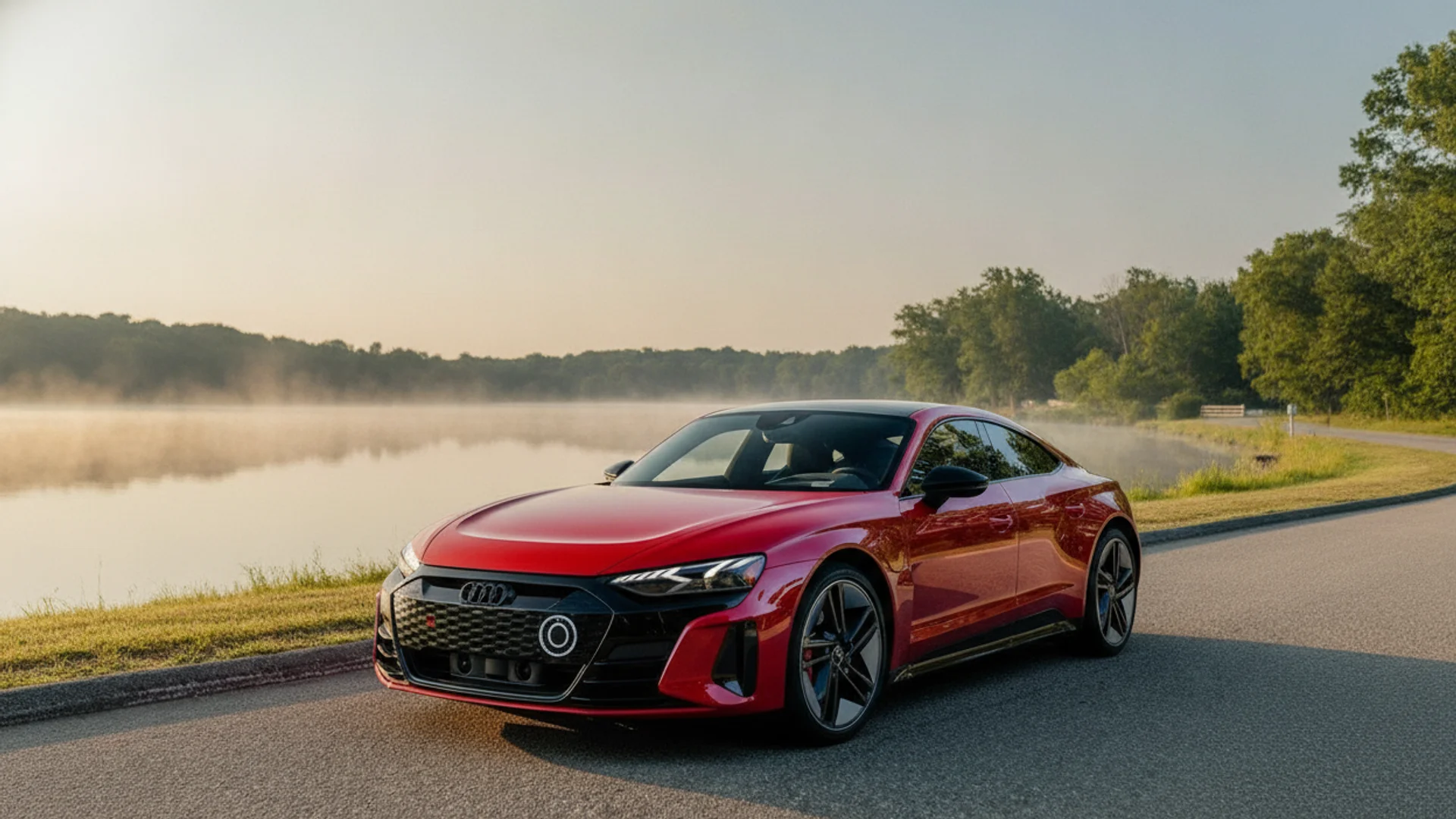
The Denza Z has been spotted on public roads with an expected output of over 700 kW. That's roughly 940 horsepower at the wheels in a drop-top BYD will pitch into the million-dollar luxury supercar segment, a segment that until recently was Ferrari, Lamborghini, McLaren, Pininfarina, and whoever Porsche feels like building that quarter. Estimated Canadian sticker if it ever lands: $250,000–$400,000 CAD. I refuse to round that. The spread is the story.
Key takeaways
- BYD's Denza Z prototype was spotted this month producing over 700 kW, with 0–100 km/h under two seconds.
- Canada's 100% tariff turns a $180,000 landed cost into $360,000, and Denza isn't even prioritizing Canadian allocation.
- The Yangwang U9 already holds the production-car top-speed record at 496.22 km/h, set at Germany's ATP Papenburg.
- The 911 Turbo S Cabriolet makes 640 hp and runs 0–100 in 2.7 seconds, the Denza Z beats both numbers, likely at lower cost.
- BYD builds its batteries, motors, power electronics, and software in-house, then sells the surplus to competitors, a structural cost advantage European supercar makers can't replicate.
What was actually spotted
The test mule photographed this month is the production-intent Denza Z, the drop-top variant BYD officially called "a watershed moment for the global auto industry" when it teased the European launch in April. The phrasing matters. BYD doesn't usually reach for civilizational language. When the Han launched, they called it a sedan. When the Seal launched, they called it a sedan with a battery floor. When the Denza Z launched, they reached for "watershed."
The hardware reaches with them. Over 1,000 horsepower in the headline trim, 0–100 km/h under two seconds, a soft-top convertible body, and the e³ platform underneath, independent rear-wheel steering that lets the car crab-walk and turn on its own axis. The case against believing any of this is that prototype-spec numbers don't survive homologation. Manufacturers quote peak output at battery temperatures owners will never see, and the production trim usually lands 10–15% lower once thermal limits, regulatory caps, and warranty math get applied. I'll concede that. Even discounted, 850 hp in a 1.9-second convertible is still inside Ferrari SF90 territory at what will almost certainly be half the price.
The Denza Z is also not BYD's first attempt at this. The Yangwang U9 already holds the production-car top-speed record at 496.22 km/h, recorded at Germany's ATP Papenburg facility. That number was supposed to be impossible from a Chinese manufacturer five years ago. It happened anyway. Anyone betting the Denza Z will collapse under European certification scrutiny is betting against a company that already broke the speed record nobody thought it could touch.
Gear worth having
As an Amazon Associate, ThinkEV earns a small commission from qualifying purchases — at no extra cost to you.

WeatherTech FloorLiner for Tesla Model 3
Deep-channel liners that trap every drop of slush and salt. The difference between a ruined interior and a showroom-fresh cabin after a Canadian winter.
As an Amazon Associate, ThinkEV earns from qualifying purchases — at no extra cost to you.
The Canadian price problem
Here's where the math gets ugly. Canada has a 100% tariff on Chinese-built EVs as of October 2024. That tariff drops to 6.1% on January 16, 2026, but only inside a 49,000-vehicle annual quota, and Chinese EVs remain excluded from the EVAP rebate programme entirely. A $180,000 CAD landed cost (my low estimate before tariff) becomes $360,000 with the current rate, or roughly $191,000 once the quota window opens, assuming Denza even bothers shipping inventory against a quota it'll burn through on Atto 3 and Seal volume.
I keep seeing commentary that frames the Denza Z as a Canadian product launch. It isn't. It's a European launch with a Canadian shadow. BYD's local distribution priority will be the high-volume models that move the quota needle, the same pattern I sketched out in this look at the Chinese brands queueing up for Port Alberni and the broader sub-$35K Chinese EV pipeline. The Denza Z will exist in Canada the way the Yangwang U9 exists in Canada: as a press release, a YouTube review, and three grey-market imports owned by people whose accountants stopped objecting years ago.
Gear worth having
As an Amazon Associate, ThinkEV earns a small commission from qualifying purchases — at no extra cost to you.

Lectron Level 2 J1772 Charger (40A, WiFi)
Smart WiFi charger with real-time energy monitoring. 40A / 9.6 kW, J1772 with a NEMA 14-50 plug, schedule charging right from your phone.
As an Amazon Associate, ThinkEV earns from qualifying purchases — at no extra cost to you.
The case for caring anyway is that halo cars set the ceiling on what a brand is allowed to charge for everything below it. Once Denza is the brand that builds a credible 911 Turbo S rival, the Denza N9 SUV at $90K stops sounding ambitious and starts sounding cheap. That's the move. Porsche has run this playbook for forty years. BYD is running it now.
Gear worth having
As an Amazon Associate, ThinkEV earns a small commission from qualifying purchases — at no extra cost to you.

Grizzl-E Classic Level 2 EV Charger (40A)
Canadian-made and rated for minus 40C winters. 40A / 9.6 kW, NEMA 14-50, indoor/outdoor, 24-ft cable. The charger built for Canadian weather.
As an Amazon Associate, ThinkEV earns from qualifying purchases — at no extra cost to you.
What it competes with, honestly
The named comparisons that matter aren't Ferrari or Lamborghini, those buyers aren't cross-shopping. The Denza Z competes with the Porsche 911 Turbo S Cabriolet at roughly $300,000 CAD, the Maserati MC20 Cielo at roughly $370,000, and, if BYD nails the certification, the Rimac Nevera at four times the price for buyers who care about the badge less than the spec sheet. The 911 comparison is the dangerous one for Stuttgart. A 911 Turbo S Cabriolet makes 640 hp and runs 0–100 in 2.7 seconds. The Denza Z prototype, even discounted to production trim, will beat it on both numbers and likely undercut it on price.
Against the Kia EV6 GT's 577 hp at $76,995 CAD, the Denza Z is a different argument entirely, Kia is selling accessible performance, BYD is selling a status object. But the floor matters. The same supply chain that builds the Denza Z's drive units also builds the Seagull's 75-horsepower motor at the other end of the catalogue. Vertical integration is the actual moat. European supercar builders source their batteries, their motors, their power electronics, and their software from suppliers. BYD builds all of it in-house, then sells the surplus to competitors. That's a structural cost advantage that doesn't go away when the Denza Z gets homologated for Germany.
Gear worth having
As an Amazon Associate, ThinkEV earns a small commission from qualifying purchases — at no extra cost to you.

PULIDIKI Car Cleaning Gel (Detailing Putty)
Press it into vents, buttons, and seams and it lifts out dust you did not know was there. Weirdly satisfying, genuinely useful.
As an Amazon Associate, ThinkEV earns from qualifying purchases — at no extra cost to you.
What I'd watch
The flip conditions are specific. I'd change my read on the Denza Z's commercial trajectory if any of three things happen: independent EU homologation lands within 12 months of the Beijing reveal at numbers within 10% of BYD's claims; a European OEM responds with a credible drop-top BEV hypercar of its own before 2027 (signalling they take the threat seriously); or the Yangwang U9 Xtreme's Papenburg record gets matched or beaten by a non-Chinese manufacturer (signalling the technical gap is narrower than the headline numbers suggest).
I'd bet on the first happening. I'd bet against the second, Porsche's Mission X concept has been vapourware for two years and the timeline keeps slipping. The third is the most interesting because it tells you whether BYD's lead is a supplier-chain lead or a fundamental engineering lead. If Mercedes-AMG or Audi quattro GmbH can't match 496 km/h within 18 months with a clean cheque from Stuttgart, the answer is engineering. That's the bet I'd take.
The case against my whole read is that flagship hypercars are vanity projects that don't move the unit economics of a company shipping 4.55 million vehicles a year. Fair. The Denza Z could sell 200 units globally and BYD wouldn't notice on the balance sheet. But the brand-positioning trade is permanent. Once "the company that builds the fastest production car in the world" is a sentence Western auto journalists have to write without flinching, the conversation about Chinese EVs in Canadian showrooms changes. That conversation is the real product launch.
Bottom line: the Denza Z is unlikely to land in a Canadian dealership at a price any Canadian will pay before 2028, and even then probably as a grey-market curiosity. The reason to pay attention anyway is that it resets the ceiling. Every Denza, Yangwang, and BYD product below it gets to charge more, claim more, and compete harder because of what sits at the top of the catalogue. The European supercar establishment has spent two decades convincing itself the Chinese threat was at the bottom of the market. They were watching the wrong end.
Gear worth having
As an Amazon Associate, ThinkEV earns a small commission from qualifying purchases — at no extra cost to you.

WixGear Magnetic Air Vent Phone Mount (2-Pack)
A magnet strong enough that your phone never flinches over potholes or rail crossings. Two in the box, one for each car.
As an Amazon Associate, ThinkEV earns from qualifying purchases — at no extra cost to you.

Founder & Chief Editor
Vlad Pereira is the founder and chief editor of ThinkEV.ca, the Canadian electric-vehicle publication he writes and edits from Courtenay, British Columbia. He covers EV pricing, federal and provincial rebates, charging costs, and the Chinese manufacturers now entering Canada, from the buyer's side rather than the press-fleet side. ThinkEV is a venture of Vlad Pereira Online; his writing on health, income and the long game lives at vladpereira.com.
Frequently asked questions
Will the Denza Z ever actually go on sale in Canada?
How does the 100% tariff affect the real purchase price?
Has BYD actually proven it can hit these kinds of numbers?
What's the closest direct competitor a Canadian buyer could actually get?
Does selling a $400K hypercar actually help BYD's mainstream lineup?
More EV & road-trip finds
Affordable upgrades worth a look — tap any to check the price on Amazon.
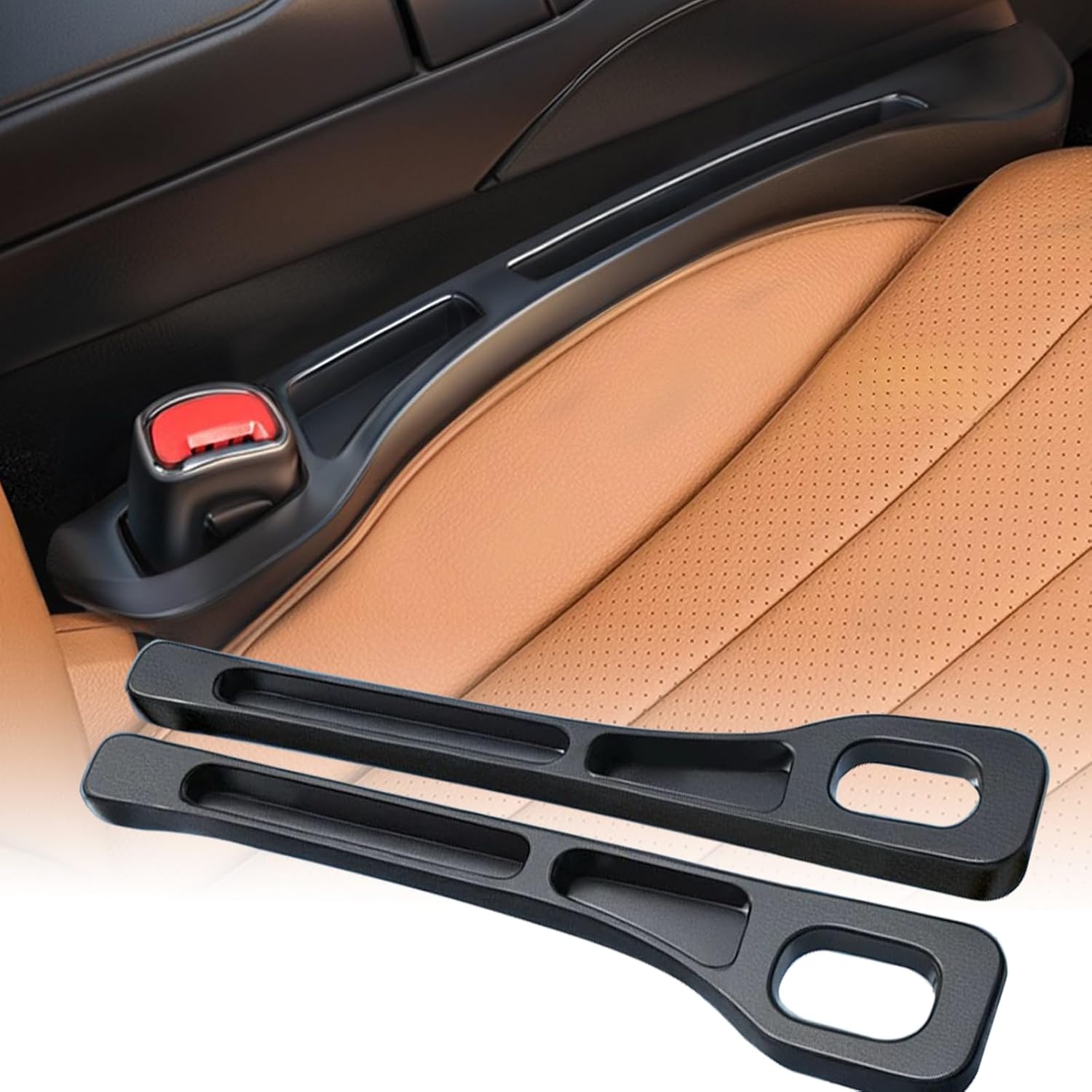 ★ 1,340
Car Seat Gap Filler (Universal)
View on Amazon ★ 21,310
Magnetic Car Phone Mount
View on Amazon ★ 121
★ 121Foldable Windshield Sun Umbrella
View on Amazon ★ 17,839
Qifutan Vent Phone Mount (Military-Grade Clip)
View on Amazon ★ 12,051
Windex Electronics Screen Wipes
View on Amazon ★ 55
★ 55LED Car Door Logo Projector Light
View on Amazon ★ 1,349
Cool Swinging Duck Dashboard Ornament
View on Amazon ★ 4,424
Sun Visor Card and Document Organizer
View on AmazonRead, Plan, Then Stay Current
Explore our expert articles to understand incentives and ownership costs, use the map to pressure-test charging reality, then subscribe so new EV coverage comes straight to you.
Continue Reading
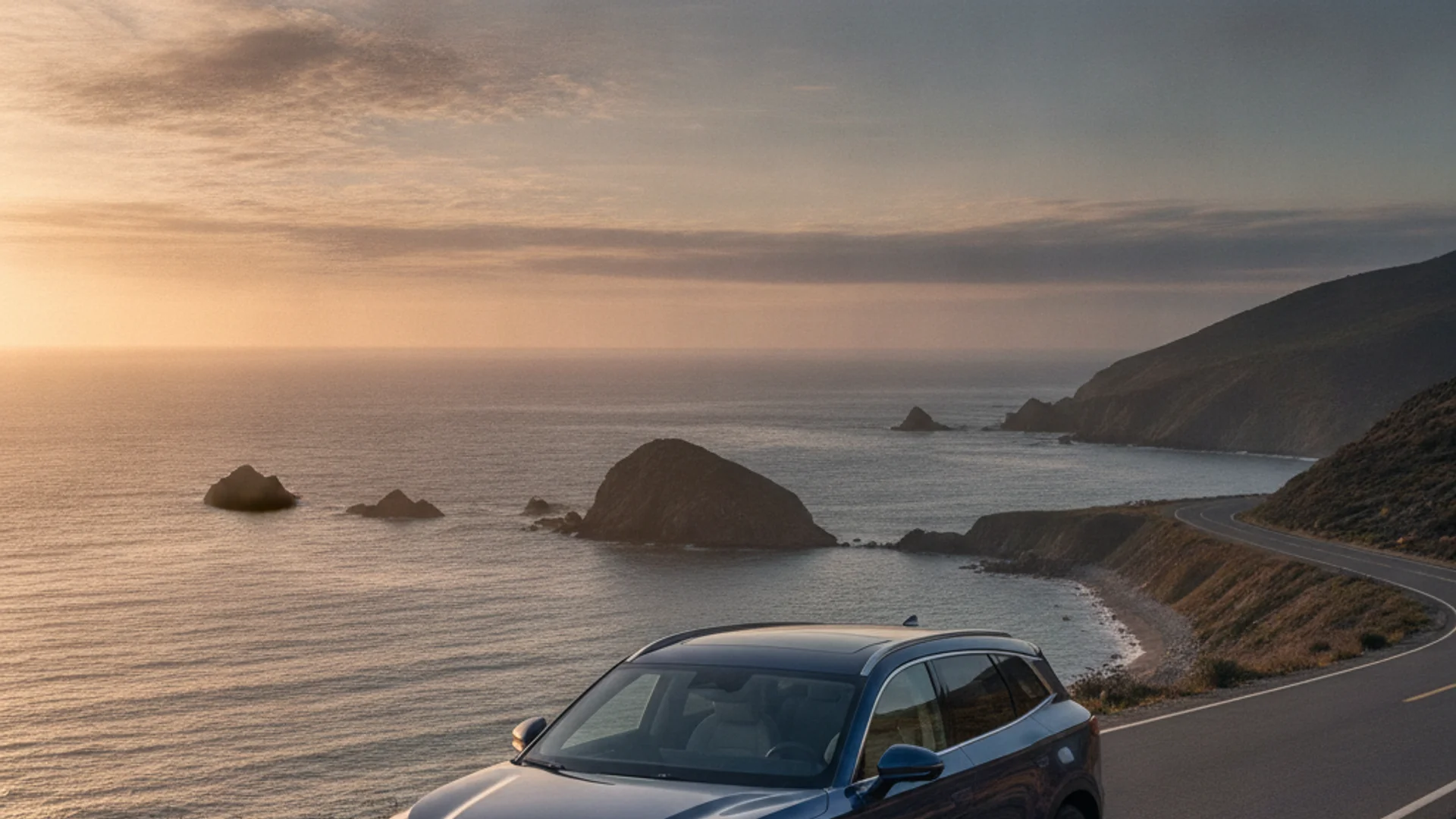
BYD Denza Z9 GT Adds $50K Tri-Motor Trim to China's Top GT
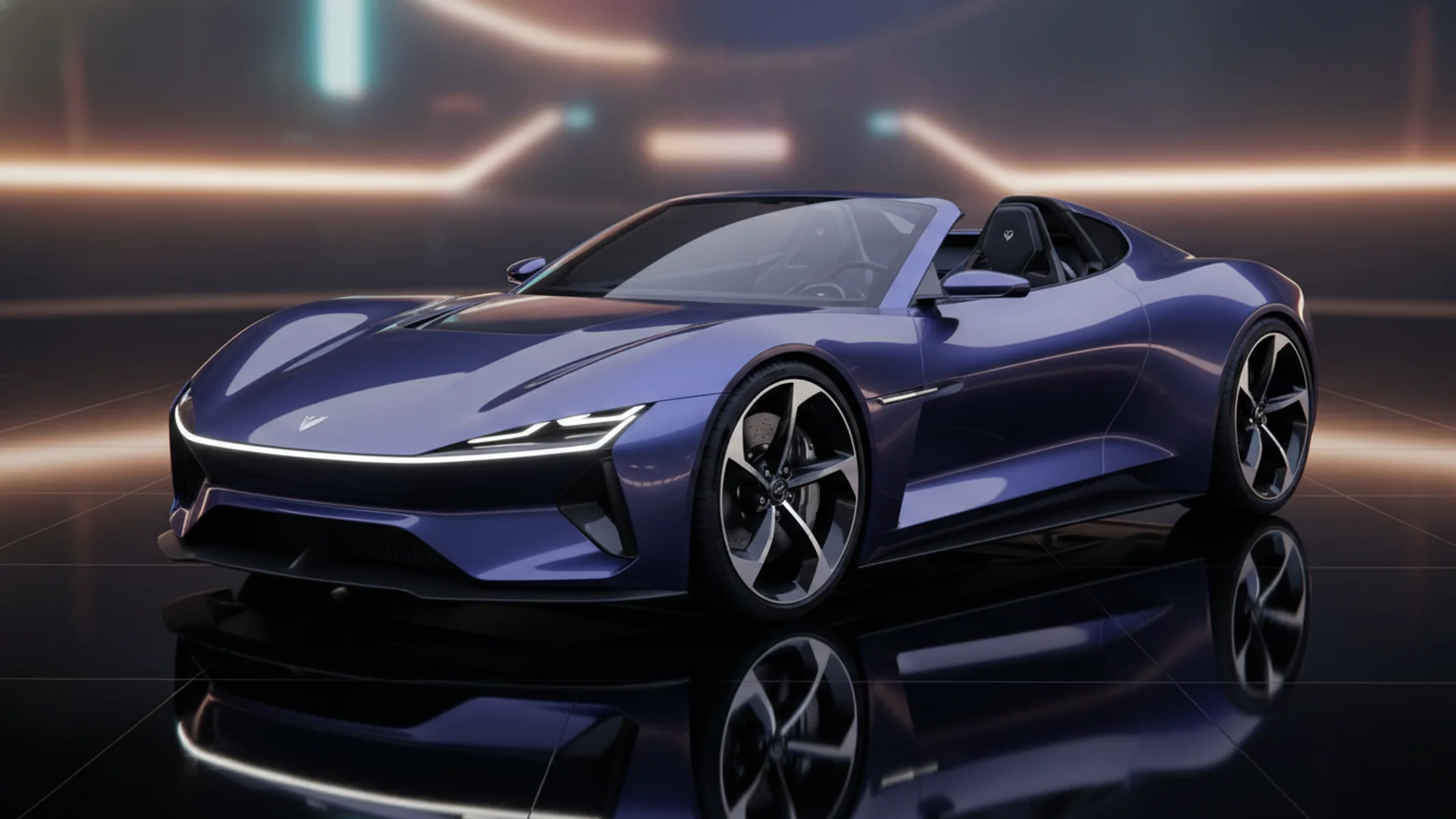
BYD's Denza Z: 700+ kW Against the Supercar Moat

Chinese EVs Will Reach the US, Tariffs or Not, Analysts Say
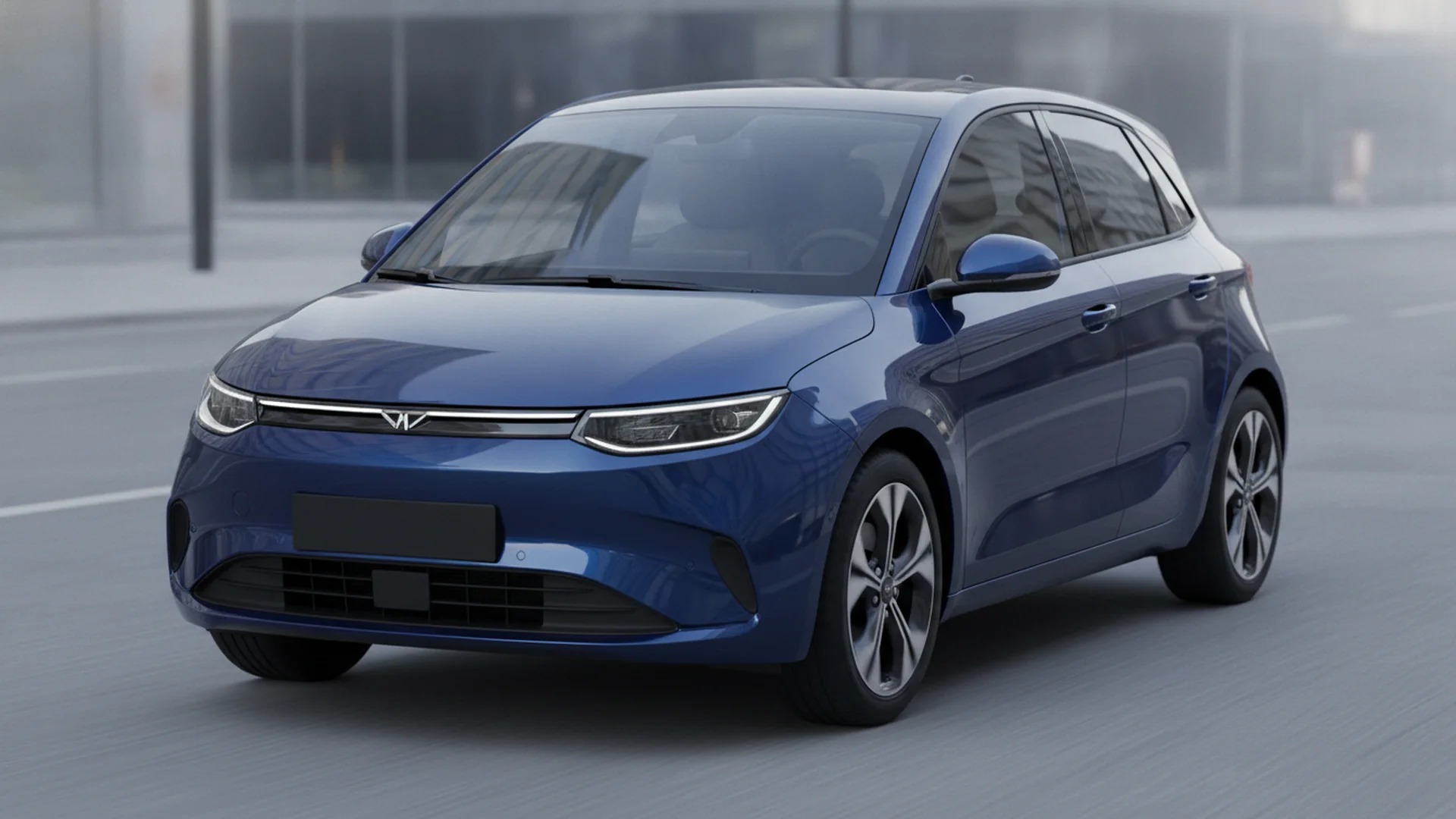
BYD Dolphin G: Inside the 1,000 km PHEV Design
Is BYD Making a Better Ferrari? Denza Z Hits 1,582 HP at $70K