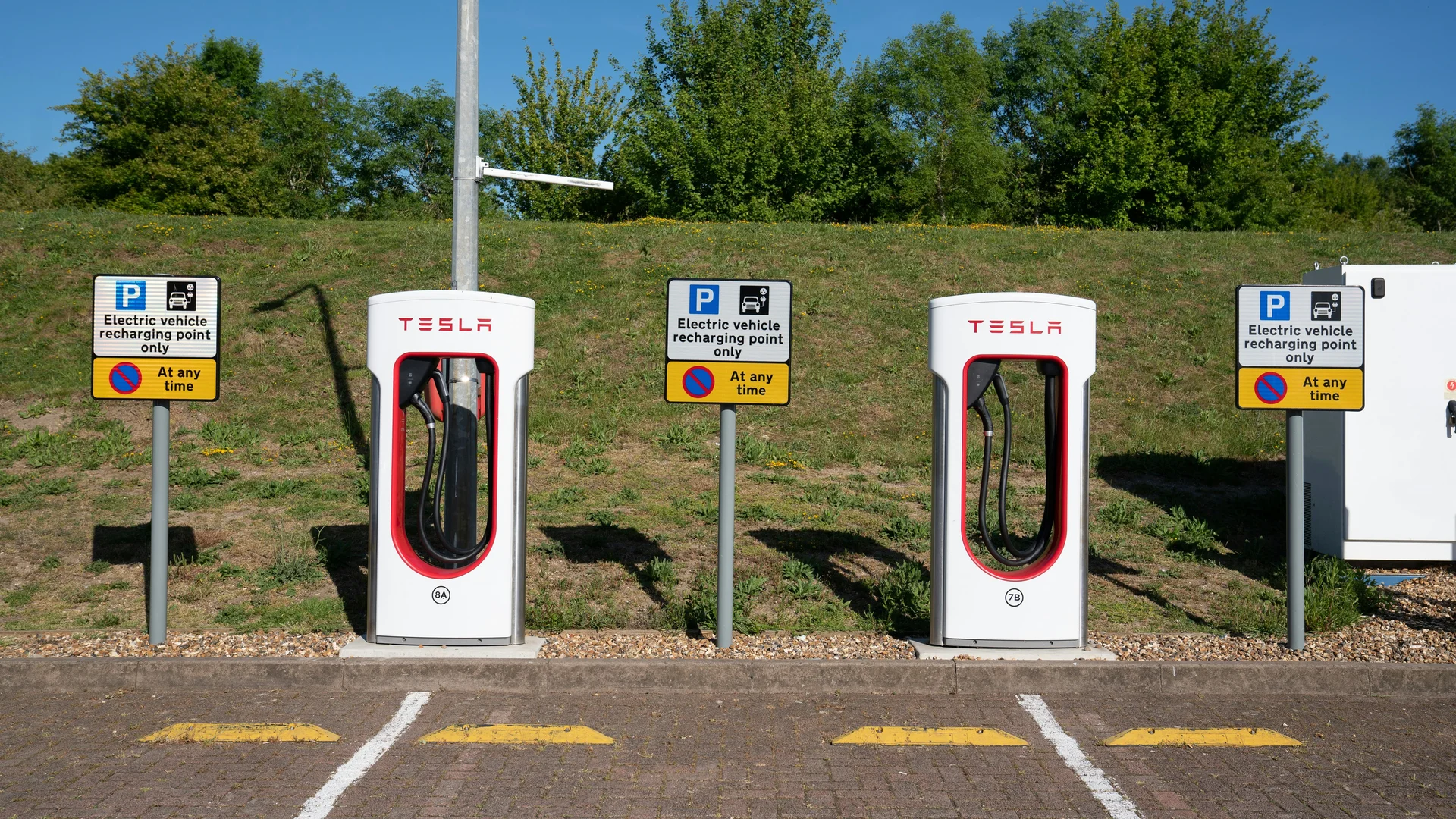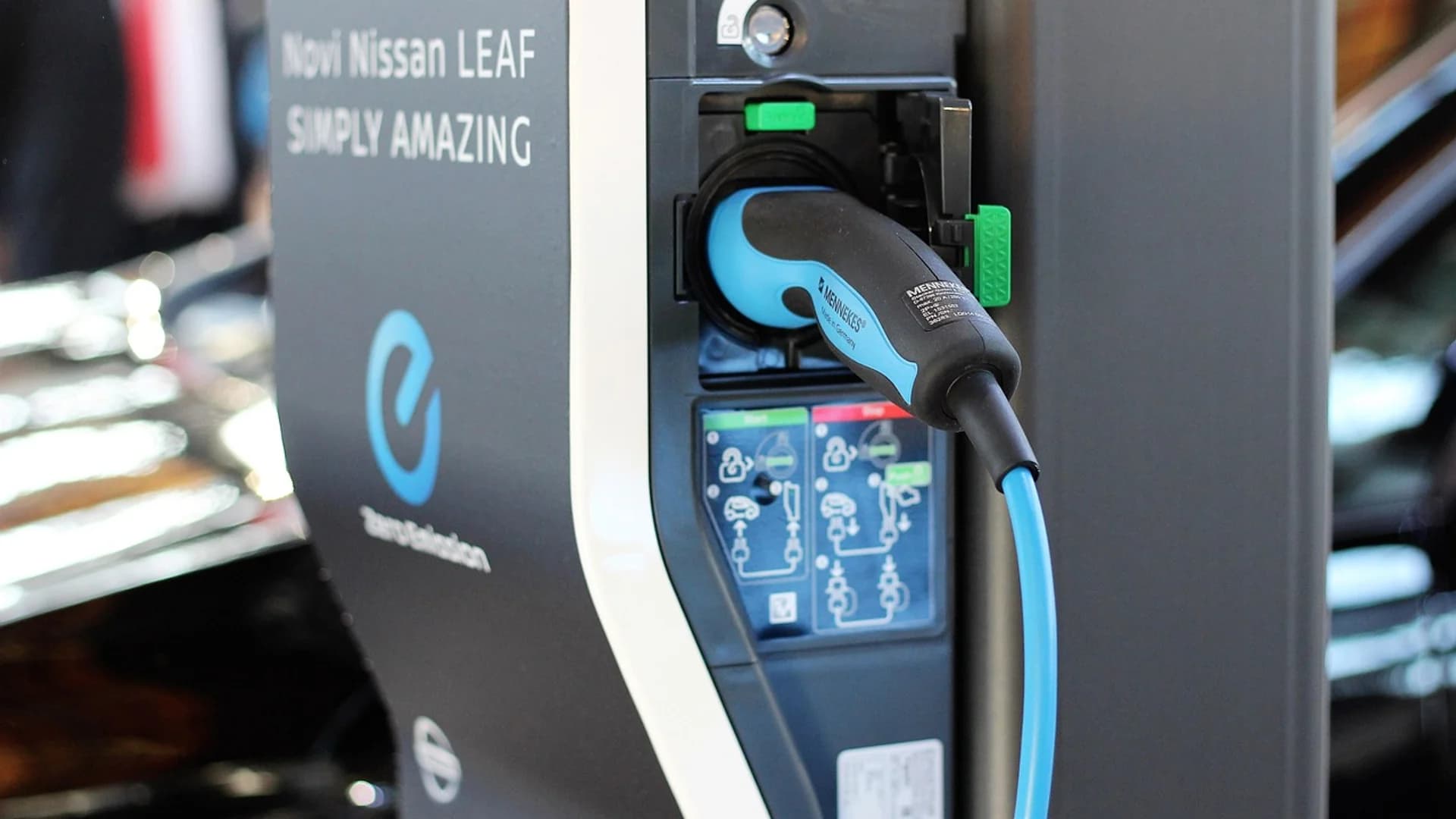
A Level 2 EV charger in British Columbia costs between $800 and $2,500 installed, after the BC Hydro rebate, and for most homeowners in Metro Vancouver, the actual price lands right in the middle of that range.
That's the answer. The complication is everything around it: whether your electrical panel can take the load, whether Technical Safety BC needs to inspect the work, whether your strata will sign off, and whether the contractor quoting you $600 is the bargain they look like or the lawsuit you don't see coming. You just bought an EV. The dealer mentioned a charger. Now you're staring at quotes ranging from $600 to $4,000 and wondering what you actually need.
This guide walks the BC homeowner, and the BC condo owner, because the path is genuinely different, through what you're paying for, what the province will pay back, what the permit process actually involves, and how to filter a CleanBC-registered installer from somebody with a van and a price tag. Know before signing whether you can write the cheque this month or whether your panel needs a $3,000 detour first.
The federal iZEV program covers the vehicle, not the wall box. Charger rebates in BC are provincial and utility-side: CleanBC and BC Hydro. If your dealer told you the feds will cover your charger, your dealer was wrong.
Key takeaways
- BC Hydro pays up to $350 back post-installation, but only for chargers on their eligible-equipment list.
- A standard Metro Vancouver Level 2 install runs $800–$2,500 all-in; panel upgrades alone can add $2,000–$3,000.
- Trenching to a detached garage or outdoor charger adds $500–$1,500, more on frozen ground, and a licensed BC electrician bills $150–$200 an hour for a job that takes three to five hours without trenching or panel work.
- Rebate budgets run out, BC's fiscal year closes in February and March, so spring and summer installs are safer bets.
- The federal iZEV program covers the vehicle, not the charger, BC Hydro and CleanBC are the only rebate sources that matter here.
What Does EV Charger Installation Actually Cost in BC?
The all-in number for a standard Level 2 installation in Metro Vancouver, charger hardware, electrician labour, permit, and inspection, runs $800 to $2,500 before any rebates land. After the BC Hydro $350 rebate, most homeowners are writing a final cheque between $600 and $2,150. That's the band you should anchor on when you read quotes.
The hardware itself is the smallest line. A solid Level 2 unit, a Wallbox Pulsar Plus, a ChargePoint Home Flex, a Tesla Wall Connector, a Grizzl-E, sits between $600 and $1,100 at Canadian retail. Smart chargers with Wi-Fi, scheduling, and load management cost more; basic hard-wired units cost less. There is no meaningful charging-speed difference between a $600 unit and a $1,100 unit at residential amperages. You're paying for the app and the warranty.
Installation labour is where the variance lives. A licensed BC electrician bills $150–$200 per hour, and a clean install, panel close to the parking spot, no trenching, no panel work, takes three to five hours. That's $450 to $1,000 in labour alone. Add the charger, add the $150-ish permit fee, and you land near the bottom of the band.
The case against this band is that several Vancouver-area contractors publish averages closer to $2,000–$3,500 for a "typical" install, and a homeowner reading those numbers might assume the lower end is bait pricing. It isn't. The published averages skew high because they include the panel-upgrade jobs that pull the mean up by $2,000 a unit. Strip the panel work out and the underlying labour-plus-hardware math is exactly the band above. The published averages are honest; they're just answering a different question.
The middle and top of the band are explained by three things, and only three things:
- Distance from panel to charger. Every metre of conduit costs material and labour. A panel in the basement and a charger in a detached garage twenty metres away is a different job than a panel in the garage itself.
- Trenching. If the charger lives outside or in a detached structure, expect $500–$1,500 added for the trench, conduit, and backfill. Frozen ground in February? Higher. Concrete to cut? Higher again.
- Panel readiness. Covered in its own section below, because it deserves one. A panel at capacity changes the project from a $1,200 install to a $4,000 install overnight.
What you should NOT pay extra for: a "site assessment" fee that exceeds $150, a "permit handling" surcharge on top of the permit cost itself, or a quote that bundles the hardware at a 40% markup over Canadian Tire's shelf price. Buy the charger yourself, have the electrician install it. Most reputable BC contractors are happy with this arrangement and will tell you which models they prefer to work with.
One more number: if you live outside Metro Vancouver, Kelowna, Prince George, Nanaimo, Cranbrook, labour rates drop slightly but travel charges rise, and the band shifts to roughly $900–$2,800 before rebate. The geography matters less than the panel. In the Fraser Valley specifically, Langley and Abbotsford, where EV registration share already sits near 14–16% in early 2026, installer density is high enough that the Metro Vancouver band applies cleanly. Density of EV-experienced electricians tracks adoption, and adoption tracks the band.
For the Canada-wide breakdown of home Level 2 economics, hardware classes, installation variables, ROI math, the national guide to installing a home EV charger covers the full picture. This BC guide assumes you've already decided to install; the linked piece helps if you're still on the fence.
BC Rebates That Cut Your Bill: CleanBC, BC Hydro, and What Stacks
BC Hydro currently offers up to $350 toward the purchase and installation of a qualifying Level 2 home charger, available as of April 2026. The rebate is paid post-installation against itemised receipts, and the charger model must appear on BC Hydro's eligible-equipment list. Most mainstream brands (ChargePoint, Wallbox, FLO, Grizzl-E, Tesla Wall Connector) qualify; some imported or unbranded units don't. Check the list before you buy the unit, not after.
The CleanBC Go Electric program runs alongside the BC Hydro rebate and covers three streams: single-family homes, multi-unit residential buildings (MURBs), and workplaces. The single-family stream historically has overlapped with BC Hydro's program, so the practical answer is that you apply to whichever stream is open and funded for your project type at the time you install. The province updates funding allocations periodically, confirm current availability with your CleanBC-registered installer before purchasing.
Stacking is allowed in many cases, but the rules are program-specific and they change. The reliable approach is to ask the installer at quote time, in writing, which rebates apply to your specific job and what the post-rebate net cost will be. A CleanBC co-installer will know, that's the entire reason they're on the list.
What does NOT apply: the federal EVAP rebate. EVAP is a vehicle-purchase incentive. It does not touch charger hardware or installation. Charger funding in BC sits with BC Hydro and the provincial CleanBC envelope, not Ottawa.
BC's $350 sits in the upper-middle of the national rebate league. Quebec's residential charger rebate beats BC's. Alberta has none. New Brunswick wound down its vehicle-side incentive in 2025, with CBC News reporting the province was shifting focus to the charger network instead, the policy direction BC is already further along on. BC is generous enough to matter on the national curve, not so generous that the rebate itself is the reason to install. The reason to install is the $1,500-a-year fuel saving against gasoline at $1.85/L. The rebate is the cherry.
For renters and apartment dwellers the math is different, and it's covered in its own section below. The headline: MURB rebates are far more generous than single-family rebates, because the province is trying to solve a harder problem.
A small note on timing. Rebate budgets in BC are annual and they do run out, historically late in the fiscal year, which means February and March are the months when applications start getting "funding fully allocated" responses. If you're reading this in spring or summer 2026, you're in the good window. If you're reading it in late winter, install fast or accept that the rebate might be a 2027 expense.
For the cross-Canada rebate map, every province, every utility, what stacks with what, the national charging-cost and rebate guide breaks it down by jurisdiction. BC is generous by national standards. Quebec is more generous. Alberta is not.
Gear worth having
As an Amazon Associate, ThinkEV earns a small commission from qualifying purchases — at no extra cost to you.
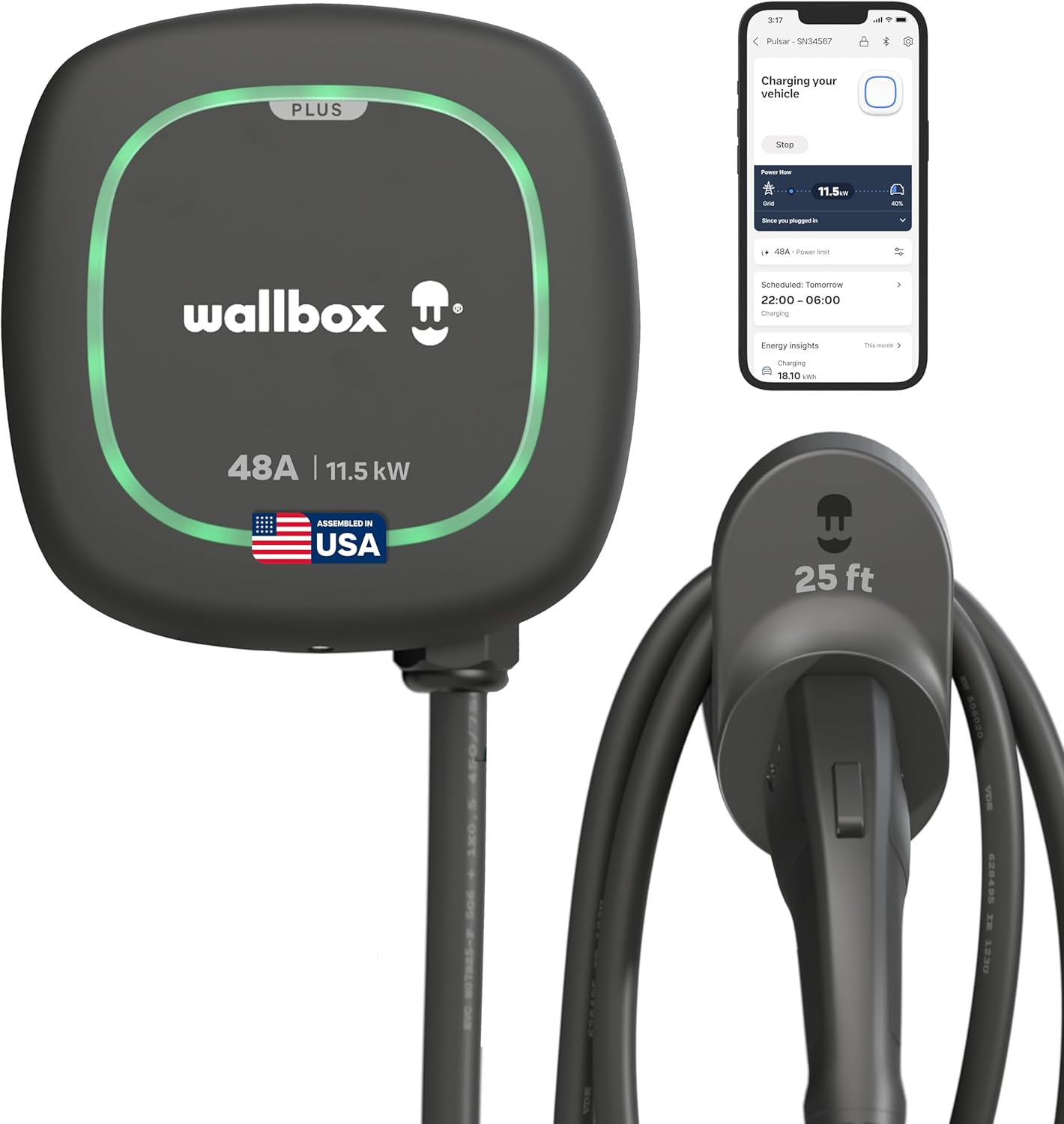
Wallbox Pulsar Plus 48A Level 2 Charger
Compact, sleek charger with app control and power sharing for two EVs. 48A / 11.5 kW, NEMA 14-50. Looks as good as your EV.
As an Amazon Associate, ThinkEV earns from qualifying purchases — at no extra cost to you.
Permits and Inspections: What Technical Safety BC Actually Requires
Any new 240V dedicated circuit in British Columbia requires a permit and inspection through Technical Safety BC. This is not optional. It is not a paperwork formality your electrician can "handle informally." It is the regulatory backbone that determines whether your installation is legal, insured, and resaleable.
Here is what that means in practice. Your licensed electrical contractor pulls the permit before the work starts. The permit covers the design and the materials. After installation, a Technical Safety BC inspector, or a delegated authority in some municipalities, verifies the work against code. If it passes, you get a sign-off. That sign-off is what your home insurer wants to see if a charger-related fault ever causes a claim, and it's what a future buyer's lawyer will ask for during a real-estate transaction.
The permit cost is small, roughly $150 depending on the municipality and the scope. The inspection adds one to two weeks to the project timeline in Metro Vancouver, sometimes longer in remote areas. Your installer should bake this into the schedule they quote you. If a contractor tells you they can do the job tomorrow without a permit, three things are simultaneously true:
- They are not the contractor you want.
- Your work will not be insurable.
- A future home sale will surface this on inspection and become your problem to fix retroactively, at full cost, with no rebate.
The savings on unpermitted work are roughly $150 in fees and one to two weeks of waiting. The downside is uncapped. The math is not close.
One nuance: replacing an existing Level 2 charger with a new one on the same circuit, with no electrical changes, generally does not require a new permit. Installing a new circuit always does. If you're swapping a Grizzl-E for a ChargePoint on a circuit a previous owner already had permitted, your electrician can confirm whether you're in the swap lane or the new-install lane.
The survivorship-bias defence sounds reassuring, somebody down the street did theirs without a permit, sold the house last year, no problem, and it falls apart on inspection, literally. A 2024-2025 unpermitted install is fine until it isn't. Buyer's home inspectors are increasingly trained to flag 240V outlets and hard-wired chargers as items requiring permit documentation. The risk isn't that every unpermitted install gets caught, it's that yours does, at the worst possible moment, and the remediation cost includes ripping open drywall to verify the circuit run.
Strata-titled properties add a layer, the strata council often wants its own documentation alongside the Technical Safety BC sign-off. More on that in the condo section below.
Is Your Panel Ready? The Question That Changes Everything
A Level 2 charger draws between 30 and 48 amps continuous, depending on the unit. That requires a dedicated 40A or 60A breaker, sized at 125% of the charger's continuous load per Canadian electrical code. The question is whether your panel has the headroom to carry that load alongside everything else you're already running, the dryer, the range, the heat pump, the hot tub if you have one.
If you live in a home built after 2005 with a 200A panel, you almost certainly have room. If you live in a home built in the 1970s or 1980s with a 100A panel, you almost certainly don't, not without a load calculation, and probably not without an upgrade.
A full 200A service upgrade costs $1,500 to $3,500 in BC, depending on whether BC Hydro needs to touch the service entrance and whether trenching is involved. This is the single biggest variable that turns a $1,500 EV charger install into a $5,000 EV charger install. It's also the variable most easily diagnosed up front. A reputable electrician will do a load calculation as part of the quote, not after the contract is signed.
There is a middle path, and it's gotten meaningfully better in the past two years: load management. Smart panels and smart chargers can throttle the EV down when the dryer turns on, keeping total household draw under the panel's capacity. Wallbox's Power Boost, ChargePoint's Power Management mode, the Tesla Wall Connector's load-sharing firmware, and standalone devices like the DCC-9 from RVE all let homeowners with marginal panels skip the full upgrade.
Gear worth having
As an Amazon Associate, ThinkEV earns a small commission from qualifying purchases — at no extra cost to you.

TP-Link Kasa Smart Plug with Energy Monitoring
Track exactly how much electricity your Level 1 charger uses and schedule it for off-peak hours. Know your real cost per kWh.
As an Amazon Associate, ThinkEV earns from qualifying purchases — at no extra cost to you.
A few caveats on load management worth being direct about:
- It limits charging speed during peak household demand. If you're running an electric range, an electric dryer, and a heat pump at once, your EV might be charging at 16A instead of 40A for that window.
- It requires the installer to be familiar with the specific device. Not every BC electrician is, especially outside the Lower Mainland.
- It does NOT eliminate the need for the permit or inspection.
For most BC households charging overnight, the speed throttling is invisible, the car sits at 90% by 6am either way. For households trying to fast-charge during the day on a marginal panel, load management is a workaround, not a fix. The real fix is the 200A upgrade.
A quick reality check on charging speed itself: a 40A Level 2 charger adds roughly 40 km of range per hour to a typical EV. Overnight at home, that's 320 km on a ten-hour charge. Almost no BC commute justifies anything faster. If you're choosing between a 32A install on your existing panel and a $3,000 panel upgrade to support a 48A charger, the 32A install is the right answer for 95% of homeowners.
The vehicle you've bought matters here more than installers usually admit. A 2026 Tesla Model Y Standard Range RWD at $49,990 CAD tops up overnight on a 32A circuit without anyone noticing. A Kia EV6 GT at $76,995 with an 84 kWh pack and a driver who actually uses the performance figures will want the 48A install, and if the panel can't take it, the panel becomes the right investment, not a regret. Match the install to the car's daily duty cycle, not to the maximum spec on the charger box.
For the Canada-wide context on what charging speeds mean for daily driving, and where DC fast charging actually fits into the picture, the complete national EV charging guide maps every network and every speed tier.
Gear worth having
As an Amazon Associate, ThinkEV earns a small commission from qualifying purchases — at no extra cost to you.

P3 Kill A Watt Electricity Usage Monitor
Plug in your charger and see exactly what you spend in kWh, cost, and watts. Settle the is-my-EV-really-cheaper debate with data.
As an Amazon Associate, ThinkEV earns from qualifying purchases — at no extra cost to you.
Finding a Qualified EV Charger Installer in BC
The CleanBC registered installer list is the right place to start. Not because the contractors on it are uniformly better than the ones off it, some excellent independent electricians don't bother with the registration, but because using a registered installer guarantees your rebate eligibility. It removes one entire category of risk from the project.
The contractor must be a licensed electrical contractor registered with the BC Safety Authority. That is the legal floor. Above that floor, the things you're actually filtering for are:
- Permit pulling. Ask each quote: "Do you pull the permit, or does the homeowner?" If the answer is anything other than "we pull it," walk away.
- EV-specific experience. A licensed electrician can wire a 240V circuit. An EV-experienced electrician knows the model-specific quirks, that the Tesla Wall Connector wants a particular grounding setup, that older ChargePoint units need a firmware update before commissioning, that the Grizzl-E hard-wire kit is sold separately. Ask how many EV installs they've done in the past year. If the number is under a dozen, you're paying for their learning curve.
- Quote granularity. Three quotes is the standard advice and it remains correct. The quotes that are usefully comparable break out hardware, labour hours, permit, inspection, and any panel work as separate line items. Lump-sum quotes hide the variance.
- Timeline honesty. Licensed BC electricians in spring 2026 are running two to four weeks out in the Lower Mainland, longer on the Island. A contractor who promises tomorrow either has nothing to do, which is itself a signal, or is cutting corners somewhere you'll find later.
One filter that surprises people: ask whether the contractor will commission the charger with you present and walk you through the app setup. The good ones will. The mediocre ones will mount the unit, energise the circuit, and leave you to figure out the Wi-Fi pairing on your own. The difference is twenty minutes of their time and a meaningfully better experience for the next three years.
A note on contractor pricing tactics worth being direct about. Some contractors quote low on the install and high on the hardware. Others quote high on the install and let you supply the charger. The total cost is what matters. Add the lines, compare the totals, and ignore the framing.
The counter-position from the contractor side, fairly stated: registered installers carry CleanBC training overhead, audit requirements, and rebate-paperwork cost that the unregistered ones don't. So registered quotes can run 10–15% higher on labour. For a homeowner with no rebate eligibility, say, a recent install replacement that doesn't qualify, the unregistered electrician with twenty years of solid 240V work is a legitimate option. For everyone else, the 10–15% premium is reclaimed by the $350 rebate the unregistered installer can't unlock for you. The numbers point the same direction the policy does.
Condo and Apartment Owners: Your Charger Path Is Different
If you live in a strata-titled condo, townhouse, or apartment in BC, your charger installation is not your decision alone. It is a building decision, and the building has to sign off before any wire moves.
Here is the sequence. You submit a formal request to the strata council. The request specifies the charger model, the installer, the proposed circuit routing, the proposed parking-stall designation, and how the electrical load will be metered and billed. The council reviews it, typically at a regular meeting, and votes. Approved requests then proceed to Technical Safety BC permitting and installation. Denied requests can be appealed under the BC Strata Property Act, which since 2022 has explicitly supported EV charging rights, but "supported" is not the same as "guaranteed within thirty days." Realistic timelines for first-time strata installations run two to six months.
The buildings that move fastest are the ones that have already done a building-wide EV charging study and approved a shared EVSE management system. In those buildings, individual unit owners are essentially opting into existing infrastructure, and approval is a formality. The buildings that move slowest are the ones where you're the first owner asking, the council has no policy framework, and the electrical engineer's load study is starting from zero.
If you're in the second category, the practical advice is this: don't try to install your own dedicated circuit off the building's main panel. The economics rarely work, and the strata almost never approves it. Push instead for a building-wide EVSE management system that lets every unit owner add a stall at incremental cost. The CleanBC MURB rebate stream covers up to 75% of eligible costs for the building's infrastructure, it's the most generous rebate in the entire BC EV-charging envelope, and it exists precisely to unlock these projects.
The MURB economics genuinely favour the building owner who acts now. A 30-stall building project that would cost $300,000 out of pocket might cost $75,000 after the CleanBC MURB rebate. Distributed across 30 owners, that's $2,500 per stall, comparable to a single-family install, but for shared infrastructure that can scale to the building's full parkade.
The national EV charging guide includes a section on MURB and condo charging that complements the BC-specific path here. The provincial frameworks differ; the building dynamics are the same everywhere.
Renters face the same strata layer plus a landlord layer. The legal position is improving, BC's tenancy framework increasingly treats charger access as a reasonable accommodation, but in practice, renters in 2026 are still mostly relying on workplace charging, public Level 2 at community centres and grocery stores, and the occasional sympathetic landlord. Building-side infrastructure is the unlock for renters too. The broader public-charging buildout is slowly closing this gap, including dealership-side networks; Toyota stepped up high-speed EV charger installations at its dealerships in late 2025, which is quietly becoming a parallel public-charging tier alongside the operator networks.
Gear worth having
As an Amazon Associate, ThinkEV earns a small commission from qualifying purchases — at no extra cost to you.

Grizzl-E Classic Level 2 EV Charger (40A)
Canadian-made and rated for minus 40C winters. 40A / 9.6 kW, NEMA 14-50, indoor/outdoor, 24-ft cable. The charger built for Canadian weather.
As an Amazon Associate, ThinkEV earns from qualifying purchases — at no extra cost to you.
Expect $800 To $2,500 All-In, Your Panel Decides Where
A clean Level 2 EV charger installation in BC in 2026 should cost a single-family homeowner $800–$2,500 all-in after the BC Hydro rebate, take four to six weeks from quote to sign-off, and require a Technical Safety BC permit and inspection that no honest installer will try to skip. The variable that decides whether you're at the bottom or the top of that band is your electrical panel. The variable that decides whether the install is worth doing is whether you're staying in the home long enough to amortise it, for most owners, that math works inside two years.
The two scenarios for anyone reading this in mid-2026. First: if you're a condo owner pushing your strata toward a building-wide system, the CleanBC MURB rebate at 75% is the most generous rebate in the entire BC envelope, and it won't stay at that level forever. The province has signalled tightening as adoption rises. The window for the maximum subsidy is now, not next year. Second: if you're a single-family homeowner with a marginal panel and a long-range EV, the right move in 2026 is the load-managed 32A install, not the $3,000 panel upgrade. The speed difference is invisible overnight; the cost difference is real.
What would change this advice. If BC Hydro raises the residential rebate above $500, credible by late 2026 if EV adoption keeps tracking provincial targets, the math on panel upgrades shifts and the full-amperage install becomes the default again. If Technical Safety BC tightens the inspection regime on legacy unpermitted installs, also credible, the cost of having skipped the permit ten years ago lands hard at the next home sale. The likely policy direction: BC follows New Brunswick within two fiscal years, sunsetting the single-family residential rebate as adoption crosses 25% of new-vehicle sales and redirecting the envelope to MURB and public fast-charging. If that happens, the homeowners who installed in 2026 captured the last generous single-family rebate window the province ever runs. Worth watching, worth not waiting on.
For the next post in the practical-ownership track, the question most BC EV buyers ask after the charger is installed is what it actually costs them per kilometre, the province-by-province charging cost breakdown answers that one in full, and BC comes out near the top of the value table.
Gear worth having
As an Amazon Associate, ThinkEV earns a small commission from qualifying purchases — at no extra cost to you.

Lectron Level 2 J1772 Charger (40A, WiFi)
Smart WiFi charger with real-time energy monitoring. 40A / 9.6 kW, J1772 with a NEMA 14-50 plug, schedule charging right from your phone.
As an Amazon Associate, ThinkEV earns from qualifying purchases — at no extra cost to you.

Founder & Chief Editor
Vlad Pereira is the founder and chief editor of ThinkEV.ca, the Canadian electric-vehicle publication he writes and edits from Courtenay, British Columbia. He covers EV pricing, federal and provincial rebates, charging costs, and the Chinese manufacturers now entering Canada, from the buyer's side rather than the press-fleet side. ThinkEV is a venture of Vlad Pereira Online; his writing on health, income and the long game lives at vladpereira.com.
Frequently asked questions
Can I buy my own charger and hire an electrician separately?
Does the BC Hydro rebate stack with the CleanBC program?
When do BC rebate budgets typically run out each year?
Why do some BC contractors quote $3,500 for a standard install?
Does my strata have to approve a charger installation?
More EV & road-trip finds
Affordable upgrades worth a look — tap any to check the price on Amazon.
 ★ 848
★ 848Coiled USB-C to USB-C Car Cable (2-Pack)
View on Amazon ★ 61
★ 61Toddler Car Seat Snack and Cup Tray
View on Amazon ★ 17,839
Qifutan Vent Phone Mount (Military-Grade Clip)
View on Amazon ★ 4,050
Touchscreen Mist Screen Cleaner Kit
View on Amazon ★ 419
★ 419RGB Car Interior LED Strip Light
View on Amazon ★ 4,055
6-Speed Manual Shift Knob Display
View on Amazon ★ 4,424
Sun Visor Card and Document Organizer
View on Amazon ★ 692
★ 692USB-A to USB-C CarPlay Adapter (3-Pack)
View on AmazonRead, Plan, Then Stay Current
Explore our expert articles to understand incentives and ownership costs, use the map to pressure-test charging reality, then subscribe so new EV coverage comes straight to you.
Continue Reading
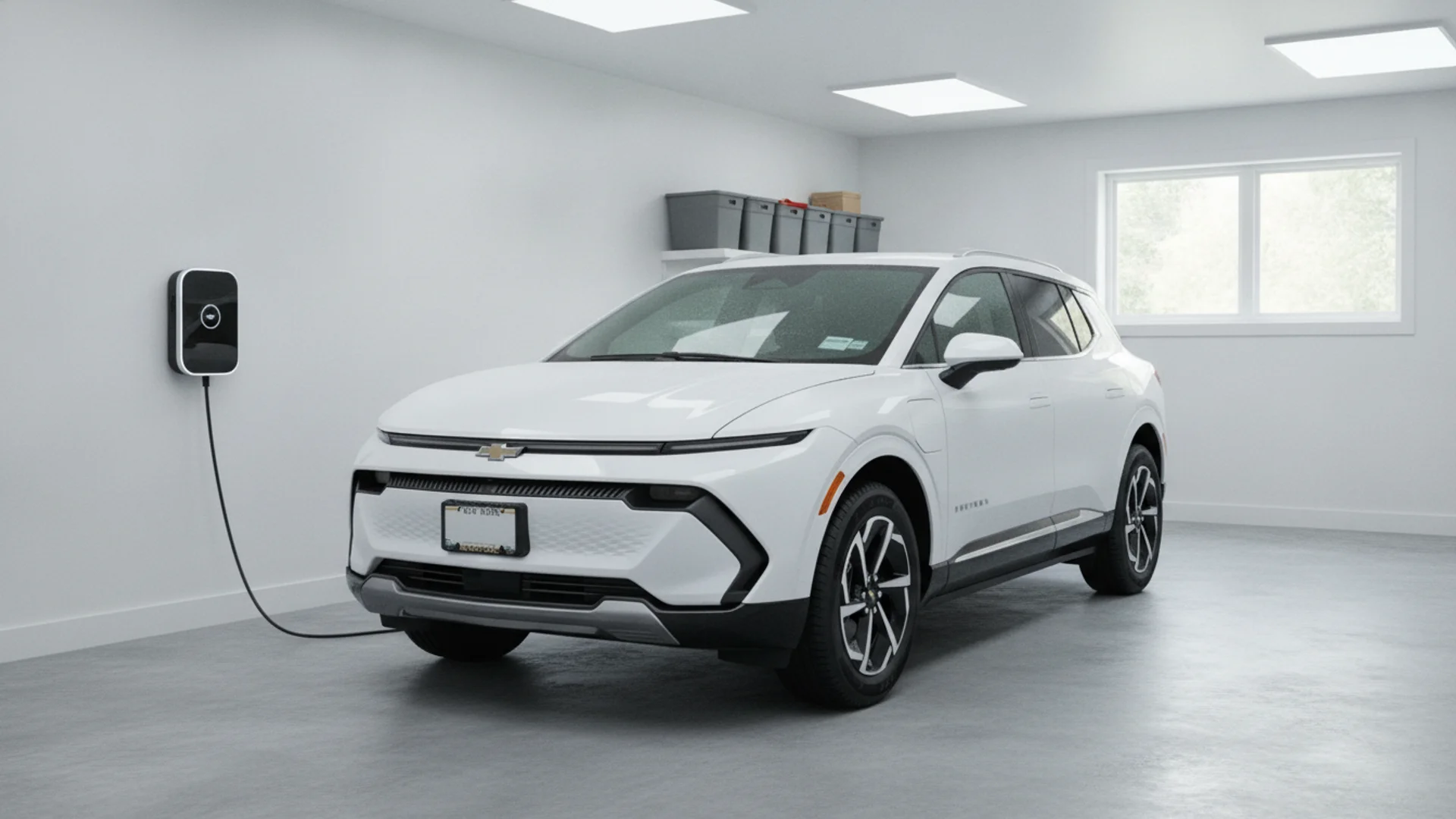
Home EV Charging Setup: The Basics for New Owners
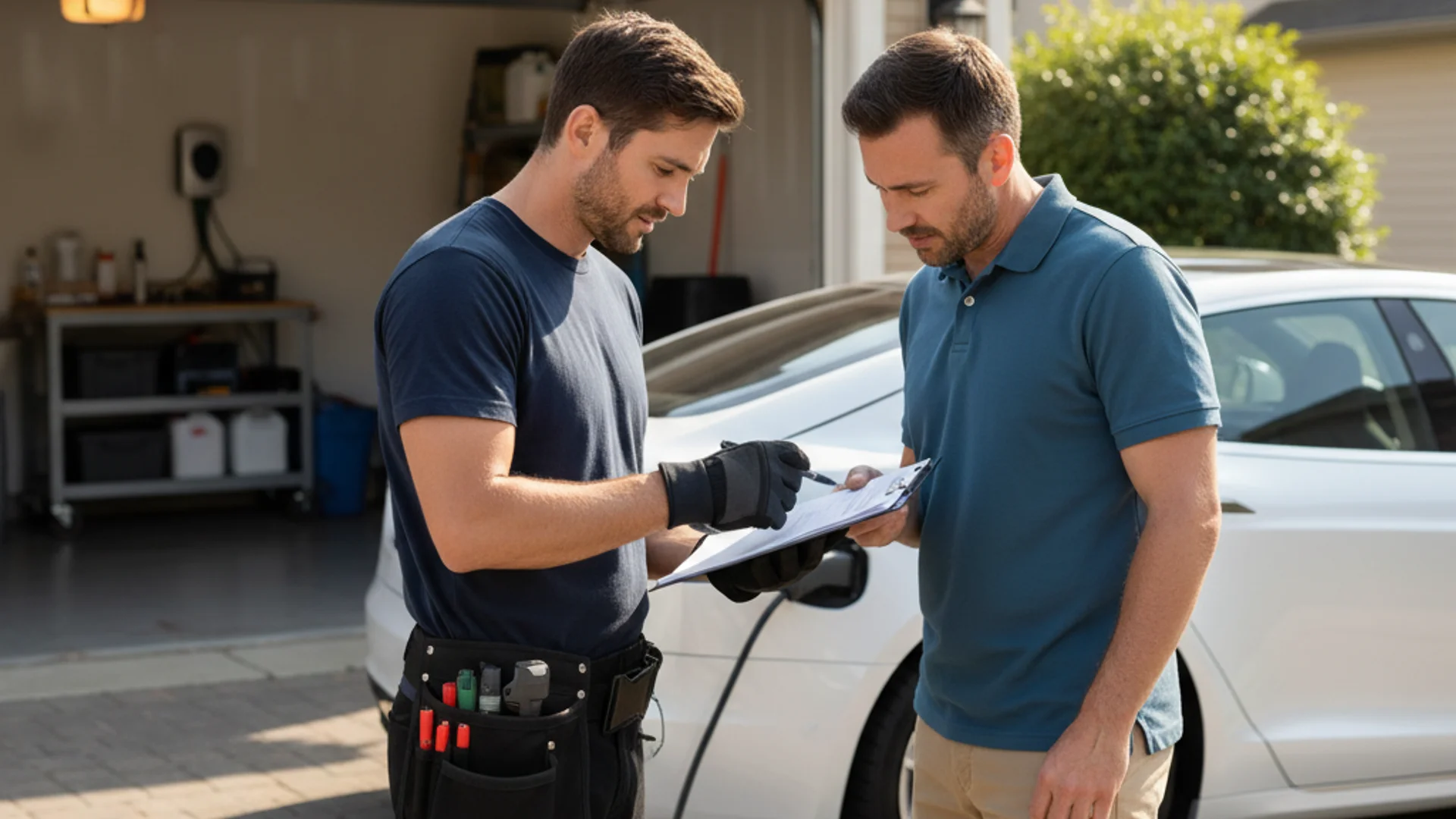
How to Find a Trusted EV Charger Installer Near You in Canada
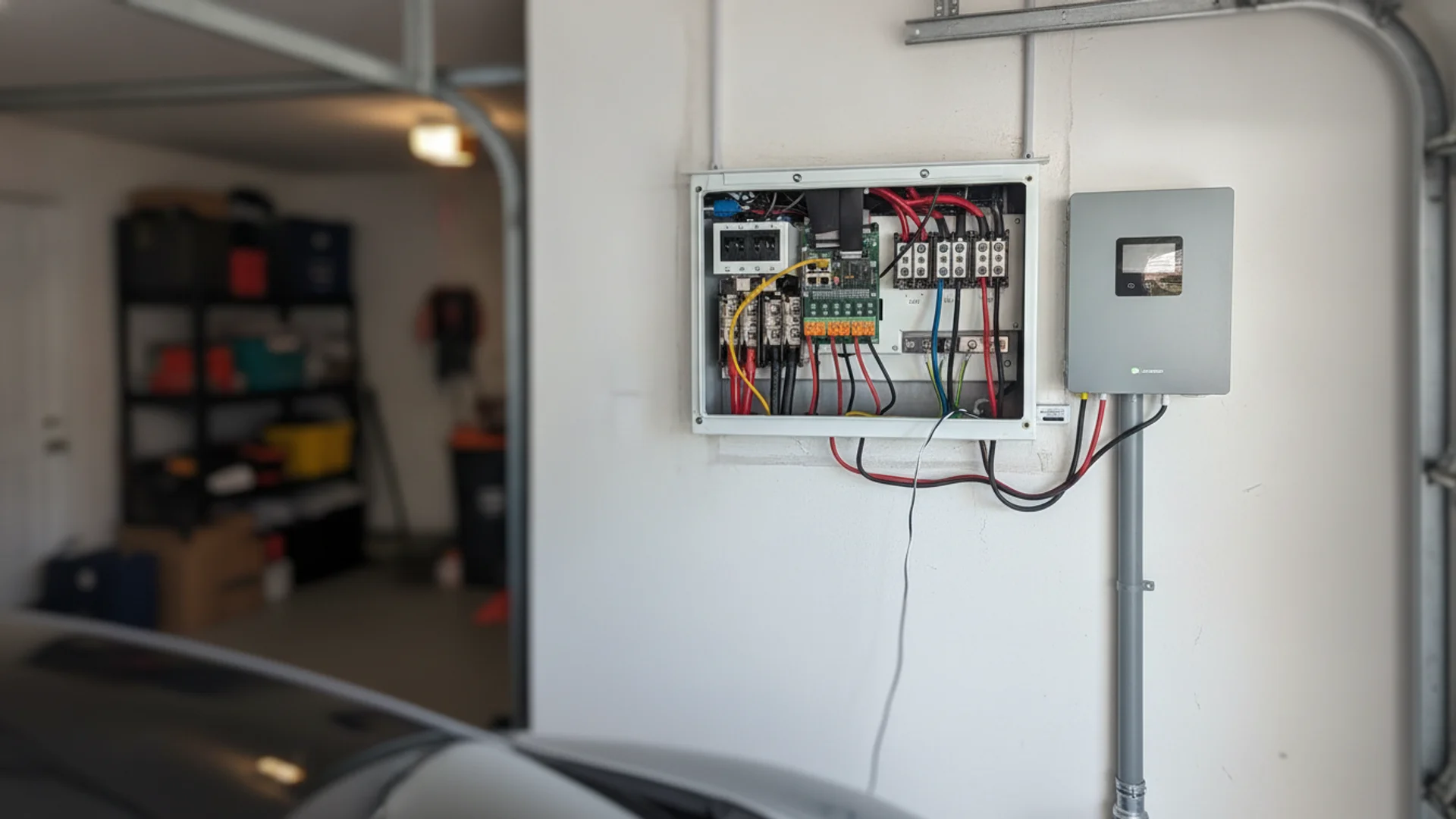
EV Charger on a 100-Amp Panel: Skip the Upgrade
EVIQO Level 2 Home Charger: A Canadian Review
How Long to Charge an EV: The Three Numbers That Matter