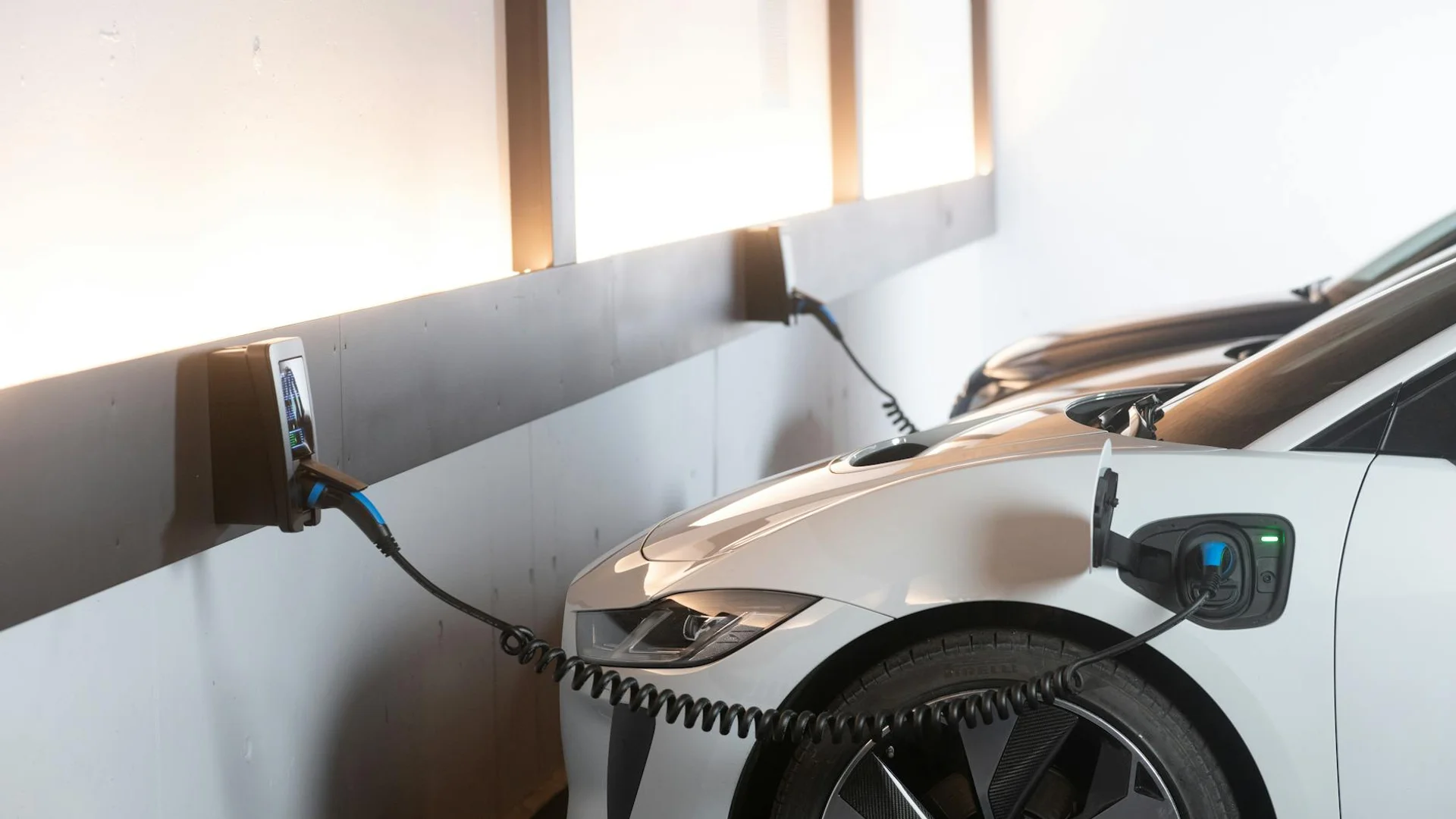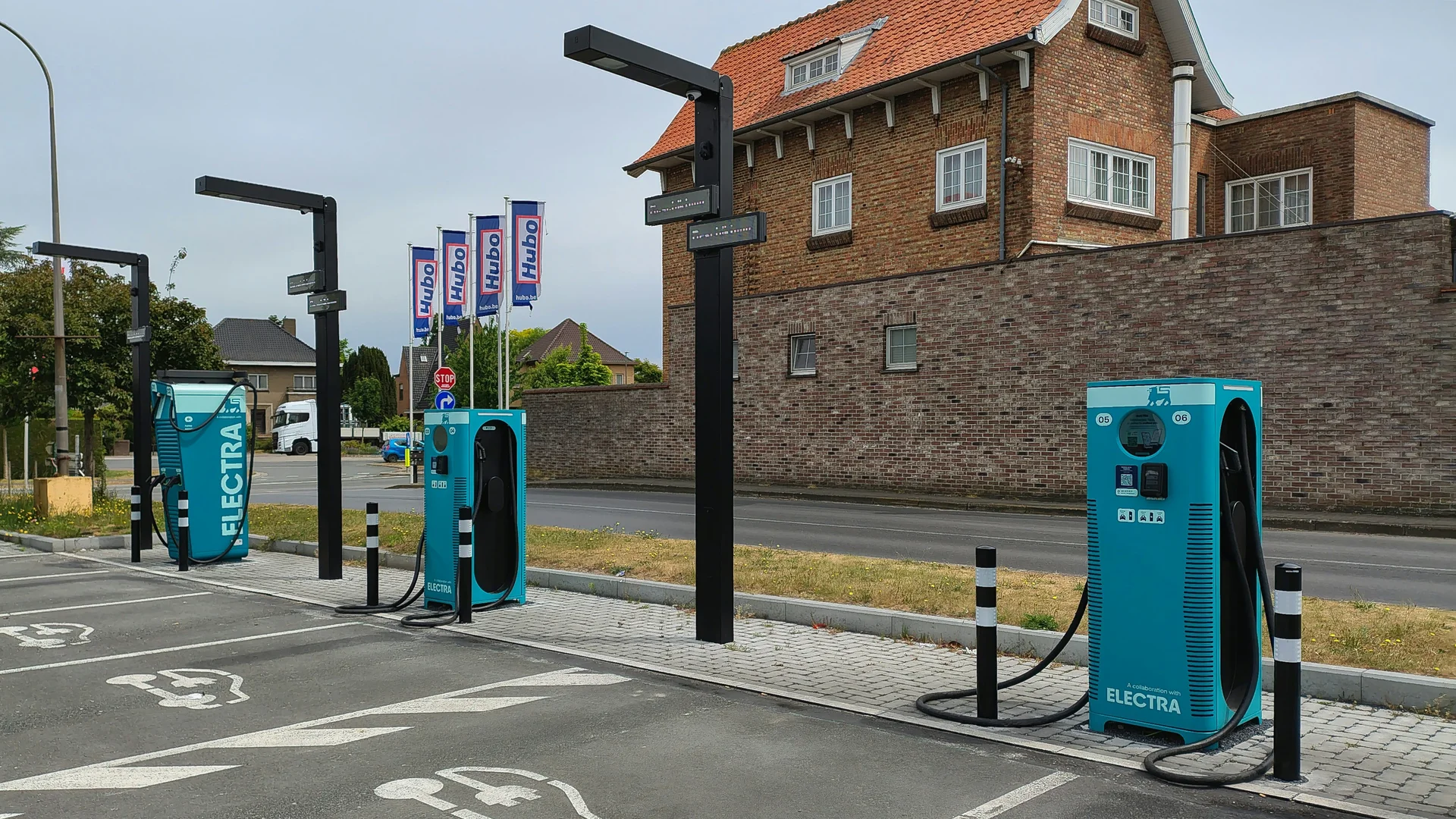
You asked one electrician about a Level 2 install on your 100-amp panel and got a $3,000 quote to upgrade to 200-amp service. Before you call a second electrician, or worse, talk yourself out of the EV, read this. You rarely need 200 amps just for a car, and a 100-amp panel is usually sufficient.
That's not a fringe opinion from an EV blog. It's the position of EV-focused electricians across Canada and the US in 2026, and it's backed by a piece of hardware called a load management device that costs a third of a panel upgrade and gets you the same Level 2 charging speeds overnight. A panel upgrade costs $3,000 to $5,000 or more, while a load management system costs roughly $1,000 to $1,200 according to Toronto EV install specialists tracking 2026 prices.
The short version: if you live alone, charge overnight, and your home isn't already maxed out on electric appliances, a 100-amp panel will almost certainly handle a Level 2 charger, either directly or with a small smart device that throttles the charger when other appliances kick on. The $3,000 quote isn't wrong on the wiring. It's wrong on the premise.
Below is how to figure out what your home actually needs, what each alternative costs in Canadian dollars in 2026, and which rebates apply to the parts you do need to buy.
Key takeaways
- A load management device like the DCC-9 costs roughly $1,000–$1,200 versus a $3,000–$5,000 panel upgrade.
- Roughly 80% of Canadian homes being quoted panel upgrades don't actually need one, per EV-focused electricians in 2026.
- A gas-heat home typically peaks at 40–55 amps on a 100-amp service, leaving comfortable headroom for a Level 2 charger.
- A $100–$250 load calculation from a licensed electrician is the cheapest and most useful decision in the entire process.
- A physically full breaker panel isn't electrically maxed out, a tandem breaker or small subpanel fixes that for under $400.
Why Electricians Default to the Panel Upgrade Pitch
Panel upgrades used to be the right answer. In the past, a 100-amp panel meant an automatic service upgrade, not anymore. The code, the equipment, and the load-management market have all changed in the last five years, but a lot of electricians still quote the way they were trained a decade ago.
There's also a financial incentive. A 100A-to-200A service upgrade is a substantial job, it usually means a new meter base, a new main panel, sometimes a new mast, and coordination with the utility for a service disconnect and re-energize. Roughly 20% of homes need electrical upgrades before installing an EV charger, but smart alternatives like load management devices and circuit-sharing systems can help avoid a full panel replacement in many cases. The other 80% are being quoted upgrades they don't need.
The case against this read is fair to state plainly: a panel upgrade isn't just for the EV. It also future-proofs the home for a second EV, a heat pump conversion, an induction stove, or a backyard ADU, all of which are realistic five-year additions for Canadian homeowners in 2026. An electrician quoting the upgrade isn't necessarily upselling; they may be reading the trend line. The rebuttal is that you can install load management today and still upgrade the service in five years if your electrification plans materialize. The two paths aren't mutually exclusive, and load management isn't sunk cost, the DCC-9 keeps doing useful work on a 200-amp panel too, balancing a future second EV against the first.
The math the electrician is supposed to run, and often skips, is your home's actual peak demand. A 100-amp service can deliver 24,000 watts at 240V. Most single-family Canadian homes peak at 60–80 amps even on the coldest January evening, leaving 20–40 amps of headroom. A Level 2 charger pulling 24 amps fits inside that headroom comfortably, especially overnight when the dryer and stove are off.
The trap is that "panel size" and "available capacity" are different numbers. Your panel might be physically full of breakers, every slot used, without being electrically maxed out. That's a breaker-space problem, not a service-capacity problem, and it's solved with a tandem breaker or a small subpanel for under $400. Not a service upgrade.
The other trap is the all-electric house. A 1978-built home in Hurst with all-electric appliances had a load calculation showing peak demand of roughly 90 amps on its 100-amp panel; the home had underground service, which would have required trenching and pushed the upgrade quote past $6,000, so the electricians installed a DCC-9 load management device instead that modulates the EV charger against total home consumption. Even in the worst-case scenario, fully maxed-out 100A service, expensive trenching, load management beat the upgrade.
The lesson: get the load calculation done before you accept any quote. It's a 30-minute job for a licensed electrician, and the number it produces tells you which conversation you're actually having.
Do You Actually Need a Panel Upgrade? Run This Quick Check
Before you spend a dollar, add up your home's peak electrical loads. You're looking for the realistic worst case, what's running on the coldest, busiest evening of the year.
Typical big loads in a Canadian single-family home:
- Electric furnace or baseboard heat: 40–60A (if you have gas heat, this is zero)
- Electric water heater: 18–25A (zero if gas)
- Electric stove: 30–40A (peak, usually momentary)
- Electric dryer: 24–30A (when running)
- Heat pump (cold-climate, full draw): 20–30A
- Refrigerator, lighting, electronics: 10–15A baseline
A gas-heat, gas-water-heater, gas-dryer home with an electric stove typically peaks at 40–55A on a 100-amp service. That's roughly 45–60 amps of headroom for an EV charger. Even a 48A Level 2 charger would fit electrically, though code requires a 25% safety buffer on continuous loads, which is where load calculations get nuanced.
An all-electric home tells a different story. Homes with 100-amp or older 60-amp panels may need an upgrade or workaround solution, and about 20% of homes need electrical upgrades before installing an EV charger, per EnergySage's 2026 cost survey. If you have electric heat, electric water, and an electric dryer, your peak demand might already be 70–85A, leaving little room for a Level 2 charger without load management.
The red flags that genuinely point toward a service upgrade:
- All-electric appliances AND electric heat (especially baseboard in older builds)
- A panel that's been added to multiple times with no remaining breaker slots and no subpanel
- A service entrance cable that's already rated only for 100A and showing signs of age (cracked insulation, undersized connectors)
- Plans to add electric appliances or a second EV within five years
The green flags that say "you're fine, get a load calculation":
- Gas heat, gas hot water, or a heat pump as primary heat
- A panel less than 25 years old with room for a 30A or 40A double-pole breaker
- A single-person or two-person household where peak loads rarely stack
- Overnight charging on a schedule (charger doesn't kick on until midnight, after dryer and stove are off)
A load calculation invoice from a licensed electrician runs $100–$250 in most provinces, and it's the cheapest piece of information you can buy in this entire decision. It either confirms you have headroom, in which case you skip the upgrade entirely, or it tells you exactly how much capacity you're short, which lets you scope a load-management solution precisely. For a broader walkthrough of what to budget for, how to install a home EV charger in Canada lays out the line-item costs by province.
A second-order point worth pricing in: the load calculation produces a paper trail. If your install is later questioned by an insurer, an inspector, or a buyer's home inspector at resale, you have a stamped document showing the math was done before the breaker went in. Electricians who skip the calculation and quote the upgrade by default rarely leave that documentation behind, because they didn't need it, the upgrade made the question moot. The cheaper path produces the better paperwork.
Gear worth having
As an Amazon Associate, ThinkEV earns a small commission from qualifying purchases — at no extra cost to you.

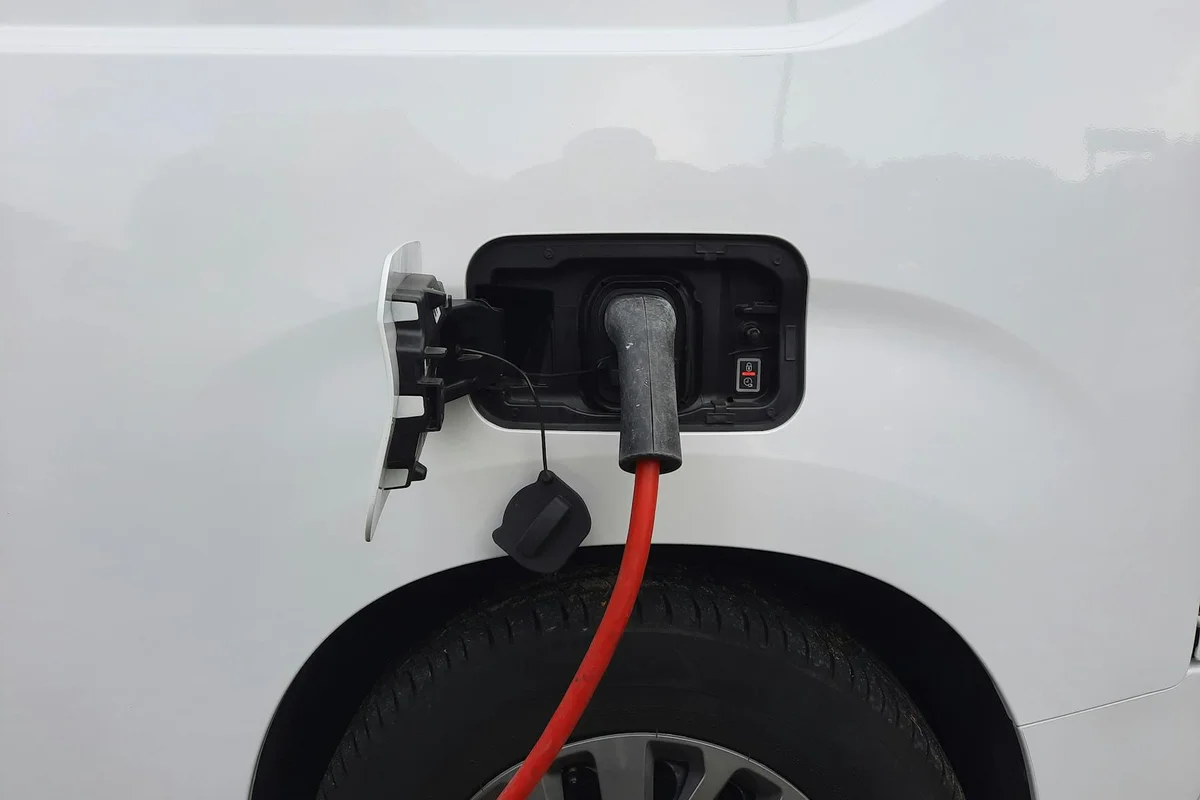
Lectron Level 2 J1772 Charger (40A, WiFi)
Smart WiFi charger with real-time energy monitoring. 40A / 9.6 kW, J1772 with a NEMA 14-50 plug, schedule charging right from your phone.
As an Amazon Associate, ThinkEV earns from qualifying purchases — at no extra cost to you.
Load Management Devices: The $800–$1,200 Alternative
Load management is the technology that changed the panel-upgrade conversation. Electric Vehicle Energy Management Systems, EVEMS for short, are small devices that monitor your home's total electrical draw in real time and throttle the EV charger when the rest of the house gets busy. EV-focused electricians specialize in EVEMS devices like the DCC-9 or RVE, which monitor a home's total power consumption; if the home hits 80% capacity, the device temporarily pauses the car's charging and resumes it once the load drops.
The three you'll see quoted most often in Canada:
Emporia Pro EV Charger with built-in load management. Around $700–$900 for the unit, $300–$500 for installation in most provinces. Throttles from 48A all the way down to 6A automatically based on whole-home current measured at the panel. This is the most popular DIY-curious option because the load-management hardware is built into the charger itself, no separate device, no extra enclosure on the wall. A real install reported on the EV subreddit came in at $1,100 for an Emporia Pro on a 125A panel, including the $300 permit pull, with the unit roughly eight feet from the main panel. That's a representative 2026 number for a clean install.
DCC-9 by Ontario-based RVE. A dedicated load management module that sits between your panel and any standard Level 2 charger. Around $500–$700 for the device, plus $400–$700 for licensed installation. CSA-approved and explicitly designed to satisfy Canadian Electrical Code requirements for EV charging on existing services. Common in BC, Ontario, and Quebec installs.
Smart panels (Span, Schneider Square D Energy Centre). A more aggressive option that replaces your entire main panel with one that manages all loads dynamically, not just the EV charger. Costs $3,000–$6,000 installed, which only makes sense if you're already planning to manage multiple high-draw appliances or add solar. For a pure EV-only solution, the standalone EVEMS devices are the right call.
A real-world install in the GTA: a 100-amp panel is usually sufficient, a panel upgrade costs $3,000 to $5,000 or more, and a load management system costs roughly $1,000 to $1,200. That's the gap. $1,200 versus $4,000+. Both deliver the same overnight charging experience. The load-managed setup just intelligently steps down to 24A or 16A in the rare moments your dryer and stove are running simultaneously, moments you'd be asleep for anyway.
The case against EVEMS, briefly and honestly: the device is one more point of failure on a circuit that didn't have one before. If the current transformer that monitors whole-home draw fails open, the charger defaults to its programmed maximum until you notice, and if the underlying service genuinely can't support that load, you've created a nuisance-trip problem on the main breaker. The counter is that CSA-approved EVEMS devices are designed to default to the charger-off state on sensor loss rather than full draw, and both the DCC-9 and the Emporia Pro have warranty and field-replacement records that match standard residential EV equipment. The failure mode is annoying, not dangerous.
The permit question matters in Canada. EVEMS devices are explicitly recognized in the Canadian Electrical Code (Section 8-106) as a code-compliant way to add EV charging to a service that wouldn't otherwise have capacity. Your electrician pulls a permit for the EV circuit just like any other install, the load-management device is what makes the math work.
One caveat: the device doesn't help if your panel is physically full of breakers. You'd need a small subpanel ($300–$500 installed) before adding the EV circuit. That's still hundreds of dollars cheaper than a full service upgrade, and it's the kind of detail a load calculation will surface.
If you're shopping the charger itself rather than just the install, the best Level 2 EV chargers for Canada in 2026 compares the load-management-capable models head to head, including the Emporia Pro and the Wallbox Pulsar Plus.
Level 1 Charging: The Option Nobody Wants to Admit Is Enough
A standard 120V outlet might be all you need, and most articles skip this because it doesn't sell hardware. No load calculation, no EVEMS, no electrician visit. Just the cable that came in the box with your EV.
A Level 1 charger pulls 12 amps on a standard 15A outlet, about 1.4 kW. That adds roughly 8–12 km of range per hour, or 80–120 km over a 10-hour overnight charge. The Canadian average daily commute is about 30 km round-trip. The math works.
Who Level 1 is genuinely enough for:
Gear worth having
As an Amazon Associate, ThinkEV earns a small commission from qualifying purchases — at no extra cost to you.

TP-Link Kasa Smart Plug with Energy Monitoring
Track exactly how much electricity your Level 1 charger uses and schedule it for off-peak hours. Know your real cost per kWh.
As an Amazon Associate, ThinkEV earns from qualifying purchases — at no extra cost to you.
- Single-person households with one EV and a commute under 60 km
- Retirees or work-from-home households where weekly driving is under 200 km
- Second EVs in a multi-EV household, where the primary driver's car gets the Level 2
- Anyone in a townhouse or rental where running a 240V circuit is impractical or not permitted
Who Level 1 is not enough for:
- Households putting more than 80 km a day on the vehicle
- Drivers with irregular schedules who can't reliably plug in for 8–10 hours every night
- Cold-climate drivers in Edmonton, Winnipeg, or northern Ontario who lose 30–40% of range on the coldest weeks
- Anyone running a heat-pumped EV battery preconditioning routine that draws extra during the plug-in window
If a standard outlet works for your usage, the only upgrade worth making is a dedicated 15A or 20A outdoor outlet on its own circuit, $200–$400 installed by an electrician, often with the EV in mind. That gives you a weather-rated plug right at your parking spot and removes the risk of sharing a circuit with garage tools or a freezer.
Level 1 isn't the future of EV charging, but for a meaningful slice of first-time Canadian EV buyers, it's the right starting point. You can always add a Level 2 charger later when your driving patterns change or a rebate window opens. Many EV owners do exactly that, start on Level 1, run the numbers for six months, then upgrade once they know what they actually need.
Compare this to the assumption baked into most US-style EV coverage, where two-car households and 50+ km commutes are the default scenario and Level 2 is treated as table-stakes. Canadian driving patterns skew shorter, Statistics Canada's most recent national travel survey puts the median weekday vehicle trip under 12 km, and that median is doing the work that justifies Level 1 here in ways it doesn't in Texas or California. The trip data is why an Emporia Pro install for $1,100 is the upper bound of "necessary" for many Canadian buyers, not the floor.
Outdoor Charger Installation on a 100A Panel: What the Job Actually Costs
If your load calculation says you have headroom and you're going straight to Level 2, a fair 2026 quote looks roughly like this.
A driveway-side install with the panel in the basement directly below the garage wall, which is the scenario most homeowners describe, is one of the cheapest jobs an electrician does for EV charging. Short wire run, easy drilling path, no fishing through finished walls.
Real numbers from Canadian installs in 2026:
- 30A circuit + NEMA 14-30 outdoor outlet, 3–5 metre run: $600–$1,000
- 40A hardwired Level 2 circuit, 3–5 metre run: $800–$1,300
- 50A circuit with subpanel addition: $1,200–$1,800
- Permit and inspection: $150–$350 depending on province
- The charger itself: $500–$1,100 for a quality Level 2 unit
Home EV charger installation in Canada costs $1,000 to $3,000 in 2026, depending on Level 2 charger choice, electrical panel requirements, rebates by province, and brand. The low end of that range is a 30A install on a clean panel; the high end starts assuming you need a subpanel or longer wire runs.
A 30A circuit pulls 24A continuous and delivers 5.7 kW, enough to add roughly 35 km of range per hour. Over a 10-hour overnight charge that's 350 km, which covers nearly any Canadian daily-driving pattern. You do not need a 48A circuit for residential charging unless you're running a Lightning or a Hummer EV and routinely drive 400+ km a day.
The trap to watch in a quote: an electrician scoping a 50A or 60A circuit "for future-proofing" who then says the panel can't support it and quotes the upgrade. Even with a cheaper, slower-charging option like a NEMA 6-20, running a bigger cable lets you convert to a 50- or 60-amp charger later, and if you upgrade the panel down the road, you won't need to rewire the circuit to get minimum charging time. That's the right play if you're already paying for trenching or a long wire run, oversize the cable, undersize the breaker, upgrade later if you ever need to.
Ask for the load calculation as a line item on the quote. If headroom exists, there is no code reason to force a service upgrade. If the electrician can't or won't produce a load calculation, get another quote. EV-experienced electricians do this routinely; general residential electricians sometimes don't know how.
For Canadians weighing the entire purchase math, vehicle, install, electricity, insurance, the no-BS first-EV buying guide for Canada walks through every line item that should be in your spreadsheet before you sign anything.
Gear worth having
As an Amazon Associate, ThinkEV earns a small commission from qualifying purchases — at no extra cost to you.

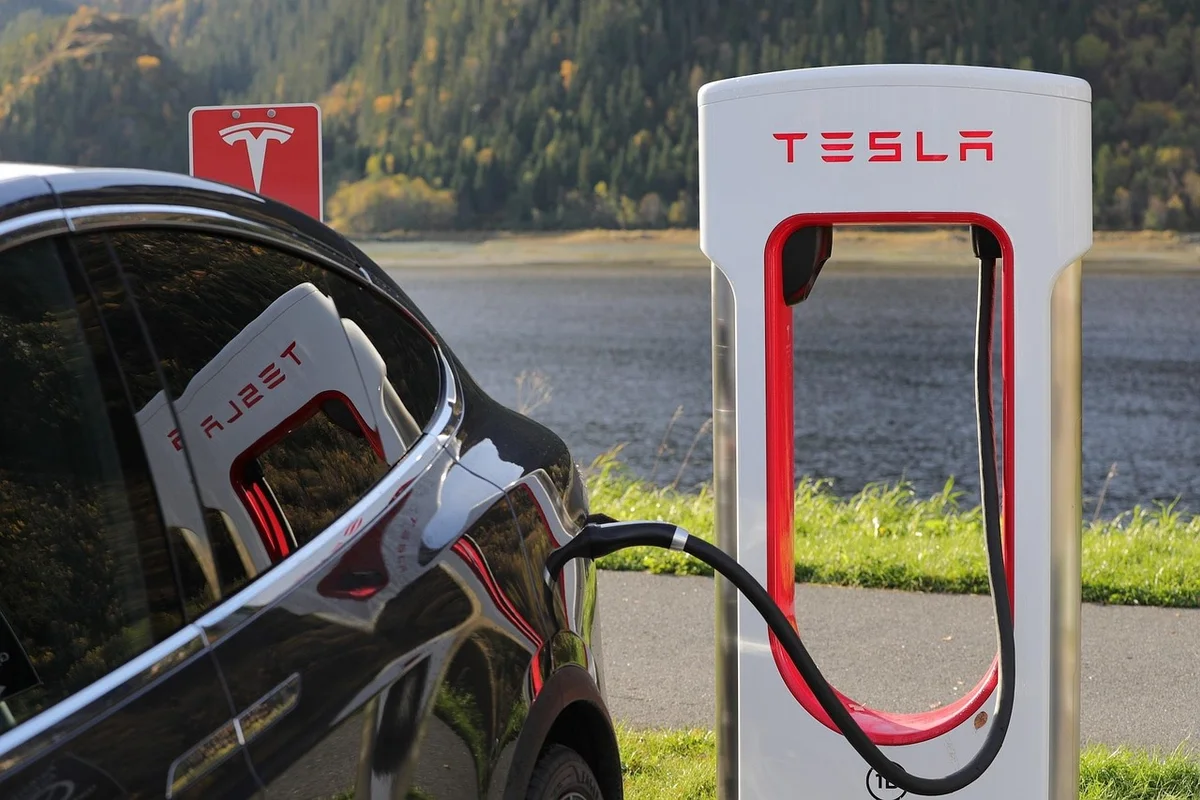
Grizzl-E Classic Level 2 EV Charger (40A)
Canadian-made and rated for minus 40C winters. 40A / 9.6 kW, NEMA 14-50, indoor/outdoor, 24-ft cable. The charger built for Canadian weather.
As an Amazon Associate, ThinkEV earns from qualifying purchases — at no extra cost to you.
Canadian Rebates That Offset Your Charger and Install Costs
The rebates don't cover panel upgrades. They do cover the charger and, in some provinces, the installation labour. That's a few hundred to a couple thousand dollars depending on where you live, and it shifts the math significantly when you're comparing load-management to upgrade.
Federal iZEV (vehicle, not charger). Up to $5,000 on eligible battery-electric vehicles, up to $2,500 on eligible plug-in hybrids. Income-capped in 2026, phased reductions begin above $150,000 household income. This applies to the car, not the charger, but it's the biggest line item in the rebate stack.
British Columbia, CleanBC Go Electric. Up to $2,000 for a Level 2 home charger and installation, with an additional $250 incentive for ENERGY STAR or smart-charger models. Filed through approved installers, applied at point of sale. This is the most generous home-charger rebate in Canada in 2026.
Quebec, Roulez Vert. Up to $600 toward purchase and installation of an eligible Level 2 home charger. Filed through Transition énergétique Québec after the install.
Ontario. No active provincial Level 2 home-charger rebate as of mid-2026. Some utilities offer their own programmes, Hydro One has periodically run $200–$500 rebates for time-of-use enrolled customers, and a handful of municipal utilities offer charger purchase incentives. Check your specific utility before assuming nothing's available.
Atlantic Canada. Nova Scotia and PEI have run residential charger rebates of $400–$750 in recent programme cycles, though availability fluctuates with annual budgets. Newfoundland's takeAchargeNL programme has supported public charging more than residential to date.
Alberta and Saskatchewan. No active provincial home-charger rebates as of mid-2026. Some municipal programmes exist (City of Edmonton has run pilot rebates), and a handful of local cooperatives offer member incentives.
The rebate strategy that makes sense: stack the federal iZEV vehicle rebate with whatever provincial or utility charger rebate you qualify for, and apply both to the charger-plus-install line, not the panel upgrade. If the upgrade route costs $4,000 and the load-management route costs $1,200, the BC CleanBC rebate of up to $2,000 essentially makes the load-management install free at the curb. The upgrade route, even with the same rebate applied, still costs you $2,000 out of pocket more than it should.
The compare-and-contrast that sharpens this: BC's $2,000 rebate is roughly four times Quebec's $600, and yet Quebec has a higher EV adoption rate per capita. The rebate isn't the binding constraint on adoption, the install cost is, and load management closes the gap between provinces faster than any rebate adjustment could. A BC buyer with a $2,000 rebate against a $1,200 EVEMS install is net positive. A Quebec buyer with a $600 rebate against the same $1,200 install is out $600, still a far better outcome than the $4,000 upgrade route in either province.
If you're in BC specifically, the full BC EV rebates and incentives breakdown for 2026 covers the income caps, the stacking rules, and the timing windows in detail. For a broader view of what every line item in EV ownership actually costs, the hidden costs of EV ownership in Canada breaks down install, electricity, insurance, and panel-upgrade scenarios side by side.
Gear worth having
As an Amazon Associate, ThinkEV earns a small commission from qualifying purchases — at no extra cost to you.

ChargePoint Home Flex Level 2 Charger (50A)
Premium 50A / 12 kW charger with the best app ecosystem. Hardwired or NEMA 14-50, with real-time energy tracking and smart scheduling.
As an Amazon Associate, ThinkEV earns from qualifying purchases — at no extra cost to you.
FAQ: Home EV Charging on a 100-Amp Panel
Buy / Wait / Skip
Buy the load management install if: you have a gas-heat or gas-water-heater home, drive more than 60 km a day, want Level 2 speeds, and have been quoted $2,500+ for a panel upgrade. The Emporia Pro or DCC-9 route gets you 90% of the charging experience at 30% of the cost, with a Canadian-approved code path.
Wait and start on Level 1 if: you drive under 60 km a day, can reliably plug in overnight, and want to validate your real-world charging needs before spending on Level 2. Six months on a 120V outlet tells you whether you actually need 7 kW or whether 1.4 kW is fine. A $300 outdoor outlet is a cheap option to preserve.
Skip the panel upgrade unless: the load calculation says you genuinely can't fit a 24A continuous load on your existing service, OR you're planning electric heat, a second EV, or a hot tub within five years anyway. In those cases the upgrade is the right call, but it should be justified by total electrification plans, not by the EV alone.
The trigger that would flip the call: if Canadian Electrical Code Section 8-106 changes in a future cycle to restrict EVEMS use, or if insurers start treating load-managed installs differently than direct installs, the math shifts back toward the upgrade. Neither of those is on the table for 2026, and both BC and Ontario inspection authorities have publicly endorsed EVEMS as standard practice.
What I'd watch next: the federal government's review of iZEV income caps in late 2026, and whether Ontario reinstates a provincial home-charger rebate after years of leaving the file to utilities. Either move would change the rebate stack and tilt more of the install cost toward the buyer's wallet. The bet I'd place: by 2028, EVEMS will be the default residential EV install in Canada and the panel-upgrade-first pitch will be rare enough to flag as a second-opinion trigger. What would change my mind is a serial-failure story in a CSA bulletin, one bad DCC-9 production run or one Emporia Pro firmware bug causing main-breaker trips at scale, and the regulator response that follows. Until then, the load-management route is the dominant strategy for 100-amp panel homes in Canada, and the $3,000 quote you got is exactly the conversation worth pushing back on.
Gear worth having
As an Amazon Associate, ThinkEV earns a small commission from qualifying purchases — at no extra cost to you.

Magnetic EV Charger Plug Cover
A magnetic cap that keeps rain, road salt, and grit out of your home charger handle between sessions.
As an Amazon Associate, ThinkEV earns from qualifying purchases — at no extra cost to you.

Founder & Chief Editor
Vlad Pereira is the founder and chief editor of ThinkEV.ca, the Canadian electric-vehicle publication he writes and edits from Courtenay, British Columbia. He covers EV pricing, federal and provincial rebates, charging costs, and the Chinese manufacturers now entering Canada, from the buyer's side rather than the press-fleet side. ThinkEV is a venture of Vlad Pereira Online; his writing on health, income and the long game lives at vladpereira.com.
Frequently asked questions
Does the load management device work with any Level 2 charger brand?
Will my home insurance cover damage if I skip the upgrade?
What rebates in Canada actually apply to load management devices?
Can I charge a second EV later without upgrading the panel?
How long does the load calculation take, and who can do it?
More EV & road-trip finds
Affordable upgrades worth a look — tap any to check the price on Amazon.
 ★ 1,340
Car Seat Gap Filler (Universal)
View on Amazon ★ 12,834
P3 Kill A Watt Electricity Usage Monitor
View on Amazon ★ 61
★ 61Toddler Car Seat Snack and Cup Tray
View on Amazon ★ 17,839
Qifutan Vent Phone Mount (Military-Grade Clip)
View on Amazon ★ 9,349
Auto Detailing Brush Set (10-Piece)
View on Amazon ★ 314
★ 314Mini USB LED Ambient Lamps (4-Pack)
View on Amazon ★ 4,055
6-Speed Manual Shift Knob Display
View on Amazon ★ 4,424
Sun Visor Card and Document Organizer
View on AmazonRead, Plan, Then Stay Current
Explore our expert articles to understand incentives and ownership costs, use the map to pressure-test charging reality, then subscribe so new EV coverage comes straight to you.
Continue Reading
How to Find a Trusted EV Charger Installer Near You in Canada
EV Charger Installation in BC: Cost and Permits
Dual EV Chargers in One Garage: Load Management
How Long to Charge an EV: The Three Numbers That Matter
How Long Does It Take to Charge an Electric Car? (2026 Guide)