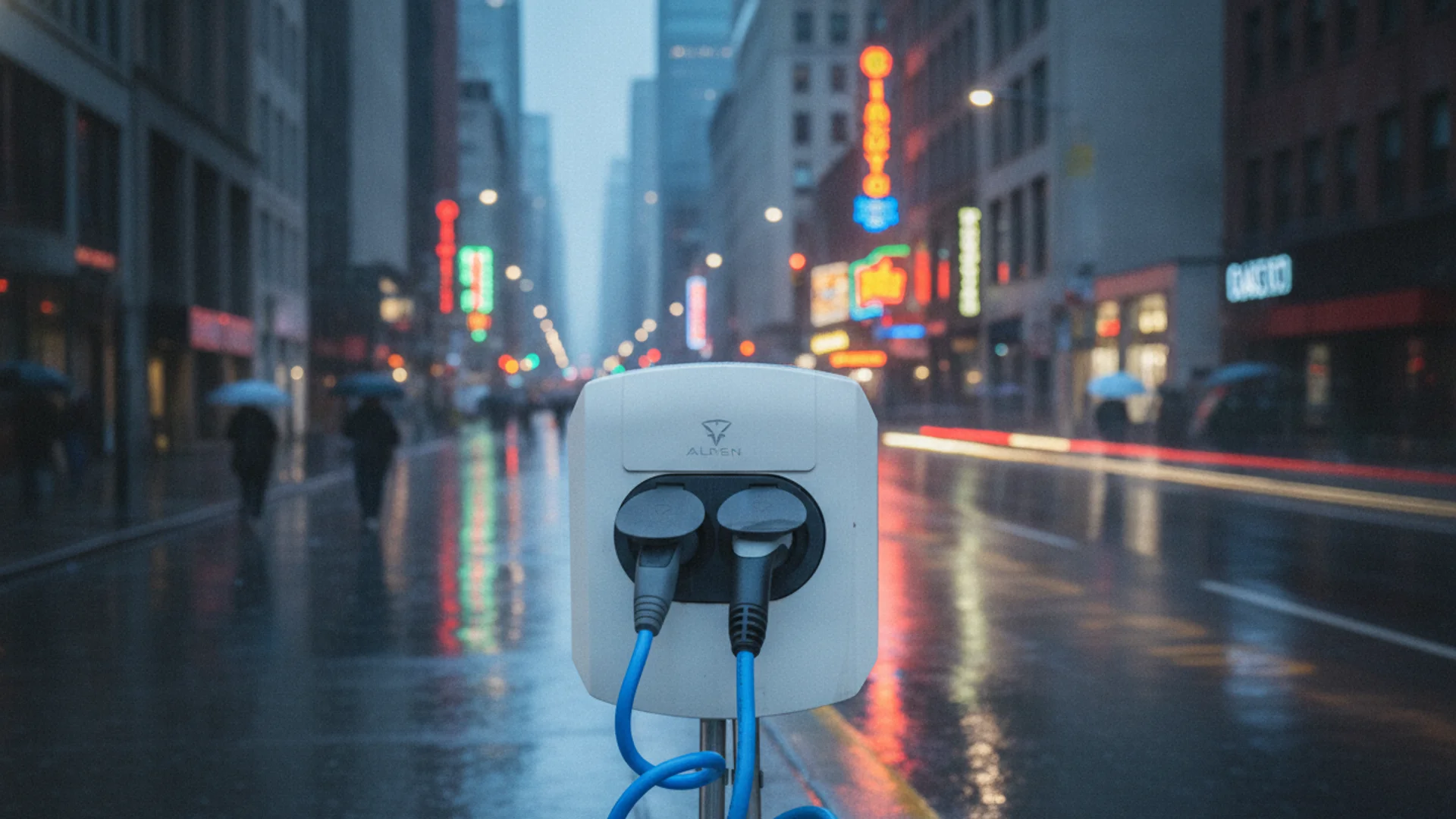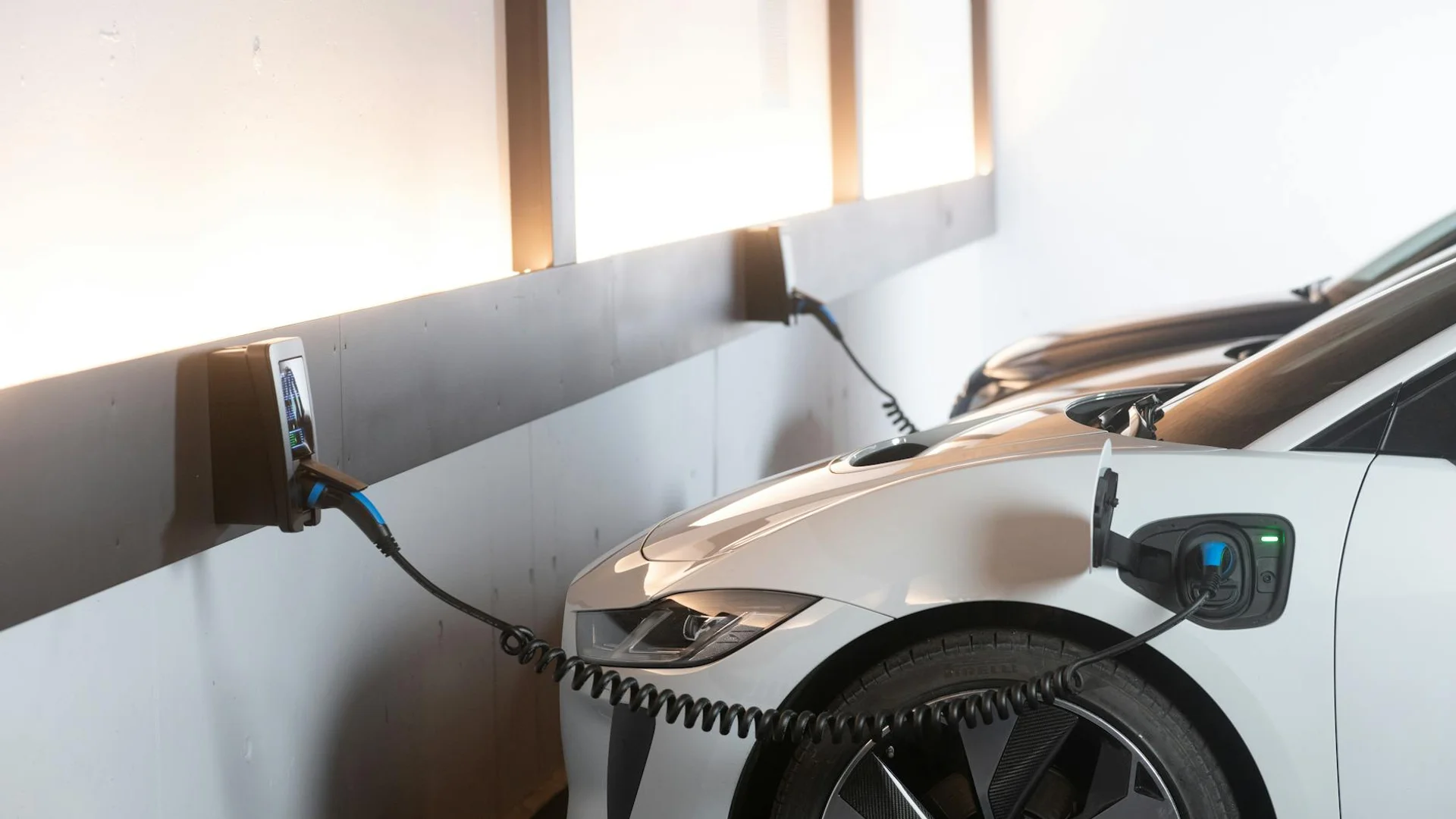
Here's the call I'd make if you were standing in my garage right now, phone open to the Amazon.ca listing: the EVIQO is a real charger that works, but it's not the charger I'd put on a Winnipeg wall, and the $150 you save versus a ChargePoint is the cheapest part of this decision. If I were buying this box in Edmonton, and I want to be specific, because the calculus actually flips by latitude, I'd pause at exactly two things: the missing cold-floor spec, and the ETL-not-CSA mark on the side. Everywhere else, the math is more interesting than the skeptics want it to be.
That's the bottom line up top. The rest of this guide is the work behind it: what the box actually is, how it behaves on a Model 3 versus an Equinox EV versus a RAV4 Prime, what your electrician will quote you on a clean install versus a panel-upgrade install, where the rebate dollars actually land, and the honest version of the "Amazon sludge" critique that follows EVIQO around every Reddit thread. Get the charger right and you barely think about home charging for ten years. Get it wrong and every January morning becomes a small frustration, which is why the stakes here are higher than the price tag suggests.
Key takeaways
- EVIQO's 25-foot cable and rubberized metal connector solve the Canadian garage layout problem most budget chargers ignore.
- The 48A hardwired model at 11.5 kW matches the Chevy Equinox EV's onboard charger exactly, no wasted capacity.
- Buying the 48A unit for a RAV4 Prime or any PHEV is money wasted; the 40A plug-in fills a PHEV battery in two to three hours either way.
- ETL-not-CSA certification and no cold-weather floor spec are the two specific reasons to pause before mounting this on a Winnipeg wall.
- The $150 savings over a ChargePoint is real, but EVIQO is Amazon-only, no Canadian Tire, no electrical supply house, no Canadian call centre.
What Is the EVIQO Level 2 Charger, Actually?
EVIQO sells two main flavours of its Level 2 home charger, both under the Evipower line. The plug-in model runs at 40 amps and delivers 9.6 kW, connects over Wi-Fi for scheduling and energy tracking, and mounts to your garage wall in roughly five minutes once the 240V outlet is in. It carries an IP66 weatherproof rating, so rain, snow, and dust aren't a concern in an unheated garage. The hardwired version steps up to 48 amps and delivers 11.5 kW of power, making it significantly faster than standard portable chargers.
Both versions use the SAE J1772 connector, the standard plug for every non-Tesla EV sold in Canada, and the one Tesla owners adapt to with the small dongle that comes in the trunk. The connector quality matters more than people realize, and EVIQO's is the part the reviewers actually rave about: the connector itself is rubberized and has a metal tab instead of a plastic one, and the 25-foot-long cable is also considered pretty good. That cable length is genuinely useful for Canadian garages where the panel and the parking spot rarely line up. Most budget chargers cap at 18 or 20 feet; EVIQO's 25 feet is the mundane detail that decides whether you cuss at your charger every morning.
The smart-charger features are standard fare: Wi-Fi app, scheduling around time-of-use rates, energy-cost tracking. What sets EVIQO apart is configurability: two levels of adjustment, via hardware (dip switches) and software (in the app). Dip switches matter more than they sound. They let you dial the amperage down without opening the app, which means if your home panel can't support full 48A draw, you can hard-limit the charger at install. That's the kind of detail that tells you the engineers thought about real installations, not just product-shot photography.
The strongest counterargument against the EVIQO, and the one most reviews wave away: A reviewer who lived with a Wallbox Pulsar Plus for two years before running into intermittent issues where the charger would disconnect from WiFi will tell you that smart features are exactly where cheap chargers fail first, and EVIQO is, on price, cheaper than the Wallbox it's positioned against. The rebuttal is that the hands-on outlets that ran the EVIQO over months reported the opposite pattern: the app held, the schedules fired, the energy tracking persisted. The smart layer on any sub-$500 charger is the part most likely to age poorly, regardless of brand. Buy the EVIQO if the dumb-charger function alone is worth the money to you. If the app is the reason you're buying it, you're buying it for the wrong reason.
Positioning is the part to be honest about. EVIQO is made-for-Amazon. You won't find it at Canadian Tire, Home Depot Canada, or any electrical supply house your electrician already buys from. The brand built itself on Amazon reviews and YouTube partnerships, which is a perfectly legitimate distribution strategy in 2026, but it changes the support story compared to ChargePoint or Grizzl-E, which have call centres and Canadian distributors.
How Fast Does It Actually Charge? Real Numbers by EV
The 40A plug-in adds roughly 50 km of range per hour. The 48A hardwired adds about 60. Those numbers only matter if your EV can actually accept them, and many can't.
For a Tesla Model 3 Long Range with the J1772 adapter, the 40A EVIQO will deliver a full overnight charge in roughly eight hours from near-empty. Step up to the 48A hardwired version and you're looking at about six and a half hours for the same job. A CleanTechnica reviewer running an EVIPOWER on a Model 3 reported that the EVIPOWER GEN 2 charges up a Tesla Model 3 quite quickly, much quicker than the Level 1 charging system from Tesla. That's the universal home-charging upgrade story: Level 1 is a trickle, Level 2 is a real overnight refill.
The Chevy Equinox EV is the cleanest match for the 48A hardwired model. Its onboard charger maxes out at 11.5 kW, exactly what the EVIQO 48A delivers. No wasted capacity, no bottleneck. If you've bought or are about to buy an Equinox EV, the 48A hardwired EVIQO sizes perfectly to the vehicle. The Kia EV4 and Hyundai Ioniq 5 sit in a similar zone, with onboard chargers that can use most or all of an 11.5 kW feed. For context on the Kia specifically, the EV4 charges fully on a Level 2 home charger in approximately 7-8 hours, a time window the 48A EVIQO matches almost exactly.
PHEVs are a different conversation, and this is where I see Canadian buyers waste the most money. A RAV4 Prime, Ford Escape PHEV, or Volvo XC60 Recharge has a much smaller battery and an onboard charger that typically caps at 3.3 to 6.6 kW. For those vehicles, you'll fill the battery in two to three hours whether you buy the 40A or the 48A unit. Buying the bigger charger for a PHEV is throwing money at headroom you'll never use, the 40A plug-in is the right choice, and it works fine on a NEMA 14-50 outlet your electrician can install in an afternoon. If you're cross-shopping a $599 48A unit for a RAV4 Prime, you are paying for amperage your car will politely refuse.
The general benchmark for Canadian buyers, as documented in our complete EV charging guide: Level 2 home charging in Canada ranges from 7.2 to 19.2 kW depending on equipment and electrical panel capacity, and the vast majority of owners settle somewhere in the 7.2–11.5 kW band because that's where the cost-to-benefit curve peaks. EVIQO sits comfortably in that band.
One practical note that the spec sheets won't tell you. The published range-per-hour numbers assume ideal conditions: 20°C garage, healthy battery, no preconditioning draw. In a Manitoba February morning at minus 25, expect 15–20% less effective charge rate while the battery thermal-management system uses some of the incoming electrons to warm itself up. That's true of every Level 2 charger, not an EVIQO-specific issue, but it's the kind of number that should shape how you size the unit. If you live somewhere genuinely cold and you're already losing 20% to thermal management, the case for the 48A version over the 40A gets stronger, not weaker.
Gear worth having
As an Amazon Associate, ThinkEV earns a small commission from qualifying purchases — at no extra cost to you.

Lectron Level 2 J1772 Charger (40A, WiFi)
Smart WiFi charger with real-time energy monitoring. 40A / 9.6 kW, J1772 with a NEMA 14-50 plug, schedule charging right from your phone.
As an Amazon Associate, ThinkEV earns from qualifying purchases — at no extra cost to you.
Installation: What Your Electrician Will Actually Do
The plug-in 40A model installs in two pieces: a NEMA 14-50 outlet on a dedicated 50A circuit, and the charger itself mounted to the wall and plugged in. The mounting side is genuinely simple, you drill holes in the wall where you want to hang the unit (somewhere near a 240V outlet of course) and also drill holes for the spot you want the connector holder, then you hang them on the wall, plug the charger into a 240V outlet, and they're ready for use.
The outlet itself, though, is the part you do NOT do yourself. A NEMA 14-50 on a dedicated 50A circuit means a licensed electrician pulling 6 AWG copper, installing a double-pole breaker, and getting the city permit. The hardwired 48A unit is similar but skips the outlet, the electrician runs wire directly into the charger's terminal block. Either path needs the licence and the permit.
Total installed cost in Canada lands in a wide range. For a charger installation that's a clean run from the panel to the garage wall, you're looking at $900–$1,200 all-in for the EVIQO 40A plug-in. If your panel is in the basement on the opposite side of the house, the wire pull alone can push the bill to $1,800 or beyond. Older homes with 100-amp service may need a panel upgrade or load-management device first, that's another $1,500–$3,000 conversation. The numbers track the typical Canadian home-charger install range, which puts the full unit-plus-install range at roughly $1,100–$2,600 for most Canadian homes.
Rebates take real money off the top in some provinces. BC's CleanBC EV charger rebate covers up to $350 for home installations, equipment and labour combined. Quebec's Roulez Vert program is more generous, offering up to $600 for residential Level 2 installation. Ontario has no province-wide charger rebate as of May 2026, but Toronto Hydro, Alectra, and a handful of other utilities run their own programmes intermittently, check your specific utility before you assume zero.
There's a small gotcha worth flagging: the dip switches inside the EVIQO. They let you cap the maximum amperage at the hardware level, which is useful if your panel can't safely carry the full 48A draw. Your electrician should set the dip switches during install based on a load calculation, not after the fact. Make sure they know the unit has them and that you discuss the cap before they energize the circuit. A 40A cap on the 48A unit, for example, lets you run it on a 50A breaker exactly like the plug-in version, same charger, same circuit, software-and-hardware-throttled to the panel.
Here's a specific scenario I keep seeing in Canadian buyer threads, and the answer is almost always the same. The Tesla owner debating whether to upgrade an existing NEMA 6-50 outlet to a NEMA 14-50, or just swap the charger, should think carefully before spending anything. Sometimes the box on the wall isn't the part that needs upgrading. A reasonable rule of thumb: if your existing 6-50 outlet is on a 40A or 50A breaker and your EV's onboard charger tops out at 9.6 kW (most do), you gain nothing by re-cutting drywall for a 14-50. The amperage cap is the vehicle's, not the outlet's, and you'd be paying a sparky $300 to deliver electrons your car can't accept. Keep the 6-50, buy an adapter cord, and put the saved money toward the rebate paperwork.
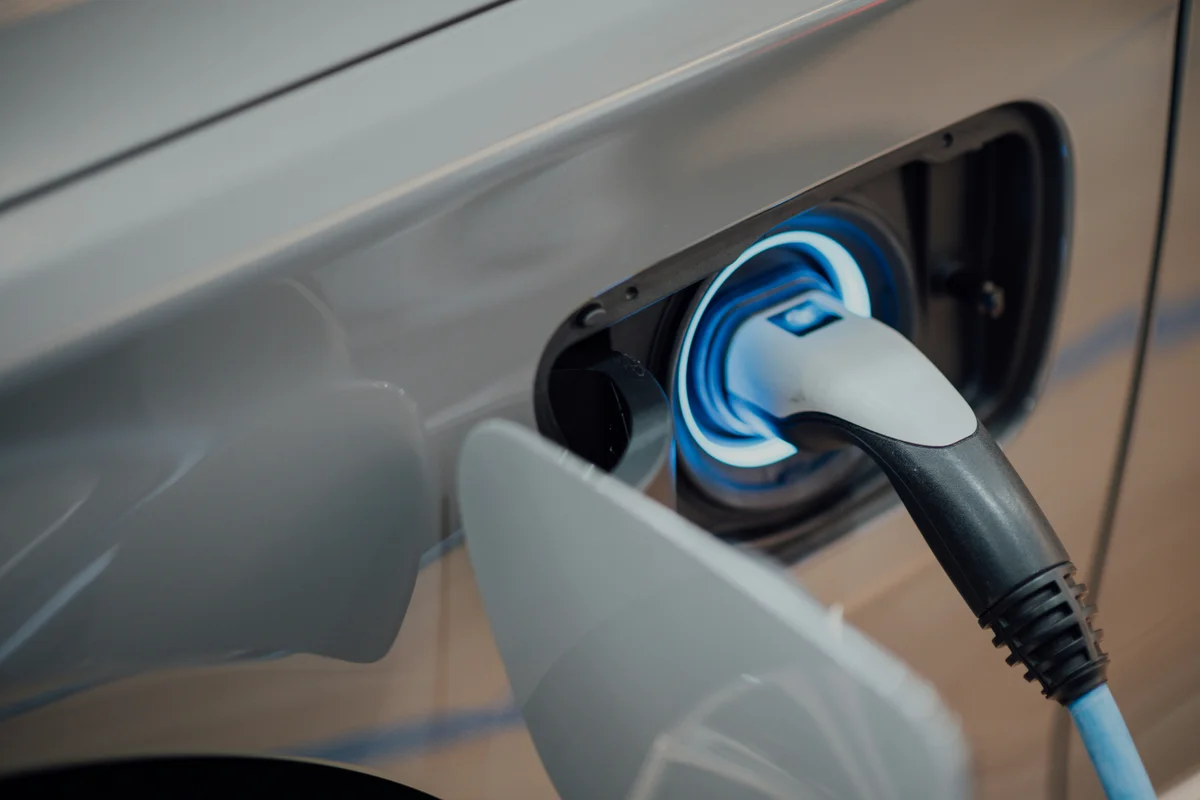
This is the question the affiliate sites won't engage with, and it's the one every honest buyer wants answered. The skepticism around EVIQO is real, and it deserves a direct response rather than a hand-wave.
The blunt Reddit version of the critique is that EVIQO and its cohort are essentially Amazon sludge that cleaned up just enough to get a third-rate testing lab to validate them, and that they buy reviews. That's one buyer in one thread, but it captures a real anxiety, and it points at a real category problem in the Amazon charger market. Plenty of brands in this space do ride on aggressive review acquisition and lesser-known third-party testing labs rather than genuine engineering pedigree. The question is whether EVIQO is one of them or whether the skepticism is overcorrecting from the category to the specific brand.
The certification piece is the part to actually pay attention to. EVIQO is ETL listed, not UL or CSA certified. ETL (Intertek) is a legitimate Nationally Recognized Testing Laboratory in both Canada and the US, the listing is real, and electrical inspectors will generally accept it. CSA is the certification mark most Canadian electricians know, look for, and feel comfortable signing off on. Some jurisdictions and some inspectors will push back on ETL-only equipment, especially in commercial or condo installations. This isn't a deal-breaker, it's a phone call to your electrician before you click buy. The story isn't "ETL is fake"; the story is "CSA is the path of least resistance in Canada, and ETL costs you a conversation."
The hands-on review consensus is more positive than the skepticism suggests, and this is where I'll plant a flag. The EVIQO Level 2 EV charger is easy to recommend for someone looking for a smart connected charging station with flexible installation/configuration options, and comprehensive charging cost reporting. At 48 amps, it is able to charge most EVs at their full charging speeds, and the cord & J1772 connector combo look like they are built to last. CleanTechnica, EV Pulse, and EVchargerReviews.net all ran the unit over months and reported reliable performance, that's three independent outlets, not one paid placement. The Gen 2 specifically addressed earlier complaints: a big improvement of the second-generation charger is the new connector holster, which is easier to use.
ClimateTechReview's framing captures the appeal without overselling it: the GEN 2 sits right in the middle, fast enough to matter, smart enough to save money, and simple enough to install without turning your garage into a construction zone. This is the kind of EV charger most people should be buying.
Gear worth having
As an Amazon Associate, ThinkEV earns a small commission from qualifying purchases — at no extra cost to you.

TP-Link Kasa Smart Plug with Energy Monitoring
Track exactly how much electricity your Level 1 charger uses and schedule it for off-peak hours. Know your real cost per kWh.
As an Amazon Associate, ThinkEV earns from qualifying purchases — at no extra cost to you.
So here's my read, and I'll own it. The hardware works. The reviews of the hardware are independently positive across multiple outlets that ran it for months. The brand reputation is patchy because the company leaned hard into Amazon and YouTube marketing, which generates a particular kind of skepticism among people who track this space carefully. Both things are true at once. A Canadian buyer who values the smart features and the price, and whose electrician is comfortable with ETL, is making a reasonable choice. A buyer who wants CSA-marked equipment from a Canadian distributor is making a different reasonable choice, and probably buying a Grizzl-E. The story isn't "is EVIQO good or bad", it's "which buyer are you."
EVIQO vs. Grizzl-E vs. ChargePoint Home Flex: How It Stacks Up
Three chargers come up in every Canadian buying thread. The split: Grizzl-E if you're cold, EVIQO if you're cheap and smart-charger-hungry, ChargePoint if you want the warranty to be someone else's problem. Here's why those categories aren't interchangeable.
Grizzl-E Classic. Canadian-made in Alberta, CSA certified, no app, no Wi-Fi. The model that wins on durability and cold-weather rating. Roughly $599 CAD before installation, available at Canadian Tire, Home Depot Canada, and direct from the manufacturer. Adjustable amperage at 16/24/32/40A via internal dip switches. The Grizzl-E Classic Level 2 charger is rated to operate from -30°C to +50°C, and the upgraded Grizzl-E Avalanche extends that to -40°C. For Manitoba, Saskatchewan, northern Ontario, or any rural Quebec garage that gets genuinely cold, this is the default. The cold-weather charger ranking puts Grizzl-E at the top for exactly these reasons.
ChargePoint Home Flex. UL and CSA certified, 50A capable when hardwired, strong app ecosystem with network-tier features that work whether or not you have a paid ChargePoint subscription. Roughly $849 CAD on Amazon.ca. The premium pick, better build quality, better support, integrated with the largest public charging network's app. If you already use ChargePoint stations on road trips, the unified app and charging history are genuinely useful.
EVIQO 40A plug-in. Roughly $399–$449 CAD on Amazon.ca depending on sale. ETL listed. Wi-Fi app, scheduling, energy tracking. The budget smart pick. Saves $150 over the ChargePoint and roughly $150 over the Grizzl-E on the unit alone, installation costs are the same regardless of which charger you choose.
The cold-weather question is the cleanest differentiator, and here's the named comparison that matters: the way Grizzl-E publishes a hard -30°C floor on the Classic and -40°C on the Avalanche, and the way EVIQO simply doesn't publish a cold-floor number at all, is the single biggest reason I'd steer a prairie buyer toward the Canadian unit. One owner ran a BMW-supplied charger on a 2021 PHEV until it died, then watched ten-to-fifteen comparison videos before settling on the EVIQO Level 2 EV Charger (240V) 48 AMP Home Charging Station, that decision process is typical, and the EVIQO won on price and features. But that owner is in a moderate climate. In Edmonton or Winnipeg, the Grizzl-E's -40°C published rating versus EVIQO's unspecified cold floor is the kind of detail that matters at 7 AM in January when you need the car to actually charge.
The other quiet difference: dispute resolution. If your Grizzl-E fails, you call a Canadian company that has been making EV chargers for nearly a decade. If your ChargePoint fails, you call ChargePoint's North American support. If your EVIQO fails, you go back to Amazon. The return window is your warranty for the first 30 days, and after that you're navigating manufacturer support through a brand that sells primarily through one channel. Worth knowing before you click buy.
A fourth option worth naming briefly, because some readers will ask: the Wallbox Pulsar Plus. It's the charger EVIQO is most directly positioned against on the smart-feature side, and it's the one EV Pulse cited as a former favourite before the WiFi reliability issues started cropping up after a couple of years of use. The Pulsar Plus is smaller, more design-forward, CSA certified, and roughly $200 more expensive than the EVIQO. For a buyer who specifically wants a low-profile unit in a visible spot and doesn't mind the price premium, it's the cleanest direct comparison. For everyone else, the three chargers above cover the decision space.
For a Vancouver, Victoria, or Toronto buyer in a heated garage, climates where the charger lives between 0°C and 30°C year-round, the EVIQO is a defensible choice. For anywhere the thermometer regularly dips below -20°C, the math favours Grizzl-E even at the higher price. The broader best-chargers ranking for Canada walks through the rest of the slate.
Gear worth having
As an Amazon Associate, ThinkEV earns a small commission from qualifying purchases — at no extra cost to you.

Grizzl-E Classic Level 2 EV Charger (40A)
Canadian-made and rated for minus 40C winters. 40A / 9.6 kW, NEMA 14-50, indoor/outdoor, 24-ft cable. The charger built for Canadian weather.
As an Amazon Associate, ThinkEV earns from qualifying purchases — at no extra cost to you.
Canadian Rebates: Can You Get Money Back on an EVIQO?
The rebate landscape for home chargers is provincial, fragmented, and changes annually. Here's the May 2026 version, with the specific gotchas that catch EVIQO buyers.
Federal iZEV. Does not cover charger hardware. The federal program covers vehicle purchase only, there is no national home-charger rebate currently in market. Don't budget for federal money on the box.
British Columbia, CleanBC. Up to $350 for home charger installation. The rebate covers equipment plus labour combined, paid as a single rebate after install. The charger must be on the eligible-equipment list, which is updated periodically. EVIQO is not consistently on the list, some applicants have had it accepted, others have been asked for additional documentation. Confirm before purchase by checking the current eligible-equipment list on the CleanBC site. Grizzl-E and ChargePoint Home Flex are reliably listed.
Quebec, Roulez Vert. Up to $600 for residential Level 2 charger installation. The charger must meet Standards Council of Canada (SCC) recognized certification. ETL is an SCC-recognized NRTL in Canada, so EVIQO should qualify on certification grounds, but Quebec's programme documentation lists CSA-marked equipment as the default expectation. Verify with a Roulez Vert programme agent before purchase if you want to lock in the rebate. The application requires the licensed electrician's invoice, the equipment receipt, and proof of EV ownership.
Ontario. No province-wide charger rebate as of May 2026. The Ontario EV Incentive Programme for vehicles ended in 2018 and was not replaced for chargers. Toronto Hydro, Alectra, Hydro Ottawa, and some other Ontario LDCs (local distribution companies) run their own programmes intermittently, most are either capped budgets that exhaust quickly or pilot programmes with narrow eligibility. Check your specific utility's current programmes page before installing.
Other provinces. Nova Scotia offers a $500 home charger rebate through Efficiency Nova Scotia. PEI offers a $750 rebate. Alberta has no provincial charger rebate. Manitoba and Saskatchewan don't offer dedicated home-charger rebates but bundle some support into broader energy efficiency programmes run by Manitoba Hydro and SaskPower respectively. The Manitoba EV rebates breakdown walks through that specific province in detail, a Level 2 install in Manitoba runs roughly $1,500–$2,500 all-in for 40–50 km of range per hour, so even without a dedicated charger rebate the cost-per-kilometre math still pencils out against gasoline within the first two years for most drivers.
The general advice: keep every receipt, get the licensed electrician's invoice with their licence number on it, photograph the installed unit, and submit within the programme's window (usually six months from install date). Don't assume eligibility, verify before purchase. I'd rather you spend twenty minutes on a phone call than three weeks chasing a rebate that never arrives.

The EVIQO 40A plug-in is a reasonable choice for a specific buyer. You want smart scheduling around time-of-use rates. You park in a garage that doesn't drop below minus 20. Your electrician has installed ETL-certified equipment before and is comfortable signing the permit. The $150 savings versus a ChargePoint Home Flex matters to your overall EV-ownership budget. If those four sentences describe you, click buy.
Skip it if any of these apply:
- You're in Manitoba, Saskatchewan, northern Ontario, or anywhere the winters go properly cold, the Grizzl-E's published -40°C rating is a real difference.
- Your electrician is uncomfortable with ETL-only certification, that conversation isn't worth having on a $400 piece of equipment.
- You want a charger your utility will reliably approve for the rebate without follow-up phone calls, Grizzl-E and ChargePoint are safer paths.
- You're cross-shopping for a PHEV with a 3.3–6.6 kW onboard charger, buy the cheapest dumb 30A charger you can find from a CSA-marked brand and pocket the difference.
The structural recommendation is this. For most Canadian buyers, the Grizzl-E Classic remains the default, Canadian-made, CSA certified, cold-rated, and cheaper than the ChargePoint. The EVIQO occupies the budget-smart-charger slot for buyers who specifically value the app and scheduling features and live in milder climates. The ChargePoint Home Flex is the premium pick for buyers who use public ChargePoint stations and want the unified app.
A practical safety net: buy from Amazon.ca and keep the return window awareness in mind. Amazon's standard return window on the EVIQO is 30 days. That doesn't get you through a winter, but it does get you through the install, the first charge sessions, and the basic reliability test. Pair that with the manufacturer's warranty terms, read them before purchase, not after, and you've got reasonable protection on a brand that doesn't have decades of Canadian service history yet.
Gear worth having
As an Amazon Associate, ThinkEV earns a small commission from qualifying purchases — at no extra cost to you.

ChargePoint Home Flex Level 2 Charger (50A)
Premium 50A / 12 kW charger with the best app ecosystem. Hardwired or NEMA 14-50, with real-time energy tracking and smart scheduling.
As an Amazon Associate, ThinkEV earns from qualifying purchases — at no extra cost to you.
Key Takeaways
- The EVIQO 40A plug-in costs roughly $399–$449 CAD on Amazon.ca, making it one of the cheapest smart-feature Level 2 chargers available to Canadian buyers.
- ETL certification is valid in Canada but less commonly accepted than CSA, confirm with your electrician and with any rebate programme before purchase.
- BC CleanBC offers up to $350 and Quebec Roulez Vert up to $600 for eligible Level 2 home charger installations; federal iZEV does not cover chargers.
- The Grizzl-E Classic, built in Alberta and CSA certified with a -30°C operating rating (Avalanche to -40°C), remains the cold-climate default for most Canadian buyers.
- The EVIQO 48A hardwired model delivers 11.5 kW, fully matching the onboard charger rate of vehicles like the Chevy Equinox EV and Kia EV4.
The forecast: EVIQO will keep gaining share among Canadian buyers who shop primarily on Amazon and value smart features over brand pedigree. The Grizzl-E will keep winning the cold-prairie market and the electrician-recommendation channel. ChargePoint will keep winning premium buyers who want network-integrated apps. What would change my mind? Three things, watched in this order. First, CSA certification on the EVIQO line, that alone unlocks Roulez Vert and CleanBC eligibility without phone calls and removes the electrician-comfort objection in one stroke. Second, a published minimum operating temperature in the spec sheet, ideally -30°C or colder to compete with Grizzl-E head-on. Third, a Canadian distributor relationship that puts the unit on a Canadian Tire or Home Depot Canada shelf, which solves the warranty-and-returns story for buyers outside the Amazon ecosystem. Hit two of those three and the EVIQO becomes a genuine default recommendation rather than a price-driven alternative. Hit zero and the price-per-feature wins for some Canadians, and the price-per-decade-of-cold-weather-reliability wins for the rest. Know which buyer you are before you order.
Gear worth having
As an Amazon Associate, ThinkEV earns a small commission from qualifying purchases — at no extra cost to you.

Magnetic EV Charger Plug Cover
A magnetic cap that keeps rain, road salt, and grit out of your home charger handle between sessions.
As an Amazon Associate, ThinkEV earns from qualifying purchases — at no extra cost to you.

Founder & Chief Editor
Vlad Pereira is the founder and chief editor of ThinkEV.ca, the Canadian electric-vehicle publication he writes and edits from Courtenay, British Columbia. He covers EV pricing, federal and provincial rebates, charging costs, and the Chinese manufacturers now entering Canada, from the buyer's side rather than the press-fleet side. ThinkEV is a venture of Vlad Pereira Online; his writing on health, income and the long game lives at vladpereira.com.
Frequently asked questions
Does the EVIQO qualify for Canadian provincial EV charger rebates?
Is the ETL certification actually a problem for Canadian installations?
What happens to the EVIQO's smart features after a few years?
Can a Canadian electrician source EVIQO parts if something fails?
Does the 25-foot cable actually reach in a typical Canadian two-car garage?
More EV & road-trip finds
Affordable upgrades worth a look — tap any to check the price on Amazon.
 ★ 2,941
Microfiber Cleaning Cloths (Multi-Pack)
View on Amazon ★ 314
★ 314Mini USB LED Ambient Lamps (4-Pack)
View on Amazon ★ 4,055
6-Speed Manual Shift Knob Display
View on Amazon ★ 27,769
Car Cup Holder Coasters (4-Pack)
View on Amazon ★ 12,834
P3 Kill A Watt Electricity Usage Monitor
View on Amazon ★ 61
★ 61Toddler Car Seat Snack and Cup Tray
View on Amazon ★ 17,839
Qifutan Vent Phone Mount (Military-Grade Clip)
View on Amazon ★ 96,686
PULIDIKI Car Cleaning Gel (Detailing Putty)
View on AmazonRead, Plan, Then Stay Current
Explore our expert articles to understand incentives and ownership costs, use the map to pressure-test charging reality, then subscribe so new EV coverage comes straight to you.
Continue Reading
EV Charger Installation in BC: Cost and Permits

EV Battery Replacement: What a Failed Pack Actually Costs

EREVs Explained: The Backup Engine Comeback for 2026
Level 1 vs Level 2 EV Charging: Which to Choose
What Driver-Assist Features Actually Do, and What They Don't