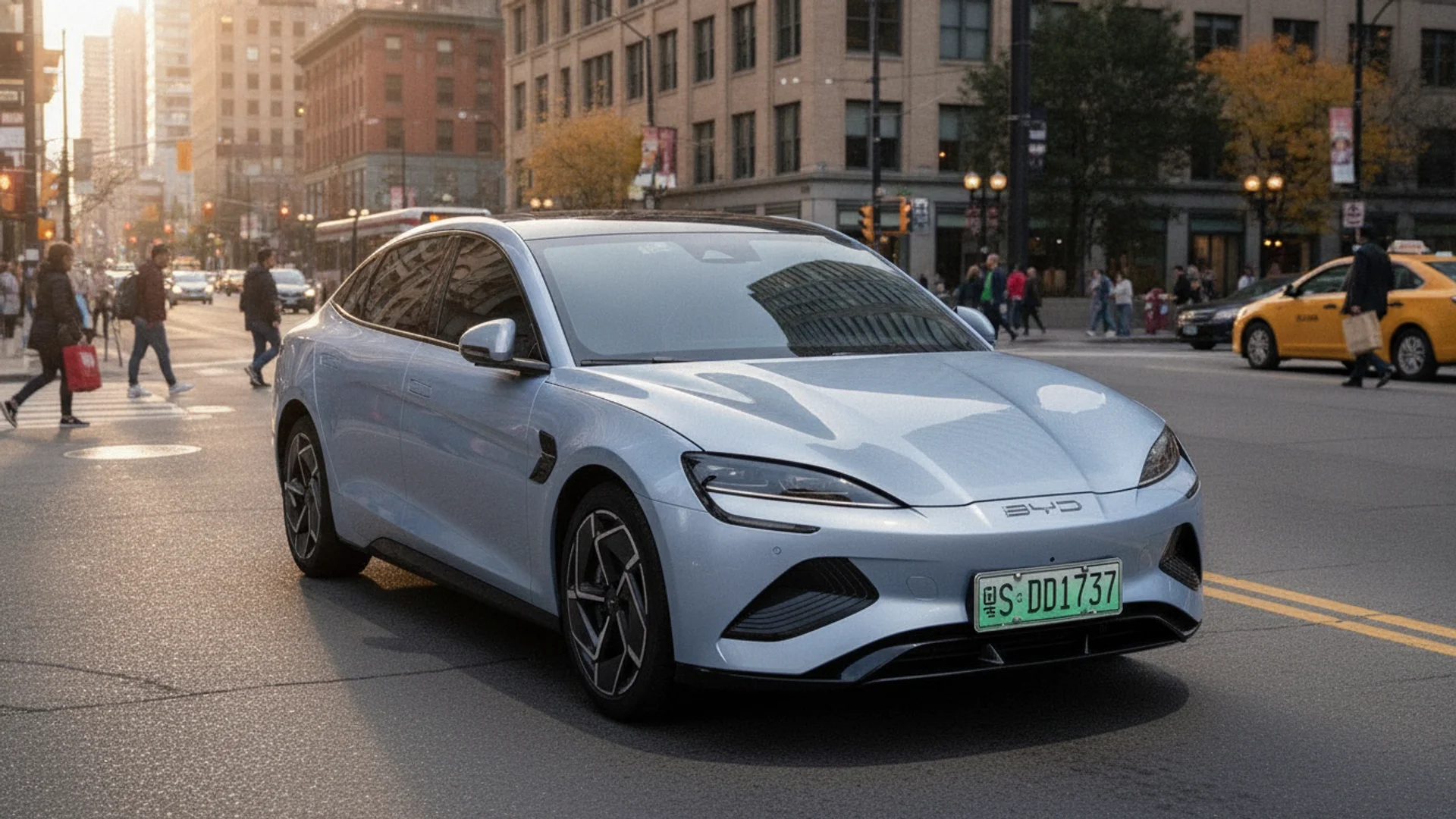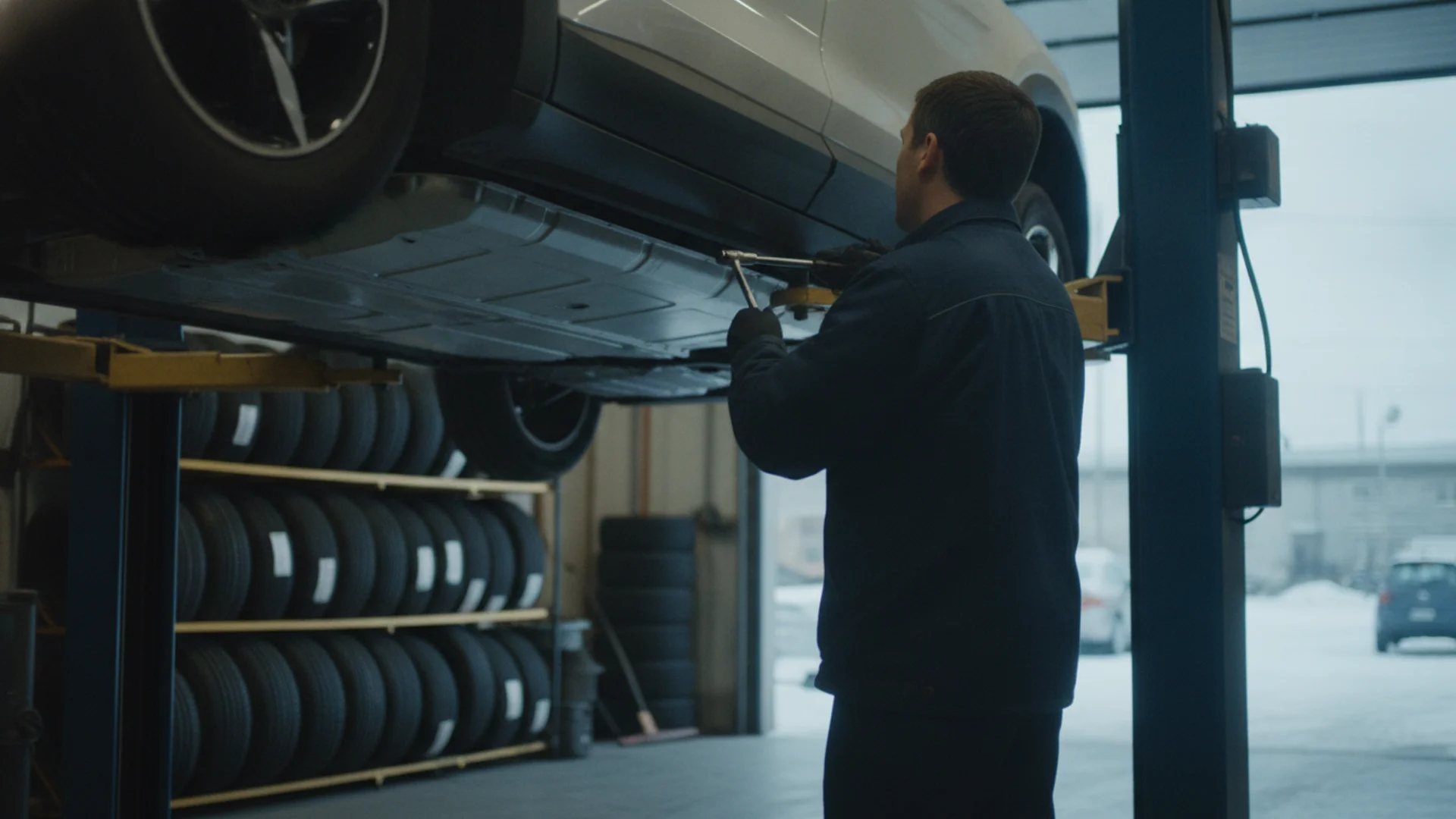
For most of what these cars will need, yes. The first five years of a BYD Atto 3 or a Chery Omoda 5 in Canada will generate tires, brakes, alignments, suspension work and glass. None of that is brand specific. The parts of the job that are brand specific are the parts still being built.
Key takeaways
- Kal Tire lists itself as Rivian's authorized wheel and tire service provider in Canada, which is the closest working precedent for how a new electric brand plugs into a national network it does not own.
- I-CAR Canada opened a five day hands on high voltage course in Milton, Ontario on June 1, 2026. Porsche Canada has already made it mandatory for its certified collision shops.
- Battery electric vehicles were 9.34% of repairable collision claims in British Columbia in Q2 2026 against 7.02% in California, so Canadian shops are not waiting for their first electric car.
- The two real gaps are a Canadian parts depot and diagnostic access for independents. Neither one is a shop problem to solve.
The quota opened on March 1, 2026, admitting 49,000 Chinese built electric vehicles a year at a 6.1% tariff, replacing the 100% surtax that had stood since October 2024, and growing by roughly 6% annually thereafter. The mechanics are in our explainer on how the 49,000 works. Ottawa puts the cap at under three percent of annual new vehicle sales.
The cars themselves are taking their time. Lotus, Geely owned and built in Wuhan, opened Eletre orders through six Canadian dealers in April. BYD has been scouting sites and hiring. Chery landed roughly 150 units for certification and testing rather than for sale. Zeekr posted seven senior roles in Toronto, among them aftersales and a head of network development. Almost nobody has taken delivery. That lag is the best thing that could have happened to the service side, because Canadian shops spent it getting trained.
Most of the Work Is Not Brand Specific
Kal Tire has been doing this work for years already, and how it does it is the template for what comes next. The company started in Vernon, British Columbia in 1953, is still wholly Canadian owned, and runs more than 280 locations coast to coast, five warehouses covering over 80 acres, and its own transport fleet moving stock between them. On its EV maintenance page it describes itself as Rivian's Authorized Wheel and Tire Service Provider in Canada.
Rivian is the closest precedent Canada has for what is arriving now: an electric only automaker with a customer base spread thin across a very large country and a small number of its own service points, facing the same arithmetic that BYD, Chery and Zeekr are about to face here. Rather than build 280 bays of its own, it used a network that already had them.
The expertise behind that is not incidental. Kal Tire runs an independent retail tire testing program and publishes its own top five picks for battery electric vehicles. Its guidance to EV drivers is specific: match or exceed the original equipment load index, look for the XL marking on the sidewall, and expect the pack alone to weigh close to 450 kilograms on something like a Model 3 or an EV6. It also names the trade off plainly: low rolling resistance compounds favour reduced energy use over tread life. Someone has to make that call for every new vehicle that lands in this country, and more often than not it is a tire retailer with a test program, not a dealer, who ends up making it.
The rest of the list is ordinary shop work. Computerized four wheel alignments, brake inspections, steering and suspension, seasonal changeovers, tire storage, all performed by certified technicians. Kal Tire's own services page puts the pitch in one line: the only difference between us and the dealership is we charge less.
The scale behind that sentence is national. Canadian Tire says it can outfit 90% of EVs and runs more than 5,500 service bays across roughly 500 stores, listing high voltage and 12 volt battery testing beside brake and suspension inspection. Fountain Tire carries a dedicated electric vehicle maintenance line covering rotations, alignments, 12 volt testing, cabin filters and inspection of high voltage components. Three names, thousands of bays. The quota is 49,000 cars a year.
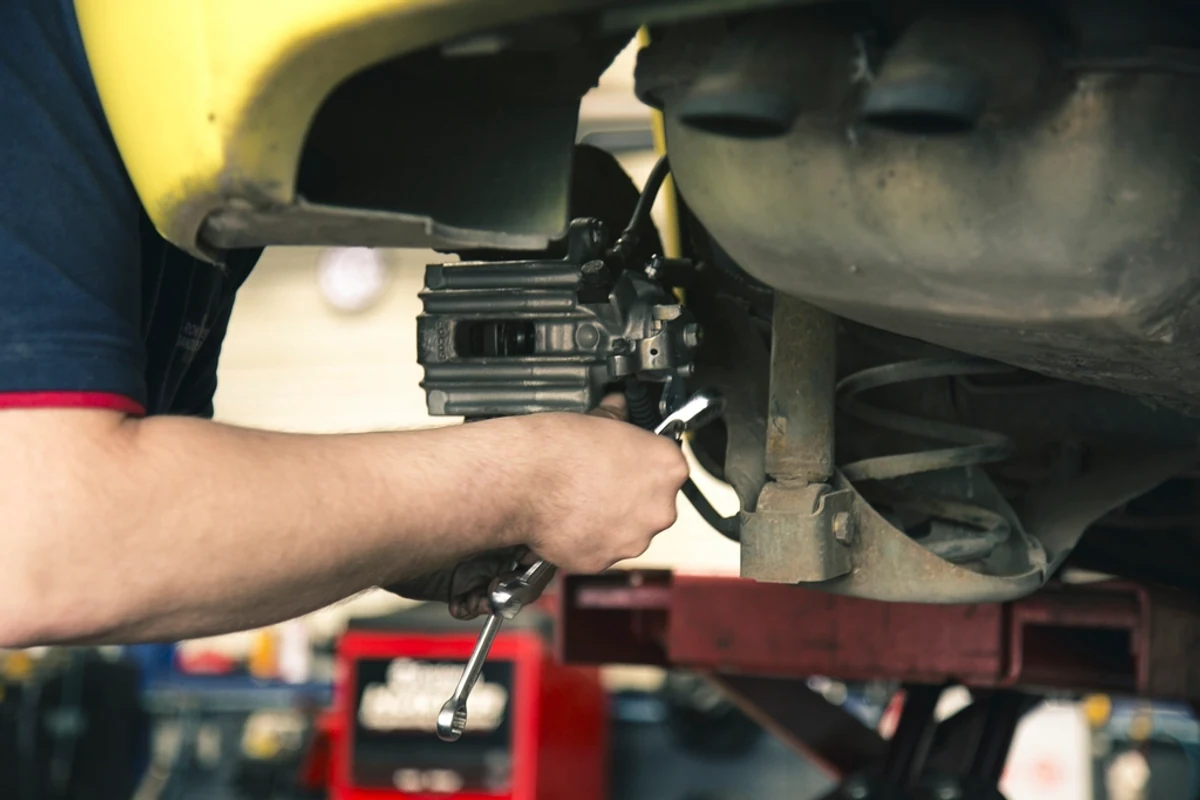
Tires are where the money actually lands. A vehicle carrying 20 to 30% more mass than its gas equivalent and delivering torque instantly wears rubber faster, and that is the most dependable service revenue a Chinese EV will produce in this country. We covered the wear mechanics in our guide to EV tire wear. Monthly pressure checks remain the cheapest defence.
Gear worth having
As an Amazon Associate, ThinkEV earns a small commission from qualifying purchases — at no extra cost to you.

AstroAI Portable Tire Inflator
One tap, it inflates to your exact PSI then stops automatically. Low tires cost 5 to 10 percent of your range, so this pays for itself in a week.
As an Amazon Associate, ThinkEV earns from qualifying purchases — at no extra cost to you.
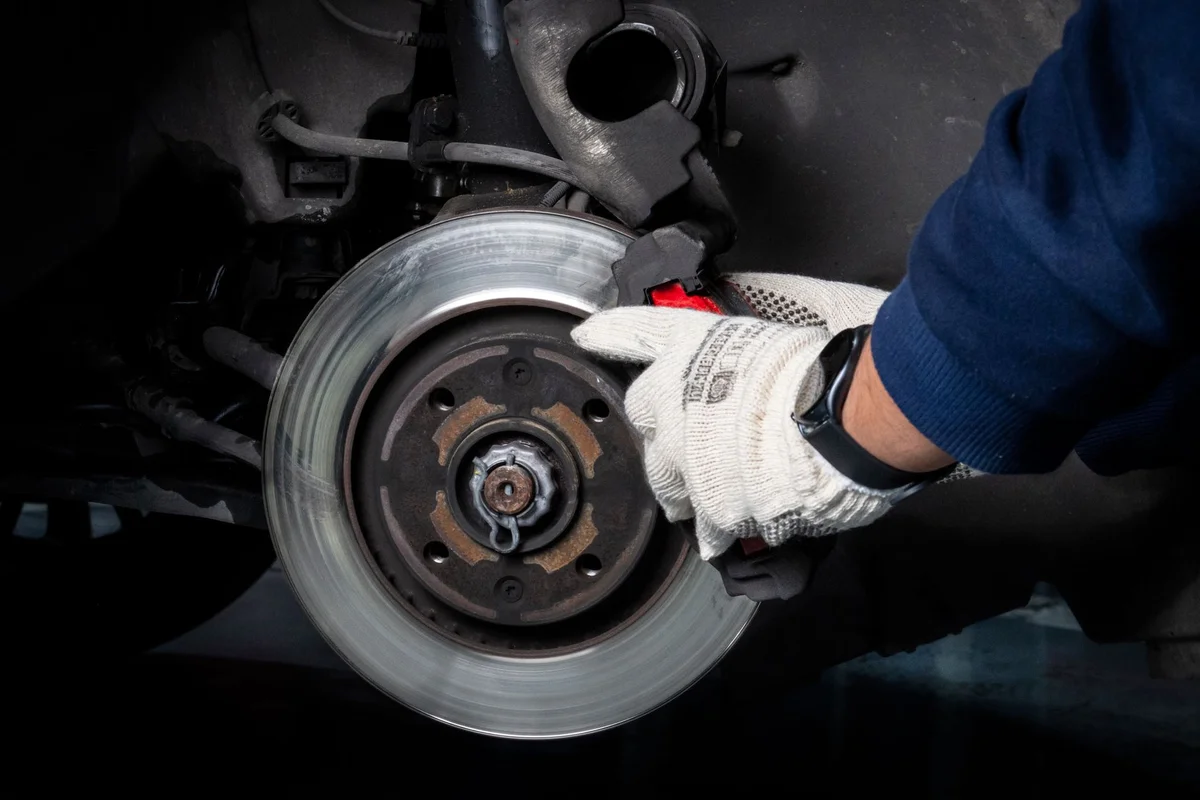
On June 1, 2026, I-CAR Canada launched a five day hands on electric vehicle course at the CWB Centre of Innovation in Milton, Ontario. It was built to European EV training standards in collaboration with manufacturers, and it covers shutdown procedures, diagnostics, electrical systems and safe practice around a damaged pack.
Porsche Canada has already made it mandatory for every one of its certified collision shops, and Certified Collision Care, which administers certification on behalf of 13 manufacturers in Canada, adopted the same course as the baseline requirement for its Electric Vehicle Handling Qualification. Both decisions predate a single Chinese brand opening a Canadian store.
Stu Klein, vice president of collision programs at the Automotive Industries Association of Canada and executive director of I-CAR Canada, described the situation the course was built for. "When you get a vehicle at a shop, you have no idea if the electrical components are live, especially those in really bad shape," he told Electric Autonomy Canada. "You don't know if this car is safe to touch. You don't know if it's safe to bring in the shop."
Gear worth having
As an Amazon Associate, ThinkEV earns a small commission from qualifying purchases — at no extra cost to you.
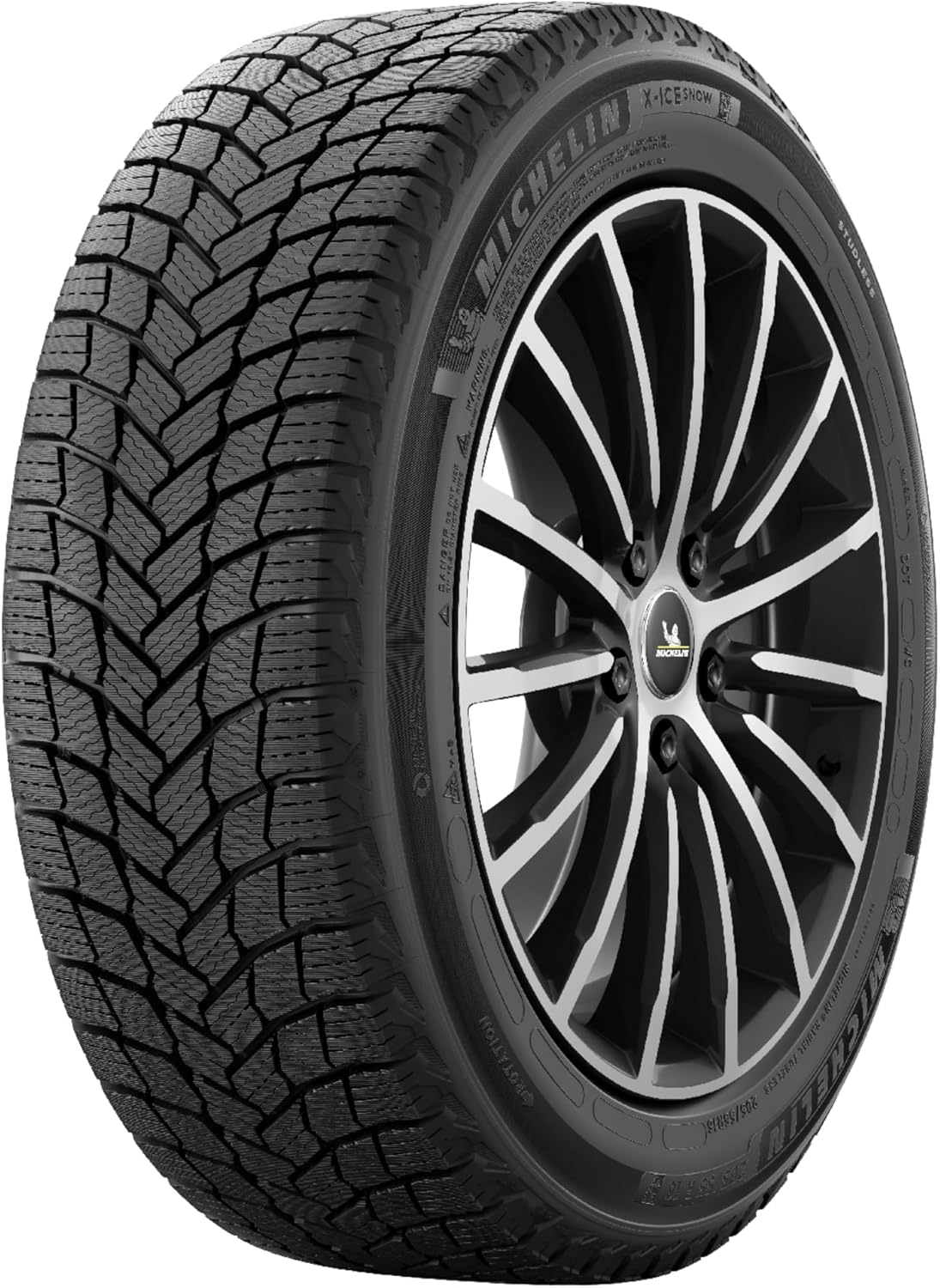
Michelin X-Ice Snow Tires (EV-rated)
EV-specific winter tires with low rolling resistance that recover up to 15 percent of cold-weather range. Mandatory in Quebec, smart everywhere else.
As an Amazon Associate, ThinkEV earns from qualifying purchases — at no extra cost to you.
Pete Halasz, senior automotive technical trainer at AIA Canada, teaches the shutdown half of it. Mike Kennedy, who instructs autobody at Fanshawe College, gave the plainest reason the program exists. "Right now, the industry doesn't really know what it doesn't know."
None of that was built for Chinese brands. It was built because Electric Mobility Canada counted a million electric and plug in hybrid vehicles on Canadian roads in December 2025, and because AIA Canada has been running EV upskilling for licensed technicians and senior apprentices alongside Cambrian, Conestoga, Fanshawe and Mohawk colleges and Plug N' Drive. Every car arriving under the quota inherits a training system somebody else already paid for.
Gear worth having
As an Amazon Associate, ThinkEV earns a small commission from qualifying purchases — at no extra cost to you.

Grizzl-E Classic Level 2 EV Charger (40A)
Canadian-made and rated for minus 40C winters. 40A / 9.6 kW, NEMA 14-50, indoor/outdoor, 24-ft cable. The charger built for Canadian weather.
As an Amazon Associate, ThinkEV earns from qualifying purchases — at no extra cost to you.
British Columbia Shops See More EV Claims Than California
Mitchell publishes a quarterly read on electric vehicle collision claims across North America. In the second quarter of 2026, battery electric vehicles made up 5.42% of repairable claims in Canada, up about 12% year over year. In British Columbia the figure was 9.34%. In Quebec, 9.19%. California came in at 7.02%.
A body shop in Surrey or in Laval is not waiting for its first electric car. It is running a higher share of them across the estimating system than a shop in Los Angeles.
The cost picture moved the same way. Mitchell put the average repairable battery electric claim at $6,645 against $5,411 for a gas car. That difference of $1,234 is the narrowest on record, and it narrowed because the fleet matured and shops got better at the work.
One figure in that report cuts against the rest. Manufacturer parts appeared on 84.74% of battery electric estimates against 61.44% of gas estimates, which means electric repairs still lean hard on the automaker's own parts pipeline, and that is precisely the muscle a brand landing here this year has not built yet.
Sylvain Audy of Audy Auto Body in Victoria told Collision Repair magazine he expects the trade deal to change very little inside his shop. "EVs will be cheaper, but I don't think I see this having too big an impact on my business." Spread 49,000 cars across a country carrying roughly 26.6 million vehicles, and he is reading it correctly.
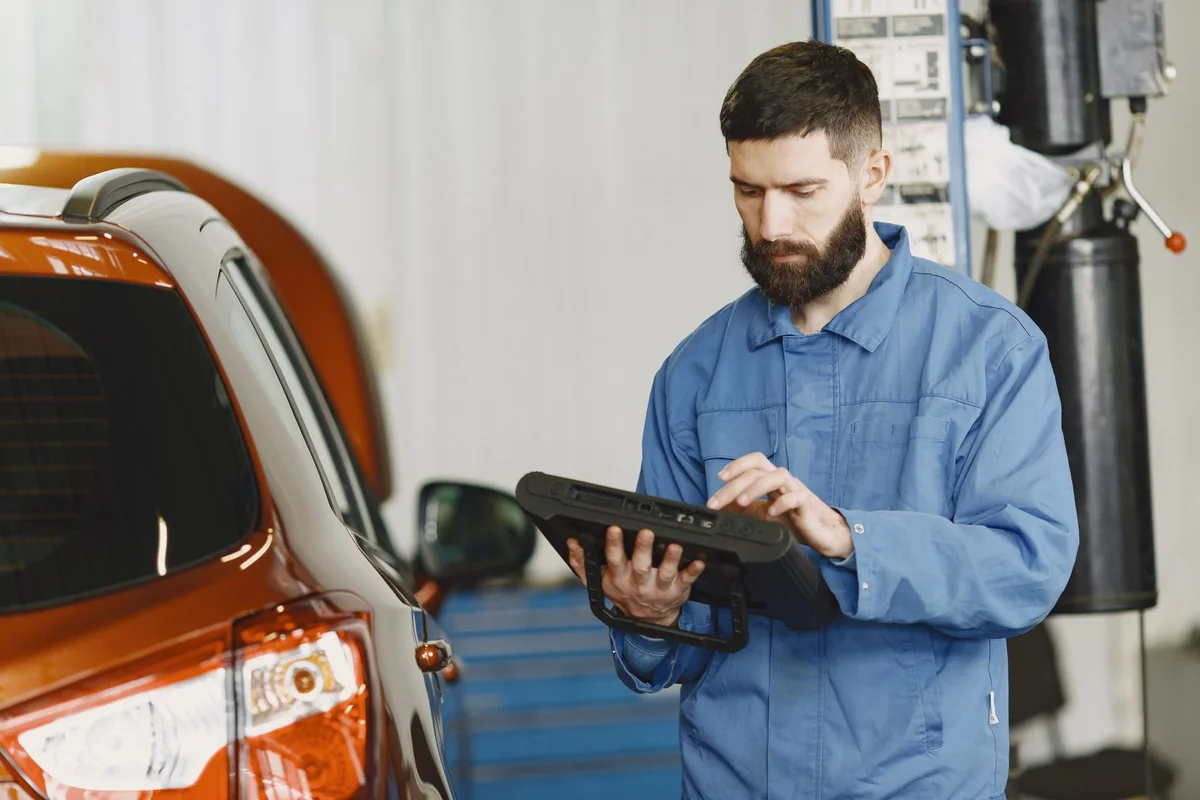
No Chinese brand has announced a Canadian parts distribution centre, so warranty and collision parts arrive from overseas on lead times nobody can quote yet, and that single unknown is the largest open question facing anyone buying one of these cars in the next two years. The shops cannot fix it. We wrote the owner's side of it in what happens when your Chinese EV needs repairs.
The second gap is diagnostic access. The Canadian Automotive Service Information Standard, signed in 2010, is the agreement that gives independent shops access to manufacturer service information, tools and training. It predates this generation of vehicles and has never been amended. Whether the new entrants sign on will decide how much of this work stays in independent bays rather than moving to a short list of brand stores.
Australia shows what closing the parts gap looks like when a Chinese automaker commits to it. BYD has 85,000 vehicles on Australian roads and sold 52,415 there in 2025. Stephen Collins, chief operating officer of BYD Australia, was direct about the backlog. "We've had and still have room for improvement in the back end for service and parts. It's a massive priority," he said, before the company put a 20,000 square metre parts warehouse into Melbourne, reported a 95% parts fill rate and set a path from 100 dealers to 150. In Europe, BYD runs three regional parts warehouses and trains partner workshops instead of employing every technician itself. Brazil ran the same sequence, which we traced in what Canada inherits from BYD's Brazilian decade.
Rich Rodrigues, who owns Dupont Auto Collision in Toronto, expects the networks to move first. "I think it's going to be the franchises, like Fix Auto, that are going to do well," he said. "They'll make deals with the Chinese OEMs to fix all their cars." He is probably right, and it puts Canadian networks in the position of supplier rather than spectator. Fix Network already operates purpose built training centres in Milton, Blainville and Calgary, and CSN Collision is expanding its learning management system this year to route shop teams into I-CAR eligible courses, which means the shops best placed to win that work are the ones that spent 2026 qualifying for it.
A shop that can align a car weighing more than two tonnes, read a 12 volt fault, fit a load rated winter tire and safely de energize a high voltage system can look after a BYD Atto 3. Canada has thousands of those shops, and the ones missing the last piece are five days of training away from it. The cars are the part running late.
Gear worth having
As an Amazon Associate, ThinkEV earns a small commission from qualifying purchases — at no extra cost to you.
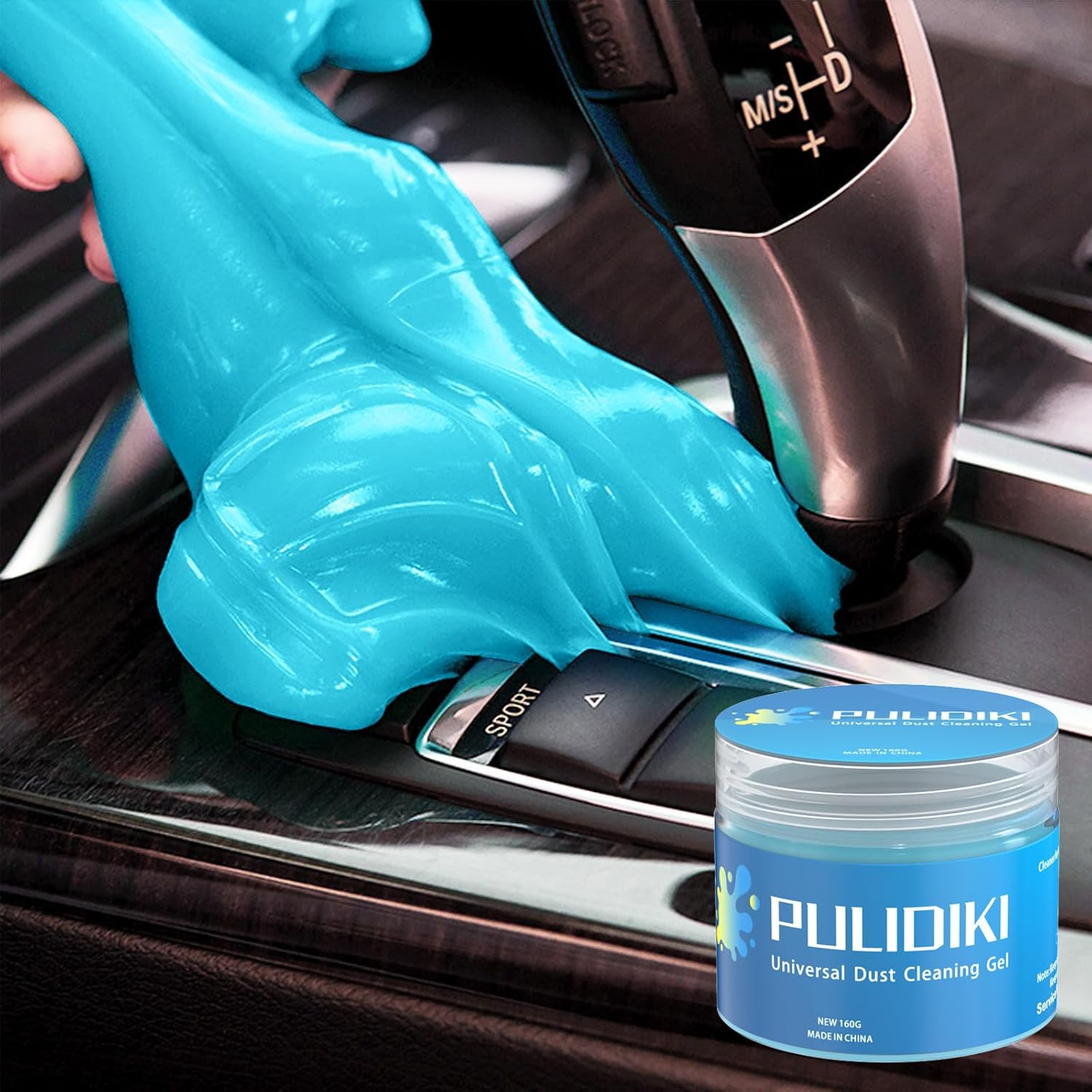
PULIDIKI Car Cleaning Gel (Detailing Putty)
Press it into vents, buttons, and seams and it lifts out dust you did not know was there. Weirdly satisfying, genuinely useful.
As an Amazon Associate, ThinkEV earns from qualifying purchases — at no extra cost to you.
Gear worth having
As an Amazon Associate, ThinkEV earns a small commission from qualifying purchases — at no extra cost to you.

WixGear Magnetic Air Vent Phone Mount (2-Pack)
A magnet strong enough that your phone never flinches over potholes or rail crossings. Two in the box, one for each car.
As an Amazon Associate, ThinkEV earns from qualifying purchases — at no extra cost to you.

Founder & Chief Editor
Vlad Pereira is the founder and chief editor of ThinkEV.ca, the Canadian electric-vehicle publication he writes and edits from Courtenay, British Columbia. He covers EV pricing, federal and provincial rebates, charging costs, and the Chinese manufacturers now entering Canada, from the buyer's side rather than the press-fleet side. ThinkEV is a venture of Vlad Pereira Online; his writing on health, income and the long game lives at vladpereira.com.
Frequently asked questions
Can an independent Canadian shop service a BYD or a Chery?
Will Canadian tire shops stock tires for Chinese EVs?
Are Canadian collision shops trained for high voltage EV repairs?
What still has to happen before Chinese EVs are fully serviceable here?
More EV & road-trip finds
Affordable upgrades worth a look — tap any to check the price on Amazon.
 ★ 87
★ 87Car Window Sun Shades for Kids (4-Pack)
View on Amazon ★ 68
★ 68WeatherTech FloorLiner for Tesla Model 3
View on Amazon ★ 4,050
Touchscreen Mist Screen Cleaner Kit
View on Amazon ★ 314
★ 314Mini USB LED Ambient Lamps (4-Pack)
View on Amazon ★ 4,626
HoogaLife Hanging Car Diffuser (2-Pack)
View on Amazon ★ 979
★ 979Leather Headrest Purse Hook
View on Amazon ★ 12,834
P3 Kill A Watt Electricity Usage Monitor
View on Amazon ★ 121
★ 121Foldable Windshield Sun Umbrella
View on AmazonRead, Plan, Then Stay Current
Explore our expert articles to understand incentives and ownership costs, use the map to pressure-test charging reality, then subscribe so new EV coverage comes straight to you.
Continue Reading
Import a Chinese EV Canada to US: Why It Fails
EV Market Under $50K in Canada: Why This Price Band Matters
Every Chinese EV Brand Coming to Canada in 2026
Switching From Gas to an EV in Canada: The Guide
Nunavut EV Feasibility: Can Electric Cars Work in the Arctic?