Key takeaways
- Right now, most Canadians are not ready to spend $70,000 on a vehicle, even with incentives.
- something in the low-to-mid $40,000s is a different conversation entirely, especially when rebates and operating costs start closing the gap with gas.
- For most households, $50,000 is the line where financing starts to feel heavy.
- A $45,000 vehicle financed over five years at a mainstream rate already pushes toward the upper end of what many families can tolerate once insurance and registration are added.
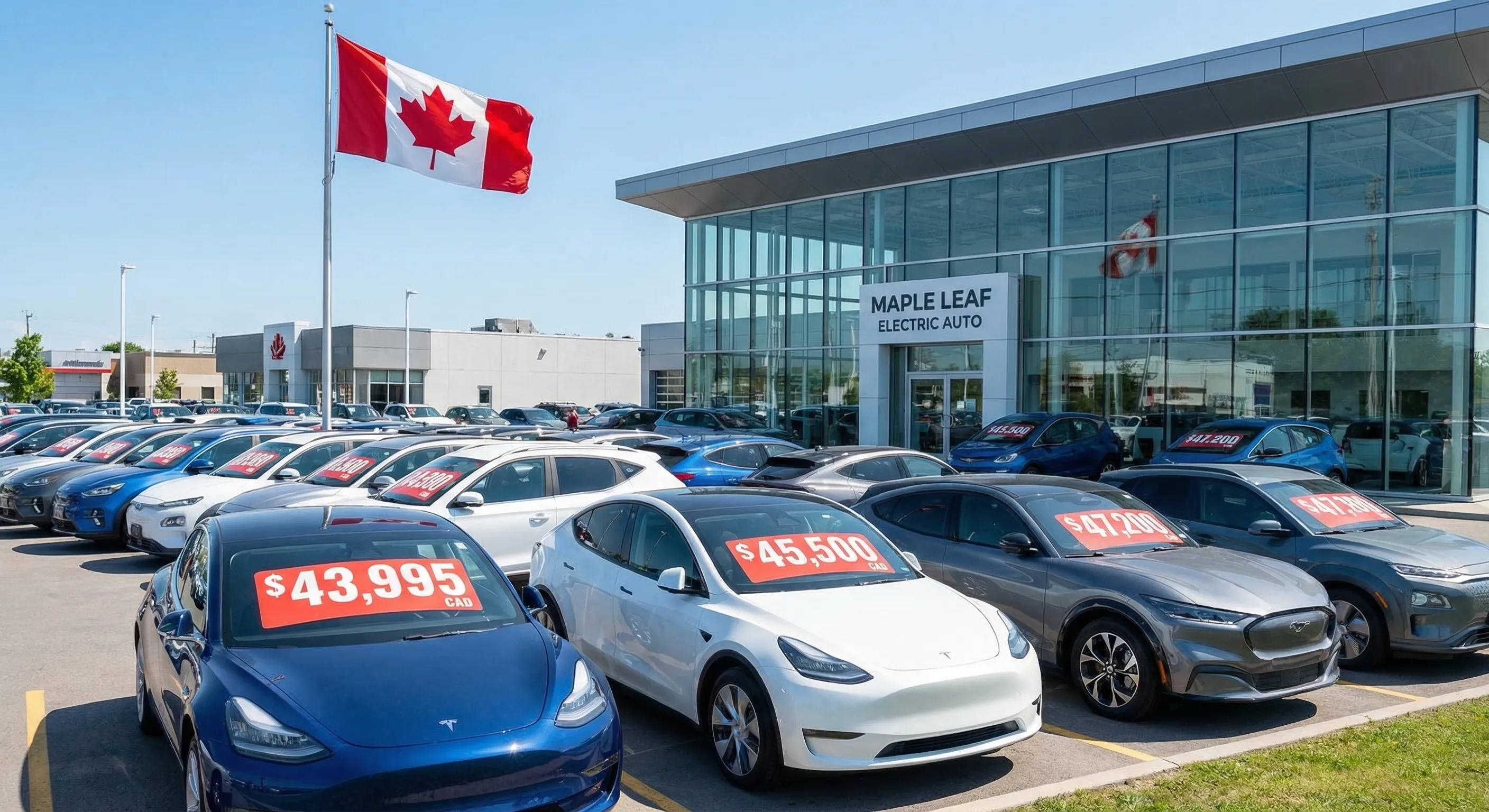
The under-$50K market is where EV adoption either becomes normal in Canada or stalls out. I am not exaggerating. This is the price band where the EV conversation shifts from enthusiasts debating specs online to actual households asking whether the next family car should be electric. Right now, most Canadians are not ready to spend $70,000 on a vehicle, even with incentives. But something in the low-to-mid $40,000s is a different conversation entirely, especially when rebates and operating costs start closing the gap with gas.
That is why this segment matters so much. It is not just about cheaper EVs. It is about the point where electric cars stop feeling like a premium experiment and start competing directly with the vehicles Canadians already buy without much drama: CR-Vs, RAV4s, Corollas, Civics, Konas, and compact family crossovers. Once EVs become credible in that price zone, the market stops asking whether electric will go mainstream and starts asking which mainstream EV makes the most sense.
The under-$50K shift is already visible. The Chevrolet Equinox EV, Hyundai Kona Electric, and several Kia models sit close enough to the centre of the market that buyers can justify the stretch. Add the current EVAP rebate, lower fuel costs, and the reduced maintenance burden, and the ownership math starts to look much less theoretical. This is the price band where the category finally has to prove itself in normal Canadian life.
Why This Price Band Matters
The average buyer is not purchasing a vehicle to make a statement. They are buying transportation for work, errands, school runs, and the occasional long weekend. That means the gatekeeper is not maximum horsepower or some abstract technology advantage. It is affordability. If the payment does not feel realistic, the vehicle never makes the shortlist, no matter how strong the range or charging story looks in a press release.
For most households, $50,000 is the line where financing starts to feel heavy. A $45,000 vehicle financed over five years at a mainstream rate already pushes toward the upper end of what many families can tolerate once insurance and registration are added. That is exactly why the under-$50K segment matters strategically. It does not need to be cheap in an absolute sense. It needs to feel plausible enough that buyers will at least run the numbers instead of dismissing the category out of hand.
That mindset shift matters more than people realize. Once a buyer stops thinking "too expensive" and starts thinking "maybe," the rest of the EV argument has a chance to work. That is when range, charging, winter use, resale, and ownership cost actually enter the conversation. Without that initial price credibility, the rest of the product never even gets a hearing.

What Changes The Math
What changes the math is not just the sticker price. It is the full ownership context around the vehicle. In practice, that means where you live, whether you can charge at home, whether you qualify for incentives, and what the operating cost difference looks like versus a gas alternative. The same EV can feel like a no-brainer in Quebec and a tougher sell in Alberta simply because electricity prices, winter conditions, and local rebate structure are different.
Take the current EVAP rebate. A $5,000 federal discount meaningfully changes the conversation for vehicles sitting just above the psychological affordability threshold. It is one thing to see a compact EV crossover listed in the low $40,000s. It is another to run the after-rebate number and realize it lands closer to the price of a well-equipped gas crossover than many buyers expected. That is where the segment starts to feel serious.
Electricity rates matter too. In a province with low-cost hydro, the fuel-cost gap versus gas is enormous. In provinces with higher electricity rates, the savings are still real, but they do not look as dramatic. Home charging access is the other big divider. Buyers with a driveway and a Level 2 charger experience the economics very differently from buyers depending on downtown public charging. The vehicle may be the same, but the ownership case is not.

The used market also adds pressure from below. Early EV adopters are now cycling older Leafs, Konas, Bolts, and Model 3s into the secondhand pool. That creates a ladder into EV ownership for buyers who cannot justify a new vehicle at all. The under-$50K new-car segment becomes more important, not less, in that environment. It has to defend its value against both gas incumbents and increasingly credible used EV alternatives.
Gear worth having
As an Amazon Associate, ThinkEV earns a small commission from qualifying purchases — at no extra cost to you.

Grizzl-E Classic Level 2 EV Charger (40A)
Canadian-made and rated for minus 40C winters. 40A / 9.6 kW, NEMA 14-50, indoor/outdoor, 24-ft cable. The charger built for Canadian weather.
As an Amazon Associate, ThinkEV earns from qualifying purchases — at no extra cost to you.
The Winners
The winners in this market are not the luxury brands. They are the volume players who can deliver reliable, affordable EVs at scale. GM, Hyundai, and Kia are best positioned because they are giving buyers something concrete: vehicles you can actually finance, charge, insure, and service in Canada without building your life around the car. That is what mainstream success looks like.
GM benefits from something that does not show up neatly in a spec table: operational trust. A buyer in Kelowna, Barrie, Moncton, or Red Deer can picture what owning a Chevrolet looks like. They know where the service department is. They know how warranty work and trade-ins generally function. That matters far more in the under-$50K band than in the luxury market, because mainstream buyers are not trying to become beta testers.
Hyundai and Kia win differently. They have spent years building credibility with buyers who care about efficiency, charging speed, and software quality, but who still want something practical. The Kona Electric, EV3, Niro EV, and Ioniq 5 do not all hit the same budget or use case, and that is the point. A shopper can stay in the same general affordability band while choosing between compact, crossover, and more premium-leaning shapes without jumping straight to a luxury price tier.
The biggest winner, though, is the buyer. Once multiple brands are forced to compete below $50,000, the outcome is not just lower prices. It is better standard equipment, faster charging, more honest value positioning, and much more pressure on automakers to explain why their vehicle deserves to be on the shortlist. That is how a category matures.
Who Gets Squeezed
The brands that get squeezed are the ones trapped in the awkward middle: too expensive to feel accessible, not premium enough to justify the stretch, and not differentiated enough to own a clear use case. This is where some EVs stop feeling aspirational and start feeling expensive in the wrong way. Buyers can forgive a high price when the product feels special. They are much less forgiving when it feels merely adequate.
This pressure also lands on gas vehicles that used to win by default. For years, a CR-V, RAV4, Corolla Cross, or Civic Hatchback represented the safe mainstream choice. Under-$50K EVs are changing that calculation. Once the monthly payment gets close enough and the operating savings become visible enough, the gas incumbent no longer wins automatically. It has to defend itself on convenience, reliability, and resale rather than just habit.
Future entrants will be tested here too. A new brand can absolutely break into Canada under $50,000, but only if the price, service plan, charging setup, and launch execution all line up together. Cheap alone is not enough. Canadian buyers will tolerate uncertainty when the value gap is huge. They will not tolerate it when the difference is only a few thousand dollars and the support network still looks theoretical.
What Buyers Should Do Now
If you are buying in the next six months, do not treat this segment like a thought exercise. Build a shortlist. Compare the Equinox EV, Kona Electric, and whichever Kia option actually fits your province, charging setup, and rebate path. Then look at the full ownership picture: purchase price after incentives, winter range in your climate, home-charging reality, and how far you are from a service department that can actually support the car.
If you are not buying yet, this segment is still the one to watch. It will tell you where the Canadian EV market goes next. If under-$50K vehicles keep getting better and easier to live with, adoption broadens quickly. If pricing drifts upward or incentives weaken without replacement, the market slows and tilts back toward hybrids and used vehicles. That is why this price band matters more than the luxury end of the market ever will.
The practical takeaway is simple: under $50,000 is where EVs stop being a niche identity purchase and start becoming normal household transportation. That is the line that changes the market. Once buyers start treating EVs like the obvious default in this range, the rest of the industry has to adapt.
Gear worth having
As an Amazon Associate, ThinkEV earns a small commission from qualifying purchases — at no extra cost to you.

PULIDIKI Car Cleaning Gel (Detailing Putty)
Press it into vents, buttons, and seams and it lifts out dust you did not know was there. Weirdly satisfying, genuinely useful.
As an Amazon Associate, ThinkEV earns from qualifying purchases — at no extra cost to you.
Gear worth having
As an Amazon Associate, ThinkEV earns a small commission from qualifying purchases — at no extra cost to you.

WixGear Magnetic Air Vent Phone Mount (2-Pack)
A magnet strong enough that your phone never flinches over potholes or rail crossings. Two in the box, one for each car.
As an Amazon Associate, ThinkEV earns from qualifying purchases — at no extra cost to you.
Related Reading
- Cluster Hub
- Best EVs Under $50K in Canada
- How to Choose an EV Under $50K
- Why Canada's EV Market Crashed in 2025, And Why 2026 Could Be Different
- Every Chinese EV Brand Coming to Canada in 2026: The Complete Guide
- EV Rentals in Canada Are Booming, Here's Where to Try One First
Confidence Note
Early indicators suggest this segment will stay important in Canada, but pricing, trims, and availability can still move as automakers update plans and incentives shift.
Gear worth having
As an Amazon Associate, ThinkEV earns a small commission from qualifying purchases — at no extra cost to you.
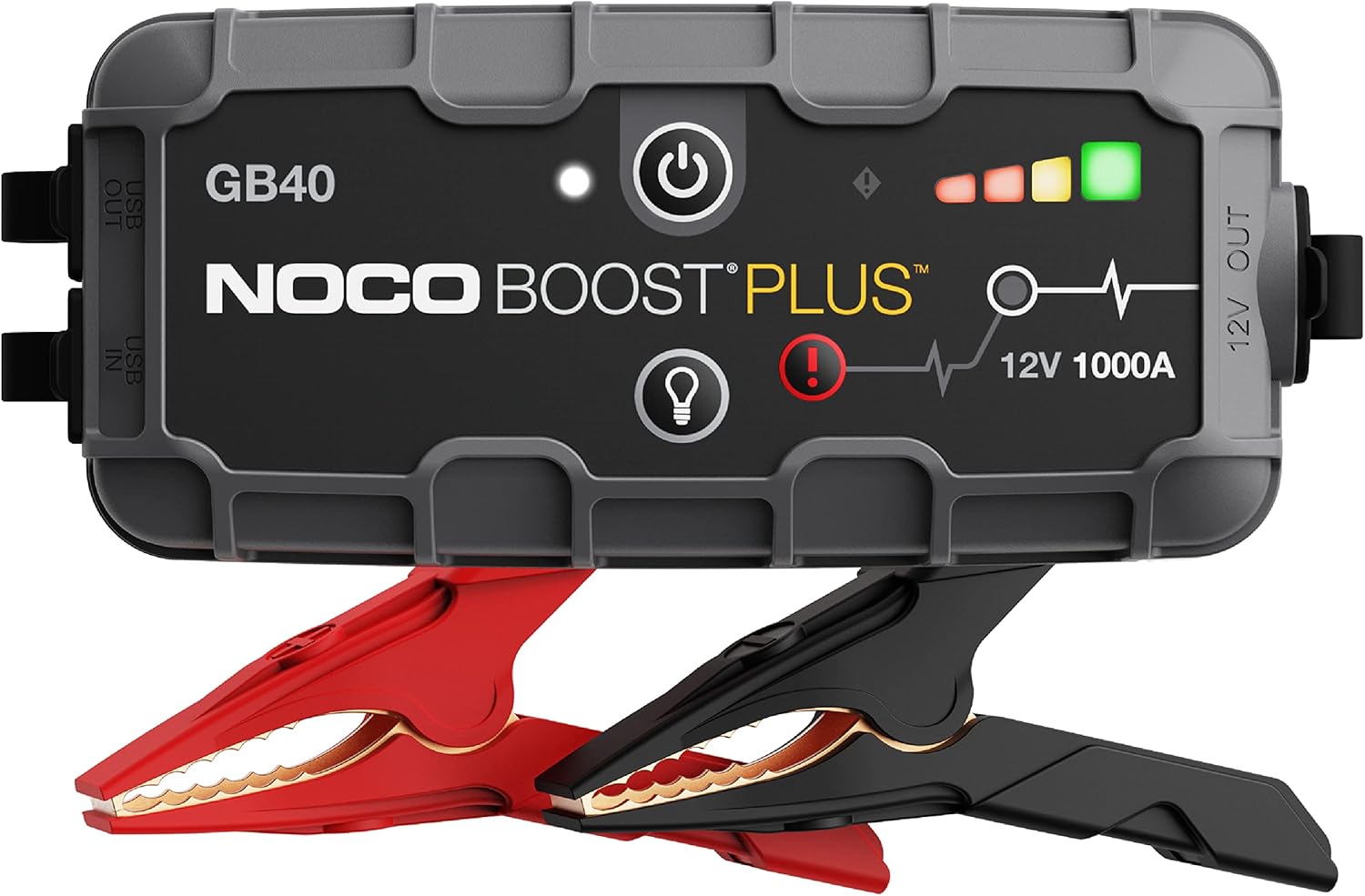
NOCO Boost Plus GB40 Jump Starter
A 1000A lithium jump starter that fits in your glovebox and works on any 12V battery. Your insurance against a dead 12V in a parking lot.
As an Amazon Associate, ThinkEV earns from qualifying purchases — at no extra cost to you.

Founder & Chief Editor
Vlad Pereira is the founder and chief editor of ThinkEV.ca, the Canadian electric-vehicle publication he writes and edits from Courtenay, British Columbia. He covers EV pricing, federal and provincial rebates, charging costs, and the Chinese manufacturers now entering Canada, from the buyer's side rather than the press-fleet side. ThinkEV is a venture of Vlad Pereira Online; his writing on health, income and the long game lives at vladpereira.com.
Frequently asked questions
How much is the federal EVAP rebate, and why does it matter at this price?
Does it matter which province you live in?
Which gas vehicles are these EVs now competing against?
Is a used EV a realistic alternative on a tighter budget?
More EV & road-trip finds
Affordable upgrades worth a look — tap any to check the price on Amazon.
 ★ 87
★ 87Car Window Sun Shades for Kids (4-Pack)
View on Amazon ★ 68
★ 68WeatherTech FloorLiner for Tesla Model 3
View on Amazon ★ 8,681
Chemical Guys Complete Car Wash Kit
View on Amazon ★ 537
★ 537USB Star Projector Roof Light
View on Amazon ★ 4,626
HoogaLife Hanging Car Diffuser (2-Pack)
View on Amazon ★ 979
★ 979Leather Headrest Purse Hook
View on Amazon ★ 1,944
VIOFO A229 Pro 4K Dash Cam
View on Amazon ★ 121
★ 121Foldable Windshield Sun Umbrella
View on AmazonRead, Plan, Then Stay Current
Explore our expert articles to understand incentives and ownership costs, use the map to pressure-test charging reality, then subscribe so new EV coverage comes straight to you.
Continue Reading

Import a Chinese EV Canada to US: Why It Fails
Every Chinese EV Brand Coming to Canada in 2026

Switching From Gas to an EV in Canada: The Guide

Nunavut EV Feasibility: Can Electric Cars Work in the Arctic?

Why Legacy Automakers Keep Losing to Chinese EV Brands