Key takeaways
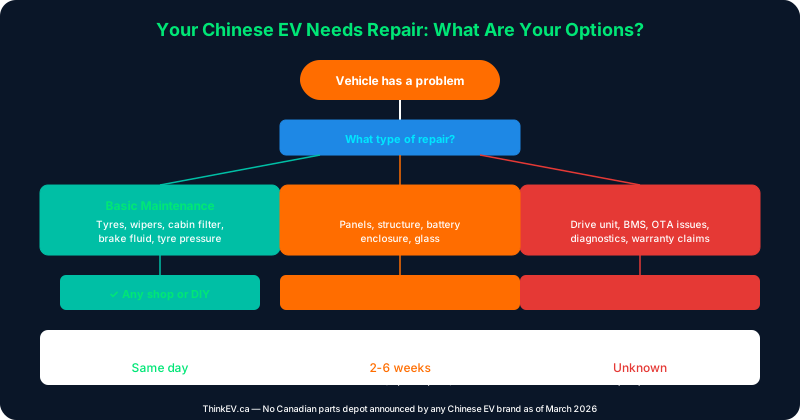
- No Chinese EV brand has announced a Canadian parts distribution centre as of 2026, parts ship from China or a European hub.
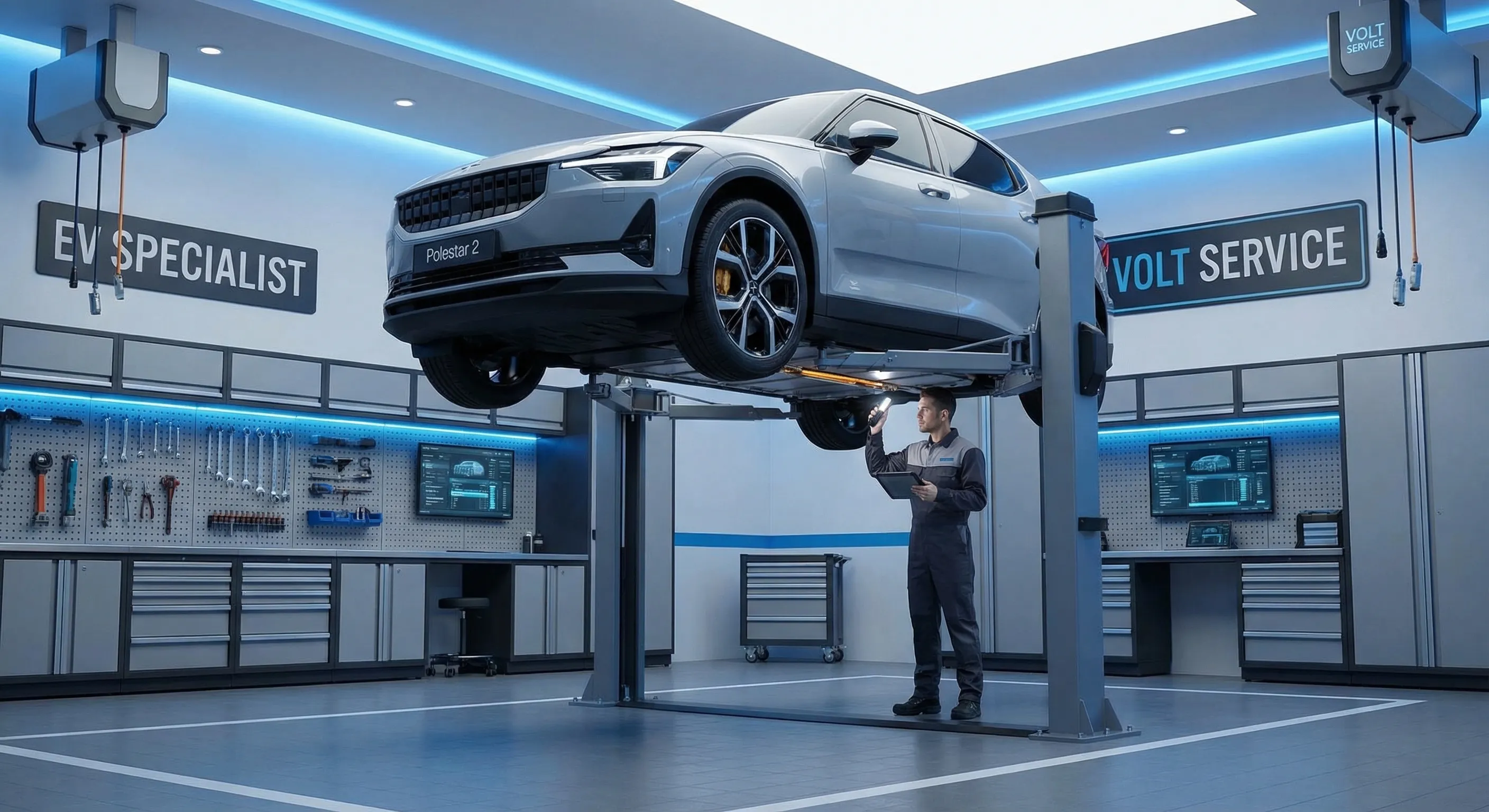
- Independent mechanics cannot pull fault codes on Chinese EV platforms; battery and software repairs require authorised dealers.
It's February in Calgary, minus twenty-two, and your new Chinese EV has a warning light you've never seen before. You call the nearest independent shop, the guy who's fixed your last three cars without complaint. He tells you he has no idea what that warning means and no way to pull the fault codes. You call the dealer, seventy kilometres away, and they say they can look at it next Thursday. You ask about the replacement part, just in case. They're not sure. Maybe two weeks. Maybe more.
That scenario is not hypothetical. It is the realistic service reality for Chinese EV owners in Canada in 2026. The vehicles are arriving. The support infrastructure is not.
Some of these cars genuinely compete at a level that established brands should be worried about. But the repair and service story deserves an honest, unfiltered look, and most of the coverage out there glosses right over it.
The Parts Problem Is Real
As of March 2026, not a single Chinese EV brand operating in Canada has announced a domestic parts distribution centre. When you need a replacement part for a BYD Atto 3 or a Chery OMODA, that part is coming from China or from a European hub, wherever the brand has established regional inventory.
What does that mean for wait times? For non-critical components, a mirror housing, a door handle, a trim piece, you might be looking at two to four weeks if the importer has an efficient freight arrangement. For structural or powertrain components, the timeline becomes even less predictable.
Compare that to Toyota or Ford, where a part ordered Monday morning might arrive at the shop by Wednesday afternoon from a regional warehouse in Mississauga or Surrey. That distribution infrastructure took decades to build. Chinese EV brands are starting from scratch.

The good news is that brands with larger Canadian dealer networks will develop better parts pipelines over time. BYD has committed to approximately twenty dealers in its first Canadian year. Brands without any dealer presence yet are in a significantly worse position.
Independent Mechanics Cannot Help You With the Hard Stuff
Most of what makes an EV an EV, the battery management system, the drive unit, the thermal management, the software stack, requires brand-specific diagnostic tools to service properly. Your local independent mechanic, even a very good one, simply does not have those tools for Chinese EV brands.
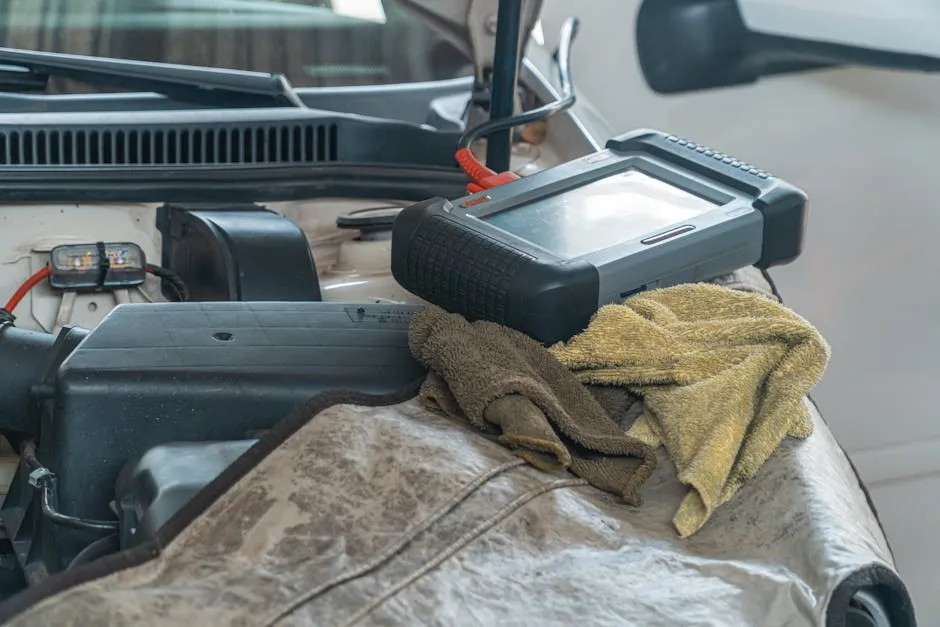
The diagnostic gap creates a real ownership constraint. Anything touching the battery, the power electronics, or the software has to go to an authorised dealer. That is not a minor inconvenience when the nearest dealer is a hundred and fifty kilometres away.
Independent repair shops have developed excellent capability for servicing legacy ICE vehicles and even some mainstream EVs where the repair community has had years to document systems. Chinese EV platforms are brand new in this market, the service manuals are not widely distributed, and the training programs for Canadian technicians are in early stages at best.
Gear worth having
As an Amazon Associate, ThinkEV earns a small commission from qualifying purchases — at no extra cost to you.

EV Charging Cable Organizer
A wall-mounted holster that turns a tangled garage cable into a clean setup. Five minutes to install, looks good forever.
As an Amazon Associate, ThinkEV earns from qualifying purchases — at no extra cost to you.
Collision Repair Is the Category That Worries Me Most
For collision repair, the parts supply chain question becomes even more pointed. You cannot put a vehicle back on the road with a mismatched or improvised structural component. Body panels, structural reinforcements, battery enclosure components, these need to be sourced from the manufacturer, and right now there is no well-worn path to get them here quickly.
Major collision centre networks, CARSTAR, Fix Auto, have not yet developed certified programs for most Chinese EV brands. Your insurance adjuster will be working with incomplete data on parts costs and availability. That uncertainty is already showing up in insurance premium calculations.
Some provinces handle this better than others in terms of consumer protection. Ontario and Quebec have the strongest lemon law equivalents and CAMVAP infrastructure for disputes. Transport Canada's recall authority applies to all vehicles sold here regardless of origin.
What You Actually CAN Do Yourself
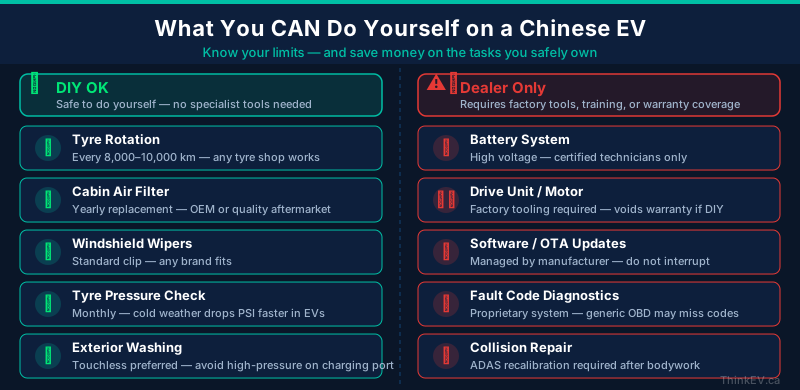
EVs have dramatically simpler maintenance requirements than combustion vehicles, and a meaningful portion of that maintenance is genuinely owner-accessible regardless of brand.
Gear worth having
As an Amazon Associate, ThinkEV earns a small commission from qualifying purchases — at no extra cost to you.

AstroAI Portable Tire Inflator
One tap, it inflates to your exact PSI then stops automatically. Low tires cost 5 to 10 percent of your range, so this pays for itself in a week.
As an Amazon Associate, ThinkEV earns from qualifying purchases — at no extra cost to you.
Tire rotation is straightforward, you don't need brand-specific knowledge, just the right torque specs. Cabin air filter replacement takes ten minutes and requires no tools. Wiper blades are wiper blades. Brake fluid service intervals on EVs are longer because regenerative braking reduces hydraulic system wear.
Keeping your tyres properly inflated is especially important on heavy EVs. A quality portable inflator pays for itself fast.
Carrying a solid roadside kit matters more when you own a vehicle with a thinner dealer and tow network than established brands. If you break down and the nearest dealer is far away, having quality emergency gear buys you time.
Gear worth having
As an Amazon Associate, ThinkEV earns a small commission from qualifying purchases — at no extra cost to you.

Roadside Emergency Safety Kit
Jumper cables, a portable air compressor, tow strap, first aid, and more for when something goes wrong between chargers. Canadian winters do not forgive the unprepared.
As an Amazon Associate, ThinkEV earns from qualifying purchases — at no extra cost to you.
What Norway's Experience Shows
Norway moved aggressively on Chinese EV imports well ahead of most Western countries. The Norwegian experience has been instructive, and not entirely flattering to Chinese brands.
Norwegian owners have reported concerns in three categories: parts availability delays, customer service gaps during initial market entry, and data security concerns around connected vehicle systems. On parts, Norwegian owners of some brands waited weeks for components that should have arrived in days. Customer service was inconsistent during the early period because support infrastructure was being built alongside sales.
Norway's experience also showed that service problems improve over time as brands invest in local infrastructure. The lesson is not "avoid Chinese EVs", it is "buy from a brand that is genuinely committed to building Canadian service infrastructure, not just selling units."
Smart Ownership Strategies
First, prioritise dealer proximity over brand loyalty. If BYD has a dealer thirty kilometres from your house and another brand you like has no Canadian presence yet, that geographic difference matters enormously. This connects directly to our Chinese EV Warranty Guide.
Second, ask hard questions before signing. Where are parts sourced? Typical wait time for non-stocked components? Is there a loaner programme for extended repairs? A dealer who says "I don't know yet, we're figuring it out" is being honest; a dealer who promises instant availability with no evidence is not.
Third, build a realistic service budget. See our EV Maintenance Costs Canada post for a realistic baseline.
Fourth, monitor the market. Parts pipelines that don't exist today could be operational within twelve months. The brands that demonstrate genuine commitment to Canadian service infrastructure will become visible through their actions, not their press releases. Check the Chinese EV Brands Guide to understand which brands have meaningful Canadian commitments.
Over-the-Air Updates: A Critical Dependency
Modern Chinese EVs depend heavily on OTA software updates for everything from navigation to battery management to safety calibration. But OTA updates require server infrastructure in the region you're operating in. Whether Chinese EV brands are investing in Canadian server infrastructure for reliable OTA delivery is not clearly documented for every brand.
Ask your dealer directly about OTA update infrastructure for Canadian vehicles. A vehicle that receives inconsistent or delayed updates misses improvements that affect performance and safety.
Gear worth having
As an Amazon Associate, ThinkEV earns a small commission from qualifying purchases — at no extra cost to you.

Grizzl-E Classic Level 2 EV Charger (40A)
Canadian-made and rated for minus 40C winters. 40A / 9.6 kW, NEMA 14-50, indoor/outdoor, 24-ft cable. The charger built for Canadian weather.
As an Amazon Associate, ThinkEV earns from qualifying purchases — at no extra cost to you.
Related Reading
- Chinese EV Warranty Guide, Warranty terms and what they actually cover
- EV Maintenance Costs in Canada, Realistic maintenance budgets for EV owners
- Chinese EV Brands Coming to Canada, Which brands have meaningful Canadian commitments
Gear worth having
As an Amazon Associate, ThinkEV earns a small commission from qualifying purchases — at no extra cost to you.
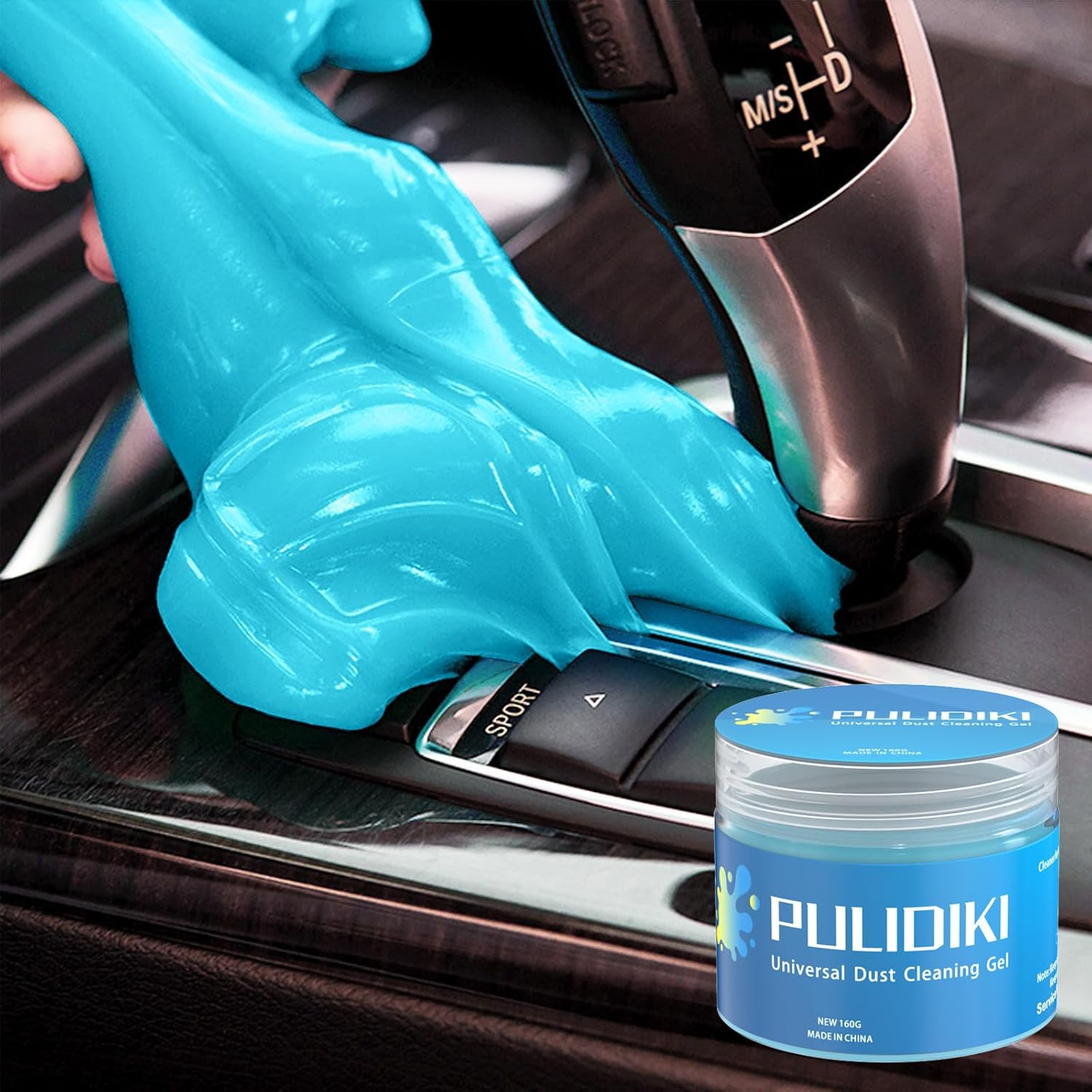
PULIDIKI Car Cleaning Gel (Detailing Putty)
Press it into vents, buttons, and seams and it lifts out dust you did not know was there. Weirdly satisfying, genuinely useful.
As an Amazon Associate, ThinkEV earns from qualifying purchases — at no extra cost to you.

Founder & Chief Editor
Vlad Pereira is the founder and chief editor of ThinkEV.ca, the Canadian electric-vehicle publication he writes and edits from Courtenay, British Columbia. He covers EV pricing, federal and provincial rebates, charging costs, and the Chinese manufacturers now entering Canada, from the buyer's side rather than the press-fleet side. ThinkEV is a venture of Vlad Pereira Online; his writing on health, income and the long game lives at vladpereira.com.
Frequently asked questions
Can I take my Chinese EV to any mechanic in Canada?
How long will parts take to arrive for a Chinese EV in Canada?
What happens if I have a collision in my Chinese EV?
Will over-the-air updates work on my Chinese EV in Canada?
What maintenance can I handle myself on a Chinese EV?
More EV & road-trip finds
Affordable upgrades worth a look — tap any to check the price on Amazon.
 ★ 17,839
Qifutan Vent Phone Mount (Military-Grade Clip)
View on Amazon ★ 9,349
Auto Detailing Brush Set (10-Piece)
View on Amazon ★ 164
★ 164Solar-Powered LED Ambient Light
View on Amazon ★ 401
★ 401Crochet Daisy Rear-View Mirror Charm
View on Amazon ★ 865
★ 865Collapsible Trunk Organizer
View on Amazon ★ 721
★ 72145W USB-C Fast Car Charger
View on Amazon ★ 61
★ 61Toddler Car Seat Snack and Cup Tray
View on Amazon ★ 68
★ 68WeatherTech FloorLiner for Tesla Model 3
View on AmazonRead, Plan, Then Stay Current
Explore our expert articles to understand incentives and ownership costs, use the map to pressure-test charging reality, then subscribe so new EV coverage comes straight to you.
Continue Reading
Import a Chinese EV Canada to US: Why It Fails
EV Market Under $50K in Canada: Why This Price Band Matters
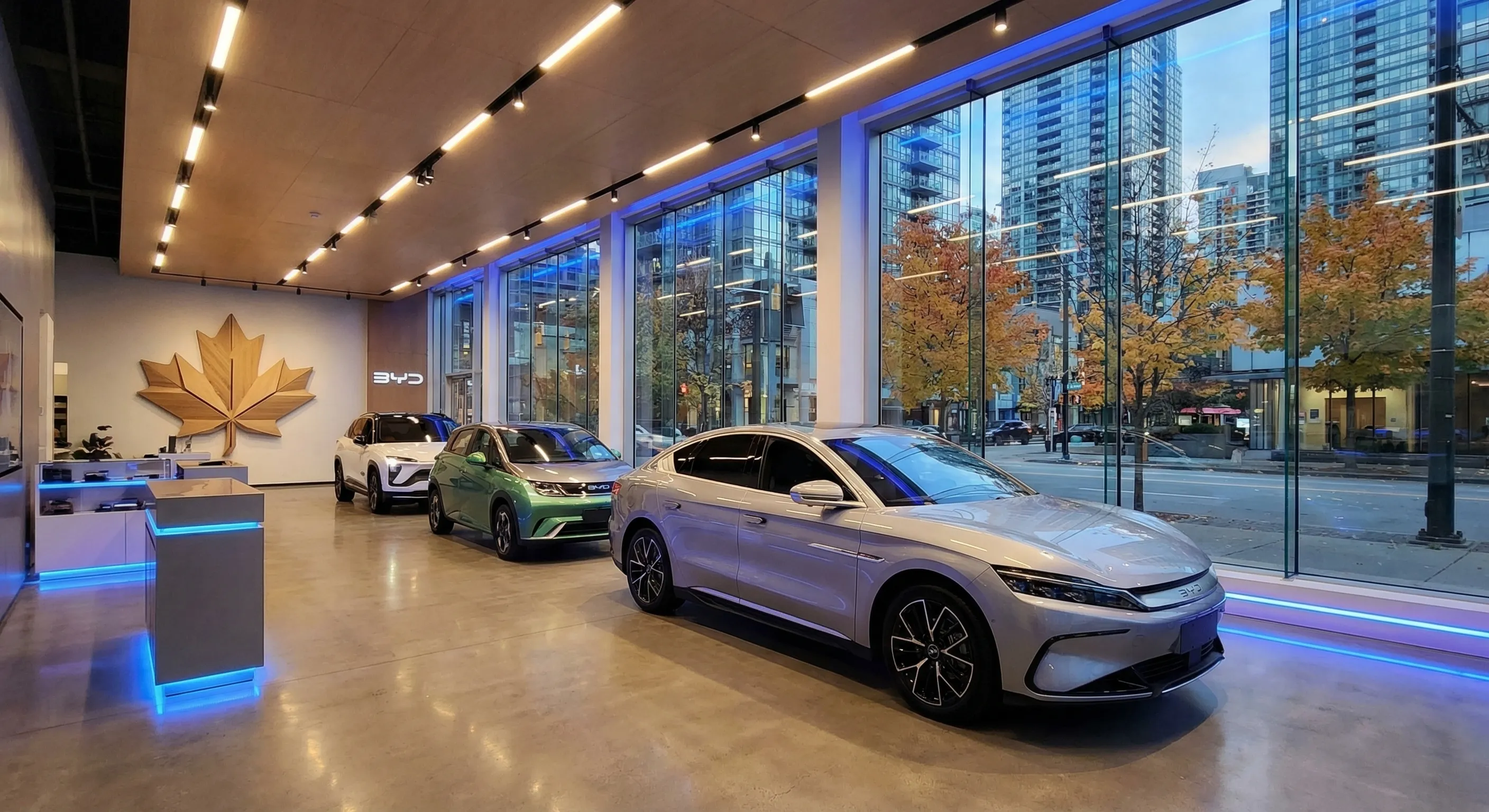
Every Chinese EV Brand Coming to Canada in 2026

Switching From Gas to an EV in Canada: The Guide
Nunavut EV Feasibility: Can Electric Cars Work in the Arctic?