Key takeaways
- If Chery can land Omoda in Canada at a price point under $45,000 fully loaded, it will have a real argument for a significant share of the compact crossover buyer.
- Chery filed Canadian trademarks for six distinct brands, Omoda, Jaecoo, iCar, Exeed, Lepas, and Luxeed, and is the largest Chinese automaker by export volume, operating in over 80 countries.
- If Jaecoo can land a similarly equipped vehicle at $32,000-$35,000, it's a conversation that dealerships and buyers will have seriously.
- The Omoda 5 E earned a 5-star Euro NCAP rating and offers 300–400 km of range depending on configuration in European and Australian markets.
- Chinese-built EVs are excluded from Canada's $5,000 federal EVAP rebate, an effective price disadvantage against rebate-eligible rivals, though the 49,000-unit quota now lets them enter at a 6.1% tariff rather than the old 100%.
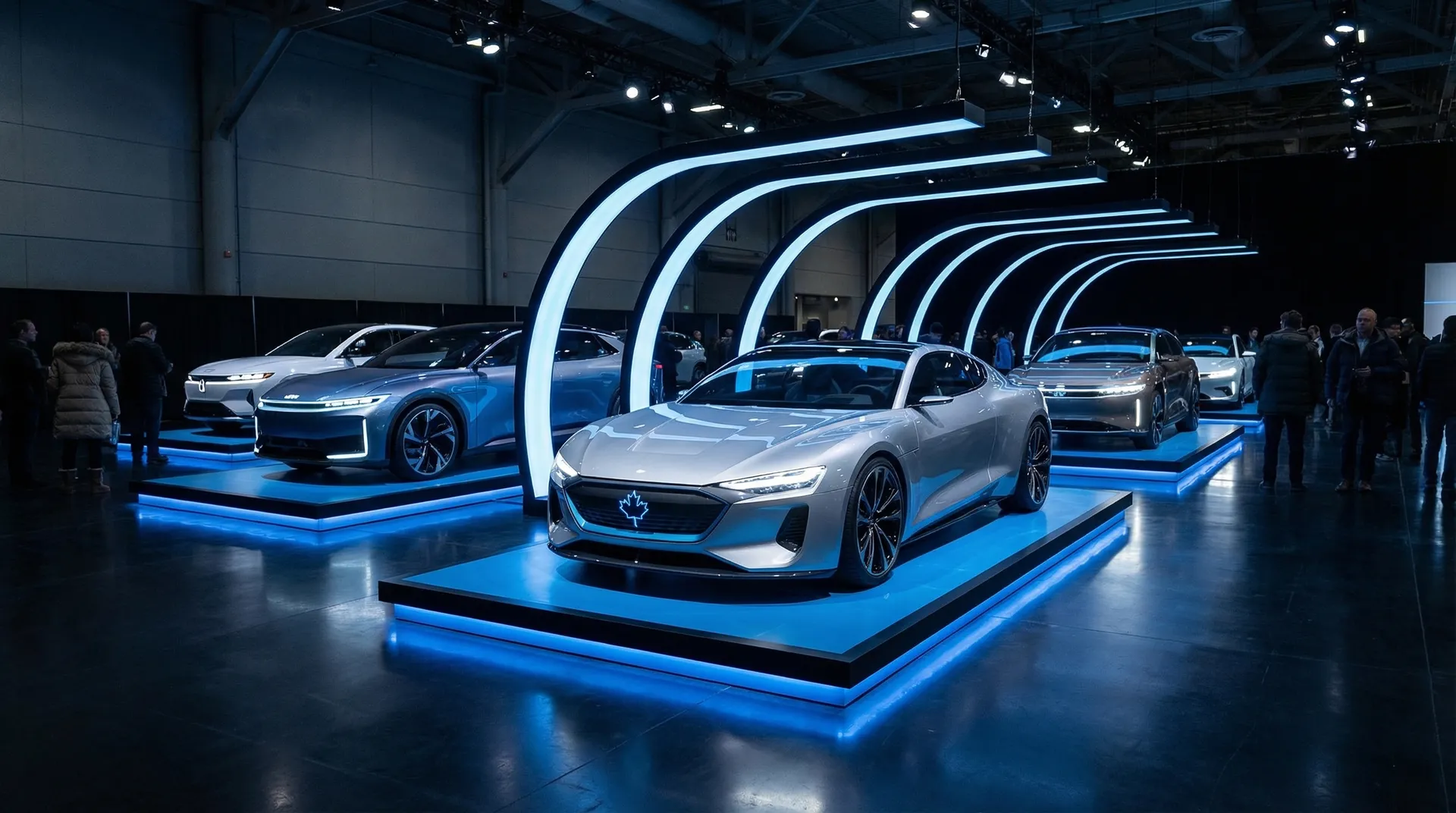
Most Canadians have never heard of Chery. That's about to change. The company has spent the last two years quietly filing trademarks across Canada, Omoda, Jaecoo, iCar, Exeed, Lepas, Luxeed, and recruiting personnel on Canadian job boards. This isn't exploratory. This is a company running the pre-launch playbook with real precision. The question isn't whether Chery will enter Canada. The question is how fast, at what price, and whether Canadian buyers will actually bite given the political and tariff headwinds waiting for them.
Consider this: Chery is not some startup or regional Chinese brand. It's the largest Chinese automaker by export volume. It operates in over 80 countries. It's been exporting vehicles longer than most Western buyers realise, and it's built a reputation, particularly in South America, the Middle East, and Australia, that goes well beyond low-cost novelty. When a company this size runs a trademark sweep across an entire country and starts hiring locally, it's worth paying serious attention.
What Is Chery, Exactly?
Chery Automobile was founded in 1997 in Wuhu, Anhui Province. State-owned from the start, it grew through an aggressive export strategy at a time when Chinese automakers were largely ignored by Western markets. While BYD became the headline story for EVs and SAIC grabbed attention through its GM and VW joint ventures, Chery was quietly becoming the export king, moving more vehicles across borders than any other Chinese manufacturer.
The brand's domestic reputation is solid rather than spectacular. Inside China, it competes across multiple price points with a portfolio that spans budget hatchbacks to premium SUVs. The smarter move Chery made was launching distinct sub-brands for different market segments, rather than trying to make one badge carry everything. That's the structure now arriving at Canada's doorstep. Understanding those brands separately is essential, because they're targeting very different buyers.
The Six Brands Chery Filed for in Canada
Chery didn't file one trademark in Canada. It filed six. Each one represents a different product line, a different buyer, and a different competitive battleground.
Omoda is the mainstream crossover brand. Think Hyundai Tucson territory, Kia Sportage territory. Omoda vehicles are designed for buyers who want a modern, well-equipped SUV at a price that undercuts the established players. This is the brand most likely to go head-to-head with the Korean brands that currently dominate the value-segment crossover market in Canada.
Jaecoo (pronounced Jay-coo) is the off-road-flavoured SUV brand. The styling is deliberately rugged, body cladding, raised suspension, two-tone finishes, and it's going after the same buyers considering a Ford Bronco Sport or Jeep Compass. Jaecoo is the more visually distinctive brand, and I keep coming back to it when I think about which brand could generate real showroom buzz.
iCar is the dedicated EV brand, built in partnership with Huawei. This is where things get genuinely interesting for EV buyers, and I'll go deeper on the Huawei connection below.
Exeed is Chery's premium brand, the answer to Genesis and Lexus. It carries higher price points and a more restrained, luxury-adjacent design language. Exeed is unlikely to be the entry point for Canada, but if Chery establishes itself here, a premium line-extension is a logical follow-up.
Luxeed is a co-branded EV line developed with Huawei. It targets the upper-mid to premium EV segment and leans heavily on Huawei's driver assistance and in-car technology stack. Think of it as iCar's upmarket sibling.
Lepas is the least defined of the six publicly. It's been filed but hasn't had a significant product reveal tied to it yet. It's likely a placeholder for a future segment Chery wants to protect.
Filing all six in Canada at once is a statement of intent. It's not hedging. It's preparing the entire portfolio for a market that Chery clearly views as a long-term target.
Omoda: The Mainstream Play
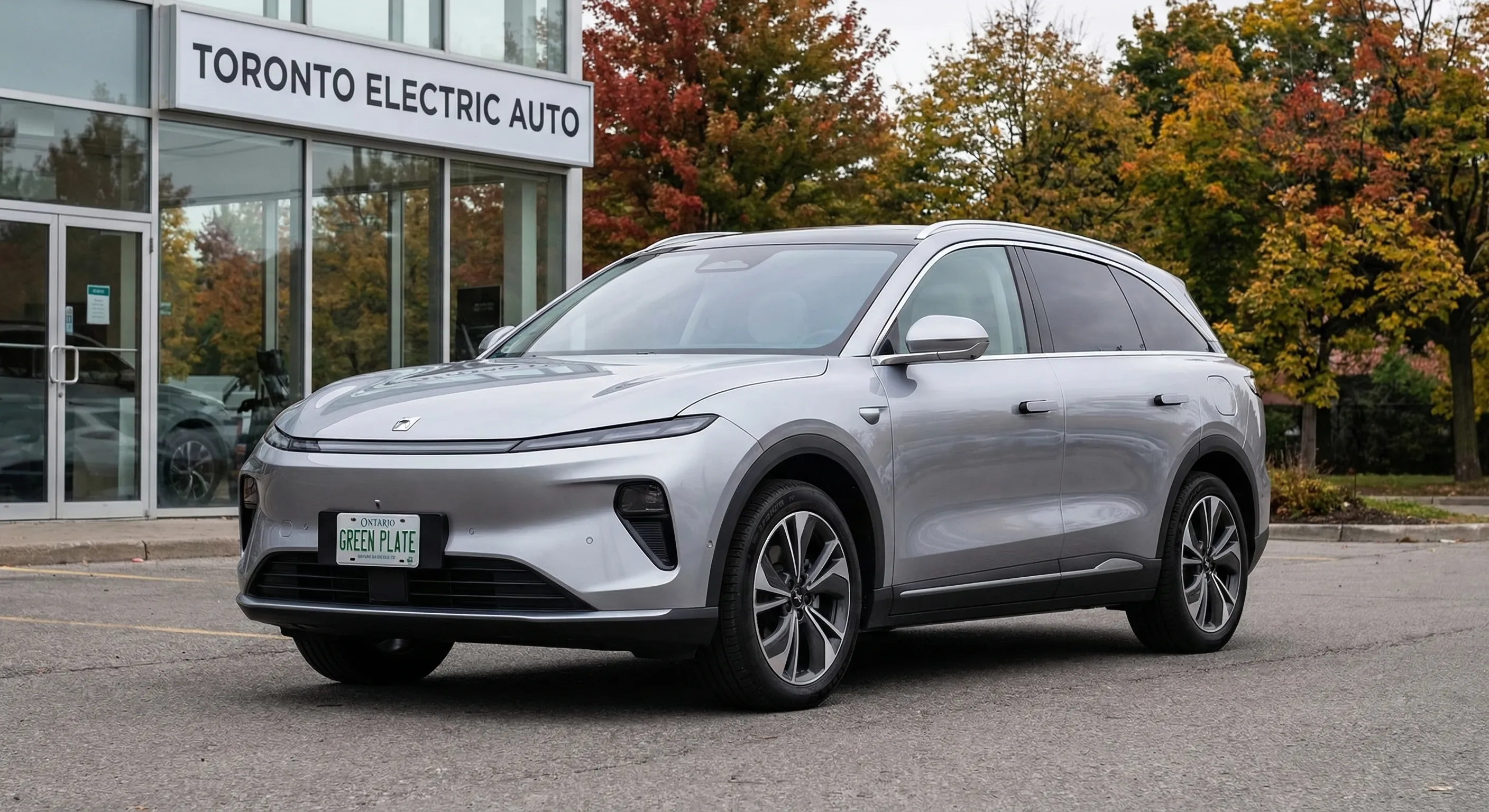
The Omoda 5 is the flagship model in the lineup, and it's the vehicle most Canadians would actually buy. It's a compact crossover with sharp styling, genuinely sharp, not the rounded blandness that plagued earlier Chinese exports, and it comes in both hybrid and fully electric versions depending on the market. The Omoda 5 E (the electric variant) has been launched in several European and Australian markets with a usable range figure in the 300-400 km neighbourhood depending on configuration.
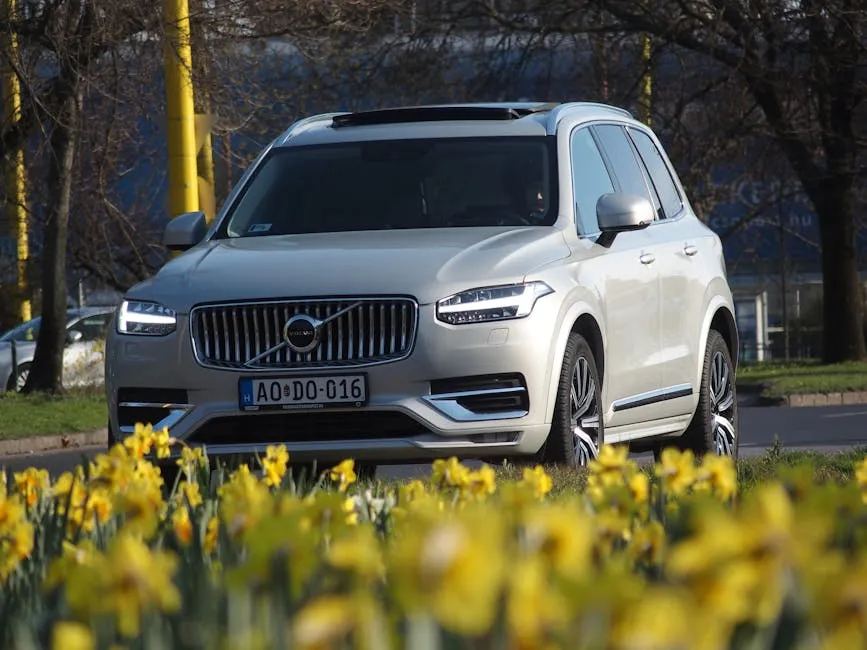
Consider this: about Omoda's positioning: it's not trying to be the cheapest option. It's trying to be the best-value option, a distinction that matters. The interiors are well-finished. The technology integration is modern. The feature-per-dollar ratio in markets where it's already launched is genuinely competitive with what Hyundai and Kia are offering at similar price points. If Chery can land Omoda in Canada at a price point under $45,000 fully loaded, it will have a real argument for a significant share of the compact crossover buyer.
The competitive threat to the Koreans is real, and the Korean brands should be watching this closely. Hyundai and Kia have built their Canadian success on precisely the value proposition Omoda is targeting. If Chery executes the way it has in Australia, where Omoda achieved meaningful sales within its first year, the established players will feel it.
Gear worth having
As an Amazon Associate, ThinkEV earns a small commission from qualifying purchases — at no extra cost to you.

Grizzl-E Classic Level 2 EV Charger (40A)
Canadian-made and rated for minus 40C winters. 40A / 9.6 kW, NEMA 14-50, indoor/outdoor, 24-ft cable. The charger built for Canadian weather.
As an Amazon Associate, ThinkEV earns from qualifying purchases — at no extra cost to you.
Jaecoo: The Off-Road Brand That Might Surprise You
Jaecoo is the brand I find most strategically clever, and I think it's underappreciated in discussions about Chinese EV entry into North America. The off-road aesthetic market in Canada is enormous. Buyers want the look of capability even if they rarely leave pavement, and Jaecoo is designed entirely around delivering that look at an accessible price.
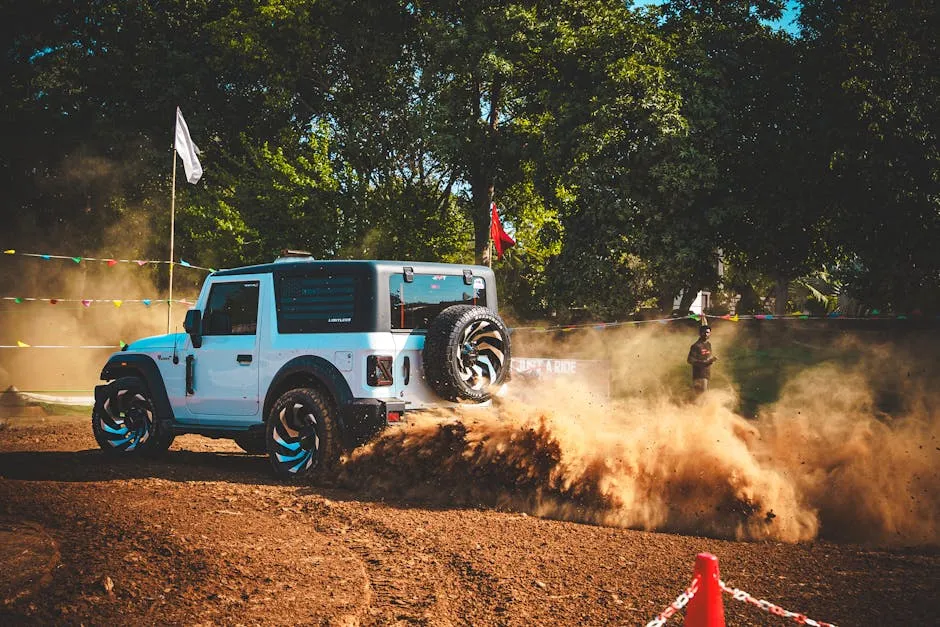
The Jaecoo 7 is the primary model. It's a mid-size SUV with genuine off-road styling cues, offered initially with a turbocharged petrol engine in most markets, with hybrid variants following. It's not a dedicated EV like iCar, but Chery has made clear that electrification is coming across the Jaecoo lineup. In markets where it's already available, the Jaecoo 7 has been benchmarked directly against the Ford Bronco Sport and the Jeep Compass, and it comes up competitive on features and price while undercutting on sticker.
Gear worth having
As an Amazon Associate, ThinkEV earns a small commission from qualifying purchases — at no extra cost to you.

AstroAI Portable Tire Inflator
One tap, it inflates to your exact PSI then stops automatically. Low tires cost 5 to 10 percent of your range, so this pays for itself in a week.
As an Amazon Associate, ThinkEV earns from qualifying purchases — at no extra cost to you.
For Canadian buyers who want something that looks like it can handle a logging road in the Okanagan, Jaecoo has real appeal. The Bronco Sport starts above $38,000 in Canada. If Jaecoo can land a similarly equipped vehicle at $32,000-$35,000, it's a conversation that dealerships and buyers will have seriously.
The risk for Jaecoo in Canada is brand recognition, or the current lack of it. Off-road and adventure buyers tend to be brand-loyal. Convincing a Jeep buyer to switch to a Chinese brand they've never heard of requires either a dramatic price gap or a compelling ownership experience. Jaecoo has the price gap potential. The ownership experience depends entirely on how Chery builds its Canadian dealer and service network, which is the biggest unknown in this whole story.
Gear worth having
As an Amazon Associate, ThinkEV earns a small commission from qualifying purchases — at no extra cost to you.
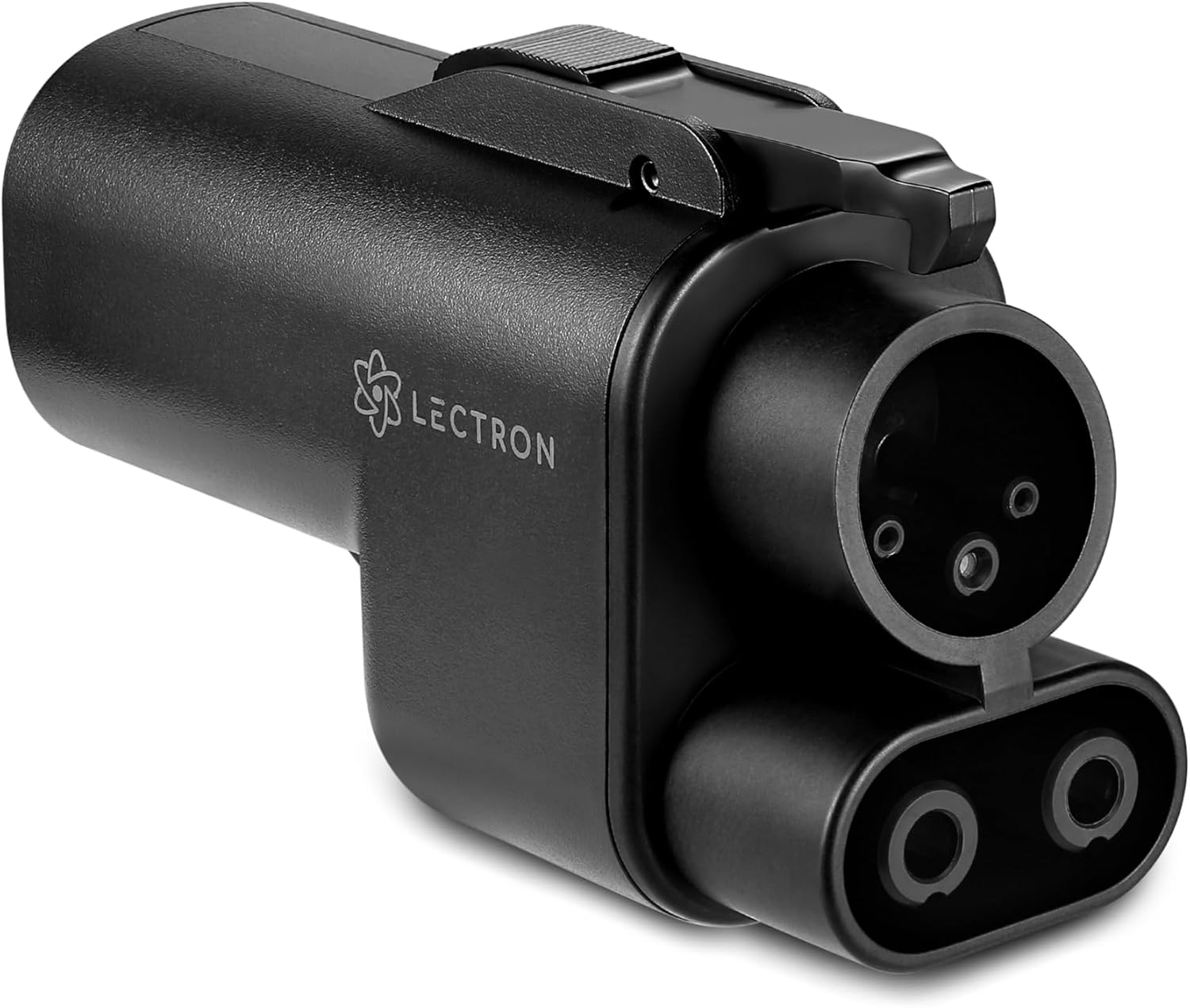
Lectron NACS to CCS Fast-Charge Adapter
Unlock every CCS fast charger for your Tesla, up to 500A DC. Never get stranded at a non-Tesla DC station again.
As an Amazon Associate, ThinkEV earns from qualifying purchases — at no extra cost to you.
The Huawei Factor
The Huawei partnership is the most politically complex element of Chery's Canadian plans, and I'd rather be honest about that complexity than brush past it. iCar and Luxeed both run Huawei's HarmonyOS and use Huawei's ADS (Advanced Driving System) for driver assistance features. Huawei is not a manufacturer, it's the technology partner providing the brains of the operation.
Huawei's technology is genuinely impressive. In Chinese market testing and in independent assessments from automotive journalists in markets where these vehicles have launched, the ADS system performs well. The in-cabin technology is tightly integrated in a way that makes Tesla's infotainment look dated by comparison. This is not faint praise.
The complication is obvious: Huawei is subject to significant restrictions in Canada and its allies over national security concerns related to telecommunications infrastructure. Those concerns have not formally extended to automotive software, but the political sensitivity is real. Whether Canadian regulators, or Canadian buyers, will be comfortable with Huawei-powered vehicles is an open question that nobody can answer cleanly right now. This is a genuine uncertainty, not manufactured worry.
My read is that iCar and Luxeed face a harder path into Canada specifically because of this, not because the technology is inferior, but because the political headwinds around Huawei are a liability that Omoda and Jaecoo don't carry. If Chery is strategic about sequencing its Canadian entry, it starts with Omoda and Jaecoo, establishes a service footprint, builds buyer trust, and introduces iCar and Luxeed after the brand is established. That's what I'd do. Whether Chery agrees remains to be seen.
Timeline and Pricing Expectations
No confirmed entry date exists. Chery has not announced a Canadian launch date, a dealer partner, or a specific product lineup for the Canadian market. What exists is a trademark portfolio, active recruitment, and exploratory conversations with local dealer groups about potential partnerships. That's a real signal, but it's not a launch announcement.
Realistically, based on how other Chinese brands have approached new markets after a trademark-and-recruit phase, a 2027 soft launch is more plausible than 2026. Canada is a smaller market than Australia or the UK, and it carries particular complications around tariffs and trade politics that make a rushed entry risky. Getting the dealer network right matters more than arriving fast.
On pricing: the 49,000-unit annual quota for Chinese EVs at the 6.1% tariff rate is the critical number for Chery's economics. Even at 6.1%, Chery would need to price competitively against established brands while covering Canadian compliance costs, dealer margins, warranty infrastructure, and freight. The price points I'd expect: Omoda starting around $35,000-$42,000 CAD, Jaecoo starting around $34,000-$40,000, iCar likely $45,000+ given the Huawei technology premium. These are estimates, not confirmed figures.
The rebate situation is a real disadvantage. Chinese EVs are currently excluded from Canada's $5,000 federal EV incentive (EVAP). Until that changes, Chery EVs will need to compete against locally-assembled rivals that arrive with an effective $5,000 price advantage already built in. Buyers considering a Chinese EV should read our full guide to EV incentives in Canada before making comparisons.
On warranty: in international markets, Chery has offered 5-7 year vehicle warranties and 8-10 year battery warranties. Those numbers are competitive with the best in the industry. If Chery brings that warranty structure to Canada with a credible service network behind it, it addresses one of the biggest objections buyers have to unfamiliar brands.
How Chery Compares to Other Chinese Brands Entering Canada
Chery is not alone in targeting Canada, it's part of a broader wave of Chinese automaker expansion that includes BYD, SAIC, and others. What distinguishes Chery is the multi-brand structure and the sheer scale of its export experience. This isn't a company learning how to export. It's a company that has been refining that skill for nearly two decades.
For Canadian buyers curious about the broader picture, our Chinese EV brands guide covers the competitive field in full. And if budget is the primary driver, Chinese EVs under $35,000 coming to Canada is worth reading alongside this one.
The assessment: Chery has a stronger case for Canadian success than several of the names generating more buzz right now. The product portfolio is diverse. The brand architecture is thoughtful. The export experience is unmatched among Chinese manufacturers. The obstacles are real, tariffs, rebate exclusion, the Huawei complication, service network, but none of them are insurmountable with time and execution.
Gear worth having
As an Amazon Associate, ThinkEV earns a small commission from qualifying purchases — at no extra cost to you.

Tesla Key Card Holder with AirTag Slot
Stop fishing the keycard out of your wallet, and slot an AirTag in case the car wanders off in a lot.
As an Amazon Associate, ThinkEV earns from qualifying purchases — at no extra cost to you.
Related Reading
- Chinese EV Brands Coming to Canada: Complete Guide 2026, The full competitive field
- Chinese EVs Under $35,000 Coming to Canada, The affordable end of the market
- EV Incentives Canada 2026, Federal and provincial rebates explained
Gear worth having
As an Amazon Associate, ThinkEV earns a small commission from qualifying purchases — at no extra cost to you.
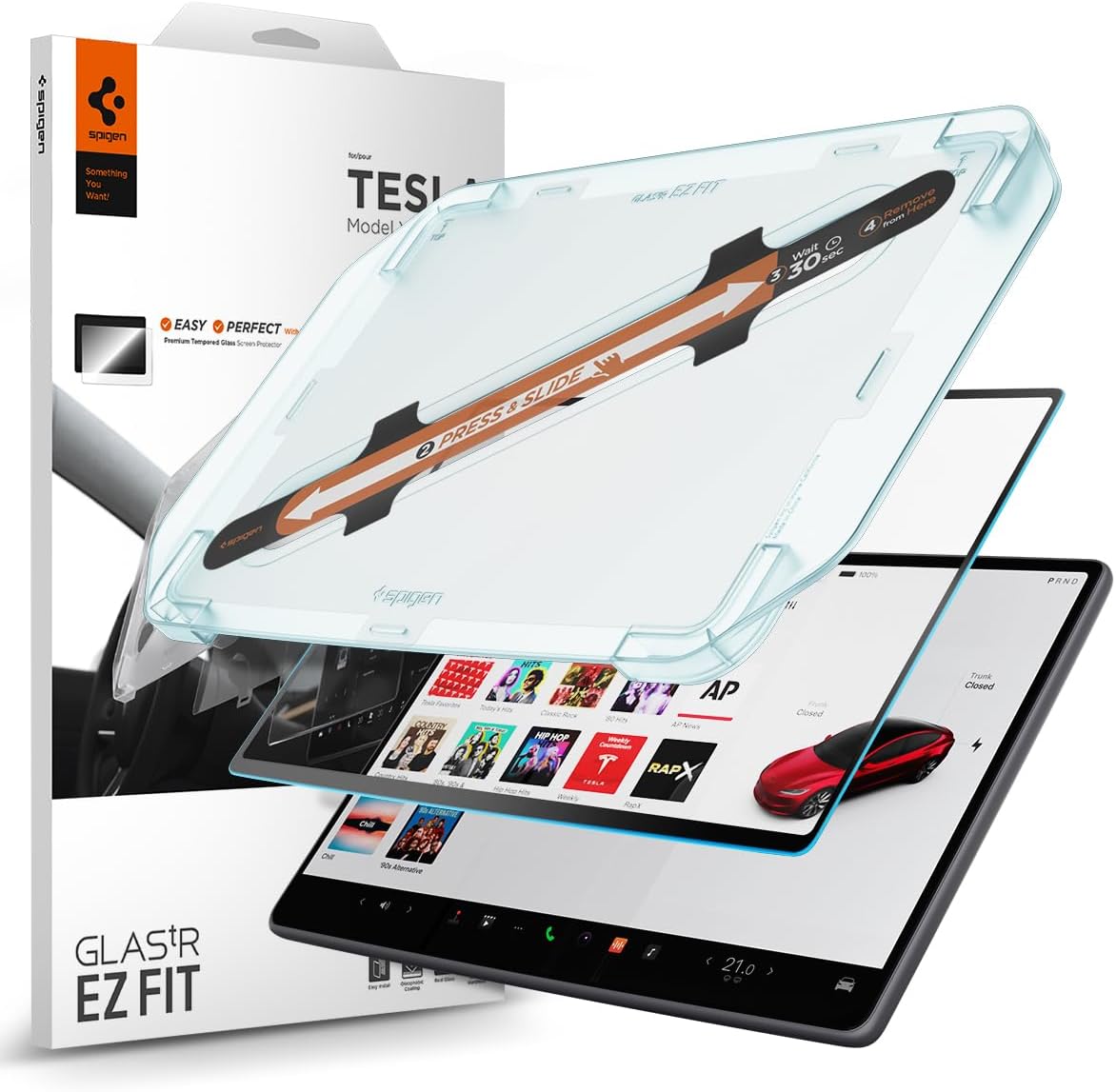
Spigen Tempered Glass for Tesla Model 3/Y
Tempered-glass protection for the touchscreen that kills fingerprints and scratches. Two minutes to install, lasts the life of the car.
As an Amazon Associate, ThinkEV earns from qualifying purchases — at no extra cost to you.

Founder & Chief Editor
Vlad Pereira is the founder and chief editor of ThinkEV.ca, the Canadian electric-vehicle publication he writes and edits from Courtenay, British Columbia. He covers EV pricing, federal and provincial rebates, charging costs, and the Chinese manufacturers now entering Canada, from the buyer's side rather than the press-fleet side. ThinkEV is a venture of Vlad Pereira Online; his writing on health, income and the long game lives at vladpereira.com.
Frequently asked questions
When will Chery vehicles arrive in Canada?
Which Chery brand is most likely to launch in Canada first?
Are Chery EVs safe?
Will Chery EVs qualify for Canadian rebates?
What is Chery's relationship with Huawei?
More EV & road-trip finds
Affordable upgrades worth a look — tap any to check the price on Amazon.
 ★ 1,340
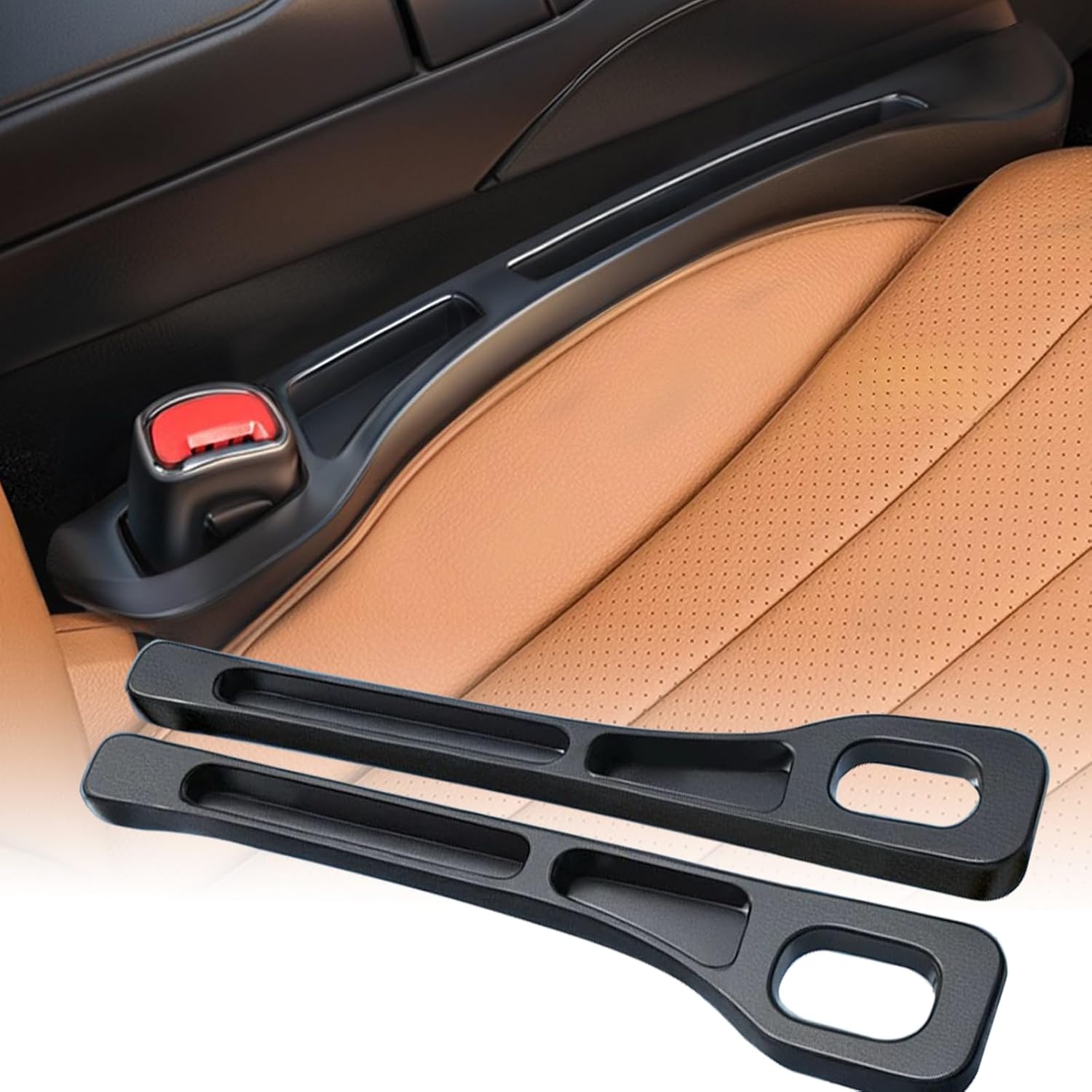
Car Seat Gap Filler (Universal)
View on Amazon ★ 1,944
VIOFO A229 Pro 4K Dash Cam
View on Amazon ★ 87
★ 87Car Window Sun Shades for Kids (4-Pack)
View on Amazon ★ 68
★ 68WeatherTech FloorLiner for Tesla Model 3
View on Amazon ★ 9,349
Auto Detailing Brush Set (10-Piece)
View on Amazon ★ 55
★ 55LED Car Door Logo Projector Light
View on Amazon ★ 4,626
HoogaLife Hanging Car Diffuser (2-Pack)
View on Amazon ★ 4,424
Sun Visor Card and Document Organizer
View on AmazonRead, Plan, Then Stay Current
Explore our expert articles to understand incentives and ownership costs, use the map to pressure-test charging reality, then subscribe so new EV coverage comes straight to you.
Continue Reading
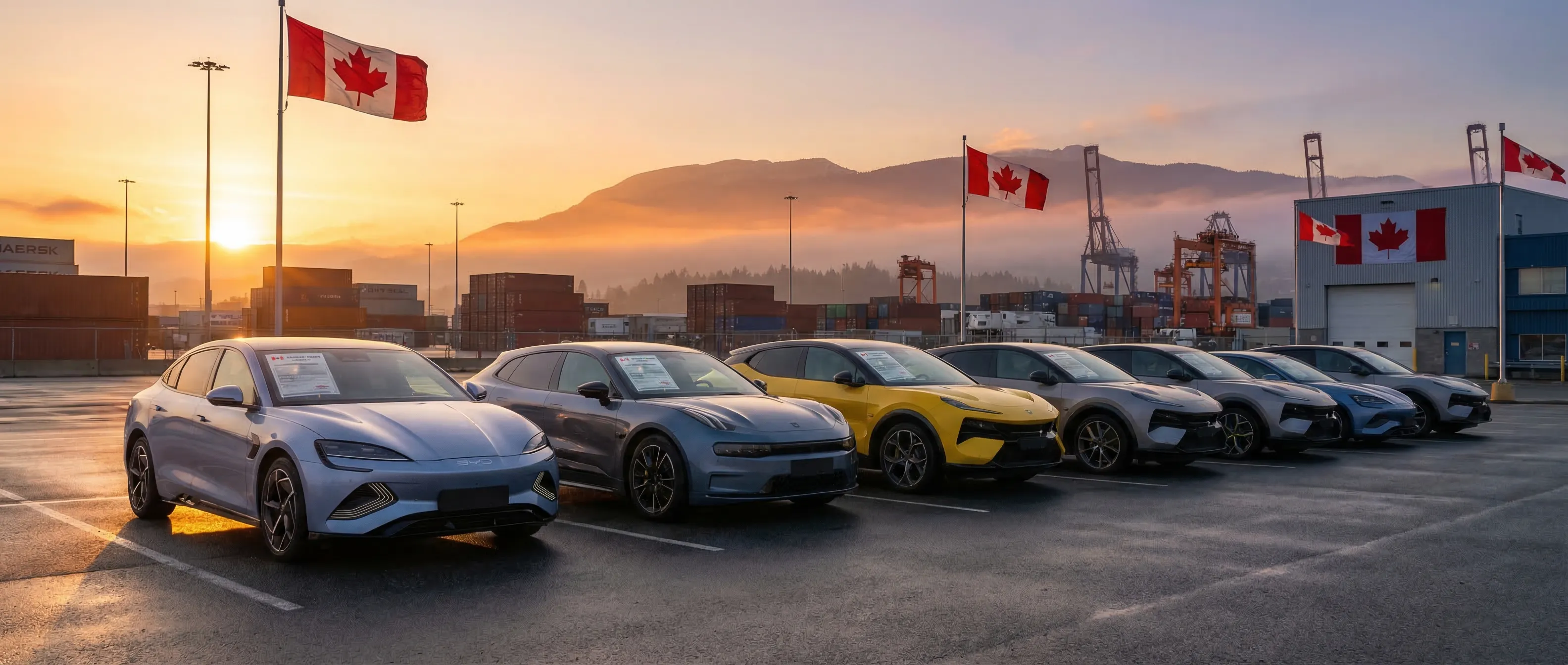
Who Got Canada's First Chinese EV Import Permits
Uber and Lyft EV Switch Canada 2026: The Savings

Canada's EV Market Crash of 2025, and What's Next
New EV Brands Coming to Canada: BYD, Chery, Xpeng

When Will New EVs Arrive in Canada? The Timeline