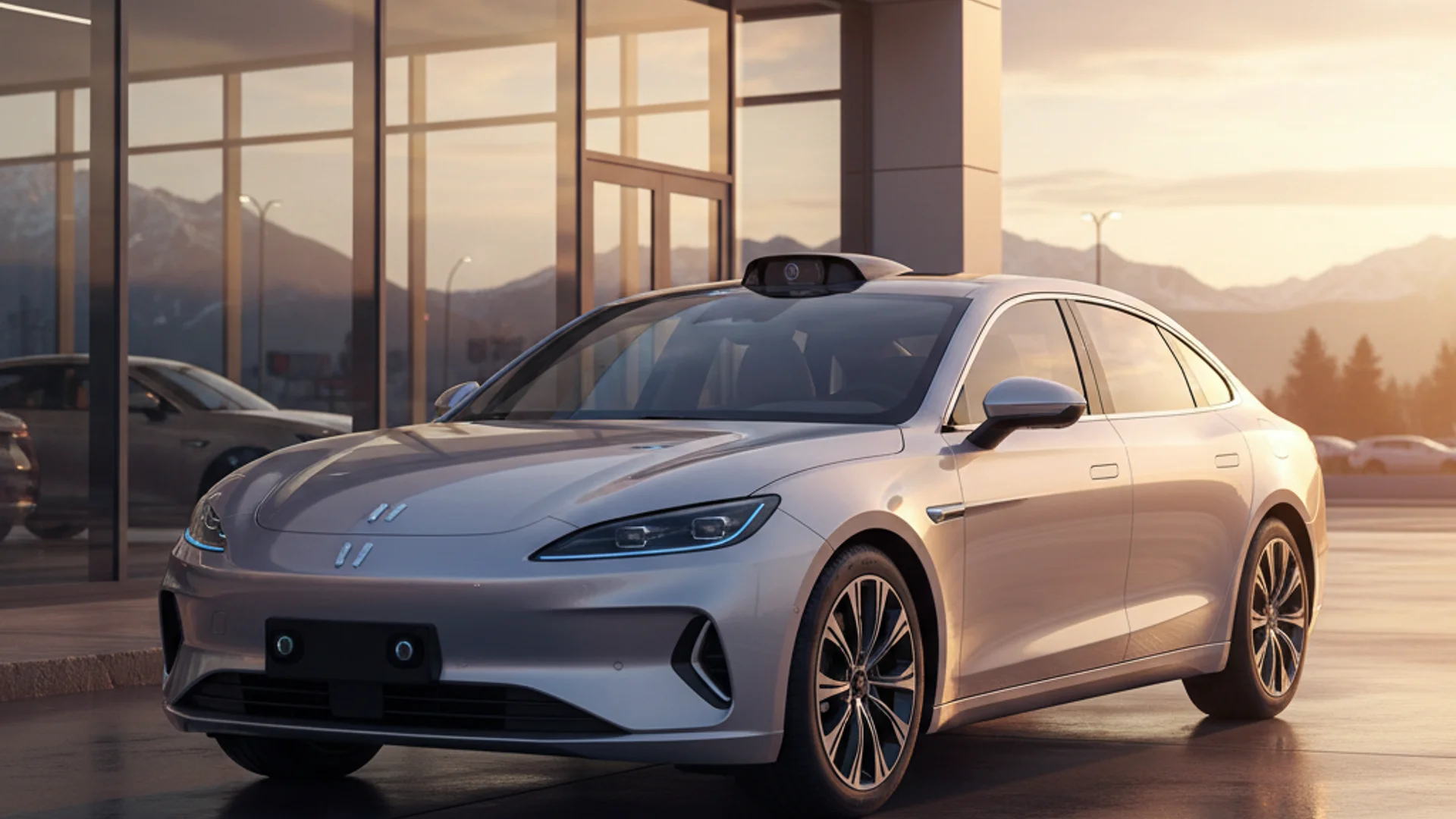
BYD will write you a cheque if God's Eye crashes your car. In July 2025, BYD announced it would pay for damage caused by crashes involving its autonomous parking feature, no insurance claim required, no impact on the driver's record. The new urban-driving extension goes further: full financial liability for at-fault accidents while the system is engaged, no cap on the payout. Tesla has never made that promise. Not for any version of FSD, not in any market, not once.
That is the editorial frame for this story, and it is the one that matters. The product comparisons are interesting. The pricing gap is dramatic. But the load-bearing claim is the one about who carries the risk when the software fails. BYD says it does. Tesla says you do. Everything else is detail.
Key takeaways
- BYD accepts uncapped financial liability for God's Eye crashes; Tesla's manual still says the driver is always responsible.
- God's Eye adoption jumped from 21% to 93% after BYD introduced its liability guarantee in July 2025.
- In China, BYD's God's Eye package costs roughly one-fifth the price of Tesla's comparable FSD subscription.
- No other major automaker, not GM, Ford, Mercedes, or Hyundai-Kia, has matched BYD's uncapped liability pledge.
- GM's OnStar sold driver behaviour data to insurers without disclosure; BYD absorbs the risk instead of monetising it.
The guarantee Tesla has refused to make for a decade
Tesla's "Full Self-Driving (Supervised)" is a Level 2 system, and the driver carries 100% of the responsibility.Tesla's own owner's manual is explicit: "You are responsible for the speed and control of your vehicle at all times, whether FSD (Supervised) is enabled or not." That sentence has been the legal architecture of FSD since the feature was first sold. Every crash, every investigation, every wrongful-death claim has been litigated against that single contractual position.
BYD's policy is the inversion. The company assumes liability when its system is the one driving. The precedent it cites is the one that should make every other automaker's legal team uncomfortable: the automaker unlocked L4 smart parking with a similar guarantee in July 2025, and it says that pledge pushed the feature's actual usage rate from 21% to 93%. A four-fold increase in adoption from a single contractual change. Drivers were not avoiding the feature because they distrusted the technology, they were avoiding it because they distrusted the liability terms.
The pricing makes the contrast structural rather than rhetorical. Tesla's comparable subscription runs $99 per month in the US, $1,188 annualised against BYD's one-time $1,770 bundled package. BYD's God's Eye package is priced at 12,000 yuan in China, which translates to $1,770.Tesla previously offered a one-time purchase option for $8,000, but discontinued it to transition exclusively to a subscription strategy. In China specifically, Tesla's comparable package runs roughly five times the price of God's Eye. BYD is charging less and accepting more risk. That is not a marketing posture; that is a thesis about whether the underlying system works.
Why this is an editorial thesis, not a feature announcement
Liability is the measure of whether an automaker actually believes its autonomy claims. Everything else, the demo videos, the executive interviews, the over-the-air update changelogs, is marketing. The contract is the truth. For a decade, Tesla's contract has said the driver is responsible. That language has not softened across V11, V12, or V13. It has not softened after fatal crashes. It has not softened after federal investigations. The "supervised" framing is not a safety descriptor; it is legal cover.
The March 2026 incident, in which the former technical lead of Uber's self-driving programme crashed his own Tesla on FSD, sharpened the point. When FSD works, Tesla gets credit. When it doesn't, the driver gets blamed. When a senior autonomy engineer ends up litigating the same supervision asymmetry every other owner has faced, the framing problem becomes impossible to dismiss as user error.
BYD's move forces a reckoning the industry has been avoiding. If you sell autonomy, at any level, under any euphemism, you should own the outcomes when the system is the one in control. That is what BYD is saying out loud. The fact that no other major automaker has matched the pledge is itself the editorial finding. They could. They have not. That choice is the story. For background on the company's competitive trajectory, BYD's quiet pass of Tesla in global sales is the context that makes this policy move look less like a one-off and more like a strategy.
Gear worth having
As an Amazon Associate, ThinkEV earns a small commission from qualifying purchases — at no extra cost to you.

Lectron Level 2 J1772 Charger (40A, WiFi)
Smart WiFi charger with real-time energy monitoring. 40A / 9.6 kW, J1772 with a NEMA 14-50 plug, schedule charging right from your phone.
As an Amazon Associate, ThinkEV earns from qualifying purchases — at no extra cost to you.
What BYD's pricing tells you about the competitive math
A bundled liability guarantee at one-fifth the price of the incumbent is not a feature comparison. It is a re-pricing of the category. Chinese consumers evaluating God's Eye against Tesla's China-market FSD package now face a calculation where the cheaper product also carries less personal risk. When one option costs less and shifts liability onto the manufacturer, the case for paying more for less protection has to be made on capability alone, and the capability gap, on the public evidence, is not what it was two years ago.
The structural detail worth holding onto is how the rest of the Chinese market handled this question before BYD answered it. Xpeng offered a 239-yuan-per-year add-on, roughly $35, for an "Intelligent Assisted Driving Peace of Mind Service." That is a separate product. It is an upsell. It signals that the manufacturer wants liability quarantined into a discrete line item the consumer opts into. BYD bundled it. Removing the friction is the point. The buyer does not have to evaluate a risk-transfer product separately from the car; the car comes with the guarantee.
That bundling is a confidence signal. An automaker that does not believe in its own ADAS does not staple uncapped liability to it as a standard feature. The economics only work if the failure rate is genuinely low, and if it is genuinely low, the marketing claim becomes defensible in a way Tesla's "supervised" framing never quite is. Canadian and European buyers should treat this as a leading indicator. The pricing model arrives before the cars do, and it will reset what competitors are expected to offer once those cars land. For the Canadian context on what arrival actually looks like, the Tesla-versus-BYD tariff math in 2026 is the relevant reference.
Gear worth having
As an Amazon Associate, ThinkEV earns a small commission from qualifying purchases — at no extra cost to you.
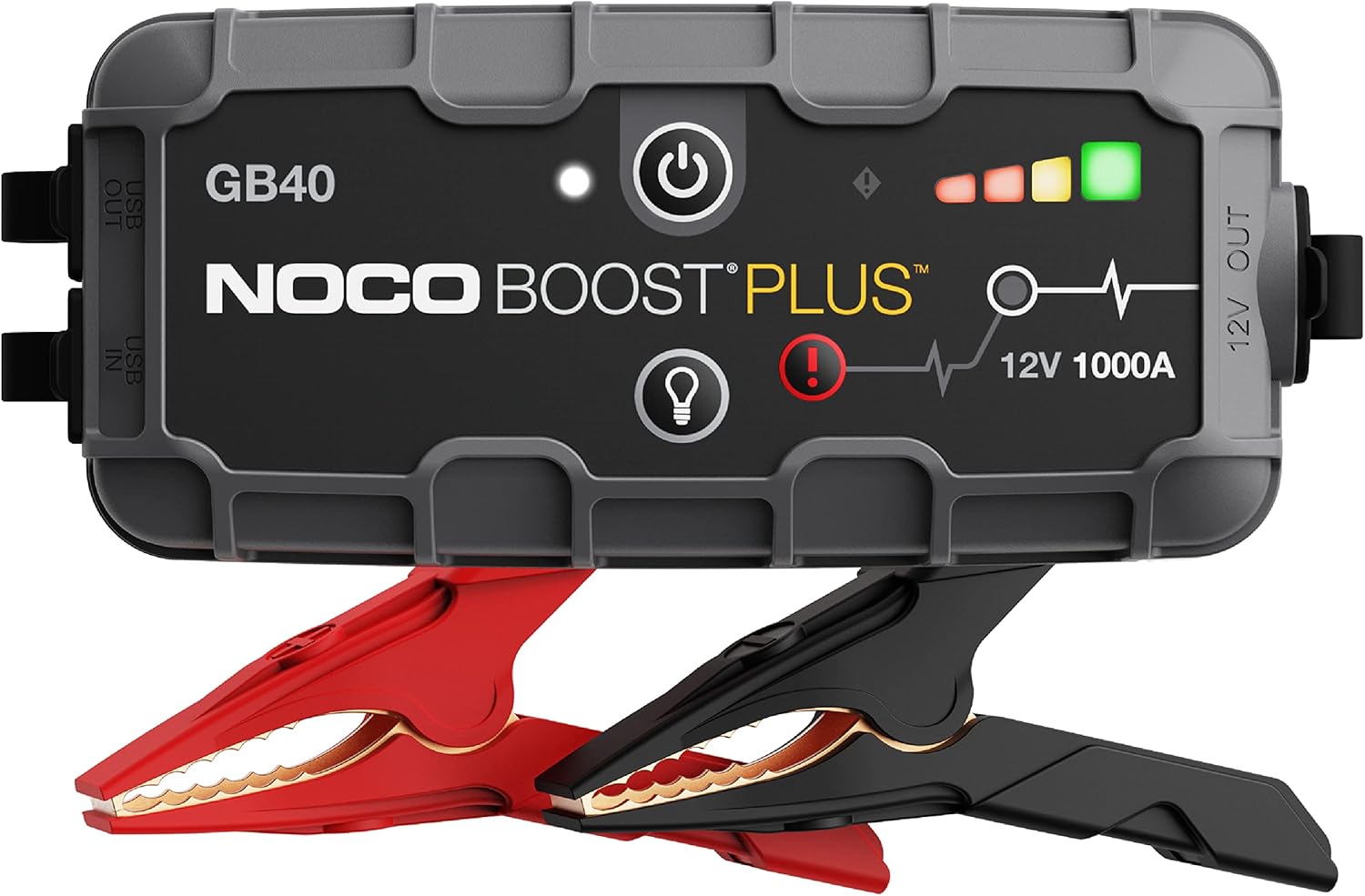
NOCO Boost Plus GB40 Jump Starter
A 1000A lithium jump starter that fits in your glovebox and works on any 12V battery. Your insurance against a dead 12V in a parking lot.
As an Amazon Associate, ThinkEV earns from qualifying purchases — at no extra cost to you.
The standard the rest of the industry now has to answer
No other major automaker, not GM, not Ford, not Mercedes-Benz, not Hyundai-Kia, not Stellantis, has matched BYD's uncapped liability pledge for an active driver-assist system. Mercedes' Drive Pilot in Nevada and California is the closest precedent in spirit, and it is geofenced, capped at highway speeds, and conditional on regulatory pre-clearance. BYD's commitment, as stated, applies broadly when God's Eye is engaged. The scope difference is meaningful.
The trust direction across the industry is also worth naming. GM's OnStar subsidiary spent the early 2020s monetising driver behaviour data, hard-braking events, rapid acceleration, speed above the posted limit, by selling it to insurers including LexisNexis and Verisk without adequate disclosure to drivers. That episode is the opposite vector of what BYD is doing now. One automaker uses the data the car generates to shift risk onto the driver via the insurance market. The other accepts the risk directly and asks the driver to trust the system. Those are not equivalent postures, and consumers are entitled to notice.
Regulatory pressure on ADAS liability has been building globally, NHTSA in the United States, the UNECE working groups in Europe, Transport Canada's quieter consultations. BYD just got ahead of whatever mandate eventually arrives. That is the part competitors should be uncomfortable about. A voluntary commitment now is cheaper than a mandated one in three years, and it banks the goodwill in the meantime. The companies waiting for the regulator to force the change are conceding the narrative ground. For the broader question of who actually pays when ADAS fails today, the EV-insurance reality in Canada is the relevant background.
Gear worth having
As an Amazon Associate, ThinkEV earns a small commission from qualifying purchases — at no extra cost to you.
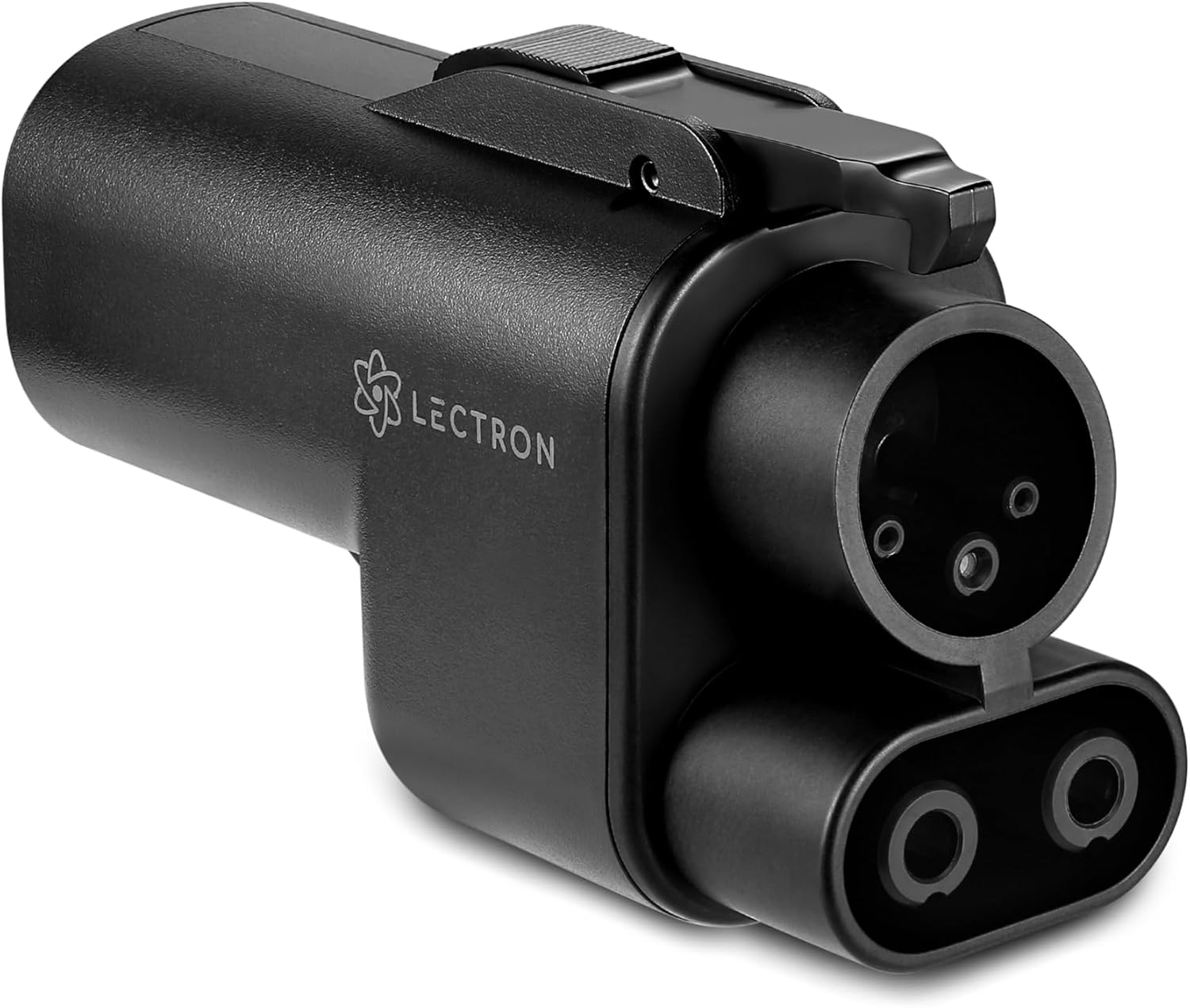
Lectron NACS to CCS Fast-Charge Adapter
Unlock every CCS fast charger for your Tesla, up to 500A DC. Never get stranded at a non-Tesla DC station again.
As an Amazon Associate, ThinkEV earns from qualifying purchases — at no extra cost to you.
What would change this position, and what I'm watching next
The guarantee is currently China-only. That is the single largest qualifier on everything written above. Whether BYD extends the same uncapped liability to its Canadian, European, and Australian markets is the real test of whether this is policy or PR. A China-only pledge in a market where BYD already dominates is one kind of move. A Canada-extended pledge in a market where the brand is still introducing itself would be a different and more consequential one.
The second variable is the first high-profile payout. A guarantee is a contractual promise until it is tested. When the first BYD owner submits a God's Eye claim that runs into six figures, a multi-vehicle collision, a serious injury, a pedestrian strike, the company's response will tell the market whether the policy survives contact with its own actuarial reality. If BYD pays cleanly, the precedent hardens. If it litigates around an exclusion, the pledge becomes an asterisk. I will be watching the first claim more closely than the policy announcement.
The third is Tesla. The company could neutralise the competitive gap immediately with a liability amendment to its FSD terms, a capped guarantee, a geofenced one, anything that moves the dial off the current "100% driver responsibility" position. The fact that it has not, weeks into this story being everywhere, is the data point. Silence on a contract is itself a decision. For the Canadian buyer wondering whether to wait, the safety picture for new EVs sold here and the Euro NCAP record of the Chinese brands now arriving are the relevant priors.
Gear worth having
As an Amazon Associate, ThinkEV earns a small commission from qualifying purchases — at no extra cost to you.

Tesla Key Card Holder with AirTag Slot
Stop fishing the keycard out of your wallet, and slot an AirTag in case the car wanders off in a lot.
As an Amazon Associate, ThinkEV earns from qualifying purchases — at no extra cost to you.
The Canadian angle: liability rules that don't yet exist here
Transport Canada's CMVSS framework covers crashworthiness, occupant protection, and the mechanical standards a vehicle must meet to be sold in Canada. It does not cover ADAS liability. There is no Canadian regulatory parallel to BYD's pledge, no rule that would require any manufacturer selling in Canada to assume financial responsibility when its driver-assist system is engaged. The liability question is left to the insurance market, the manufacturer's contract, and the courts.
Canadian collision-centre infrastructure adds a second layer. The CARSTAR and Fix Auto networks had not developed certified repair programmes for most Chinese EV brands as of early 2026, which means even a clean liability chain runs into a parts-and-service bottleneck before the claim closes. A BYD-extended Canadian guarantee would need a domestic service network to be operationally credible, not just contractually meaningful. The Chinese EV repair and parts picture in Canada is the constraint that determines how quickly any liability promise can actually function on the ground.
The regulatory takeaway is the most important one. BYD's liability model is a policy blueprint Canadian regulators should be reading carefully before approving higher levels of autonomy on Canadian roads. The question of who pays when the software fails is not going to resolve itself through manufacturer goodwill in every case. It will need a framework. BYD just published a working draft of one. The rest of the industry, and the regulators that oversee it, owe the public a response.
Gear worth having
As an Amazon Associate, ThinkEV earns a small commission from qualifying purchases — at no extra cost to you.
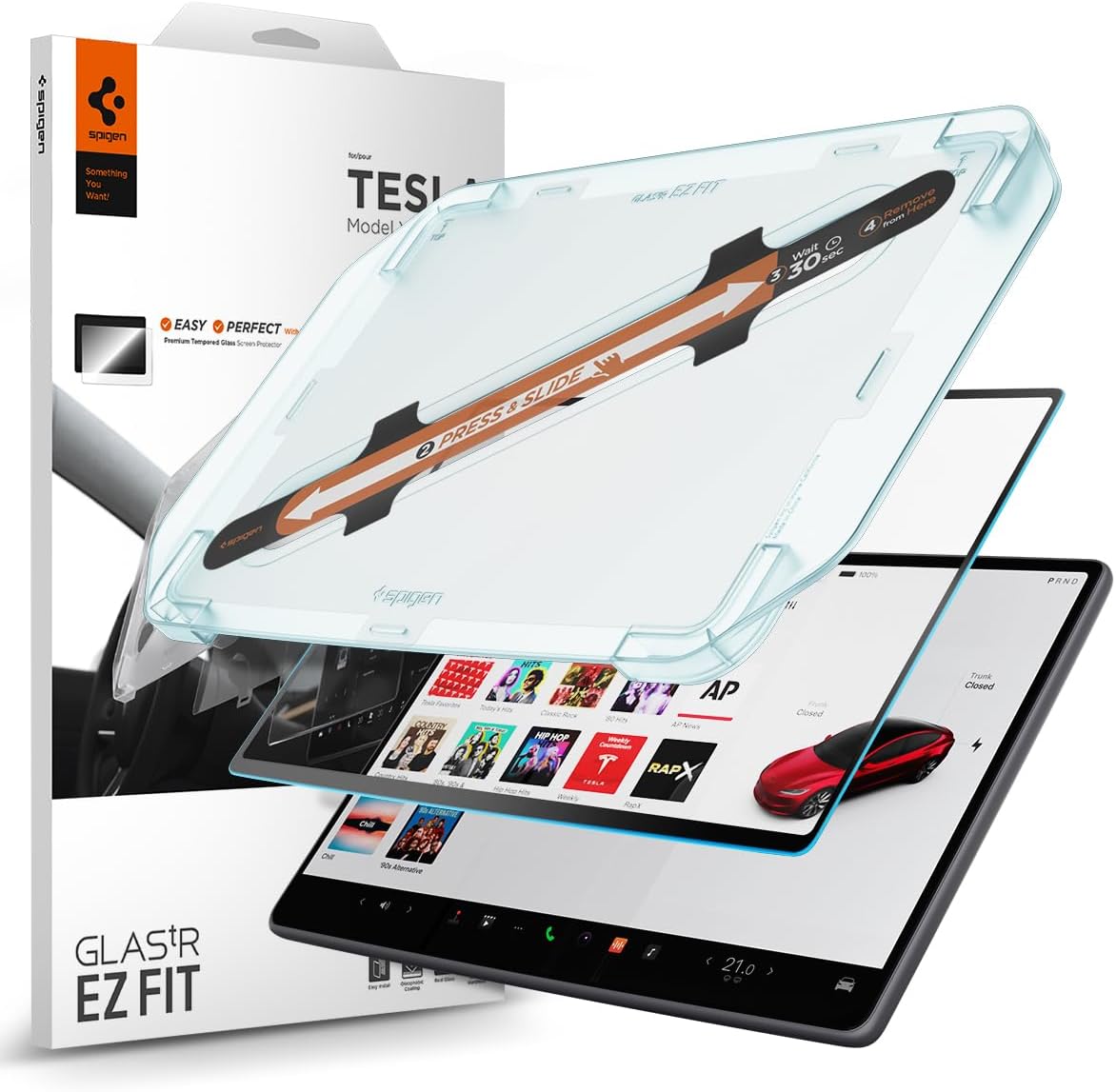
Spigen Tempered Glass for Tesla Model 3/Y
Tempered-glass protection for the touchscreen that kills fingerprints and scratches. Two minutes to install, lasts the life of the car.
As an Amazon Associate, ThinkEV earns from qualifying purchases — at no extra cost to you.
Founder & Chief Editor
Vlad Pereira is the founder and chief editor of ThinkEV.ca, the Canadian electric-vehicle publication he writes and edits from Courtenay, British Columbia. He covers EV pricing, federal and provincial rebates, charging costs, and the Chinese manufacturers now entering Canada, from the buyer's side rather than the press-fleet side. ThinkEV is a venture of Vlad Pereira Online; his writing on health, income and the long game lives at vladpereira.com.
Frequently asked questions
Does BYD's liability guarantee apply to Canadian buyers?
Why hasn't Tesla offered a similar guarantee in ten years?
Did God's Eye's liability pledge actually change driver behaviour?
Is Mercedes Drive Pilot a comparable commitment?
What happens if BYD's failure rate is higher than claimed?
More EV & road-trip finds
Affordable upgrades worth a look — tap any to check the price on Amazon.
 ★ 401
★ 401Crochet Daisy Rear-View Mirror Charm
View on Amazon ★ 12,396
K KNODEL Car Trash Can with Lid
View on Amazon ★ 297
★ 297360-Degree One-Hand Dashboard Phone Mount
View on Amazon ★ 61
★ 61Toddler Car Seat Snack and Cup Tray
View on Amazon ★ 17,839
Qifutan Vent Phone Mount (Military-Grade Clip)
View on Amazon ★ 47,507
HOMEXCEL Microfiber Cloths (12-Pack)
View on Amazon ★ 55
★ 55LED Car Door Logo Projector Light
View on Amazon ★ 900
★ 900Personalized Photo Car Air Freshener
View on AmazonRead, Plan, Then Stay Current
Explore our expert articles to understand incentives and ownership costs, use the map to pressure-test charging reality, then subscribe so new EV coverage comes straight to you.
Continue Reading
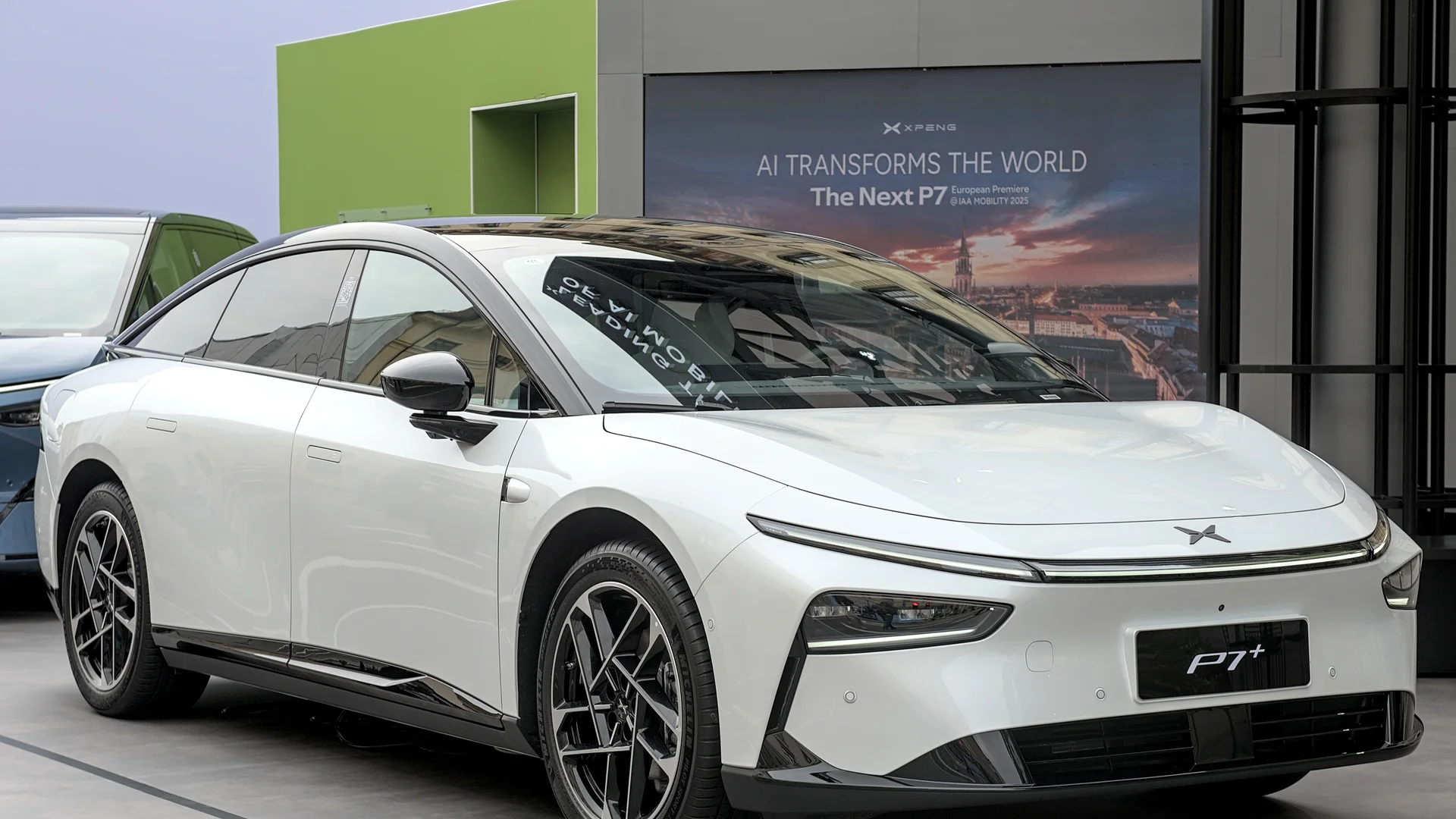
Xpeng's AI Chief: Language Is Poison for Self-Driving
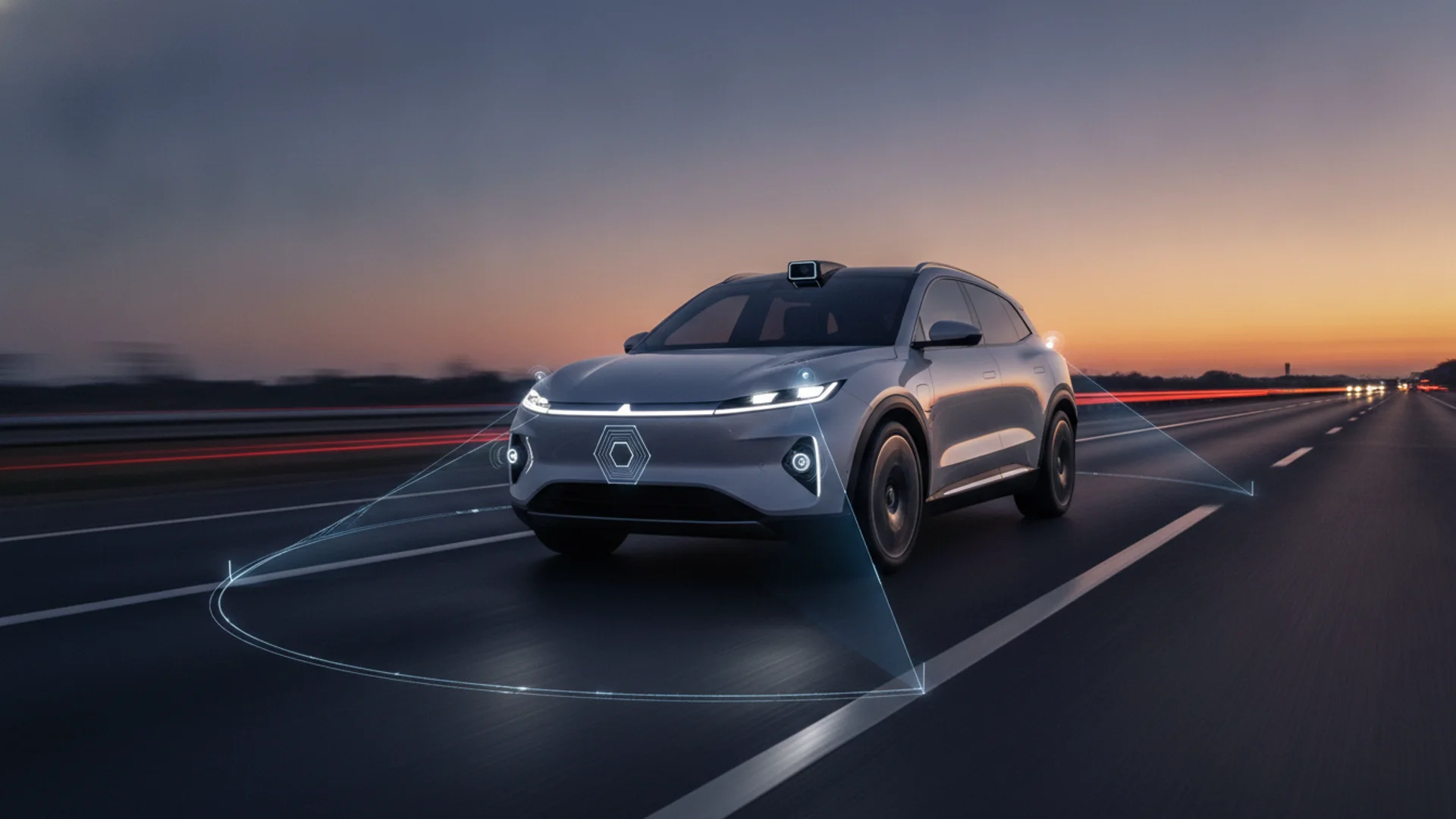
BYD Will Pay if Its Self-Driving System Crashes
GAC Aion V Price Cut and Free Charger: What to Watch
Are Canada's Repair Shops Ready for Chinese EVs?
BYD Seagull Canada: Real Price, Real Specs, Real Wait