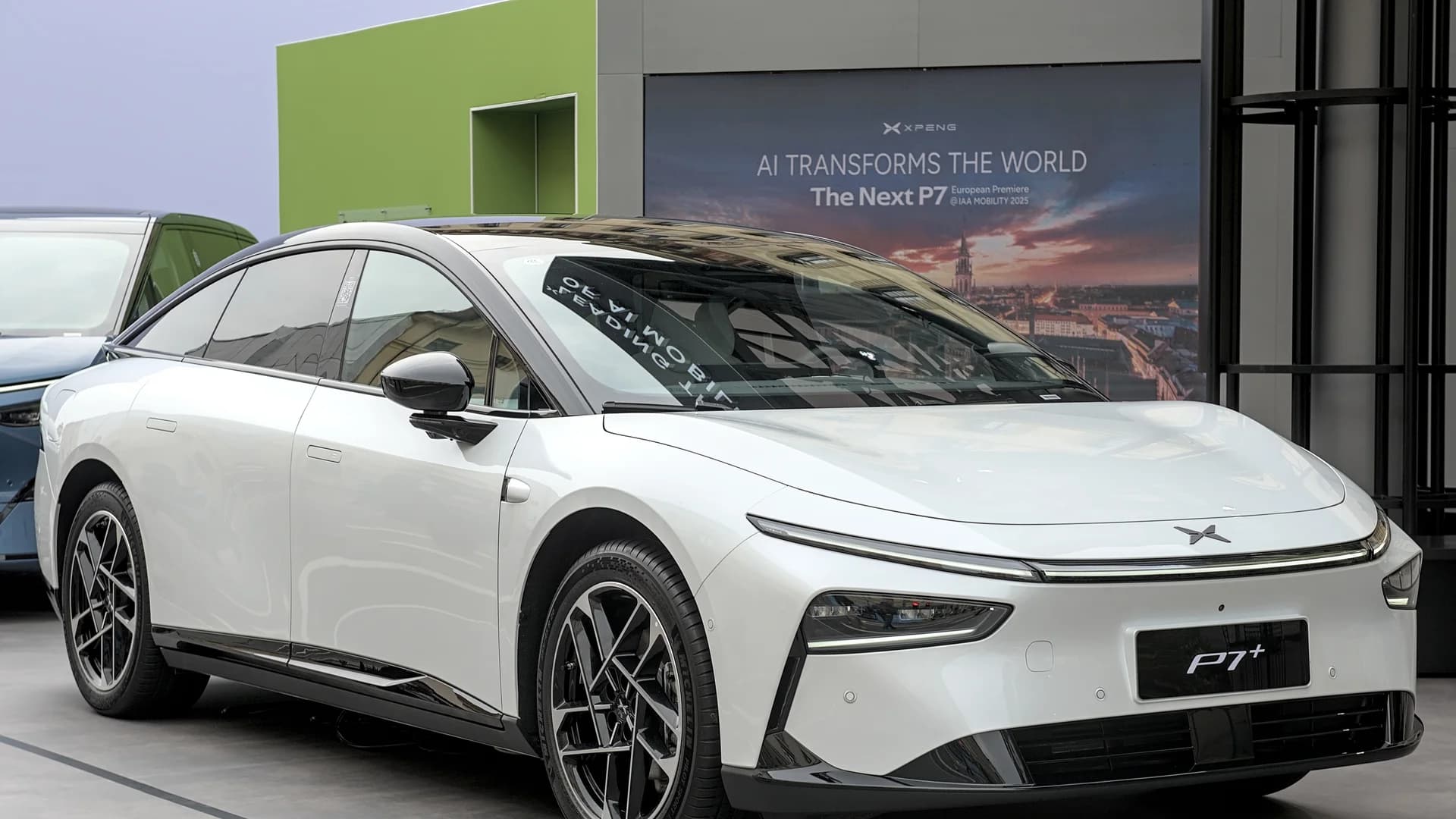
Xpeng's system skips the language step entirely, and its autonomy chief says it has already caught Tesla Full Self-Driving v13. The spend behind the claim is $56 million CAD per month on AI training alone, roughly 300 million RMB, according to Dr. Xianming Liu at CVPR 2026. The architectural bet underneath it is stranger than the parity claim: VLA 2.0 removes the human-readable description layer from the driving loop on purpose.
For Canadian buyers, the practical answer is short. You can't buy an Xpeng today, you won't qualify for the federal iZEV rebate of up to $5,000 even if you could, and the realistic showroom window is 2028 at the earliest. But the technology shift Liu described matters anyway, because it's the same architectural bet Tesla is making, and it's the benchmark every other automaker selling in Canada will be measured against by decade's end.
Key takeaways
- Xpeng spends $56 million CAD monthly on AI training to match Tesla FSD v13.
- VLA 2.0 cuts the language step entirely, delivering a claimed 12-fold reaction speed improvement.
- No Xpeng is sold in Canada as of June 2026, no dealer network, no iZEV eligibility, no provincial rebates.
- Tesla FSD remains Canada's only mass-market autonomous option at $199 CAD/month or ~$16,000 CAD lifetime.
- Xpeng claims Level 4 urban capability while Mercedes won't certify Level 3 above traffic-jam speeds in California.
What Does "Language Is Poison" Actually Mean for Self-Driving?
VLA stands for Vision-Language-Action. It's the architecture behind most modern end-to-end self-driving systems, including Xpeng's own first-generation stack and, as Xpeng's autonomy team has explained, Tesla's approach, vision, language, action, with lidar data left out because it can't be absorbed by the AI system the same way camera data can.
The "language" step is the part Liu wants gone. In a traditional VLA system, the AI looks at a scene through the cameras, converts what it sees into a kind of internal language description ("pedestrian stepping off curb, two metres ahead, vehicle approaching from left at 30 km/h"), then translates that description into a driving action (brake, steer, hold). The translation is what makes the system explainable. It's also what makes it slow and prone to mistranslation, every word added is a chance for the model to lose fidelity.
VLA 2.0 cuts the middle step. Camera input maps directly to steering and braking commands, with no intermediate description. Xpeng claims a 12-fold speed improvement over language-mediated systems, framing the second-gen VLA as the brain of a Level-4 stack rather than a Level-2 driver aid. The trade-off is interpretability, you can no longer easily ask the car "why did you brake?" because there's no language layer to read back.
The case against this approach is the regulator's case: if you can't audit the reasoning, you can't certify the behaviour. Transport Canada and provincial insurance regulators have spent the past three years asking for more transparency from ADAS vendors, not less. Xpeng's bet is that performance wins the argument, that a system intervening once every eight hours is more defensible than one intervening every 27 minutes, even if neither can explain itself in plain English. That's a defensible bet only if the safety numbers hold up under independent audit, which they have not yet.
The speed gain is real, every token the model has to generate to describe a scene is latency before the steering input fires. Remove the description step and the reaction time drops proportionally. Whether the model stays safe without that human-readable checkpoint is the open question, and it's the same one Tesla has been asking of its own customers for five years. See Tesla FSD vs Waymo vs Cruise 2026: The Safety Comparison Canada Needs for how that wager has played out so far.
How Does Xpeng's System Stack Up Against Tesla FSD Right Now?
Liu's claim is bold: Xpeng has reached parity with Tesla FSD v13, and v14 parity is achievable before the end of summer 2026. The $56M CAD monthly training spend is what backs the claim, roughly 10 times what a mid-sized Canadian-market OEM allocates to its entire annual ADAS R&D budget.
The external evidence isn't dismissive. An Electrek reporter test-drove Xpeng's VLA 2.0 in Beijing for 40 minutes in one of the most aggressive driving environments in the world without a single intervention, calling it a major development and evidence that Tesla's clear lead in advanced driver-assist systems is shrinking fast. VLA 2.0 began rolling out in March 2026 via over-the-air updates to Xpeng's P7, G7, and X9 vehicles in their "Ultra" configurations.
InsideEVs has flagged that a 2026 timeline for true Level 4 full autonomy and a camera-only robotaxi service feels ambitious, and that selling a car that can drive or run errands fully autonomously still feels like a pipe dream. Liu's parity claim is also self-reported, no independent benchmark has yet placed VLA 2.0 head-to-head against Tesla FSD v13 in identical conditions. A 40-minute drive in Beijing under company supervision is not the same data point as a 10,000-kilometre fleet log audited by a third party, which is what NHTSA has spent two years pulling out of Tesla.
The named comparison worth making is Mercedes Drive Pilot, the only Level 3 system legally certified for hands-off, eyes-off operation in the US, and only on specific highways below 65 km/h. Xpeng is claiming Level 4 capability in urban Beijing while Mercedes won't certify Level 3 above traffic-jam speeds in California. Either Xpeng has a generational lead, or the certification gap reflects something the marketing doesn't. The truth is probably both: Xpeng's system is genuinely faster-improving, and the regulatory burden of putting your name on a Level 3 certification in a US court is genuinely higher than the burden of demonstrating it to a Chinese press pool.
Where does that leave a Canadian buyer thinking about autonomous-capable EVs? Tesla FSD remains the only credible mass-market option you can actually buy here, at $199 CAD per month or roughly $16,000 CAD for the lifetime purchase. It's still Level 2, meaning you stay legally responsible for the vehicle at all times. Liu's argument is that Xpeng will offer the same capability at a different price point, once it's available in markets you can shop in. The comparison architecture matters more than the brand. BYD is running the same playbook with its own in-house silicon, see BYD's Xuanji A3: China's First In-House 4nm Smart Driving Chip for the chip-level version of the same race.
Gear worth having
As an Amazon Associate, ThinkEV earns a small commission from qualifying purchases — at no extra cost to you.

WeatherTech FloorLiner for Tesla Model 3
Deep-channel liners that trap every drop of slush and salt. The difference between a ruined interior and a showroom-fresh cabin after a Canadian winter.
As an Amazon Associate, ThinkEV earns from qualifying purchases — at no extra cost to you.
Which Xpeng Vehicles Are Available in Canada, and What Do They Cost?
The short answer: none, and you can't buy one through any legitimate channel.
Xpeng has no Canadian dealer network as of June 2026. There is no homologated Xpeng vehicle for sale in any province, no service infrastructure, and no parts distribution. The vehicles available in China, the G6 compact SUV, the G9 full-size SUV, the X9 minivan, and the P7+ sedan, start at prices that would convert to roughly $35,000 to $75,000 CAD if you could buy them at Chinese sticker. You can't.
Three things block the path:
- No iZEV eligibility. The federal rebate of up to $5,000 requires the vehicle to be sold through an authorized Canadian dealer. No dealer means no rebate, regardless of the vehicle's specs.
- No provincial top-ups. Quebec's Roulez vert ($7,000 maximum) and BC's CleanBC top-ups ($4,000 maximum) follow the same dealer-network logic. Even if you imported privately, you'd lose every rebate dollar, a combined $12,000 CAD walk-away in Quebec or $9,000 CAD in BC.
- No homologation. Canadian Motor Vehicle Safety Standards require specific compliance certifications. Xpeng has not certified any model for the Canadian market.
Grey-market import is technically possible if the vehicle is over 15 years old (and no Xpeng is), or under specific exemptions that don't apply to passenger cars from China. Even if you found a path, you'd void any warranty, miss Transport Canada safety certification, and likely face issues with insurance underwriting and provincial registration.
Gear worth having
As an Amazon Associate, ThinkEV earns a small commission from qualifying purchases — at no extra cost to you.

Lectron Level 2 J1772 Charger (40A, WiFi)
Smart WiFi charger with real-time energy monitoring. 40A / 9.6 kW, J1772 with a NEMA 14-50 plug, schedule charging right from your phone.
As an Amazon Associate, ThinkEV earns from qualifying purchases — at no extra cost to you.
There's a second-order issue most buyers don't think about until they file a claim. Connected-car data from a grey-market Chinese vehicle would route through Xpeng's domestic telematics stack, which is regulated by the Cyberspace Administration of China and routinely shares aggregated driving data with state authorities. Canadian insurers don't currently underwrite that exposure, and the recent precedent of LexisNexis and Verisk aggregating driver behaviour from connected cars to sell risk profiles to insurers, see Chinese EV cybersecurity and data privacy in Canada for the full picture, means the data flows are getting more scrutiny, not less.
The buyer's reality: an Xpeng G6 in Shanghai is a $40,000 CAD-equivalent car with class-competitive autonomy. In Vancouver, it's not a car you can own.
When Could Xpeng Actually Reach Canadian Driveways?
Xpeng's stated international expansion plan puts Europe first. VLA 2.0 global delivery begins in 2027, with Volkswagen as the inaugural launch partner inside the Chinese market, the partnership is structured around Xpeng supplying the autonomy stack to VW-branded vehicles built in China, not around exporting Xpeng-badged cars to Wolfsburg or Wolfville.
Canada's tariff situation is the second wall. The 100% surtax on Chinese-made EVs introduced in October 2024 was adjusted in January 2026 to 6.1% within a 49,000-unit annual quota, with the full 100% reapplied beyond the quota. Xpeng's self-driving system, branded XNGP, Navigation Guided Pilot, sounds far less polarizing than Tesla's Full Self-Driving, which still requires constant driver supervision and readiness to take over at all times. Homologation and certification take 18 to 24 months even after a manufacturer commits to a market.
Add the dealer buildout, parts distribution, technician training, and provincial registration work, and the timeline pencils out to 2028 as the earliest realistic Canadian arrival window. 2029 or 2030 is more likely. The most plausible route in isn't a Xpeng dealer at all, it's a Volkswagen ID-series vehicle with Xpeng autonomy software embedded under the VW skin. That partnership is the one to watch.
The forecast worth committing to in print: if Volkswagen Group announces a North American product running Xpeng's VLA stack at CES 2027 or the LA Auto Show that fall, Canadian arrival by 2029 becomes the base case rather than the optimistic case. What would change the call in the other direction is a serious Transport Canada or NHTSA safety incident tied to camera-only end-to-end systems before then, a fatal urban crash attributed to the absence of the language-explainability layer would set the regulatory clock back by years for every Chinese stack, not just Xpeng's.
For context on what Xpeng would walk into: see Under "God's Eye:" BYD Unveils the Next Generation of Its Self-Driving Tech for how BYD is approaching the same export-readiness question, and BYD Will Pay When God's Eye Crashes. Tesla Has Never Made That Promise. for the liability framework Chinese OEMs are starting to commit to publicly.
Gear worth having
As an Amazon Associate, ThinkEV earns a small commission from qualifying purchases — at no extra cost to you.
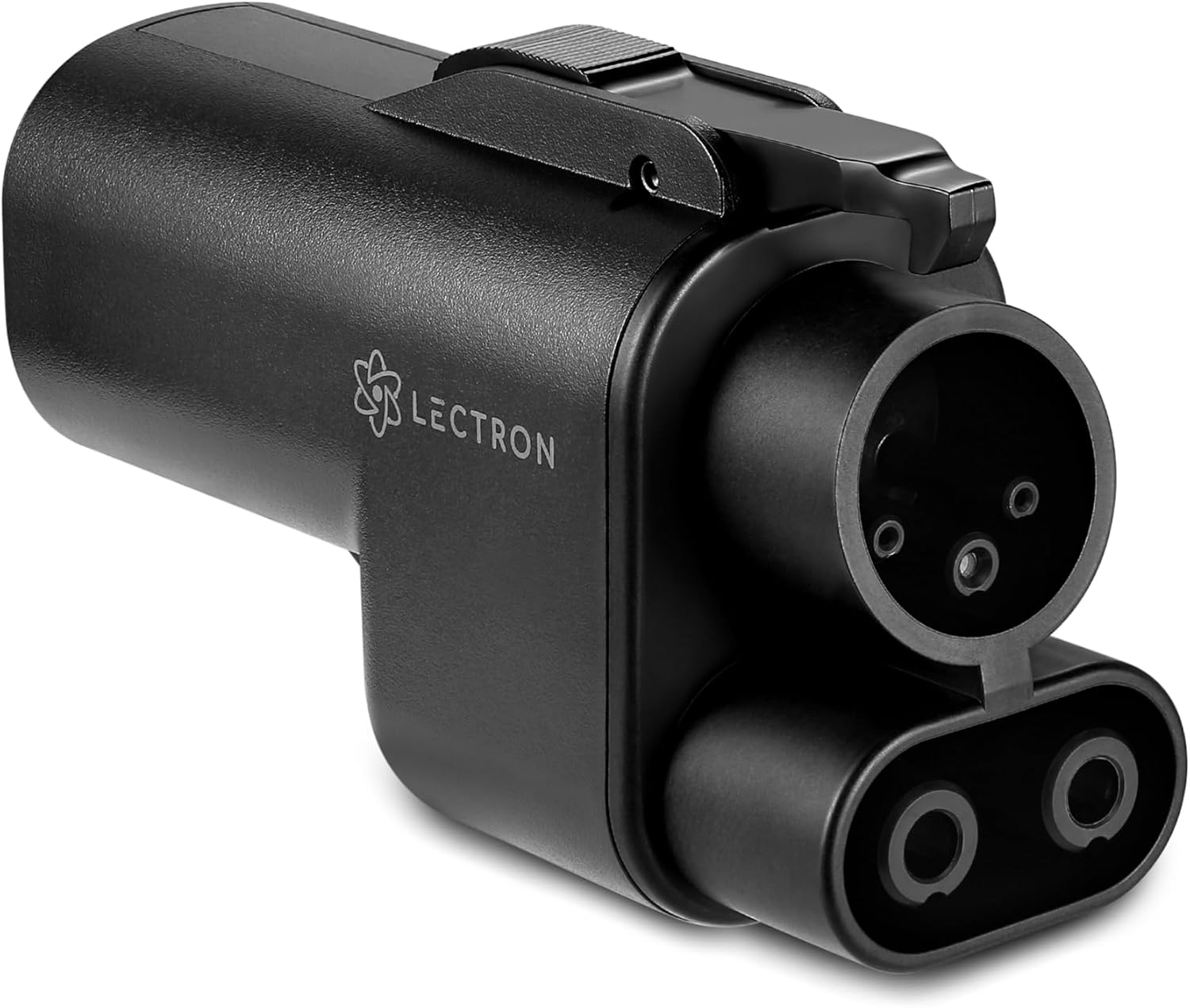
Lectron NACS to CCS Fast-Charge Adapter
Unlock every CCS fast charger for your Tesla, up to 500A DC. Never get stranded at a non-Tesla DC station again.
As an Amazon Associate, ThinkEV earns from qualifying purchases — at no extra cost to you.
What Should Canadian EV Buyers Watch For in the Meantime?
If advanced autonomy is what you're shopping for, your 2026 options at Canadian dealers are narrower than the press cycle suggests. Four credible systems, four price points, four very different bets on how much trust to extend the software.
- Tesla Model 3 / Y / S / X with FSD. $199 CAD per month subscription or roughly $16,000 CAD lifetime. Camera-only architecture, Level 2 classification, available coast-to-coast. The benchmark Xpeng says it has matched.
- GM Super Cruise. Hands-free highway driving on roughly 640,000 km of mapped roads, covers most of the Trans-Canada and major provincial highways. Available on Cadillac Lyriq, GMC Hummer EV, Chevrolet Equinox EV and Blazer EV at Canadian dealers. Subscription roughly $30 CAD per month after the initial three-year period.
- Ford BlueCruise. Similar hands-free highway operation, available on Mustang Mach-E and F-150 Lightning. Less aggressive than Tesla FSD on city streets, that's a feature, not a bug, depending on your appetite. Roughly $800 CAD per year after the trial period.
- Mercedes Drive Pilot. Approved for Level 3 use in Germany and parts of the US, capped at 95 km/h on certified highways, not yet certified for Canada. Watch for a 2027 announcement.
Robotaxi services like Waymo remain US-only. Phoenix, San Francisco, Los Angeles, and Austin have commercial L4 service; no Canadian city does, and none is on a public 2026 timeline. Xpeng has just launched its own first mass-produced Robotaxi in Guangzhou, built on the GX platform to L4 standards, useful as a reference point for what a Canadian L4 pilot might eventually look like, but not a service Canadian residents can ride.
For Canadian buyers who want autonomy capability today, the Tesla Model Y with FSD is the only credible option at any dealership. The 2027–2028 window could change that, particularly if a Volkswagen model ships with Xpeng's VLA stack, but that's the optimistic case, not the base case.
Gear worth having
As an Amazon Associate, ThinkEV earns a small commission from qualifying purchases — at no extra cost to you.

Tesla Key Card Holder with AirTag Slot
Stop fishing the keycard out of your wallet, and slot an AirTag in case the car wanders off in a lot.
As an Amazon Associate, ThinkEV earns from qualifying purchases — at no extra cost to you.
FAQ: Your Xpeng and Autonomous Driving Questions Answered
Buy, Wait, or Skip? The Honest Canadian Verdict
Skip Xpeng for now. No Canadian dealer, no rebate, no service network. The car you can't buy isn't a buying decision.
Wait if leading-edge autonomy is non-negotiable. The 2027–2028 window could bring real options, either Xpeng-branded vehicles via a European-to-Canada path, or Volkswagen models running Xpeng's stack. Both are worth tracking.
Buy a Tesla today only if autonomy is the deciding factor. FSD at $199 CAD per month is the only credible Canadian option, and it's a real one. Don't pay the $16,000 CAD lifetime premium unless you'll keep the car at least five years.
The trigger that would flip the call: a confirmed Volkswagen-Xpeng product slated for Canadian launch with a published price. That announcement, not Liu's parity claim, not the CVPR keynote, is what will change the math for buyers here.
Gear worth having
As an Amazon Associate, ThinkEV earns a small commission from qualifying purchases — at no extra cost to you.
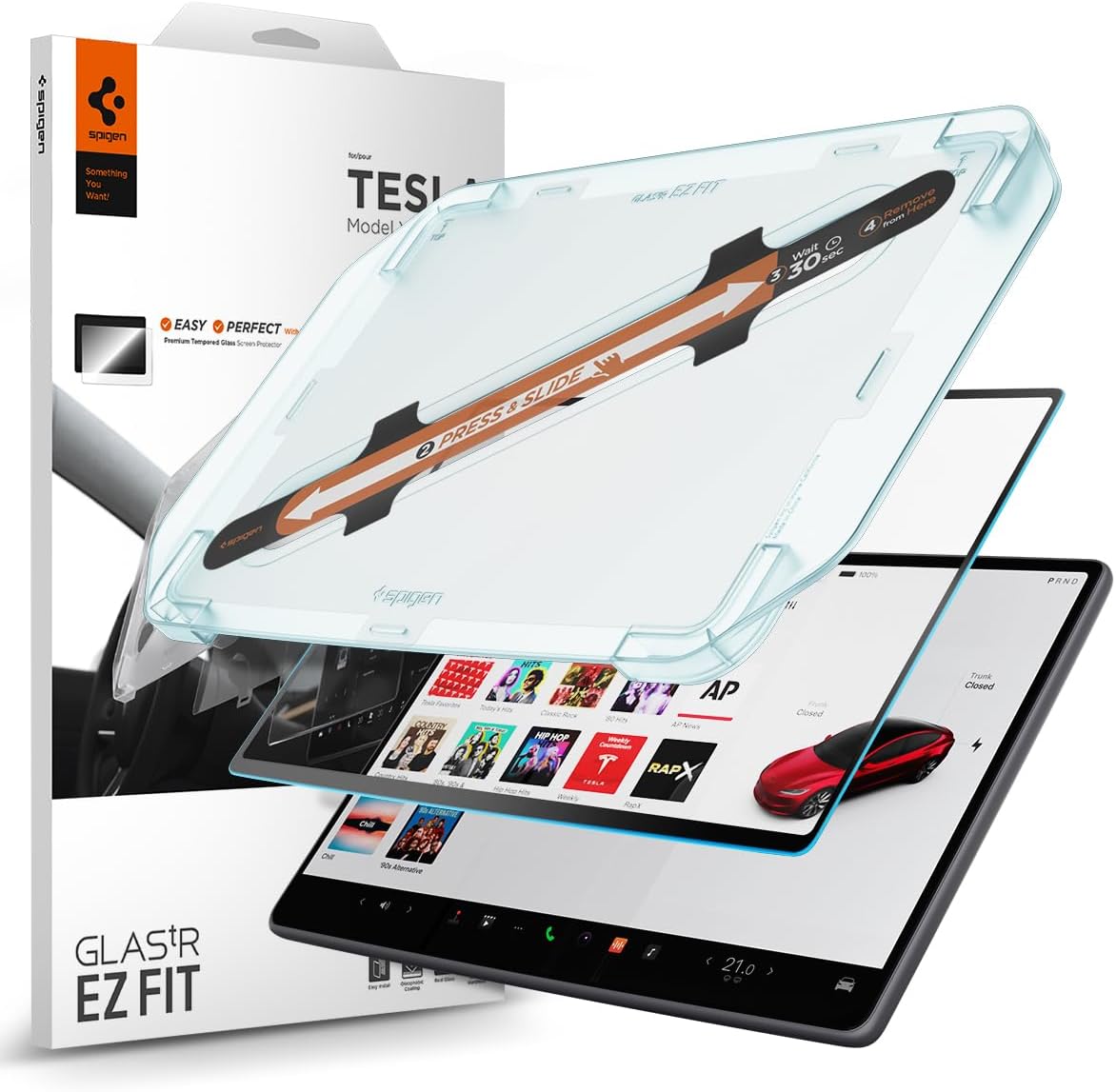
Spigen Tempered Glass for Tesla Model 3/Y
Tempered-glass protection for the touchscreen that kills fingerprints and scratches. Two minutes to install, lasts the life of the car.
As an Amazon Associate, ThinkEV earns from qualifying purchases — at no extra cost to you.

Founder & Chief Editor
Vlad Pereira is the founder and chief editor of ThinkEV.ca, the Canadian electric-vehicle publication he writes and edits from Courtenay, British Columbia. He covers EV pricing, federal and provincial rebates, charging costs, and the Chinese manufacturers now entering Canada, from the buyer's side rather than the press-fleet side. ThinkEV is a venture of Vlad Pereira Online; his writing on health, income and the long game lives at vladpereira.com.
Frequently asked questions
Will Xpeng vehicles ever qualify for Canada's iZEV rebate?
Can I legally use a camera-only self-driving system in Canada today?
Why can't regulators just certify a system that performs better?
Is Xpeng's parity claim against Tesla FSD independently verified?
Does removing the language layer make self-driving cars less safe?
More EV & road-trip finds
Affordable upgrades worth a look — tap any to check the price on Amazon.
 ★ 308
★ 308Coiled Lightning Car Cable for iPhone (2-Pack)
View on Amazon ★ 119
★ 119Foldable Waterproof Trunk Organizer
View on Amazon ★ 392
★ 392Large Cup Holder Adapter (32-40oz)
View on Amazon ★ 4,050
Touchscreen Mist Screen Cleaner Kit
View on Amazon ★ 537
★ 537USB Star Projector Roof Light
View on Amazon ★ 1,083
Crystal Push-Start Button Ring (2-Pack)
View on Amazon ★ 4,424
Sun Visor Card and Document Organizer
View on Amazon ★ 297
★ 297360-Degree One-Hand Dashboard Phone Mount
View on AmazonRead, Plan, Then Stay Current
Explore our expert articles to understand incentives and ownership costs, use the map to pressure-test charging reality, then subscribe so new EV coverage comes straight to you.
Continue Reading
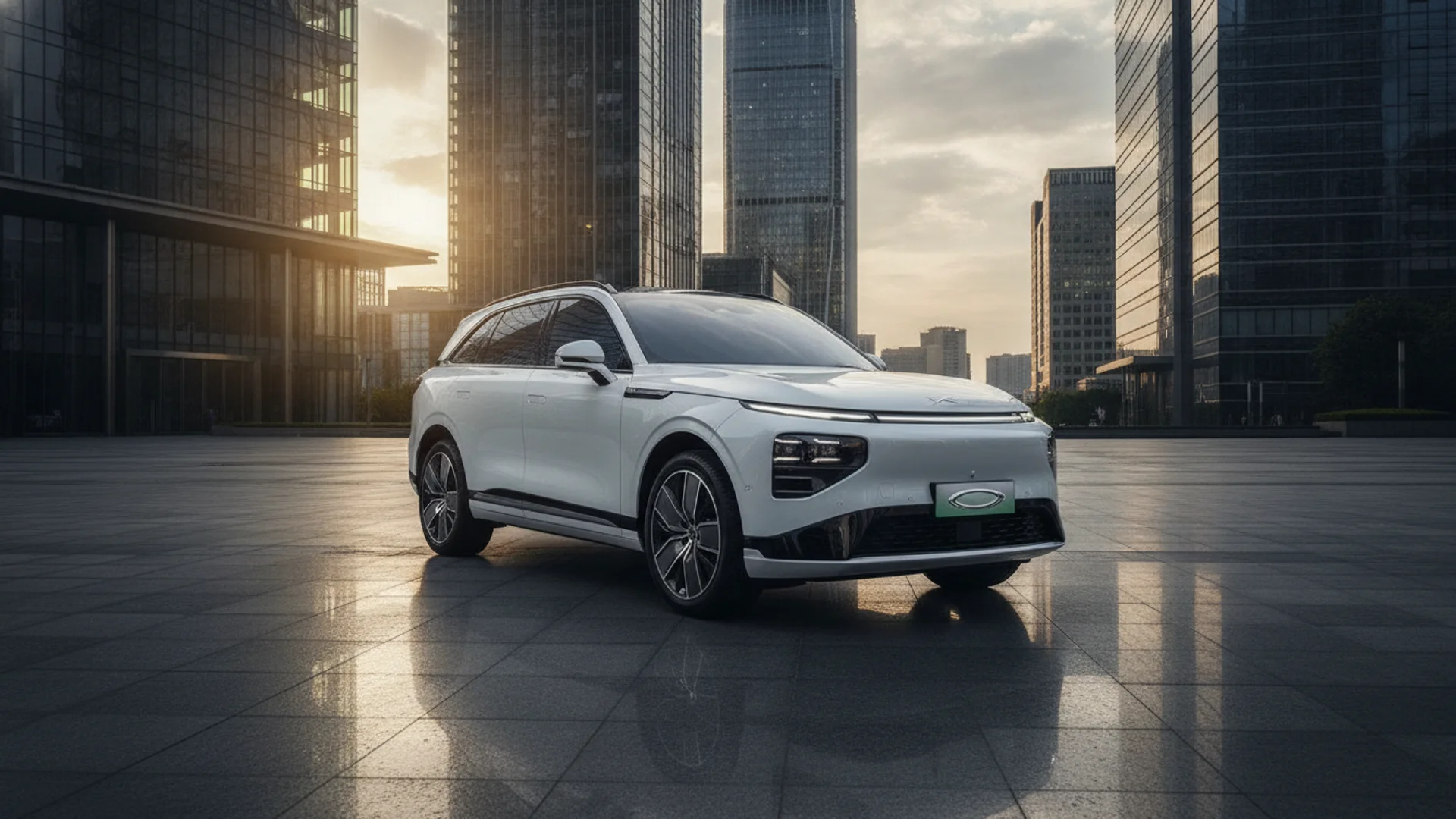
XPENG G9L Presale Opens at 259,800 Yuan With BEV and EREV
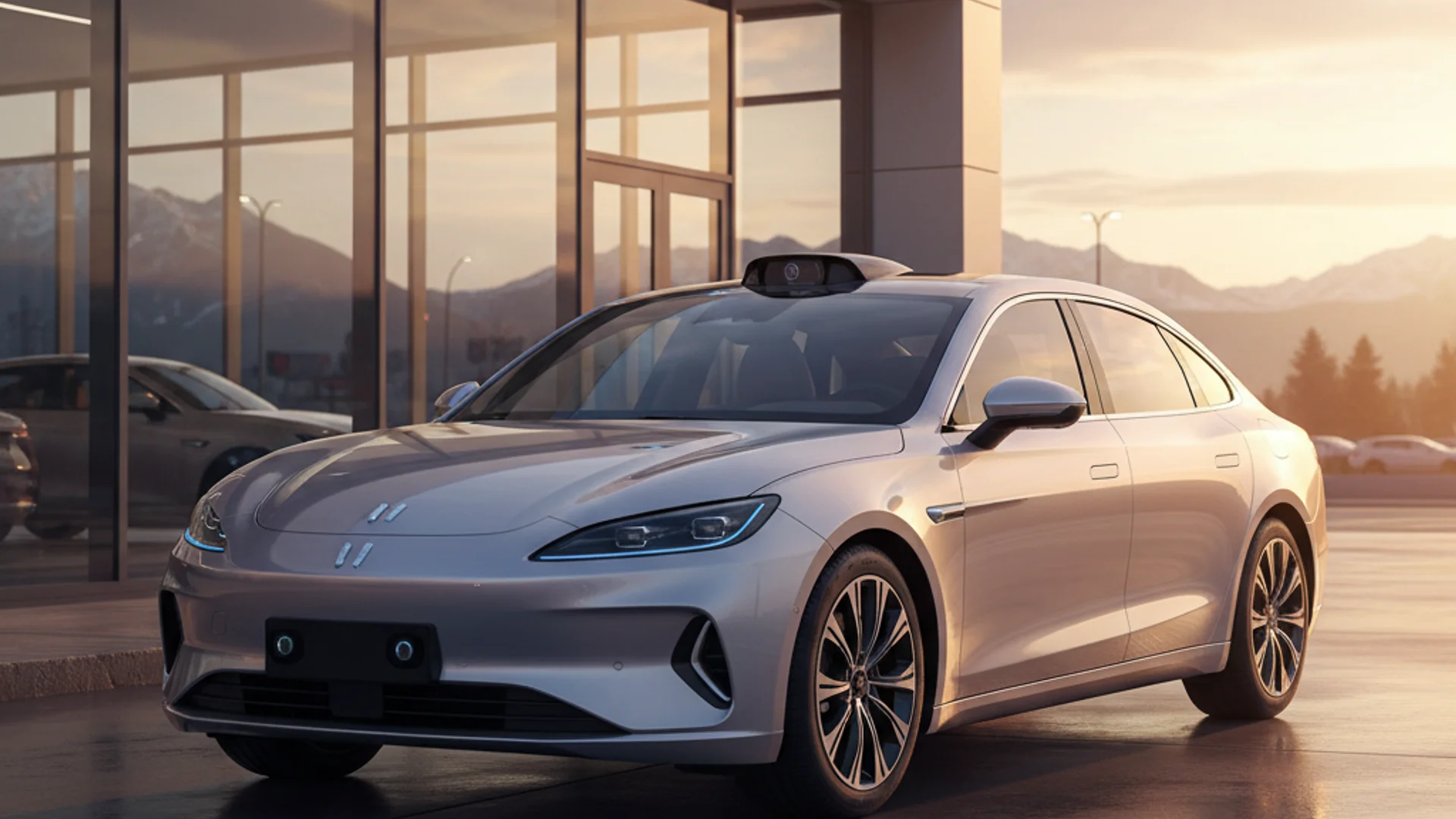
BYD Pays When God's Eye Crashes, Tesla Does Not
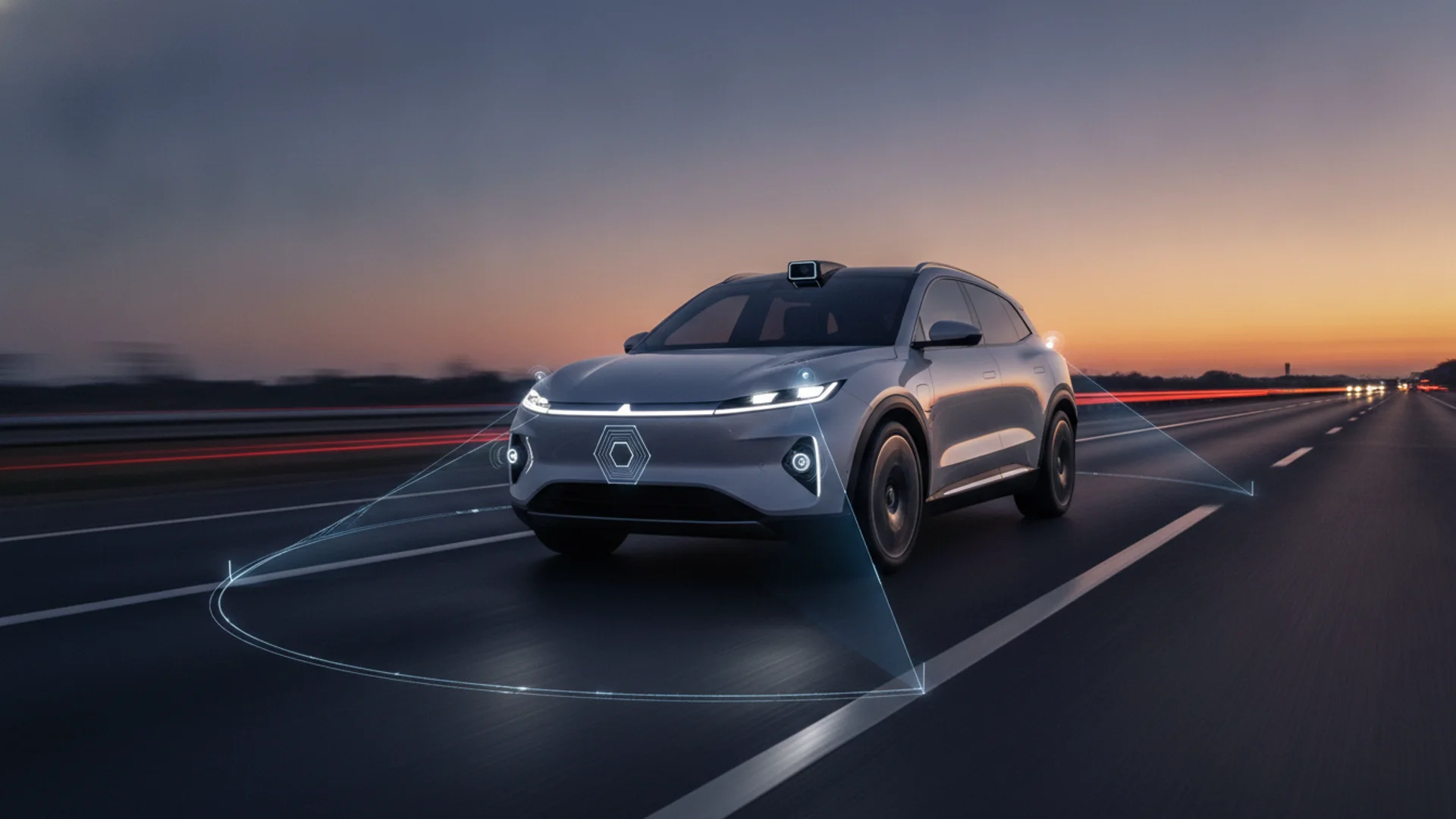
BYD Will Pay if Its Self-Driving System Crashes
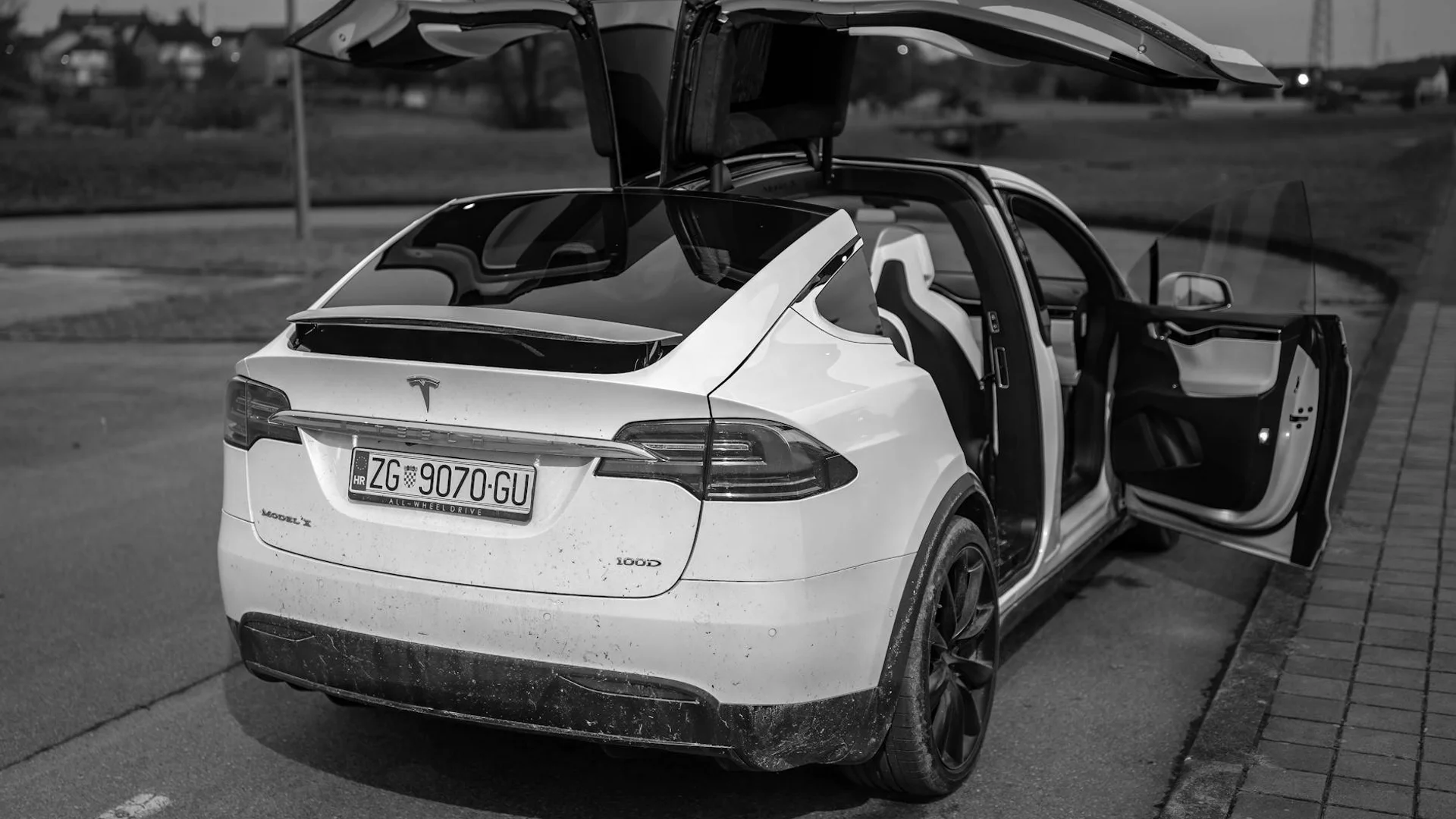
Tesla Tests Its Vision-Only Robotaxi as Xpeng Builds
GAC Aion V Price Cut and Free Charger: What to Watch