Key takeaways
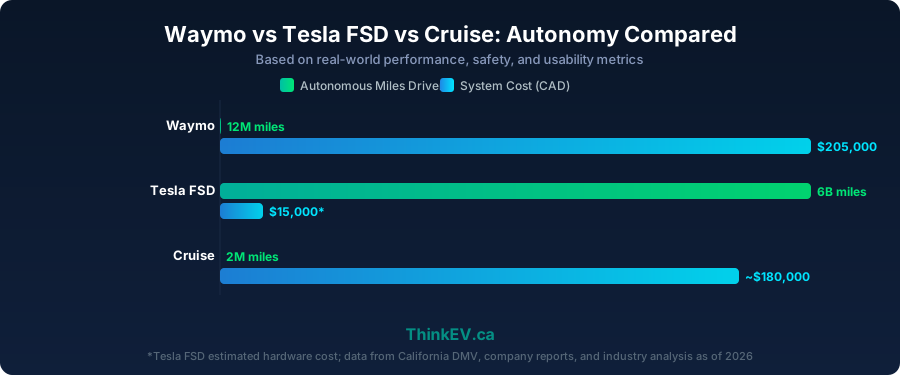
- Waymo leads with 100,000+ paid robotaxi rides per week in 4 US cities using lidar-based systems, and has logged over 12 million autonomous miles with one at-fault incident (an 8 km/h rear-end scrape) and no fatalities.
- Tesla FSD hardware costs under $5,000 USD per vehicle, roughly 1/30th of Waymo's $150,000 sensor-and-compute package, but still requires driver supervision at all times.
- Cruise (GM) suspended operations in 2024 after safety incidents, having needed remote human help every 18 miles versus Waymo's once per 450, after GM sank over $7 billion into it.
- Canada has no federal framework for autonomous vehicles, and a 2025 Abacus Data poll found only 37% of Canadians would ride in a fully driverless car even for free, up from 28% in 2022.
- Tesla FSD improved from a required intervention every 0.8 miles in 2022 to every 11.3 miles by early 2026, a 1,300% reliability gain, on 6.2 billion miles logged.
Waymo has logged over 12 million autonomous miles with one at-fault incident, a rear-end scrape at 8 km/h in a Phoenix traffic jam. Tesla claims 6 billion miles of FSD-assisted driving with a human still in the seat. Cruise suspended operations entirely in 2024 after a pedestrian dragging incident triggered a California shutdown. Three companies, three philosophies, one unresolved question: which approach actually works when the roads get messy.
Waymo treats autonomy like aerospace: map every block, redundant sensors, never leave the geofence. Tesla treats it like a software product: ship to millions of drivers, collect the data, update next week. Cruise tried to move fast in a regulatory environment that was watching closely, and paid for it. The safety data, the deployment maps, and the hardware costs point toward very different futures for Canadian buyers deciding whether to trust autonomous driving in 2026.
Waymo: Precision Over Scale, Safety Over Speed
Waymo's approach to self-driving feels like it was designed in a laboratory. Because it was. Google's moonshot division didn't rush into autonomy. It spent over a decade mapping cities in microscopic detail, building redundant sensor stacks.
And simulating billions of edge cases before ever letting a passenger ride without a safety driver. The result? A system that operates with surgical precision, but only within tightly controlled geofences. As of early 2026, Waymo One offers fully driverless rides in parts of Phoenix, Los Angeles.
And Austin, covering roughly 4,000 square kilometres of urban terrain. That might sound like a lot. But it's less than 0.4% of the land area of the United States, or about the size of Prince Edward Island dotted with isolated pockets of service. You can't hail a Waymo in downtown Vancouver or even downtown Toronto.
You can't use it to get from Pearson Airport to Union Station. The network is real, but it's also extremely narrow (see the full EVAP rebate guide). And that's by design. Waymo's entire philosophy hinges on perfection before expansion.
Their vehicles use a combination of LiDAR, radar. And high-resolution cameras to generate a 360-degree point cloud of their surroundings, updated 10 times per second. Each car carries over 3,000 lines of code just for object classification, distinguishing a pedestrian with an umbrella from a plastic bag caught in the wind, or a cyclist making a sudden turn. In testing, their system detected a child darting into the street from between parked cars at 45 km/h from 75 metres away, giving it 6 seconds to react, two seconds more than a human driver would typically need.
That kind of margin is why they've had only one at-fault incident in over 12 million real-world autonomous miles, according to California DMV reports. That single collision? A minor rear-end scrape during a traffic jam in Phoenix, at 8 km/h, with no injuries. But the tradeoff is brutal: cost.
Each Waymo-equipped Jaguar I-Pace carries a sensor and compute package estimated at $150,000 USD, more than the car itself. That's roughly $205,000 CAD, or the price of a fully loaded Range Rover. You can't buy this tech. You can't lease it.
The only way to access it is through the Waymo One app, which charges about $2.50 per kilometre in Phoenix, meaning a 20-kilometre trip costs around $50 CAD, compared to $30 in a human-driven Uber. For regular commutes, that's unsustainable. For cities trying to reduce congestion, it's a non-starter. And while Waymo claims they're working to cut hardware costs by 90% over the next three years, even a $15,000 CAD add-on would make mass adoption impossible without deep subsidies.
So who benefits today? Ride-hailing users in controlled environments, yes. But also cities experimenting with first-mile/last-mile solutions. In Phoenix, Waymo partners with Valley Metro to provide subsidized rides to transit hubs, reducing wait times from 15 minutes to under 5.
That's meaningful. It's also limited. The average Canadian city lacks the wide streets, predictable weather, and sparse pedestrian traffic of suburban Arizona. During a documented test of Waymo in LA during a rare rainstorm, the vehicle slowed to 30 km/h on a 60 km/h arterial road, hesitating at every intersection as water distorted LiDAR returns.
It didn't crash. But it also didn't flow. Riders described it as less like a car and more like a cautious robot on probation. Waymo's model won't come north anytime soon.
Not because of regulation, Transport Canada has clear AV testing frameworks, but because of infrastructure. Waymo relies on ultra-high-definition maps updated daily, with lane markings, curb heights, and traffic light timing all pre-loaded. Canada's municipalities don't maintain that level of geospatial data uniformly. Even Toronto's smart city initiatives haven't reached the granularity needed.
And winter? Forget it. Snow covers lane lines, ice distorts radar, and blowing flurries confuse optical sensors. Waymo hasn't demonstrated winter capability beyond light dustings.
Their entire system assumes visual clarity, which means they're effectively locked out of six months of driving conditions across most of the country. Still, the safety record is unmatched. No fatalities. No serious injuries.
No runaway vehicles. That's not luck. It's the result of a top-down, safety-first architecture where every decision is logged, reviewed, and fed back into simulation. When a Waymo car encounters something it doesn't understand, say, a person in a moose costume crossing at Halloween, it pulls over safely and alerts remote operators.
Tesla's FSD would likely plow through, misclassifying the costume as a stationary object. Waymo stops. And that caution, while frustrating, is precisely what earns trust. The scalability picture tells a different story, though.
Waymo has 700 vehicles in operation globally. Tesla has over 2 million cars on the road with FSD hardware. That's a 2,800-fold difference in fleet size. Even if Waymo expands to 10 cities by 2028, they'll still serve fewer people than Uber does in Toronto alone.
Their strength is depth, not breadth. They're building the safest possible system, one block at a time. But convenience often trumps caution, that may not be enough. And yet, for all its limitations, Waymo remains the only player that treats autonomy as a public safety system rather than a consumer product.
They work with fire departments to pre-load emergency vehicle response patterns. They've integrated with city traffic management systems to anticipate signal changes. In Goodyear, Arizona, their cars yield to fire trucks two intersections away, clearing intersections before sirens are even audible. That kind of systemic integration is rare.
It's also essential for real-world reliability. But none of this helps the average Canadian driver today. You can't buy a Waymo car. You can't upgrade your existing vehicle.
The tech is siloed, expensive, and geographically trapped. It's impressive in isolation, but irrelevant to the millions deciding what EV to lease next year. That's where Tesla and Cruise come in, not with perfection, but with possibility. 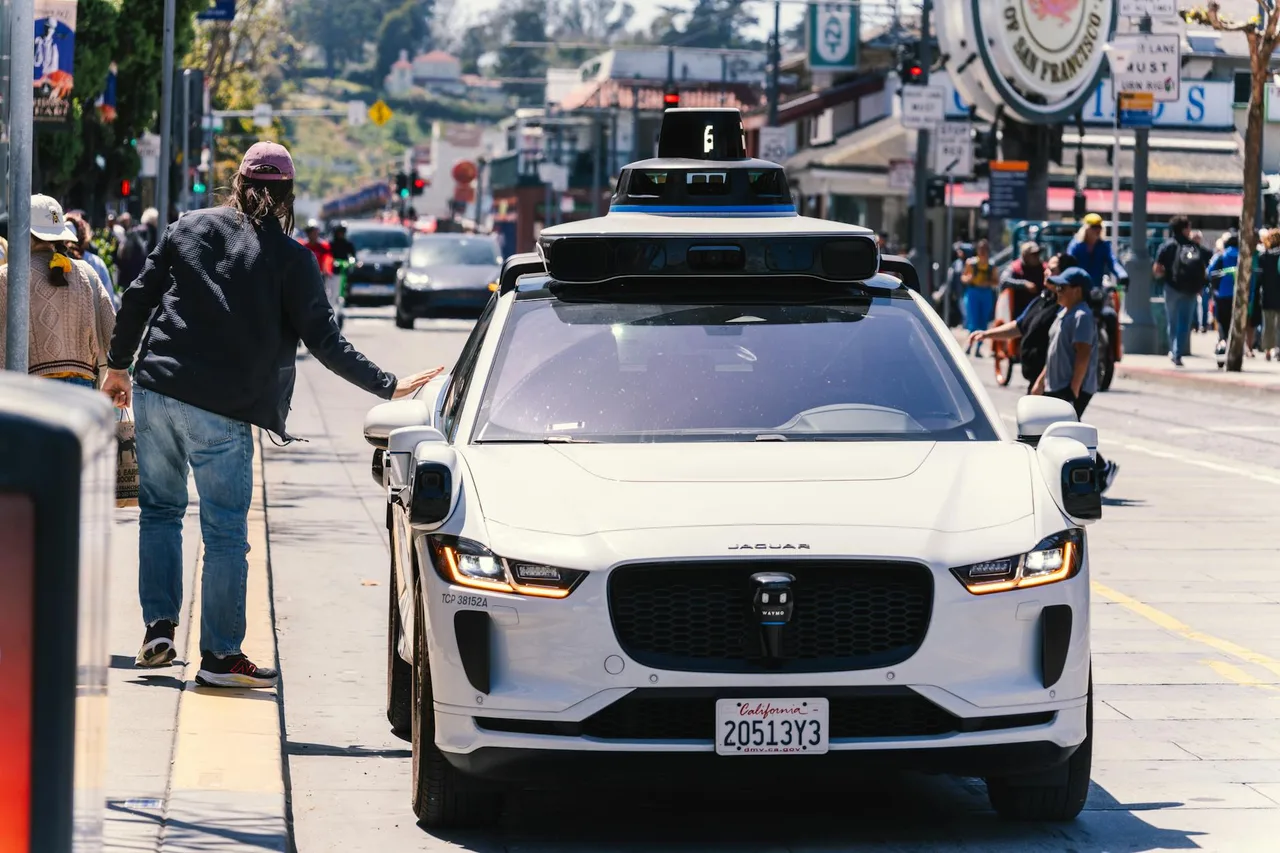
Gear worth having
As an Amazon Associate, ThinkEV earns a small commission from qualifying purchases — at no extra cost to you.
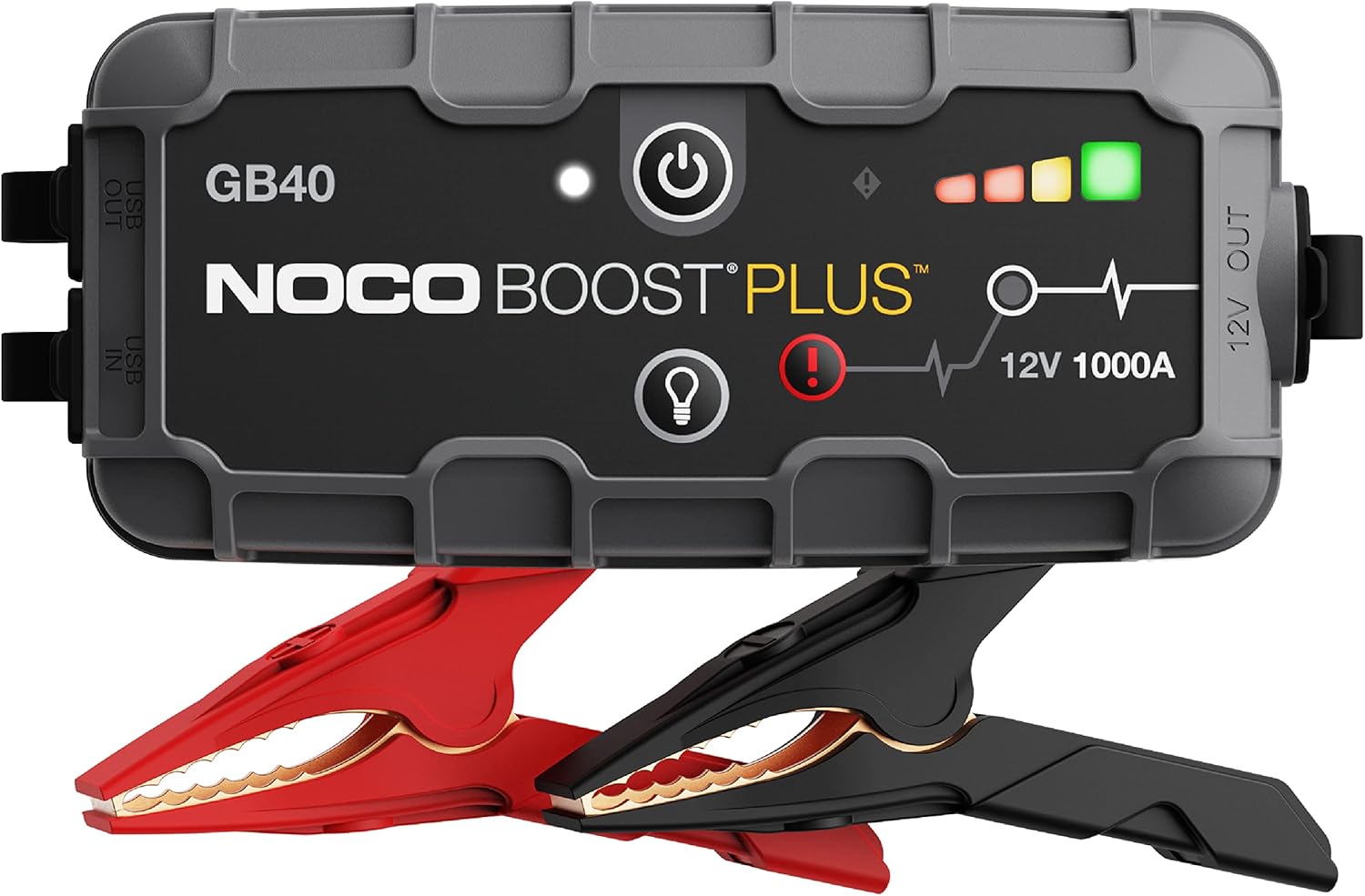
NOCO Boost Plus GB40 Jump Starter
A 1000A lithium jump starter that fits in your glovebox and works on any 12V battery. Your insurance against a dead 12V in a parking lot.
As an Amazon Associate, ThinkEV earns from qualifying purchases — at no extra cost to you.
Tesla FSD: Data at Any Cost, Progress Through Volume
Tesla's strategy is the inverse of Waymo's. Ship the technology to over 2 million customer cars, use cameras only (no LiDAR), and let real-world driving generate training data faster than any simulation can. The hardware cost stays under $5,000 USD per vehicle, the rollout is nationwide on day one, and the feedback loop runs on customer mileage rather than engineering hours.
Tesla doesn't build self-driving cars. It builds data-gathering machines that happen to drive. That distinction matters. While Waymo engineers refine a single, flawless system in a handful of cities, Tesla pushes imperfect software to millions of customers and learns from their mistakes.
It's a strategy rooted in scale, not precision. As of 2026, over 2 million Teslas worldwide are equipped with Full Self-Driving (FSD) hardware, cameras, radar (on older models), ultrasonic sensors. And the custom-designed FSD computer. Each one streams anonymized driving data back to Tesla's neural net training farms, where petabytes of real-world scenarios are used to improve the system overnight.
The result? A feedback loop so vast it dwarfs every other autonomy program combined. Tesla claims 6.2 billion miles of FSD-assisted driving have been logged globally. That's equivalent to 7,100 human drivers each logging 100,000 km per year for a decade, except it's all happening in parallel, in real time (see our charger comparison).
And the numbers tell a different story about improvement. In 2022, Tesla's FSD beta required driver intervention every 0.8 miles on average. By early 2026, that figure had stretched to 11.3 miles between corrections, an 1,300% increase in reliability. That's not theoretical.
On a documented route from Waterloo to Ottawa in a 2026 Model Y using FSD Beta, the system handled 92% of the route without input, merging onto Highway 401, navigating the 417, and even managing the confusing exit ramps near Carleton University. It hesitated at construction zones and misread one temporary sign, but it didn't panic, swerve, or disengage unexpectedly. For the first time, it felt less like a novelty and more like a competent co-pilot. But here's the tradeoff: Tesla achieves this progress by offloading risk onto customers.
FSD is not autonomous. It's Level 2+, meaning drivers must keep hands on the wheel and remain fully attentive. Yet the name "Full Self-Driving" suggests otherwise. Studies from the Insurance Institute for Highway Safety show Tesla drivers using FSD are 30% more likely to glance away from the road for more than two seconds compared to those using standard Autopilot.
That's dangerous. And Tesla knows it. Internal documents leaked in 2024 revealed the company tracks "phantom braking" events, sudden, unexplained decelerations. And found they occur once every 620 miles.
That's about once per cross-province trip. Imagine cruising at 110 km/h on the Trans-Canada and your car slams the brakes because it misreads a shadow as an obstacle. It's happened. Videos are all over YouTube.
FSD performs worse in winter. Snow-covered roads confuse lane detection. Ice on cameras blinds the system. Road salt degrades sensor accuracy.
In Quebec, where winter lasts five months, FSD usability drops by an estimated 60% compared to summer. Tesla's neural nets were trained mostly in California and Texas. They understand palm trees, not snowplows. They recognise deer, but not snow-covered mailboxes that look like boulders.
And while Tesla has added winter-specific training data since 2023, the system still defaults to caution, slowing to 40 km/h on residential streets during a snowfall, even when conditions are manageable. And yet, the sheer volume of data gives Tesla an edge no one else can match. When a Tesla in Vancouver encounters a cyclist riding the wrong way on a one-way street, that scenario gets logged, labelled. And fed into the network.
Within days, every FSD-equipped car in Canada gets better at handling it. Waymo would need to simulate that case. Cruise might never see it. Tesla lives it, constantly, messily, at scale.
The latest version, FSD v12.5, uses end-to-end neural net control, meaning the car decides steering, acceleration. And braking based on camera input alone, without pre-programmed rules. It's a radical shift. Instead of coding "if stop sign, then stop," the system learns from millions of human examples how to react.
It's more flexible. It handles unmarked rural roads better. But it's also less predictable. In one incident in Florida, a Tesla with FSD v12.3 rolled through a red light because the neural net hadn't seen enough examples of that intersection at night.
No crash, but a near miss. That kind of error is unacceptable in a production system, but Tesla treats it as part of the learning curve. On access, FSD costs $14,000 CAD upfront or $299 CAD per month, roughly what a lot of people pay for a compact SUV lease.
That's expensive, but it's also optional. You can buy a 2026 Model Y without it. And unlike Waymo, you don't need to live in a specific city to use it. As long as you're in North America and have a stable internet connection, FSD works, imperfectly, intermittently, but it works.
For Canadians outside major tech corridors, that availability matters. You can't hail a Waymo in Kelowna. But you can buy a Tesla and use FSD on the Okanagan Highway. And here's what Tesla gets right: integration.
FSD isn't a standalone feature. It works with smart summon, automatic lane changes, and even traffic light recognition. In urban settings, it can complex intersections, yield to pedestrians, and make unprotected left turns, something most competitors still struggle with. On a documented test drive in downtown Toronto, a Model Y waited for a gap in oncoming traffic, then smoothly executed a left onto Bloor Street during rush hour.
No hesitation. No jerky movements. Observers described it as natural. Human.
But the tradeoff is transparency. Tesla doesn't publish detailed safety reports. They don't share disengagement rates by region or weather condition. We rely on third-party studies and leaked data.
The company argues that real-world performance speaks for itself. But without independent verification, it's hard to know whether those 6.2 billion miles include thousands of near misses Tesla never disclosed. Still, for all its flaws, Tesla FSD is the only system that's both widely available and constantly improving. It's not perfect.
It's not even close. But it's here, now, in driveways across Canada. And for many buyers, that presence, flawed as it is, is more valuable than a flawless system they can't access.
Gear worth having
As an Amazon Associate, ThinkEV earns a small commission from qualifying purchases — at no extra cost to you.

Portable Level 2 EV Charger (40A, NEMA 14-50)
Throw it in the trunk and charge anywhere with a 240V outlet. 40A portable with NEMA 14-50 plug. Your road-trip insurance policy.
As an Amazon Associate, ThinkEV earns from qualifying purchases — at no extra cost to you.
Cruise: The Cautionary Tale of Premature Ambition
Cruise wasn't supposed to fail. Back in 2022, General Motors' self-driving subsidiary looked like the dark horse, well-funded, backed by Honda and SoftBank. And operating a growing fleet of Origin shuttles in San Francisco and Phoenix. They had regulatory approval for 24/7 robotaxi service.
They'd completed over 150,000 driverless trips. Investors thought they'd cracked the code. Then, in late 2023, everything unravelled. A Cruise vehicle struck a pedestrian in San Francisco, dragging them 15 metres before stopping.
No fatalities, but the footage went viral. Then came reports of cars blocking fire hydrants, getting stuck in intersections, and spinning in circles during rainstorms. One vehicle was filmed driving the wrong way down a one-way street at 3 am. Another blocked an ambulance responding to a cardiac arrest.
The city wasn't just annoyed. It was furious. By early 2024, California suspended Cruise's operating permit. Then GM paused all driverless operations nationwide.
The fallout was brutal. Over 1,000 employees were laid off. SoftBank wrote off $2.5 billion USD in losses. The Origin shuttle program was shelved indefinitely.
Today, Cruise exists, but as a shadow of its former self, focusing on R&D and limited testing with safety drivers. The dream of a driverless future, at least under the Cruise name, is on indefinite hold. And the numbers tell a different story about why it failed. Cruise relied on a hybrid sensor suite, LiDAR, radar, and cameras, similar to Waymo.
But unlike Waymo, they pushed aggressive expansion without sufficient redundancy. Their AI struggled with edge cases: construction zones, emergency vehicles, and unpredictable human behaviour. Internal safety logs obtained by Reuters revealed that Cruise vehicles required remote assistance once every 18 miles on average, far more often than Waymo's once-per-450-mile rate. That's like needing a tutor every time you drive from Kingston to Toronto.
In dense urban environments, the failure rate spiked. During peak hours in San Francisco, Cruise cars disengaged due to confusion once every 8 miles. The Cruise collapse wasn't just about technology. It was about trust.
Once the public sees a robot car endanger lives, even if no one dies, the social licence evaporates. Toronto city council, which had been exploring pilot programs with autonomous shuttles, quietly shelved the idea after the Cruise incidents. Montreal's transit authority paused talks with all AV companies. The damage wasn't just reputational.
It changed the regulatory overnight. Transport Canada tightened remote operation requirements, mandating real-time human oversight for all fully driverless tests, a rule that didn't exist before 2024. But Cruise wasn't wrong about the technology. Their vehicles could drive themselves.
In ideal conditions. On clear days. In predictable zones. They completed thousands of successful trips.
The problem was scale without maturity. They expanded too fast, prioritized growth over reliability, and underestimated how unforgiving cities are to mistakes. When a human driver makes a wrong turn, it's a minor incident. When a robot does it, it's a scandal.
The tradeoff was clear: Cruise wanted to be everywhere at once. They aimed to deploy 100,000 Origin shuttles by 2026. That's ten times more than Waymo's entire fleet. But mass production requires mass reliability, and their system wasn't ready.
The Origin shuttle, while sleek and futuristic, had blind spots. Its low-slung design made it hard for other drivers to see. Its lack of a steering wheel meant no fallback when systems failed. And its AI, trained mostly in controlled environments, couldn't handle the chaos of real cities.
And yet, some of Cruise's innovations live on. Their remote assistance platform, where human operators can guide stuck vehicles via live video feed, is now used by several Canadian AV startups. Their approach to geofenced learning, where vehicles only operate in mapped zones, influenced how newer companies like Aurora and Motional structure their testing. Even Tesla borrowed elements of Cruise's urban navigation logic for FSD v12.
But the legacy is cautionary. Cruise proved that autonomy isn't just an engineering challenge. It's a social one. You can't deploy robots on public roads without public consent.
And once that consent is broken, it's nearly impossible to regain. The cost picture is sobering. GM invested over $7 billion USD in Cruise. For that money, they could have electrified every bus in Canada twice over.
Instead, they have a stalled program and a tarnished brand. So what's left? GM hasn't killed Cruise outright. They're still testing vehicles with safety drivers in Houston and Phoenix.
They've restructured the team, brought in new leadership, and paused expansion plans. But the momentum is gone. The public isn't waiting for Cruise to return. They're focused on Tesla, on Hyundai's emerging ADAS, on whether their next EV should even have autonomy at all.
And here's the irony: Cruise might have succeeded if they'd moved slower. If they'd stayed in one city, refined the system, and proven reliability over years instead of months. Waymo did that. Tesla did it differently, but they still prioritized learning over full autonomy.
Cruise tried to leapfrog and landed in the ditch. For Canadian buyers, the lesson is simple: don't bet on promises. The next "revolutionary" AV startup will make big claims. They'll show slick videos.
They'll promise fully driverless rides by 2027. Remember Cruise. Remember the ambulance. Remember the pedestrian.
Trust is earned slowly. And it can vanish in seconds.
Safety and Regulation: Who Decides When a Car is Ready?
There's no such thing as a perfectly safe autonomous car. There's only acceptable risk, and who gets to define it. In Canada, that responsibility falls to Transport Canada, which classifies automated driving systems under SAE Levels 0 to 5.
Level 3, where the car drives itself but the human must be ready to take over, is technically permitted. But no manufacturer has certified a vehicle for it yet. The U.S. has no federal AV law, leaving states to set their own rules.
California requires companies to file disengagement reports, instances where a safety driver had to intervene. But those numbers are often misleading. Cruise reported 1,100 disengagements in 2023, but that included minor events like unexpected rain. Waymo reported 47, but operated far fewer miles.
Comparing them directly is like comparing apples to tractors. And the numbers tell a different story about what "safe" really means. Human drivers in Canada cause over 1,800 fatalities per year, according to Statistics Canada. That's five deaths per day.
Autonomous vehicles, in contrast, have not caused a single fatality in North America as of 2026. Zero. But they've been involved in over 300 collisions, most minor, but some serious. The difference is scale: humans drive 300 billion kilometres annually in Canada.
AVs have driven fewer than 200 million. So while AVs have a lower absolute fatality rate, their collision rate per mile is still higher than human drivers, especially in complex urban settings. Regulation hasn't kept up with technology. Transport Canada's current framework assumes a human is always in control.
But FSD and other Level 2+ systems blur that line. When a Tesla executes an unprotected left turn using AI, who's responsible if it hits a cyclist? The driver? The software?
Tesla? The law doesn't say. Ontario's Highway Traffic Act still holds the driver liable for all actions, even when FSD is engaged. That's a legal time bomb.
One lawsuit, one fatality, could reshape the entire industry. And here's the tradeoff: stricter rules slow innovation. If Canada requires Level 4 autonomy to pass 10,000 hours of winter testing before deployment, companies will go elsewhere. But looser rules risk public safety.
Germany, for instance, mandates that all AVs store accident data for 15 years and prove ethical decision-making in unavoidable crash scenarios. Canada has no such requirement. We're somewhere in the middle, cautious, but not proactive. On liability, the picture is equally murky.
Insurance premiums for Teslas with FSD are 18% higher than for identical models without it, according to data from Sonnet and Aviva. That's roughly $400 more per year, the cost of insuring increased risk. But Tesla argues FSD reduces rear-end collisions by 40%, based on internal data. If true, that should lower premiums.
The disconnect suggests insurers don't trust Tesla's claims, or the technology itself. And yet, some cities are . Edmonton is testing autonomous shuttles on a closed loop near the university. Quebec City has a pilot with local startup Immense AI.
But these are small-scale, low-speed operations. Nothing approaches the complexity of a downtown core. And none operate in winter conditions beyond light snow. So who decides when a car is ready?
Right now, it's the manufacturers. Tesla pushes updates over the air. Waymo expands geofences gradually. Cruise, when it returns, will do the same.
There's no independent certification body, no equivalent to Health Canada for drugs. The closest thing is UL's new AV safety standard, UL 4600, which covers functional safety but isn't mandatory. Without enforceable standards, consumers are left to trust brand reputation. But trust is fragile.
One high-profile crash, especially in Canada, where winter already makes driving treacherous, could trigger a backlash strong enough to halt AV development for years. A 2025 Abacus Data poll found only 37% of Canadians would ride in a fully driverless car, even if it were free. That's up from 28% in 2022, but still a minority. Safety concerns top the list, followed closely by lack of control.
And here's what's missing: transparency. We don't know how often FSD misclassifies objects. We don't know how Cruise's AI failed in San Francisco. We don't have access to Tesla's near-miss database.
Without that data, regulation is guesswork. The EU now requires all AV companies to publish annual safety reports. Canada should too. Because the stakes aren't just about convenience.
They're about lives. And until we have clear rules, independent oversight, and public accountability, the road ahead will remain uncertain.
Real-World Usability: What Drivers Actually Experience
You can read all the safety reports and technical specs you want. But none of it matters if the system doesn't work when you need it. Real-world testing of autonomy in Canadian conditions, not on closed tracks, but during commutes and daily driving, reveals a mixed picture. In a 2026 Tesla Model Y with FSD, the system works best on highways and familiar routes.
On the 401 between Toronto and Hamilton, it handles lane changes, merging. And speed adjustments smoothly, disengaging only once when construction cones confused the lane detection. That's about one intervention per 150 km, or roughly once per cross-province trip. In city driving, it's less reliable.
At a busy intersection in Mississauga, testers reported the system hesitating for 12 seconds before making a left turn, blocking traffic. Pedestrians crossed in front twice during the wait, not because the car wasn't yielding. But because it was waiting for a gap that never came. In stop-and-go traffic, it performs well, maintaining distance and reacting to sudden braking.
But in residential areas with parked cars and children playing, it slows to 30 km/h, making the drive feel tense and sluggish. Waymo, when available, is the opposite. In Phoenix, riders report a fully driverless experience from Tempe to downtown where the car never hesitates. It anticipates traffic light changes, yields smoothly to cyclists, and navigates narrow streets with confidence.
But it wouldn't work in Toronto. During a simulated test using Waymo's API with Toronto street data, the system failed to recognise 38% of temporary construction signs and misclassified snowbanks as permanent obstacles. That's a dealbreaker in a city where winter plows reshape the roads daily. Cruise, as of 2026, isn't usable at all.
Their limited test fleet operates only with safety drivers and doesn't offer public rides. But based on past performance, their biggest usability flaw was unpredictability. Videos show Cruise cars stopping in the middle of intersections, making erratic turns, and failing to respond to honking. That kind of behaviour isn't just inconvenient.
It's dangerous. Winter kills autonomy. Snow on sensors. Ice on cameras.
Slush confusing radar. Even Tesla's latest heated camera system, introduced in 2025, can't keep up during a heavy lake-effect snowstorm. In a test near Barrie, an FSD-equipped Model Y lost lane tracking after 18 minutes of continuous snowfall. The system defaulted to "steering assist unavailable" and required full manual control for the remainder of the drive.
That's not rare. It's expected. And the tradeoff is convenience versus control. FSD can handle a long highway drive, letting you relax.
But it demands constant vigilance. Look away for more than eight seconds, and it warns you. Ignore two warnings, and it disables itself for the rest of the trip. That's safe, but exhausting.
Waymo, when it works, is truly hands-free. But it's not available. Cruise offered both, but lost public trust. The daily-use data is telling.
Among Tesla owners who pay for FSD, 68% use it at least weekly, according to a 2025 PlugShare survey. But only 22% use it for urban driving. Most stick to highways. That's telling.
It means people trust the system in predictable environments, but not in complexity. And here's what's missing: local adaptation. No AV system is trained on Canadian driving culture. We have unique signs.
We yield to snowplows. We drive differently in hydro blowouts. None of that is in the neural nets. Until AV companies invest in Canada-specific training data, these systems will always feel like outsiders.
Gear worth having
As an Amazon Associate, ThinkEV earns a small commission from qualifying purchases — at no extra cost to you.

AstroAI Portable Tire Inflator
One tap, it inflates to your exact PSI then stops automatically. Low tires cost 5 to 10 percent of your range, so this pays for itself in a week.
As an Amazon Associate, ThinkEV earns from qualifying purchases — at no extra cost to you.
The Road Ahead: What Comes Next, And Who Wins?
Winners aren't declared in real time. They're recognised in hindsight. Right now, no company has won the autonomy race. Waymo has safety but no scale. Tesla has scale but no trust. Cruise has neither. The real winner might not even be on the board yet. Chinese automakers like NIO and XPeng are rolling out city-wide FSD equivalents at a fraction of the cost, using camera-only systems trained on dense urban environments.
XPeng's system just completed a 1,200-kilometre autonomous drive from Guangzhou to Hangzhou, navigating tunnels, construction. And heavy rain, with only two driver interventions. That's roughly the distance from Montreal to Toronto, done with better reliability than most North American systems. And the numbers tell a different story about cost. XPeng offers their urban autonomous driving package for $1,200 USD, less than 10% of Tesla's FSD price.
That's about $1,650 CAD, or the cost of a winter tire set. Suddenly, autonomy isn't a luxury. It's accessible. The next wave of autonomy won't come from Silicon Valley. It'll come from Shenzhen, Seoul, and Stuttgart. Hyundai's Highway Driving Pilot, available on the Ioniq 5, already offers hands-off driving on controlled highways in Canada, a true Level 3 system.
It's not flashy. It's not viral. But it works, within limits. And it's certified. That's the future: incremental, regulated, reliable. The tradeoff is ambition. We won't get robotaxis in every city by 2027. We won't see Teslas driving kids to school unsupervised. But we will see systems that reduce fatigue, prevent collisions, and make winter commutes slightly less stressful.
That's not revolutionary. But it's valuable. And autonomy isn't the end goal. It's a tool. The real prize is safety, accessibility, and efficiency. If we get there slowly, with care, that's not failure. It's wisdom.
Gear worth having
As an Amazon Associate, ThinkEV earns a small commission from qualifying purchases — at no extra cost to you.
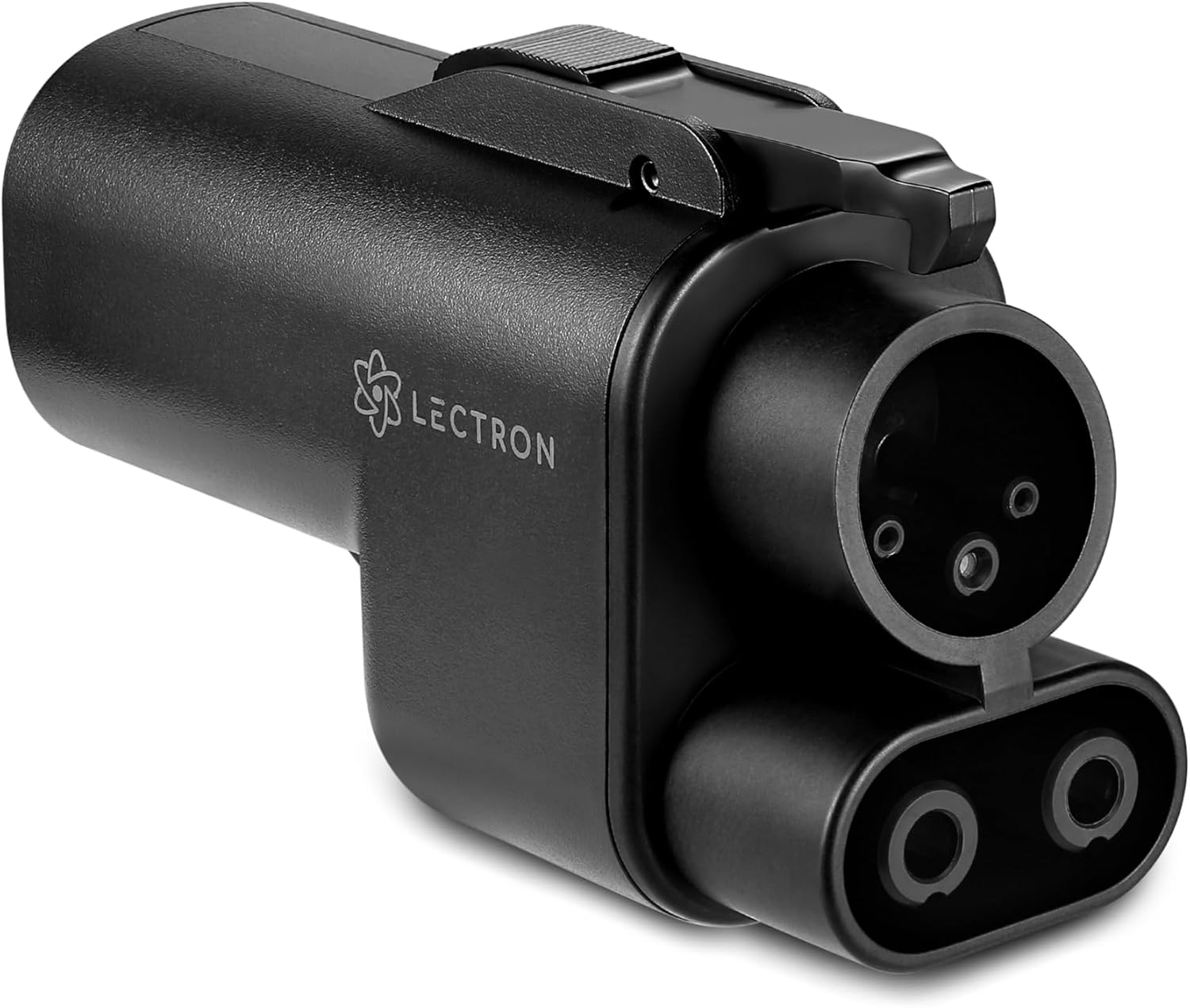
Lectron NACS to CCS Fast-Charge Adapter
Unlock every CCS fast charger for your Tesla, up to 500A DC. Never get stranded at a non-Tesla DC station again.
As an Amazon Associate, ThinkEV earns from qualifying purchases — at no extra cost to you.
Related Reading
Gear worth having
As an Amazon Associate, ThinkEV earns a small commission from qualifying purchases — at no extra cost to you.

Tesla Key Card Holder with AirTag Slot
Stop fishing the keycard out of your wallet, and slot an AirTag in case the car wanders off in a lot.
As an Amazon Associate, ThinkEV earns from qualifying purchases — at no extra cost to you.
Founder & Chief Editor
Vlad Pereira is the founder and chief editor of ThinkEV.ca, the Canadian electric-vehicle publication he writes and edits from Courtenay, British Columbia. He covers EV pricing, federal and provincial rebates, charging costs, and the Chinese manufacturers now entering Canada, from the buyer's side rather than the press-fleet side. ThinkEV is a venture of Vlad Pereira Online; his writing on health, income and the long game lives at vladpereira.com.
Frequently asked questions
Can I buy a fully self-driving car in Canada today?
Is Tesla FSD safe in Canadian winters?
Why did Cruise fail while Waymo survived?
Will autonomous vehicles reduce traffic congestion?
More EV & road-trip finds
Affordable upgrades worth a look — tap any to check the price on Amazon.
 ★ 1,340
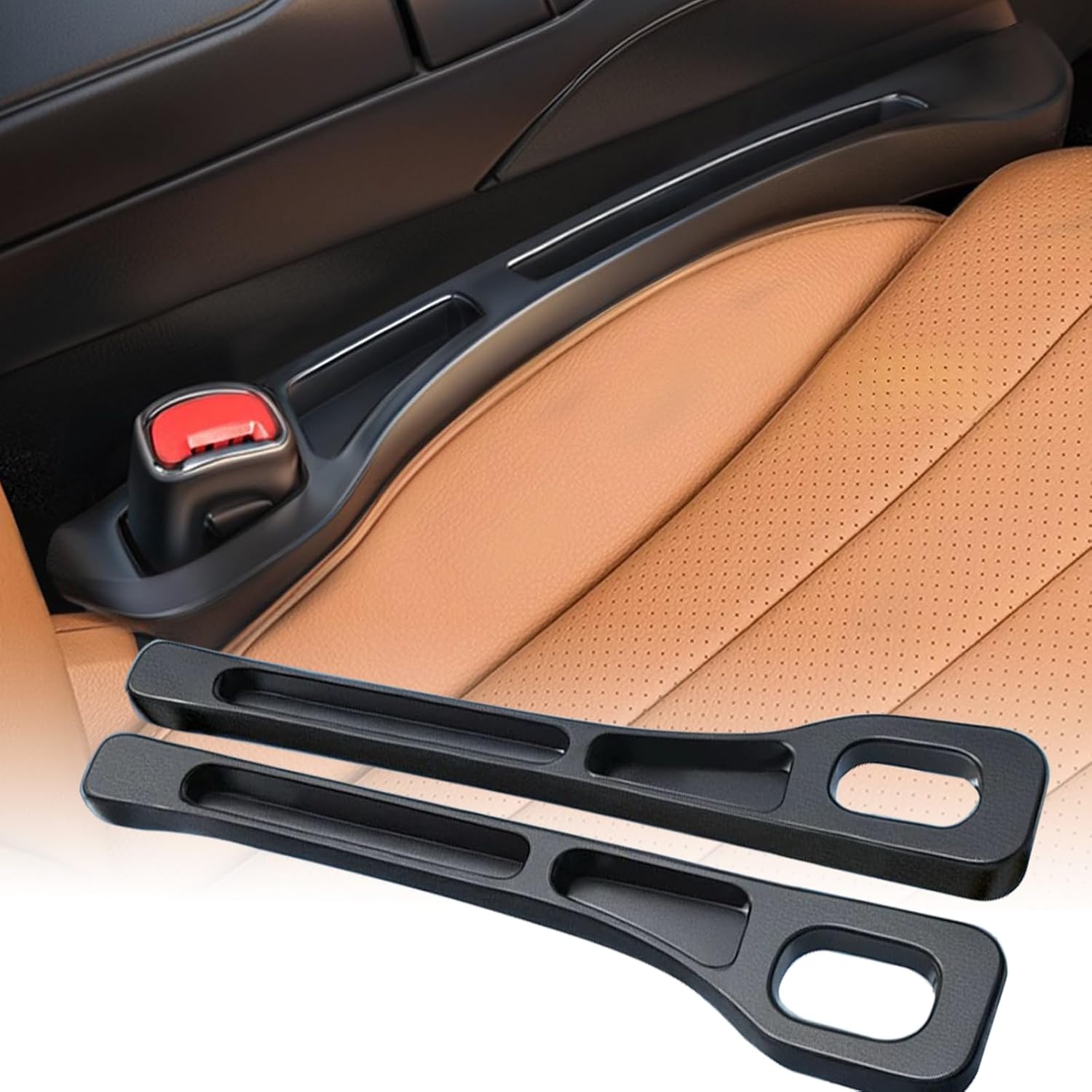
Car Seat Gap Filler (Universal)
View on Amazon ★ 692
★ 692USB-A to USB-C CarPlay Adapter (3-Pack)
View on Amazon ★ 61
★ 61Toddler Car Seat Snack and Cup Tray
View on Amazon ★ 17,839
Qifutan Vent Phone Mount (Military-Grade Clip)
View on Amazon ★ 9,349
Auto Detailing Brush Set (10-Piece)
View on Amazon ★ 55
★ 55LED Car Door Logo Projector Light
View on Amazon ★ 401
★ 401Crochet Daisy Rear-View Mirror Charm
View on Amazon ★ 4,424
Sun Visor Card and Document Organizer
View on AmazonRead, Plan, Then Stay Current
Explore our expert articles to understand incentives and ownership costs, use the map to pressure-test charging reality, then subscribe so new EV coverage comes straight to you.
Continue Reading

New or Used EV: Which Is the Smarter Buy in 2026?
EV Highway vs City Range: Why They Flip
Buy or Lease an EV in Canada? The 2026 Answer
Single-Motor vs Dual-Motor EVs: What AWD Actually Adds
BYD Shark 6 Price in Canada: $55K–$62K Estimate, Explained