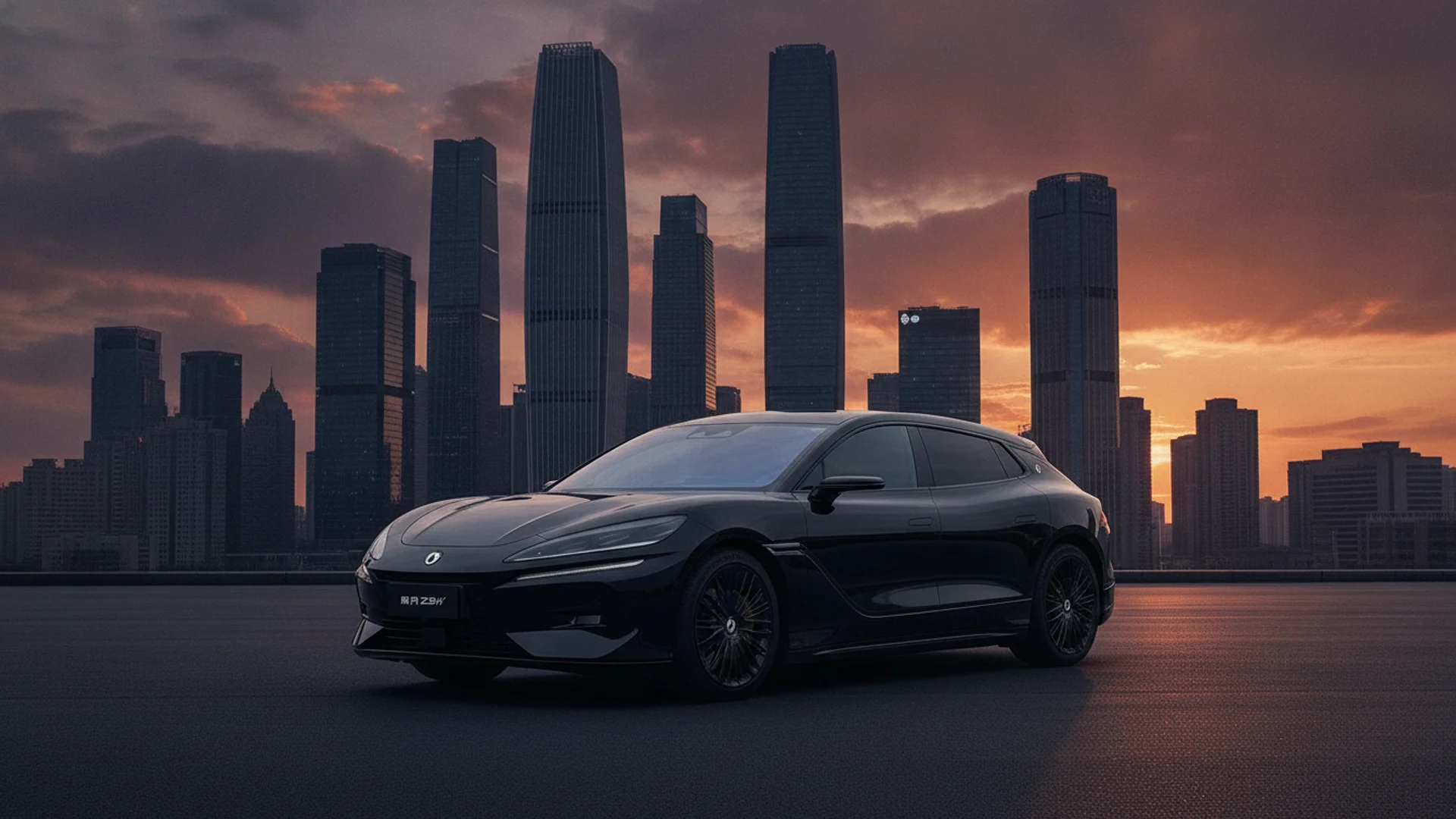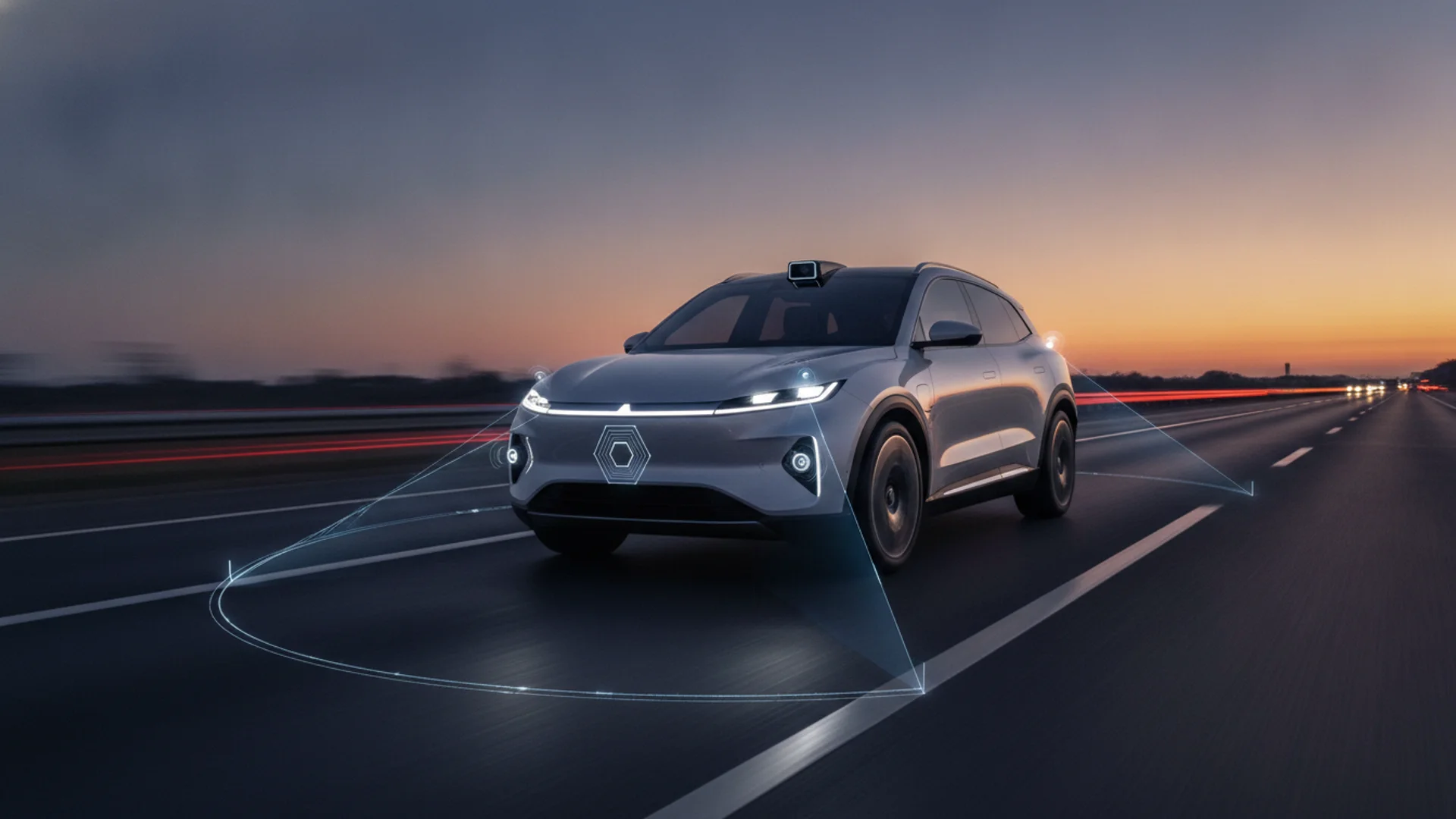
Your BYD parks itself, clips a pillar in the underground garage, and you're not on the hook for repairs, unless you're in Canada. That's the gap between what BYD announced in China and what any Canadian buyer can actually walk into a dealership and get.
Key takeaways
- BYD said in July 2025 it will cover repair costs for crashes caused by its God's Eye system while Urban Navigate on Autopilot or Intelligent Parking is actively engaged, but the pledge is China-only and unavailable to Canadians, since BYD hasn't launched passenger cars here at retail.
- The pledge voids if the driver overrides mid-manoeuvre, breaks a traffic law, or the system wasn't actually running at impact, and BYD has published no dollar cap, claims process, or written contract.
- No ADAS system sold in Canada, including Tesla FSD, Ford BlueCruise, GM Super Cruise, Hyundai HDA, and Kia HDA2, accepts manufacturer financial liability when the system causes a collision.
- BYD isn't a member of CAMVAP, so a Canadian dispute over a God's Eye claim would land in provincial consumer-protection or small-claims court rather than industry arbitration.
The pledge is simple on paper: if BYD's "God's Eye" driver-assistance system is actively running, either Urban Navigate on Autopilot or Intelligent Parking, and the car causes a crash, BYD covers the repair bill. BYD pledges to pay for any damage its car does while self-parking. No deductible carousel, no insurance company arguing with a manufacturer, no driver getting blamed for the algorithm's mistake. That's the marketing version.
The reality is narrower, the Canadian availability is non-existent, and the gap between BYD's stance and what Tesla, Ford, GM, Hyundai and Kia offer at point of sale is the part of this story worth examining. Buy, wait, or skip? For Canadian buyers, the honest call right now is wait, and below is exactly what you'd be waiting for.
What BYD Actually Promised: The Liability Guarantee Explained
BYD posted the announcement on Weibo in July 2025. It is not an insurance product. It is not a regulatory filing. It is the manufacturer publicly accepting financial liability for crashes that happen while two specific ADAS modes are engaged, Urban Navigate on Autopilot (city driving) and Intelligent Parking (hands-free self-parking).
The conditions are tighter than the headlines suggested. Coverage only kicks in when the system is actively running. If you take over mid-manoeuvre and clip a pillar yourself, that's on you. If you were breaking traffic law, running a red, exceeding posted speeds, ignoring a no-entry sign, coverage voids. Auto Express noted that the guarantee applies to "legally liable accidents, those in which the driver was not breaking the law" while the God's Eye urban driver-assistance feature or hands-free parking is operating.
What BYD did not publish: a dollar cap, a claims process, a turnaround time, or a written contract that buyers can wave at a body shop. The Verge framed it as a liability pledge rather than an insurance product, which is the right distinction, BYD as manufacturer is volunteering to absorb cost, not underwriting a policy.
That matters because pledges can be retracted. Insurance policies, even bad ones, are contracts. A Weibo post is a marketing statement that creates regulatory expectations in China, where consumer-protection authorities can hold a manufacturer to public claims. Whether the same legal weight would attach in Canada, the EU, or anywhere else BYD eventually sells these vehicles is an open question, and one nobody has answered yet.
The thing that's actually new here isn't the technology. It's the manufacturer publicly betting on it.
God's Eye: What the System Actually Does at Level 2 vs Level 4
God's Eye is the umbrella name for BYD's ADAS stack. It uses LiDAR sensors, hardware Tesla famously refuses to fit, and that most competitors skip below the luxury price point. LiDAR adds cost but reads the world in three dimensions, which is why BYD is comfortable enough with parking accuracy to absorb the liability.
The autonomy levels matter because they're how regulators decide who's responsible when things go wrong. For city driving, God's Eye operates at Level 2, the driver is legally responsible in nearly every jurisdiction, and that includes Canada under Transport Canada's current framework. For parking specifically, BYD claims Level 4 capability, meaning the system handles the full task without driver supervision inside the operational design domain (a parking lot, a garage, a defined low-speed environment).
Level 4 is the threshold where regulators start letting manufacturers carry liability. Tesla's Autopilot and Full Self-Driving both sit at Level 2, drivers must be ready to take over. That's why Tesla can sell FSD as a beta product and still tell drivers in the same sentence that they're responsible for the car. BYD's parking-specific Level 4 claim is what lets the company put its name on the repair bill.
If you want the deeper read on how Tesla FSD, Waymo and Cruise structure these autonomy claims differently, the safety comparison Canada needs breaks down what each system can and can't do, and where the 2026 data lands.
The catch: a Level 4 claim in China is not a Level 4 claim in Canada. Each country's transport regulator decides what counts. Transport Canada has not certified any vehicle for Level 4 operation in Canadian conditions, and any BYD vehicle eventually sold in Canada would have to go through that certification before the manufacturer could legally accept liability the way it does in China.
The Fine Print: When BYD Pays and When You're Still on Your Own
Here is what voids coverage, based on what's been reported across InsideEVs, Auto Express, The Verge and the Insurance Canada writeup of BYD's Weibo announcement:
- Driver override mid-manoeuvre, if you grab the wheel or hit the brake during a self-park, the system is no longer the responsible party
- Reckless driving, speeding, illegal lane changes, ignoring signage
- Driver-initiated illegal manoeuvres while the system is engaged
- Any accident where the system was not actively running at the moment of impact
- Operating outside the system's stated operational design domain (high-speed highway scenarios are not covered by the parking pledge, for example)
What BYD has not stated publicly: the maximum payout per incident, whether there's a deductible, what the claims-submission process looks like, how disputes get resolved, and whether third-party damages (the other driver's car, the pedestrian, the wall) are included or whether the coverage applies only to the BYD vehicle itself.
That ambiguity is fine when the manufacturer wants to project confidence and the marketing audience is buyers in Shenzhen. It is not fine for a Canadian insurance underwriter trying to decide whether to discount premiums on vehicles equipped with the system, or for a Canadian dealer trying to answer a customer's "but what if" question.
Stripped of the marketing language, the pledge is: BYD will absorb costs in a narrow band of clearly-system-caused incidents, in China, where the regulatory and warranty framework gives the company a public-facing reason to honour it. Outside that band, the buyer is back to whatever their normal insurance and provincial consumer protection laws say.
Canada Reality Check: Can You Get This Coverage If You Buy a BYD Here?
Short answer: no. Longer answer: no, and the structural reasons matter for anyone tracking when Chinese EVs will actually be buyable at a Canadian dealership.
BYD has not launched passenger vehicles in Canada at retail scale. There is no Canadian dealer network, no Canadian-market-certified versions of the Atto 3, Seal, or Han with full ADAS feature parity, and no Canadian-language liability documentation. The God's Eye liability pledge applies in China, where BYD has the regulatory relationships and the public-trust calculus to make it stick.
Gear worth having
As an Amazon Associate, ThinkEV earns a small commission from qualifying purchases — at no extra cost to you.

Grizzl-E Classic Level 2 EV Charger (40A)
Canadian-made and rated for minus 40C winters. 40A / 9.6 kW, NEMA 14-50, indoor/outdoor, 24-ft cable. The charger built for Canadian weather.
As an Amazon Associate, ThinkEV earns from qualifying purchases — at no extra cost to you.
The tariff math is the other half of the story. Canada's 100% surtax on Chinese-made EVs took effect in October 2024 and dropped to 6.1% on January 16, 2026, accompanied by a 49,000-vehicle annual import quota. That's a meaningful policy shift, but it does not on its own put BYDs in Canadian showrooms. The 49,000-unit import system explains the permit mechanics, what's clear in the regulation, and what is still being interpreted by Transport Canada and the Department of Finance.
Chinese-built EVs also remain excluded from the federal iZEV rebate program (now reactivated for 2026 with the $5,000 incentive). That exclusion is independent of the tariff change and is the bigger affordability issue for any Canadian considering a Chinese-brand EV today.
For a clearer timeline on when affordable new EVs, Chinese-brand and otherwise, actually land in Canadian dealerships, the new EV arrival timeline through 2027 tracks pre-order dates, demo availability, and what to expect quarter by quarter.
The practical conclusion for Canadian buyers: God's Eye liability coverage is not a feature you can buy in Canada in 2026. If you're looking at a Chinese-brand EV through a parallel-import channel or a grey-market route, the manufacturer pledge from a Weibo post in 2025 is not enforceable against BYD in a Canadian small-claims court, and your provincial insurer will treat the accident the way they treat any ADAS-related claim, by looking for driver fault.
How BYD's Move Compares to Tesla FSD and Other ADAS Policies
Tesla sells Full Self-Driving as a beta. The licence agreement is explicit: the driver is responsible, not Tesla. Tesla also sells an Autopark feature, and as the original InsideEVs writeup noted, some drivers have reported that it can damage the vehicle during self-parking, with no manufacturer liability backstop.
That's the contrast BYD is leaning into. Tesla, Ford BlueCruise, GM Super Cruise, Hyundai's Highway Driving Assist, Kia's HDA2, none of these systems come with the manufacturer accepting financial responsibility when the system causes a collision. Every one of them places the legal duty on the driver, who must remain attentive and ready to intervene.
That's not necessarily wrong. Level 2 systems are designed around driver supervision. The legal architecture matches the engineering reality. What BYD is doing, accepting liability specifically for Level 4 parking and conditionally for Level 2 urban driving, is a competitive signal more than a regulatory shift. It tells buyers: we trust our system enough to put money behind it.
That signal lands hardest against Tesla, because Tesla has spent a decade marketing autonomy aggressively while keeping every legal escape hatch open. BYD's pledge, even China-only, even with all the conditions, is the kind of manufacturer-stake-in-the-game commitment that Tesla, Toyota, GM and the German brands have collectively avoided.
It's the right kind of pressure on the rest of the industry. If BYD can carry liability for parking in Shenzhen, the question of why no Canadian-market OEM does the same in Montreal becomes a question worth asking. Competition like this is what makes warranty and liability terms better for buyers, which is the same lens that applies to everything else Chinese brands are bringing to global markets.
What Canadian EV Buyers Should Actually Do Right Now
Three concrete steps for anyone reading this with a real purchase decision in front of them.
First, read your auto insurance policy. Most Canadian insurers, TD Insurance, Intact, Aviva, Desjardins, Co-operators, ICBC, SGI, Manitoba Public Insurance, still treat ADAS-caused accidents as driver-at-fault incidents. The technology is in the car, but the policy language was written before manufacturer liability pledges existed. Ask your broker, in writing, how the insurer treats a crash where the manufacturer accepts responsibility. The answer right now is usually "the manufacturer can pay you separately, but the at-fault claim still goes against your record."
Second, know that CAMVAP, the Canadian Motor Vehicle Arbitration Plan, does not include BYD. Your warranty rights when an EV claim goes wrong covers this in detail: Tesla, BMW, Mercedes-Benz, Stellantis, Mitsubishi, Rivian, BYD, NIO and XPeng are not CAMVAP members. If BYD ever enters Canada and you get into a dispute over a God's Eye liability claim, the route is provincial consumer protection legislation, the Quebec lemon law if you're in Quebec, and small-claims court, not industry arbitration.
Third, when BYD does enter Canada (and the 6.1% tariff with the 49,000-unit quota makes that more likely than it was 18 months ago), get the liability pledge in writing at the point of sale. Not "yes, that's our policy" verbally. Not a sales-brochure footnote. A signed addendum to the bill of sale specifying when the coverage applies, the claims process, the dollar cap, and the dispute-resolution forum. If a Canadian dealer cannot produce that document, the pledge is marketing, not a feature you're paying for.
The buy/wait/skip call for Canadian buyers specifically considering this protection: wait. Wait for BYD to enter the Canadian market formally. Wait for Transport Canada to certify the God's Eye system at the autonomy level BYD claims. Wait for at least one Canadian insurer to update its policy language around manufacturer liability. The trigger that flips this from "wait" to "consider": a Canadian BYD dealer producing a written, market-specific liability commitment, not a translation of the Weibo post.
Gear worth having
As an Amazon Associate, ThinkEV earns a small commission from qualifying purchases — at no extra cost to you.

VIOFO A229 Pro 4K Dash Cam
4K front plus 2K rear with parking mode and GPS. Your silent witness for insurance claims, with always-on sentry recording while parked.
As an Amazon Associate, ThinkEV earns from qualifying purchases — at no extra cost to you.
FAQ
BYD's liability pledge is a real competitive signal and a meaningful precedent for manufacturer accountability in driver-assistance systems. For Canadian buyers in 2026, it is also not a product you can purchase. The thing to watch over the next twelve months is whether any manufacturer with an existing Canadian dealer network, Tesla, Hyundai, Kia, GM, Ford, matches it. If one does, that's the moment the rest of the industry is forced to respond. If none do, BYD's eventual Canadian arrival becomes a much sharper sales argument than the tariff math alone would suggest.
Gear worth having
As an Amazon Associate, ThinkEV earns a small commission from qualifying purchases — at no extra cost to you.
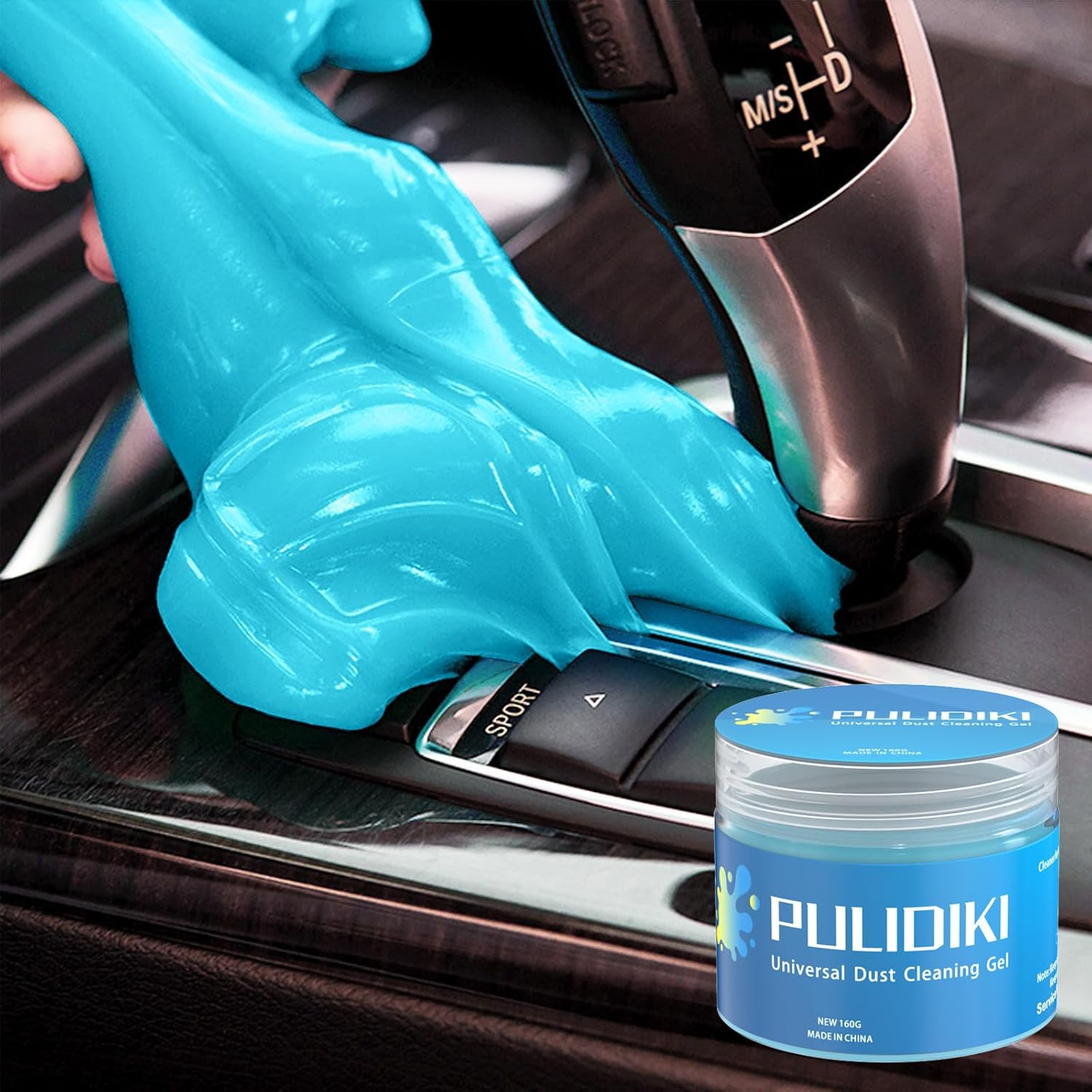
PULIDIKI Car Cleaning Gel (Detailing Putty)
Press it into vents, buttons, and seams and it lifts out dust you did not know was there. Weirdly satisfying, genuinely useful.
As an Amazon Associate, ThinkEV earns from qualifying purchases — at no extra cost to you.
Founder & Chief Editor
Vlad Pereira is the founder and chief editor of ThinkEV.ca, the Canadian electric-vehicle publication he writes and edits from Courtenay, British Columbia. He covers EV pricing, federal and provincial rebates, charging costs, and the Chinese manufacturers now entering Canada, from the buyer's side rather than the press-fleet side. ThinkEV is a venture of Vlad Pereira Online; his writing on health, income and the long game lives at vladpereira.com.
Frequently asked questions
Does BYD's crash liability guarantee apply to Canadian buyers?
Will my Canadian auto insurance still cover an ADAS-caused accident?
What is God's Eye and which BYD models have it?
If BYD pays for a crash, does that go on my insurance record?
When can Canadians actually buy a BYD with God's Eye?
More EV & road-trip finds
Affordable upgrades worth a look — tap any to check the price on Amazon.
 ★ 314
★ 314Mini USB LED Ambient Lamps (4-Pack)
View on Amazon ★ 546
★ 546Funny Headrest Face Covers (2-Pack)
View on Amazon ★ 21,304
Car Headrest Hooks (4-Pack)
View on Amazon ★ 308
★ 308Coiled Lightning Car Cable for iPhone (2-Pack)
View on Amazon ★ 119
★ 119Foldable Waterproof Trunk Organizer
View on Amazon ★ 392
★ 392Large Cup Holder Adapter (32-40oz)
View on Amazon ★ 4,050
Touchscreen Mist Screen Cleaner Kit
View on Amazon ★ 55
★ 55LED Car Door Logo Projector Light
View on AmazonRead, Plan, Then Stay Current
Explore our expert articles to understand incentives and ownership costs, use the map to pressure-test charging reality, then subscribe so new EV coverage comes straight to you.
Continue Reading
BYD Denza B8 Suspension Trick Defeats Traffic Boot in Viral Clip
BYD Q3 Electric Semi Marks 150,000th Commercial NEV
BYD's $4,000 Sealion 7 Cashback Targets Tesla Model Y
BYD Great Seagull: A Bigger $10,000 EV Hatch Is Coming
Denza Z9GT Spotted in Melbourne: 1000km Range, 9-Min Charge