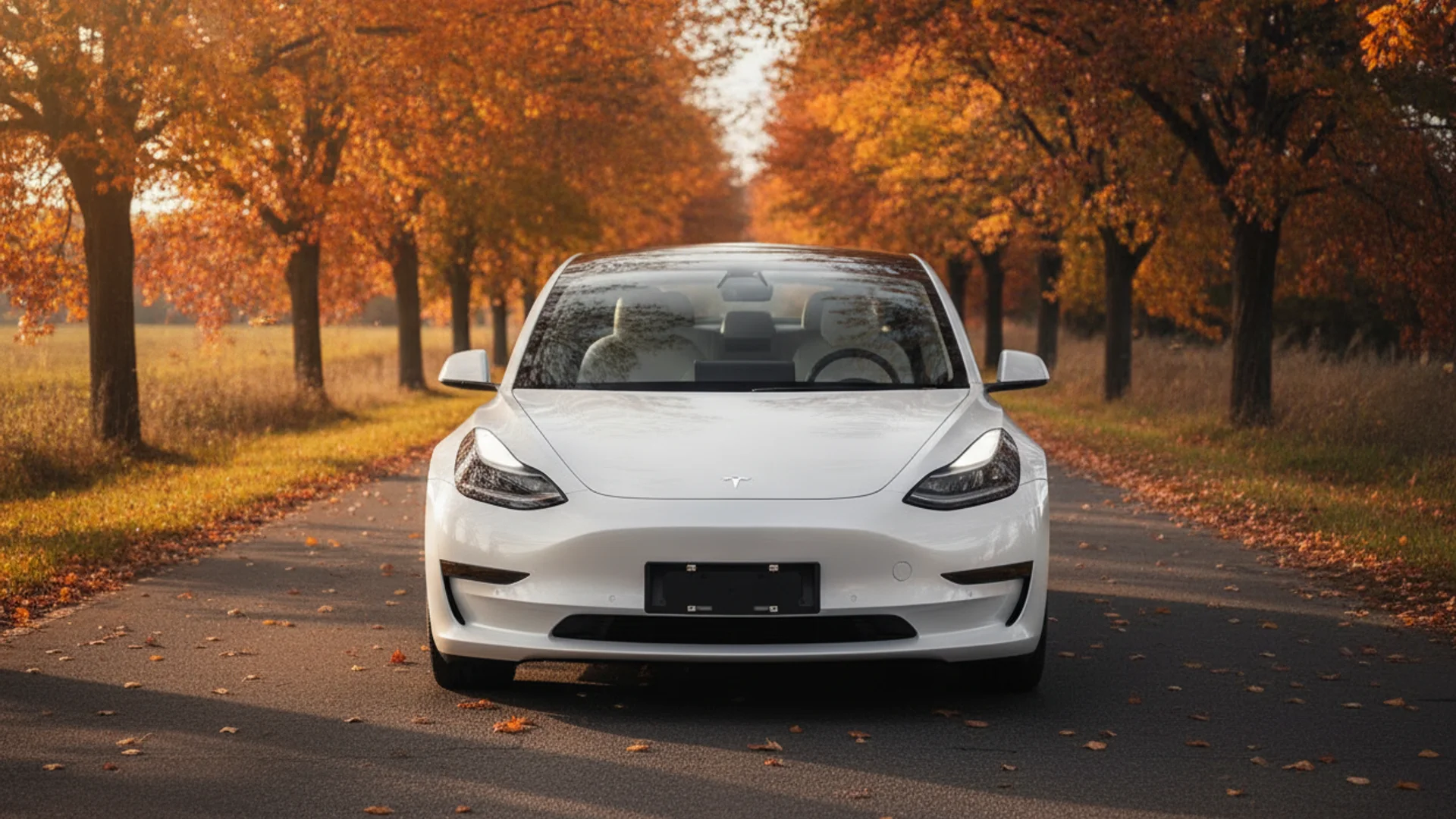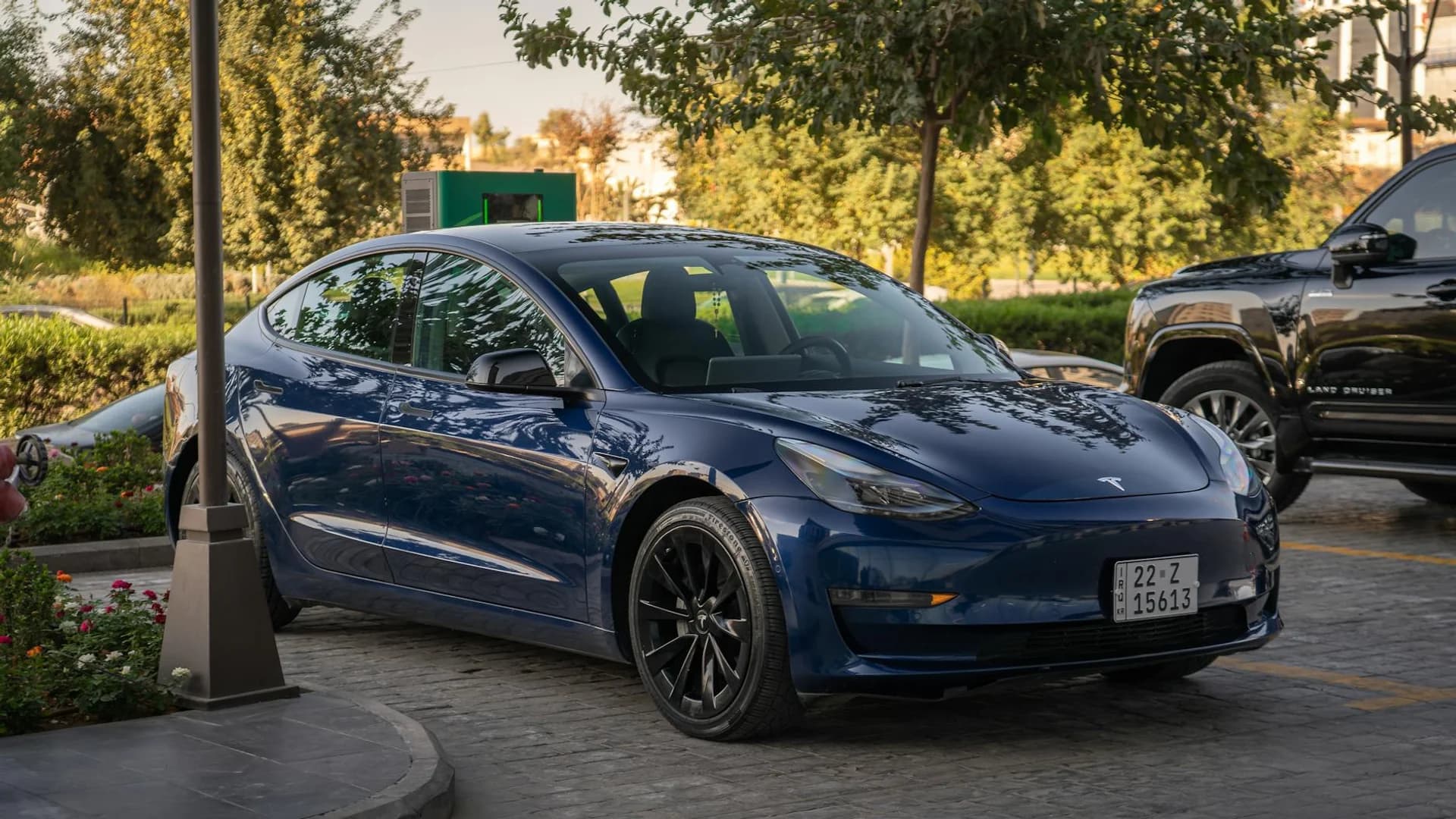
The same Tesla Model 3 costs C$39,490 or C$79,990 in Canada in 2026, and the C$40,500 gap is entirely a tariff artifact, the product of two trade instruments stacked on top of a single nameplate. One Model 3 is built in Shanghai and enters Canada under the 6.1% Chinese-EV rate negotiated in January. The other is built in Fremont and carries the counter-tariff Canada applied to American-built vehicles during the Trump trade dispute. Same car, same battery, same software stack. Two prices, separated by policy.
This is what the Carney–Beijing deal actually did. It collapsed a 100% surtax to 6.1% inside a 49,000-unit annual quota and forced Tesla, a manufacturer that had already equipped its Shanghai plant to export to Canada in 2023, to re-route supply almost overnight. The tariff isn't an abstract line item; it's the difference between a Model 3 that undercuts US pricing by C$8,000 and one that prices above the cap on every meaningful rebate. The architecture is worth dissecting, because the dollar value the tariff adds to a Tesla in Canada depends entirely on which factory the VIN was stamped in.
Key takeaways
- The January 2026 Carney–Beijing deal collapsed Canada's 100% Chinese-EV surtax to 6.1% inside a 49,000-unit annual quota.
- A Shanghai-built Model 3 carries roughly C$1,950 in tariff cost; under the 2024 regime it would have been C$32,000.
- Canada's counter-tariff on American goods explains why the Fremont Model 3 Long Range prices at C$79,990, double its Shanghai twin.
- Tesla provisioned Shanghai export capacity to Canada in 2023, two years before the tariff cut made the channel commercially viable.
- The 49,000-unit quota allocation rules haven't been published by CBSA, leaving every Chinese-brand importer operating on assumptions.
The Tariff Architecture: From 100% to 6.1% and What Changed
Canada imposed its 100% surtax on Chinese-built EVs in October 2024, mirroring the US position and effectively pricing every Chinese-origin electric vehicle out of the Canadian retail market. China-made cars now face only a 6.1% tariff after the U.S.-Canada deal, a reduction that took effect January 16, 2026 under the Carney government's trade pivot. The cut is not blanket: it operates inside a 49,000-vehicle annual import quota shared across all Chinese-origin EV brands.
That quota mechanism is the part most coverage glosses over. The 6.1% rate is not a tariff floor a manufacturer can rely on indefinitely, it is a permit-system rate that applies to the first 49,000 units of Chinese-built EVs entering Canada each year. The mechanism for tracking quota utilisation, the over-quota rate, and the allocation method between manufacturers have not yet been published by the Canada Border Services Agency. The closest analogical scaffolding sits in Canada's tariff-rate quota (TRQ) regime for agricultural goods, which typically allocates in-quota volume on a first-come-first-served basis at the port of entry, with ministerial discretion reserved for over-subscription scenarios. If that model carries over, early-year Tesla shipments clear at 6.1% and late entrants, BYD, Geely-Volvo, Polestar, face whatever over-quota rate CBSA eventually publishes. The alternative model, historical-importer preference, would entrench Tesla's first-mover advantage by design. Neither outcome favours new entrants. Until those rules land, every importer is operating on the assumption that early-year shipments clear at 6.1% and that the policy holds.
The 6.1% figure itself is worth defining precisely. It functions as the effective surtax rate replacing the 100% measure, not a base most-favoured-nation auto duty. Canada's standard MFN automotive tariff sits at 6.1% as well, which is why most reporting collapses the two numbers. For a Shanghai-built Tesla, the practical landed-cost calculation uses the 6.1% rate as the China-specific instrument; the base MFN treatment is what it would have faced without the surtax in the first place.
Timeline matters for anyone trying to read Tesla's pricing moves. October 2024: 100% surtax in force. January 16, 2026: rate cut to 6.1%. February-March 2026: Tesla without explanation removed all its Model 3 inventory from its Canadian website, with the direct-order URL still surfacing the CDN$59,990 MSRP inflated to $79,900 to compensate for those tariffs. May 2026: Tesla relaunches Canadian Model 3 pricing at C$39,490 for a Shanghai-sourced Premium RWD trim. The five-month gap between rate cut and price reset is the rebalancing window, and it tells you Tesla was waiting on supply-chain confirmation, not regulatory clarification.
Tesla's Dual-Source Supply Chain and the Canadian Pricing Split
Tesla's Canadian lineup now reflects a deliberate dual-source strategy. The Fremont-built Model 3 Long Range still carries the C$79,990 price tag, a figure inflated by Canada's counter-tariff on American-built goods. The Shanghai-built Model 3 Premium RWD entered the market at C$39,490, half the price, same nameplate, different country of origin on the manufacturer's certificate.
Canada's new tariff deal with China is driving down the cost of EVs in the country, and Tesla is taking advantage by offering a new base Model 3 for $8,000 less than in the U.S. That undercut against US pricing is the headline most outlets ran with, but it understates what's happening structurally. Tesla is using Canada as the proof-of-concept market for a Shanghai-to-North-America export channel that the US tariff wall has rendered impossible domestically. The Canadian retail price isn't a discount, it's the unfiltered cost of a Shanghai-built Model 3 plus 6.1%, plus whatever margin Tesla decided would maintain volume against incoming Chinese competition.
Tesla equipped its Shanghai plant to export to Canada in 2023, which forecloses any reading of this move as reactive. The capacity was provisioned more than two years before the tariff cut, suggesting Tesla planned for trade-policy convergence with China long before the Carney government delivered it. The 2024 surtax interrupted the plan; the 2026 deal restored it. The same import channel surfaces in the coverage of BYD's Canadian launch under the 6.1% rate, which draws from the same quota Tesla is now consuming.
The Model Y complicates the picture. It holds at C$49,990 in Canada, Fremont-built, no Shanghai equivalent yet available in this market. Tesla removed all its Model 3 inventory from its Canadian website, perhaps in an effort to replace American-built units on Canadian lots with their Chinese-built equivalents, which could soon be imported tariff-free.Even though 2026 Model 3 inventory has been wiped from Tesla's site, you can technically still order one via a direct URL. The Model Y has no such transition under way, which means the Model 3's price split is the canary, not the trend. If Shanghai-built Model Y units start arriving in Canadian inventory in late 2026, expect a similar split around the C$40,000 mark.
Gear worth having
As an Amazon Associate, ThinkEV earns a small commission from qualifying purchases — at no extra cost to you.

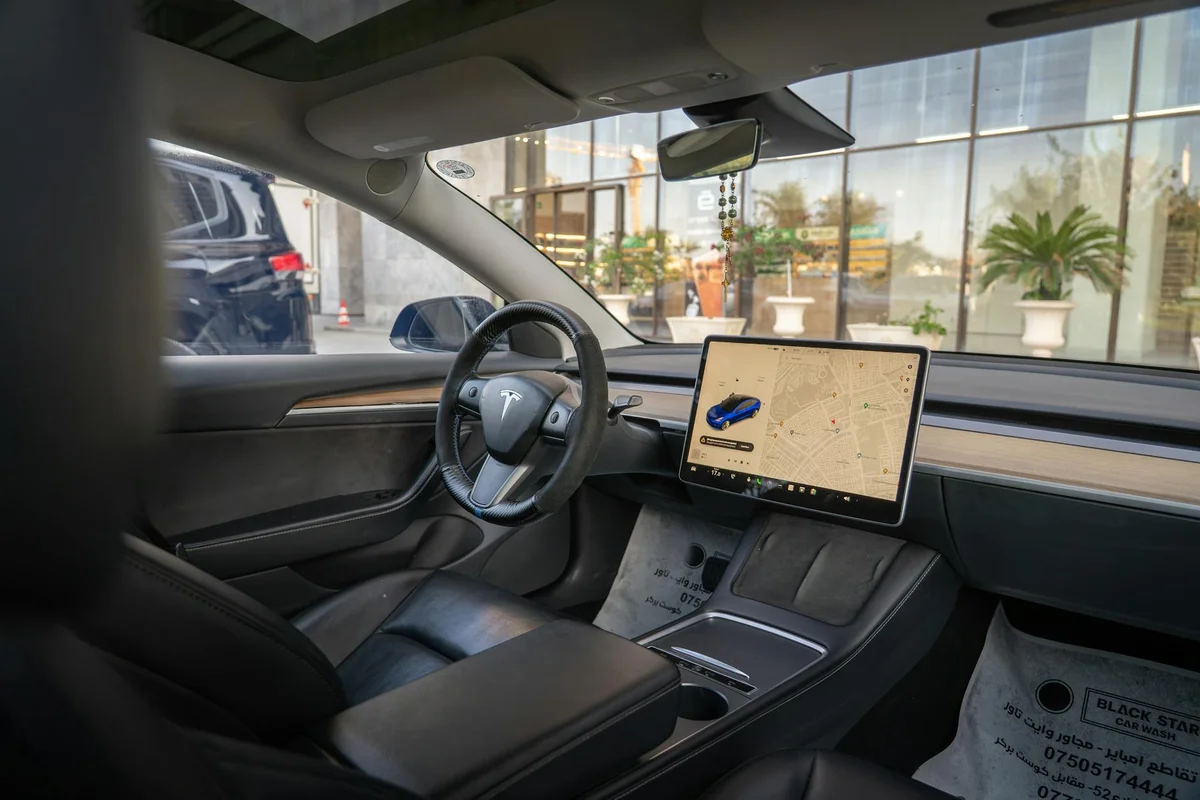
WeatherTech FloorLiner for Tesla Model 3
Deep-channel liners that trap every drop of slush and salt. The difference between a ruined interior and a showroom-fresh cabin after a Canadian winter.
As an Amazon Associate, ThinkEV earns from qualifying purchases — at no extra cost to you.
Calculating the Tariff's Dollar Contribution to Sticker Price
The arithmetic on the Shanghai Model 3 is straightforward once the components are isolated. At an estimated landed invoice value of roughly C$32,000 before duties, the 6.1% surtax contributes approximately C$1,950 to the sticker price. That's the actual dollar value the China-specific tariff adds to a Shanghai-built Tesla Model 3 in Canada in 2026.
The contrast with the previous regime is what makes the policy shift dramatic. Under the 100% surtax in force between October 2024 and January 2026, the same vehicle would have carried roughly C$32,000 in surtax, effectively doubling landed cost and pricing the vehicle out of any reasonable retail bracket. The tariff cut didn't save buyers C$1,950; it saved them the approximately C$30,000 differential between the old rate and the new one. Tesla's decision not to bring Shanghai inventory to Canada during the 100% window confirms the prohibitive math.
The Fremont side of the ledger runs in the opposite direction. The C$79,990 Model 3 Long Range carries an embedded counter-tariff load of roughly C$7,000 to C$9,000 attributable to Canada's retaliatory duty on American-built vehicles. That counter-tariff was Canada's response to the Trump administration's tariff threats, and the threats themselves haven't subsided. The risk profile remains live within a North American trade relationship where retaliation pressure remains structurally available to Washington.
Stack the two effects and the C$40,500 delta between the two Model 3 variants resolves cleanly: roughly C$30,000 saved on the Shanghai side from the China-rate cut, plus roughly C$8,000–9,000 added on the Fremont side from the Canada–US counter-tariff, plus trim and margin differences Tesla folded into the Premium RWD positioning. The combined arithmetic of two trade regimes produced the gap, not a single policy lever.
EVAP Eligibility: Does the Shanghai Model 3 Qualify?
Canada's Electric Vehicle Affordability Program launched February 16, 2026, and pays C$5,000 for a qualifying BEV under the program's MSRP cap. The C$39,490 Shanghai Model 3 sits well below that cap, which would normally make it a textbook EVAP candidate. The complication is the assembly-origin language in the program rules.
Gear worth having
As an Amazon Associate, ThinkEV earns a small commission from qualifying purchases — at no extra cost to you.

Grizzl-E Classic Level 2 EV Charger (40A)
Canadian-made and rated for minus 40C winters. 40A / 9.6 kW, NEMA 14-50, indoor/outdoor, 24-ft cable. The charger built for Canadian weather.
As an Amazon Associate, ThinkEV earns from qualifying purchases — at no extra cost to you.
EVAP's eligibility criteria favour vehicles assembled in Canada or in jurisdictions with which Canada maintains qualifying trade arrangements. Whether a Shanghai-assembled Tesla satisfies that criterion depends on how Transport Canada interprets the country-of-final-assembly clause, and on whether the recent Carney–Beijing trade deal creates a qualifying-arrangement pathway. The interpretive question has not been formally resolved as of late May 2026.
The stakes for buyers are material. If the Shanghai Model 3 qualifies, the effective consumer price drops to roughly C$34,490 after the federal incentive, putting it in direct competition with the cheapest mainstream EVs Canada currently lists. The under-$50K Canadian EV bracket gets reshaped immediately, because no other vehicle in that bracket combines Tesla's range, Supercharger access, and software stack at that net price.
If it doesn't qualify, the effective consumer-facing gap between the Shanghai Model 3 and an EVAP-eligible domestic competitor widens by C$5,000, a meaningful swing in a price-sensitive segment. The interpretive risk is what makes EVAP eligibility a forecast worth holding, not a fact to write down. NRCan's program documentation hasn't issued an explicit ruling on Chinese-assembled vehicles, and the silence is itself informative.
Gear worth having
As an Amazon Associate, ThinkEV earns a small commission from qualifying purchases — at no extra cost to you.
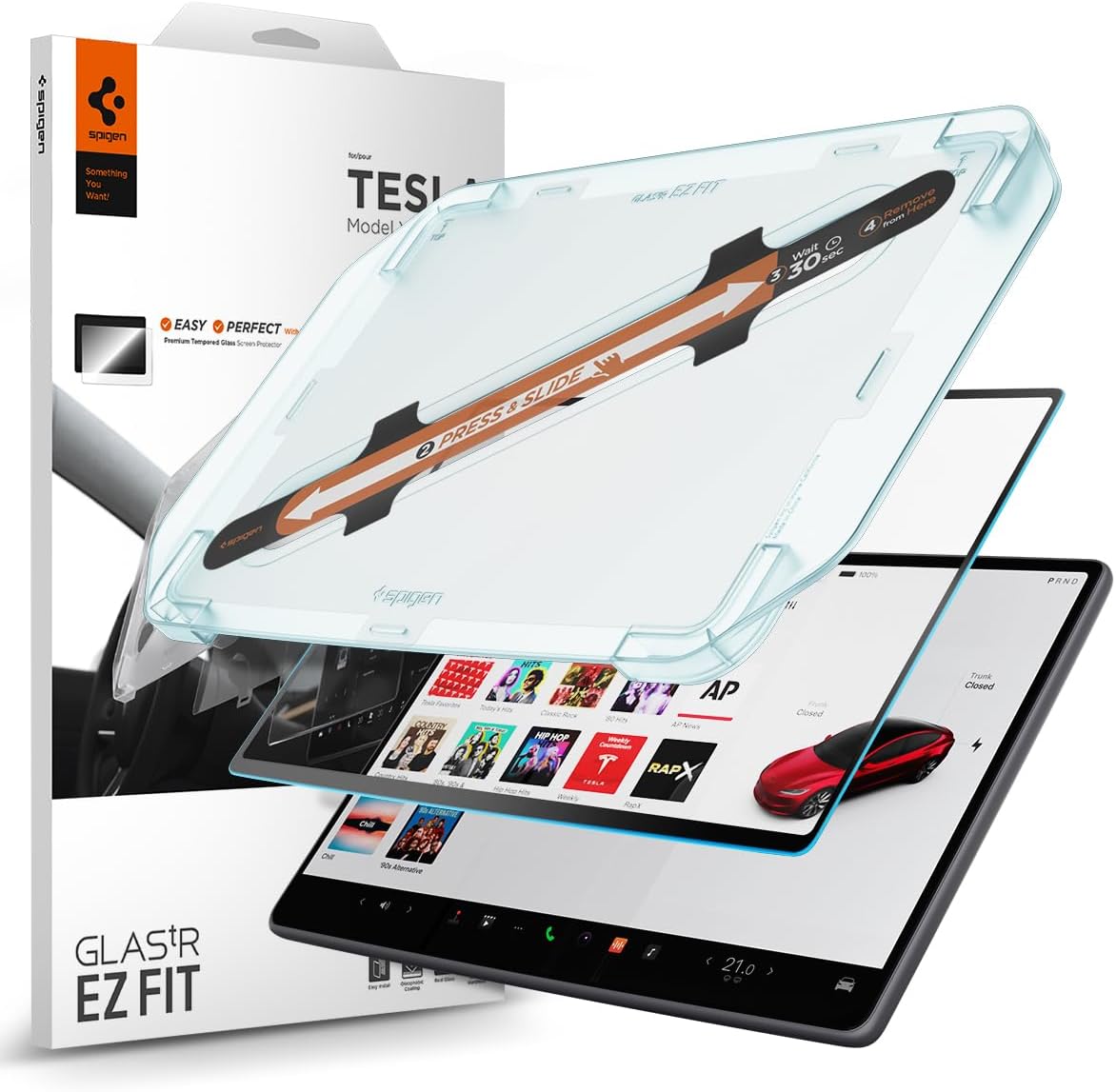
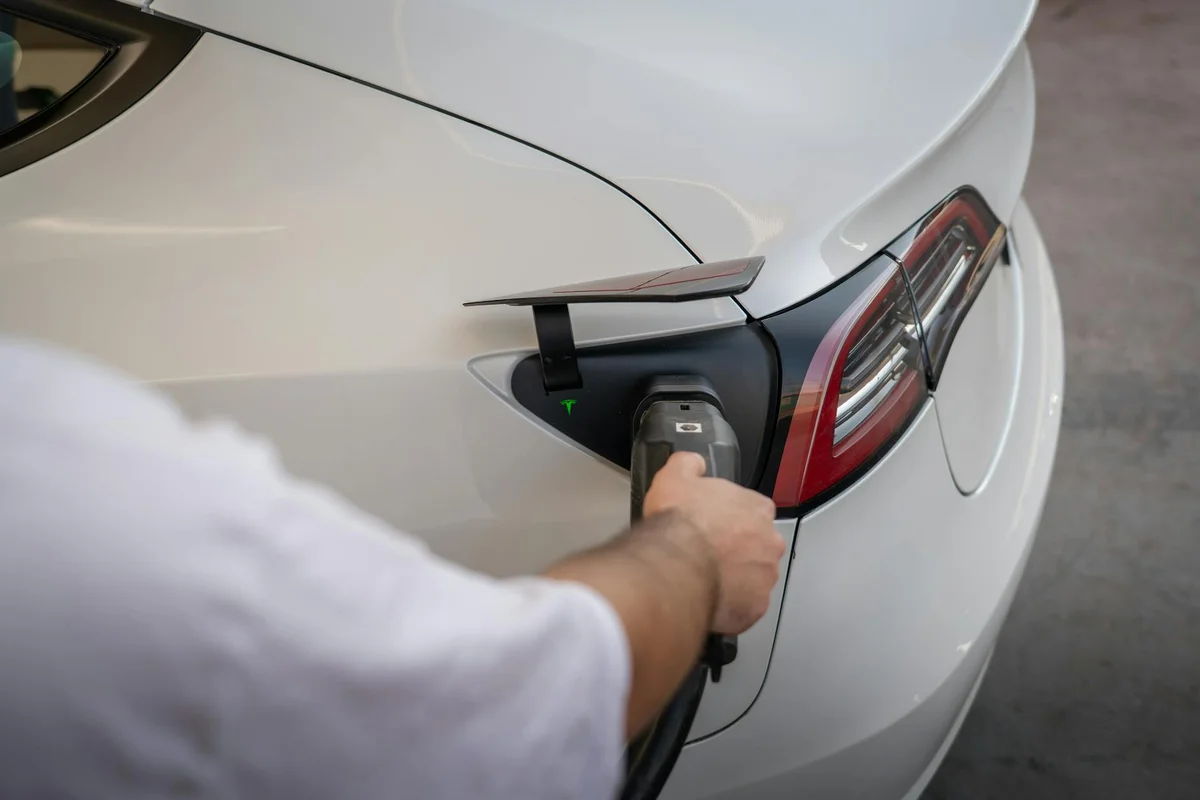
Spigen Tempered Glass for Tesla Model 3/Y
Tempered-glass protection for the touchscreen that kills fingerprints and scratches. Two minutes to install, lasts the life of the car.
As an Amazon Associate, ThinkEV earns from qualifying purchases — at no extra cost to you.
Multi-Jurisdictional Comparison: How Other Regimes Tax the Same Vehicle
The Canadian 6.1% rate looks generous primarily because the international comparison is unfavourable. The same Shanghai-built Tesla Model 3 enters other markets under materially different tariff structures:
- Canada (post-Jan 16, 2026): 6.1%, within a 49,000-unit annual quota shared across all Chinese-origin EV brands.
- European Union: approximately 35.3%, 10% base auto duty plus roughly 25.3% countervailing duty applied to Tesla-specific Chinese-built BEVs under the bloc's anti-subsidy regime.
- United States: 100%, prohibitive by design, no Chinese-built Tesla imports clear the rate at retail-viable margins.
- United Kingdom: 10%, standard auto import duty, with no China-specific BEV surtax as of Q1 2026.
- Brazil: approximately 35% at the full-rate phase-in by 2026, IPI plus import duty, after a Chinese-EV tariff ramp that began in 2024.
Canada is now the second-cheapest jurisdiction for a Shanghai-built Tesla, behind only the UK. The EU's combined duty, applied to Tesla specifically under the bloc's countervailing-duty regime, makes the European Shanghai Model 3 approximately C$10,000 to C$12,000 more expensive at the customs border than its Canadian equivalent. The US wall is prohibitive by design, which is why Tesla's Shanghai-to-North-America corridor runs through Canadian ports of entry exclusively.
The structural takeaway: the Carney–Beijing deal made Canada the most favourable G7 market for Chinese-built EVs, and that status is not stable. It depends on the 49,000-unit quota holding, the over-quota rate landing at a non-prohibitive level, and the Canada–US trade relationship not deteriorating to the point that retaliation pressure forces Ottawa to walk back the deal.
Gear worth having
As an Amazon Associate, ThinkEV earns a small commission from qualifying purchases — at no extra cost to you.
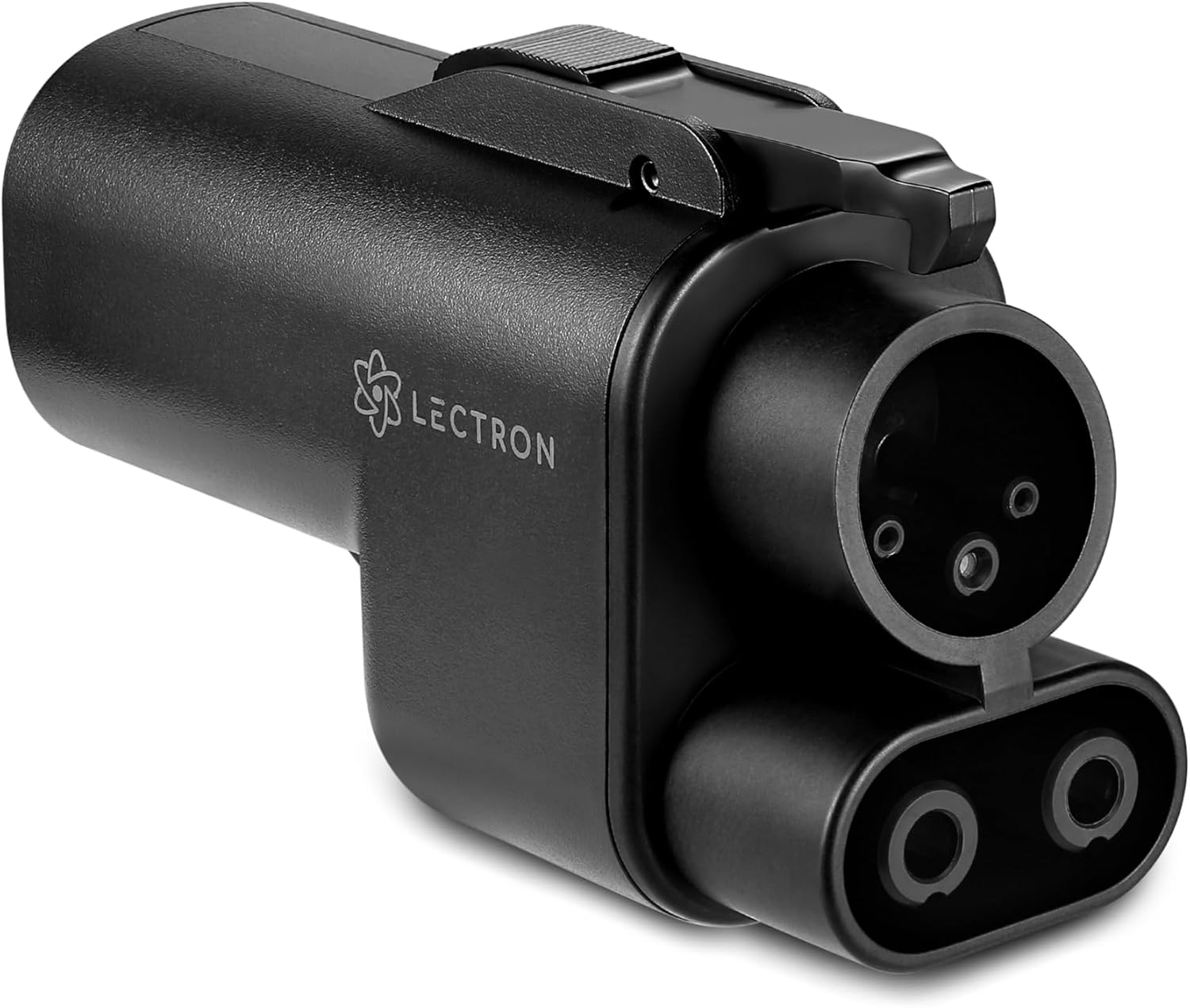
Lectron NACS to CCS Fast-Charge Adapter
Unlock every CCS fast charger for your Tesla, up to 500A DC. Never get stranded at a non-Tesla DC station again.
As an Amazon Associate, ThinkEV earns from qualifying purchases — at no extra cost to you.
Policy Risk Factors: Quota Exhaustion, Trump Pressure, and Regulatory Uncertainty
The 49,000-unit quota is shared. That single fact carries more downstream consequence than most coverage acknowledges. Tesla's Shanghai exports compete with every other Chinese-origin EV entering Canada, BYD when its dealership network opens, the Volvo EX30 sourced from Geely's Chinese plants, the Polestar 4, and any other Chinese-built nameplate that lands during 2026. The Canadian quota mechanics determine how that pool gets allocated, and the answer is not yet public.
If Tesla absorbs a disproportionate share of the quota in the first half of 2026, BYD and other entrants face an over-quota rate that has not been published. That rate is the unknown that will determine whether Chinese EV competition in Canada develops into a multi-brand market or compresses into a Tesla-dominated channel through 2027. The competitive case for this deal rests on multiple manufacturers clearing the quota, a Tesla-only channel through 2027 doesn't deliver the consumer benefit the rate cut promised.
Trump-administration pressure is the second risk vector. The political-economic context around the administration's relationship with Tesla's leadership has been a recurring market variable since 2025, and that dynamic adds a layer of unpredictability that ordinary trade analysis can't price in. Canada's tariff regime sits inside a North American trade relationship where retaliatory threats have produced real counter-tariffs before, and the Fremont Model 3's C$79,990 price tag is evidence of how fast retaliation translates to sticker prices.
The regulatory uncertainty extends to enforcement detail. CBSA hasn't published the quota-tracking mechanism, the allocation method, or the over-quota rate. Manufacturers are filing for the 6.1% treatment on the basis of the deal's announced terms, not on the basis of published regulation. That gap between announced policy and published rule is the kind of administrative window that gets closed mid-year, sometimes with retroactive effect. Anyone betting on the Shanghai Model 3's pricing holding through 2027 is betting on the rule landing where the announcement promised.
EVAP carries its own depletion risk. The program is funded through 2031, but the budget envelope is fixed. High uptake, driven precisely by sub-cap entries like the C$39,490 Model 3, if it qualifies, could exhaust the incentive pool well before the funding window closes. That's not a hypothetical: the previous iZEV program exhausted its budget mid-cycle in early 2025 and required emergency top-ups. EVAP's structural exposure is similar, and the Shanghai Model 3's potential eligibility is exactly the kind of variable that accelerates depletion.
The tariff adds roughly C$1,950 to a Shanghai-built Tesla Model 3 in Canada in 2026. That number is the answer to the headline question, and it is also the smallest part of the story. The larger story is that the 6.1% rate is a permit-system rate inside a 49,000-unit quota, with an over-quota mechanism CBSA has not yet published, an EVAP eligibility question Transport Canada has not yet resolved, and a Trump-administration retaliation risk that already produced one round of counter-tariffs. The C$40,500 gap between the Fremont and Shanghai Model 3s is not a discount, it is the visible accounting of two trade regimes operating simultaneously on the same nameplate.
Three developments will determine how this plays out through the rest of 2026: when CBSA publishes the over-quota rate (that number decides whether Chinese-EV competition becomes a multi-brand market or a Tesla-only channel), whether Transport Canada issues a formal EVAP ruling on Chinese-assembled vehicles (a C$5,000 swing on every sub-cap unit is not a rounding error), and whether Trump-administration pressure forces Ottawa to walk back any component of the deal mid-year (the counter-tariff machinery is already operational).
The Carney–Beijing deal made Canada the most favourable G7 market for Chinese-built EVs. The status is real but conditional, and the conditions are administrative, political, and budgetary. A 6.1% rate inside a 49,000-unit quota inside a North American trade relationship under active strain is not a stable equilibrium, it is a policy snapshot. The Shanghai Model 3 at C$39,490 is the headline. The fine print is what will determine whether the headline holds in 2027.
Gear worth having
As an Amazon Associate, ThinkEV earns a small commission from qualifying purchases — at no extra cost to you.

Tesla Key Card Holder with AirTag Slot
Stop fishing the keycard out of your wallet, and slot an AirTag in case the car wanders off in a lot.
As an Amazon Associate, ThinkEV earns from qualifying purchases — at no extra cost to you.

Founder & Chief Editor
Vlad Pereira is the founder and chief editor of ThinkEV.ca, the Canadian electric-vehicle publication he writes and edits from Courtenay, British Columbia. He covers EV pricing, federal and provincial rebates, charging costs, and the Chinese manufacturers now entering Canada, from the buyer's side rather than the press-fleet side. ThinkEV is a venture of Vlad Pereira Online; his writing on health, income and the long game lives at vladpereira.com.
Frequently asked questions
Does the 6.1% rate apply to every Chinese EV indefinitely?
How much does the tariff actually add to the Shanghai Model 3's price?
Why does the Fremont Model 3 cost C$40,500 more than the Shanghai version?
Will the Model Y see a similar price split in Canada?
Could the 6.1% rate disappear if the quota runs out mid-year?
More EV & road-trip finds
Affordable upgrades worth a look — tap any to check the price on Amazon.
 ★ 314
★ 314Mini USB LED Ambient Lamps (4-Pack)
View on Amazon ★ 568
★ 568Personalized Photo and Text Keychain
View on Amazon ★ 21,304
Car Headrest Hooks (4-Pack)
View on Amazon ★ 692
★ 692USB-A to USB-C CarPlay Adapter (3-Pack)
View on Amazon ★ 121
★ 121Foldable Windshield Sun Umbrella
View on Amazon ★ 268
★ 268Anti-Slip Leather Steering Wheel Cover
View on Amazon ★ 96,686
PULIDIKI Car Cleaning Gel (Detailing Putty)
View on Amazon ★ 55
★ 55LED Car Door Logo Projector Light
View on AmazonRead, Plan, Then Stay Current
Explore our expert articles to understand incentives and ownership costs, use the map to pressure-test charging reality, then subscribe so new EV coverage comes straight to you.
Continue Reading
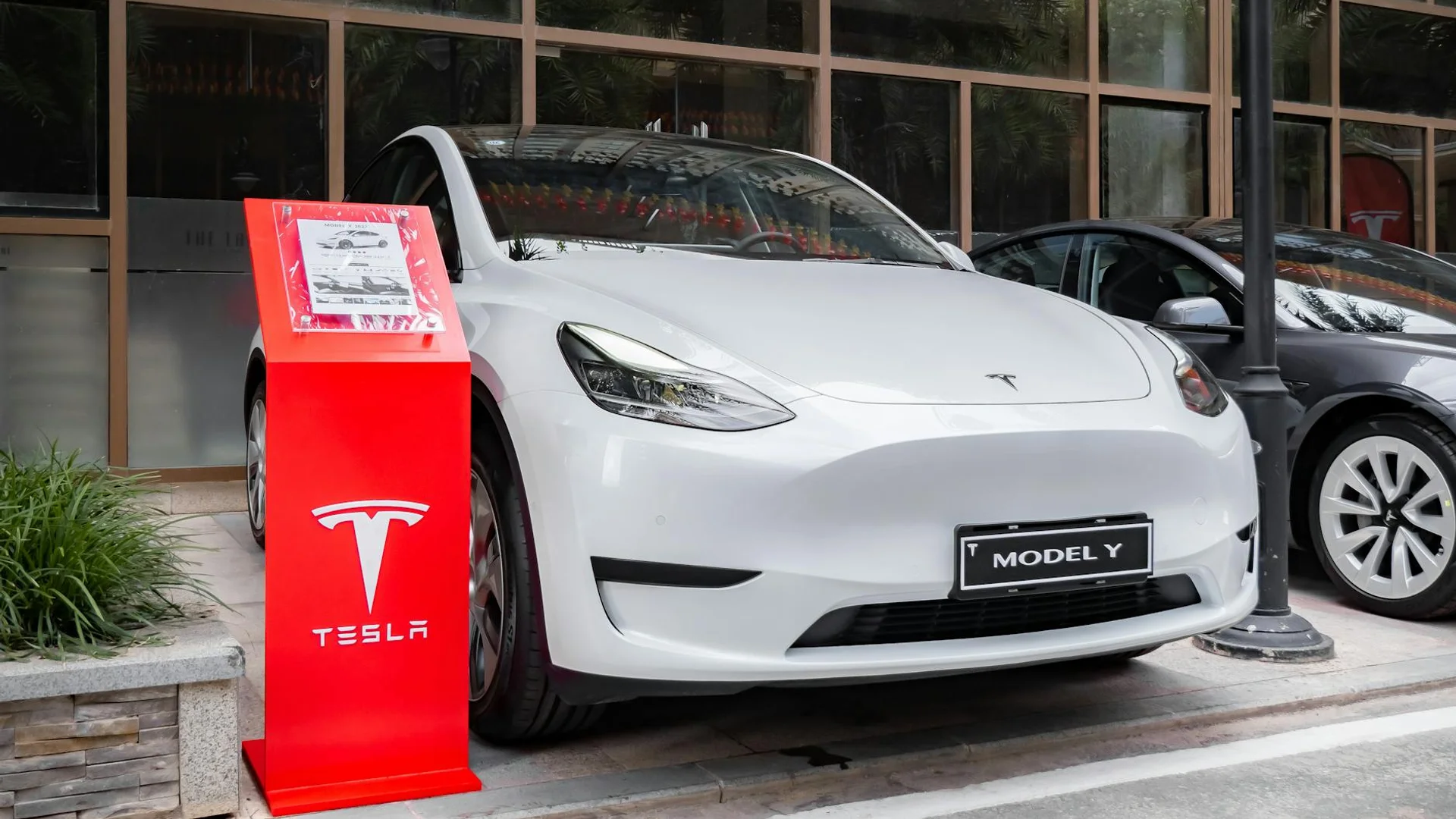
Shanghai-Made Tesla Model 3 in Canada: C$39,490
How to Test-Drive an EV: What Gas-Car Buyers Miss
BYD Seagull Canada: Real Price, Real Specs, Real Wait

EV Rebates in Canada: How EVAP and Provincial Stacking Work

BYD Auto Explained: World's Biggest EV Maker, Blocked From Canada