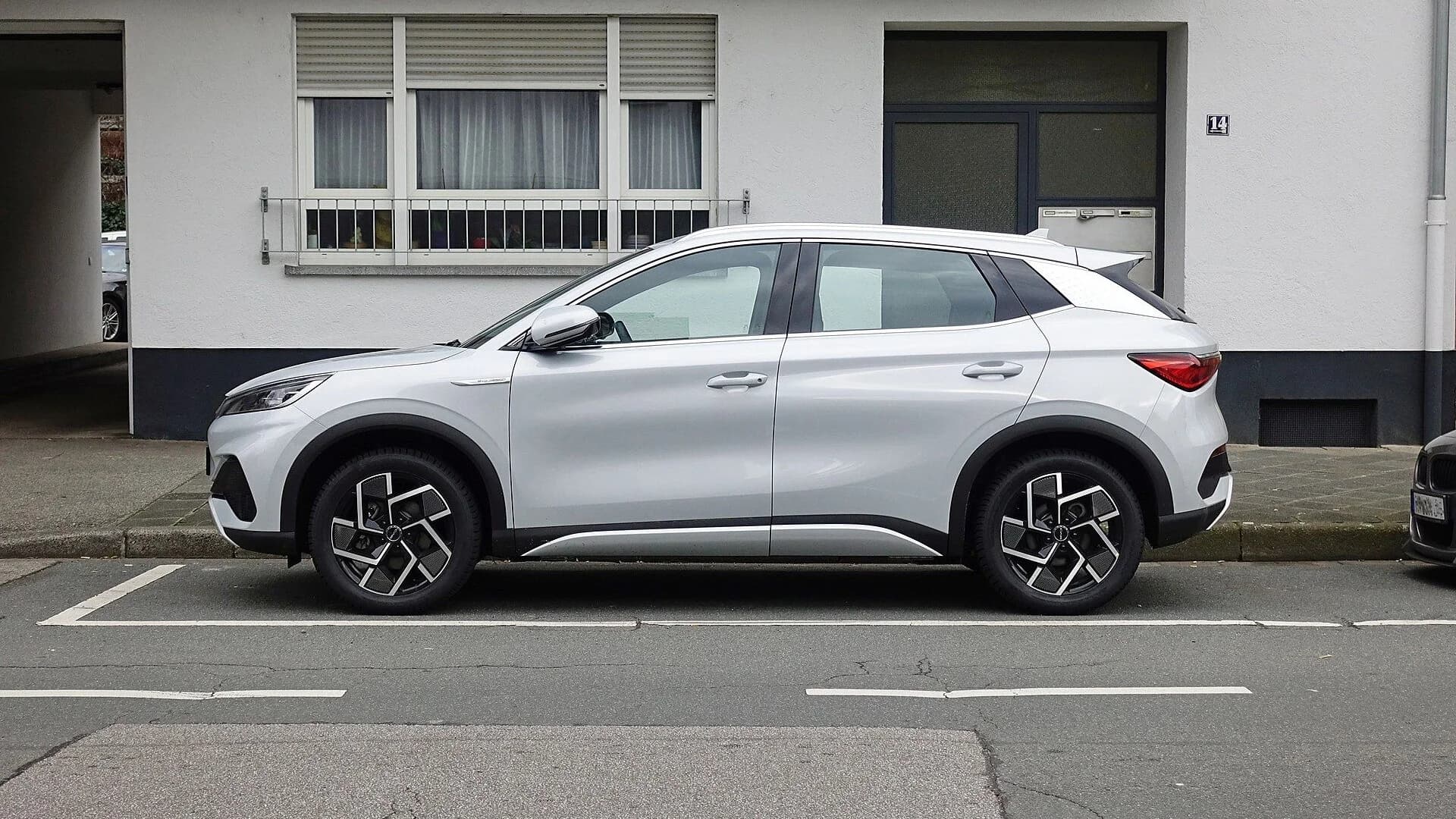
Five minutes of charging for 60-plus kilometres of range. BYD just put that in a $16,600 crossover.
That sentence should not parse. Flash charging belongs in the Denza Z9 GT and the Yangwang U9, the cars BYD parks at auto shows next to a velvet rope. BYD launched its new Flash Charging system, enabling EV charging in as little as 5 minutes, in luxury vehicles like the Denza Z9 GT. Six months later, that same tech is sitting in the cheapest compact SUV the company sells.
The third-generation Yuan Plus, the car the rest of the world calls the Atto 3, went on sale in China on May 21. BYD launched the third-generation Yuan Plus, sold overseas as the Atto 3, with its new Flash Charging and nearly 400 miles of driving range. Starting price: 119,900 yuan. Roughly 16,600 US dollars. About 22,800 Canadian.
Read that again. A compact electric SUV. With 5-minute fast charging. For less than a used Tesla Model 3.
Western incumbents should be uncomfortable.
Key takeaways
- BYD's third-gen Atto 3 starts at 119,900 yuan ($16,600 USD) with Flash Charging on the standard trim.
- The Flash Charging system hits 10-to-70 percent state-of-charge in five minutes using a 1,000-volt megawatt-class platform.
- BYD cascaded halo-tier charging tech from the six-figure Denza Z9 GT to its entry crossover in under six months.
- Australian pricing under A$25,000, after import duties and dealer margins, reveals how much room BYD has to undercut incumbents globally.
- Even on Canada's 350 kW CCS network, the new Atto 3 should charge roughly three times faster than the outgoing model's 80 kW peak.
The Number Nobody Is Talking About: $16,600
The press coverage is leading with the charging tech. Wrong headline.
The headline is the sticker. 119,900 yuan gets you into a third-generation Atto 3 in China, the most-upgraded version of BYD's most successful global export. That's not a stripped-out fleet variant or a teaser MSRP. Key inclusions in the entry trim:
- BYD's newest-generation Blade battery
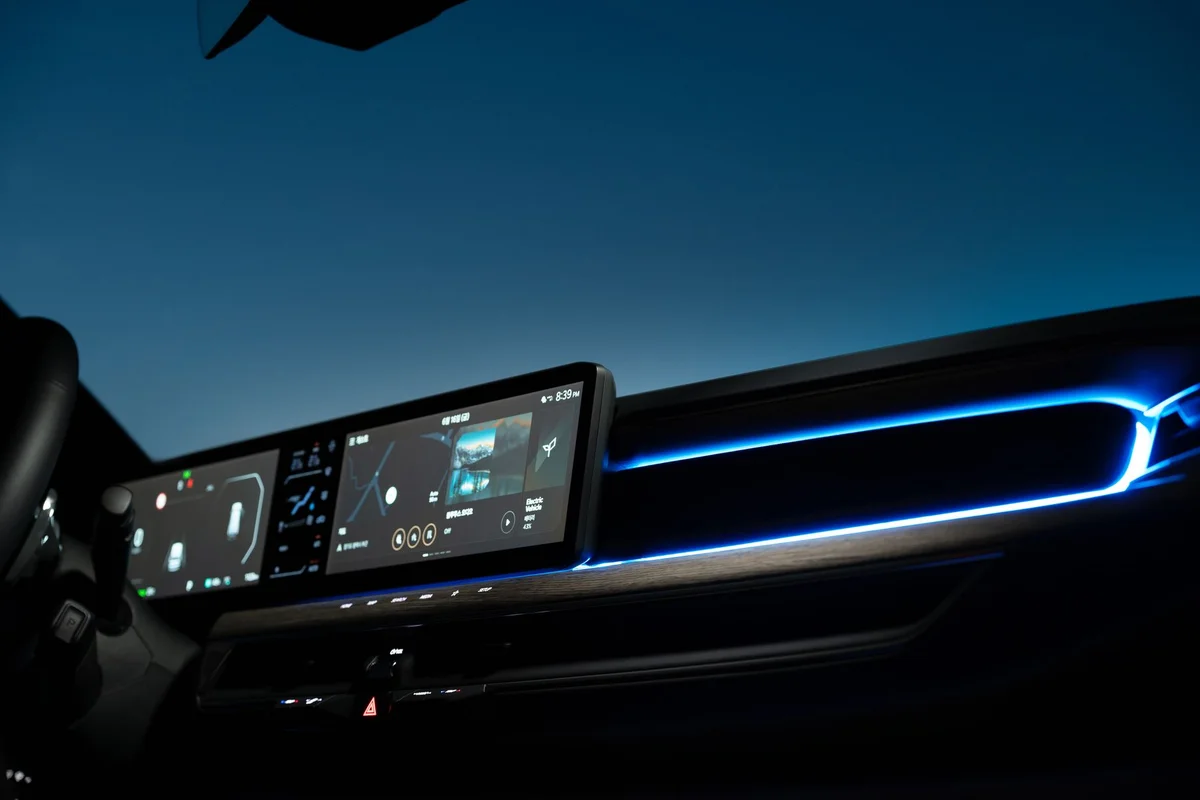
- A refreshed interior with a larger central display
- A 120 km range bump over the previous generation
- Flash Charging hardware on the standard spec
The top-spec variant tops out at 149,900 yuan, about $20,800 USD, which means the entire model range fits inside the price of a single mid-trim Model Y.
For context: the cheapest Tesla you can buy in Canada right now is the Model 3 Long Range AWD at roughly $54,990 CAD. The cheapest new EV most Canadians can actually configure at a dealership starts somewhere north of $35,000. BYD just shipped a fully-loaded crossover for less than half of that.
The Australian price tell is even sharper. BYD has unveiled the latest version of its first EV in Australia, known here as the Atto 3, which will feature 5-minute flash charging, and a whole lot more. Industry reporting pegs the Australian launch under $A25,000, and Australia is a right-hand-drive market with import duties, shipping, and dealer margins baked in. That's the price that should scare Detroit, Stuttgart, and Tokyo.
Affordability bomb is the polite framing. Strategic underpricing is more honest. BYD is not making a margin mistake, the company sells more EVs than anyone on Earth and ships its own batteries from its own factories. They priced this car at $16,600 because they could.
One reasonable objection to panicking over the sticker: a Chinese domestic price is not a global price. Tariffs, homologation, shipping, dealer margin, and currency hedging all stack on top before a Canadian buyer sees a window sticker. Fair point. But BYD's Australian pricing is the proof that even after all that stacking, the final number still embarrasses the incumbents. The Chinese price isn't the export price, it's the floor that tells you how much room BYD has to absorb every cost between Shenzhen and a Toronto showroom and still undercut a Kona EV.
The previous-generation Atto 3 was already a Canadian price reference point. The breakdown of where the Atto 3 sits in the broader Canadian EV pricing guide had it landing in the $30,000-$35,000 CAD range when the brand finally clears the regulatory pile-up. This new generation resets that anchor, downward, with a better spec sheet attached.
The buyer-side math is brutal for incumbents. A $17K compact crossover with 400-mile claimed range and 5-minute charging makes a $50K Mustang Mach-E look like a vintage curiosity. Even adjusting for tariff, freight, and homologation, the price gap is too wide to paper over with marketing.
Spec inflation? Sure. Generational leap? Also yes. Both can be true.
Flash Charging Isn't a Gimmick, It's a Category Shift
The number to remember is 10 to 70 in five minutes.
That's the claim BYD made on launch day. Ten percent state-of-charge to seventy percent in 300 seconds. Ten to 97 in nine minutes. BYD launched its new Flash Charging system, enabling EV charging in as little as 5 minutes, in luxury vehicles like the Denza Z9 GT. Until last week, that capability sat exclusively in BYD's six-figure halo cars.
Now it's in a $16,600 crossover.
Skepticism is the right reflex. Charging-speed claims have been gas-pump-aspirational for a decade, manufacturers quote peak rates that hold for ninety seconds before the battery management system throttles the curve. But BYD's Flash Charging architecture is a different beast: it's a 1,000-volt megawatt-class platform, not a faster taper on existing 400V hardware. The 5-minute number is engineering, not marketing copy.
The caveat: independent third-party verification of the 10-to-70-in-five-minutes claim does not exist yet outside of BYD's own demo footage. Until a Western publication straps an instrumented car to a Flash Charger and runs the curve, the right posture is "credible, not confirmed." But the architectural fingerprints, 1,000V bus, megawatt cable, liquid-cooled connector, match what every serious engineering team would build to hit that number. The technology is real even if the marketing curve is generous.
The cascading is the story. BYD took technology that debuted at the top of its lineup and pushed it to the bottom of its lineup in roughly six months. No Western automaker does this. Porsche's 800V architecture took years to migrate from the Taycan to anything else. Hyundai's E-GMP platform showed up in the Ioniq 5, then Ioniq 6, then EV6, over a multi-year rollout, not a same-year cascade.
A direct comparison is what Tesla did with the Plaid powertrain. Plaid landed in the Model S in 2021; five years later it has still not migrated down to the Model 3 or Model Y. BYD just shipped halo-tier charging tech into its entry-level export car in under twelve months. That's not a faster product team, that's a fundamentally different operating model, where the cell, the pack, the motor, and the silicon are all designed in-house and re-spec'd on a single calendar.
What BYD just did is the equivalent of Ford taking Mustang GTD suspension and shipping it in next year's Maverick. It does not happen in the West.
One infrastructure caveat matters. Flash Charging needs Flash Chargers, BYD's own megawatt-rated stations, which exist in meaningful numbers only in China. The previous-gen Atto 3 maxed out at roughly 80 kW DC fast charging and took about 50 minutes to go from 10 to 80%, so even without the full Flash Charger network in Canada, the new generation should comfortably triple that real-world rate on existing 350 kW CCS hardware. On a 350 kW station outside of China, the Atto 3 will charge fast, just not Flash-fast.
Doesn't matter. Once the chemistry and the architecture exist in a $17K car, the infrastructure follows. That's how this game has always worked.
The skeptic reflex that greeted previous Chinese EV announcements is gone, the market has shifted from "is this real" to "what does it mean." That shift is the signal. When the spec-sheet-doubting crowd stops calling something a gimmick, the gimmick frame is dead.
Gear worth having
As an Amazon Associate, ThinkEV earns a small commission from qualifying purchases — at no extra cost to you.
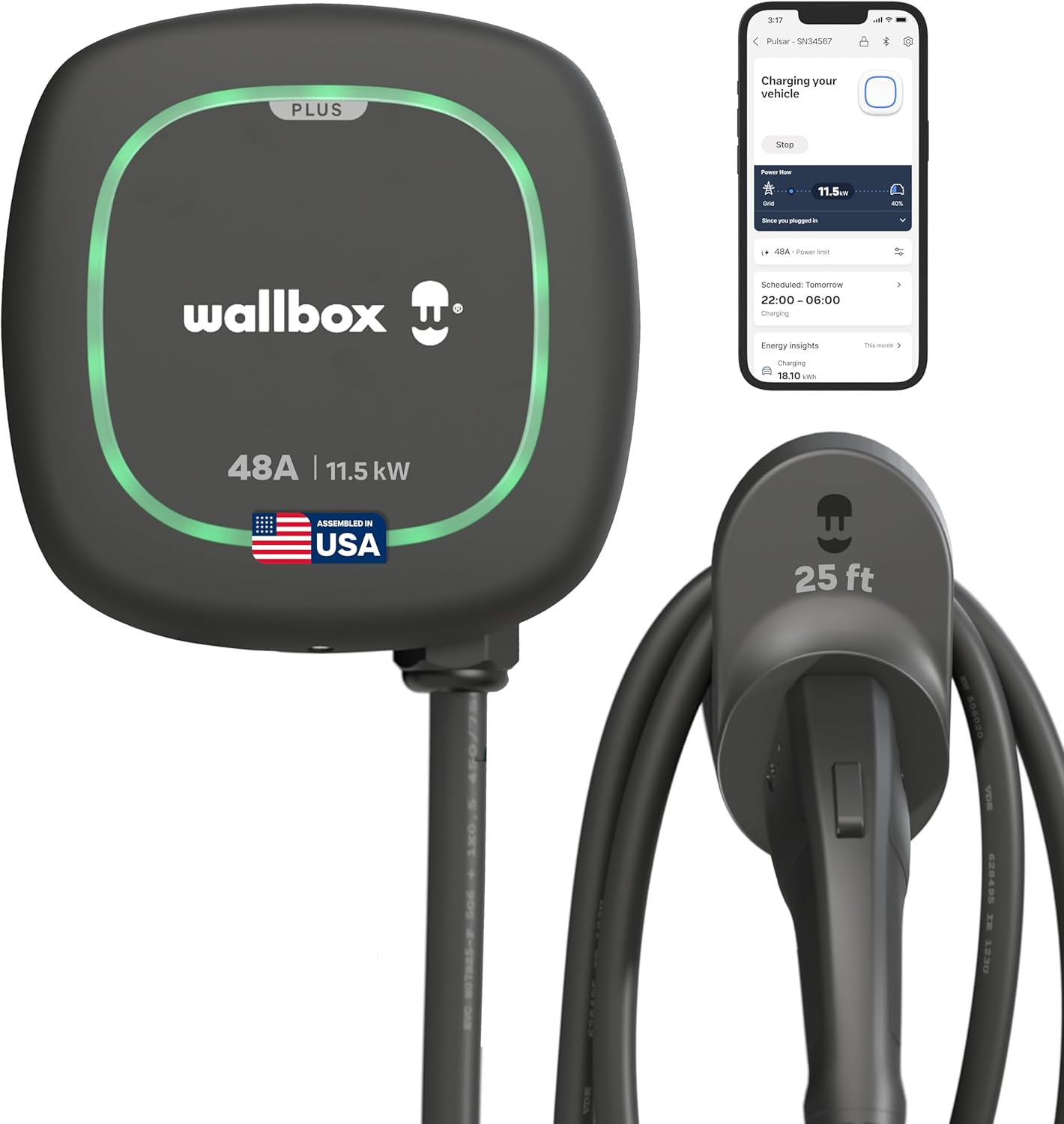
Wallbox Pulsar Plus 48A Level 2 Charger
Compact, sleek charger with app control and power sharing for two EVs. 48A / 11.5 kW, NEMA 14-50. Looks as good as your EV.
As an Amazon Associate, ThinkEV earns from qualifying purchases — at no extra cost to you.
630 km Range on a Compact Crossover Is a Press Release Problem
The 630 km range figure is the part where you should squint.
That number is CLTC, China Light-Duty Vehicle Test Cycle. CLTC is to range what the optimist on your group chat is to restaurant recommendations: directionally useful, never literal. Translated into WLTP (the European cycle Canadians should mentally use as a reference), the real-world figure lands closer to 480 to 510 kilometres. Translated into EPA, the standard Canadians actually drive against, call it 420 to 460 km.
So no, this Atto 3 is not going Toronto to Montreal on a single charge. Not even close.
But that's the wrong frame. The previous-generation Atto 3 was a 420 km vehicle by any rating system. BYD launched the third-generation Yuan Plus, sold overseas as the Atto 3, with its new Flash Charging and nearly 400 miles of driving range. A 120 km bump in claimed range across one generation is significant, even if you discount the CLTC marketing inflation by 25%, you still net a real-world improvement of 60 to 80 km.
That's a meaningful jump on a compact crossover, not a fudge.
The European homologation backs this up. The Atto 3 EVO trim sold in Europe is rated at 510 km on the WLTP cycle with 330 kW of dual-motor power and 800V architecture, and WLTP is meaningfully stricter than CLTC. If the European number is 510 km WLTP, the EPA equivalent lands in the 430 to 450 km neighbourhood. That's within fifteen percent of a Tesla Model 3 Long Range AWD's 629 km NRCan rating, on a car priced for a different decade.
The power story is similarly real. Top-spec variants land at 240 kW of motor output. The European Atto 3 EVO trim pushes 330 kW with all-wheel drive, 800V architecture, and 510 km of claimed WLTP range. The "grocery-getter" framing the previous generation earned is gone. This is now a quick, mid-range, well-architected EV, at the price of a base Toyota Corolla Hybrid.
The hardware leap is real even when you adjust for the test-cycle theatrics.
Don't throw out the baby. CLTC inflation is a Chinese-market disclosure problem, not a BYD problem specifically, every domestic Chinese EV quotes the same generous figure because the regulator requires it. The right move as a reader is to mentally discount range figures by 20 to 25% when they come from China, then evaluate the result. By that math, the new Atto 3 is genuinely competitive with anything Tesla, Hyundai, or Kia is shipping in the same segment.
For deeper context on how Chinese specs translate when these cars actually reach Canadian highways, see the BYD Atto 3 vs Hyundai Kona EV showdown, the previous-gen comparison already favoured the Atto 3 on price-per-kilometre, and this generation widens that gap considerably.
BYD's Market Share Move: Why This Generation Matters Globally
The Atto 3 is BYD's Trojan horse.
The Atto 3, named the Yan Plus in China, was launched in Australia in 2022 and has sold many thousands of units as one of the first lower cost electric SUVs in the market. Australia was the beachhead, a right-hand-drive English-speaking market where Chinese-brand resistance was lower than in Europe, regulatory friction was manageable, and consumers were starved for affordable EVs. BYD walked into that vacuum and held it.
Gear worth having
As an Amazon Associate, ThinkEV earns a small commission from qualifying purchases — at no extra cost to you.

WeatherTech FloorLiner for Tesla Model 3
Deep-channel liners that trap every drop of slush and salt. The difference between a ruined interior and a showroom-fresh cabin after a Canadian winter.
As an Amazon Associate, ThinkEV earns from qualifying purchases — at no extra cost to you.
Now they're refreshing the beachhead car with flagship-tier tech.
That's not a routine model-year update. That's a strategic move. When you take your highest-volume export vehicle and load it with technology that didn't exist on the road eighteen months ago, you're not iterating, you're locking in. Australia goes from "Chinese EV experiment" to "Chinese EV established player." Then Europe. Then, eventually, North America.
The Chinese domestic context matters too. The home-market EV war is the most brutal automotive competition in history, over 100 active EV brands, monthly price cuts, and a regulator pushing aggressive electrification mandates. BYD cannot stand still. If the Yuan Plus does not get flash charging and a 120 km range bump, Xpeng, Nio, Zeekr, Leapmotor, or Xiaomi takes the segment.
So the upgrade isn't generosity, it's survival. And the global market gets the benefit.
Watch the pricing tell. BYD launched the third-generation Yuan Plus, sold overseas as the Atto 3, with its new Flash Charging and nearly 400 miles of driving range. The fact that BYD priced the new generation lower than the outgoing one, in China, on a more capable car, is the strongest possible signal about export pricing. Australia will land under $A25,000. European pricing should pressure the entry-level Volkswagen ID.3 and the Renault 4 EV. The Yuan Plus is the floor BYD is setting for every market they enter.
BYD's broader strategy here is not new. It specialises in lithium iron phosphate (LFP) batteries, including BYD's proprietary Blade battery. Vertical integration on the cell, the pack, the motor, and the electronics is what makes a $16,600 sticker price economically possible. No Western OEM has the same supply-chain stack, they buy cells from CATL, LG, or Samsung at margin. BYD makes everything itself.
The counter-case is that vertical integration is a double-edged sword. Toyota's leadership has argued for years that owning the entire stack ties up capital, slows pivot speed, and concentrates risk if a single chemistry choice ages out. They're not wrong in theory. But the empirical scoreboard is unambiguous: BYD passed Tesla in global BEV volume in 2024, kept the lead through 2025, and is now shipping flagship tech at entry-level prices. The "vertical integration is too rigid" argument is the kind of thing you say right before the competitor with vertical integration eats your lunch.
This generation of the Atto 3 is what that vertical integration looks like when it's pointed at a single product. Cheaper, faster, longer-range, better-equipped, all at the same time. It's the BYD playbook, executed at maximum compression.
Gear worth having
As an Amazon Associate, ThinkEV earns a small commission from qualifying purchases — at no extra cost to you.

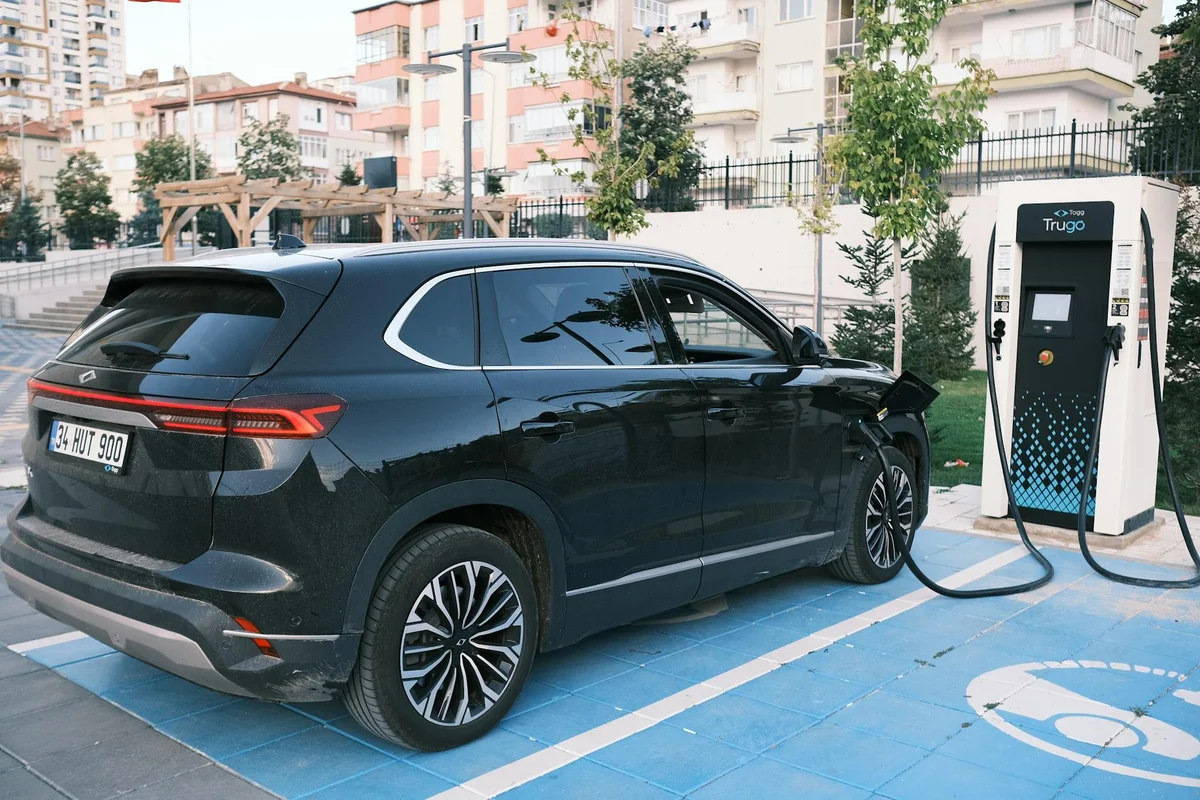
Grizzl-E Classic Level 2 EV Charger (40A)
Canadian-made and rated for minus 40C winters. 40A / 9.6 kW, NEMA 14-50, indoor/outdoor, 24-ft cable. The charger built for Canadian weather.
As an Amazon Associate, ThinkEV earns from qualifying purchases — at no extra cost to you.
What Canada Is Watching, And Waiting For
BYD still hasn't officially entered Canada. The waiting room is getting awkward.
The brand has been in conversation with Canadian dealers, regulators, and infrastructure operators for over a year. The expected launch window remains mid-to-late 2026, contingent on Transport Canada homologation and a Canadian retail network. Prior coverage put the Atto 3's projected Canadian price at $30,000-$34,500 CAD, based on the previous-generation car.
This new generation forces a reset of that anchor.
If BYD prices Canada by parity with Australia, which would be the natural reference for a similar right-hand-drive-to-left-hand-drive translation, the Canadian Atto 3 lands closer to $27,000 to $30,000 CAD. With more range, faster charging, and a more refined cabin than the previous-generation pricing analysis assumed. The cheapest credible new EV in Canada becomes Chinese.
The political friction has not gone away. Chinese-built EVs are excluded from Canada's federal Electric Vehicle Affordability Program (EVAP), which launched February 16, 2026 with up to $5,000 off a new battery-electric vehicle. The provincial situation varies, Quebec, BC, and PEI have their own programmes with their own eligibility rules. None of them currently include vehicles assembled in China.
That's the asterisk on any "$27,000 CAD Atto 3" projection. The sticker is unsubsidised. A Hyundai Kona EV or Kia EV4 gets a $5,000 federal rebate plus provincial top-ups; the Atto 3 doesn't. The effective price gap narrows significantly once subsidies are layered in, though BYD's pricing is still aggressive enough that they win on raw cost.
Run the named comparison cleanly. The Kia EV4 Long Range is the closest spec-and-segment competitor that will actually share a Canadian showroom timeline with the Atto 3, early Canadian pricing around $42,995 CAD, 84.6 kWh NMC battery, 552 km WLTP range, 128 kW DC fast charging. Apply the $5,000 federal rebate and provincial top-ups, and the Kia lands in the high $30Ks. A $27,000 Atto 3 with 800V architecture, a meaningfully faster charge curve, and comparable real-world range is still thousands of dollars cheaper after the EV4's subsidy stack is fully loaded. The rebate exclusion is a real handicap; it just isn't enough of one.
The tariff math is the other variable. Canada cut the Chinese-EV tariff from 100% to 6.1% effective January 16, 2026, with a 49,000-vehicle annual quota. That's the regulatory door BYD has been waiting on. The quota is large enough to accommodate a meaningful launch, small enough that BYD will not flood the market and depress prices for incumbents.
BYD's Canadian entry is settled. What isn't settled is how Hyundai, Kia, Toyota, Honda, and Ford reprice their compact crossover lineup in response. All five sell compact crossovers in the $35,000 to $45,000 range. A $27,000 Atto 3 with 5-minute charging would not just take share, it would force a rethink of the entire price floor for electrified crossovers in this country.
Every upgrade BYD ships between now and the Canadian launch raises those stakes. The Atto 3 EVO with 330 kW and 800V is already homologated for Europe. By the time it reaches a Canadian dealer, the spec gap with Western competitors will be a chasm.
Gear worth having
As an Amazon Associate, ThinkEV earns a small commission from qualifying purchases — at no extra cost to you.

Lectron Level 2 J1772 Charger (40A, WiFi)
Smart WiFi charger with real-time energy monitoring. 40A / 9.6 kW, J1772 with a NEMA 14-50 plug, schedule charging right from your phone.
As an Amazon Associate, ThinkEV earns from qualifying purchases — at no extra cost to you.
The Western EV Industry Should Be Uncomfortable Right Now
A third-generation refresh with flash charging and a 120 km range jump landed in under four years. That's the actual headline.
Tesla's Model 3 is approaching nine years old as a platform. The Model Y, six. Ford's Mustang Mach-E, five, with a refresh, not a generational replacement. The Volkswagen ID.4, five and counting. None of them have shipped a meaningful charging-speed or range improvement in their lifetime.
Meanwhile, BYD just iterated the same nameplate three times, and each iteration was a real improvement, not a trim shuffle.
The cadence is the part Western executives should be losing sleep over. A four-year product cycle that delivers genuine technology gains, flash charging, 800V architecture, blade-battery thermal improvements, OS upgrades, is not something a Detroit or Wolfsburg product calendar can match. The internal review cycles, supplier negotiations, and platform-engineering timelines are not built for that speed.
No Western brand is iterating this fast at this price point. That's not a hot take. It's an observation that any product manager at Ford, GM, or Stellantis has been making out loud for two years.
Buyer sentiment is shifting in lockstep. The consensus in 2024 was "interesting, but the build quality is suspect and we'll see if they survive export." In 2026, the consensus is "the cars are good, the prices are real, and the only question is which markets they enter next." That sentiment shift is the leading indicator. Buyers don't care about geopolitics nearly as much as analysts assume, they care about price, range, and charging speed. The Atto 3 wins on all three.
The hardware gap is closing fast. The Atto 3 EVO's 800V architecture matches what Hyundai shipped in the Ioniq 5 in 2021, except BYD is delivering it at half the price five years later. BYD has become the largest EV maker on Earth not by luck, by relentless, compounding technical execution. That execution doesn't slow down when the company crosses borders.
The broader read on Chinese-brand entry into Canada is laid out in the complete guide to Chinese EVs entering the Canadian market, including which models are expected, which dealers are positioning, and what the post-tariff competitive landscape actually looks like. Spoiler: it doesn't look like the one Detroit was hoping for.
Bottom line: a $16,600 crossover with 5-minute charging is not a Chinese-domestic curiosity. It's a preview of what every market gets within 24 months. The Western EV industry has been told this story for three years and treated it as someday-problem. Someday just shipped.
The bet, with stakes attached: by the end of 2028, BYD will be priced under every domestic rival in every market they enter, and the spec gap will close, not widen. The Canadian launch lands harder than the dealers are publicly admitting, and the first incumbent to cut a compact-EV MSRP by $5,000 in response is the one that keeps its dealer network intact. What would change my mind: an independent test of Flash Charging that shows the 10-to-70-in-five-minutes curve collapsing to a 200 kW average under sustained load, or a Canadian quota policy that quietly tightens from 49,000 vehicles to something closer to 15,000 once BYD actually starts shipping. Neither is impossible. Both are bet-against-the-house plays.
The critical factor isn't BYD's market share gains, but the speed of incumbent response. The clock started May 21.
Gear worth having
As an Amazon Associate, ThinkEV earns a small commission from qualifying purchases — at no extra cost to you.

ChargePoint Home Flex Level 2 Charger (50A)
Premium 50A / 12 kW charger with the best app ecosystem. Hardwired or NEMA 14-50, with real-time energy tracking and smart scheduling.
As an Amazon Associate, ThinkEV earns from qualifying purchases — at no extra cost to you.

Founder & Chief Editor
Vlad Pereira is the founder and chief editor of ThinkEV.ca, the Canadian electric-vehicle publication he writes and edits from Courtenay, British Columbia. He covers EV pricing, federal and provincial rebates, charging costs, and the Chinese manufacturers now entering Canada, from the buyer's side rather than the press-fleet side. ThinkEV is a venture of Vlad Pereira Online; his writing on health, income and the long game lives at vladpereira.com.
Frequently asked questions
Will the new Atto 3 actually be cheaper in Canada than the current one?
Does Flash Charging work on Canadian public chargers?
Is the 5-minute charge claim independently verified?
How does the range improvement compare to the outgoing model?
Why is BYD putting premium tech in its cheapest SUV so fast?
More EV & road-trip finds
Affordable upgrades worth a look — tap any to check the price on Amazon.
 ★ 392
★ 392Large Cup Holder Adapter (32-40oz)
View on Amazon ★ 8,681
Chemical Guys Complete Car Wash Kit
View on Amazon ★ 55
★ 55LED Car Door Logo Projector Light
View on Amazon ★ 4,055
6-Speed Manual Shift Knob Display
View on Amazon ★ 865
★ 865Collapsible Trunk Organizer
View on Amazon ★ 848
★ 848Coiled USB-C to USB-C Car Cable (2-Pack)
View on Amazon ★ 61
★ 61Toddler Car Seat Snack and Cup Tray
View on Amazon ★ 17,839
Qifutan Vent Phone Mount (Military-Grade Clip)
View on AmazonRead, Plan, Then Stay Current
Explore our expert articles to understand incentives and ownership costs, use the map to pressure-test charging reality, then subscribe so new EV coverage comes straight to you.
Continue Reading

10–97% in 9 Min: Sunwoda Joins the Flash Charging Race
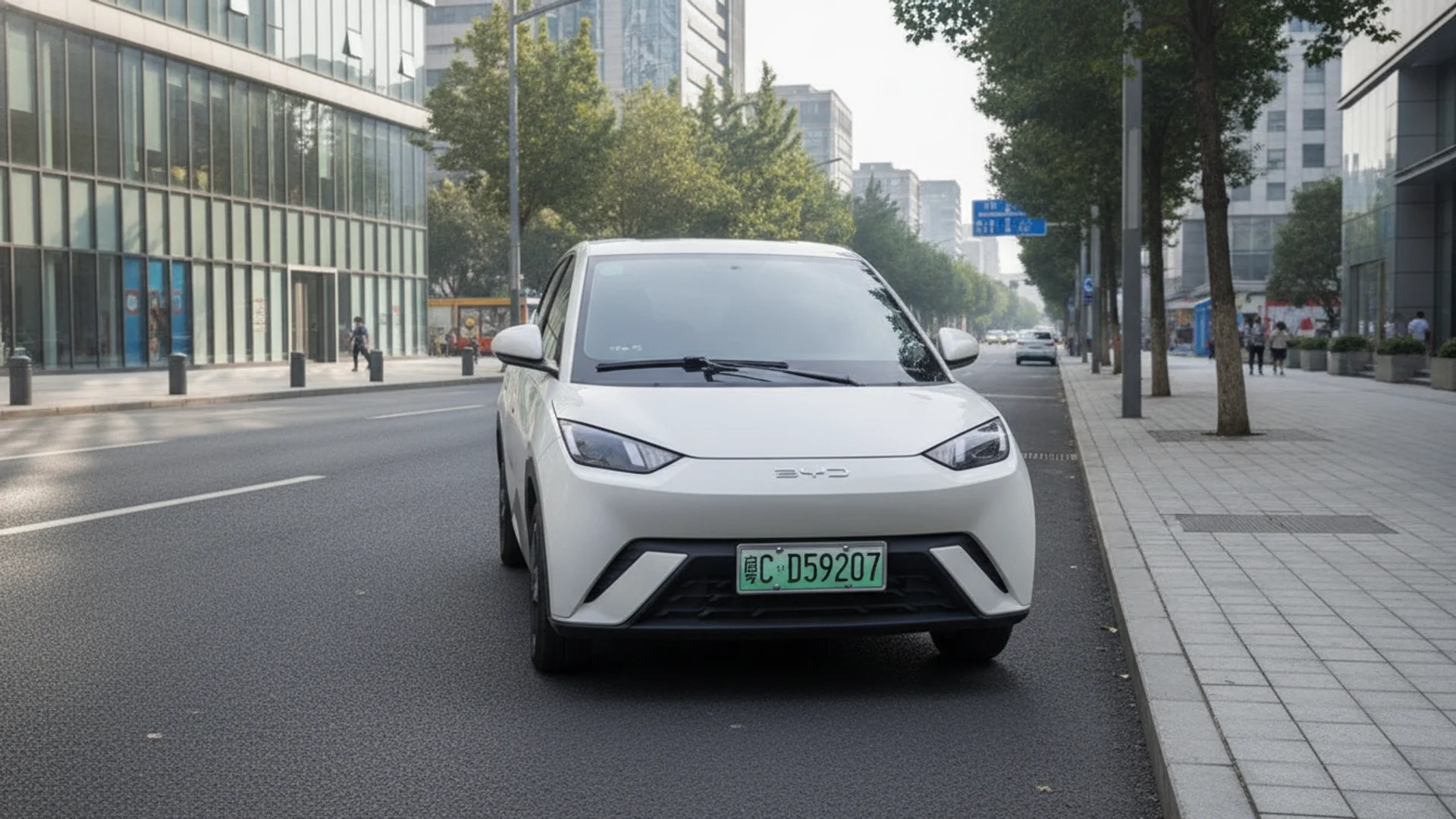
BYD Great Seagull: A Bigger $10,000 EV Hatch Is Coming
BYD's Battery Shortage Is The Best News In EVs This Year
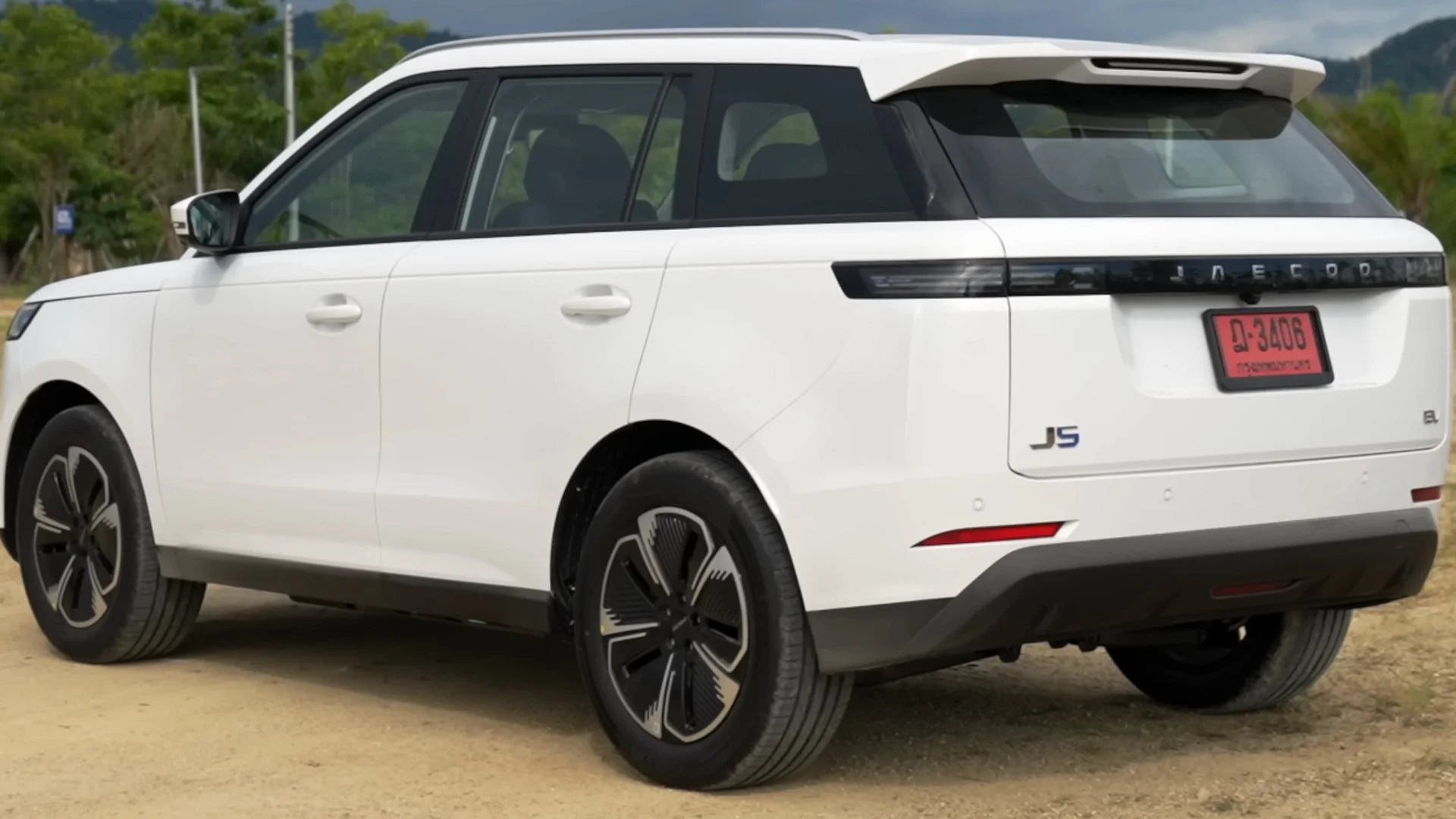
Jaecoo J5 EV Uber Discount: $31,500 Fleet Math Changes
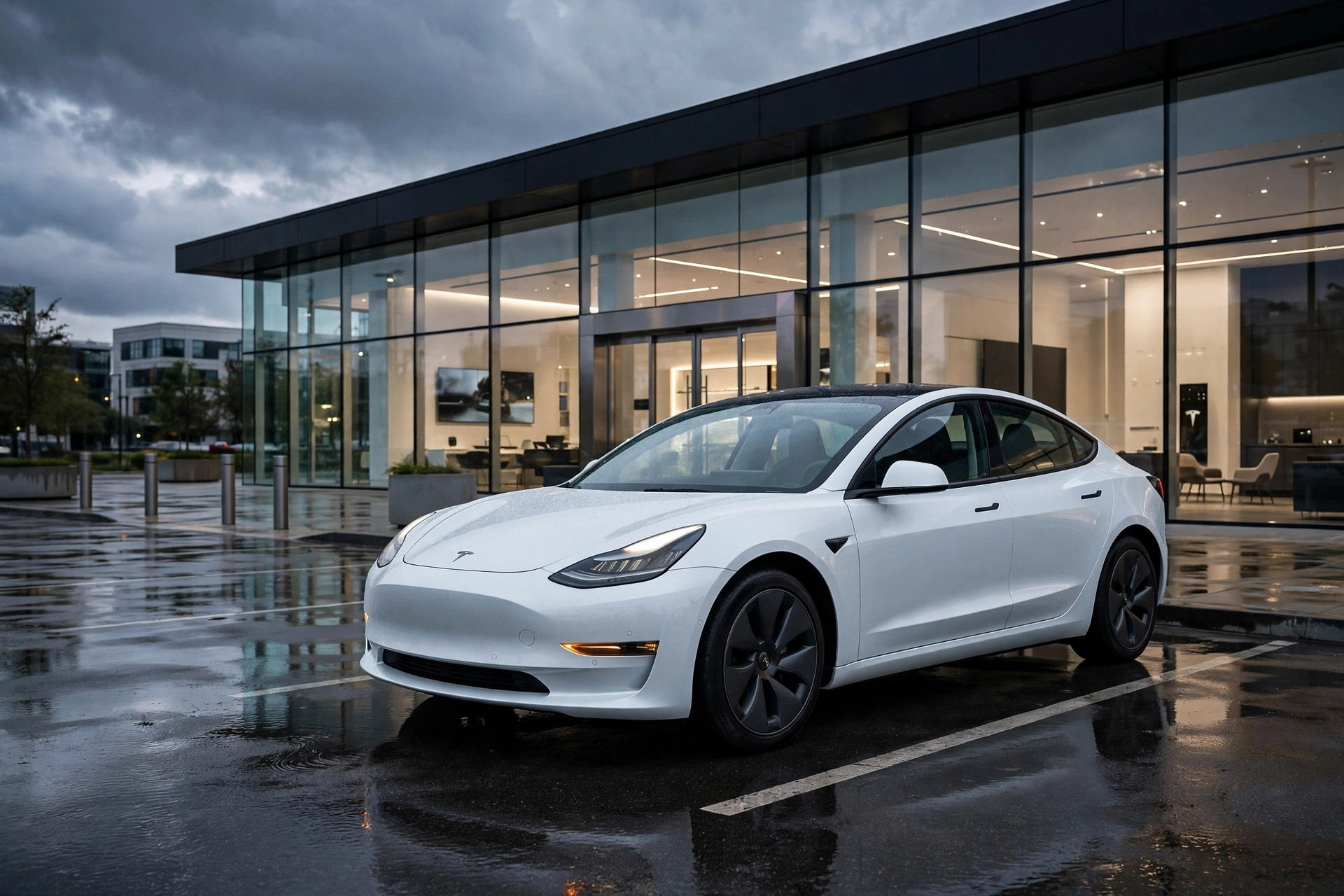
Tesla Pauses Model 3 Premium Orders in Canada, Blames the Quota. The Numbers Tell a Different Story