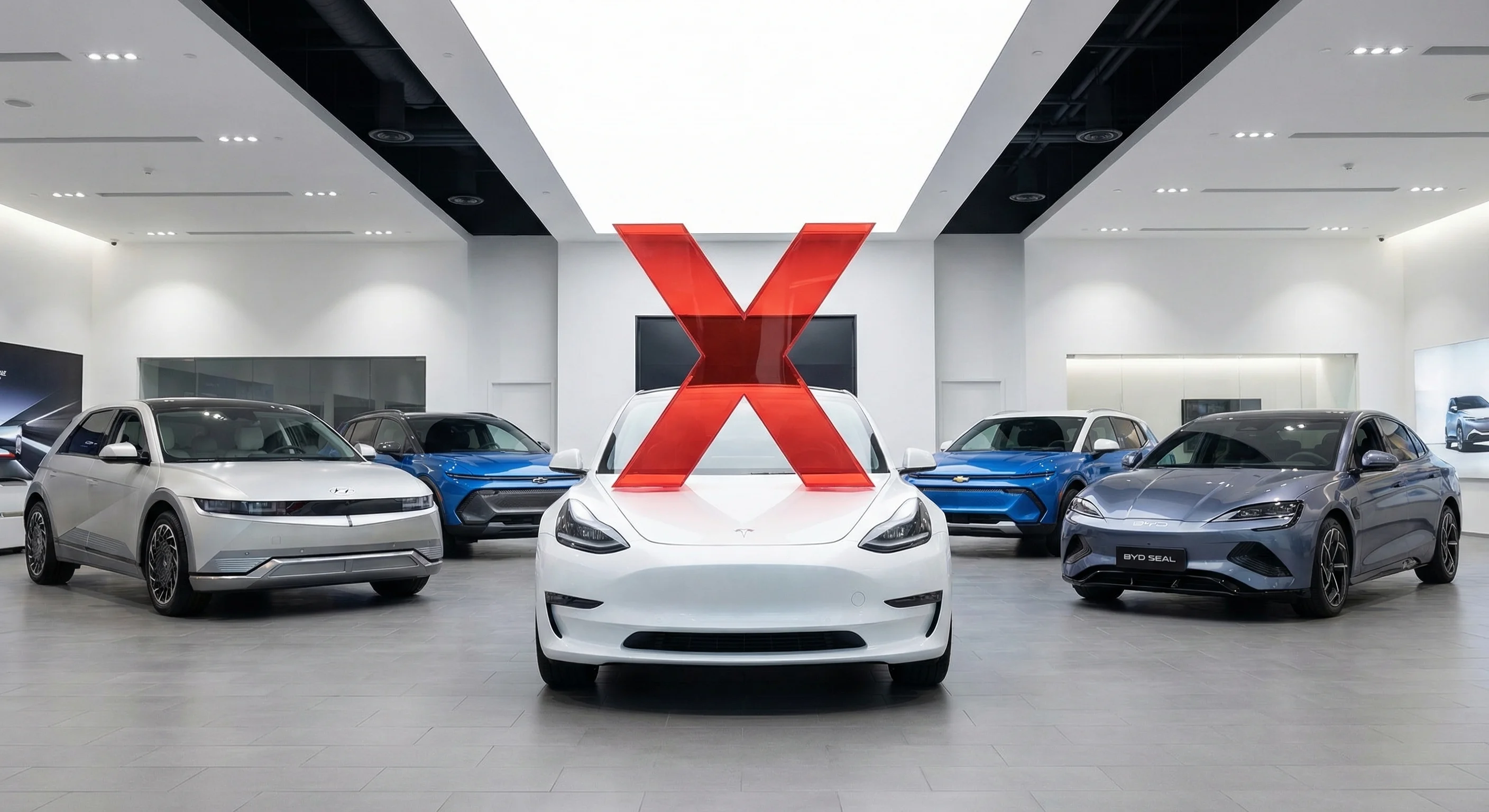
Tesla fans won't like this one.
Canada's brand-new Electric Vehicle Affordability Program launched on February 16, 2026, offering up to $5,000 off the purchase of a new battery-electric vehicle. It's the biggest federal EV incentive since the iZEV program ran out of money in January 2025. And Tesla, the brand that made EVs mainstream, is completely shut out.
Not one Tesla model appears on the EVAP eligibility list. Not the Model 3. Not the Model Y. Not any trim of any vehicle they sell in Canada.
Meanwhile, there are dozens of EVs that do qualify, many of them cheaper, better equipped, and frankly more interesting than what Tesla offers today. Let me walk you through why Tesla is out, what you should be looking at instead, and how the math works when you stack rebates.
Key takeaways
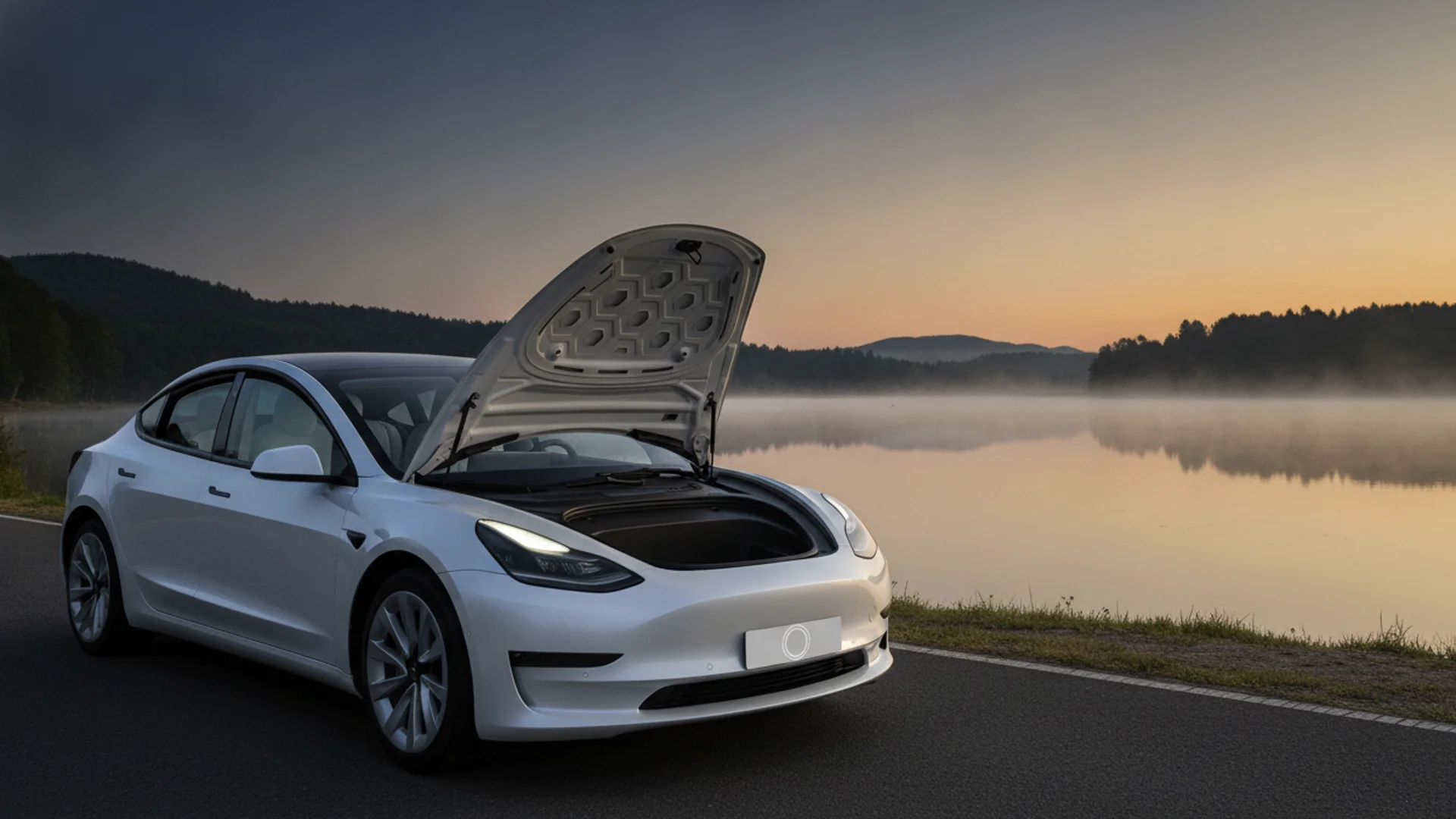
- The Tesla Model Y RWD base ($49,990) now qualifies for Canada's $5,000 EVAP rebate, but higher trims and all Model 3 trims still exceed the cap and get nothing
- If Kia Canada prices the EV4 where early reporting suggests, it could land under $34,000 after EVAP with long-range trims still looking unusually competitive for the money
- The Chevy Equinox EV, Hyundai Kona Electric, and VW ID.4 all qualify and deliver serious value
- In Quebec, stacking EVAP with Roulez Vert can save you up to $7,000 total, making some EVs cheaper than comparable gas cars
Why Tesla Is Out
Here's the deal. EVAP doesn't work like the old iZEV program, which used a simple MSRP cap of $55,000. The new program uses something called "final transaction value", and the cap is $50,000.
Final transaction value includes the base MSRP, factory options, dealer-installed accessories, and manufacturer and dealership fees. It does not include taxes, extended warranties, winter tires, pre-delivery inspection, freight charges, or financing costs. But it does include a lot of the little add-ons that push a sticker price past $50K.
Here's the updated picture. The Tesla Model Y RWD base is priced at $49,990 and is now on Transport Canada's official EVAP eligible vehicle list, it qualifies for the $5,000 rebate. But the devil is in the fees. Destination charges, OMVIC fees, tire levies, and dealer admin fees can push the final transaction value over $50,000. If your dealer's total package crosses the cap, you lose the rebate. Negotiate hard on fees, or buy in a province without OMVIC-style levies.
The Model 3? That's still out. The base Model 3 starts at $54,990 before fees, which puts it well over the cap regardless of what you negotiate away. No rebate.
Higher Model Y trims are also out: Long Range AWD at $59,990 and Performance at $69,990 both exceed the cap. Only the base RWD ($49,990) qualifies.
There's one exception to the $50,000 cap: vehicles manufactured in Canada face no transaction value limit. Tesla assembles its vehicles in Fremont, California and Shanghai, China. Neither qualifies for the no-cap exemption, but the base Model Y RWD can still squeeze under the $50,000 transaction value cap if fees are managed.
So the picture is now: base Model Y RWD can qualify with careful fee management; everything else Tesla is still out.
The Alternatives Worth Your Money
Five EVAP-eligible vehicles consistently land ahead of Tesla on the metric that matters in 2026, total out-of-pocket cost after the $5,000 federal rebate. The Kia EV4 leads on price, the Chevrolet Equinox EV on all-rounder value, the Hyundai Kona Electric on tech-per-dollar, the Kia EV6 on driving feel, and the Volkswagen ID.4 on family practicality. Each is profiled below.
Here's where it gets interesting. The EVAP-eligible list has 69 vehicles and growing. But not all of them are created equal. These are my top five picks, vehicles that don't just qualify for the rebate, but genuinely compete with or beat Tesla on value.
Kia EV4, Best Value in Canada
Projected around $38,995 | About $33,995 after EVAP if qualifying trims hold
This is one of the most closely watched EV launches of 2026. If Kia Canada finalizes pricing where early reporting suggests, the EV4 could become one of the strongest value plays in the country. The long-range story looks especially compelling on paper, but Canadian trim and pricing details should still be treated as near-final rather than locked.
The EV4 is built on Kia's proven E-GMP platform with a 58.3 kWh standard-range battery or an 81.4 kWh long-range battery. It supports fast charging, comes with a clean interior design, and looks like a proper modern sedan, not a science experiment.
Choose the EV4 if you want a projected low-cost entry into a brand-new EV and you are comfortable with some remaining uncertainty until Kia Canada finalizes trims, pricing, and eligibility.
If the long-range trim lands around $42,995 and remains EVAP-eligible, it would look like one of the strongest sedan value propositions in the market.
Chevrolet Equinox EV, Best All-Rounder
Starting at $44,995 | After EVAP: $39,995
The Equinox EV is the vehicle that dethroned Tesla in Canada. GM sold over 25,000 EVs in Canada in 2025, capturing 21.2% of the EV market, and the Equinox EV was the centrepiece of that push. It was the second-most registered EV in Canada last year.
Why? Because it's a compact SUV that does everything well. Reasonable price, good range (around 510 km), practical interior, and it's built on GM's Ultium platform, which means a massive investment in reliability and charging infrastructure behind it.
Here's the kicker: the Equinox EV is built at GM's CAMI plant in Ingersoll, Ontario. That means it qualifies as Canadian-made, and Canadian-made vehicles face no transaction value cap under EVAP. Even if you load it up with options, you still get the rebate.
Choose the Equinox EV if you want a do-everything SUV from a manufacturer with a nationwide dealer network and service infrastructure.
Hyundai Kona Electric, Best Tech per Dollar
Starting at $43,999 | After EVAP: $38,999
The Ioniq 5 gets all the headlines, but at $55,499 it blows past the EVAP cap. The Kona Electric is Hyundai's EVAP play, and it's a great one.
With up to 420 km of range, a well-designed interior with Hyundai's excellent infotainment system, and one of the best value propositions in the subcompact SUV space, the Kona Electric punches above its weight. It charges quickly, handles well, and Hyundai's warranty coverage is among the best in the business.
The Preferred trim with the Trend package is where the tech shines, digital cockpit, advanced safety suite, and smooth smartphone integration.
Choose the Kona Electric if you want the most technology and features packed into the lowest possible price point from an established manufacturer.
Kia EV6 Light, Best Driving Experience
Starting at $48,995 | After EVAP: $43,995
The EV6 is one of those vehicles that makes you forget you're driving an electric car, and I mean that as a compliment. The Light RWD trim sits right at the edge of EVAP eligibility (you'll need to keep the final transaction value under $50,000, so watch those dealer add-ons), but the driving dynamics are worth the careful negotiation.
Gear worth having
As an Amazon Associate, ThinkEV earns a small commission from qualifying purchases — at no extra cost to you.
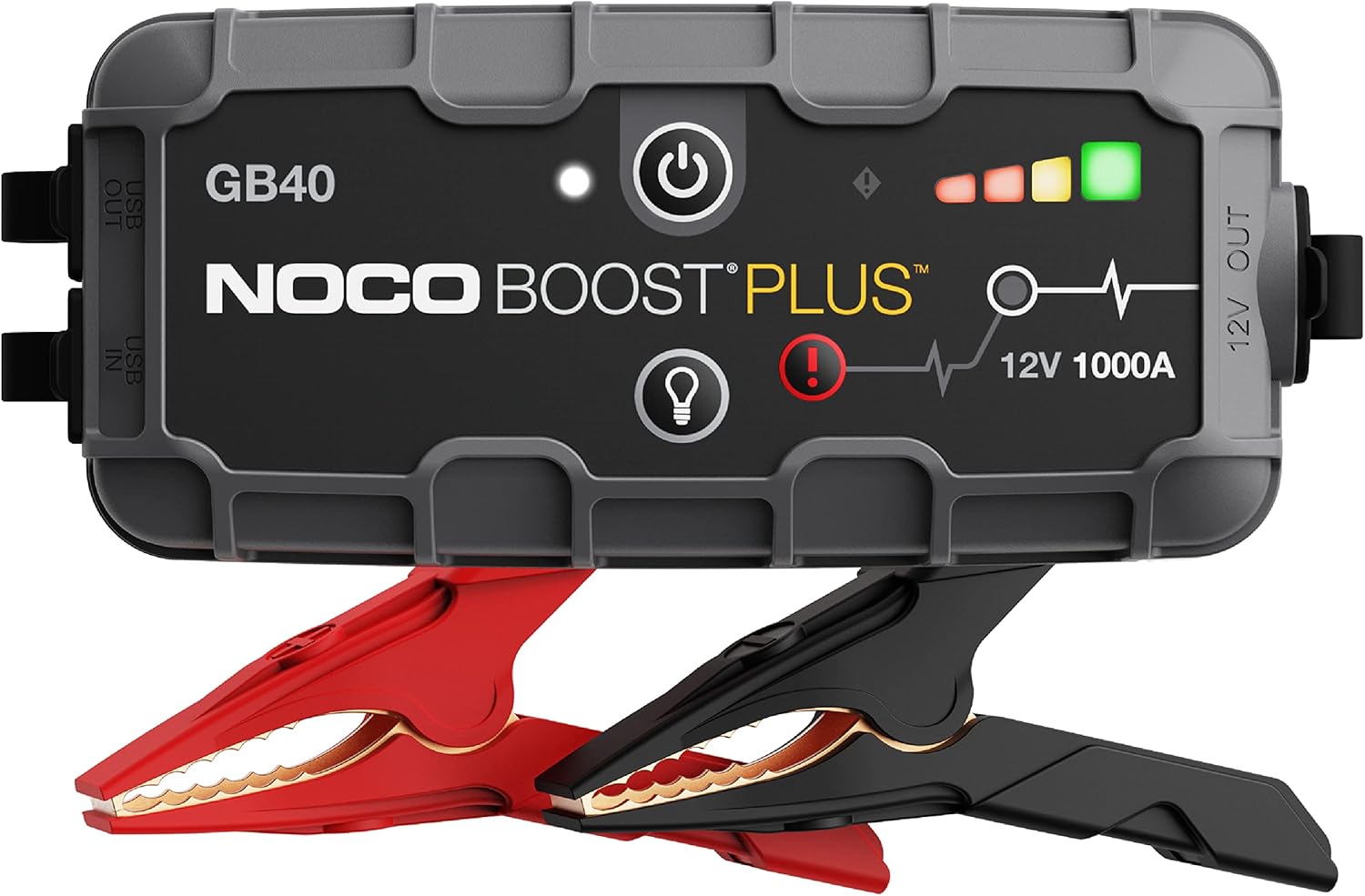
NOCO Boost Plus GB40 Jump Starter
A 1000A lithium jump starter that fits in your glovebox and works on any 12V battery. Your insurance against a dead 12V in a parking lot.
As an Amazon Associate, ThinkEV earns from qualifying purchases — at no extra cost to you.
Built on the same E-GMP platform as the Ioniq 5, the EV6 offers 800V architecture for ultra-fast charging, 10% to 80% in about 18 minutes at a compatible charger. The driving position is lower and sportier than most EVs, and the handling feels genuinely engaged.
Choose the EV6 if you want an EV that's actually fun to drive, charges faster than almost anything else on the market, and you're willing to negotiate carefully to keep the transaction value under $50K.
Volkswagen ID.4, Best for Families
Starting at ~$44,995 | After EVAP: ~$39,995
The ID.4 doesn't get the hype it deserves. It's a proper family-sized EV with a spacious rear seat, a good-sized cargo area, and the kind of build quality that VW has been perfecting for decades.
All trims of the 2025 ID.4 are confirmed EVAP-eligible, and the base model fits comfortably under the $50,000 cap. Range sits around 443 km, which is plenty for daily family duties and the occasional road trip to the cottage.
VW's dealer network in Canada is extensive, so getting service isn't an adventure. And the ID.4 drives like a Volkswagen, predictable, composed, quietly competent.
Choose the ID.4 if you need back-seat space, a big trunk, and you want something that feels like a normal car rather than a tech gadget.
The Math: Tesla vs Alternatives After Rebates
Here's where the numbers tell the real story. All prices in CAD.
- Tesla Model Y RWD base: Base MSRP $49,990 / EVAP Rebate -$5,000 (if dealer fees stay under cap) / After Federal $44,990 / With QC Roulez Vert $42,990 / Now EVAP-eligible, base trim only
- Tesla Model 3 Long Range: Base MSRP ~$54,990 / EVAP Rebate $0 / After Federal ~$54,990 / With QC Roulez Vert ~$52,990
- Kia EV4 Wind LR (projected): Base MSRP around $42,995 / EVAP Rebate -$5,000 if qualifying / After Federal about $37,995 / With QC Roulez Vert about $35,995 / Saves about $7,000 vs Model Y RWD after rebates
- Chevy Equinox EV LT: Base MSRP $44,995 / EVAP Rebate -$5,000 / After Federal $39,995 / With QC Roulez Vert $37,995 / Saves $5,000 vs Model Y RWD after rebates
- Hyundai Kona EV: Base MSRP $43,999 / EVAP Rebate -$5,000 / After Federal $38,999 / With QC Roulez Vert $36,999 / Saves $6,000 vs Model Y RWD after rebates
- Kia EV6 Light: Base MSRP $48,995 / EVAP Rebate -$5,000 / After Federal $43,995 / With QC Roulez Vert $41,995 / Similar price to Model Y RWD after rebates
- VW ID.4 Base: Base MSRP ~$44,995 / EVAP Rebate -$5,000 / After Federal ~$39,995 / With QC Roulez Vert ~$37,995 / Saves $5,000 vs Model Y RWD after rebates
Quebec's Roulez Vert program still offers up to $2,000 for new EVs in 2026, stackable with the federal EVAP rebate. BC's provincial rebate program is currently paused. Ontario and Alberta offer no provincial EV rebates.
The bottom line: the Tesla Model Y RWD base ($49,990) now qualifies for the $5,000 EVAP rebate, landing at $44,990 after federal incentive. But the Kia EV4 Light (projected $38,995) at $33,995 after EVAP is still roughly $11,000 cheaper, and the Kia EV6 LIGHT RWD at $43,995 after EVAP is a hair more affordable than the rebated Model Y. The Model Y base has closed the gap significantly, but alternatives still cost less.
But What About Tesla's Advantages?
I'm not going to pretend Tesla has nothing going for it. That would be dishonest.
The Supercharger Network. Tesla has over 500 Supercharger stalls across Canada, and the network is genuinely the best in the country. If you road trip regularly along the Trans-Canada or between major cities, the Supercharger experience, fast, reliable, well-located, is hard to beat. Every other EV on this list uses CCS charging, which works at Electrify Canada, Petro-Canada, FLO, and ChargePoint stations. The coverage is getting better, but it's not at Tesla's level yet.
Software and Autopilot. Tesla's over-the-air updates, navigation, and driver assistance are still the most polished in the industry. The UI is fast, the updates are frequent, and Autopilot handles highway driving better than anything from Kia, Hyundai, GM, or VW. If you're a tech-first buyer, Tesla delivers an experience the others are still chasing.
Resale Value. Teslas hold their value well on the Canadian used market. A three-year-old Model 3 retains about 55-65% of its original value. The Equinox EV and EV4 are too new to have resale data. If you plan to sell in three to five years, Tesla's depreciation curve is more predictable.
Brand Recognition. People know what a Tesla is. That matters for some buyers, especially when it comes time to sell.
These are real advantages. But here's the question you have to ask yourself: are they worth $8,000 to $16,000?
Gear worth having
As an Amazon Associate, ThinkEV earns a small commission from qualifying purchases — at no extra cost to you.

Grizzl-E Classic Level 2 EV Charger (40A)
Canadian-made and rated for minus 40C winters. 40A / 9.6 kW, NEMA 14-50, indoor/outdoor, 24-ft cable. The charger built for Canadian weather.
As an Amazon Associate, ThinkEV earns from qualifying purchases — at no extra cost to you.
The Verdict
Tesla is a hard sell in 2026 Canada once the EVAP $5,000 federal rebate is on the table. Every Tesla model except a fee-managed base Model Y RWD sits above the $50,000 transaction cap, while five EVAP-eligible alternatives match or beat the Model Y on real-world value: the Kia EV4 on price, the Chevrolet Equinox EV all-rounder, the Hyundai Kona Electric on tech-per-dollar, the Kia EV6 on driving feel, and the Volkswagen ID.4 on family practicality.
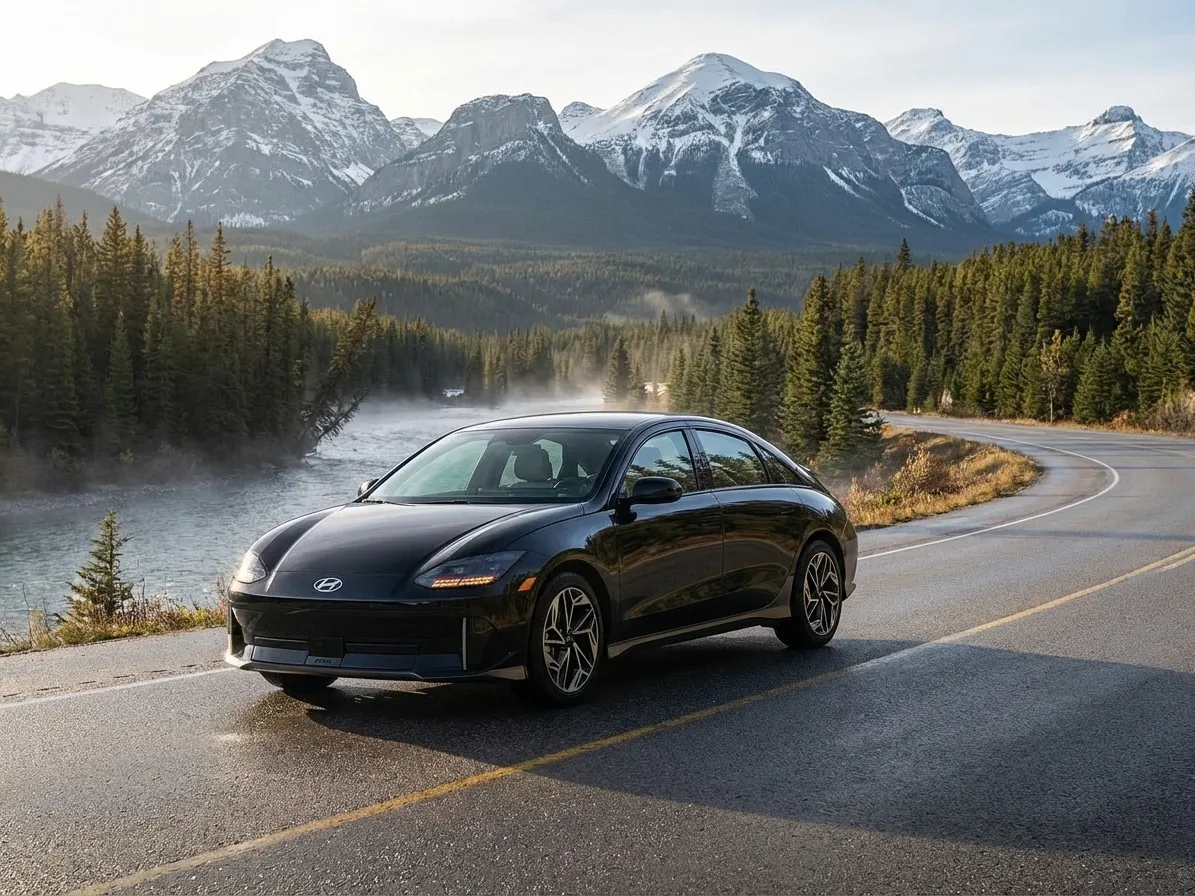
If saving money matters to you, and in this economy, it should, Tesla is a hard sell in 2026 Canada.
The EVAP program exists specifically to make EVs more affordable for Canadians. Tesla chose not to participate, either by adjusting pricing or by establishing Canadian assembly. That's their call. But it means every competitor on the EVAP list has a $5,000 head start, and many of them were already cheaper to begin with.
If the projected EV4 pricing holds, it is the value champion on paper. The Equinox EV at $41,199 is the safest all-around pick. The Kona Electric and VW ID.4 split the difference beautifully. And the EV6 gives you driving thrills that the Model Y can only dream about.
Tesla still makes good cars. But in a market where a $5,000 rebate is sitting there for the taking, buying a Tesla means you're paying more for less, and choosing brand loyalty over your own wallet.
I know which one I'd pick.
Gear worth having
As an Amazon Associate, ThinkEV earns a small commission from qualifying purchases — at no extra cost to you.
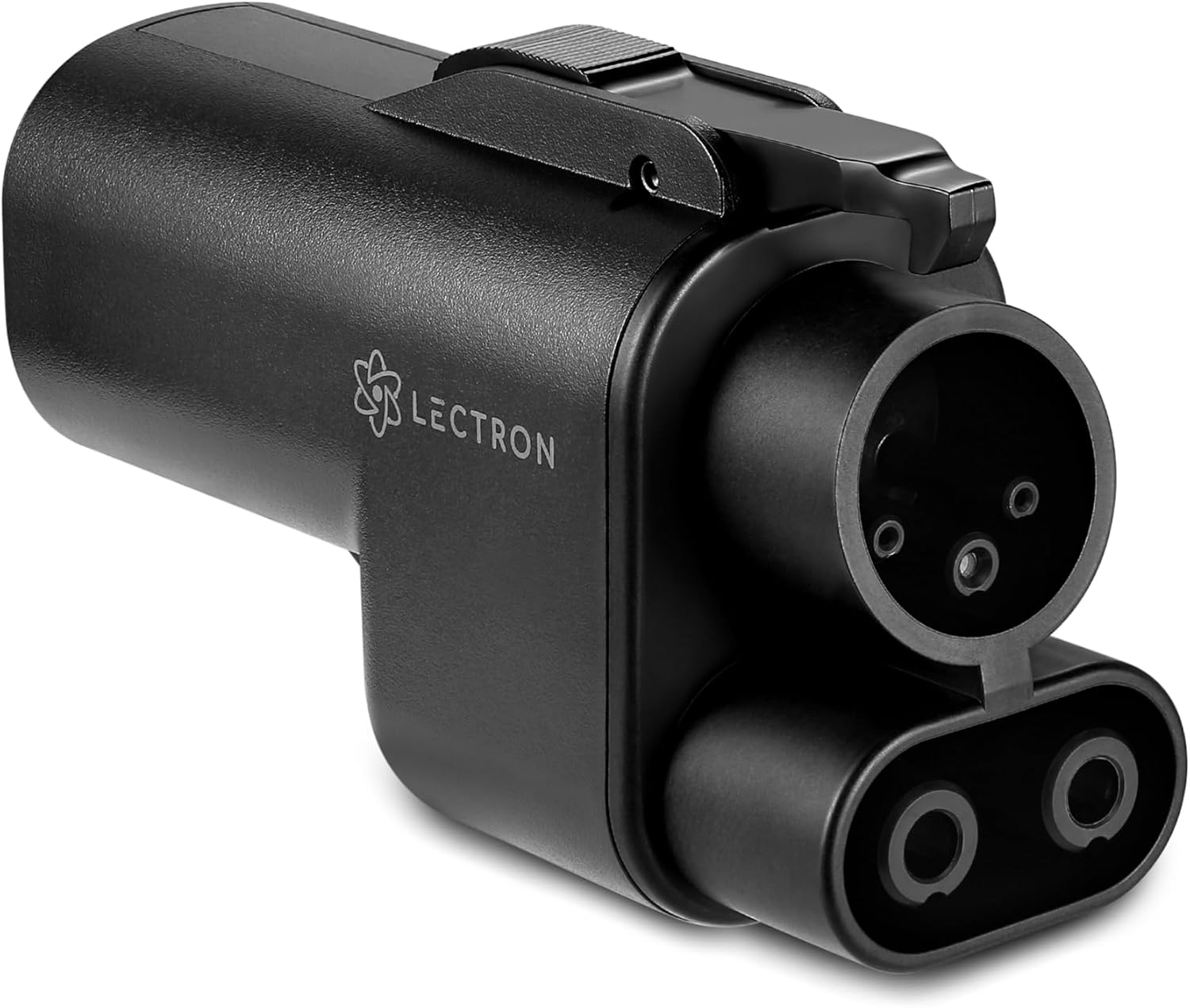
Lectron NACS to CCS Fast-Charge Adapter
Unlock every CCS fast charger for your Tesla, up to 500A DC. Never get stranded at a non-Tesla DC station again.
As an Amazon Associate, ThinkEV earns from qualifying purchases — at no extra cost to you.
Gear worth having
As an Amazon Associate, ThinkEV earns a small commission from qualifying purchases — at no extra cost to you.

Tesla Key Card Holder with AirTag Slot
Stop fishing the keycard out of your wallet, and slot an AirTag in case the car wanders off in a lot.
As an Amazon Associate, ThinkEV earns from qualifying purchases — at no extra cost to you.
Related Reading
- Every Dollar You Can Save on an EV in Canada (2026 Guide), Complete breakdown of federal and provincial incentives
- BYD Seal vs Tesla Model 3: The $15,000 Question, Head-to-head comparison of two popular sedans
- EV Charging Infrastructure in Canada: Complete 2026 Guide, Everything you need to know about charging across Canada
Gear worth having
As an Amazon Associate, ThinkEV earns a small commission from qualifying purchases — at no extra cost to you.
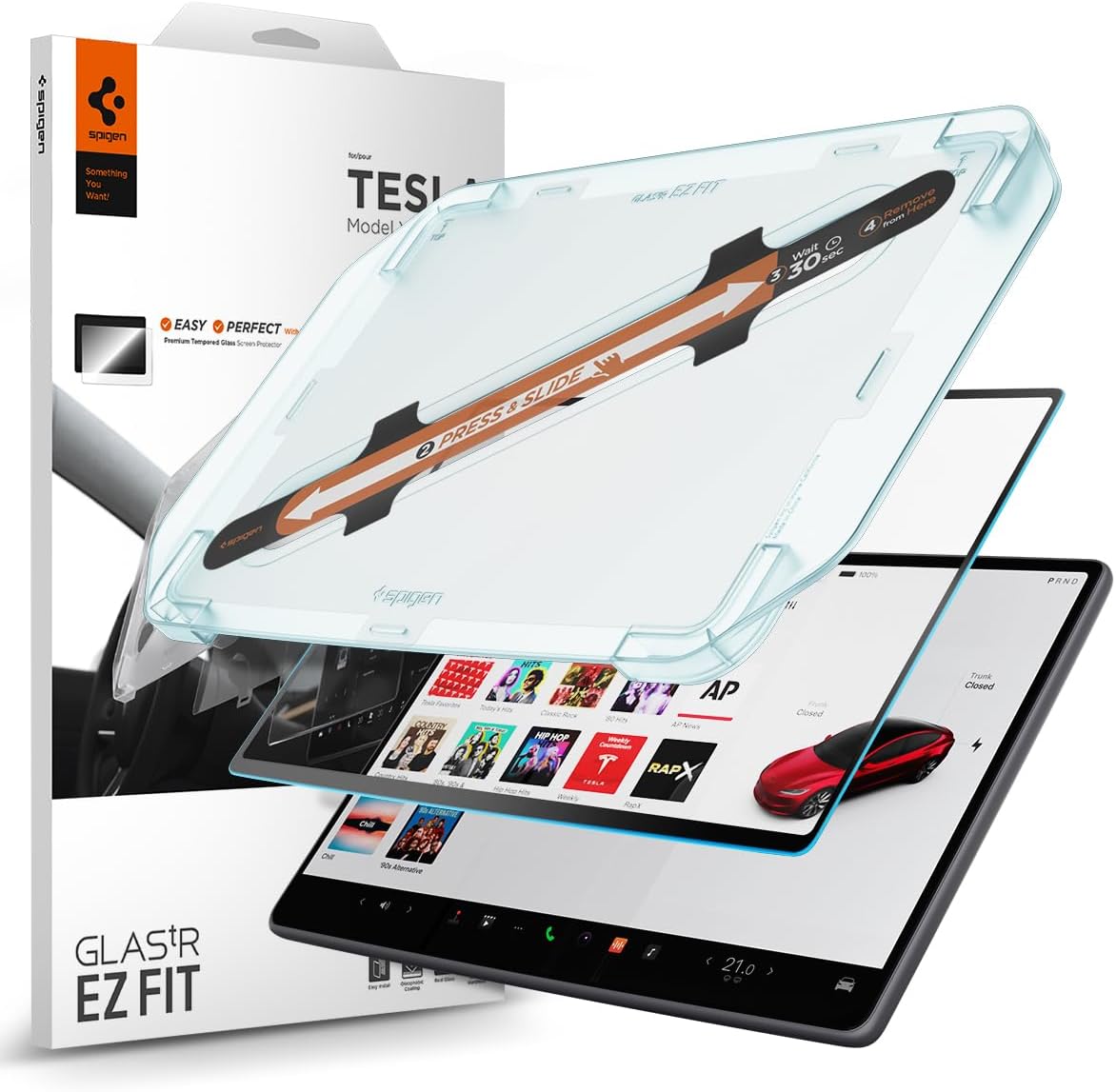
Spigen Tempered Glass for Tesla Model 3/Y
Tempered-glass protection for the touchscreen that kills fingerprints and scratches. Two minutes to install, lasts the life of the car.
As an Amazon Associate, ThinkEV earns from qualifying purchases — at no extra cost to you.

Founder & Chief Editor
Vlad Pereira is the founder and chief editor of ThinkEV.ca, the Canadian electric-vehicle publication he writes and edits from Courtenay, British Columbia. He covers EV pricing, federal and provincial rebates, charging costs, and the Chinese manufacturers now entering Canada, from the buyer's side rather than the press-fleet side. ThinkEV is a venture of Vlad Pereira Online; his writing on health, income and the long game lives at vladpereira.com.
Frequently asked questions
Could Tesla become EVAP-eligible later in 2026?
What exactly is "final transaction value" under EVAP?
Can I stack the federal EVAP rebate with provincial incentives?
How do I actually claim the EVAP rebate?
What about the CCS vs Tesla Supercharger charging situation?
Will the EVAP rebate amount decrease over time?
More EV & road-trip finds
Affordable upgrades worth a look — tap any to check the price on Amazon.
 ★ 119
★ 119Foldable Waterproof Trunk Organizer
View on Amazon ★ 392
★ 392Large Cup Holder Adapter (32-40oz)
View on Amazon ★ 12,051
Windex Electronics Screen Wipes
View on Amazon ★ 419
★ 419RGB Car Interior LED Strip Light
View on Amazon ★ 546
★ 546Funny Headrest Face Covers (2-Pack)
View on Amazon ★ 979
★ 979Leather Headrest Purse Hook
View on Amazon
TP-Link Kasa Smart Plug with Energy Monitoring
View on Amazon ★ 61
★ 61Toddler Car Seat Snack and Cup Tray
View on AmazonRead, Plan, Then Stay Current
Explore our expert articles to understand incentives and ownership costs, use the map to pressure-test charging reality, then subscribe so new EV coverage comes straight to you.
Continue Reading
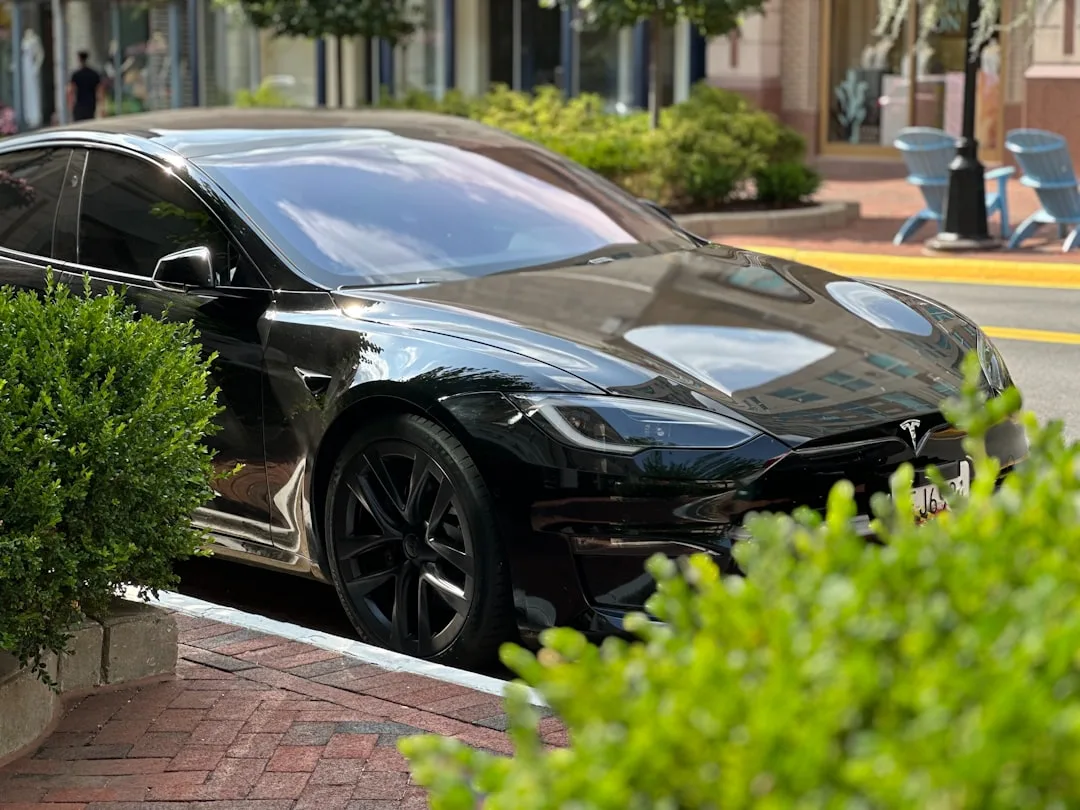
Tesla Sales Collapsed 60% in Canada, Should I Still Buy One?
Buy or Lease an EV in Canada? The 2026 Answer

Your First EV in Canada, The No-BS 2026 Buying Guide
Why Tesla Is Losing Canada With the World's Top EV

Can Americans Buy Chinese EVs Through Canada?