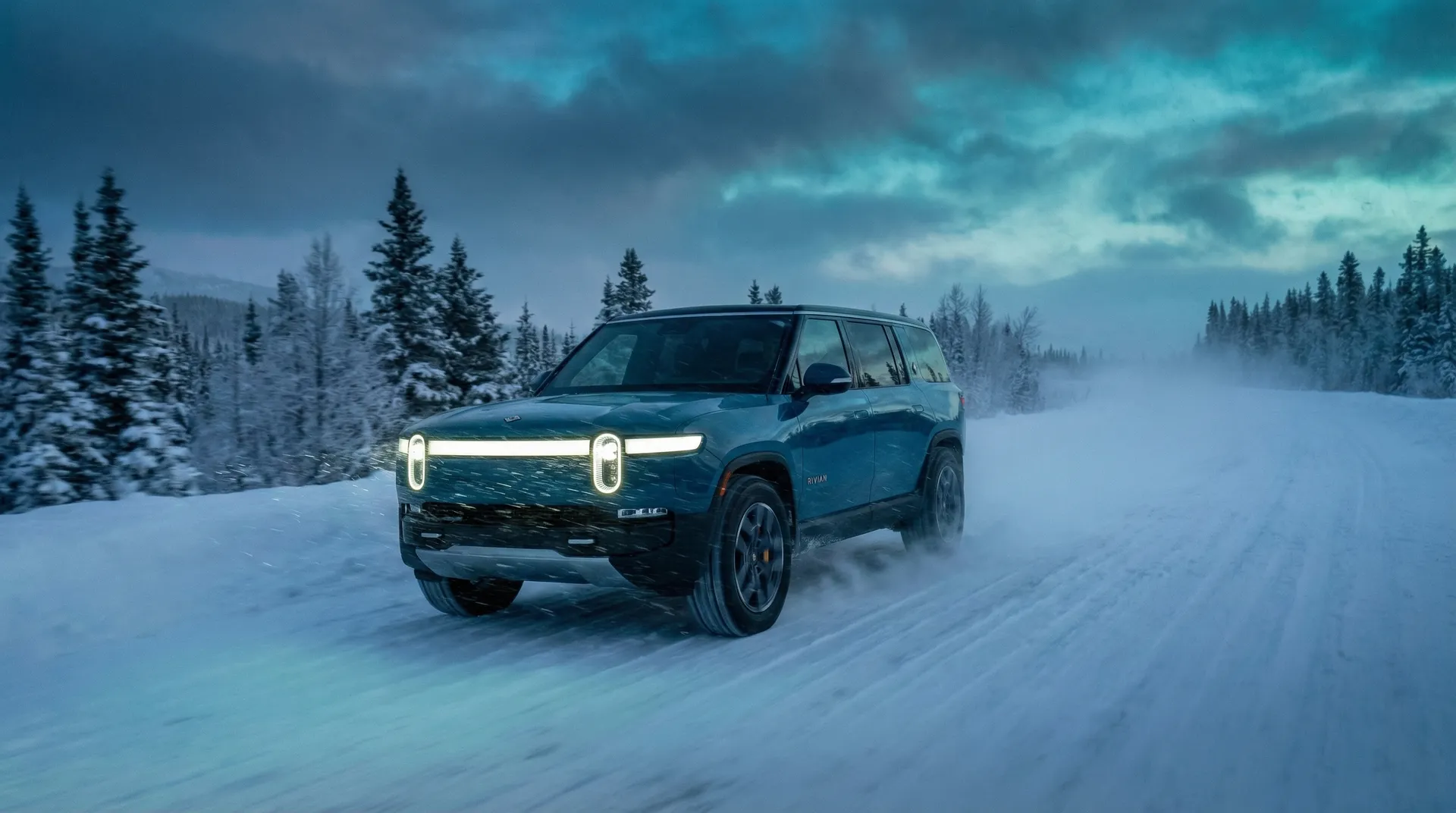
Key takeaways
- Prices for comparable vehicles are $15,000-$25,000 lower than what we've been paying.
- In 2023, Canada's EV market share sat around 8-9%.
- The average EV transaction price was approximately $58,000 CAD.
- The average transaction price has dropped to approximately $52,000, a $6,000 decline in two years.
In 2023, the average EV transaction in Canada cost $58,000 CAD. By early 2026, that number has dropped to $52,000, a $6,000 decline in two years, and the new entrants arriving from China are priced $15,000 to $25,000 below what Canadians have been paying for comparable vehicles.
The conversation used to be "Tesla or not Tesla." That was basically it. You could buy a Model 3, or you could buy something less interesting from Hyundai or Volkswagen. The Korean and German options were fine, but nobody was excited about them the way they got excited about Tesla.
Now? We have genuine alternatives. BYD, the world's largest EV manufacturer, is actively entering Canada. NIO might follow. XPeng is evaluating the market. Prices for comparable vehicles are $15,000-$25,000 lower than what we've been paying. Meanwhile, GM's Equinox EV has become the fastest-growing EV in the country, and Hyundai-Kia keeps eating into Tesla's share month after month.
The Canadian EV market isn't just changing. It's becoming unrecognizable from what it was three years ago. And the impact of that change, on prices, on dealers, on your gas-powered trade-in, on the entire automotive picture, is the story I want to tell here.
If you want the model-by-model breakdown of specific vehicles arriving in 2026-2027, read our complete guide to new EVs coming to Canada. This piece is about what all of it means, for the market, for Canadian families, and for the future of driving in this country.
The Market Transformation: 2023 to 2026
Let me paint a full picture of where we were versus where we are, because the speed of this shift is genuinely remarkable.
In 2023, Canada's EV market share sat around 8-9%. Tesla held roughly 45% of all EV sales. The average EV transaction price was approximately $58,000 CAD. If you wanted an electric vehicle, you were making a premium purchase, most families looked at that number and kept driving their Civics and RAV4s, and who could blame them?
Fast forward to early 2026. EV market share has climbed to 11%. Over 30 models are available from more than a dozen manufacturers. The average transaction price has dropped to approximately $52,000, a $6,000 decline in two years. Tesla's market share has slipped from 45% to about 32%. And for the first time, you can walk into a Canadian dealership and drive away in a brand-new electric vehicle for under $40,000 after the federal rebate.
Those numbers don't sound revolutionary if you read them quickly. But think about what they represent. In just three years, the market grew by nearly 30%, prices dropped by more than 10%, and the number of competitive options roughly tripled. That's not incremental change. That's the early stages of a market being remade.
The parallel I keep coming back to is smartphones. In 2008, you had the iPhone and a bunch of mediocre BlackBerrys. By 2012, you had Samsung, HTC, LG, and a dozen other manufacturers all making genuinely excellent phones, and prices had dropped dramatically. The Canadian EV market in 2026 feels like the smartphone market in 2011, we're past the early-adopter phase but the real explosion of choice and affordability is just beginning.
The Affordability Revolution
This is the part that matters most for regular Canadian families, and it's the part that gets the least honest coverage.
For years, the EV conversation in Canada has been dominated by people who could afford $60,000 vehicles talking about how great they are. And they weren't wrong, Teslas are great. But telling a family earning $85,000 a year that they should spend $60,000 on a car was never realistic advice, no matter how much they'd save on gas.
What's happening now is fundamentally different. The average EV price in Canada has dropped from approximately $58,000 in 2024 to approximately $52,000 in early 2026. That's significant on its own, but the real story is at the bottom of the market where it matters most.
The Chevrolet Equinox EV starts at $42,999 before the $5,000 federal EVAP rebate, bringing it to under $38,000. In Quebec, stack the Roulez vert rebate and you're looking at under $36,000. That's a brand-new electric SUV, with 319 km of range, a proper infotainment system, and all the modern safety tech, for less than the average new gas vehicle in Canada.
That's Honda Civic territory. That's significant.
The Equinox EV has become the fastest-growing EV in the country for exactly this reason. It's not the coolest car. It doesn't have Tesla's brand cachet or Rivian's adventure branding. What it has is a price that makes sense for normal people who need reliable transportation and want to stop paying $200 a month for gasoline.
And the Equinox is just the beginning. The Kia EV3 is arriving in Canada with a starting price around $38,000. The upcoming 2027 Chevy Bolt is expected to undercut even the Equinox. If you want to see all the affordable options, check our breakdown of the most affordable EVs in Canada for 2026.
The average new gas vehicle in Canada now costs approximately $45,000. The average new EV costs approximately $52,000. Two years ago that gap was $13,000. Now it's $7,000, and when you factor in fuel and maintenance savings, the total cost of ownership has already flipped in favour of EVs for many driving patterns.
When BYD arrives mid-to-late 2026, with the Atto 3 expected at $30,000-$34,500 and the Dolphin at approximately $28,000, we'll see EVs that are cheaper than the average gas car at the point of sale. Not over five years. Not when you account for fuel savings. Cheaper on Day One at the dealership.
That changes everything.
What's Actually Happening with New Brands
BYD is the world's largest EV manufacturer but is not yet selling in Canada as of March 2026. Canada's January 2026 trade deal reduced the 100% tariff to 6.1% under a quota system, and import permits opened March 1. First retail deliveries are expected mid-to-late 2026, likely starting in BC and Quebec. No dealerships have opened yet, but dealer partnerships are forming.
Their expected lineup includes the Seal (Tesla Model 3 competitor at $45,000), the Atto 3 (compact SUV at $30,000-$34,500), and the Dolphin (compact hatchback at ~$28,000). None qualify for the $5,000 federal EVAP rebate (Chinese manufacturing excludes them), but these prices are still dramatically lower than anything currently available with comparable specs.
NIO is taking longer to commit but has made noises about Canadian entry in 2027. Their battery swap technology, where robots change your battery in 5 minutes instead of you waiting 30+ at a charger, would be genuinely revolutionary if they build the infrastructure.
XPeng, known for advanced driver assistance technology, is evaluating the market but hasn't announced concrete plans.
For the full rundown on every brand considering Canada, see our guide to new EV brands coming to Canada. And for specific details on the Chinese EV tariff situation and what it means for pricing, read our Chinese EVs entering Canada coverage.
Why Prices Are So Different
I keep getting asked: how can BYD sell a comparable car for $15,000 less? Is there a catch?
It's mostly manufacturing efficiency.
BYD makes their own batteries, motors, and semiconductors. They don't buy from suppliers at markup, they control the entire process. They've scaled to over 3 million vehicles per year, which spreads fixed costs across enormous volume.
They're also willing to accept lower margins to gain market share. Tesla makes about $5,000-$8,000 per vehicle in profit. BYD is reportedly operating at margins half that, prioritizing volume over profit-per-unit.
The cars themselves are not cheap in a quality sense. The BYD Seal earned a 5-star Euro NCAP rating with 91% adult protection. The interior uses Nappa leather and Harman Kardon audio as standard. Build quality is comparable to the industry average.
The price difference comes from manufacturing and margin decisions, not from cutting corners on the product.
There's another factor worth understanding: labour costs. Chinese manufacturing wages are lower than North American and European wages, and that contributes to the price gap. But it's not the whole story, Tesla's Shanghai factory produces Model 3s at costs comparable to BYD, and Chinese labour costs have been rising steadily. The bigger factors are vertical integration (BYD making their own components) and willingness to accept lower margins.
This matters because it puts enormous pressure on every other manufacturer. When a competitor can offer a genuinely comparable product for 30% less, you can't just rely on brand loyalty anymore. You have to respond, and we're already seeing that response play out across the market.
Legacy automakers are caught in a difficult position. They have existing factory investments built around internal combustion engines. They have dealer networks optimized for gas car service revenue. They have supply chains that buy batteries and motors from third parties at markup. Retooling all of that takes time and money. BYD doesn't have those legacy costs, they started as a battery company and built their automotive division around electric from the beginning. That structural advantage is not going away.
Brand Diversity: It's No Longer Just Tesla
The era of Tesla dominance in Canada is ending. Not because Tesla is building bad cars, the Model Y is still an excellent vehicle, but because other manufacturers have caught up on the things that matter and are competing hard on price.
Tesla's share of Canadian EV sales has dropped from approximately 45% in 2023 to approximately 32% in early 2026. That's still the single largest share, but the trend line is unmistakable. And the reasons aren't hard to understand.
Hyundai and Kia have been the biggest beneficiaries. The Ioniq 5, Ioniq 6, EV6, and now the EV3 and EV5 offer compelling alternatives at competitive prices, and they qualify for the federal EVAP rebate. Tesla's EVAP story has changed: the Model Y RWD base ($49,990) is now on the EVAP eligible list, while the Model 3 Long Range ($54,990) still does not qualify. The Korean manufacturers have also invested heavily in their dealer networks across Canada, which means service and parts availability that Tesla can't match in smaller markets.
GM has re-emerged as a serious contender. After the Bolt debacle (battery recalls, production halt), they've come back with the Equinox EV and Blazer EV on the Ultium platform. The Equinox EV in particular has been a revelation, it's the right vehicle at the right price at the right time. The upcoming 2027 Bolt promises to push even further into affordable territory.
Ford has the Mustang Mach-E and F-150 Lightning. Volkswagen has the ID.4. BMW, Mercedes, and Audi have their luxury electric lineups. Polestar and Rivian offer premium alternatives. Volvo's EX30 is gaining traction as a small premium option.
The point is this: in 2023, if someone asked me "should I buy an EV?" the answer was basically "buy a Tesla or wait." In 2026, the answer is "you have at least 30 genuine options across every price point, body style, and brand personality." That's a fundamentally healthier market. For a detailed breakdown of who's winning and losing, see our EV market share by brand analysis.
Gear worth having
As an Amazon Associate, ThinkEV earns a small commission from qualifying purchases — at no extra cost to you.

Grizzl-E Classic Level 2 EV Charger (40A)
Canadian-made and rated for minus 40C winters. 40A / 9.6 kW, NEMA 14-50, indoor/outdoor, 24-ft cable. The charger built for Canadian weather.
As an Amazon Associate, ThinkEV earns from qualifying purchases — at no extra cost to you.
The Chinese EV Question
This deserves its own section because it's the single most significant development on the horizon, and the conversation around it is muddied by politics, protectionism, and legitimate questions that deserve honest answers.
Canada imposed a 100% tariff on Chinese-manufactured EVs in October 2024. That tariff was reduced to 6.1% in January 2026 under a 49,000-vehicle annual quota as part of a broader trade deal. Import permits opened March 1, 2026. First retail deliveries are expected mid-to-late 2026.
Here's what this means in practical terms.
The tariff reduction makes Chinese EVs viable but not cheap-as-dirt. A BYD Atto 3 that sells for approximately $25,000 USD in other markets will land in Canada at approximately $30,000-$34,500 CAD after the 6.1% tariff, exchange rate, and compliance costs. That's not the mythical $20,000 EV some people were hoping for, but it's still $10,000-$15,000 less than a comparable Hyundai Kona Electric or VW ID.4.
Chinese EVs remain excluded from the $5,000 federal EVAP rebate regardless of the tariff reduction. This is a deliberate policy choice, the government doesn't want taxpayer money subsidizing Chinese manufacturing. In Quebec, the $2,000 Roulez vert rebate still applies (it's based on the vehicle meeting emissions standards, not where it's built).
The 49,000-vehicle annual quota limits the initial impact. For context, Canada sells approximately 200,000 EVs per year. So Chinese EVs can represent at most about 25% of the market in their first year, even if every quota spot gets used. In practice, probably half that given the time needed to establish dealer networks and import logistics.
But here's why it still matters enormously: it's not just about the vehicles that Chinese manufacturers sell directly. It's about the competitive pressure their pricing puts on every other manufacturer. When Toyota knows that a $30,000 Chinese electric SUV is sitting on a Canadian lot, the price of the bZ4X has to come down. When Tesla knows a $45,000 BYD Seal competes directly with the Model 3, they have to respond with better value, better features, or lower prices.
The anticipation alone has already had effects. Several manufacturers have quietly adjusted pricing or added features to Canadian-market vehicles in late 2025 and early 2026. This is competition working exactly as it should.
There's also a cultural dimension worth acknowledging. Some Canadians have concerns about buying Chinese-manufactured vehicles for political or ethical reasons. That's a personal decision and a valid one. What I'd push back on is the assumption that "Chinese" automatically means "low quality", BYD's safety ratings, build quality, and technology are independently verified and competitive with established brands. The same Euro NCAP that rates BMWs and Mercedes-Benzes gave the BYD Seal 91% for adult protection. Judge the product on its merits, whatever your feelings about its country of origin.
The quota system itself is designed to balance these tensions. Canada gets access to more affordable EVs (supporting climate goals and consumer choice) while limiting the volume to protect domestic manufacturing interests. Whether 49,000 vehicles per year is the right number is debatable, but the framework attempts to thread a genuine needle between protectionism and consumer benefit.
Consumer Behaviour Is Changing
The numbers tell one story, but the conversations I'm having with Canadians tell another, and it's just as important.
Three years ago, when someone said they were considering an EV, the questions were almost always the same: "Isn't the range terrible?" "Where do I charge it?" "Isn't it too expensive?" Those were legitimate questions in 2023, and the answers were often "yes, range drops significantly in winter," "charging infrastructure is thin outside cities," and "yes, unless you can afford $55,000+."
The questions in 2026 are different. People ask: "Which one should I get?" "Is it worth waiting for BYD?" "Can I charge at home with my existing panel?" "What's the total cost of ownership compared to my Tucson?"
That shift, from whether to which, is the most important transformation happening in the Canadian EV market right now. It signals that the awareness battle has been largely won. Canadians aren't debating whether EVs are viable anymore. They're comparison shopping.
Several factors drove this shift:
Gas prices. Canadians have lived through enough $1.60-$1.80/litre periods that the fuel cost argument for EVs has become visceral rather than theoretical. When you're spending $300 a month on gas and your neighbour is spending $50 on electricity, the math stops being abstract.
Visibility. There are enough EVs on Canadian roads now, particularly in BC, Quebec, and Ontario, that they've become normal. Your coworker drives one. Your sister has one. The pizza delivery guy has one. They're no longer exotic objects that signal either wealth or environmental activism.
Information access. The Canadian EV information ecosystem has matured dramatically. Sites like ThinkEV exist specifically to give honest, Canada-specific answers to real questions. Facebook groups, Reddit communities, and YouTube channels provide peer-to-peer knowledge sharing. People can get real answers from real Canadian EV owners about winter range, charging, and ownership costs.
Improved products. The EVs of 2026 are genuinely better than the EVs of 2023. Ranges have improved. Charging speeds have increased. Software has matured. Winter performance management has gotten more sophisticated. Heat pumps are nearly standard. The objections that were valid three years ago have been significantly addressed by the latest generation of vehicles.
Generational shift. Buyers under 35 are significantly more likely to consider an EV as their next vehicle compared to buyers over 55. As this younger demographic enters their prime car-buying years, the EV share naturally grows. This isn't just about environmental values, younger buyers grew up with technology, they expect their vehicles to be software-connected, and they're less attached to the sound and feel of internal combustion engines.
The test drive effect. This one is underrated. Once someone drives an EV, the instant torque, the silence, the smoothness, it's hard to go back. Every EV owner I've talked to says the same thing: "I didn't know what I was missing." Manufacturers have gotten smarter about offering test drives, and every person who takes one becomes a potential convert. The Equinox EV's success in particular has been driven by people who went to Chevy dealers expecting to buy an Equinox and left with the EV version after driving both.
Total cost of ownership awareness. More Canadians now understand that the sticker price isn't the real cost. When you factor in fuel savings ($1,500-$2,500 per year), maintenance savings ($500-$800 per year), and potential insurance differences, a $42,000 EV can cost less over five years than a $38,000 gas vehicle. Financial literacy around EVs has improved dramatically, partly through media coverage and partly through the lived experience of the growing number of Canadian EV owners sharing their actual costs.
What This Means for Canadian Buyers
A few years ago, if you wanted an EV in Canada, you were looking at $50,000-$70,000 for anything decent. The federal rebate helped, but even with $5,000 off, you were making a significant financial commitment.
Now? When BYD arrives later in 2026, the Atto 3 is expected at $30,000-$34,500 (with the new 6.1% tariff). It won't qualify for the federal EVAP rebate (Chinese manufacturing excludes it), but in Quebec the $2,000 Roulez vert still applies. Meanwhile, EVAP-eligible options available today like the Chevy Equinox EV drop to under $40,000 after the $5,000 federal rebate.
That's Honda Civic territory for an electric vehicle. That's significant for families who wanted to go electric but couldn't justify $60,000 for a sedan.
Even if you don't buy a BYD, the competitive pressure benefits you. Tesla, Hyundai, and other established brands can't ignore pricing that's 30% lower. Expect deals, incentives, and price adjustments across the market.
The smart play right now depends on your timeline:
If you need a vehicle in the next 3 months, the Equinox EV, Kia EV6, Hyundai Ioniq 5, and VW ID.4 represent the best value at their respective price points. All qualify for the federal rebate. All have established service networks. You won't regret any of these purchases.
If you can wait 6-12 months, the arrival of BYD and continued price competition will create the most buyer-friendly market Canada has ever seen. Even if you don't buy a Chinese EV, the downward pressure on everyone else's pricing means better deals on the brands you already trust.
If you can wait 12-18 months, the 2027 model year promises the next wave of purpose-built affordable EVs, including the 2027 Chevy Bolt and potential entries from additional Chinese manufacturers under the quota system. This is when sub-$35,000 EVs from trusted brands become the norm rather than the exception.
The Dealer Network Evolution
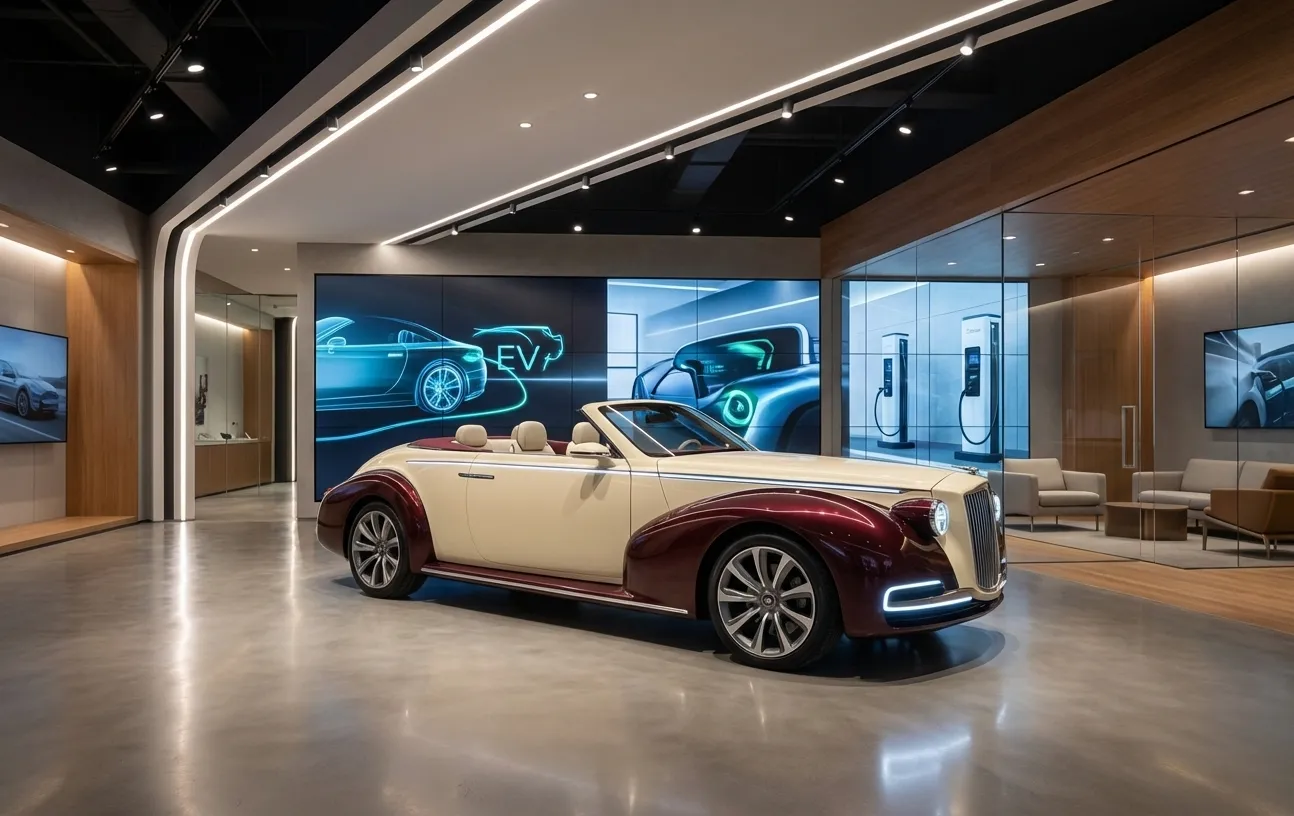
Here's something that doesn't get enough attention: the transformation happening inside Canadian dealerships is almost as significant as the transformation happening on the roads.
For decades, the traditional car dealership business model has depended on three revenue streams: new vehicle sales, used vehicle sales, and service/parts. EVs disrupt all three.
New EV sales often involve lower per-unit margins because manufacturers are pricing aggressively to gain market share. Used EV valuations are volatile because the technology improves so rapidly that a three-year-old EV can feel outdated in ways that a three-year-old gas car never does. And EV service revenue is dramatically lower, no oil changes, no transmission repairs, no exhaust system work, fewer brake jobs thanks to regenerative braking.
Some dealers have adapted. The best Canadian EV dealers have invested in trained EV technicians, Level 2 and DC fast chargers on their lots, and sales staff who actually understand range, charging, and rebate programs. These dealers are thriving because they've positioned themselves as trusted advisors in a confusing market.
Other dealers have resisted. There are still dealerships in Canada where the sales staff will actively steer you away from EVs because the margins are lower and they don't understand the product. There are dealers charging "market adjustments" on popular EVs. There are dealers who can't answer basic questions about federal rebates or home charging requirements.
The arrival of new brands forces a reckoning. BYD won't work through the traditional franchise dealer model initially, they'll likely partner with select dealer groups in major markets, similar to how Polestar and Rivian operate. This creates a two-tier system: modern, EV-focused retail experiences competing with traditional dealerships that may or may not take EV sales seriously.
For consumers, the practical advice is straightforward: find a dealer that specializes in EVs. Check Google reviews specifically mentioning EV purchases. Ask whether they have certified EV technicians. Ask about their charger installation. A good EV dealer experience is dramatically better than a mediocre one, and the difference in after-sale support can be significant.
Gear worth having
As an Amazon Associate, ThinkEV earns a small commission from qualifying purchases — at no extra cost to you.

AstroAI Portable Tire Inflator
One tap, it inflates to your exact PSI then stops automatically. Low tires cost 5 to 10 percent of your range, so this pays for itself in a week.
As an Amazon Associate, ThinkEV earns from qualifying purchases — at no extra cost to you.
Charging Infrastructure: The Critical Enabler
None of this market transformation matters if you can't charge your car. So let me give you an assessment of where Canada's charging infrastructure stands in 2026.
Home charging remains the backbone of EV ownership. Approximately 80% of EV charging in Canada happens at home, overnight, using Level 2 chargers. If you have a garage or a driveway with access to a 240V outlet, home charging is effectively solved. You plug in when you get home, you wake up to a full battery. It costs roughly $2-$4 per charge depending on your province's electricity rate. A good Level 2 charger like the Grizzl-E costs $500-$600 and can be installed for $500-$1,500 depending on your electrical panel situation.
For anyone in a condo or apartment without dedicated parking, charging remains the biggest barrier. Workplace charging is growing but not ubiquitous. Public Level 2 chargers are useful for topping up but aren't a substitute for home charging. This is the single most important infrastructure problem that still needs solving.
Public DC fast charging has improved enormously. Canada now has over 9,000 public charging stations, with the network growing by roughly 20% annually. The Trans-Canada corridor is reasonably well covered, particularly in the BC-Ontario corridor. Tesla's Supercharger network, now open to non-Tesla vehicles via NACS adapters, has added significant capacity.
But gaps remain. Northern Ontario between Sudbury and Thunder Bay still has stretches that make EV road trips stressful. Rural Saskatchewan and Manitoba have sparse coverage. The Atlantic provinces are improving but not yet on par with BC or Quebec.
The provincial breakdown matters because electricity costs and charging availability vary enormously:
- British Columbia leads the country in both charging infrastructure density and EV adoption. Cheap hydro power (approximately $0.09/kWh) makes EV operation incredibly affordable. BC's CleanBC rebates stack on top of federal incentives.
- Quebec is close behind, benefiting from the lowest electricity rates in North America (approximately $0.07/kWh) and the generous Roulez vert rebate program.
The provincial government has been aggressive about charging infrastructure.
- Ontario has the largest absolute number of chargers but also the largest population. Electricity rates are higher (approximately $0.13/kWh) and there's currently no provincial EV rebate, though the Greener Homes program covers charger installation.
- Alberta has rapidly growing infrastructure despite no provincial incentives and a political climate that's been less enthusiastic about EVs.
The Calgary-Edmonton corridor is well served; everywhere else is hit-or-miss.
- The Prairies and Atlantic provinces are the laggards, though all are making progress. The challenge is lower population density, it's harder to justify charging infrastructure investment when fewer drivers pass through.
The bottom line: if you live in a house with a driveway in any major Canadian city, charging is a solved problem. If you're in a rural area or multi-unit dwelling, do your homework before buying.
Gear worth having
As an Amazon Associate, ThinkEV earns a small commission from qualifying purchases — at no extra cost to you.

PULIDIKI Car Cleaning Gel (Detailing Putty)
Press it into vents, buttons, and seams and it lifts out dust you did not know was there. Weirdly satisfying, genuinely useful.
As an Amazon Associate, ThinkEV earns from qualifying purchases — at no extra cost to you.
Provincial Adoption: A Country of Different Markets
Canada doesn't have one EV market. It has at least five, and understanding the differences matters for anyone trying to make sense of where things are headed.
British Columbia is the undisputed leader, with EV market share approaching 20% in some quarters. The combination of cheap hydro power, strong provincial incentives, moderate climate (at least in the Lower Mainland), and an environmentally conscious consumer base has created a market where EVs are genuinely mainstream. In Metro Vancouver, you can't go five minutes without seeing a Tesla, Hyundai, or Kia EV.
Quebec is the other powerhouse, driven by the cheapest electricity in North America and a provincial government that has invested heavily in both incentives and infrastructure. The Roulez vert program's $2,000 rebate stacks with the federal $5,000, making some EVs genuinely cheaper than their gas equivalents. Quebec will likely be one of the first markets for BYD alongside BC.
Ontario is the volume market, the most total EV sales, but a lower percentage share than BC or Quebec. The absence of a provincial rebate hurts, and higher electricity rates reduce the fuel savings advantage. But the sheer population means Ontario drives national trends, and the Greater Toronto Area has strong charging infrastructure.
Alberta is the contrarian story. Despite a political and cultural environment that you'd expect to resist EVs, Alberta's EV adoption has been growing faster than the national average over the past year. Part of this is practical, electricity is reasonably cheap and many Albertans have garages. Part of it is that truck-loving Albertans are genuinely interested in the F-150 Lightning and Silverado EV. The lack of provincial incentives remains a headwind.
The rest of Canada ranges from slowly growing (Manitoba, Saskatchewan) to limited by infrastructure (the Territories) to showing promising early adoption (the Maritimes, particularly Nova Scotia and New Brunswick where provincial programs are improving).
What these differences mean for the market transformation is this: the new brands entering Canada will focus initially on BC and Quebec, where demand is highest and infrastructure is best. Ontario will follow quickly given the population. Alberta and the rest of Canada will be later, but "later" in a rapidly accelerating market might only mean 6-12 months behind.
The Price Competition Effect on All Brands
Here's the part that should excite you even if you have zero interest in buying a Chinese EV or a brand you've never heard of: their existence makes every other vehicle on the market cheaper and better.
This is basic economics, but it plays out in specific, tangible ways in the Canadian EV market.
Tesla has already responded. Tesla repriced the Model Y lineup in 2026, with the base RWD now at $49,990, down significantly from earlier pricing, and the Long Range AWD at $59,990. The Model 3 has seen periodic price adjustments. Tesla is also offering better financing rates and more generous trade-in valuations. They wouldn't be doing any of this without competitive pressure.
Hyundai and Kia are adding value. Recent model year updates to the Ioniq 5 and EV6 have included features that were previously optional, wireless phone charging, heated rear seats, upgraded audio systems, at the same or lower prices. The Korean manufacturers know that their primary advantage (EVAP eligibility + extensive dealer networks) won't be enough if the price gap to Chinese alternatives is too large.
GM is pricing aggressively. The Equinox EV's $42,999 starting price was not an accident. GM looked at where the market was headed and decided to get ahead of the price compression rather than react to it. This is why the Equinox EV is the fastest-growing EV in Canada, they read the market correctly.
Luxury brands are feeling pressure too. BMW, Mercedes, and Audi can't charge $20,000 premiums for their EVs when the non-luxury alternatives have closed the technology gap. Luxury EV prices have been trending down, and the feature gap between a $45,000 Kia EV6 and a $65,000 BMW iX1 is narrower than the price difference suggests.
Ford is getting creative. The Mustang Mach-E and F-150 Lightning have both seen pricing adjustments and promotional offers in Canada. Ford's challenge is different from the others, they need to convince their loyal truck-buying base that electric trucks are worth the switch, while also competing in the crossover market against increasingly affordable alternatives. The F-150 Lightning's price drop of several thousand dollars in late 2025 was a direct response to competitive pressure.
Volkswagen is repositioning. The ID.4 has struggled to gain traction in Canada despite being a perfectly competent vehicle. VW's response has been to improve the value proposition, better standard features, promotional pricing, and the promise of more models (including the affordable ID.2 in the coming years). The ID.4's EVAP eligibility is its strongest card in the current market.
The net result for Canadian consumers is unambiguously positive. Whether prices drop through direct competition (BYD offering a cheaper alternative) or indirect competition (established brands lowering prices to maintain share), your next EV purchase will be cheaper than it would have been without new market entrants. This is the hidden benefit of market disruption that often gets lost in the political debate about Chinese EVs: even consumers who never buy a Chinese car benefit from their existence.
The Gas Car Dealer Impact
I want to address something that doesn't get talked about enough: what this EV transformation means for traditional gas car dealers and for people who still drive gas vehicles.
The reality is that the transition is creating winners and losers within the dealer community, and the losing side is going to have real consequences for Canadian communities.
Dealers who have embraced EVs, investing in training, chargers, and inventory, are positioned well. They're gaining EV customers and retaining their existing base. Dealers who have resisted the transition are finding themselves squeezed: EV sales are growing regardless of their participation, and the customers who wanted an EV and couldn't get one locally went elsewhere. Those customers aren't coming back.
For gas car trade-in values, the impact is starting to show. Gas-powered vehicles aren't suddenly worthless, that's an exaggeration you'll see on social media. But the long-term trajectory of gas car values is downward, particularly for fuel-inefficient models. A 2023 Toyota Camry will hold its value well. A 2023 Dodge Charger with a Hemi? Less certain.
The used car market is seeing an interesting bifurcation: fuel-efficient gas vehicles and hybrids are holding value well (Civics, Corollas, RAV4 Hybrids) because they appeal to buyers who want low fuel costs but aren't ready for a full EV. Gas-powered trucks and performance cars are more exposed, though strong demand for trucks is keeping values stable for now.
For anyone still driving a gas vehicle who isn't ready to switch, the practical advice is simple: don't panic, but don't plan to hold a depreciating gas car for 10 years either. The optimal trade-in window for most gas vehicles is probably the next 2-4 years, while gas cars still hold reasonable value and before the full weight of cheap EV alternatives reshapes the used market.
There's also an employment angle that matters for Canadian communities. Dealerships are major employers in mid-size towns across the country. If EV adoption reduces service revenue (fewer oil changes, brake jobs, transmission repairs), those jobs don't just shift, many of them disappear. Some will be replaced by EV-specific roles (high-voltage battery technicians, charging infrastructure installers), but the transition isn't one-for-one. Towns that depend heavily on automotive service employment should be planning for this shift now rather than pretending it won't happen.
For anyone curious about how the broader EV vs. gas trajectory is playing out in Canada, see our EV vs gas sales trajectory analysis.
The Legitimate Concerns
Service networks for new brands are developing but not mature. BYD will have authorized service centres in major cities, but you're not looking at a dealer in every mid-size town like you'd find with Hyundai or Toyota. If something unusual breaks, you might wait longer for parts. This is a real consideration, particularly for anyone outside a major metro area.
Resale value for new brands is unknown. Tesla holds value exceptionally well because the brand is established and buyers trust it. BYD in Canada? Nobody knows yet. You might take a bigger depreciation hit, though the lower purchase price provides some buffer. The BYD Seal at $45,000 losing 40% of its value in three years costs you $18,000. A Tesla Model 3 at $55,000 losing 30% costs you $16,500. The math isn't as different as you'd think, but the uncertainty is real.
Software quality varies. Tesla's software experience, over-the-air updates, the app integration, the navigation routing through Superchargers, remains best-in-class. Chinese manufacturers' software works fine, and CarPlay/Android Auto fill the gaps, but if you want advanced over-the-air updates and the most refined infotainment experience, Tesla is still ahead. This matters more to some buyers than others.
The tariff situation could change. The 6.1% rate under the quota system reflects a specific political moment. A change in government or trade policy could increase tariffs again. If you're planning to buy a Chinese EV, be aware that pricing depends on a trade framework that is inherently political and therefore inherently uncertain.
Winter range reduction is still real. All EVs lose range in Canadian winters. Expect 25-35% reduction at -20C regardless of brand. LFP batteries (used by BYD) lose slightly more range in extreme cold than NMC batteries (used by Hyundai/Kia), though the difference is modest and both perform adequately. If you're in Winnipeg or Yellowknife, factor this into your range calculations honestly.
These are real trade-offs. Whether they're worth $15,000-$25,000 in savings depends entirely on your priorities.
Looking Ahead: The 2027 Preview
I'm excited about this, but let me temper expectations with reality.
The transformation isn't instant. BYD has not yet entered Canada, and while the tariff on Chinese EVs dropped from 100% to 6.1% in January 2026 under a 49,000-vehicle annual quota, first deliveries still haven't happened. NIO's battery swap stations, if they come, are 2028-2030. Full market penetration with mature service networks is a multi-year process.
But 2027 is shaping up to be the year that everything accelerates.
The 2027 Chevy Bolt is GM's answer to the affordable EV question. Expected to start under $35,000 before the federal rebate, it would bring a rebated EV into the high-$20,000 range, territory that makes EVs accessible to a much broader swath of Canadian families.
BYD's second wave should see expanded model availability and potentially the Seagull, which could arrive at $18,000-$22,000 CAD. At that price, it's cheaper than virtually every new gas car in Canada. Even if the Seagull is small and basic, the psychological impact of a brand-new electric car under $25,000 cannot be overstated.
Additional Chinese manufacturers, Chery, Zeekr, Leapmotor, MG, are watching the BYD rollout carefully. If BYD succeeds in Canada under the quota system, expect more applications for import permits. The 49,000-vehicle annual quota could become the centre of a fierce competition among Chinese brands for Canadian market access.
Battery technology keeps improving. Solid-state batteries remain 2-3 years from mass market, but incremental improvements in lithium-ion technology are already delivering 10-15% range improvements year over year. The 500 km range EV at $40,000 is coming, probably by late 2027 or 2028.
Charging infrastructure investment is accelerating. Both federal and provincial governments have committed billions to charging network expansion. Private investment from companies like Petro-Canada, FLO, and Electrify Canada continues to grow. The Trans-Canada charging corridor should be genuinely strong by late 2027.
Fleet electrification is coming. Corporate and government fleets are starting to convert to electric, which will create additional demand for infrastructure and drive further economies of scale. When Canada Post, municipal transit systems, and delivery companies go electric, the ripple effects on charging infrastructure and vehicle pricing benefit everyone.
Used EV prices will transform the market. By 2027-2028, the first wave of affordable EVs from 2024-2025 will enter the used market. A three-year-old Equinox EV at $22,000-$26,000 makes electric ownership accessible to buyers who could never afford a new EV. The used EV market barely exists in Canada right now, but it's about to become a major factor.
The pace of change is accelerating, not slowing down. Every barrier that has held EVs back in Canada, price, range, charging, choice, is being addressed simultaneously by market forces and government investment. The question isn't whether the Canadian auto market will go electric. It's how quickly.
If you need a car right now and value proven infrastructure, established brands still make sense. The Supercharger network works. Hyundai dealers exist everywhere. You know what you're getting.
If you can wait 6-18 months and want maximum value, new brands become increasingly compelling. The price advantage is substantial, the vehicles are genuinely good, and the networks are building out.
The Real Story
Here's what I keep coming back to: for the first time in the history of EVs in Canada, we have real competition.
Tesla dominated because there were no alternatives at their level. Now there are. BYD's Seal isn't a compromised budget option, it's a genuine competitor with different trade-offs. NIO's technology might be even more advanced. Hyundai-Kia has built a formidable lineup. GM has woken up. Ford is competing. And a half-dozen Chinese manufacturers are watching from the wings, ready to enter if the economics work.
Competition forces everyone to improve. Prices come down. Features go up. Customer experience gets better. Even if you never buy a BYD, the fact that they exist makes your Tesla, Hyundai, or BMW purchase better value than it would have been otherwise.
The Canadian EV market in 2026 is not perfect. Charging infrastructure has gaps. Affordability still excludes many families. The transition is creating disruption for communities that depend on traditional automotive jobs. These are real problems that deserve real attention.
But the trajectory is unmistakable. More choice, lower prices, better technology, expanding infrastructure. Every month that passes makes the case for EVs stronger and the case for gas cars weaker. The question for most Canadian families is no longer if they'll go electric, it's when and which one.
And for the first time, "which one" is a genuinely interesting question to answer. Canadian buyers finally have options. And options are always better than no options.
Gear worth having
As an Amazon Associate, ThinkEV earns a small commission from qualifying purchases — at no extra cost to you.

WixGear Magnetic Air Vent Phone Mount (2-Pack)
A magnet strong enough that your phone never flinches over potholes or rail crossings. Two in the box, one for each car.
As an Amazon Associate, ThinkEV earns from qualifying purchases — at no extra cost to you.
Related Reading
- New EVs Coming to Canada 2026-2027, The complete model-by-model guide to specific vehicles arriving.
- New EV Brands Coming to Canada, Which brands are entering the market and when.
- Chinese EVs Entering Canada, The tariff deal, pricing, and what it means.
- Most Affordable EVs in Canada 2026, Every budget-friendly option ranked.
- EV Market Share by Brand in Canada, Who's winning and who's losing.
- EV vs Gas Sales Trajectory, Where the numbers are headed.
Gear worth having
As an Amazon Associate, ThinkEV earns a small commission from qualifying purchases — at no extra cost to you.
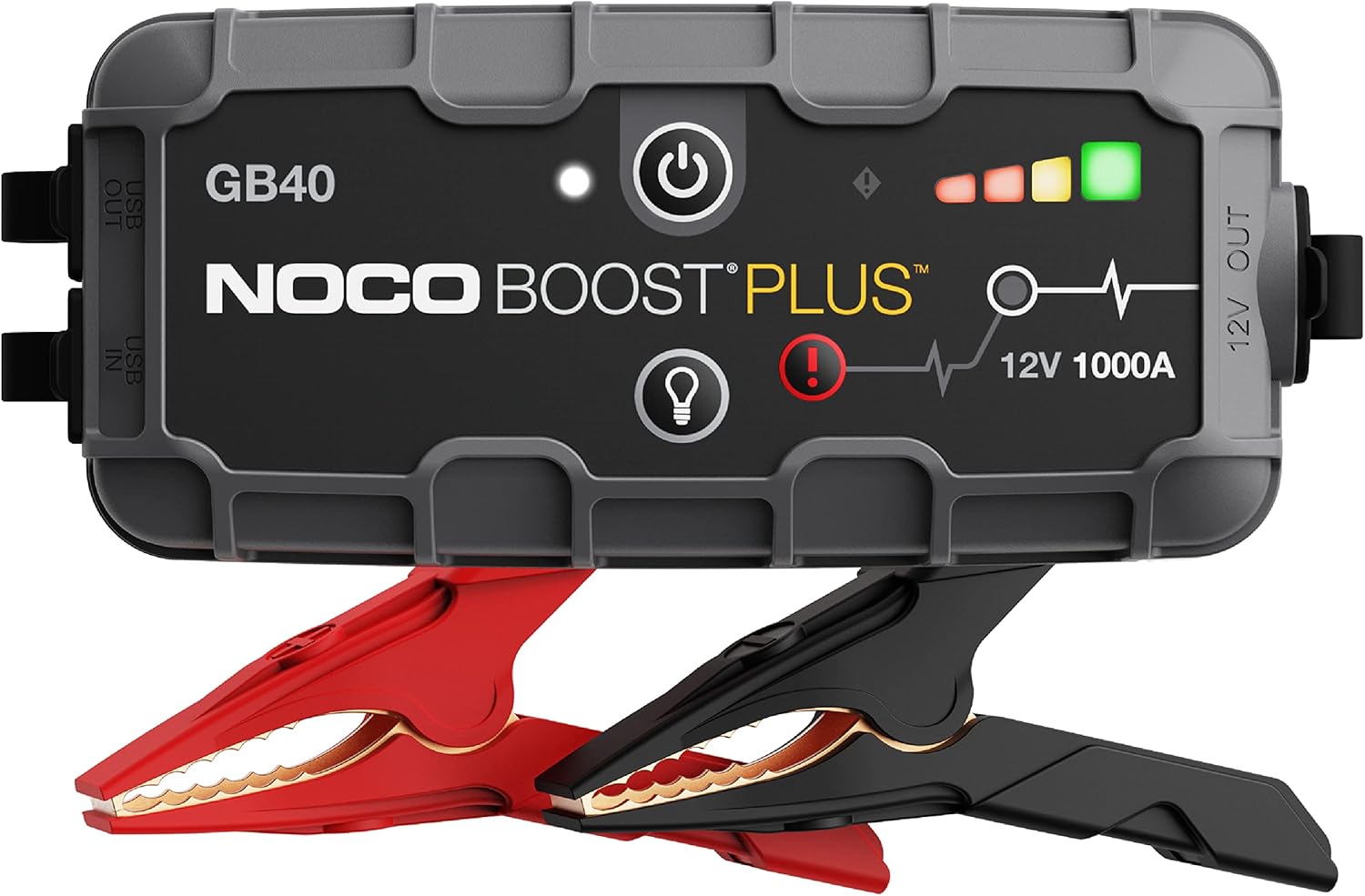
NOCO Boost Plus GB40 Jump Starter
A 1000A lithium jump starter that fits in your glovebox and works on any 12V battery. Your insurance against a dead 12V in a parking lot.
As an Amazon Associate, ThinkEV earns from qualifying purchases — at no extra cost to you.

Founder & Chief Editor
Vlad Pereira is the founder and chief editor of ThinkEV.ca, the Canadian electric-vehicle publication he writes and edits from Courtenay, British Columbia. He covers EV pricing, federal and provincial rebates, charging costs, and the Chinese manufacturers now entering Canada, from the buyer's side rather than the press-fleet side. ThinkEV is a venture of Vlad Pereira Online; his writing on health, income and the long game lives at vladpereira.com.
Frequently asked questions
Are new EV brands actually available in Canada?
Should I wait for new brands or buy now?
How do new brand EVs perform in Canadian winters?
What's the cheapest EV you can buy in Canada right now?
Will Chinese EVs qualify for the federal rebate?
How is the EV market shift affecting gas car trade-in values?
Which province is best for buying an EV in Canada?
What happens if the tariff on Chinese EVs changes again?
Is EV charging infrastructure good enough for road trips across Canada?
More EV & road-trip finds
Affordable upgrades worth a look — tap any to check the price on Amazon.
 ★ 9,349
Auto Detailing Brush Set (10-Piece)
View on Amazon ★ 55
★ 55LED Car Door Logo Projector Light
View on Amazon ★ 568
★ 568Personalized Photo and Text Keychain
View on Amazon ★ 27,769
Car Cup Holder Coasters (4-Pack)
View on Amazon ★ 692
★ 692USB-A to USB-C CarPlay Adapter (3-Pack)
View on Amazon ★ 121
★ 121Foldable Windshield Sun Umbrella
View on Amazon ★ 268
★ 268Anti-Slip Leather Steering Wheel Cover
View on Amazon ★ 4,050
Touchscreen Mist Screen Cleaner Kit
View on AmazonRead, Plan, Then Stay Current
Explore our expert articles to understand incentives and ownership costs, use the map to pressure-test charging reality, then subscribe so new EV coverage comes straight to you.
Continue Reading
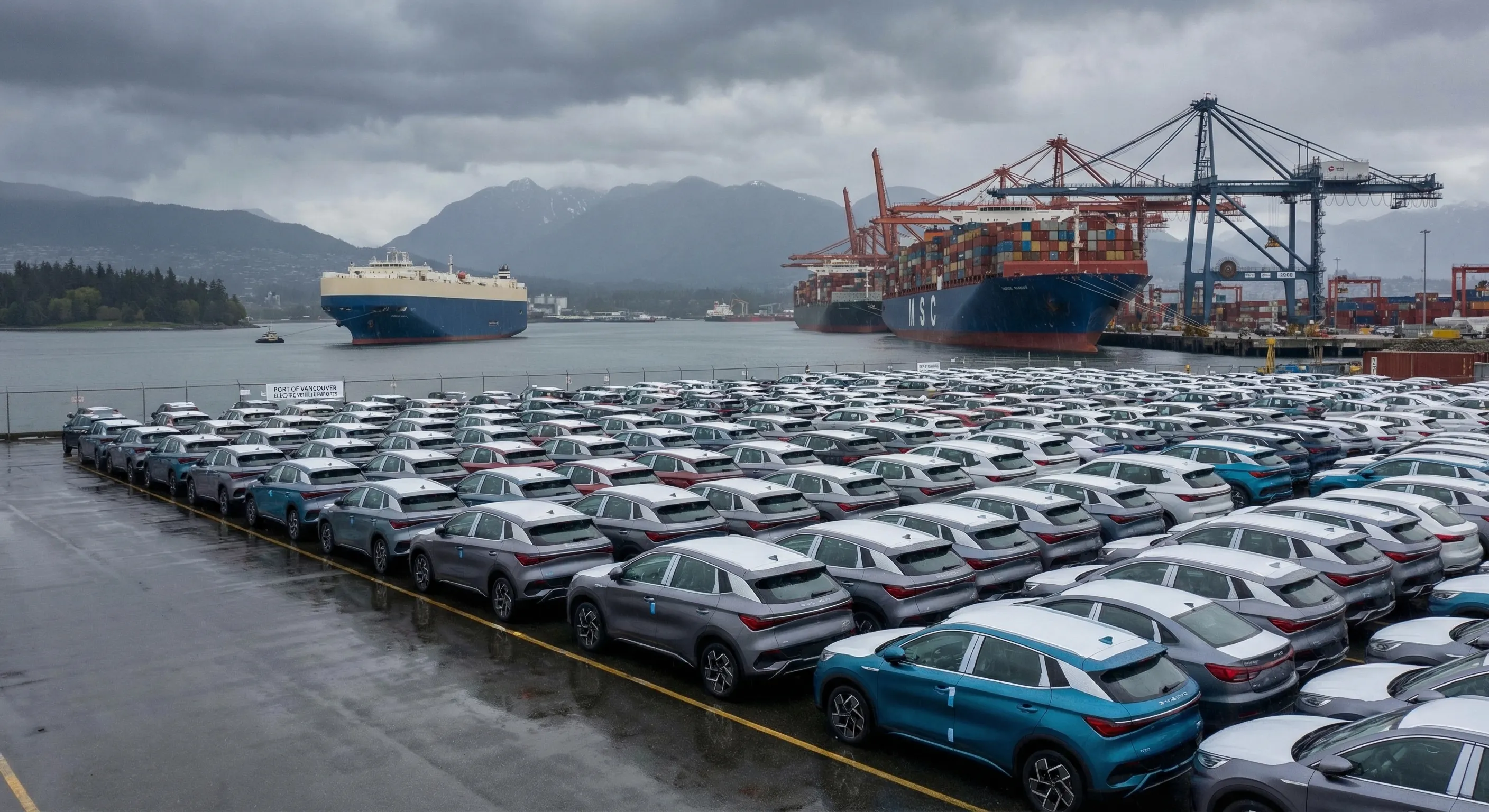
Chinese EVs Entering Canada 2026: BYD, Chery, Geely

Gen Z and Millennials Are Fuelling Canada's EV Boom
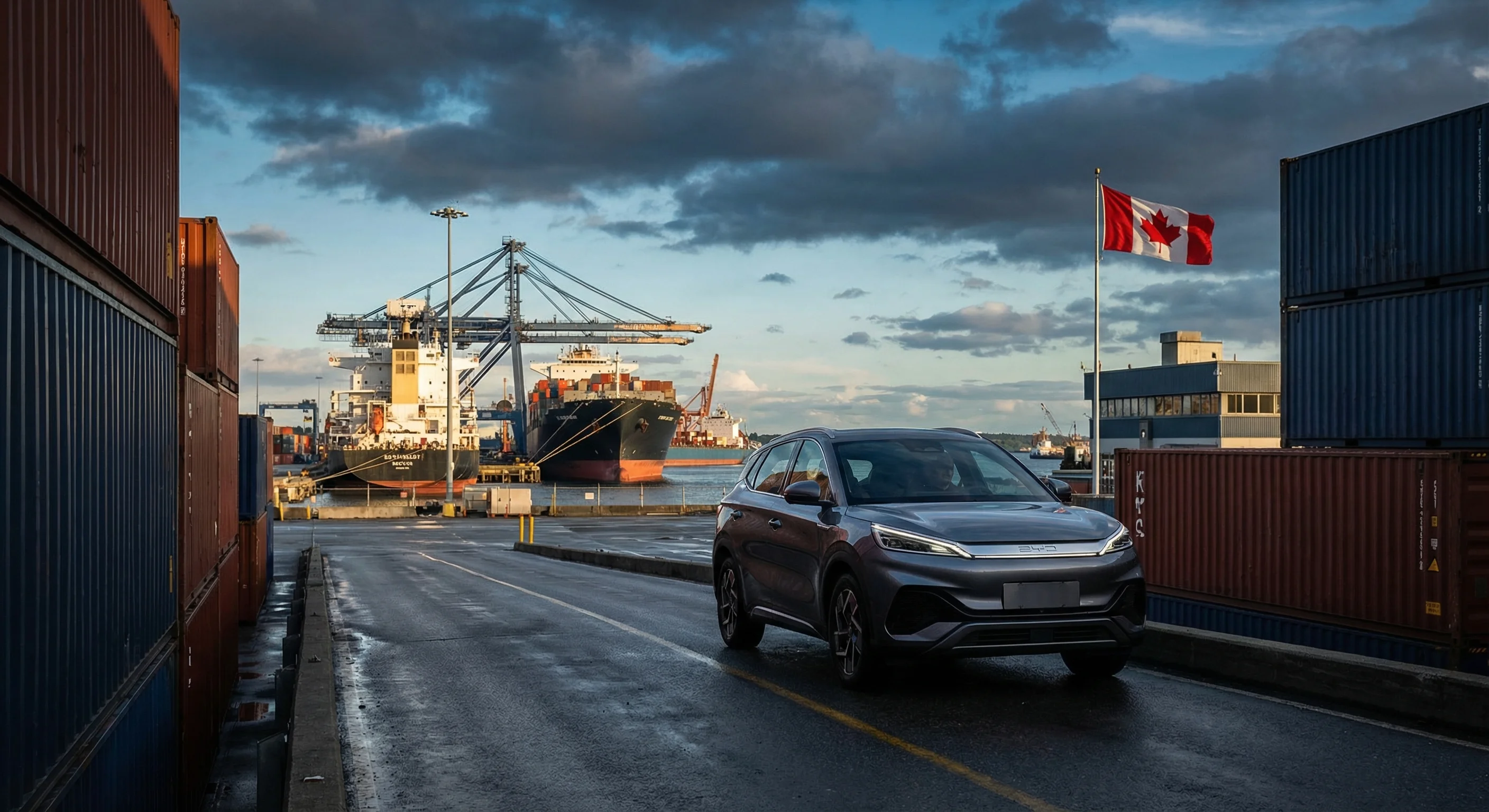
BYD Coming to Canada 2026: Tariff Deal and Pricing
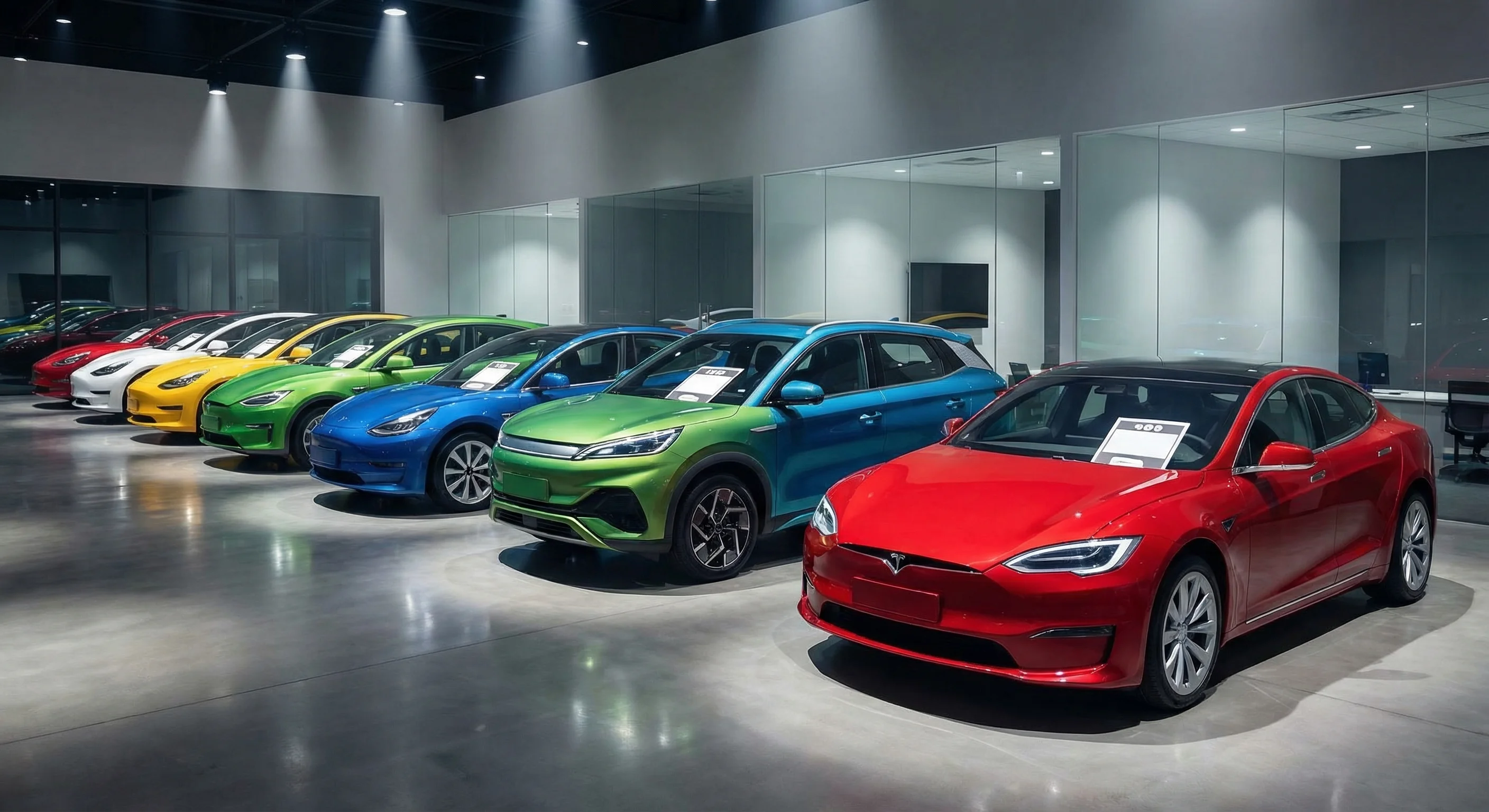
7 Chinese EVs Under $35,000 Coming to Canada
Buy or Lease an EV in Canada? The 2026 Answer