Key takeaways
- BYD has revealed the Xuanji A3, China’s first in-house 4nm smart driving chip, designed specifically for Level 3 and Level 4 autonomous driving.
- In a triple-chip configuration, the system delivers over 2,100 TOPS (Tera Operations Per Second) of computing power, rivaling Nvidia’s upcoming Drive Thor and Tesla’s HW5.
- The move represents BYD's complete vertical integration of the smart driving supply chain, reducing costs while doubling computing power utilization.
- By developing its own silicon, BYD bypasses reliance on Western suppliers, insulating itself from geopolitical trade tensions and export controls.
- The chip will debut in BYD’s high-end brands like Yangwang and Denza, marking a pivot from "affordable hardware" to "leading software and intelligence."
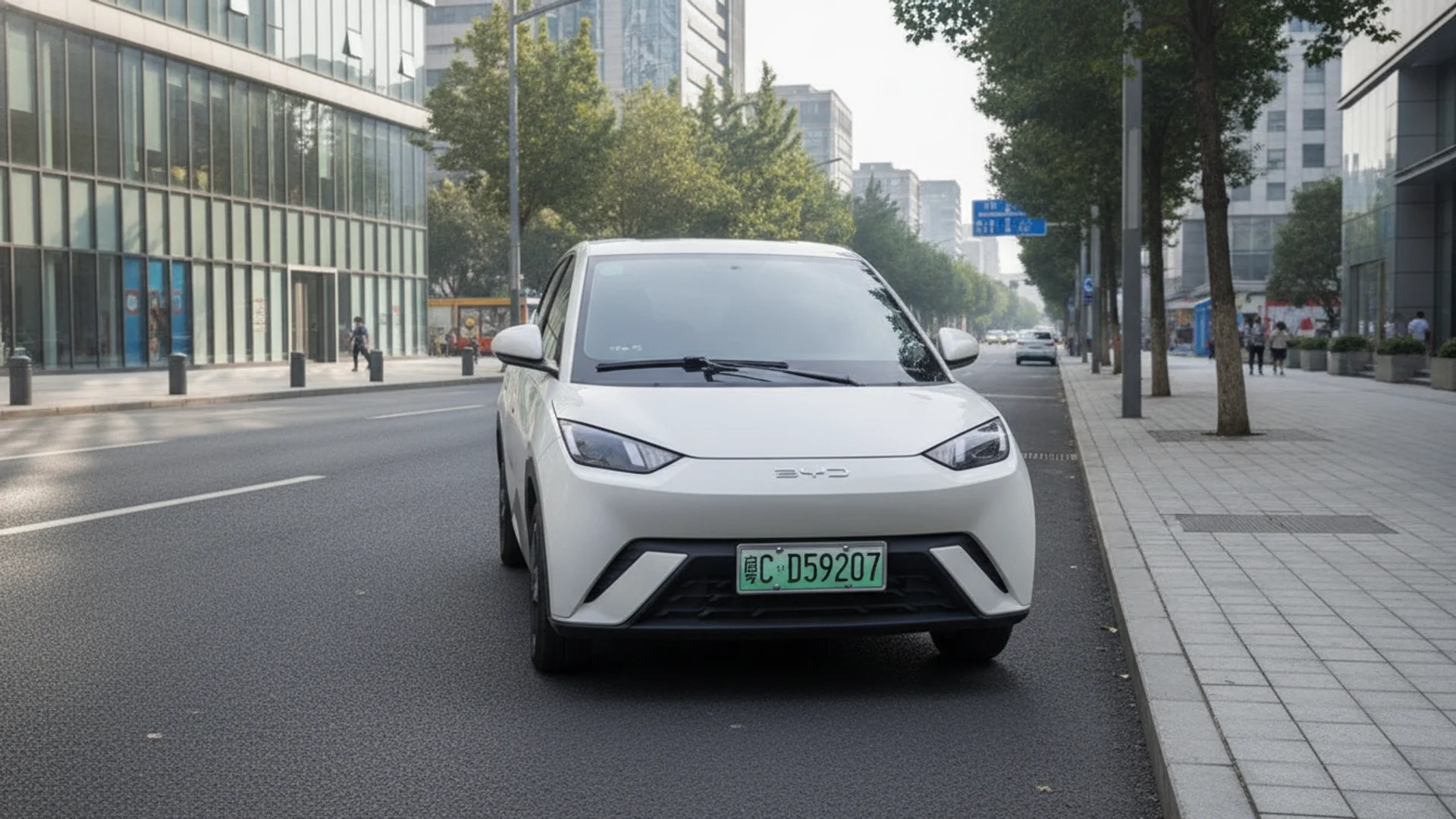
On May 28, 2026, BYD unveiled the Xuanji A3, China’s first in-house 4nm smart driving chip, putting a three-chip configuration rated at 2,100 TOPS directly against Nvidia’s Drive Thor and Tesla’s next-generation hardware.
That is not an incremental announcement. For years, BYD’s critics in Santa Clara and Austin conceded the battery story while holding the silicon question open: yes, they build the cars, but do they have the compute? The Xuanji A3 answers that question. BYD relied on Nvidia’s Orin chips and Qualcomm’s Snapdragon platforms while it built the vertical integration stack. Now it ships its own silicon in a three-chip configuration delivering more than 2,100 TOPS, and it owns the IP behind every step.
That shift from tenant to manufacturer is the story. The technical specifications are the evidence.
The Architecture of Ambition: What 4nm Means for a Smart EV
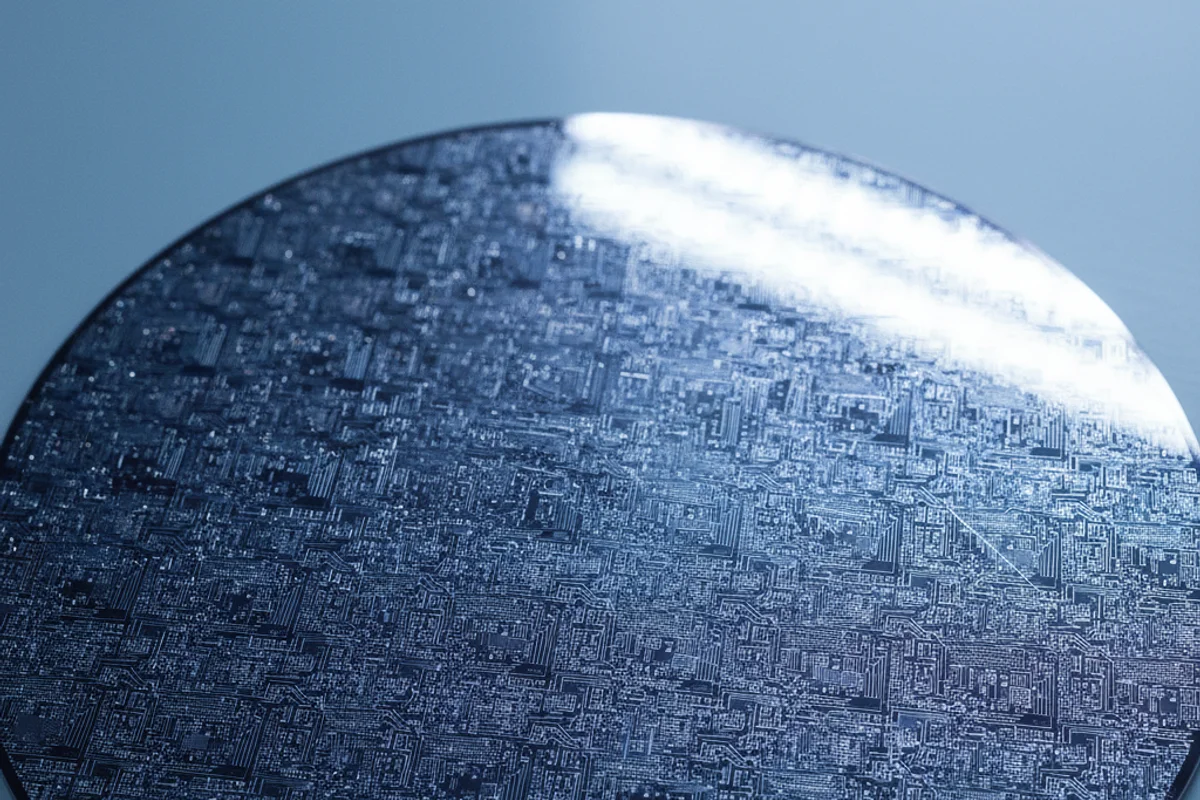
In a 2026-era smart EV, the car is effectively a high-performance data centre on wheels, with the compute load to match. The Xuanji A3 chip is built on a 4-nanometre process: the "nanometre" measurement refers to the size of transistors on the chip. Smaller transistors pack more processing power into the same square millimetre and, more importantly, run more efficiently.
In an EV, that efficiency has direct range implications. Every watt consumed by a hot processor is a watt not turning the wheels. By moving to 4nm, BYD follows the path Apple’s M-series chips and Nvidia’s latest GPUs already walked: maximum intelligence at minimal thermal and energy cost.
BYD's Silicon Ancestry
BYD began as a battery manufacturer and understood the chemistry of electrons before it understood the choreography of AI. In the early 2000s, the company made a strategic bet on IGBTs, the power electronics that act as the valves for an EV's motor, controlling high-voltage electricity flow. The market was dominated by German and Japanese firms. BYD chose to build its own. It took years, but by 2018 the company had become the second-largest IGBT manufacturer in the world.
That experience locked in a principle: in high-performance hardware, buying is a vulnerability and making is a moat. The move from power silicon to logic silicon is a massive leap in complexity, but it follows the same pattern BYD has repeated across batteries, motors, and now chips. The Xuanji A3 runs on twenty years of accumulated industrial memory.
2,100 TOPS: What the Number Actually Means
In the world of smart driving, TOPS, Tera Operations Per Second, has become the industry’s favourite vanity metric. For context:
- Nvidia Orin-X: The current industry standard, used in many high-end EVs today, offers about 254 TOPS.
- Tesla HW4: Estimated to be in the 300-500 TOPS range.
- Nvidia Drive Thor: The upcoming beast from the "Green Team," promised to hit 2,000 TOPS.
BYD’s claim of 2,100 TOPS in a three-chip configuration puts it at the top of that chart. But the brochure number is not the whole story. Computing power is useless if the utilization rate is low, and that is where BYD claims a structural advantage.
The NPU vs. GPU Debate: Why BYD Chose the ASIC Path
Nvidia uses a GPU-centric approach, leveraging its dominance in gaming and data centre AI. BYD built the Xuanji A3 around NPU (Neural Processing Unit) and ASIC (Application-Specific Integrated Circuit) architecture instead.
The difference matters. A GPU is flexible by design; an ASIC is a specialist. The Xuanji A3 is hard-wired to perform the specific matrix multiplications that power deep learning models. By giving up flexibility, BYD gains speed and efficiency. This is what allows the claim of doubled computing power utilization: when the silicon is shaped for the software, friction drops. A car is not a general-purpose computer. It is a safety-critical robot, and the chip design reflects that constraint.
The Sensor Fusion Architecture: Vision, LiDAR, and God’s Eye
Compute is only as good as the data feeding it. Tesla’s vision-only approach and BYD’s sensor-fusion approach represent genuinely different bets on how to solve autonomous driving.
The Xuanji A3 is designed to integrate a full sensor array. In the upcoming Yangwang and Denza models, the chip manages:
- Multiple high-resolution LiDAR sensors.
- Up to 12 cameras with 8-megapixel resolution.
- Millimetre-wave radars.
- Ultrasonic sensors.
The real innovation is what BYD calls the God’s Eye system: a high-bandwidth integration of the ADAS system with the car’s active suspension (DiSus-P). On a frost-heaved side street in Montreal, the LiDAR reads the pothole, the Xuanji A3 processes it in milliseconds, and the command goes to the suspension to adjust damping in real time before the wheel arrives. That cross-domain integration, linking intelligence to motion, is only achievable when the same company owns the chip and the chassis software.
The Geopolitical Chessboard: RISC-V and Self-Reliance
The U.S. government has tightened restrictions on high-end AI chip exports to China for years, pushing Chinese tech firms to develop domestic alternatives. BYD’s move to a 4nm in-house chip is a direct response to that pressure. By owning the Xuanji A3’s IP, BYD is no longer exposed to a sudden change in U.S. Department of Commerce policy. The physical fabrication still likely relies on advanced foundries with some Western technology, but the design is domestic.
The RISC-V Question
Industry speculation points to BYD potentially leveraging RISC-V architecture, an open-source alternative to ARM. ARM is subject to licensing and, potentially, sanctions. RISC-V is open, un-ownable, and increasingly powerful.
If the Xuanji A3 is built on a RISC-V foundation, that represents a permanent decoupling of BYD’s intelligence from Western licensing regimes. For Canadian consumers this is not abstract: when a manufacturer pays the Nvidia tax, which can reach several thousand dollars per vehicle for high-end chips and software licences, that cost lands on the sticker. By cutting out the middleman, BYD can offer L4-capable intelligence at a price point that makes Tesla’s Full Self-Driving subscription look like a luxury add-on.
Vertical Integration as a Moat
BYD’s CEO Wang Chuanfu famously called full autonomy "nonsense" and "impossible" in earlier years. The Xuanji A3 suggests that skepticism was a placeholder while the real work ran in the lab. BYD did not want to over-promise on autonomy while still dependent on others for chips. It waited until it owned the stack.
Gear worth having
As an Amazon Associate, ThinkEV earns a small commission from qualifying purchases — at no extra cost to you.
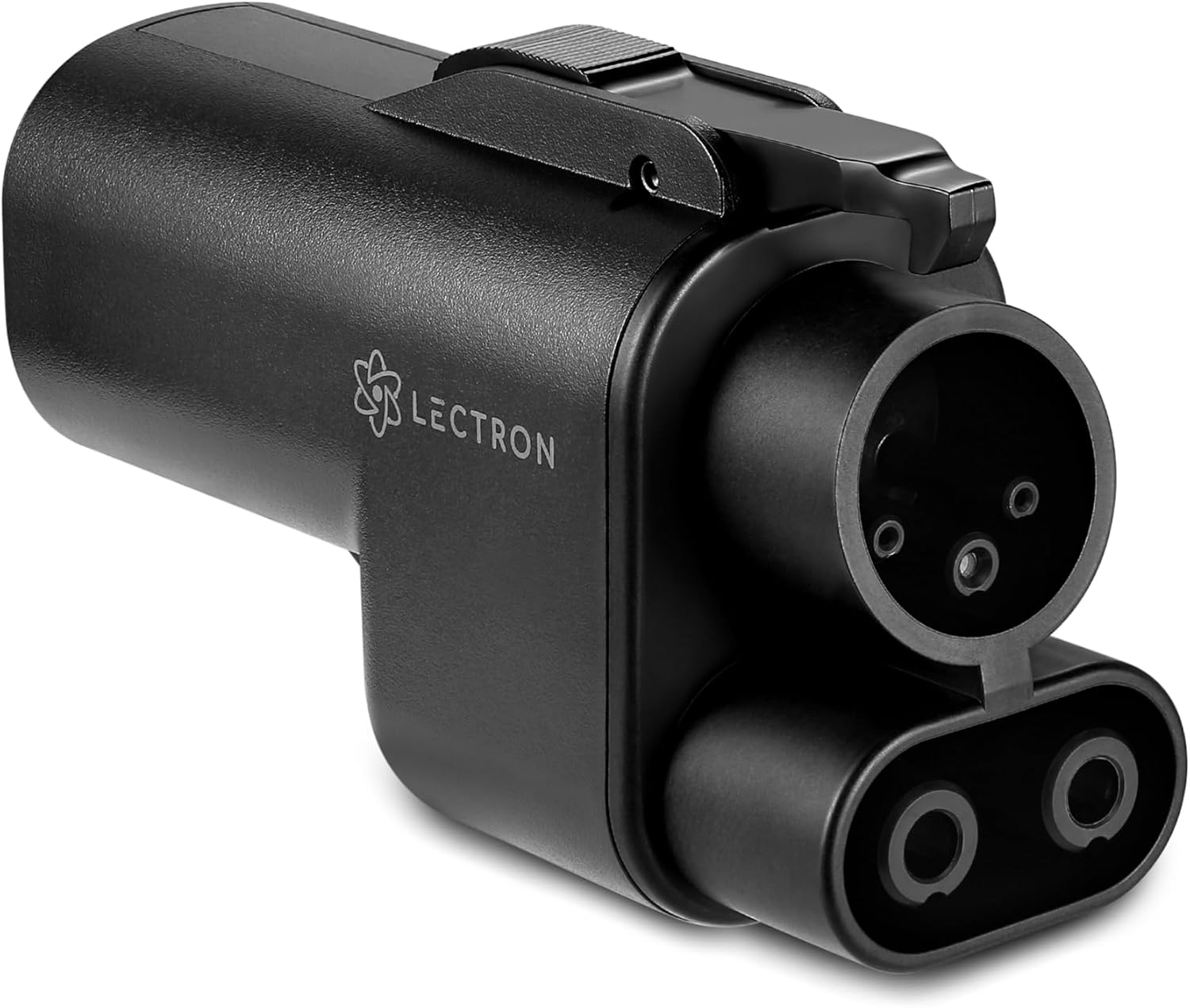
Lectron NACS to CCS Fast-Charge Adapter
Unlock every CCS fast charger for your Tesla, up to 500A DC. Never get stranded at a non-Tesla DC station again.
As an Amazon Associate, ThinkEV earns from qualifying purchases — at no extra cost to you.
The Feedback Loop of Five Million Cars
BYD makes its own batteries, motors, IGBT power modules, ships, and now AI silicon. That vertical integration creates a compounding data loop that competitors cannot easily replicate:
- Data Collection: Millions of BYD cars on the road across China, South America, and Southeast Asia collect real-world driving data. Unlike Tesla’s vision-only approach, BYD collects multi-modal data combining LiDAR and vision.
- AI Training: That data feeds BYD’s Xuanji large model, optimised to run on the Xuanji A3 silicon.
- Silicon Optimisation: Training results inform the next chip revision. If the model struggles with night-time pedestrians in rain, designers can add hardware acceleration for that scenario.
- Hardware Deployment: Optimised chips reach new cars at a lower per-unit cost than any competitor buying chips externally.
The Canadian Angle: Silicon in the Great White North
Canada currently applies a 100% tariff on Chinese-made EVs, a move intended to protect domestic manufacturing and align with U.S. trade policy. Tariffs can delay the arrival of hardware. They cannot stop the progress of the silicon behind it.
The Policy Trade-off
If BYD’s Xuanji A3 allows the company to produce a $35,000 EV that can safely navigate a Winnipeg blizzard without driver input, the demand pressure will eventually reach even the sturdiest trade barriers.
The trade-off is real on both sides. Keep the chips out and Canadian buyers are denied access to the most capable autonomous driving hardware available. Let them in and Ottawa accepts a degree of technological dependence on a geopolitical rival. There is no clean answer. But the silicon question in 2026 mirrors the battery question in 2020: whoever controlled lithium supply controlled the future of transport. Whoever owns the inference engine running the AI in the car owns a critical piece of how cities will function.
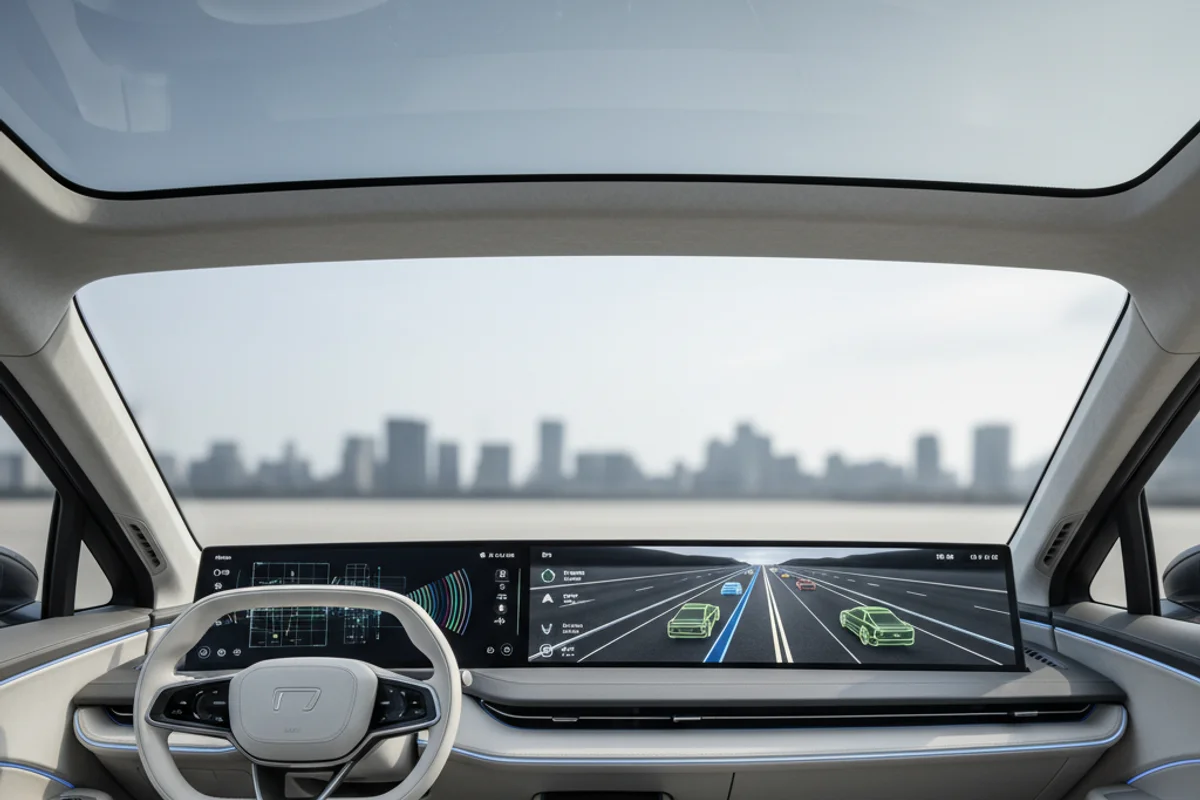
The Human Element: TOPS vs. Trust
TOPS are not safety. A chip performing 2,100 trillion operations per second can still make a trillion mistakes per second if the training data is biased or edge cases are unhandled.
Autonomous driving is a compute problem and a social contract problem. Canadian roads run on ice, salt, faded lane markings, and unpredictable wildlife. A chip trained on Shenzhen expressways or California highways will meet genuinely different conditions on the 401.
The Question of Trust
The Xuanji A3 is a reminder that the EV transition is no longer only about swapping a gas tank for a battery. When a buyer steps into a car powered by BYD's silicon, the trust extends to the engineers who programmed it. How does the chip weigh a pedestrian's life against the passenger's safety in a split-second collision? With 2,100 TOPS, the car has the compute to make that call. Whether the training data prepares it correctly for Canadian conditions is a different question.
Competing with the Titans: BYD vs. Nvidia vs. Tesla
Three automotive compute strategies are now in direct competition entering the second half of 2026.
The Nvidia Path: The "Gold Standard" Platform
Nvidia remains the incumbent king. Their Drive Thor platform is a marvel of engineering, intended to consolidate everything, infotainment, ADAS, and digital cockpit, into a single "superchip." Nvidia’s strength is their ecosystem. Every developer knows how to write for Nvidia. But Nvidia is a supplier. They want a margin. They want to sell to Mercedes, Volvo, and JLR. They are the "Intel Inside" of the car world, but that comes with a price.
The Tesla Path: The Custom Silicon Pioneer
Tesla was the first to recognise that off-the-shelf chips wouldn’t cut it. Their FSD Computer (HW3) was a turning point when it debuted. Now, with HW5 (or "AI5") on the horizon, Tesla is moving to 3nm processes. Tesla’s advantage is its end-to-end neural network approach, training a unified model rather than writing discrete rules. Tesla is, however, currently stretched by the Robotaxi pivot and the aging hardware of its existing fleet.
The BYD Path: The Integrated Industrialist
BYD’s Xuanji A3 takes a different route. It is as integrated as Tesla’s silicon, but backed by the manufacturing scale of a company that builds everything from buses to monorails. BYD’s scope is broader than autonomy: the Xuanji A3 manages the suspension (the DiSus system), battery thermal management, and the in-cabin experience. One chip, four systems, all owned in-house.
The Roadmap to Level 4: When does it become real?
BYD isn't just launching a chip; it's launching a timeline. The Xuanji A3 will debut in the Yangwang U8 and Denza Z9 models later this year. By 2027, BYD expects L3 autonomous driving to be available on most of its premium lineup (models costing over $40,000 CAD equivalent).
L4 is the real prize, and BYD is targeting 2028 for pilot deployments of L4 "Robotaxis" in major Chinese cities. This is a direct challenge to Google's Waymo and Tesla's Cybercab.
What makes BYD's approach different is their "Hybrid" strategy. While Waymo uses expensive, specialized vehicles, BYD is putting the hardware for L4 into consumer cars today. Even if the software isn't ready for full L4 on Day One, the 2,100 TOPS is "future-proof." The car you buy in 2026 might "wake up" in 2028 with much more capability than it had when it left the lot.
Gear worth having
As an Amazon Associate, ThinkEV earns a small commission from qualifying purchases — at no extra cost to you.

Tesla Key Card Holder with AirTag Slot
Stop fishing the keycard out of your wallet, and slot an AirTag in case the car wanders off in a lot.
As an Amazon Associate, ThinkEV earns from qualifying purchases — at no extra cost to you.
The Xuanji A3 and What It Signals
The Xuanji A3 marks the end of the "catching up" phase of Chinese automotive intelligence. For twenty years, the dominant narrative had China copying designs, licensing technology, and subsidising its way to relevance.
You cannot subsidise a 4nm ASIC that rivals Nvidia. You engineer it. That requires a PhD-level workforce, a world-class R&D budget, and the industrial discipline to execute over a decade. BYD has built all three.
The question heading into 2027 is no longer whether BYD survives the trade war. The question is whether the rest of the automotive industry can match the pace of BYD’s silicon development while carrying cost structures BYD abandoned years ago.
Gear worth having
As an Amazon Associate, ThinkEV earns a small commission from qualifying purchases — at no extra cost to you.
Spigen Tempered Glass for Tesla Model 3/Y
Tempered-glass protection for the touchscreen that kills fingerprints and scratches. Two minutes to install, lasts the life of the car.
As an Amazon Associate, ThinkEV earns from qualifying purchases — at no extra cost to you.

Founder & Chief Editor
Vlad Pereira is the founder and chief editor of ThinkEV.ca, the Canadian electric-vehicle publication he writes and edits from Courtenay, British Columbia. He covers EV pricing, federal and provincial rebates, charging costs, and the Chinese manufacturers now entering Canada, from the buyer's side rather than the press-fleet side. ThinkEV is a venture of Vlad Pereira Online; his writing on health, income and the long game lives at vladpereira.com.
Frequently asked questions
What exactly is 4nm technology in the context of BYD's new chip?
How does the 2,100 TOPS compare to Tesla's FSD hardware?
Will these chips be available in BYD cars sold in Canada?
What is the "God's Eye" system mentioned in the article?
Is the chip affected by the ongoing U.S.-China chip sanctions?
More EV & road-trip finds
Affordable upgrades worth a look — tap any to check the price on Amazon.
 ★ 12,834
P3 Kill A Watt Electricity Usage Monitor
View on Amazon ★ 61
★ 61Toddler Car Seat Snack and Cup Tray
View on Amazon ★ 17,839
Qifutan Vent Phone Mount (Military-Grade Clip)
View on Amazon ★ 4,050
Touchscreen Mist Screen Cleaner Kit
View on Amazon ★ 537
★ 537USB Star Projector Roof Light
View on Amazon ★ 4,055
6-Speed Manual Shift Knob Display
View on Amazon ★ 4,424
Sun Visor Card and Document Organizer
View on Amazon ★ 21,310
Magnetic Car Phone Mount
View on AmazonRead, Plan, Then Stay Current
Explore our expert articles to understand incentives and ownership costs, use the map to pressure-test charging reality, then subscribe so new EV coverage comes straight to you.
Continue Reading
BYD God's Eye: The Next Self-Driving Generation

BYD Denza B8 Suspension Trick Defeats Traffic Boot in Viral Clip

BYD Q3 Electric Semi Marks 150,000th Commercial NEV
How Tesla Pressured EU Regulators to Approve FSD in 2026
BYD's $4,000 Sealion 7 Cashback Targets Tesla Model Y