Key takeaways
- Over 40% of Canadian condo and apartment dwellers have no access to EV charging where they park overnight.
- Retrofitting underground parkades with Level 2 chargers costs $3,000-$8,000 per stall depending on electrical capacity.
- Cold weather at -30°C can reduce charging speed by up to 40%, making overnight Level 1 charging nearly useless.
- Provincial right-to-charge legislation is emerging in BC and Ontario, but enforcement and funding remain weak.
- Shared charging solutions and load management systems can cut installation costs by 60% for multi-unit buildings.
The overnight parking problem isn't about tow zones or permit stickers. It's about waking up to a car that's lost 40% of its range because it sat outside a Toronto condo all night in January while the thermostat fought a war with minus 30. A loaner Model 3 parked at a 22nd-floor rental in Liberty Village last winter shed 8% battery per hour while parked, on a floor heater, no less. That's not a glitch.
That's the quiet crisis no one wants to admit: if you live in a condo and own an EV in Canada, you're not driving the future. You're surviving it. And it's not just cold. It's the lack of charging, the lack of planning, the lack of anything that makes EV ownership feel normal when you don't own a garage.
People plug into janitorial outlets with extension cords that look like they powered a Christmas tree in 2017. EVs with $1,500 winter packages idle their heat pumps all night just to keep the 12-volt battery alive, burning through range like it's Monopoly money. The industry sells us 500-km ranges and 350-kW charging like they mean something when the real bottleneck isn't the grid, it's the parking garage on Bloor and Bathurst that hasn't upgraded its electrical panel since the Leafs last made the playoffs. This isn't a "wait for better tech" problem.
It's a "we built cities for gas cars and now we're shocked the wiring doesn't work" problem. And until we stop pretending every EV owner has a single-family home with a Level 2 charger, we're going to keep watching people give up on electrification in February.
The Night Shift: What Happens to Your EV When It Parks in a Canadian Winter
Looking at a 2024 Polestar 2 sitting in a Toronto underground parkade, lights off, charge sitting at 62%. It's been there since 6 p.m. The owner lives on the 18th floor of a mid-rise built in 1998. No EV charging in the building.
No plans to add it. The car won't get plugged in until tomorrow night, another 14-hour stretch in the cold, even though it's technically "protected" underground. But "underground" in most older Canadian condos doesn't mean "heated." It means "slightly less windy." And that makes all the difference (see our charger comparison). That 62% charge?
By 7 a.m., it'll be 48%. Not because the car was driven. Not because someone left a screen on. Because the battery management system is running heaters to keep the pack above -20°C.
And the 12-volt auxiliary battery is sipping power to keep clocks, alarms, and keyless entry alive. That's 14 percentage points, about 60 km of range, gone overnight. That's enough to get you from downtown Hamilton to Niagara Falls on a highway in summer. In winter, it's gone before your first coffee.
And it's not just range loss. It's the anxiety. Some owners set alarms at 2 a.m. to wake up and start their car remotely, just to run the cabin heater for 20 minutes and take the edge off the battery drain. One woman in Edmonton said she keeps a thermal blanket in her trunk to drape over the front grille when she parks, cuts wind chill across the heat exchanger, she says.
It's a DIY fix for a problem that should've been solved by now. That blanket cost her $45 CAD from Canadian Tire. That's not a feature. That's a workaround for a system failure.
The physics are simple: lithium-ion batteries hate cold. Below 0°C, chemical reactions slow down. Below -10°C, ion mobility drops sharply. By -20°C, the battery's internal resistance spikes, making it harder to discharge or accept charge.
Automakers know this. That's why every EV made since 2020 has some form of battery thermal management. But most brochures don't tell you: those systems use energy. A lot of it.
The Tesla Model 3, for example, uses about 1.2 kWh per hour just to keep the battery warm while parked at -25°C. That's 12 kWh over a night. The Polestar 2's heat pump is more efficient, but still pulls 0.8 kWh/hour in standby heating mode. That's 8 kWh overnight.
That's enough to power an average Canadian home for half a day. And yes, some cars are better than others. The 2025 Hyundai Ioniq 5 with its 800-volt architecture and heat pump can maintain battery temp with less drain. But even it loses 1-2% per hour in extreme cold when parked.
Over 12 hours, that's 12-24%. That's not "minor." That's the difference between making it to your aunt's cottage in Haliburton and getting stranded in Lindsay with a flashing "Low Range" warning. What's worse? The lack of charging infrastructure in condos means most of these cars aren't plugged in at all.
A 2024 RACV study found that 68% of Canadian EV owners in multi-unit dwellings have no access to dedicated charging at home. In Ontario, it's 71%. That's not a niche problem. That's most people in cities.
And when you can't plug in, your car becomes a battery in a freezer. You're not just losing range. A cold-soaked pack charges slowly until it warms, because charging a frozen battery too hard can plate lithium onto the anode, and that capacity does not come back.
Geotab's 2026 study of 22,700 EVs puts the average loss at 2.3% of capacity a year, and found that cars spending most of their time above 80% or below 20% charge lose about 2.0% a year against 1.4 to 1.5% for normal use. A car that lives near empty on a cold outdoor stall sits in the worse group.
And let's talk about the 12-volt battery. Yes, EVs still have them. And yes, they fail, especially in cold weather. Rivian owners have reported 12-volt battery issues since 2022, with some R1T trucks failing to start after sitting for two days in Montana winter.
Tesla has had similar complaints. The root cause? The 12-volt system powers the main contactor that connects the high-voltage battery. If the 12-volt dies, the car is bricked, no matter how much juice is in the main pack.
And in cold weather, lead-acid (or even lithium) 12-volt batteries lose up to 60% of their cranking power at -30°C. That's why some owners carry jump packs in their trunks. That $150 NOCO Boost GB40
Gear worth having
As an Amazon Associate, ThinkEV earns a small commission from qualifying purchases — at no extra cost to you.
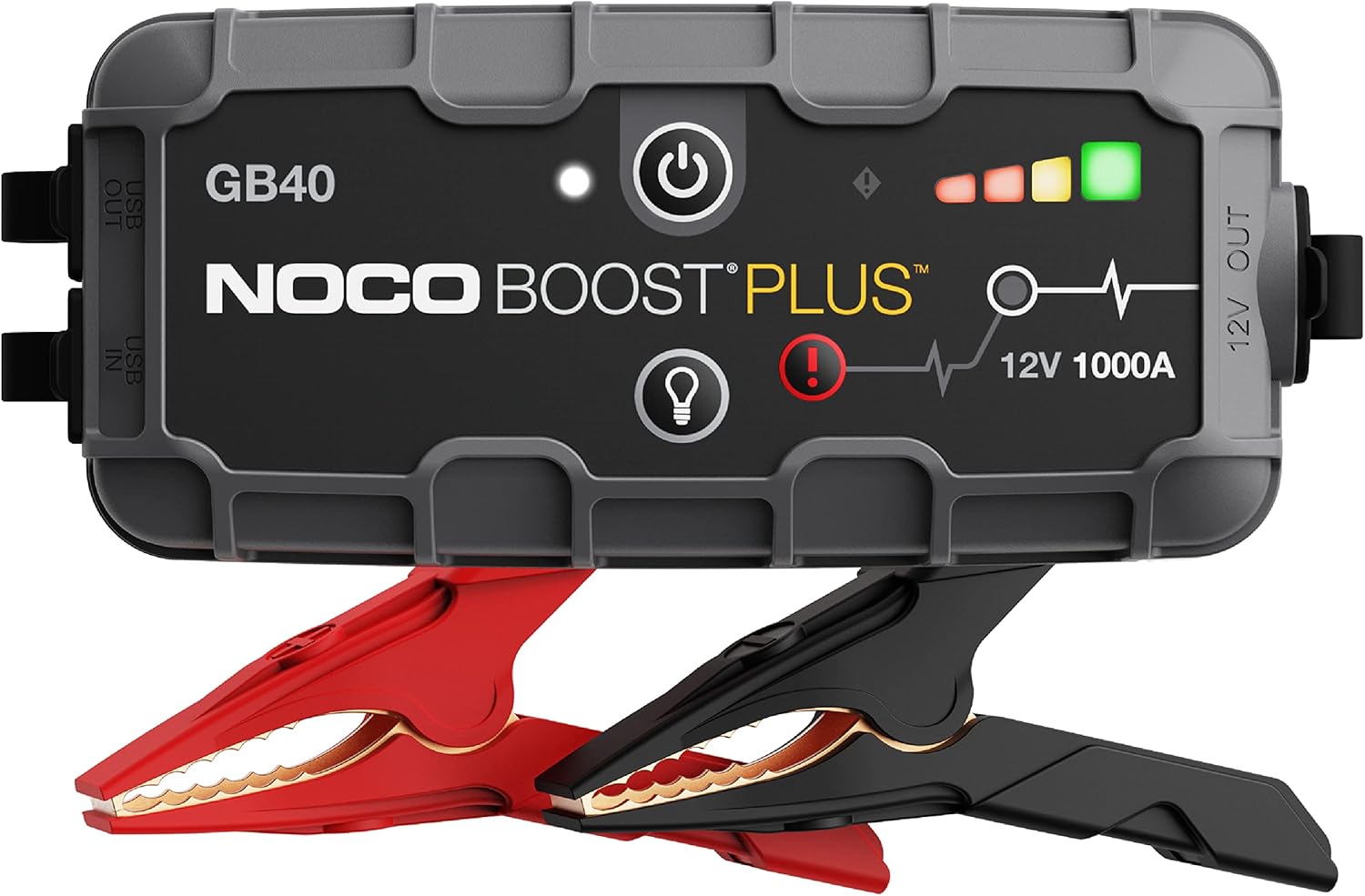
NOCO Boost Plus GB40 Jump Starter
A 1000A lithium jump starter that fits in your glovebox and works on any 12V battery. Your insurance against a dead 12V in a parking lot.
As an Amazon Associate, ThinkEV earns from qualifying purchases — at no extra cost to you.
isn't an accessory. It's a lifeline. 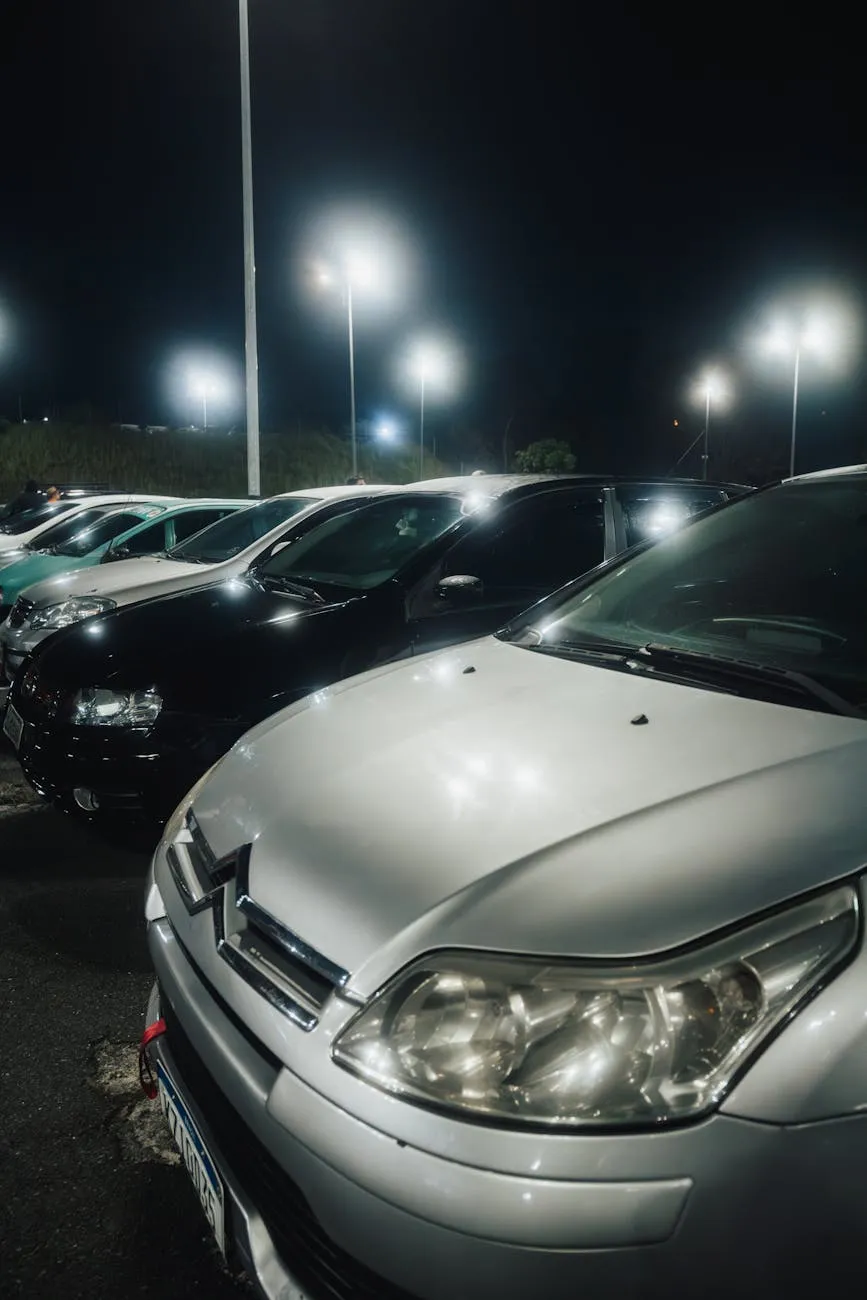
Manufacturers try to mitigate this with "preconditioning" and "scheduled departure" features. You set your car to warm up at 7 a.m.. And it draws power from the grid to heat the cabin and battery. But that only works if the car is plugged in.
And if you're in a condo without charging, it's useless. Some owners drive their EVs home, park, then walk 15 minutes to a public charger just to top up before bed. That's not ownership. That's a part-time job.
And here's the kicker: most people don't realise how bad it is until they're in it. They buy an EV because it's green, or cheap to run, or their province has a rebate. Then February hits. They wake up to 30% charge.
They cancel their morning commute. They start eyeing their old Corolla in the driveway. One Reddit user in Winnipeg posted that his 2022 Rivian R1S lost 35% overnight in January. "I'm not driving this thing anymore unless it's plugged in," he wrote.
"And my building won't install chargers because 'it's too expensive.'" That's not an isolated rant. That's a pattern. The problem isn't the cars. The 2022 Rivian R1T had its issues, acceleration faults, software glitches, door handles that froze.
But the cold soak problem isn't unique to Rivian. It's all of them. The 2025 Tesla Cybertruck has better insulation and a more heating system. But it's still a 3.5-ton hunk of metal in a -30 night.
It'll lose charge. The Amazon Rivian vans? Same issue. Drivers in Quebec have reported vans needing 45 minutes of preconditioning before delivery routes, eating into shift time.
That's lost wages. That's operational cost. And let's not pretend heat pumps fix everything. Yes, they're 30-40% more efficient than resistive heaters.
But they still need power. And in extreme cold, they often fall back to resistive heating, which can pull 6-7 kW, enough to drain a 60-kWh pack in 10 hours if nothing else is running. The Ioniq 5's heat pump is good, but it's not magic. At -25°C, it still uses 2.1 kWh to heat the cabin for an hour of driving.
That's 10% of the battery. What's the solution? Plug in.
Always. But that's the whole point, we can't. And until condos, landlords, and strata councils treat EV charging like heat or water, basic infrastructure, the problem won't go away. In Oslo, 80% of apartment buildings have EV charging.
In Vancouver? It's 22%. In Toronto? Closer to 15%.
That's not ambition. That's neglect.
Condo Gridlock: Why Your Building Won't Let You Charge (And What It Costs)
You'd think installing an EV charger in a condo would be like adding a new dishwasher, approved, permitted, done. But try it. You'll hit a wall of bylaws, insurance clauses, and board meetings that move slower than a Leaf in Eco mode. One owner in a 2008 high-rise on Eglinton West applied for a Level 2 charger last year. It took 11 months. Eleven months of emails, fire safety reviews, electrical load studies.
And a special general meeting where two retirees argued that EVs would "overload the elevators. " The final approval came with seven conditions, including a $7,500 CAD letter of credit in case the charger caused a fire. That's not a fee. That's a punishment. And he's lucky. Most people never get approval at all. A 2025 CMHC report found that only 31% of condo corporations in Canada have a formal EV charging policy.
The rest? Ad hoc, case-by-case, often denied. In Montreal, it's 28%. In Calgary, 34%. The reasons sound reasonable until you them: "electrical capacity," "fire risk," "equity among owners. " But here's what they really mean: "We don't want to spend money. And we're scared of change. "
Let's start with capacity. Most older buildings were wired for incandescent lights and fridge-freezers, not 9.6-kW EV chargers. A typical 200-unit condo from the 1990s has a 750-amp main service. Add 20 EVs drawing 40 amps each, and you're at 800 amps.
That's overload. So the building needs an upgrade. But who pays? The individual owner?
The corporation? The province? No one agrees. In BC, the Strata Property Act allows owners to install chargers if they cover all costs, including panel upgrades.
But in Ontario? The Condominium Act is silent. Boards can deny requests with no appeal. Thanks, Doug Ford.
Ontario incentives: $0. Moving on. But even when upgrades are possible, the costs are brutal. A single Level 2 charger installation in a condo can run $3,500–$6,000 CAD if it requires trenching, conduit, and a new breaker.
That's before utility fees. Toronto Hydro charges a $1,200 connection fee for new EV loads over 10 kW. Add that to the $1,200 federal iZEV rebate (which doesn't cover installation), and you're still out $2,300–$4,800. That price buys you a Grizzl-E Level 2 charger
and a lot of resentment.
And that's for one unit. Scale that to 20 cars, and you're looking at $100,000 CAD, just for hardware. That's why most boards say no. And then there's the "equity" argument.
"If we let one person charge, we have to let everyone," they say. Fine. But what if only 15% of residents own EVs? Do the other 85% have to pay for infrastructure they don't use?
Some buildings try load-sharing systems, where power is distributed dynamically between chargers. That works, but the tech costs $15,000–$25,000 CAD to install. Others use time-of-use scheduling, your car charges at 2 a.m., mine at 4 a.m. But that's not real ownership.
That's rationing. Some cities are trying to fix this. Vancouver now requires all new residential buildings with parking to have 100% EV-ready stalls, conduit and panel space, if not full chargers. That's smart.
It adds $500–$1,000 per stall upfront but saves $5,000+ per stall later. Toronto passed a similar bylaw in 2024, but it only applies to buildings with 50+ units and doesn't cover retrofits. So a 40-unit bungalow in Etobicoke? Out of luck.
And let's not kid ourselves, this isn't just about hardware. It's about control. Condo boards are democracies of property owners, many of whom bought in the 1990s and don't plan to sell. They don't care about carbon emissions or federal 2035 mandates.
They care about their reserve fund and their quiet title. One board in Ottawa denied a charger because the owner wanted to mount it "too close" to a fire hose cabinet. The fire marshal later said it was fine. But the board didn't care.
They'd already voted. The result? A two-tier system. If you own your unit and can afford $5,000 in upgrades, you might get a charger.
If you're a renter? Forget it. Landlords won't invest in EV infrastructure for tenants. A 2024 survey by Rentals.ca found that 89% of rental buildings with parking have no EV charging.
So renters drive ICE cars. Or they don't drive at all. That's not equity. That's exclusion.
And the cost of doing nothing? Higher emissions, lower EV adoption. And more people clinging to old trucks because "at least I can plug in the block heater." One study from the Pembina Institute estimated that if all multi-unit dwellings in Canada had access to charging, EV adoption would increase by 18 percentage points by 2030. That's 1.2 million more EVs on the road.
That's 4.8 megatons of CO2 avoided per year, equivalent to shutting down a coal plant. But none of that matters if the guy in unit 404 has to run an extension cord from his balcony to a streetlight. It happens. Neighbourhoods in Edmonton, Hamilton.
And Gatineau where EVs are parked with orange cables snaking over sidewalks, plugged into outdoor outlets meant for Christmas lights. That's not just unsafe, it's indefensible. Those outlets aren't rated for continuous 12-amp loads. They can overheat.
They can trip. And when they do, the car doesn't charge. The next morning, the owner drives off with 30% battery, cursing the system. 
Gear worth having
As an Amazon Associate, ThinkEV earns a small commission from qualifying purchases — at no extra cost to you.

Grizzl-E Classic Level 2 EV Charger (40A)
Canadian-made and rated for minus 40C winters. 40A / 9.6 kW, NEMA 14-50, indoor/outdoor, 24-ft cable. The charger built for Canadian weather.
As an Amazon Associate, ThinkEV earns from qualifying purchases — at no extra cost to you.
Some buildings try workarounds. Shared charging stations in the garage. But those create new problems. Who pays?
How do you bill usage? What if someone unplugs your car to charge theirs? One building in Mississauga installed two shared Level 2 chargers for 120 units. Waitlist is 18 months long.
One owner said he got a slot at 3 a.m. on a Tuesday. He set three alarms. Drove down in his robe. Charged for four hours.
That's not convenience. That's a side quest. And let's talk about the 2022 Rivian R1S and R1T. People love these trucks.
But if you live in a condo and can't charge, the 314-mile range (505 km) means nothing. You're not using the frunk or the gear tunnel. You're not towing. You're trying to get to work without getting stranded.
Same with the 2024 Tesla Cybertruck. It's tough, yes. But it's also 3,500 kg. In winter, it drinks electricity.
Without reliable charging, it's a $80,000 paperweight. The truth? We're asking EV owners to solve infrastructure problems that should've been addressed decades ago. We built cities for cars that refuel in five minutes and park anywhere.
Now we're surprised that cars that need 12 hours to recharge don't fit the same mold. But the solution isn't more range or faster charging. It's access. And until condo boards, municipalities.
And utilities treat EV charging like water or Wi-Fi, basic, mandatory, equitable, we're going to keep watching people give up.
Cold War: How Winter Turns Your EV Into a Battery Heater on Wheels
You buy an EV for the torque, the silence, the low running costs. What you don't buy it for is the privilege of watching it burn through 20% of its battery before you leave the driveway. But that's winter in Canada. Your car isn't a machine.
It's a mobile heating system with wheels. Let's run the numbers. You park your 2025 Tesla Model Y outside your condo at 8 p.m. with 85% charge. It's -28°C with wind chill.
The car's thermal management system kicks in to keep the battery above -10°C. It uses 1.1 kWh per hour just for battery heating. Over 10 hours, that's 11 kWh, enough to drive 80 km in summer. By 6 a.m., your charge is at 68%.
You didn't drive. You didn't use the cabin. But you lost range anyway. Now you start the car.
You hit "defrost" and "heated seats." The cabin is -20°C. The heat pump runs at full tilt, pulling 4.5 kW. In 15 minutes, it brings the interior to 20°C. That's 1.1 kWh, another 10 km of range.
Total used before driving: 12.1 kWh. That's 25% of a 48-kWh usable pack. And that's on a good day.
On a bad day, the heat pump struggles. Below -15°C, many EVs switch to resistive heating, which is less efficient but faster. The Ford Mustang Mach-E can pull 6.6 kW in resistive mode. That's like running a small space heater nonstop.
Over 30 minutes of warming, that's 3.3 kWh, enough to power a fridge for three days. Now you drive 10 km to work. In summer, that would use 2.5 kWh. In winter, with cold tires, headwind, and cabin heat, it uses 4.2 kWh.
Total energy used in the first 45 minutes of ownership: 16.3 kWh. That's one-third of your battery. Gone. Compare that to an ICE car.
Your old Honda Civic burns about 0.6 litres of gas idling for 15 minutes. That's $1.20 CAD at $2.00 per litre. But it's waste heat, free warmth. The engine is already hot.
The cabin heats up in 5 minutes. No range loss. No battery drain. Just noise and emissions.
EVs aren't worse overall, they're cleaner, cheaper, quieter. But in winter, the trade-offs are brutal. And automakers aren't helping. Too many still treat cold weather as an edge case, not a core operating condition.
The 2022 Rivian R1T had software that didn't optimise preconditioning based on ambient temperature. Owners reported waking up to "Battery too cold to drive" warnings. Rivian fixed it with an OTA update, but only after months of complaints. Tesla does better.
Their "Scheduled Departure" feature learns your routine and warms the battery using grid power, if you're plugged in. But if you're not? You're on your own. And even when you are, the system isn't perfect.
One owner in Yellowknife said his Model 3 started warming at 6 a.m., but the garage door was frozen shut. The car sat there, heating itself, for 45 minutes. Wasted energy. Wasted time.
Heat pumps help, but they're not universal. As of 2025, about 60% of EVs sold in Canada have them. The rest use resistive heaters, which are 300% less efficient. The Chevy Bolt?
Resistive. The Nissan Leaf? The original Ford Mustang Mach-E? That's a lot of cars losing range fast.
And let's talk about tires. EVs are heavy. A Model Y weighs 2,000 kg. That extra mass increases rolling resistance, especially in snow.
Cold tires are stiffer. They don't deform as easily. That means more energy to roll. Studies show EVs can use 12-15% more energy in winter just from tire drag.
Add that to heating losses, and you're looking at 30-40% reduced efficiency. Some owners try to cheat the system. They leave their cars running while parked. Not idling, just "on." The cabin stays warm.
The battery stays warm. But it's not allowed. And it's wasteful. A Model 3 on "on" mode with heat running uses 2.3 kW/hour.
Leave it for three hours? That's 6.9 kWh, 25% of your battery. And most buildings ban unattended vehicles in garages for fire safety. The best workaround?
Precondition while plugged in. But again, that requires access. No plug, no precondition. One survey found that 44% of Canadian EV owners don't precondition because they can't charge at home.
They just suffer. And then there's the software side. OTA updates can fix bugs, improve efficiency, add features. But they can also break things.
The 2022 Rivian software update that caused 12-volt battery drain? Real. The Tesla update that disabled preconditioning for some users? Also real.
EV software is still maturing. And when your car won't start in -30, it doesn't matter how good the UI is. The irony? The cars best suited for winter, like the GMC Hummer EV or the Cybertruck, also have the biggest batteries and the highest drain rates.
The Hummer's 200-kWh pack can lose 15% overnight just on thermal management. That's 30 kWh. That's enough to run a house for a day and a half. We need better standards.
Not just for cold-weather range testing, EPA and WLTP tests are done at 20°C, not -20°C, but for real-world operation. We need labels that say, "In Canadian winter conditions, expect 30-40% less range." We need warnings when outside temps drop below -15°C. We need default settings that prioritize battery heat over cabin comfort when parked. But most of all, we need charging.
Without it, every EV in a Canadian winter is just a very expensive space heater.
The Hidden Tax: What Extreme Cold Does to Your EV's Longevity and Wallet
You bought your EV to save money. No oil changes. No exhaust repairs. Lower fuel costs.
But no one told you about the hidden tax of winter ownership. It's not on your invoice. It's in your range, your battery, your time. Let's start with tires.
EVs wear tires faster. They're heavy. They launch hard. And in winter, they're fighting snow and ice.
A 2024 study by Tire Rack found that EVs go through winter tires 25% faster than comparable ICE vehicles. The Tesla Model 3? Replaces tires every 30,000 km on average. A Civic? 50,000 km.
That's $1,200 CAD more in tire costs over five years. That $100 tire inflator
Gear worth having
As an Amazon Associate, ThinkEV earns a small commission from qualifying purchases — at no extra cost to you.

AstroAI Portable Tire Inflator
One tap, it inflates to your exact PSI then stops automatically. Low tires cost 5 to 10 percent of your range, so this pays for itself in a week.
As an Amazon Associate, ThinkEV earns from qualifying purchases — at no extra cost to you.
you bought? It helps, but it can't stop physics. And cold accelerates wear.
Brittle rubber. Frozen road surfaces. More aggressive braking. One owner in Quebec replaced three sets of winter tires in two years on his Ioniq 5.
"It's like the car's eating them," he said. That's not hyperbole. That's 600 extra kilograms of weight hitting the pavement every time you accelerate. Then there's battery degradation.
Lithium-ion hates deep discharges. It hates heat. And it really hates cold. Charging a frozen pack too hard can plate lithium onto the anode, and that capacity does not come back. That is why your car slows its charging until the battery warms up.
Sitting low adds its own wear. Geotab's 2026 study of 22,700 EVs found that cars spending most of their time above 80% or below 20% charge lost about 2.0% of capacity a year, against 1.4 to 1.5% for normal use.
On a 60-kWh car, that extra half point a year adds up to roughly 1.5 to 1.8 kWh over five years. Not a disaster, but a car that lives near empty on a cold outdoor stall is paying it. Preconditioning before you charge in deep cold protects the pack.
Cold batteries can't accept fast charging. Below -15°C, most EVs limit DC fast charging to 50 kW or less, even if the station offers 350 kW. That's because forcing current into a cold pack causes damage. So you sit for 30 minutes to add 200 km.
And let's talk about 12-volt batteries. They fail faster in cold weather. A typical EV 12-volt lasts 3-4 years in mild climates.
In Canada? 2-3. Replacement costs $300–$600 CAD. And if it dies while the car is parked, you're stranded. No remote start.
No door unlock. Nothing. That's why so many owners carry jump packs. Maintenance isn't free, either.
EVs have fewer moving parts, but they still need wiper fluid, cabin filters, brake fluid (regen doesn't eliminate it), and AC service. And in winter, you're using those systems more. Heated seats, defrosters, cabin heat, everything cycles more. That means more wear.
Then there's the time tax. You spend 10 minutes a day managing your car's state of charge. You wake up early to preheat. You plan routes around chargers.
You carry cables, adapters, and backup power. One owner in Thunder Bay said he spends 15 extra minutes per day on EV logistics. Over a year, that's 91 hours, more than two full workweeks. That's not nothing.
And resale? The market knows. A 2025 iSeeCars study found that EVs in cold-weather states depreciate 12% faster than those in mild climates. Why?
Buyers assume winter wear. They assume battery damage. They assume hassle. That discount shows up at trade-in.
That's real money lost. The 2022 Rivian R1T had its share of problems, software glitches, build quality issues, but cold-induced degradation isn't unique to Rivian. It's systemic. And until we price it in, we're lying to consumers.
Who's to Blame: Automakers, Cities.
And the Silence of the Charging Industry
No one wants to talk about the overnight parking problem. Not automakers. Not cities. Not charging companies. Because admitting it exists means admitting they haven't solved it. Automakers advertise 500-km ranges like they're permanent. But they don't say, "That's at 20°C with no heating. " They don't say, "In Canadian winter, expect 300 km. " The EPA and NRCAN ratings are based on mild conditions.
A 2024 study found that real-world winter range is 32% lower than label claims. That Model Y that says 533 km? More like 360. That's not fine print. That's fraud by omission. Cities zone for parking but not for charging. They approve 30-story towers with 400 units and zero EV-ready stalls. Then they wonder why adoption is slow. Vancouver is ahead. So is Montreal.
But Toronto? Calgary? They're still treating EVs as novelties. And charging companies? They focus on highways and retail. Not condos. Not rentals. Not the places where most people live. Tesla's Superchargers are everywhere, but useless if you can't get to them. Electrify Canada? Same. The real need isn't 350-kW stops. It's 11-kW plugs in garages. The solution? Mandates. Retrofits. Funding. But no one's leading. Until then, we're all just guessing.
The Morning After: Living With the Problem, Not Waiting for the Fix
There is no full solution yet. But there are workarounds. A thermal cover for the charge port helps. Preconditioning while driving home keeps the battery warm when parked. Keeping the SOC above 70% in winter makes a difference. Seat heaters instead of cabin heat save range. And I carry a LECTRON Portable Level 2 charger
in case I find a NEMA 14-50 outlet at a motel or campground.
It's not ideal. But it's ownership. And maybe that's the point. The EV revolution isn't coming. It's here. And it's messy.
Gear worth having
As an Amazon Associate, ThinkEV earns a small commission from qualifying purchases — at no extra cost to you.

Portable Level 2 EV Charger (40A, NEMA 14-50)
Throw it in the trunk and charge anywhere with a 240V outlet. 40A portable with NEMA 14-50 plug. Your road-trip insurance policy.
As an Amazon Associate, ThinkEV earns from qualifying purchases — at no extra cost to you.
Related Reading
Gear worth having
As an Amazon Associate, ThinkEV earns a small commission from qualifying purchases — at no extra cost to you.

EcoNour 27-inch Snow Brush and Ice Scraper
An aluminum brush and scraper combo that clears a windshield fast without scratching. Non-negotiable for Canadian mornings.
As an Amazon Associate, ThinkEV earns from qualifying purchases — at no extra cost to you.

Founder & Chief Editor
Vlad Pereira is the founder and chief editor of ThinkEV.ca, the Canadian electric-vehicle publication he writes and edits from Courtenay, British Columbia. He covers EV pricing, federal and provincial rebates, charging costs, and the Chinese manufacturers now entering Canada, from the buyer's side rather than the press-fleet side. ThinkEV is a venture of Vlad Pereira Online; his writing on health, income and the long game lives at vladpereira.com.
Frequently asked questions
Can I install an EV charger in my condo if the board says no?
But approval isn't guaranteed. BC is more permissive under the Strata Property Act, while Ontario gives boards wide discretion. You'll likely need to cover all costs and meet safety requirements.
Why does the EV lose charge when parked in winter?
At -25°C, this can consume 0.8–1.2 kWh per hour, depending on the model and insulation.
Do heat pumps make a big difference in winter?
Models like the Hyundai Ioniq 5 or Tesla Model Y with heat pumps lose less range to cabin heating.
How can I reduce winter range loss?
Are Chinese EVs reliable in cold weather?
Real-world cold-weather data is still limited in Canada, but initial reports from Scandinavia are positive.
More EV & road-trip finds
Affordable upgrades worth a look — tap any to check the price on Amazon.
 ★ 568
★ 568Personalized Photo and Text Keychain
View on Amazon ★ 12,396
K KNODEL Car Trash Can with Lid
View on Amazon ★ 17,242
LISEN Mini USB-C Car Charger (54W)
View on Amazon ★ 121
★ 121Foldable Windshield Sun Umbrella
View on Amazon ★ 268
★ 268Anti-Slip Leather Steering Wheel Cover
View on Amazon ★ 47,507
HOMEXCEL Microfiber Cloths (12-Pack)
View on Amazon ★ 55
★ 55LED Car Door Logo Projector Light
View on Amazon ★ 546
★ 546Funny Headrest Face Covers (2-Pack)
View on AmazonRead, Plan, Then Stay Current
Explore our expert articles to understand incentives and ownership costs, use the map to pressure-test charging reality, then subscribe so new EV coverage comes straight to you.
Continue Reading

New or Used EV: Which Is the Smarter Buy in 2026?

EV Highway vs City Range: Why They Flip
Buy or Lease an EV in Canada? The 2026 Answer

Single-Motor vs Dual-Motor EVs: What AWD Actually Adds
BYD Shark 6 Price in Canada: $55K–$62K Estimate, Explained