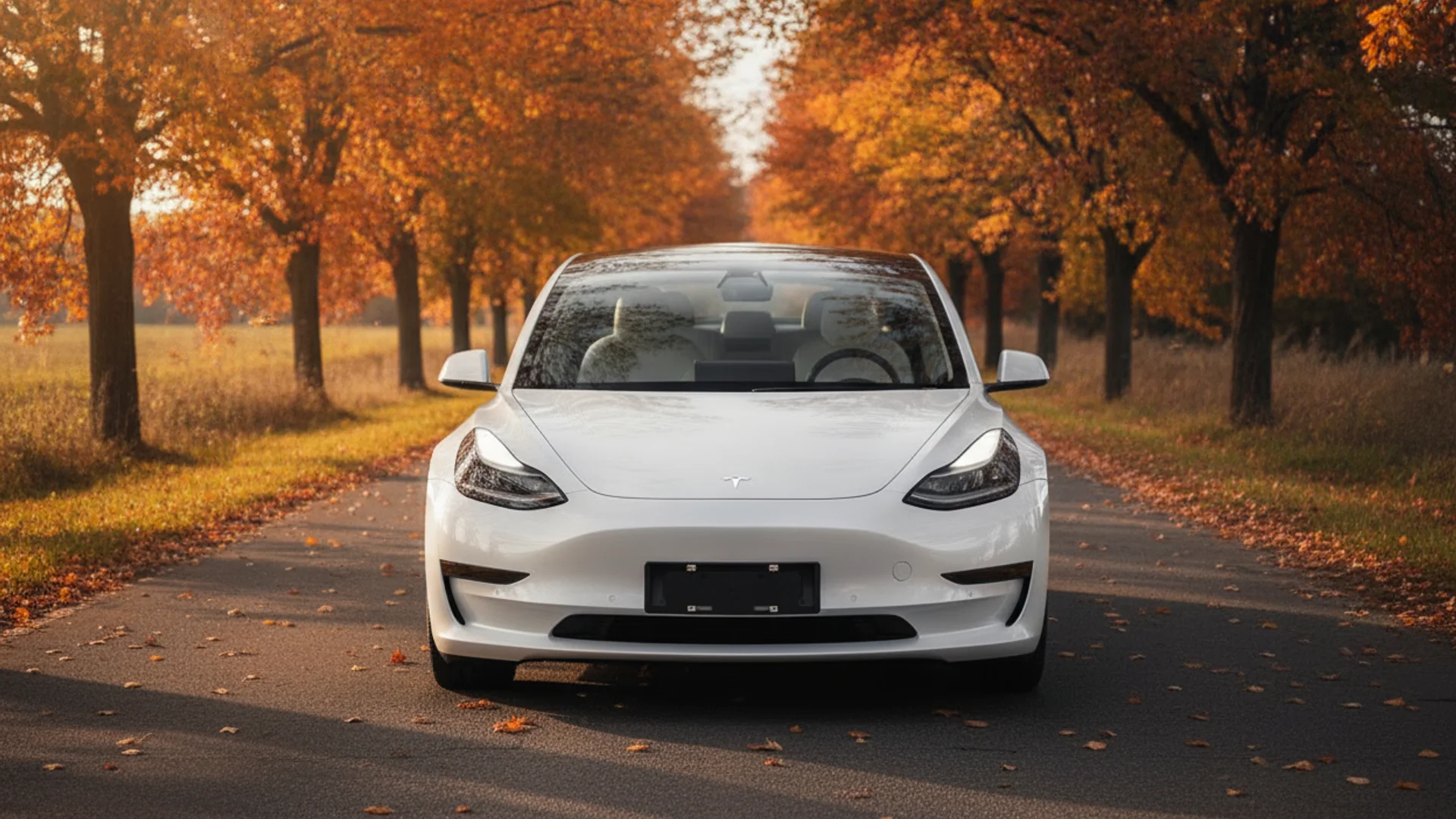
Canadians bought 8,672 new EVs in January, and the quarter that followed delivered 21,574 zero-emission vehicles sold, a ZEV share of 12.2%, after bottoming at 6.5% just twelve months earlier. That is a 74.7% year-over-year jump, and it reversed what the Canada Energy Regulator described as the first significant drop in ZEV sales since they started gaining popularity in the mid-2010s. The rebound is real. The policy floor underneath it is thinner than the sales chart suggests.
Key takeaways
- Canada's ZEV share hit 12.2% in Q1 2026, nearly doubling from 6.5% a year earlier.
- The spring rebound was driven by restored EVAP rebates and a gas-price spike from Middle East conflict, arriving simultaneously.
- GM Canada now leads EV sales with a 13-model portfolio across Chevrolet, Cadillac, and GMC.
- Ottawa proposed repealing the binding ZEV supply mandate in February 2026, letting automakers redirect Canadian inventory freely.
- BC and Quebec carry 20%+ ZEV share each; most of Canada still sits in low single digits.
12.2% Share in Q1 2026, After a Floor at 6.5%
The headline number is the Q1 2026 share: 12.2% of all new vehicle sales were zero-emission vehicles, nearly double the Q1 2025 figure of 6.5%. The absolute volume, 21,574 units in three months, is modest against Canada's roughly 1.7 million annual new-vehicle market, but the growth rate is the data point that matters.
Context from the registration side is more sober. Electric vehicles accounted for 5.2% of light-duty vehicle registrations in 2024, up from 3.9% in 2023. The cumulative EV stock on Canadian roads is still small, Transport Canada tracks the running total on its dashboard, with figures current as of July 1, 2026.
Provincial distribution is the other number you need. British Columbia and Quebec carry most of Canada's ZEV share, BC around 20–22% of new sales, Quebec around 19%. The rest of the country sits well below both, and in several Prairie and Atlantic markets the share is still in low single digits. "Canada's EV market" is really two provincial markets plus a long tail.
Four data points frame the rest of this piece:
- Q1 2026 ZEV share: 12.2% (up from 6.5% a year earlier)
- Q1 2026 ZEV volume: 21,574 units (+74.7% YoY)
- 2024 full-year registrations share: 5.2% of light-duty
- 2023 full-year registrations share: 3.9% of light-duty
Gear worth having
As an Amazon Associate, ThinkEV earns a small commission from qualifying purchases — at no extra cost to you.

VIOFO A229 Pro 4K Dash Cam
4K front plus 2K rear with parking mode and GPS. Your silent witness for insurance claims, with always-on sentry recording while parked.
As an Amazon Associate, ThinkEV earns from qualifying purchases — at no extra cost to you.
What Caused the 2025 Dip, and Why the Rebound Happened
The 2025 slump was not a demand collapse. It was an incentive-timing artifact. The federal iZEV rebate, the predecessor to today's EVAP program, paused in mid-2024 after exhausting its budget, pulling demand forward into Q1-Q2 2024 and leaving a vacuum for the second half of the year. EV sales climbed again after January, when the Liberal government restored incentives, and the rebound ran straight into a second accelerant, gasoline, which spiked just before the U.S. and Israel launched strikes on Iran, sparking a Middle East war that sent gas prices soaring. A restored rebate and a gas-price shock arrived in the same quarter. That is a dual-driver surge, and it did what dual-driver surges always do.
The spring numbers were vertical. New electric vehicle sales surged almost 150 per cent this spring, jolted by new government subsidies that reduced purchase costs and high gasoline prices that prompted people to think twice about buying a gas guzzler. Industry voices read the same signal, Joanna Kyriazis, director of Policy & Strategy at Clean Energy Canada, called it "a major comeback year for EVs in Canada".
Ottawa restored the purchase incentive in the same window it tabled a proposal to unwind the Electric Vehicle Availability Standard, the binding minimum ZEV sales mandate that was supposed to force automakers to supply the market regardless of year-to-year demand swings. The repeal is not law yet. The February 2026 announcement moved to a Canada Gazette Part I proposal on August 15, 2026, with a comment window closing in late October. Treat EVAS as proposed-for-removal, not gone. But the signal to the industry, that Ottawa is willing to remove the mandate while keeping only the cheque, has already been sent, and automakers plan allocations on signals, not on final Orders in Council.
For the deeper architectural question, see whether Canada's 2035 zero-emission mandate is actually realistic, the EVAS proposal reshapes that answer substantially.
Who Is Selling, and Who Is Buying, Canadian EVs
General Motors Canada has quietly become the volume leader. GM led full-year 2025 and held the lead through Q1 2026 with a 13-model portfolio spread across Chevrolet, Cadillac, and GMC, the Equinox EV, the Blazer EV, the Silverado EV, and the Cadillac Lyriq doing most of the volume work. Tesla's Canadian share has drifted downward from its 2022–2023 peak, partly on product aging, partly on the Model Y now facing credible competition at every price point. For the brand-by-brand breakdown with the actual unit numbers, see the EV market share by brand in Canada for 2026.
The buyer side is where the market is quietly maturing. The new-sales story gets the headlines; the used-EV story is the one that tells you whether the market is becoming normal. One industry framing has it that buying used could be "the best deal in the Canadian car market", a function of weak residuals on three-year-old leases hitting a market with restored incentives on new cars pulling asking prices downward across the board.
That is a double-edged signal. Cheap used EVs are good for second-time buyers and for mass-market adoption. They are bad for the first-owner economics that the entire fleet-turnover thesis depends on. If a three-year-old Model Y or Ioniq 5 is selling for 55% of its original sticker, the next round of lease residuals gets written down, which raises monthly payments on new leases, which is the mechanism by which the Q1 surge could quietly reverse without any policy change at all. Every new lease written in Q4 2026 carries the ghost of the 2023 residual auction, and that ghost is heavier every quarter. For the model-by-model residual picture, see which EV brands hold their value and which fall off a cliff.
Provincially, the picture has not changed. BC and Quebec continue to hold most of the national share, supported by provincial rebates stacked on top of federal EVAP. Ontario is improving but still under 10%. The Prairies and Atlantic Canada remain in low single digits. Any "national" EV adoption number is really a weighted average of two very different markets.
Gear worth having
As an Amazon Associate, ThinkEV earns a small commission from qualifying purchases — at no extra cost to you.

USB Star Projector Roof Light
Casts a drifting starfield across the headliner from a single USB port. The cheapest way to make the cabin feel special.
As an Amazon Associate, ThinkEV earns from qualifying purchases — at no extra cost to you.
Gear worth having
As an Amazon Associate, ThinkEV earns a small commission from qualifying purchases — at no extra cost to you.

Grizzl-E Classic Level 2 EV Charger (40A)
Canadian-made and rated for minus 40C winters. 40A / 9.6 kW, NEMA 14-50, indoor/outdoor, 24-ft cable. The charger built for Canadian weather.
As an Amazon Associate, ThinkEV earns from qualifying purchases — at no extra cost to you.
The Policy Floor Is Shakier Than the Sales Chart Suggests
Three structural changes landed in early 2026, and the market reaction has focused on the one that boosted sales while largely ignoring the two that are removing load-bearing policy walls.
The first wall under threat: the Electric Vehicle Availability Standard. Ottawa's February 2026 proposal to repeal EVAS progressed to a Canada Gazette Part I notice on August 15, 2026, with the public comment period closing around October 29. EVAS is the binding mandate that requires automakers to supply a rising minimum share of ZEVs each year. If the proposal is finalised, 2030 and 2035 targets become aspirational rather than enforceable, and automakers can adjust their Canadian allocation freely, pulling inventory from the Canadian market to higher-margin U.S. or European destinations whenever the margin math favours it. Even as a proposal, it is already shaping how automakers model Canadian supply for 2027–2028.
The second wall gone: the commercial fleet incentive. The iMHZEV Program concluded on March 31, 2026, but final uptake data will be available in an upcoming update. That program was the main lever for medium- and heavy-duty fleet electrification, delivery vans, short-haul trucks, municipal fleets. Those buyers are price-sensitive in ways consumers are not; without the top-up, fleet orders can collapse quickly and visibly.
What remains is EVAP, the February 2026 passenger-vehicle rebate program, up to $5,000 for a BEV, capped at a $50,000 final transaction value (no cap on Canadian-built vehicles), declining toward $2,000 by 2030, and excluding China-built vehicles on country-of-origin grounds. It is the primary demand-side lever still standing, and its ceiling comes down year by year on a published schedule.
Incentive-only architecture built the Q1 surge and will also unwind it. Exactly two factors arrived simultaneously: a restored rebate and a gas-price shock. Both are reversible, and both are already reversing. Oil prices have drifted downward from their June 2026 peak. The EVAP rebate steps down on a fixed schedule regardless of market conditions. If demand softens, neither of those trends will arrest the slide, and if EVAS repeal is finalised, there is no mandate floor to catch it.
The July 2026 analytical read on the market has described sales as stalled post-Q1, a reasonable framing if you discount the spring gasoline spike as a one-time accelerant and look at the underlying trajectory. Q2 and Q3 data will settle the question. If the share holds above 10%, the recovery was structural. If it drops back toward single digits, the Q1 number was a spike, not a floor.
I would put the base case at 9–11% full-year 2026 ZEV share, above 2025, below the Q1 2026 rate, with real uncertainty on both ends of that band. The band is wide because the underlying drivers are volatile, not because the data is bad.
Gear worth having
As an Amazon Associate, ThinkEV earns a small commission from qualifying purchases — at no extra cost to you.

PULIDIKI Car Cleaning Gel (Detailing Putty)
Press it into vents, buttons, and seams and it lifts out dust you did not know was there. Weirdly satisfying, genuinely useful.
As an Amazon Associate, ThinkEV earns from qualifying purchases — at no extra cost to you.
What to Watch for the Rest of 2026
Four checkpoints, ordered by signal strength, the tariff story is the most original and goes first.
The Chinese tariff quota exhaustion date. Global electric car sales exceeded 20 million in 2025, up 20% from 2024, and the overwhelming majority of that growth came from Chinese manufacturers. Canada and China announced a new EV tariff arrangement on January 16, 2026; the 6.1% in-quota rate and the 49,000-unit annual quota took effect March 1, 2026, when the 100% surtax was repealed (SOR/2026-32 and SOR/2026-33). Above the quota, imports are prohibited without a Global Affairs Canada permit, not taxed at a higher rate, blocked administratively. The date that quota gets exhausted (if it does) will tell you how much pent-up Canadian demand exists at the lower price point. BYD, Zeekr, and XPeng product that qualifies under the quota but not under EVAP creates a specific market experiment: will Canadian buyers pay a 6.1% tariff for a $30,000 Chinese EV when the alternative is a $45,000 domestic EV with a $5,000 rebate attached? The answer reshapes the entire 2027 forecast. For the lineup already lining up at the border, see the BYD Canada lineup and dealer picture for 2026.
StatCan Q3 2026 data (publishing November–December). This is the first clean read on whether the Q1 surge was structural or an incentive-plus-gas-price spike. A Q3 ZEV share above 10% says the market absorbed the jolt and kept moving. A share back under 8% says the spring was a window and the window closed.
Used EV price discovery. The three-year-old lease returns from the 2023 vintage are hitting the used market through late 2026. Average asking prices on a 2023 Model Y, Ioniq 5, and Mustang Mach-E are the leading indicator of whether EVs have crossed into normal depreciation territory or are still in the "unknown residual" penalty zone that kept lease payments high for most of the decade.
Provincial program changes. BC's $4,000 provincial rebate and Quebec's Roulez vert successor programs are the reason those two provinces hold the national share. Any softening in either would telegraph through the national number within one quarter.
The number to watch first is the Q3 StatCan release. If ZEV share prints above 10% with the gas price shock already in the rearview mirror, the recovery is real. If it prints below 8%, Q1 was a window, and the structural question about Canada's EV market is open again.
Gear worth having
As an Amazon Associate, ThinkEV earns a small commission from qualifying purchases — at no extra cost to you.

WixGear Magnetic Air Vent Phone Mount (2-Pack)
A magnet strong enough that your phone never flinches over potholes or rail crossings. Two in the box, one for each car.
As an Amazon Associate, ThinkEV earns from qualifying purchases — at no extra cost to you.

Founder & Chief Editor
Vlad Pereira is the founder and chief editor of ThinkEV.ca, the Canadian electric-vehicle publication he writes and edits from Courtenay, British Columbia. He covers EV pricing, federal and provincial rebates, charging costs, and the Chinese manufacturers now entering Canada, from the buyer's side rather than the press-fleet side. ThinkEV is a venture of Vlad Pereira Online; his writing on health, income and the long game lives at vladpereira.com.
Frequently asked questions
Will EV sales hold up if EVAS is repealed?
Which provinces are actually driving the 12.2% national share?
Is GM really outselling Tesla in Canada now?
Why are used EVs suddenly so cheap in Canada?
What happened to the fleet electrification incentive?
More EV & road-trip finds
Affordable upgrades worth a look — tap any to check the price on Amazon.
 ★ 1,866
70mai A810 4K Dual Dash Cam
View on Amazon ★ 87
Car Window Sun Shades for Kids (4-Pack)
View on Amazon ★ 68
WeatherTech FloorLiner for Tesla Model 3
View on Amazon ★ 4,050
Touchscreen Mist Screen Cleaner Kit
View on Amazon ★ 419
RGB Car Interior LED Strip Light
View on Amazon ★ 4,626
HoogaLife Hanging Car Diffuser (2-Pack)
View on Amazon ★ 4,424
Sun Visor Card and Document Organizer
View on Amazon ★ 15,014
Spigen Tempered Glass for Tesla Model 3/Y
View on AmazonRead, Plan, Then Stay Current
Explore our expert articles to understand incentives and ownership costs, use the map to pressure-test charging reality, then subscribe so new EV coverage comes straight to you.
Continue Reading
EV Rebates in Canada: How EVAP and Provincial Stacking Work
EV Incentives Canada 2026: Federal and Provincial
How to Test-Drive an EV: What Gas-Car Buyers Miss
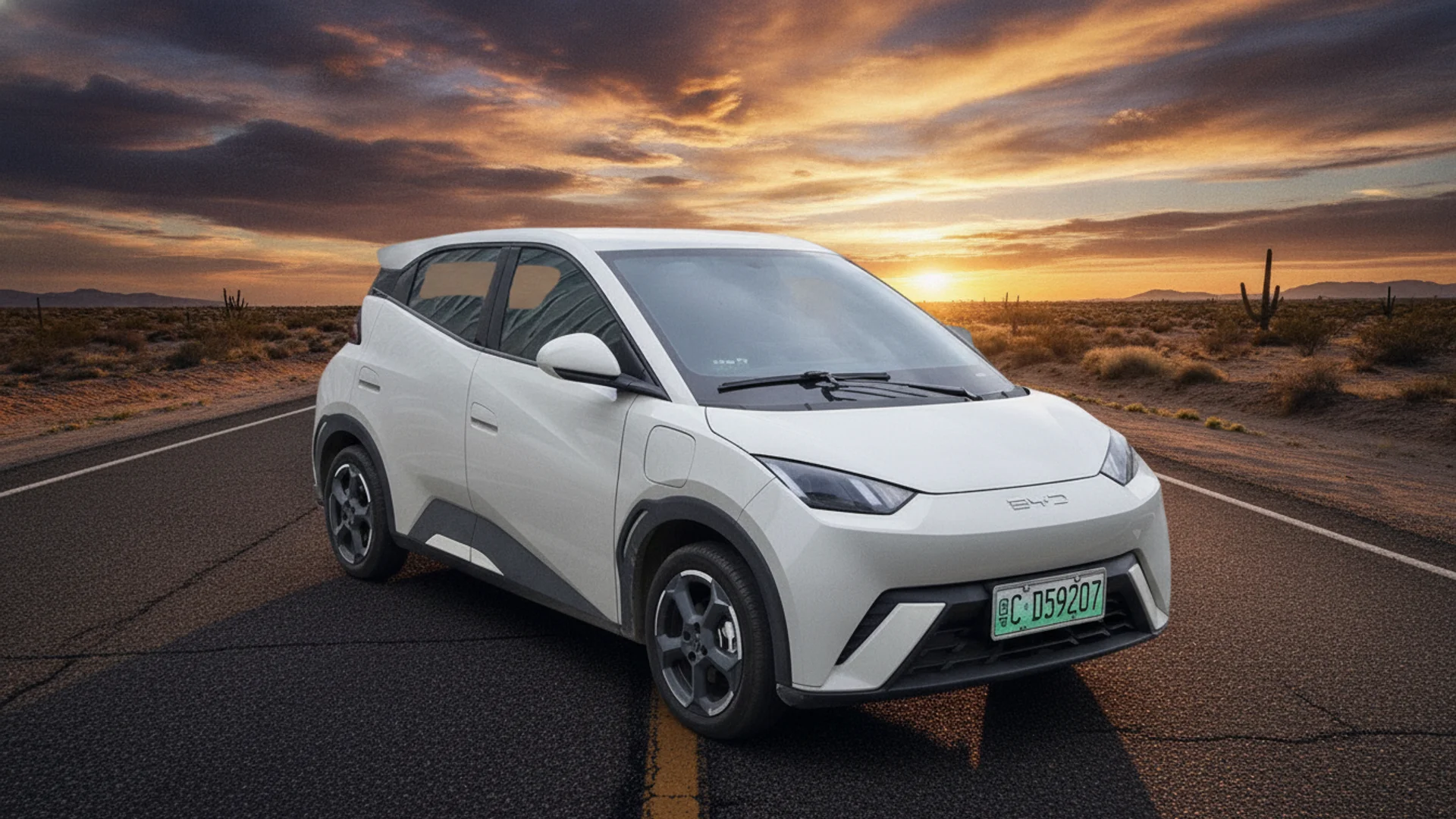
BYD Seagull Canada Price Estimate, Real Specs, Real Wait
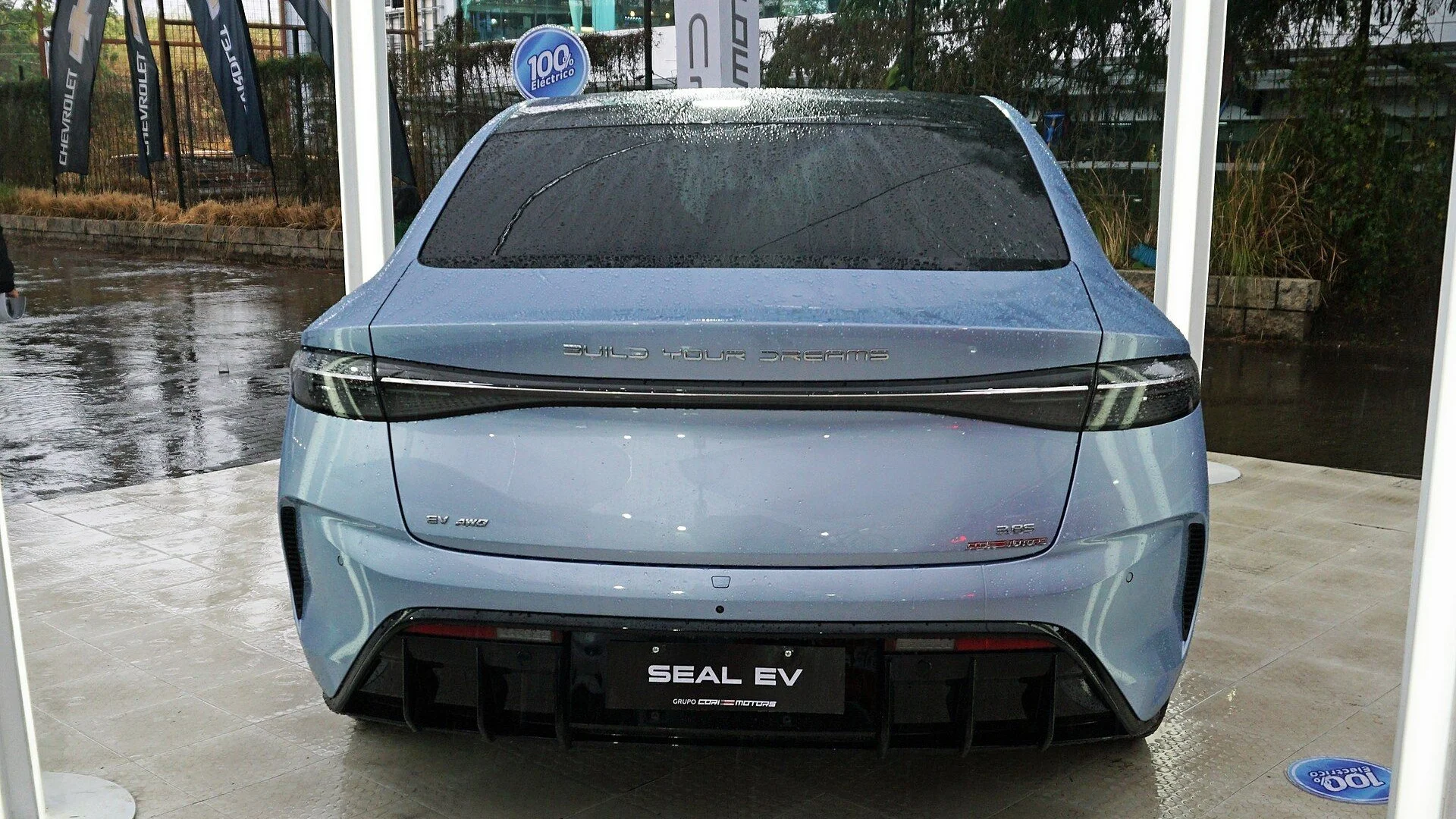
BYD Auto Explained, and Why It Is Not Sold in Canada Yet